Soundbars
Sonos Beam Gen 2 Review: Compact Dolby Atmos Sound With Clearer Dialogue
A practical look at the Sonos Beam Gen 2, a compact Dolby Atmos soundbar built around dialogue clarity, simple setup, and everyday usability.
Introduction
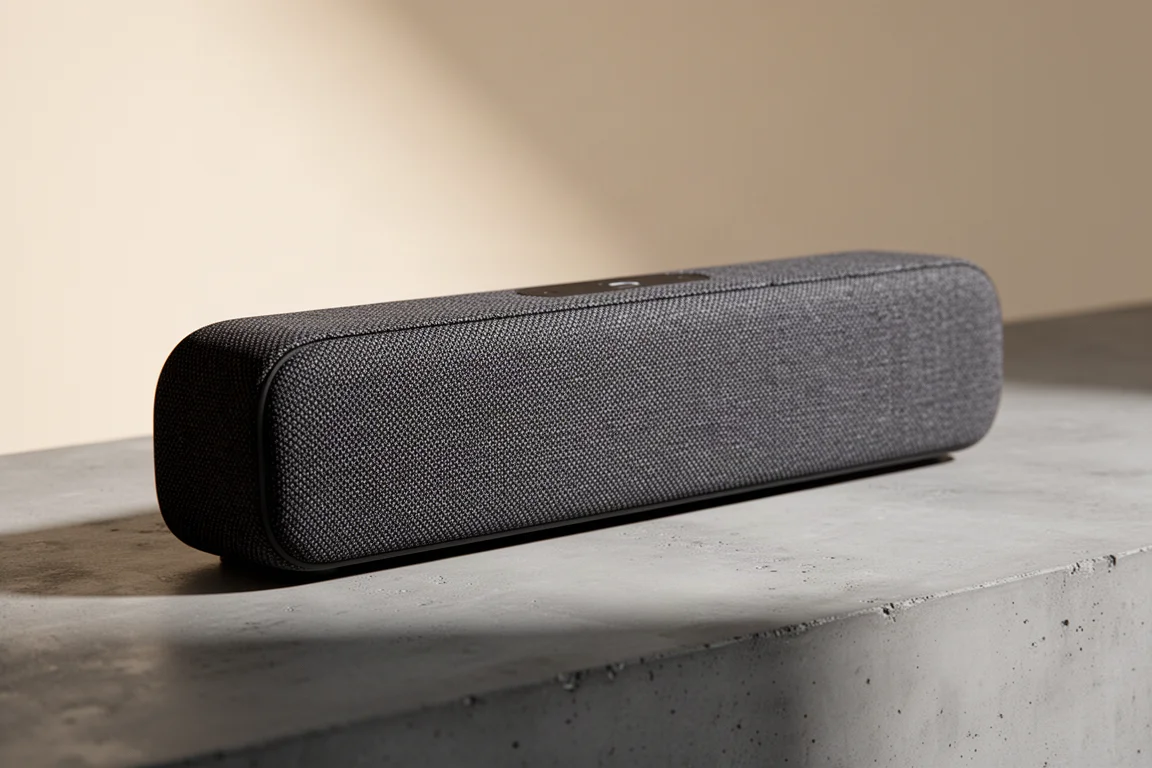
The Sonos Beam Gen 2 is the updated version of a soundbar that became one of the most popular ways to improve TV sound. The original Beam arrived in 2018 and built its reputation on sound quality, ease of use, and a compact form factor. The Gen 2 keeps all of that and adds Dolby Atmos compatibility, along with a more powerful processor that changes the way its driver array operates.
That combination makes it a natural first step for anyone moving up from built-in TV speakers, and it also raises a fair question: how much of the immersive experience of the larger Sonos Arc can a bar this size deliver? The short answer is that it gets the fundamentals right, especially dialogue, and it stops short of the Arc only where physics and price say it should.
Who the Sonos Beam Gen 2 Is For
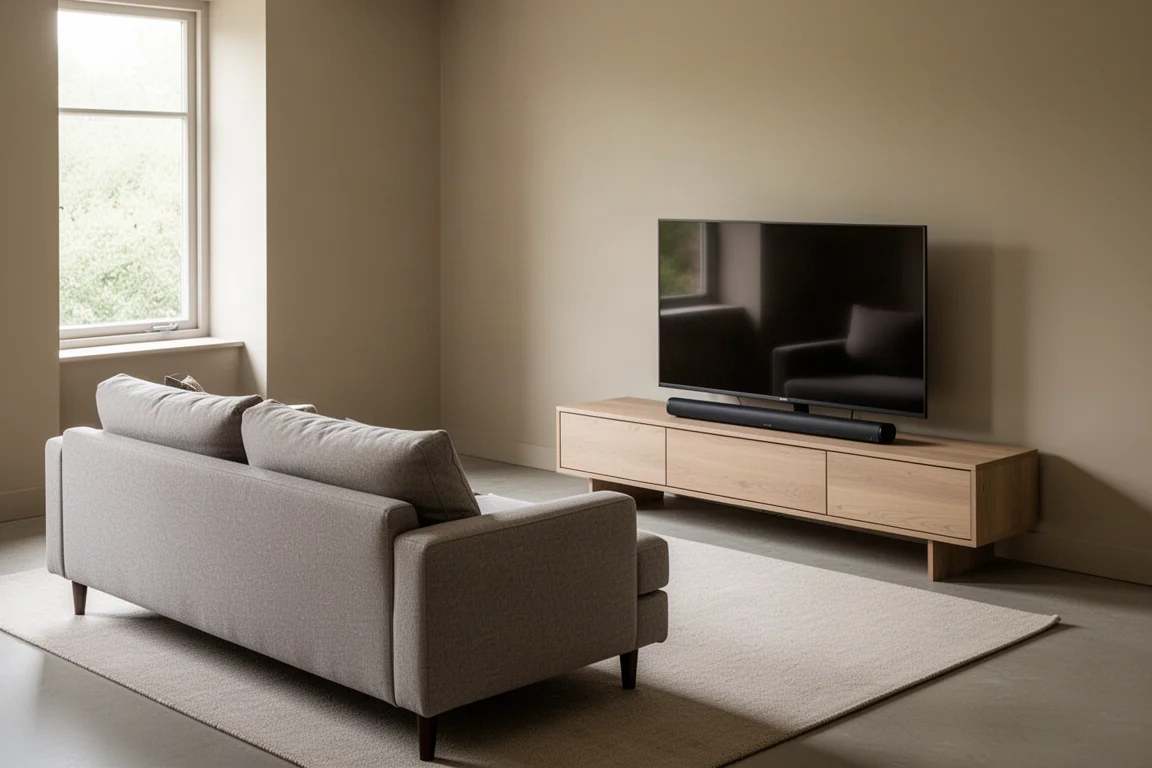
This bar is aimed at listeners who want noticeably better TV sound without rebuilding a room around it. It measures roughly 2.75 inches tall, 4 inches deep, and just over 25.5 inches wide, so it sits under most televisions on the same cabinet or mounts to a wall. Matte black and matte white finishes keep it visually quiet.
It also fits naturally into the wider Sonos ecosystem. Components can be grouped and played together, the app is one of the most capable available for controlling music, and the platform has a long history of adding features through software updates. Voice control and Apple AirPlay 2 are both on board.
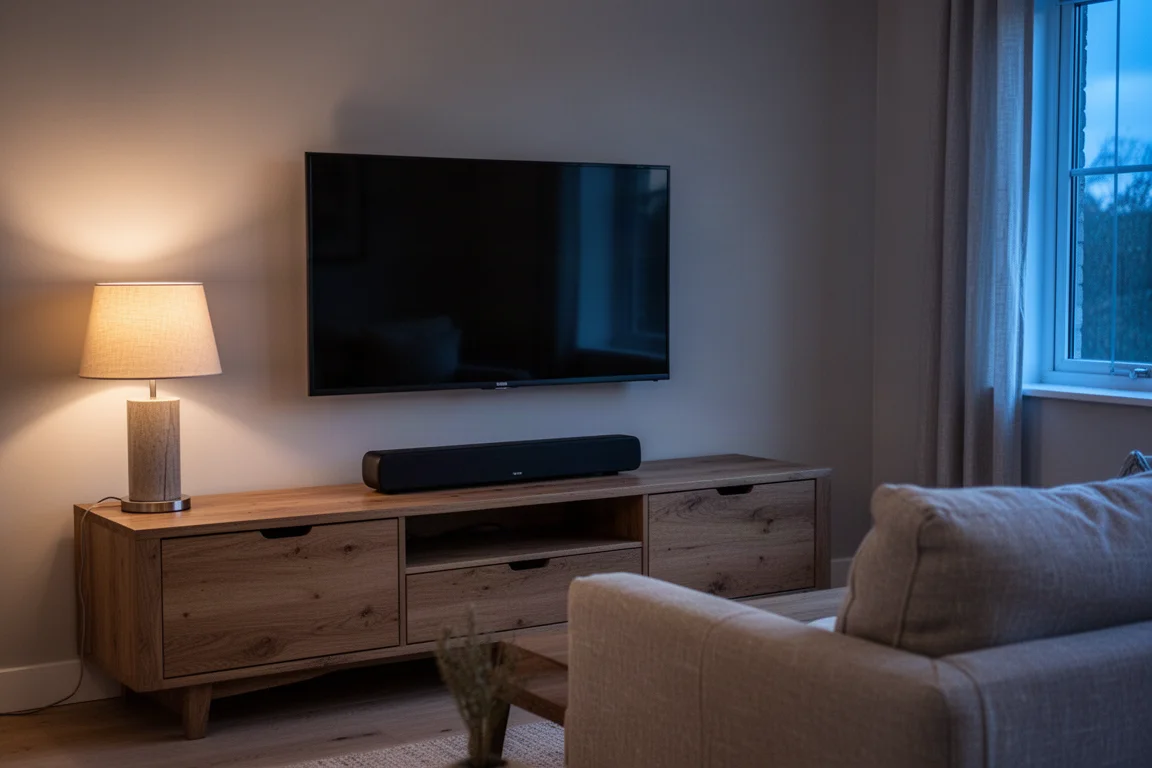
If your goal is a clear, simple upgrade in a normal family room, this is the audience the Beam Gen 2 was built for.
Main Strengths: Dialogue Clarity and Dolby Atmos
Dialogue is where this bar separates itself from TV speakers and, in some moments, from far more expensive hardware. Across demanding material, including quiet conversation scenes and dense sound mixes, voices came through rich and full rather than thin or artificially pushed forward. Subtle shifts in volume within a performance stayed audible, which is what makes a scene feel natural instead of merely loud.
Bass output is deeper and more impactful than any built-in TV speaker, though the bar remains limited in how low it can go. Adding a Sonos Sub transforms that part of the experience.
The Gen 2 keeps the same number of drivers and amplifiers as the original Beam, but the upgraded processor lets the five-channel phase array work differently, and that is what enables its Dolby Atmos presentation. Effects can move above and around the listening position, so rain can seem to fall overhead and small details can travel across the room.
Everyday controls are well covered too. Night Sound softens dynamics and bass for late viewing, Voice Enhance lifts dialogue intelligibility on difficult content, and tone controls are available in the app.
Setup, Connectivity, and Everyday Controls
Setup is quick. Holding a smartphone near the bar transfers the wireless network credentials, and the HDMI connection to a compatible television is often recognized automatically. Room tuning is handled by TruePlay, which uses an iPhone to walk the room while test tones play and then applies acoustic corrections.
Connectivity is where the Gen 2 moves ahead of the original. The HDMI port is eARC, which unlocks enough bandwidth for uncompressed formats including Dolby Atmos, Dolby Digital Plus, and True HD. Televisions with an older ARC connection still receive Dolby Atmos, but in compressed form, and Sonos includes an optical-to-HDMI adapter for older sets that only offer optical output. DTS support is being added through a software update.

On top of the bar, capacitive touch controls handle basic functions, and the microphone can be switched off with a single button when privacy matters.
Things to Consider Before Buying
Two limits are worth knowing before purchase. The first is bass: the bar on its own cannot produce the low-end weight that a separate subwoofer can, which is why the Sonos Sub is such a common addition. The second is scale. In a typical family room, the Atmos effect is present and convincing in a modest way, but it does not envelop the room the way a bar with a larger driver array can.
It is also worth being clear about the design goal. This is a soundbar built to replace built-in TV speakers, not to be the most ambitious home theater system available. Judged against that purpose, its compromises make sense.
How the Beam Gen 2 Compares With the Sonos Arc
The Arc is the larger, Atmos-focused Sonos soundbar, and it carries 11 drivers against the five active drivers in the Beam Gen 2. In immersive terms, the difference is plain: overhead effects land more convincingly, and the sense of being surrounded by a scene is far stronger. The Arc is also nearly twice the price, and paired with a Sonos Sub it becomes a remarkably capable and simple system.
The interesting part is that the gap does not run in one direction. On dialogue, the Beam Gen 2 held its own and in some scenes matched or edged past the Arc, which is a notable result for a bar of this size. What you give up by choosing the Beam Gen 2 is immersion and low-end authority, not clarity.
If Atmos immersion is the priority, the Arc is the more convincing answer. If clear, natural dialogue is what you notice most, the smaller bar closes much of the distance for far less money.
Music Listening and System Building
If music matters as much as film sound, there are alternatives worth weighing at similar money. A Sonos Amp paired with a good pair of bookshelf speakers gives a stereo setup that handles music better, and its ARC connection lets a TV remote control the volume. Quality powered speakers are another route.
Those options trade the Beam Gen 2’s simplicity for stronger musical performance, so the right answer depends on how the system will be used most of the time.
Buying Advice
For a straightforward upgrade from built-in TV speakers, the Beam Gen 2 is easy to recommend. Dialogue is the single most important part of everyday viewing, and few soundbars at a comparable price handle it this well. The bar sits in the same price range as the original Beam, which was a best seller in the $350 to $500 bracket in the United States.
Buy it if better dialogue, a compact footprint, and simple setup are the priorities. If immersive Dolby Atmos is the goal, the honest advice is to save toward the Sonos Arc instead, ideally with a Sonos Sub. And if music is the main event, a Sonos Amp with quality speakers will serve better.

Whatever you choose, matching the system to the room and to how you actually watch and listen will matter more than any single specification.
Conclusion
The Sonos Beam Gen 2 does the job it was designed for extremely well. It makes dialogue clearer and more natural, adds a real sense of height and movement through Dolby Atmos, and stays simple to set up and live with. It will not replace a larger Atmos system, and it will not deliver deep bass on its own, but as a first serious step beyond TV speakers it is a confident choice.
Product link
View more details for Sonos Beam Gen 2
This product is mentioned in the review. Check the specifications, options, and compatibility before buying.
View more details for Sonos Beam Gen 2Further reading
Related Reviews
Soundbars
Bang & Olufsen Premiere Review: A Compact Soundbar Built to Last
A close look at the Bang & Olufsen Premiere, a compact soundbar with deep bass for its size, automatic sound profiles, and a clear modular upgrade path.

Soundbars
Best Dolby Atmos Soundbars: Six Picks for Movies, Music, and Small Rooms
A practical roundup of six Dolby Atmos soundbars, from compact dialogue-focused bars to expandable systems and an all-in-one flagship.

Soundbars
Bluesound Pulse Cinema Review: A Music-First Soundbar With a Software Catch
A close look at the Bluesound Pulse Cinema, a 3.2.2 soundbar with a genuinely expressive midrange and natural tone, plus the app and expansion limits worth knowing before you buy.