Soundbars
Sonos Arc Ultra Review: More Bass, Clearer Dialogue, Same Slim Profile
The Sonos Arc Ultra pairs a revamped 14-driver acoustic architecture with Sound Motion bass technology, delivering more low-end weight and clearer dialogue than the original Arc.
Introduction
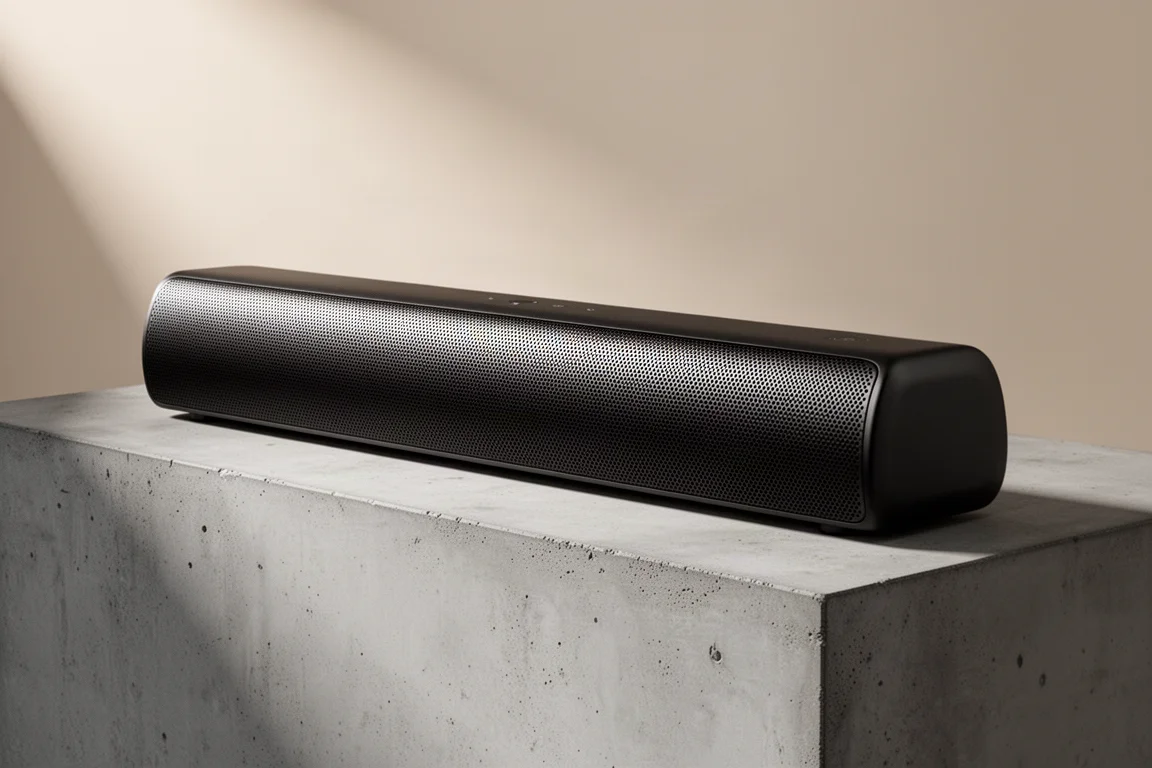
The Sonos Arc Ultra arrives with some of the boldest claims Sonos has attached to a soundbar: a 9.1.4 Dolby Atmos presentation, best-in-class vocal clarity, and up to double the bass output of the original Arc. Those numbers are ambitious for a bar that keeps the same slim, curved silhouette as the model it replaces. At a glance, almost nothing looks different. Look closer and the Arc Ultra is roughly half an inch shorter and about a pound lighter than the original Arc, which makes it easier to slide under a television sitting on a credenza.
The real changes are inside the cabinet. Sonos has revamped the acoustic architecture and introduced a transducer design it calls Sound Motion, described as a significant breakthrough in audio engineering because it drastically reduces the size of the transducer while increasing bass output. It is the first time the technology has appeared in any Sonos product. This review walks through what the Arc Ultra does well, where it asks for patience, and how to decide whether it belongs in your room.
Who the Sonos Arc Ultra Is For
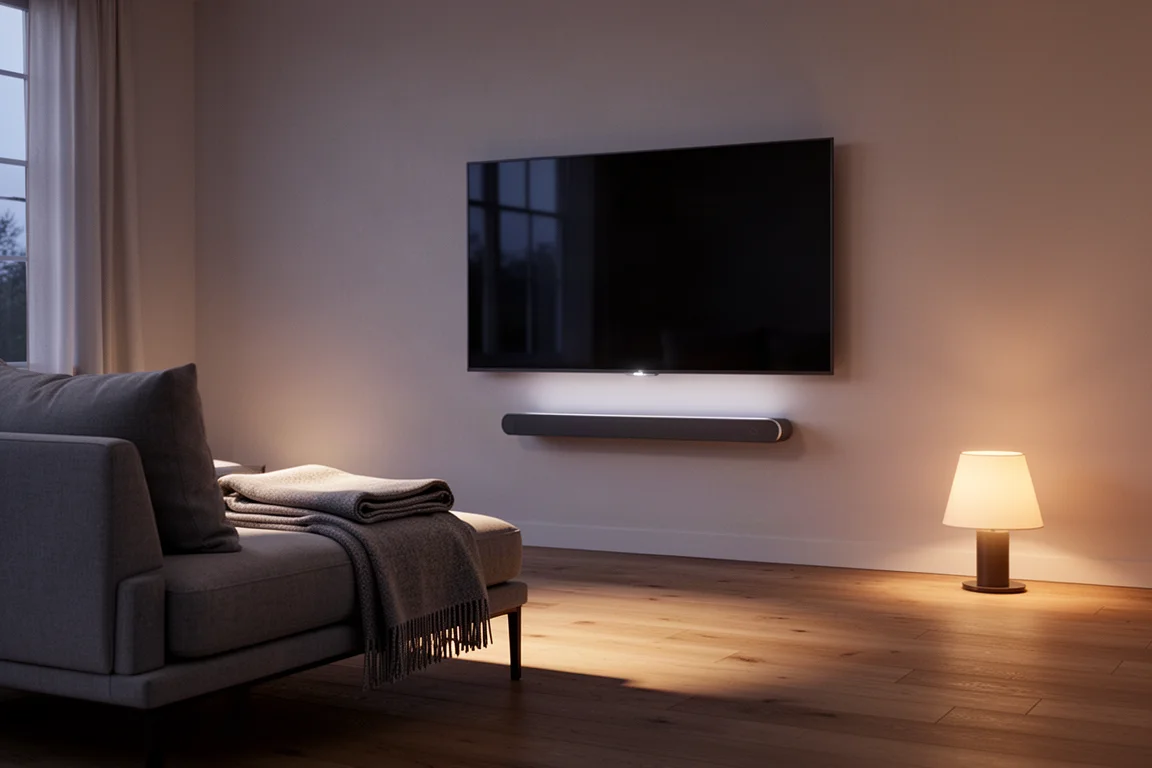
The Arc Ultra is aimed at listeners who want an immersive Dolby Atmos experience without running speaker cable around a room. If your room is on the smaller side, the bar alone is capable enough that you may not need a subwoofer or surround speakers to get started. In a room with a hard, flat ceiling and nothing in the way, the upward-firing drivers bounce audio off the ceiling to create a convincing three-dimensional bubble of sound from the soundbar by itself.
It is also a natural upgrade for owners of the original Arc who have wanted more low-end weight and clearer dialogue. And because the bar can send television audio straight to Sonos Ace headphones with the press of a button, complete with dynamic head tracking that adjusts the sound based on which way you are facing, it suits anyone who wants to stay in the middle of the action without filling the room with sound. That particular feature does require owning a pair of Ace headphones.
Main Strengths
Sound Motion Brings More Bass to a Slim Bar
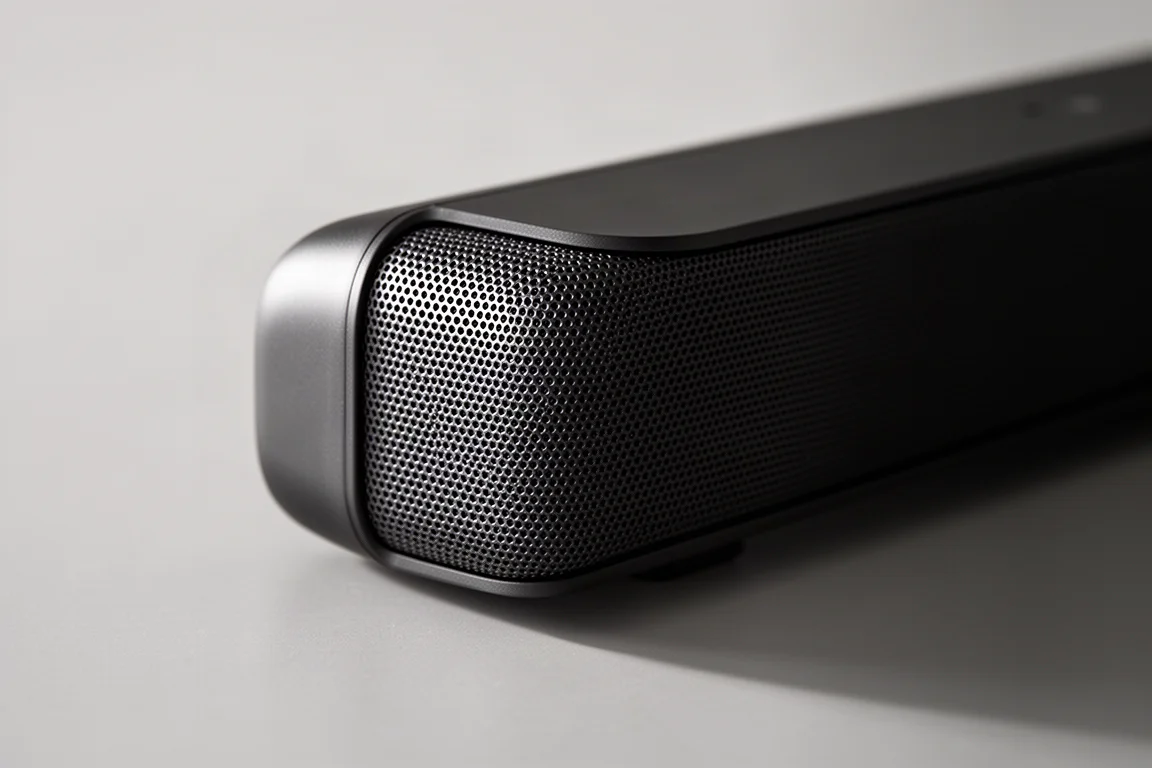
Sound Motion is the headline technology. Four lightweight motors sit in opposite corners, allowing the cones to move more air and strengthen the low end. High-performance polymer suspension elements connect to each motor to provide stability and a full range of motion, while aluminium ribs support the cones and link them to the motors inside a compact sandwich enclosure. The dual cones move in opposite directions, creating a force-cancelling effect that eliminates vibration, and each motor carries dual magnets for greater magnetic force.
The result is a transducer that Sonos says is more powerful than traditional transducers up to three times its size, delivering exceptionally low and fast bass from a very small footprint. Both the original Arc and the Arc Ultra are rated to reach down to around 50 Hz, but the Arc Ultra is quoted at double the output, which translates into noticeably greater impact.
In practice the difference is easy to hear. Across a range of music, the extra bass from Sound Motion handled the low end of a mix with more detail and punch, and it took load off the other drivers, which let vocals sit forward and stand out. The claim of double the bass output is best read as a controlled-condition figure. In real-world listening the gain comes very close to that, and it is unmistakable next to the original Arc.
Dialogue Clarity and Speech Enhancement
The Arc Ultra runs a completely revamped acoustic architecture with 14 drivers, up from 11 in the original Arc. That count breaks down into seven silk dome tweeters for clean highs, six woofers covering the midrange, and the Sound Motion woofer handling bass. Each driver is positioned to support dialogue clarity and widen the soundstage, with side-firing drivers projecting audio from wall to wall and upward-firing drivers handling height effects.
Sonos has also added a speech enhancement feature that you adjust directly in the Sonos app, so you can tune it to taste. It is not a simple volume boost for voices. It makes dialogue clearer without burying the rest of the mix, which is useful for films with quiet or poorly balanced dialogue. Custom colinear waveguides spread sound evenly around the room for a more balanced, dynamic result.
Streaming, Connectivity, and Control
On the back you will find a thin control panel with a voice control touch button, playback controls and a volume slider. Connections are deliberately minimal: a single HDMI eARC port, a Bluetooth pairing button and an Ethernet port for a more stable connection. HDMI eARC is the better route when your television supports it, since it carries the best sound quality and lets you control volume with the TV remote. If you need optical instead, an optical adapter is sold separately.
Wireless options cover Wi-Fi through the Sonos app for the best streaming quality, plus AirPlay 2, Spotify Connect and Bluetooth 5.3. Voice control comes from Sonos Voice Control or Alexa, and there is a switch on the back to turn the microphone off. Google Assistant has been removed. Trueplay room correction remains, and it is now available to Android users as well as iPhone users, though the two paths differ.
On Android, Trueplay uses QuickTune, which relies on the bar’s onboard microphones to calibrate itself rather than the phone’s microphones. On iPhone, the full walk-around-the-room version remains the more thorough option and is the one to use if you have the choice.
Things to Consider Before Buying
The app is the first thing to weigh. Sonos has publicly acknowledged that a major app update missed the mark, introducing bugs and removing features, and the fallout pushed some buyers to look at alternatives. The company has shipped a long run of updates since, and its CEO has announced a set of commitments and a renewed focus on software quality, customer experience and excellence. Setup and day-to-day use of the Arc Ultra were trouble-free in testing, but if app reliability is a dealbreaker for you, it is fair to wait and see how that commitment plays out.
There is also the hardware itself. The back panel keeps a single HDMI port, so there is no HDMI switching for game consoles or other sources. The Arc Ultra reaches down to around 50 Hz, which is impressive for a bar, but a separate subwoofer still goes considerably lower, down to around 25 Hz, and that is what delivers the chest-hitting punch in action scenes.
Buying Advice
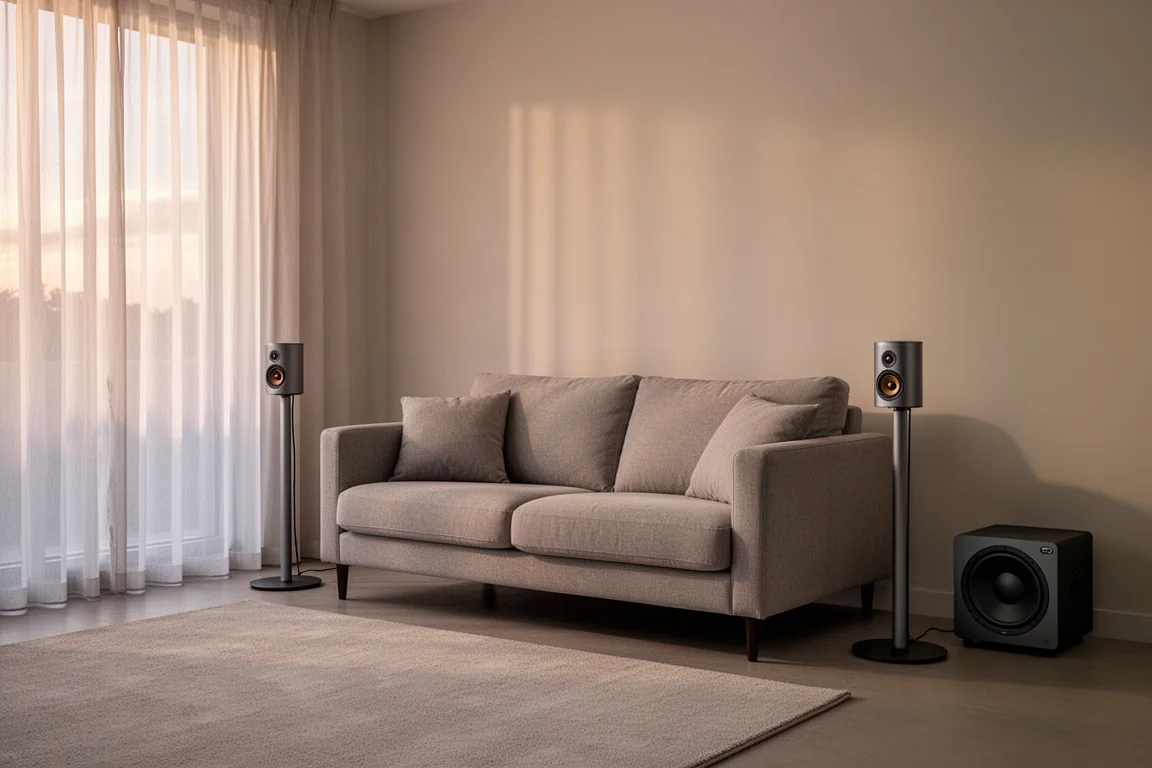
If you are starting fresh in a smaller room, the Arc Ultra on its own is a strong place to begin, and you may not need a subwoofer or surrounds at all. In a medium or large room, a subwoofer is the first addition worth making, ahead of surround speakers, because it extends the low end far below what the bar can manage. A full setup with the Arc Ultra, a Sub 4 and two Era 300s as rear surrounds runs around $2,500, which is still less than some flagship alternatives.
The companion Sub 4 keeps the same shape and dual force-cancelling woofers as the previous generation, adds a matte black or white finish, and brings a new wireless radio for stronger connections plus more memory and processing power for future features.

If you already own a Sub Gen 3, the case for moving to the Sub 4 is weak. In listening comparisons the performance gain was very small, so that upgrade makes sense mainly for those who want the newest hardware and the longest runway for future software. Owners of the original Arc who have wanted more bass and clearer dialogue, on the other hand, should feel confident making the jump.
Conclusion
The Sonos Arc Ultra is a genuine step forward rather than a cosmetic refresh. Sound Motion delivers bass that a bar this slim has no business producing, dialogue is clearer than before, and the addition of Bluetooth and Android Trueplay fills two long-standing gaps. Keep the app history and the single HDMI port in mind, and pair the bar with a subwoofer if your room and budget allow. For anyone who wants immersive Dolby Atmos sound without a rack of separates, it is an easy recommendation.
Product link
View more details for Sonos Arc Ultra
This product is mentioned in the review. Check the specifications, options, and compatibility before buying.
View more details for Sonos Arc UltraFurther reading
Related Reviews
Soundbars
Bang & Olufsen Premiere Review: A Compact Soundbar Built to Last
A close look at the Bang & Olufsen Premiere, a compact soundbar with deep bass for its size, automatic sound profiles, and a clear modular upgrade path.

Soundbars
Best Dolby Atmos Soundbars: Six Picks for Movies, Music, and Small Rooms
A practical roundup of six Dolby Atmos soundbars, from compact dialogue-focused bars to expandable systems and an all-in-one flagship.

Soundbars
Bluesound Pulse Cinema Review: A Music-First Soundbar With a Software Catch
A close look at the Bluesound Pulse Cinema, a 3.2.2 soundbar with a genuinely expressive midrange and natural tone, plus the app and expansion limits worth knowing before you buy.