Headphones
Sonos Ace Review: Premium Over-Ear Headphones With Physical Controls and Sonos Ecosystem Features
The Sonos Ace brings a slim over-ear design, tactile buttons, 40mm drivers, and soundbar audio swap to a $449 premium headphone.
Introduction
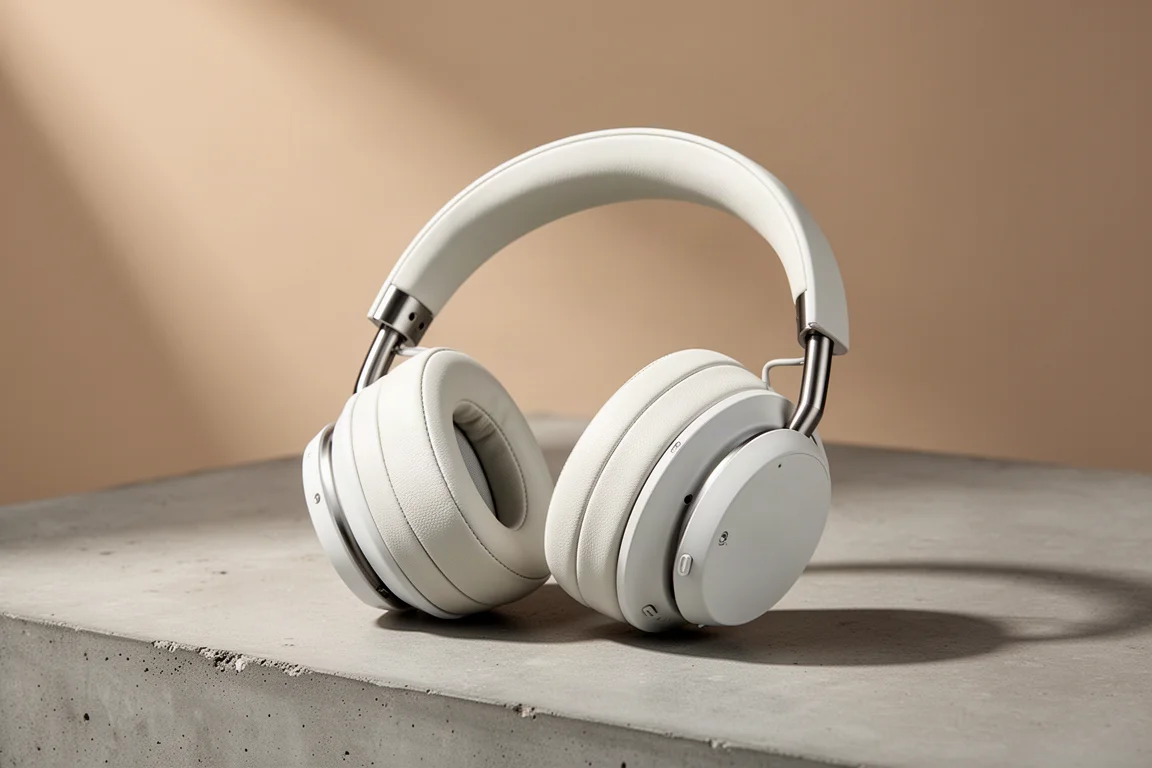
Sonos has entered the over-ear headphone category with the Sonos Ace, a closed-back design positioned at the top of the company’s personal audio range. It is priced at $449 and available from June 5, and it ships in a soft-touch case in two finishes: a soft white colorway and a matte black version.
The Ace is not simply a Sonos speaker reshaped for your head. It uses physical buttons rather than touch gestures, supports wired USB-C listening alongside Bluetooth, and includes features that only pay off if you already own Sonos equipment. For anyone considering a premium over-ear purchase, those decisions are the ones worth understanding first.
Who the Sonos Ace Is For
The Ace is aimed at buyers who want a slim, low-profile over-ear headphone rather than a bulky one. Its silhouette reads as a slimmer take on familiar premium designs, and the finish work is the kind you notice the moment you take it out of the case.
It also suits a specific kind of listener: someone who prefers pressing a real button over swiping a touch panel, and who wants a wired option available when wireless is not ideal. The USB-C port handles both charging and wired listening, which matters if you care about getting the best possible audio quality from a source that supports it.

There is a third audience, and it is probably the most enthusiastic one. If you already own a Sonos Arc soundbar, the Ace can move audio from the soundbar to the headphones with a single button press, which turns late-night film watching into something you can do without waking anyone else in the house.
Design, Comfort, and Build Quality
The Ace weighs 312 g, or roughly 11 oz. That is a little more than some well-known competitors, and the extra mass shows up as a more solid, more premium feel in the hand rather than as a burden on the head.
The headband is hinge-free and connects to the ear cups through a stainless steel arm, which visually separates the two color zones nicely on both finishes. Headband adjustment is smooth, and the ear cups have a small amount of in-and-out play so they can settle properly on different head shapes.
The headband and ear cushions are memory foam lined and wrapped in a soft vegan leather. After initial testing and moving around while wearing them, the clamping force proved enough to keep the headphones in place and to create a good acoustic seal, without crossing into the kind of pressure that becomes uncomfortable over a long session.
One small detail deserves credit: the inside of the right ear cup is a different color, so putting the headphones on the correct way round takes no thought at all. That is the sort of thing that quietly improves daily use.
Controls and Everyday Use
The left ear cup carries the power and Bluetooth pairing button along with the USB-C port. The right ear cup holds a dedicated button for switching between active noise cancellation and aware mode, plus a sliding button for volume up and volume down, with a press to play or pause and to answer a call.
If you dislike touch-sensitive swiping, this layout is a genuine advantage. The controls are easy to locate by feel while the headphones are on your head, so adjusting volume, pausing music, or taking a call never requires looking at anything.
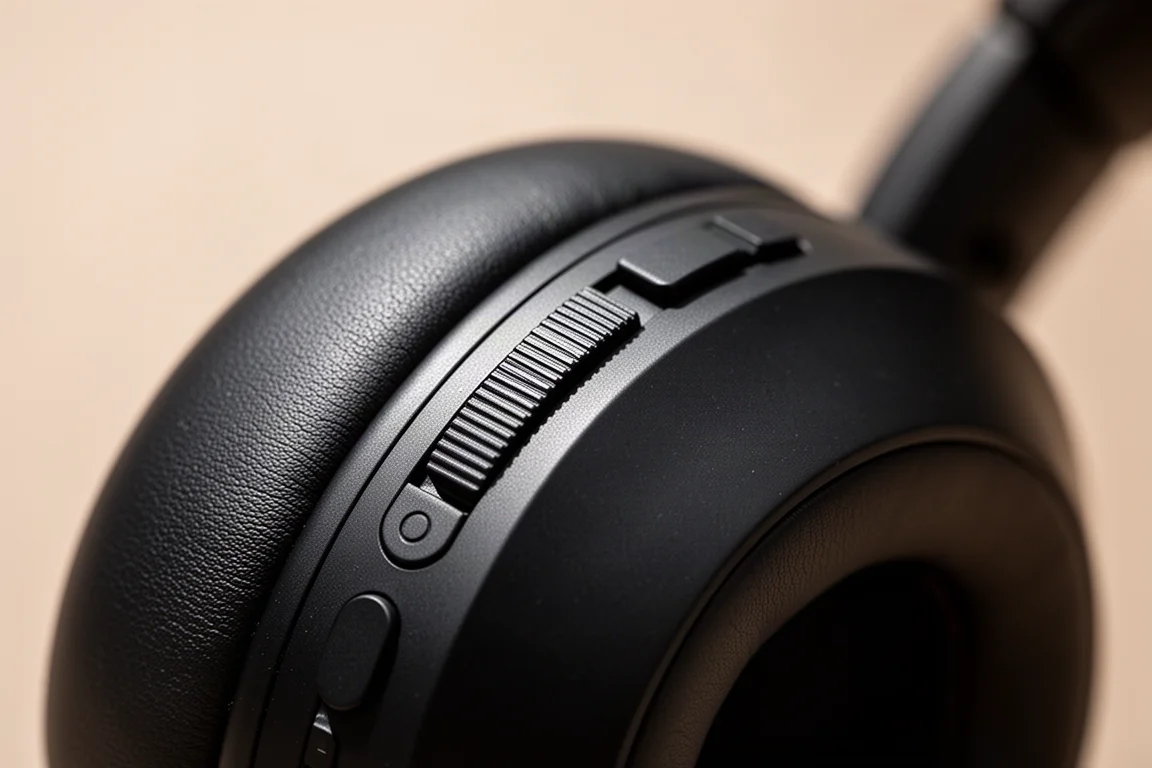
The buttons are also the reason the Ace feels predictable in daily use. There is no guessing whether a gesture registered, and no accidental track skips when you adjust the fit. Once you learn the layout, the interaction becomes automatic.
Main Strengths
Sound Quality and Driver Design
Inside the Ace are custom-designed 40mm dynamic drivers built for precision and clarity. Across several genres over Bluetooth 5.4, the bass came through as deep and fast, and vocals stayed clean and easy to follow. The ported bass architecture contributes to how the low frequencies are delivered.
The companion app allows bass, treble, and loudness to be adjusted to taste. On a compatible Android phone, lossless audio can be streamed over Bluetooth. For the highest available quality, the USB-C port supports a wired lossless connection, which is a meaningful inclusion on a premium headphone.
Noise Cancellation and Awareness Mode
Eight beamforming microphones actively listen to your surroundings to cancel outside noise, and the same array listens to your voice during calls to isolate it and keep it clear.
The active noise cancellation sits right up there with the best available in over-ear headphones. Aware mode is equally strong, and rather than simply letting sound through, it appears to isolate and slightly amplify voices, which makes conversation noticeably easier to follow.
Battery Life and Rapid Charging
Sonos states a 30-hour battery life with noise cancellation switched on. Rapid charging is also supported, giving up to three hours of listening time from a quick three-minute charge, which is the kind of figure that rescues a long journey or a forgotten charging session.
Sonos Ecosystem Features
This is where the Ace separates itself from most premium headphones. If you own a Sonos Arc soundbar and a pair of Ace headphones, audio can be swapped from the soundbar to the headphones with the press of a button. The rest of the soundbar lineup is expected to gain the same ability through a future update.
The Ace also includes intelligent motion processing with Dolby head tracking, which follows your head movement to place you inside the soundscape. Turn your head left, right, up, or down, and sounds shift accordingly. If a voice is in front of you and you turn away, that voice fills the ear facing it, as though the speaker is still in front of you in the room. Spatial audio tracks are supported from Dolby Atmos and Sony 360 Reality Audio sources, including Apple Music, Amazon Music, Tidal, and Deezer.
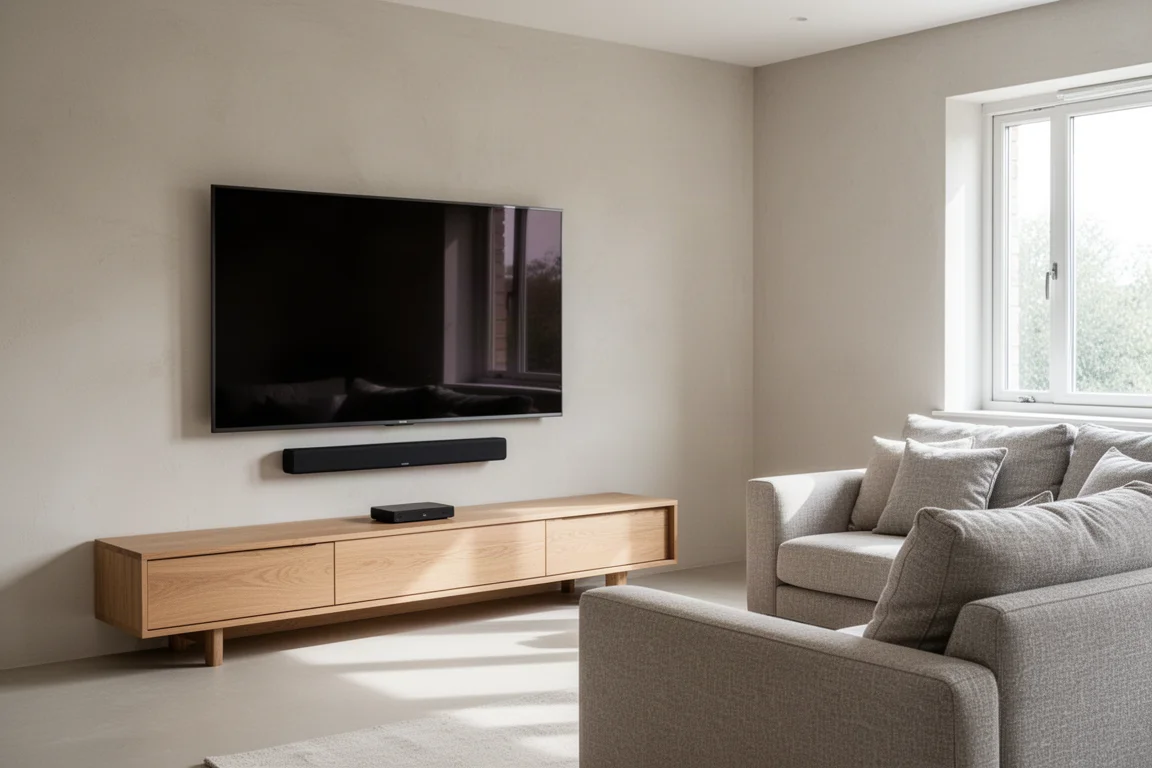
A further feature, called True Cinema, is scheduled to arrive later this year. It is designed to map your room and render a complete surround sound system for you, placing virtual speakers around the room and tracking your movement so you stay at the centre of the soundscape as you walk. Full details are not yet available, so it is best treated as something to watch rather than something to count on today.
Things to Consider Before Buying
- The Ace does not work passively. The headphones must be powered on to listen, even over a wired connection.
- They do not integrate with a Wi-Fi Sonos system. Connection is Bluetooth, with the app adding extra features, so this is not a way to extend a multi-room setup.
- True Cinema is not available yet, and its details are still unclear.
- At 312 g, they are slightly heavier than some rivals, though the weight distribution keeps them comfortable.
- The 30-hour battery figure with noise cancellation on is a manufacturer claim rather than a measured result.
- Soundbar audio swap currently centres on the Sonos Arc, with broader soundbar support expected through a later update.
Buying Advice
At $449, the Sonos Ace is a premium purchase, and it earns that positioning through build quality, a slim profile, and a control layout that many listeners will prefer to touch panels. The noise cancellation and aware mode are among the strongest available in this category, and the wired USB-C path for lossless audio gives the headphones a second life on a desk or beside a source that deserves it.

The clearest case for buying is a Sonos household. If a Sonos Arc is already part of your setup, the ability to push film audio to the headphones at the press of a button, combined with head-tracked spatial audio, makes the Ace more than a standalone headphone. Android users who want lossless streaming over Bluetooth get an additional reason. Buyers who want passive listening, Wi-Fi integration, or a lighter pair should weigh those points carefully before committing.
Conclusion
The Sonos Ace is a well-built, comfortable, slim over-ear headphone with tactile controls, strong noise cancellation, capable 40mm drivers, and a wired lossless option. Its most distinctive value sits inside the Sonos ecosystem, where soundbar audio swap and Dolby head tracking give it capabilities most premium headphones do not offer. For the right buyer, that combination justifies the price.
Product link
View more details for Sonos Ace
This product is mentioned in the review. Check the specifications, options, and compatibility before buying.
View more details for Sonos AceFurther reading
Related Reviews
Headphones
Apos Audio Caspian Review: Warm Bass, Solid Build, and a Detail Trade-Off
The Apos Audio Caspian is an easy-to-drive open-back headphone with standout bass and a warm, relaxed tuning, though mid-range and treble detail trail the competition.
Headphones
Audeze LCD-X vs LCD-XC vs LCD-3: Which High-End Headphone Fits Your Setup
A practical comparison of three Audeze planar magnetic headphones under $2,000, covering the open-back LCD-X, the closed-back LCD-XC, and the wood-ringed LCD-3.
Headphones
Audeze LCD-X vs HiFiMan Edition XS: Two Open-Back Headphones Compared
A practical comparison of the Audeze LCD-X and the HiFiMan Edition XS, covering build quality, comfort, sound signature, and which listener each one suits.