Headphone Amplifiers
SONCOZ SG-A1 Review: A Balanced Headphone Amp Built Around Serious Engineering
A balanced desktop headphone amplifier with a shielded toroidal supply, unusually fine gain control, and a spacious, weighty presentation that stands apart from cheaper rivals.
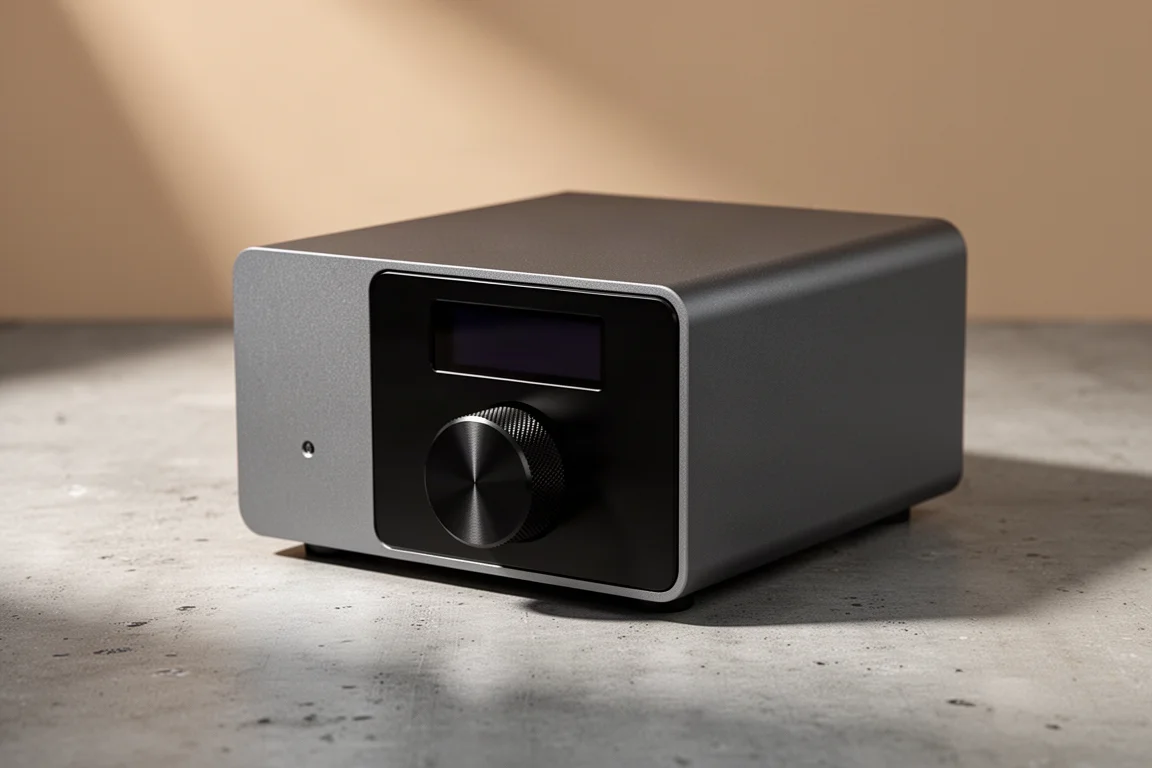
Introduction
Balanced headphone amplifiers have settled into a familiar pattern: a metal box, a couple of outputs, a gain switch, and a price tag that lands somewhere between modest and painful. The SONCOZ SG-A1 takes a different route. It is a desktop balanced headphone amplifier built around a toroidal power supply, a genuinely unusual gain and volume architecture, and a chassis that weighs noticeably more than its footprint suggests. It sells for around $650, which places it well above the entry point for balanced amplification but below the flagship desktop units.
That price asks a fair question: what does the extra money actually buy? In this case, the answer is mostly in the power supply, the internal layout, and the way the amplifier presents a recording. The SG-A1 does not simply add output power. It changes the character of the sound in ways that are easy to notice once you stop switching between sources and start listening.
Who the SONCOZ SG-A1 Is For
The SG-A1 makes most sense for listeners who do the bulk of their listening on headphones rather than speakers. If a pair of open-back dynamic headphones is your main system, or if speakers are impractical because of space, neighbours, or budget, a dedicated headphone amplifier becomes the centre of the setup rather than an accessory. That is the context in which the SG-A1 earns its price.
It is particularly well suited to higher-impedance dynamic headphones. Much of the listening for this assessment was done with a 300-ohm open-back model, and the pairing was strong enough that the amplifier felt like the more capable half of the system. Headphones that need a little more voltage swing than current tend to benefit most from what this amplifier does well.
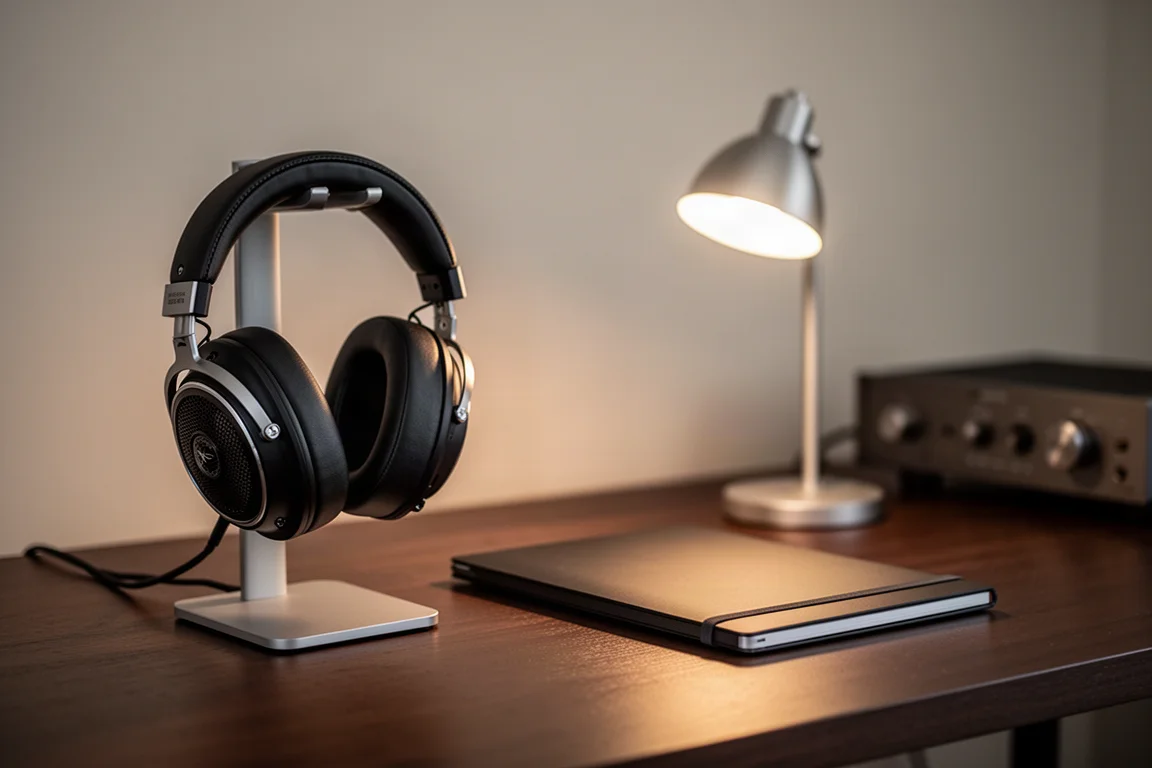
It is also a sensible choice for anyone who wants balanced connections without moving to a much larger or more expensive chassis. The unit offers both balanced and single-ended inputs and outputs, so it can slot into an existing desktop chain without forcing a rebuild around it.
Design and Engineering Inside
The engineering is the most interesting part of the story. The SG-A1 uses a real toroidal transformer, and the power supply is shielded from the rest of the circuit. The analog stages are shielded from one another as well. Inside, the amplifier uses fourteen op-amps across three different types, and the rectifier circuit is supported by two 8200 microfarad capacitors.
This is not a rebadged version of an existing design. The layout follows classic amplifier practice rather than copying the current desktop audio template, and that shows in the way the amplifier is assembled and in how much it weighs. The chassis comes in a grey finish with a black faceplate, and a black version is also offered.
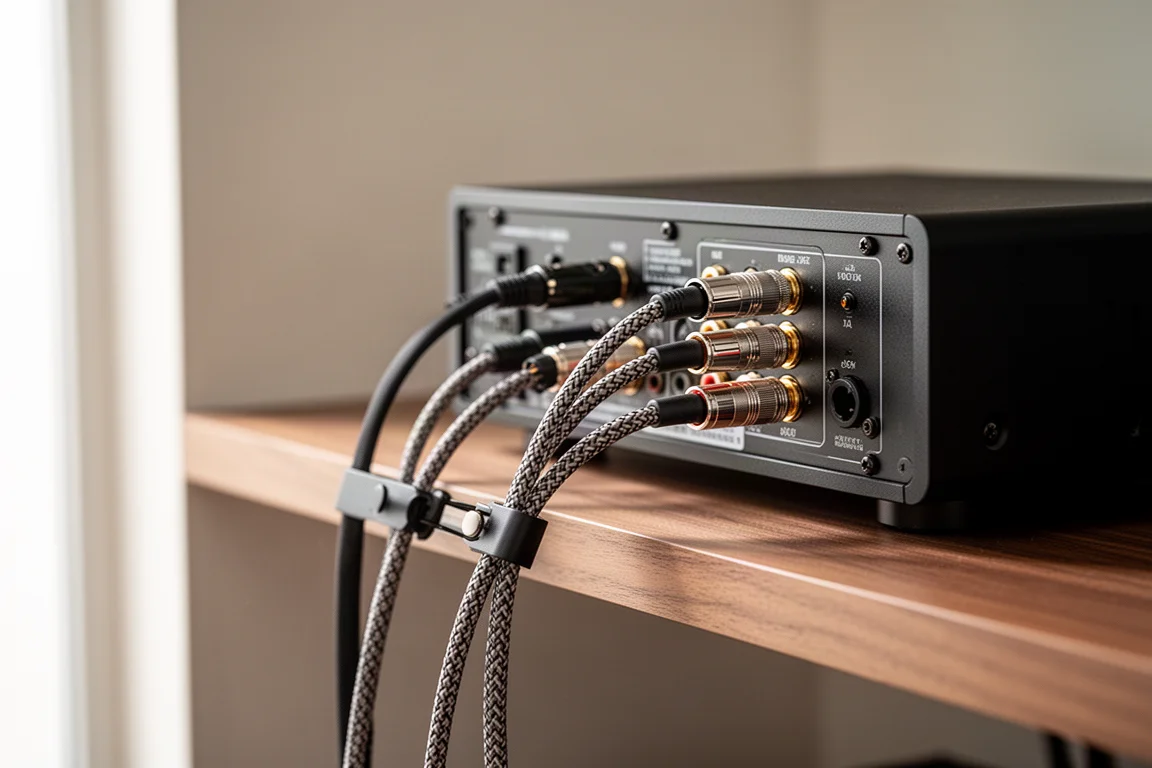
The front panel keeps things functional: a four-pin XLR output, a 4.4 mm balanced output, and a 6.35 mm single-ended jack, with a single rotary knob handling navigation and volume. Around the back you get balanced XLR inputs, single-ended RCA inputs, a 120 or 220 volt selector, an IEC power inlet, and the master power switch.
Main Strengths: Sound Quality
The clearest strength is low-end weight. The SG-A1 puts more substance behind bass notes than the price bracket usually suggests, and that thickness carries into vocals, which sit further forward in the mix. On a stripped-back vocal recording, the voice moved noticeably ahead of the instruments compared with a less expensive balanced amplifier.
Soundstage is the second standout. The presentation is wide and three-dimensional, with instruments placed in their own space rather than lined up along a flat plane. Imaging is precise and the highs are cleanly separated, which makes dense recordings easier to follow. The overall impression is dynamic and natural, with a wider gap between quiet and loud passages than the published measurements of its closest competitor would predict.

That last point is worth dwelling on. The lower-priced alternative is reported to have a higher dynamic range figure on paper, yet the SG-A1 sounded more dynamic in practice. Numbers describe a circuit under test conditions, not how a recording is presented through a pair of headphones.
Power, Gain, and Volume Control
Power output is respectable rather than enormous. The balanced output delivers around 420 mW into a 300-ohm load, while the single-ended output delivers roughly half that. That is plenty for high-impedance dynamic headphones and adequate for most efficient planar models, but it is not a design aimed at hard-to-drive exotics.
The control scheme is where the SG-A1 separates itself from simpler amplifiers. Gain is variable from 0 to 6 dB in very fine increments rather than limited to two or three fixed steps. Volume is handled digitally, with an extremely granular mode for precise level setting and a second, coarser mode for quicker changes, switched with one long press followed by two short presses. It takes a few minutes to learn, and then it becomes second nature.
Things to Consider Before Buying
The styling is the weakest element. The front panel has a slightly unfinished feel, and the display looks dated next to the rest of the desktop audio market. The single-knob control interface is functional but not elegant, and anyone who prefers dedicated buttons will need time to adjust.
Price is the other consideration. The SG-A1 costs roughly twice as much as the balanced amplifier it was compared against, and the sonic differences, while real, are refinements rather than transformations. Buyers should also expect a substantial desktop footprint: this is a full-size component, not a pocket-sized dongle.
How It Compares With a Lower-Priced Balanced Amp
The most useful comparison is with the SMSL SH-8S, a balanced headphone amplifier that sells in the $250 to $300 range. Both units offer balanced and single-ended outputs. On first switching between them, the differences were subtle. After a longer session with each, they became much easier to identify.
The SH-8S has a soundstage that sits closer to a flat wall, while the SG-A1 opens the image up and gives instruments room to separate. The SG-A1 also has more low-end weight, more forward vocals, and a more organic overall character. Whether that is worth the price gap depends on how much of your listening time happens through headphones.
Buying Advice
A $650 headphone amplifier can look expensive until it is compared with speaker equipment. A purpose-built stereo power amplifier at the same price would be considered a bargain, and the SG-A1 is doing comparable work for listeners who cannot use speakers or prefer not to.
If your main system is a pair of headphones and you have already invested in a capable pair of open-back dynamic models, the SG-A1 is a reasonable place to put a larger share of the budget. It rewards longer listening sessions rather than quick comparisons. Buyers who mainly want a competent balanced output at the lowest possible cost are better served by the less expensive option.
Conclusion
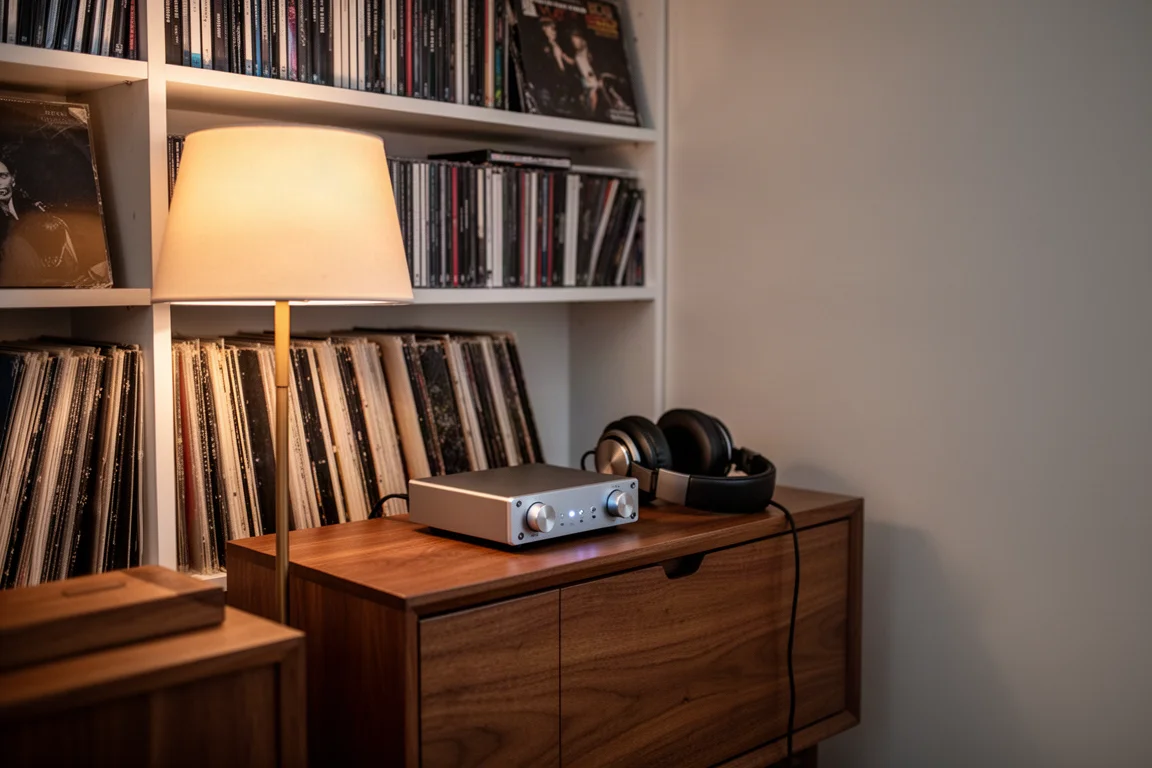
The SONCOZ SG-A1 arrives looking like a plain silver box with a black faceplate, and it does not try to win anyone over with its display or its styling. What it offers instead is careful engineering, a shielded toroidal power supply, unusually fine gain and volume control, and a spacious, weighty, dynamic presentation that holds up over long sessions. It costs more than the obvious alternatives and it is not the most powerful amplifier in its class, but for headphone-first listeners with demanding dynamic headphones, it is a compelling step up.
Product link
View more details for SONCOZ SG-A1
This product is mentioned in the review. Check the specifications, options, and compatibility before buying.
View more details for SONCOZ SG-A1Further reading
Related Reviews
Headphone Amplifiers
Creative Labs Sound Blaster X5 Review: A Flexible USB DAC and Headphone Amp
The Sound Blaster X5 pairs a fully balanced dual-DAC headphone amp with DSP, mixing, recording, and console audio in one compact USB-powered enclosure.
Headphone Amplifiers
Fosi Audio K5 Review: A Tiny Budget DAC Amp for Travel, Gaming, and Hotel Listening
A compact USB-C DAC amp with tone controls, optical and coaxial inputs, and a clean mid-forward sound that suits efficient headphones and IEMs.
Headphone Amplifiers
Fosi Audio SK01 Review: A Tiny Headphone Amp That Doubles as a Three-Band EQ
A compact $72 audio box with treble, mid-range, and bass controls, a loudness button, and a capable headphone stage. Here is where it earns its place.