Camping Blankets
Snugpak Jungle Blanket Review: An 8-Year Long-Term Verdict
A long-term look at the Snugpak Jungle Blanket, covering real-world warmth limits, packability, materials, and which size makes sense.
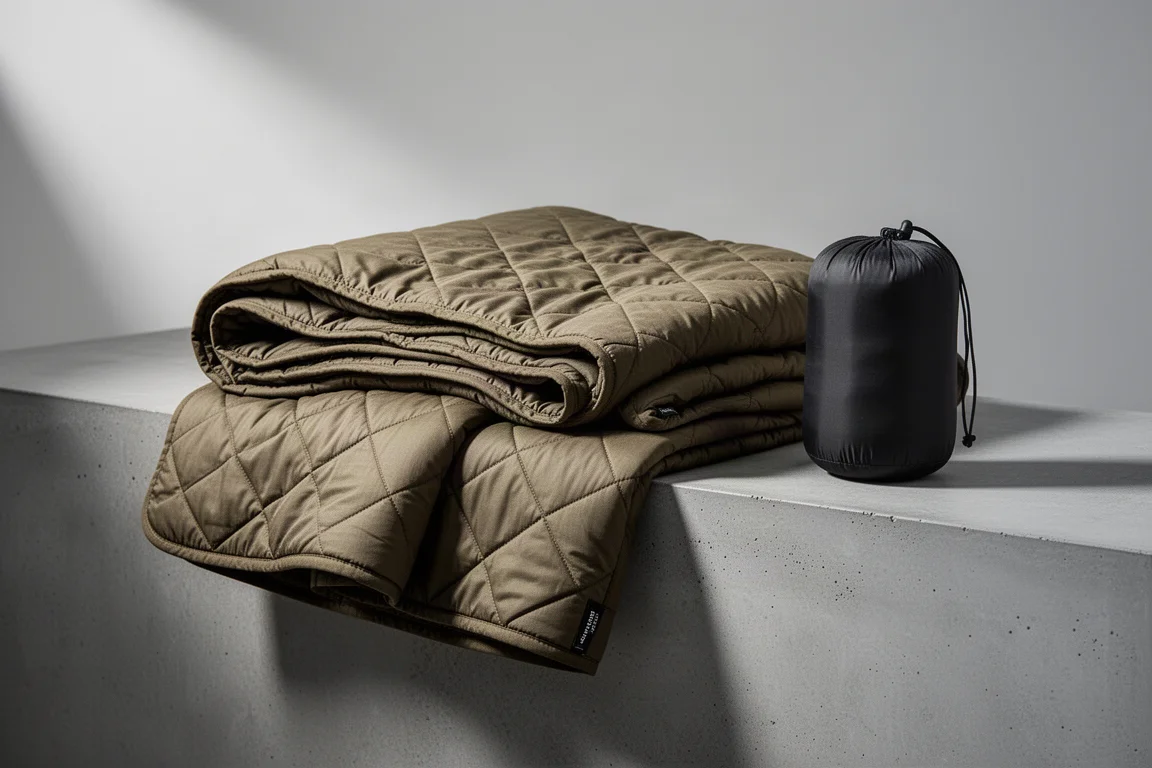
Introduction
The Snugpak Jungle Blanket has stayed on the same kit list for eight years, and that kind of longevity says more than a first-impression review ever could. It has been used across the mountains of North Carolina, in desert country, and at the beach, in hot, mild, wet, and dry conditions. It has been slept under in a tent, in a hammock, and in the back of a truck. Over the years, 44 of these blankets have been purchased, most of them given to young people who were getting into the outdoors.
The short version is that this is a lightweight, compressible, warm-weather blanket that has held up remarkably well. The main thing to understand before buying is that the manufacturer’s temperature claim is more optimistic than the blanket deserves.
Who This Blanket Is For
This blanket makes the most sense for warm-weather camping. It suits backpackers who want a light layer for summer trips, hammock campers, car campers, and anyone building an emergency or preparedness kit. It also works as a just-in-case item in a daypack, for the situation where a hike goes wrong and you end up waiting for help after dark.
Sizing matters here. The regular version measures 76 by 64 inches, which is enough for an average-sized adult. Taller or larger users will appreciate the large version at 90 by 72 inches.
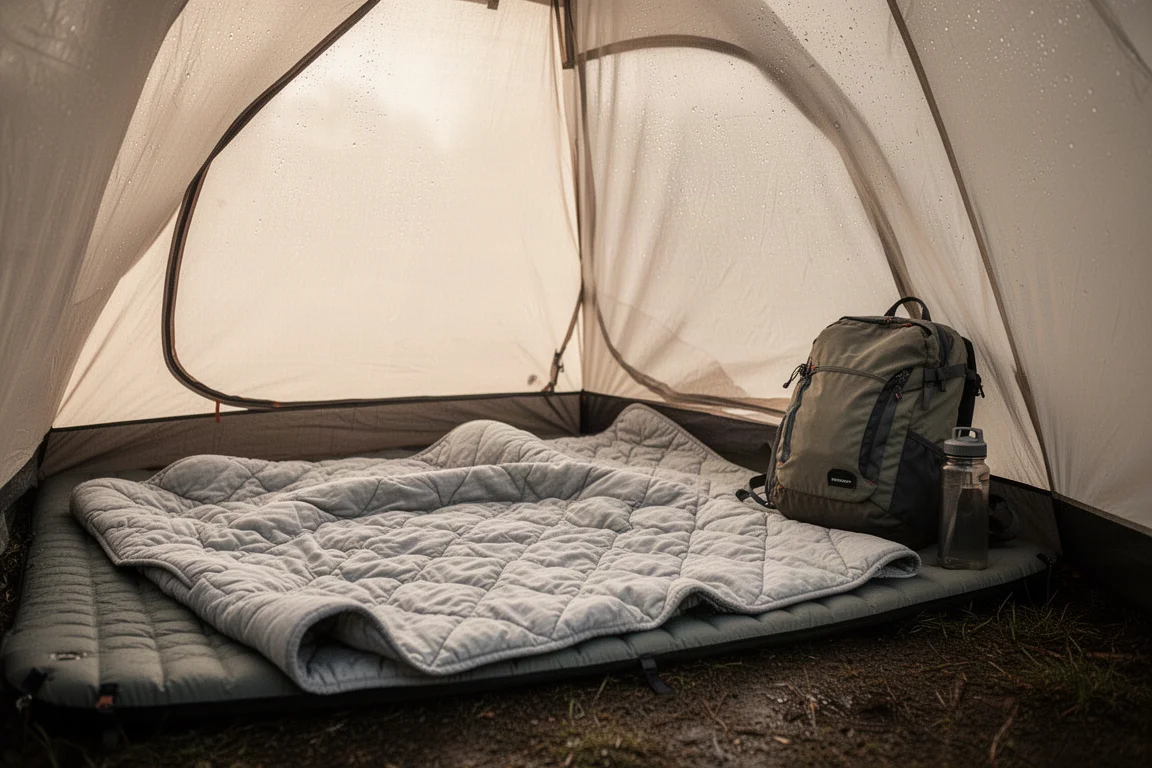
Because it packs down small, it fits into setups where a full sleeping bag would be overkill. That flexibility is the reason it tends to stay in rotation rather than being left at home.
Main Strengths
The materials have held up extremely well. The top layer is what Snugpak calls a Micro Diamond shell with a water-repellent treatment, and the insulation is a Travelsoft fill designed to retain heat even when wet and to be easily washable. The inner lining is a soft, moisture-wicking fabric that sits comfortably against skin without the silky, clammy feel that many sleeping bag linings have.
The construction also keeps the fill where it belongs. The blanket is built from a grid of rectangular quilted sections, so the insulation does not migrate to one end while you sleep. All of the materials carry an antibacterial treatment, and in practice that has meant no odour and no need to wash the blanket even after eight years of regular use. Washing gear like this is a chore, so low maintenance is a genuine advantage.
Durability has been excellent. There are no visible signs of wear, and the water-repellent finish is still effective. It is also compressible and light, which matters for anyone carrying it mile after mile.
Versatility in the Field
Few pieces of gear cover as many situations. It works for backpacking, car camping, truck camping, and hammock use, and it is equally at home indoors or as part of an emergency and preparedness setup.
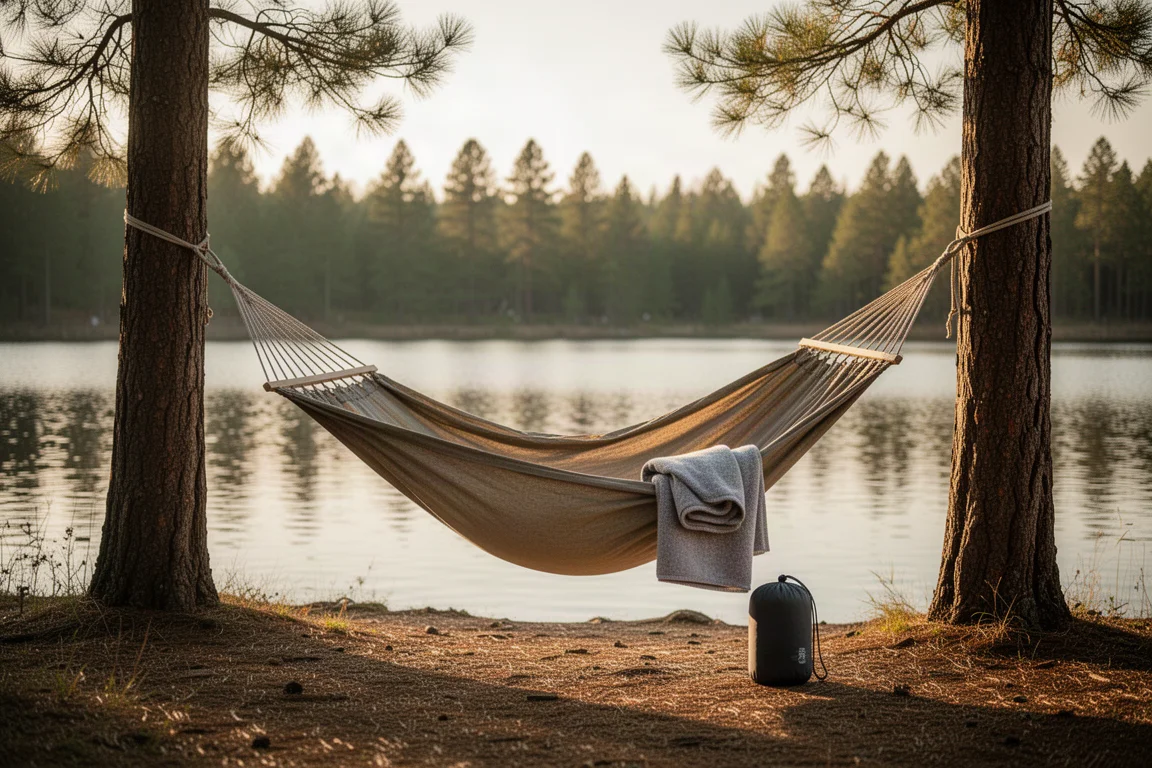
It also layers well. In cooler conditions, wrapping up in the blanket and then getting inside a sleeping bag adds meaningful warmth to a sleep system, effectively raising its comfort range by around 10 degrees Fahrenheit. That turns a three-season bag into something more capable on a cold night without buying another bag.
Temperature Performance and Real Limits
The manufacturer rates the blanket from 45 degrees Fahrenheit down to 36 degrees Fahrenheit. In practice, that rating assumes a substantial amount of worn clothing, and it is more optimistic than most people will find realistic.
A better working figure is around 55 degrees Fahrenheit and above for comfortable use in normal clothing. Below that, most users will feel cold. Individual tolerance varies, since some people sleep warm and others sleep cold, so treat any single number as a starting point rather than a guarantee.
In cool to cold conditions, a sleeping pad with a decent R-value is essential. The blanket has no meaningful insulation of its own beneath you, so the pad is what keeps the cold ground from pulling heat out of your body.
Things to Consider Before Buying
The biggest caveat is the temperature rating, which should be discounted. This is a warm-weather blanket that can be layered for extra warmth, not a standalone cold-weather solution.
Size is the second consideration. Larger and taller users should go straight to the large version rather than trying to make the regular size work.
Price is the third. The regular size runs about $60 and the large size about $70, which is higher than the roughly $40 these sold for in 2015. Even at the current price, the value holds up given the versatility, low weight, and durability. It is worth noting that the wider Snugpak catalogue has seen rising prices and inconsistent quality over the same period, but this blanket has remained a consistent performer.
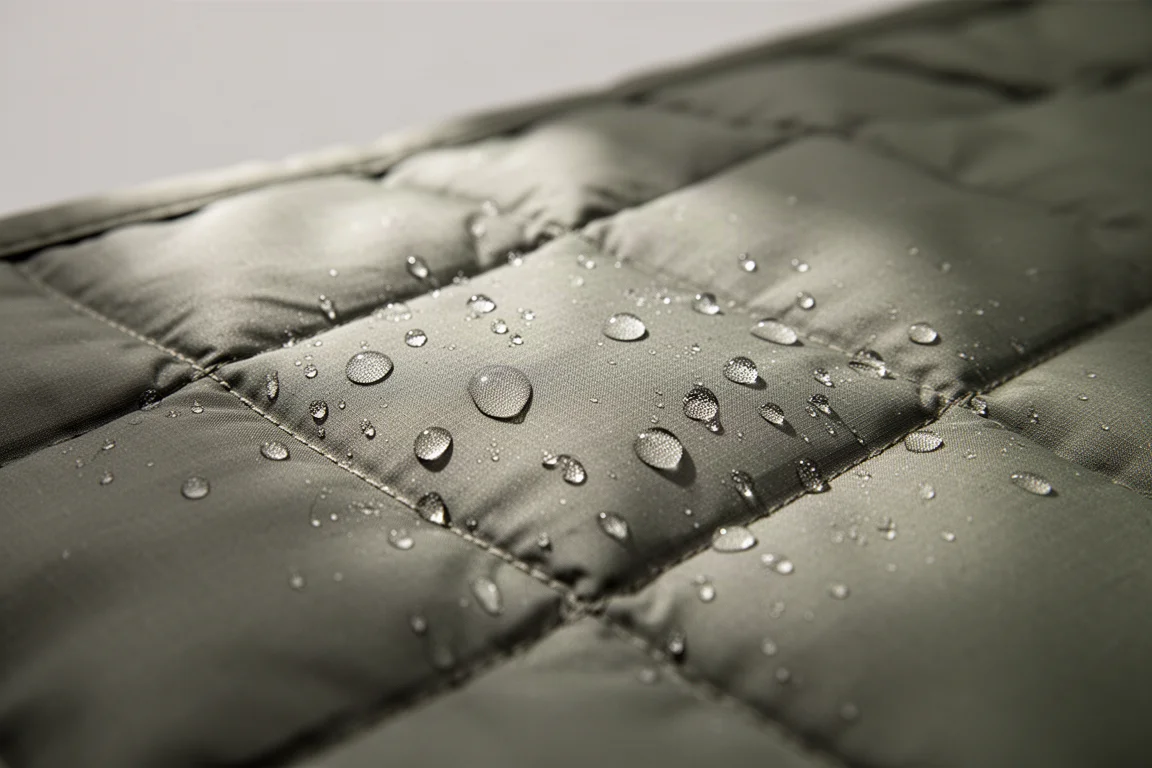
The water-repellent shell helps in wet conditions and the fill retains heat when damp, but a soaked blanket will not keep you toasty warm. Think of the treatment as useful protection inside a condensation-heavy tent or a bivy, not as a substitute for a proper rain setup.
Buying Advice
For summer and shoulder-season use, this is an easy recommendation. It is light, it compresses well, it is comfortable against the skin, and it has proven durable over years of hard use. At about $60, the regular size is fairly priced, and the large version adds meaningful coverage for only about $10 more.
Buy it as a warm-weather sleeping layer, as a hammock blanket, as an extra layer inside a sleeping bag on cold trips, or as a compact just-in-case item for a daypack or emergency kit. If you expect to sleep in temperatures below roughly 55 degrees Fahrenheit in normal clothing, plan to combine it with a sleeping bag or choose a warmer option instead.
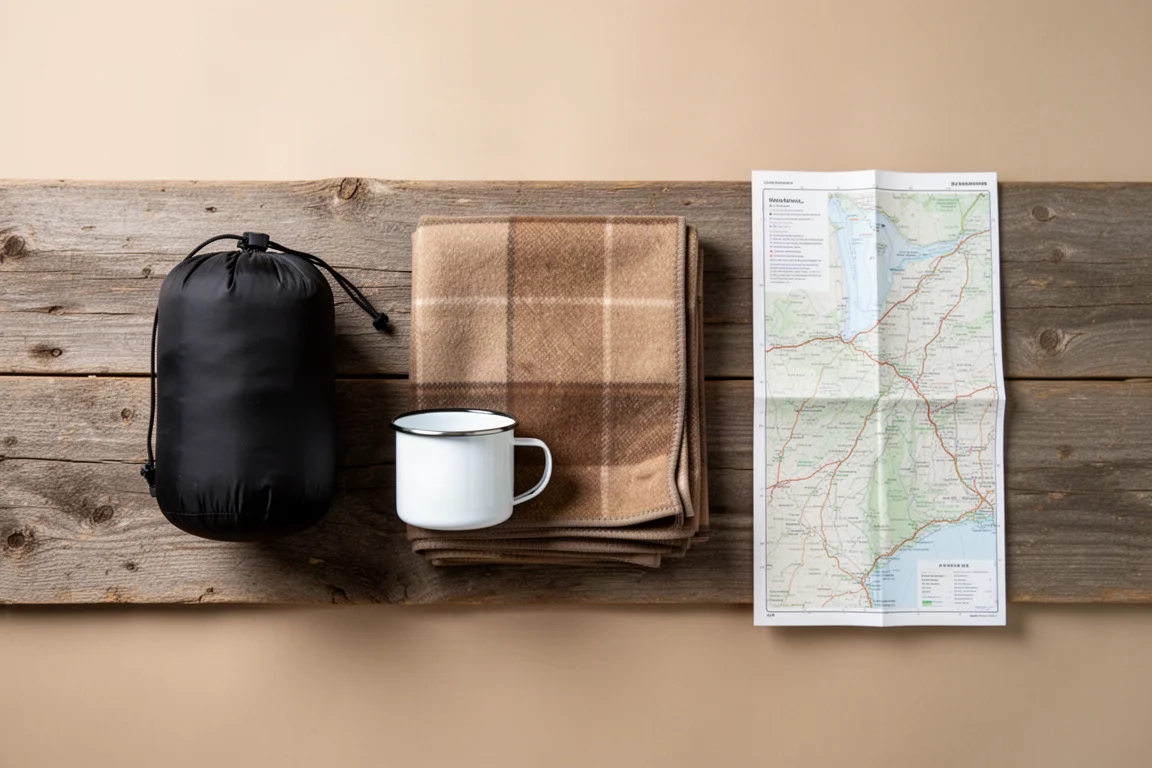
Used within those expectations, it is one of the better value pieces of outdoor gear around, and the eight-year track record behind that claim is the strongest argument for it.
Conclusion
The Snugpak Jungle Blanket does exactly what a lightweight camping blanket should do. It is versatile, compact, comfortable, and durable, and it has stayed consistent in quality and price while much of the surrounding product line has not. The one adjustment buyers should make concerns the temperature rating: treat 55 degrees Fahrenheit and up as the comfortable range in normal clothing, and layer it with a sleeping bag when the forecast drops. On those terms, it is an easy product to recommend.
Product link
View more details for Snugpak Jungle Blanket
This product is mentioned in the review. Check the specifications, options, and compatibility before buying.
View more details for Snugpak Jungle BlanketFurther reading
Related Reviews
Camping Blankets
Get Out Gear Down Puffy Blanket Review: Ultralight Comfort for Warm Weather
A 650 fill power down blanket that packs to 1.1 pounds with its stuff sack. Here is where it works well, where it falls short, and who should buy it.
Camping Blankets
OneTigris Down Camping Blanket Version 2.0 Review: Light, Warm, and Compact
A practical look at the OneTigris Down Camping Blanket Version 2.0, including real-world warmth, packed size, sizing trade-offs, and who should buy which version.
Camping Blankets
OneTigris Down Camping Blanket Version 2.0 Review: A Warm-Weather Blanket With Few Frills
A detailed look at the OneTigris Down Camping Blanket Version 2.0, covering its 600 fill power down build, measured dimensions, packed size, and the features it deliberately leaves out.