Camping Blankets
Snugpak Jungle Blanket Review: Eight Years of Real-World Use
A lightweight, compressible camping blanket tested across eight years of trips, with clear notes on warmth, durability, and the temperature rating to plan around.
Introduction
A camping blanket is easy to underestimate. It looks like a simple piece of fabric until it has spent a few seasons in a pack, a hammock, a truck bed, and a tent. The Snugpak Jungle Blanket has now been in regular use for eight years, across mountain camps, desert trips, and beach weekends, in hot, mild, wet, and dry conditions. That is long enough to separate a product that genuinely works from one that only looked promising on paper.
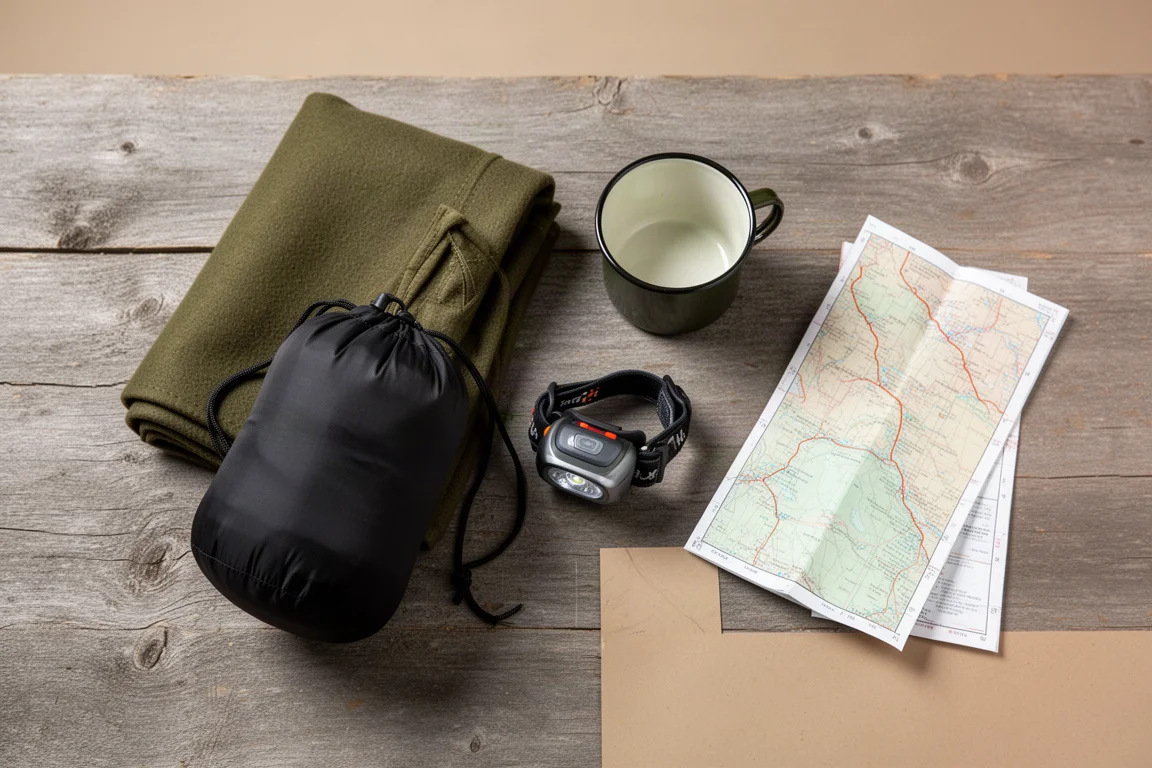
The short version: this is a lightweight, compressible blanket that suits warm-weather camping and adds useful flexibility to a sleep system. It has held up well through years of use, and it remains easy to recommend at its current price.
Materials, Size, and Weight
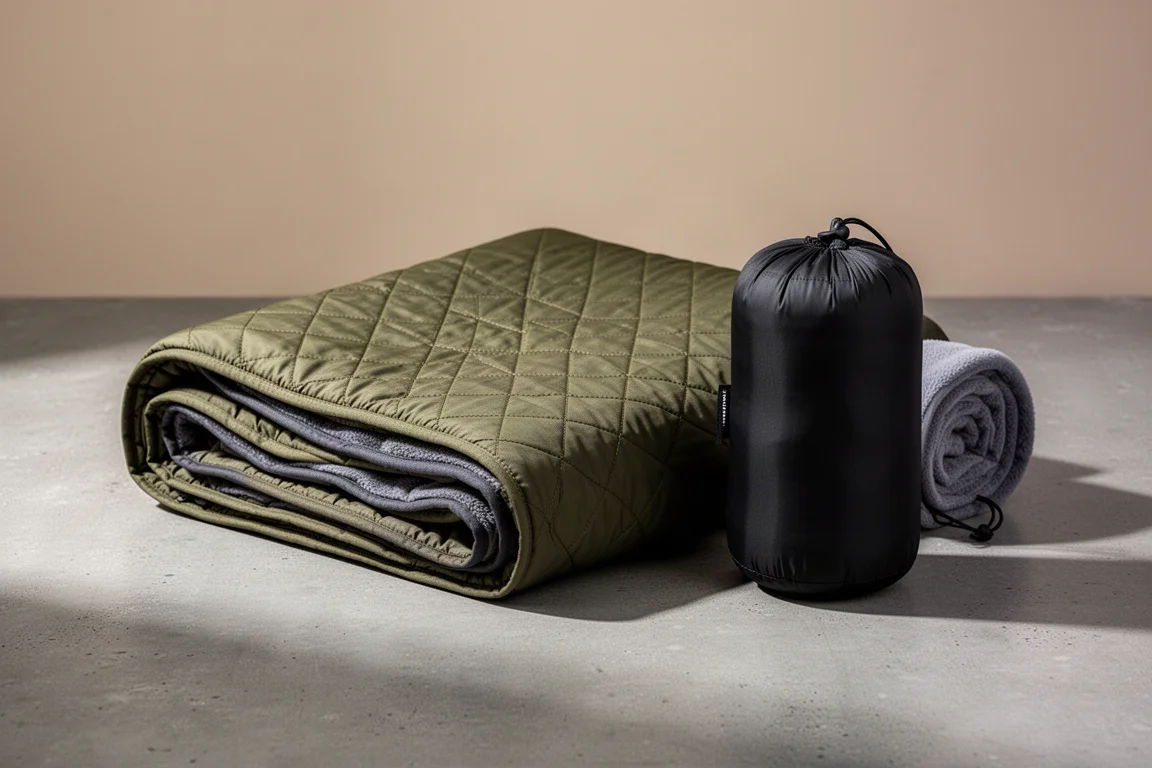
The top layer is what Snugpak calls a Micro Diamond shell, finished with a water-repellent treatment. Underneath, the insulation is a travel-soft fill designed to retain heat even when it gets wet, and the blanket is easily washable. The side that rests against your skin is a soft, moisture-wicking lining.
All of the materials carry an antibacterial treatment that discourages the growth of bacteria, which in practice means the blanket needs washing far less often than a typical sleeping bag or quilt. The construction also helps the fill stay where it should: the blanket is built from a grid of rectangles that hold the insulation in place, so it does not migrate to one end after repeated packing and use.
Two sizes are available. The regular measures 76 by 64 inches and packs down to roughly 7 by 7 inches, weighing 1.5 lb on its own and 1.7 lb with the compression bag. The large measures 90 by 72 inches, weighs 2 lb, and reaches 2.2 lb with the bag.
Who the Jungle Blanket Is For
This is a warm-weather blanket first. It suits summer backpacking, hammock camping, car and truck camping, and casual use at home. It also works as a just-in-case item in a day pack, and as part of an emergency or preparedness kit where a compact layer of warmth is useful without much bulk.
It is a good match for smaller and average-sized users in the regular size. Taller or larger users should look at the large version, where the extra length and width make a real difference in comfort.
It also makes a sensible gift. Over the years, more than 40 of these blankets have been bought and passed on to young people getting into the outdoors, which says something about how approachable the product is for a first camping kit.
Main Strengths After Eight Years of Use
Durability is the standout. After eight years and dozens of trips, the blanket shows no meaningful signs of wear, the shell still looks close to new, and it has not developed any odor despite never being washed. The water-repellent treatment is still noticeably effective, and the fill continues to hold warmth even when the fabric is damp, which helps inside a condensation-heavy tent or a bivy.
The antibacterial treatment is doing real work here. Low maintenance matters with gear like this, because washing a blanket or sleeping bag is never convenient, and this one has not needed it.
Comfort is another quiet strength. The lining is soft against the skin and does not have the slippery, faintly damp feel that some quilt and sleeping bag fabrics develop. The shell has a distinct look as well, which helps the blanket feel less like generic camp gear.
Real-World Use and Versatility
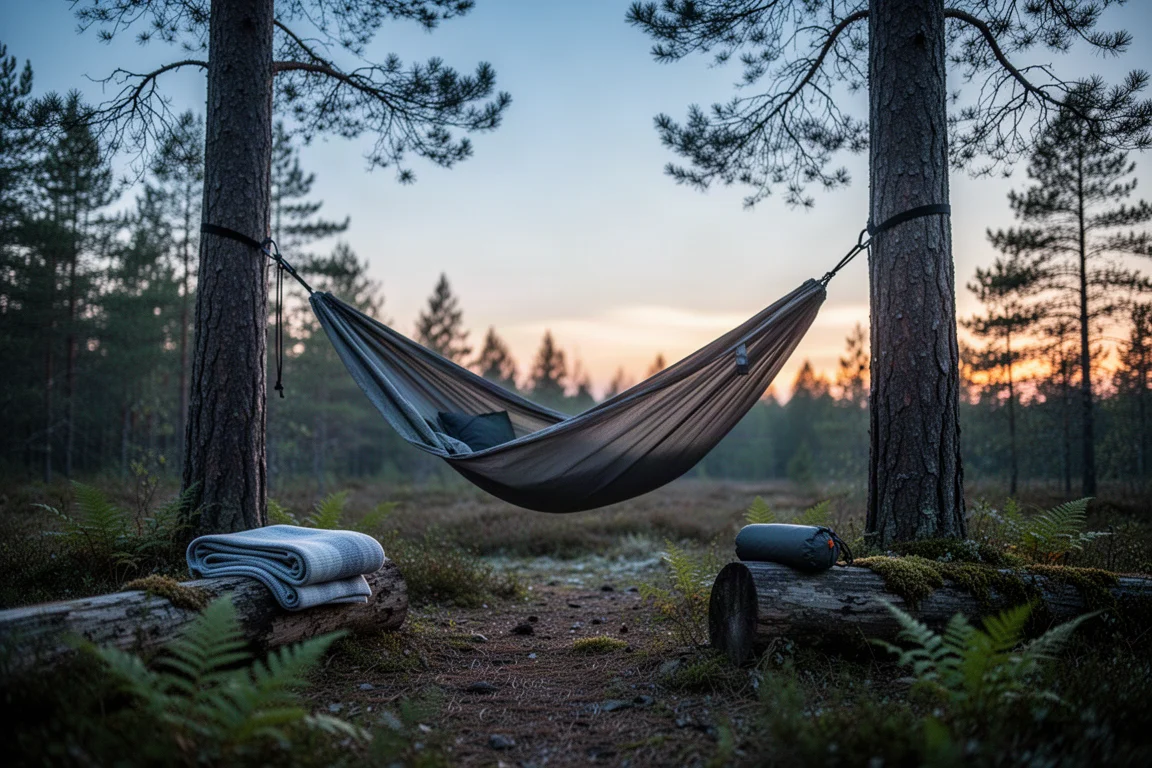
The blanket has been used in the mountains, in the desert, at the beach, and everywhere in between, in hot, mild, wet, and dry conditions. It has been used in a tent, in a hammock, and in the back of a truck. That range is the point: it is compressible, light enough to carry without thinking about it, and flexible enough to serve several roles.
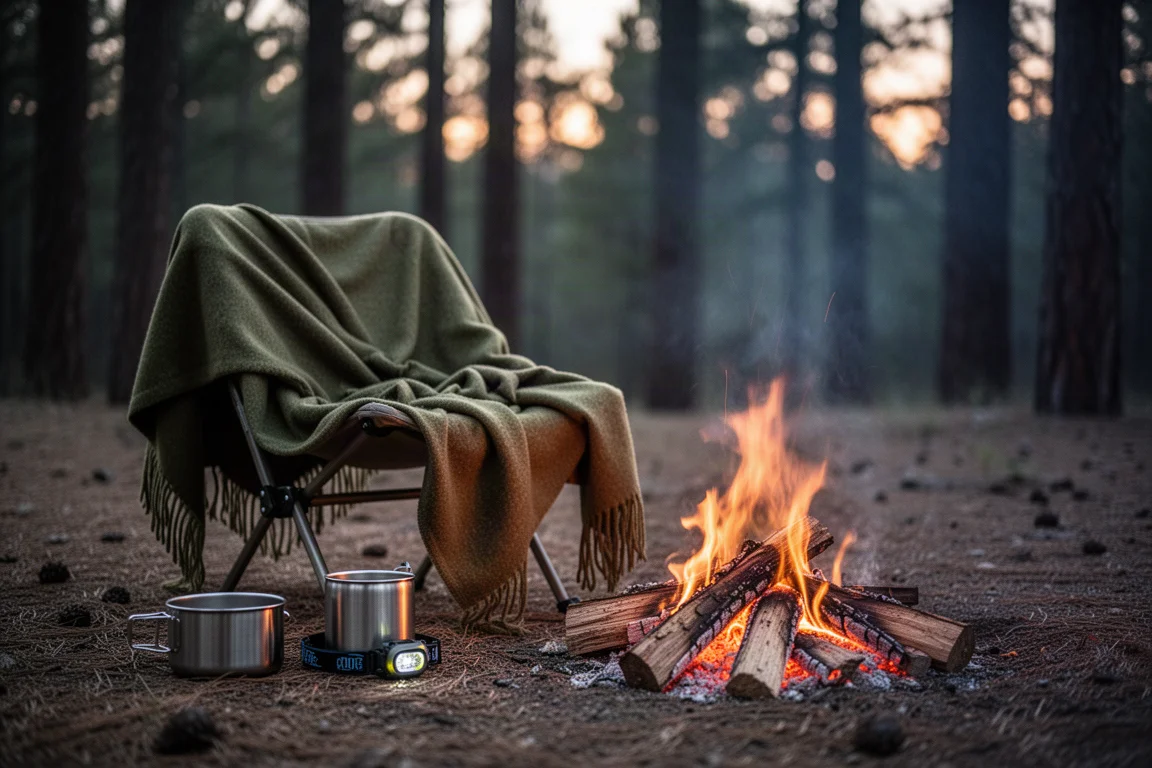
In colder conditions it pairs well with a sleeping bag. Wrapping up in the blanket and then getting inside the bag adds meaningful warmth to the sleep system, in the region of 10 degrees Fahrenheit of extra comfort, which extends the useful season of a summer bag. It is not a replacement for a cold-weather bag, but as an extra layer it earns its place.
Things to Consider Before Buying
The temperature rating deserves a careful look. The manufacturer lists a range of 45 down to 36 degrees Fahrenheit. In practice, that figure assumes a substantial amount of clothing. For most people wearing regular clothing, this blanket is comfortable at roughly 55 degrees Fahrenheit and above. Below that you will feel cold, and at the lower end of the claimed range an overnight would be a miserable experience rather than a comfortable one.
Anyone planning to use it in cool or cold conditions should pair it with a sleeping pad that has a good R-value. The blanket is thin by design, and the pad underneath does much of the work in keeping you warm.
Price is the other consideration. The regular size now sells for around $60 and the large for around $70, compared with roughly $40 when it first became popular in 2015. That is a meaningful increase, though it still reads as fair for the versatility, weight, and durability on offer. It is also worth noting that this blanket has stayed consistent while pricing and quality across some other products in the brand’s range have moved in less predictable directions.
Buying Advice
Buy the regular size if you are an average-sized user who wants a compact summer blanket for backpacking, hammocks, and tent camping. Buy the large size if you are taller or broader, or if you want more coverage to drape over a camp setup or share with someone else.
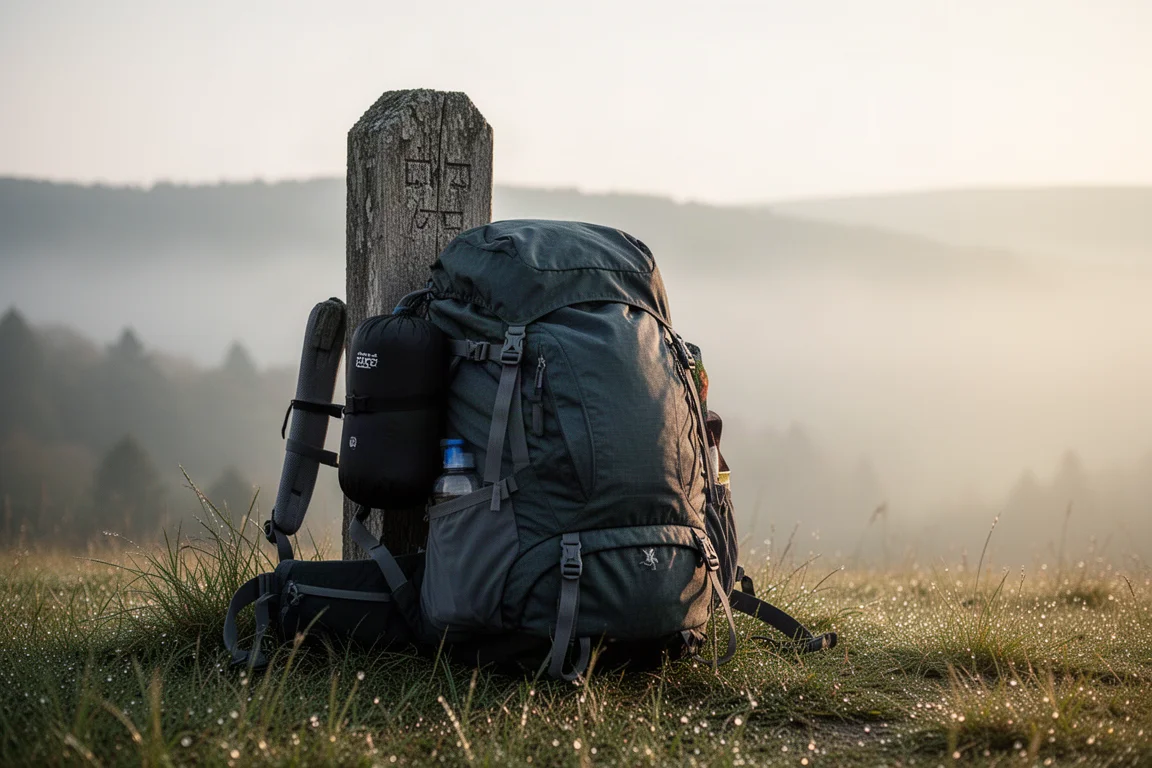
Either way, treat it as a warm-weather and three-season supplement rather than a standalone cold-weather sleep system. Used that way, it is one of the better value pieces of camp insulation you can add to a pack, and the eight-year track record suggests it will keep working long after the price is forgotten.
Conclusion
The Snugpak Jungle Blanket does not try to be everything. It is light, compressible, comfortable against the skin, and durable enough that eight years of regular use have left it looking and smelling new. Its only real weakness is an optimistic temperature rating, and that is easy to plan around once you know the realistic range. For summer camping, hammock trips, and as a booster layer for a sleeping bag, it remains an easy recommendation.
Product link
View more details for Snugpak Jungle Blanket
This product is mentioned in the review. Check the specifications, options, and compatibility before buying.
View more details for Snugpak Jungle BlanketFurther reading
Related Reviews
Camping Blankets
Get Out Gear Down Puffy Blanket Review: Ultralight Comfort for Warm Weather
A 650 fill power down blanket that packs to 1.1 pounds with its stuff sack. Here is where it works well, where it falls short, and who should buy it.
Camping Blankets
OneTigris Down Camping Blanket Version 2.0 Review: Light, Warm, and Compact
A practical look at the OneTigris Down Camping Blanket Version 2.0, including real-world warmth, packed size, sizing trade-offs, and who should buy which version.
Camping Blankets
OneTigris Down Camping Blanket Version 2.0 Review: A Warm-Weather Blanket With Few Frills
A detailed look at the OneTigris Down Camping Blanket Version 2.0, covering its 600 fill power down build, measured dimensions, packed size, and the features it deliberately leaves out.