Tents
Snugpak Ionosphere Review: A Lightweight Tunnel Tent Put Through Three Days of Rain
A close look at the Snugpak Ionosphere after a multi-day rain test, covering where it stayed dry, where water found a way in, and who it suits.
Introduction
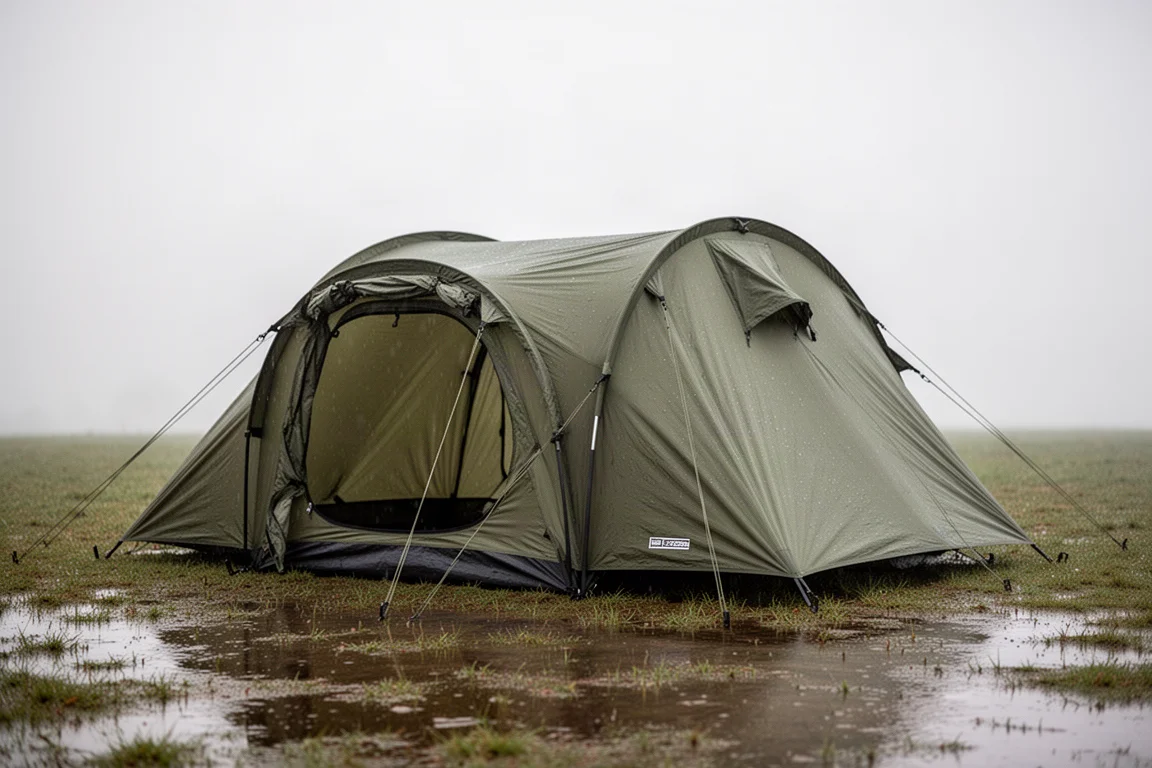
The Snugpak Ionosphere is a lightweight single-person shelter with an elongated tunnel profile. It is closer in footprint to a bivvy than to a conventional dome tent, but it still offers a proper enclosed interior with a door and a full rainfly rather than a simple fabric sack. For anyone who wants a low, discreet pitch and a small pack size, that shape is the whole point.
Snugpak rates the rainfly at a 5,000mm hydrostatic head, which is a high figure for a shelter in this weight class. That rating is a laboratory claim rather than a promise about real weather, so the useful question is how the tent behaves when rain actually lands on it. To find out, this shelter was pitched and left out through a three-day rain event that delivered roughly an inch and a half to two inches of steady precipitation, including one night of genuinely heavy rainfall.
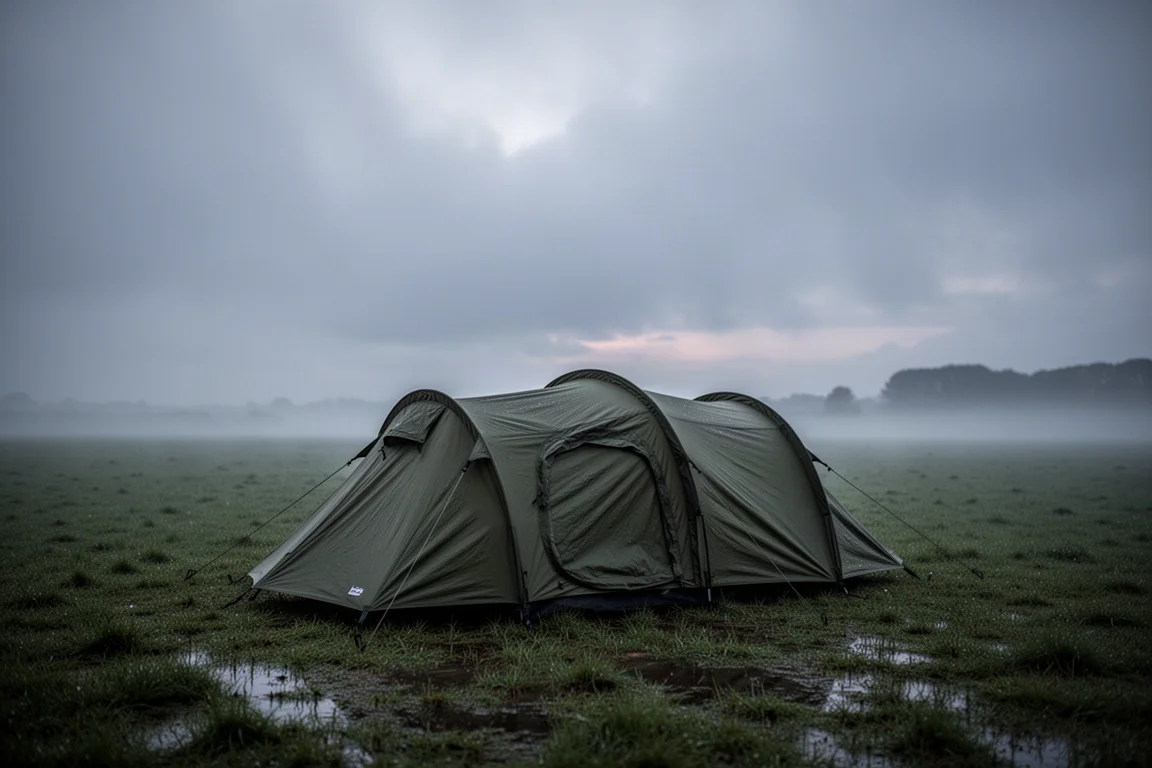
The result is a mixed but fairly clear picture. In calm rain, the Ionosphere stayed completely dry. In wind-driven rain, a small amount of water worked its way in at the door. Understanding why that happened is the key to deciding whether this tent fits the way you camp.
Who This Tent Is For
This is a shelter for backpackers and campers who value a low visual profile and a small packed size over standing headroom. The tunnel shape keeps the footprint narrow, which makes it easy to tuck into tight, out-of-the-way spots. That makes it particularly appealing for stealth-style camping, where a discreet silhouette matters more than interior volume.
It also suits solo travelers who want more protection than a bivvy bag provides. You get a real door, a full rainfly and enough room to lie down with a sleeping mat and a bag without the fabric pressing against you all night. The weight is reasonable for what it is, and the packed size stays manageable in a backpack.
It is not aimed at campers who want to sit up inside, store large amounts of gear, or share the tent with a second person. The interior is deliberately minimal, and the design assumes you will spend most of your time inside lying down.
Main Strengths
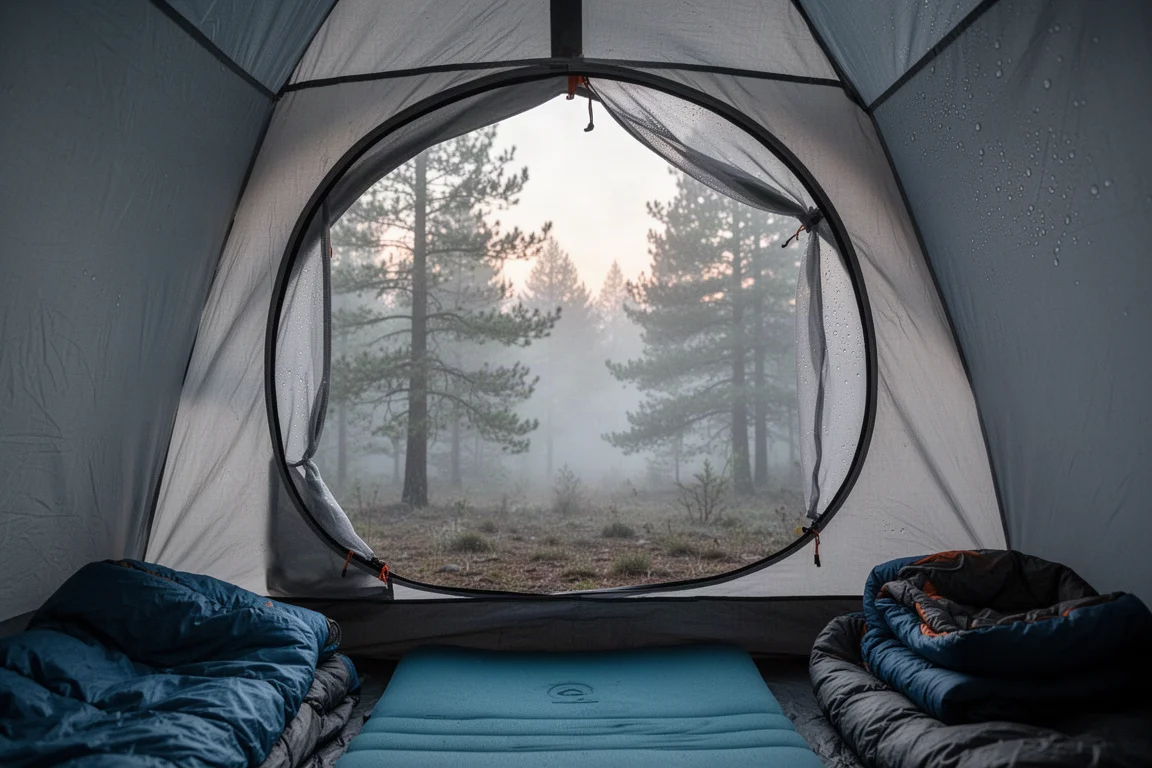
The headline strength is performance in straightforward rain. Through the first days of the test, with steady but moderate rainfall, the interior stayed dry. There was no dripping from the ceiling, no damp patches along the seams, and no water tracking in along the floor edges. Seam tape and stitching looked clean when inspected before the test began.
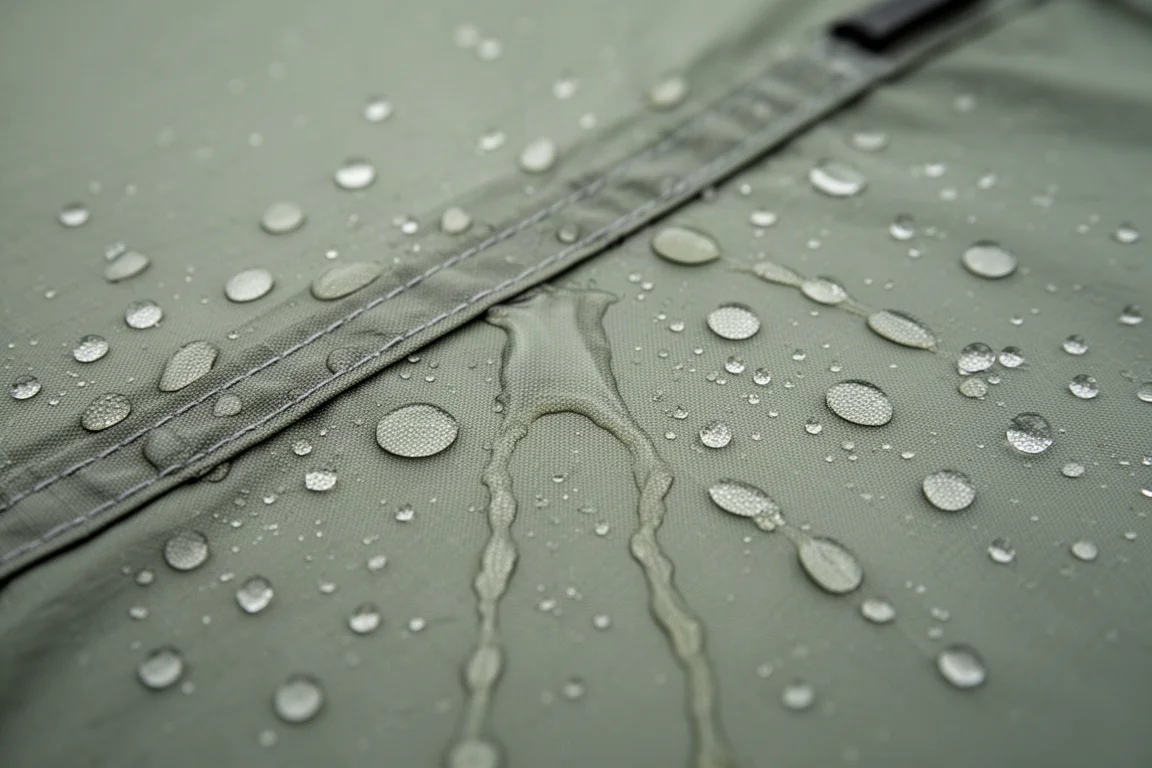
The rainfly rating supports that experience. A claimed 5,000mm hydrostatic head is well above what most sustained rainfall demands, and the coating held up to roughly an inch and a half of rain without letting moisture through the fabric itself.
The tent also handled a later heavy burst of nearly an inch of rain without any leaking at all, as long as conditions stayed calm. That is a meaningful data point: the fabric, seams and floor are doing their job. The only weakness that appeared was at the door closure, and only when wind was involved.
Build quality is solid for the price. There were a few loose threads to trim, which is common on this design, but nothing that suggested a structural problem.
Things to Consider Before Buying
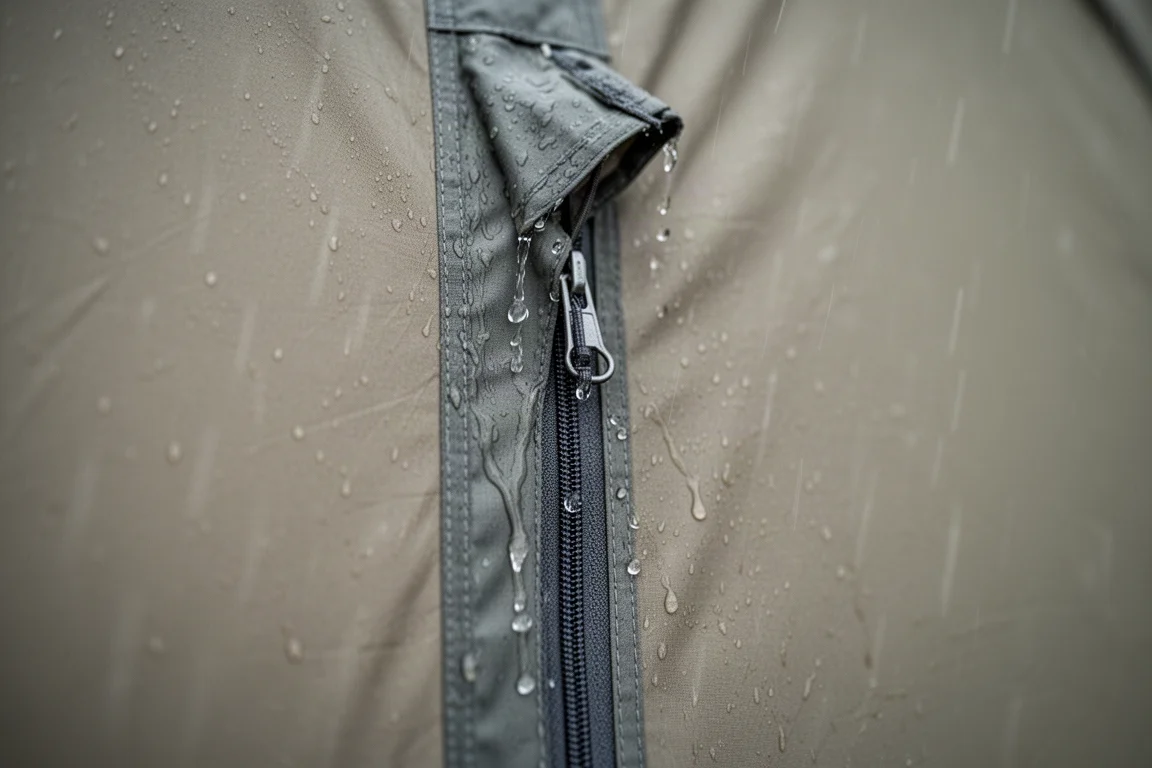
The door zipper is not water resistant. Held up to light, it is possible to see through the closure, which means any moisture that reaches the zipper can pass through it. The storm flap covering the zipper is the tent’s defense, and it is the part of the design that needs the most attention.
During the test, after two nights of rain, a small amount of water appeared inside at one corner near the door. The path was clear: wind pushed rain underneath the storm flap, the water reached the zipper, and it made its way into the interior. The volume was modest, especially against roughly an inch and a half of total rainfall, and the rest of the tent stayed completely dry. But it did happen, and it is worth planning around.
The practical implication is simple. When rain falls straight down and the air is still, the Ionosphere stays dry. When rain is driven sideways by wind, the storm flap can be overwhelmed. A wider storm flap, in the region of two inches more coverage, would likely close that gap without adding much to the cost of the tent.
Condensation is also worth expecting. On a cold ground with warmer air above it, moisture collected on the floor of the tent during the test. That is normal behavior for a shelter this enclosed and is not a sign of a defect, but it does mean ventilation habits matter.
Finally, leaking reports from other Snugpak tent owners exist, and the door closure described here may explain some of them. It is worth checking your specific pitch and wind exposure rather than assuming the tent is either flawless or unusable.
Buying Advice
At around $180, the Ionosphere is priced as an accessible lightweight shelter rather than a premium one, and the overall quality reflects that balance reasonably well. The fabric, seams and floor performed as they should. The weak point is a design detail at the door rather than a manufacturing flaw.
If you camp in sheltered spots, in woodland, or in rain that arrives without much wind, this tent is likely to serve you well. If you regularly pitch in exposed terrain where weather comes in sideways, treat the storm flap as a known limitation and plan accordingly. Pitching with the door turned away from the prevailing wind is the single most useful habit to build, and a small tarp over the entry adds another layer of insurance.
For stealth camping in particular, the low tunnel profile and compact footprint are genuinely useful, and the tent remains a sensible choice for solo travelers who want a lightweight, discreet shelter at a fair price.
Conclusion
The Snugpak Ionosphere is a capable lightweight tunnel tent that stays dry in calm, steady rain and handled a heavy downpour without leaking. Its one real vulnerability is the door closure, where wind-driven rain can slip beneath the storm flap and through a zipper that offers no water resistance of its own.
For campers who mostly pitch in sheltered conditions, that limitation is unlikely to matter much. For those who camp in exposed, windy places, it is worth knowing before you buy. Either way, at this price point the tent delivers solid build quality, a genuinely useful low-profile shape and reliable protection from the rain that falls on it directly.
Product link
View more details for Snugpak Ionosphere
This product is mentioned in the review. Check the specifications, options, and compatibility before buying.
View more details for Snugpak IonosphereFurther reading
Related Reviews
Tents
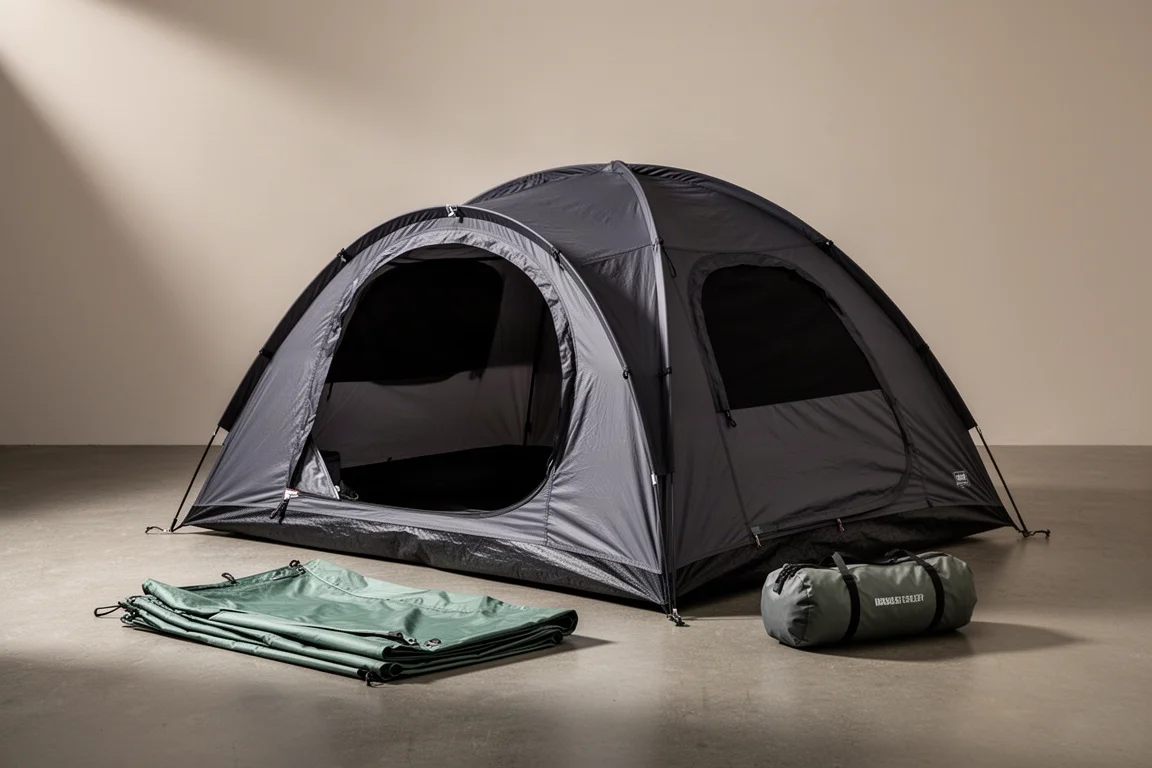
Black Dog Instant Setup 5 to 8 Person Tent Review: Fast Pitch, Serious Weather Problems
A quick-pitching Black Dog tent that goes up in seconds, but wet-weather testing revealed seam leaks, an overstated capacity claim, and awkward doors.
Tents
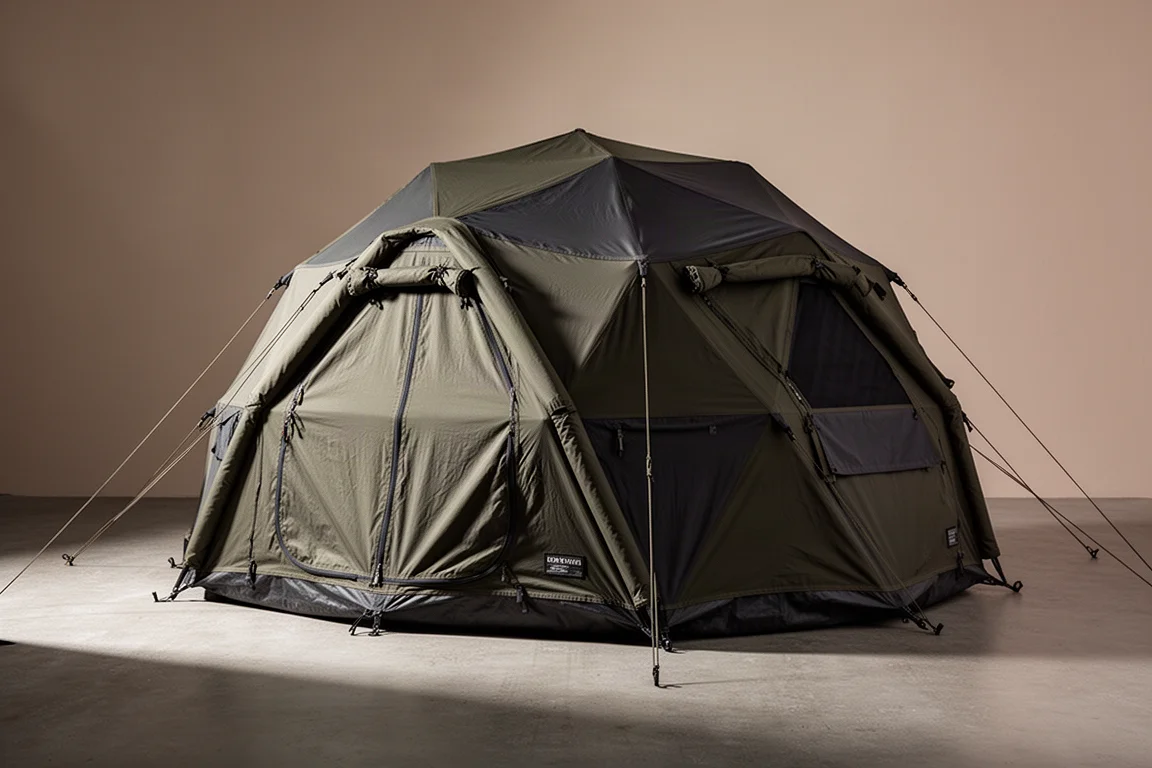
Lightfighter Dragoon Review: An Eight-Person Four-Season Military Shelter
The Lightfighter Dragoon is a 57-pound, eight-person expedition tent built for extreme weather. Here is what its materials, size, and setup demands mean for real buyers.
Tents
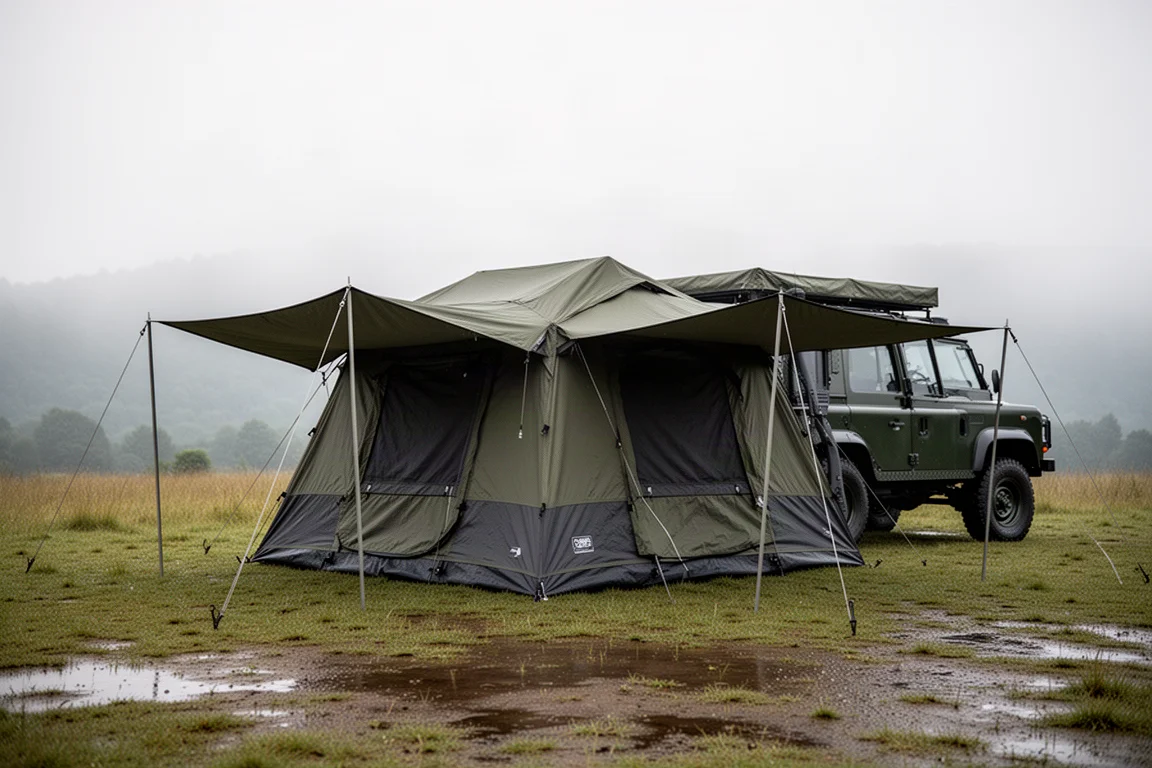
Lone Rider Motorcycle Tent Review: A Big Shelter That Stays Dry
A double-wall motorcycle tent with two large awnings, two entry points, and enough interior height to stand up, plus the pack size trade-off to weigh first.