Tents
Snow Peak Hexa Ease 1 Review: A Tarp and Inner Tent System Built for Stormy Camping
A two-part three-season shelter that pairs a large polyester tarp with a detachable inner tent, offering room for two campers and strong weather protection at a premium price.
Introduction
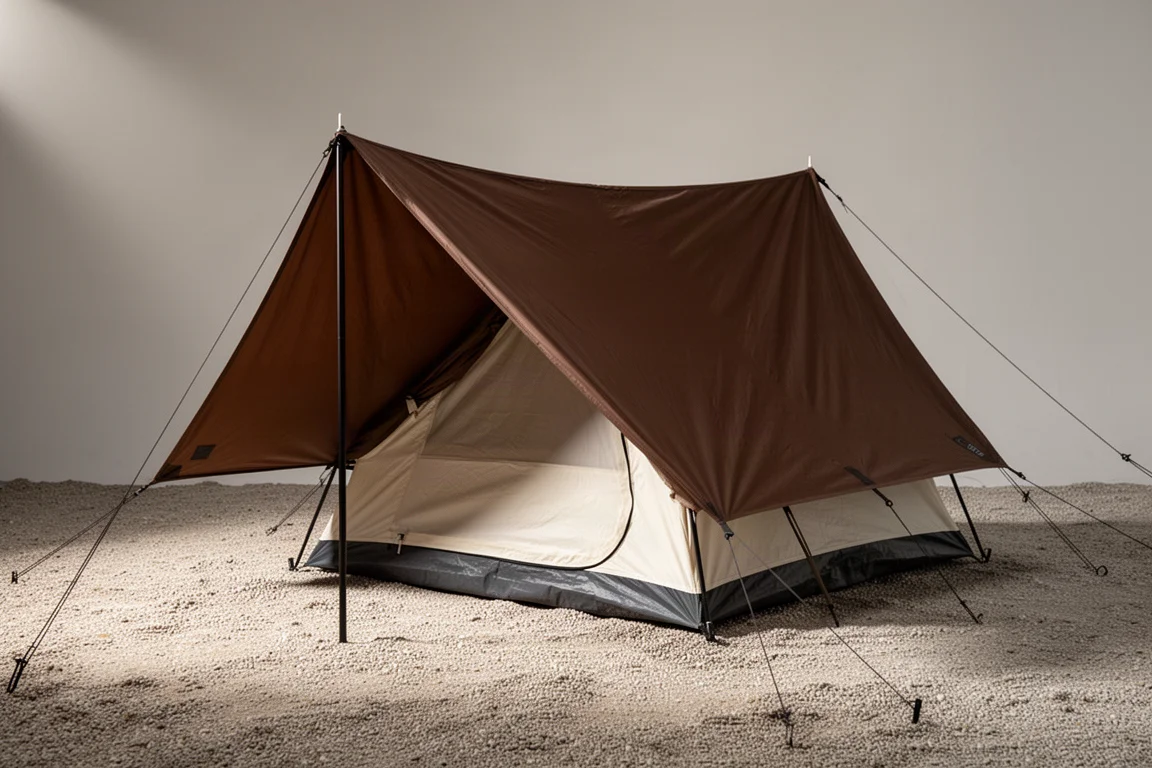
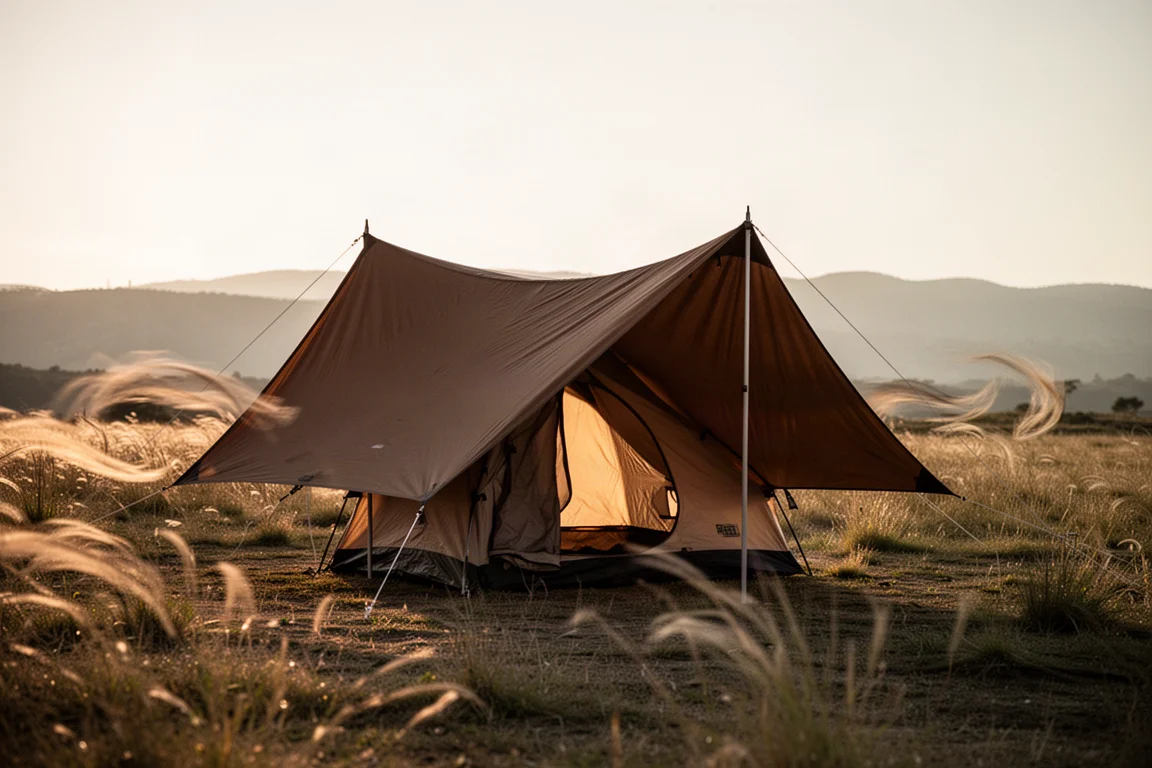
Most three-season tents arrive as one enclosed body with a rainfly stretched over the top. The Snow Peak Hexa Ease 1 takes a different route. It is a two-part shelter built around a very large tarp, with a separate inner tent that attaches to the underside of that tarp. The tarp pitches high on two poles, one at the front and one at the rear, and it can be used entirely on its own as a simple sun and rain shelter. Add the inner and the same footprint becomes a fully enclosed sleeping space.
Snow Peak is a Japanese outdoor company, and the Hexa Ease 1 carries the brand’s characteristic design thinking: unusual proportions, restrained colours, and a structure that does not look much like anything else on a typical campsite. It is a three-season shelter, offered in the company’s Ivory colourway, with a brown tarp over a white-toned inner.
Who the Hexa Ease 1 Is For
This is a car camping shelter first and foremost. It weighs 11.4 lb and packs down to 24.6 in long, 8.1 in wide and 8.1 in tall, which is manageable for a large tent but well outside backpacking territory. Campers who drive to a site, stay for a few nights, and want a covered living area as much as a place to sleep will get the most from it.
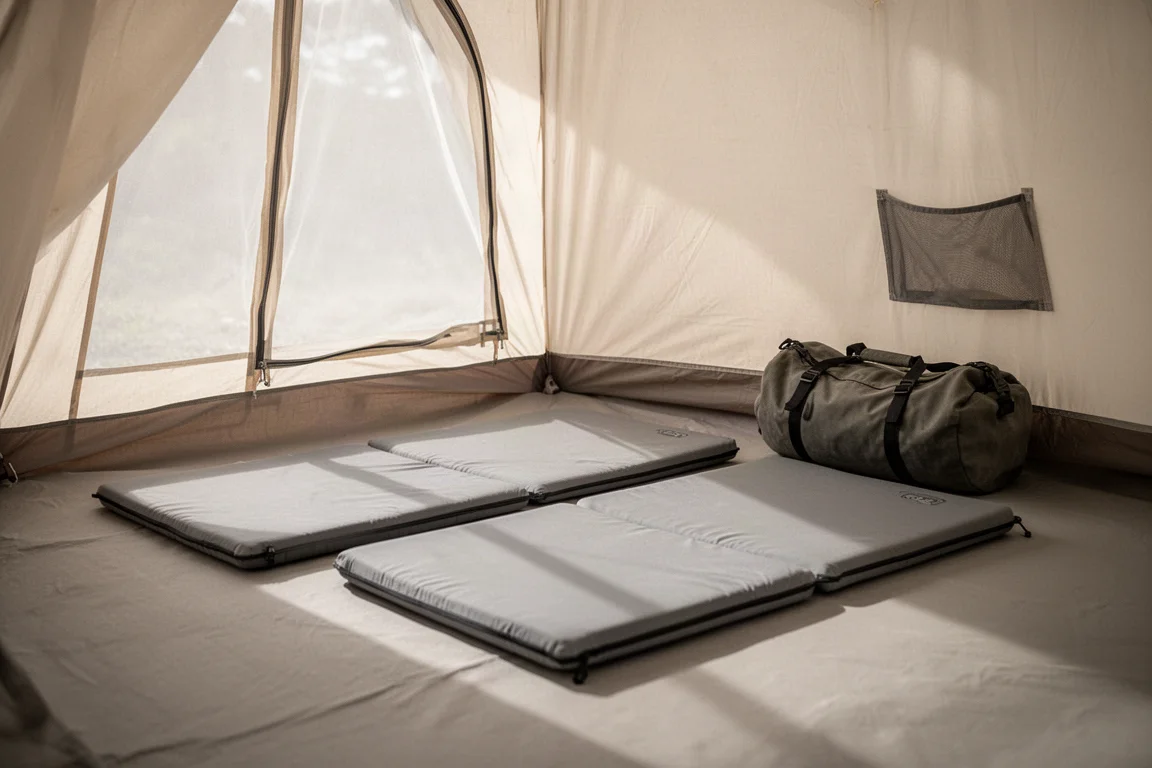
The inner is also far larger than the model name suggests. Snow Peak labels this a one-person tent, yet there is comfortably enough room for two sleeping pads, a dog and some gear. Anyone shopping for a two-person shelter should treat the Hexa Ease 1 as a genuine candidate rather than ruling it out on the name alone.
The layout helps here. One wall of the inner runs straight while the opposite side pulls out to a point, so the floor opens up where you need it and stays tight where you do not. It is a shape that rewards a little thought when you are arranging sleeping pads and bags inside.
How the Two-Part Shelter Comes Together
The system is straightforward once you understand the relationship between the two pieces. The inner connects to a pole at the rear, and that pole connects to the top of the tarp. At the front, the inner hangs from a long strap that runs up to the front pole and adjusts along its length, so you can tension the inner to suit the pitch.
Entry is available from both ends. The front door uses an inverted T formation with one vertical zipper and two horizontal ones. The rear has its own door with a horizontal zipper along the bottom and a vertical zipper beside it. When a guy line is attached to the top of the rear, both rear panels can be opened, which not only gives access to the inner but also introduces a large amount of airflow into the whole tarp system.
Fabric placement is deliberate. The front door is solid mesh, one rear door is mesh and the other carries fabric, and the top of the inner is fabric as well. Because the inner sits underneath a tarp, that fabric is there to keep wind-driven rain on the outside rather than letting it pass through. The front can be sealed shut when conditions turn, and on the inside a panel can be unrolled and zipped closed to block wind and moisture at the rear.
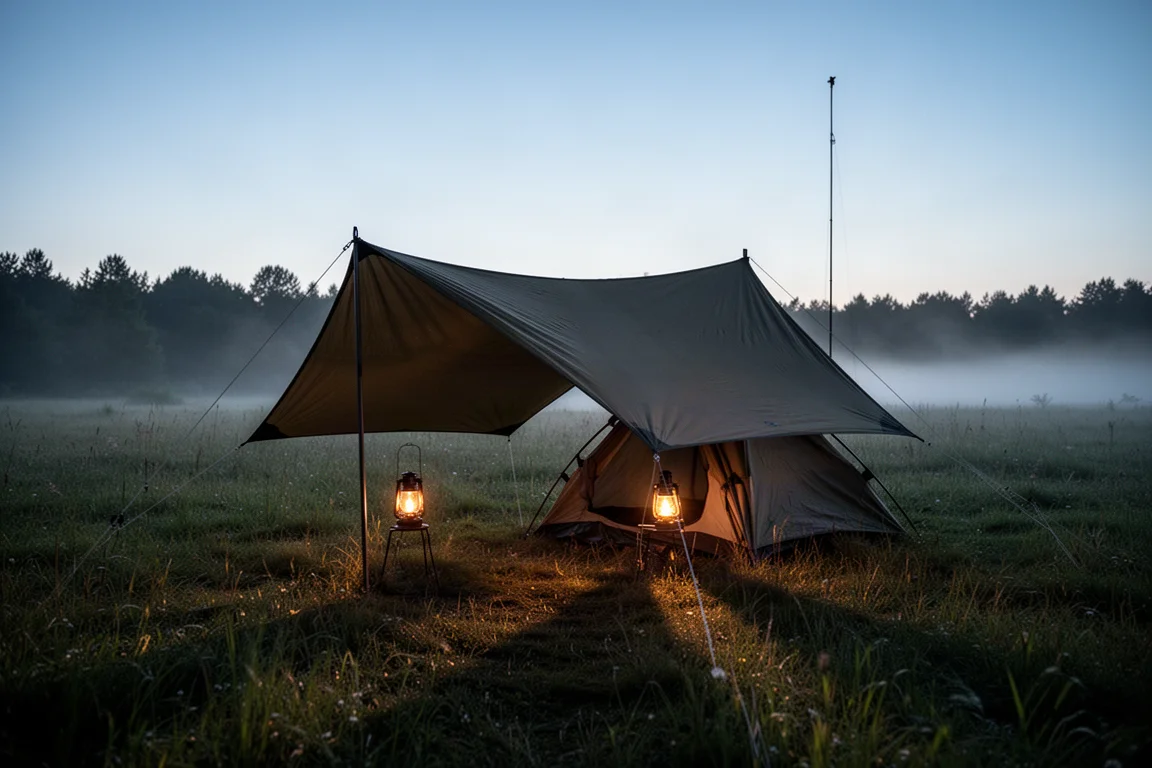
Smaller details round out the package: a bathtub floor that rises about 3 in up the walls, taped seams on both the inner and the fly, a single mesh pocket inside, and a fabric hang loop on the front strap for a lantern or small light.
Main Strengths: Space, Storm Worthiness, and Materials
Space is the headline. The inner takes two people plus gear without feeling cramped, and the tarp above creates a sheltered zone that extends well beyond the sleeping area. In poor weather that extra covered space changes how a trip feels, because you are not confined to the inner.
Weather performance has also proven strong over roughly three years of use, including some severe thunderstorms. The tarp is fully waterproof with no leaking observed, and the tarp blocks sun just as effectively as it blocks wind and rain. There is a real advantage to having the inner set well back under a high peak: you can stand underneath the tarp and be protected from both sides, leaving only the front as a direction to think about.
The materials support that confidence. The tarp uses a 210 denier polyester Oxford with a PU coating and a 3,000 mm waterproof rating. The inner is a 68 denier polyester taffeta, and its floor is a 210 denier polyester Oxford with a hydrostatic head rating well above the tarp’s. High denier polyester is a meaningful part of why the packed size and weight stay reasonable for a shelter this large.
Ventilation and Living Space Inside the Inner
Ventilation inside the inner is excellent. There is a substantial amount of mesh, and the tarp walls sit high enough that air moves freely through the system. Because the rear can be opened wide, you can pitch the shelter with the back facing the wind, open it up for airflow, and then close it down if the weather worsens.
The trade-off is warmth. With fabric on parts of the sides and the top, the inner runs a little warmer than a typical three-season summer tent. For most three-season trips that is a fair exchange, and the airflow available through the mesh keeps it from becoming stuffy.
The numbers describe the scale well. The tarp measures 16 ft 11 in long and 11 ft 3 in wide, reaching 6 ft 11 in at its highest point before dropping away toward the hanging webbing. The tent opening stands 37 in high, the inner peaks at 43 in, and the maximum interior width is 54 in. Comfortable length inside runs to about 6 ft 7 in, which means taller campers can still stretch out.
Things to Consider Before Buying
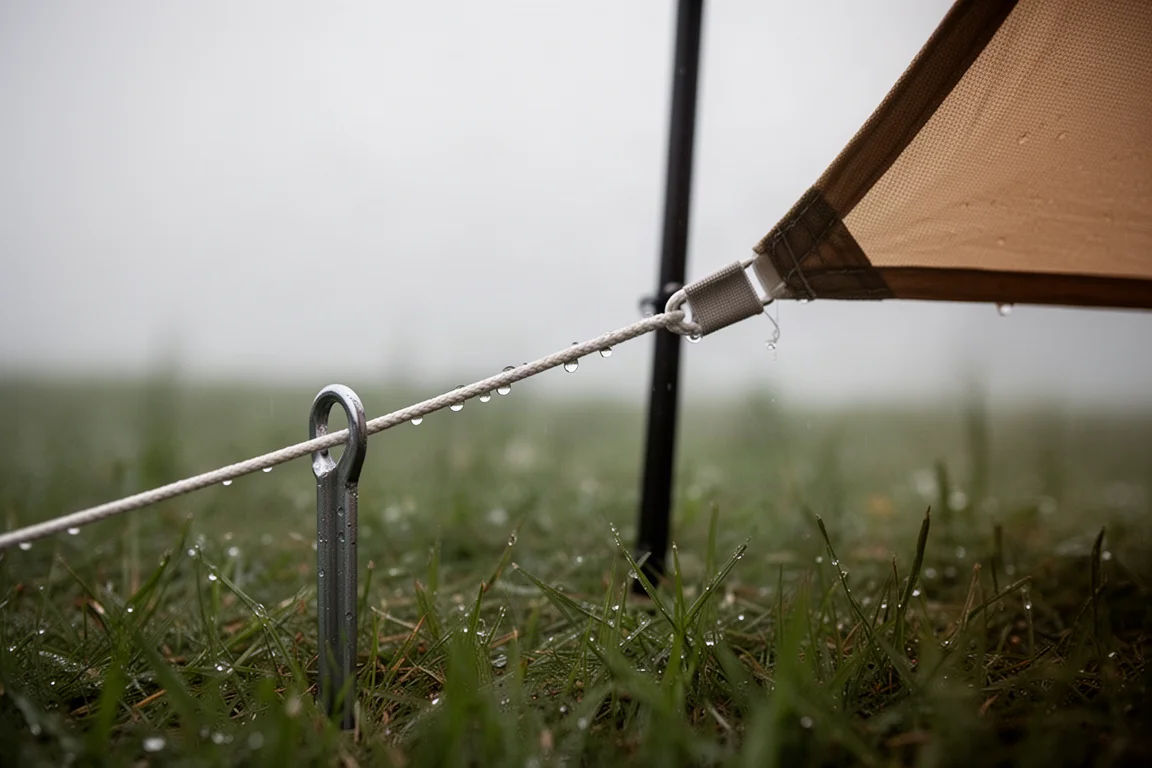
Setup is the main practical hurdle. Getting the front pole attached to the tarp and properly staked out takes real effort, and achieving the best possible pitch can run to 20, 25 or even 30 minutes. Expect to make adjustments, and in some cases small modifications, to get the tension you want. Once the tarp is standing, the inner goes in easily and staking it out is straightforward.
Construction quality is generally very good, though there are a few loose threads on the fabric of the inner. They are superficial and do not affect how the shelter performs, but at this price point it is reasonable to expect cleaner finishing.
Price is the other consideration. The Hexa Ease 1 costs $460, which is a lot for a shelter built from a polyester fly and a polyester inner. Snow Peak is a major name in Japan and a smaller presence elsewhere, and part of what you pay for is the brand and the design rather than exotic materials.
None of these points are deal-breakers on their own. They are simply the things worth weighing honestly before committing, particularly if setup speed matters to you or if you expect premium finishing at a premium price.
Setup, Storage, and What the Price Reflects
The setup process rewards patience more than strength. The front pole is the awkward part, and once it is anchored and staked, the rest of the pitch falls into place quickly. Campers who pitch the same shelter repeatedly will find their own sequence, but first attempts should be planned with extra time.
Packed size is a genuine plus. At 24.6 in by 8.1 in by 8.1 in and 11.4 lb, this is not an overly heavy or overly bulky package for what it delivers, and it is impressive for a large car camping shelter, especially given the high denier polyester in the tarp.
That brings the value question into focus. The Hexa Ease 1 is fairly expensive for what it is, and much of the cost reflects the Snow Peak name and the unusual two-part design rather than the fabric specification. Buyers who value the design, the covered living space and the storm performance will find the money easier to justify than buyers who simply want the most shelter per dollar.
Buying Advice
Choose the Hexa Ease 1 if you camp from a vehicle, want a three-season shelter with a large covered area, and are willing to spend a little longer on setup in exchange for a very different kind of campsite. It suits two people who want space for pads, gear and a dog, and it suits anyone who has been caught out by wind-driven rain and wants a design that can be sealed up from both ends.
Pay attention to wind direction when you pitch it. Decide whether you want the breeze coming through to keep things cool or whether you want to block it because blowing rain is a possibility. The openable rear is the tool that lets you change your mind later, so orienting the shelter with that in mind gets the most out of it.
If your priority is a fast pitch, a lighter pack weight for backcountry trips, or the lowest cost per square foot of floor, this is not the shelter to buy. If your priority is a distinctive, storm-worthy basecamp with generous covered space, it is a strong and genuinely enjoyable choice.
Conclusion
The Snow Peak Hexa Ease 1 is a fantastic tent with a lot going for it and very few drawbacks. Its two-part tarp and inner design is unlike almost anything else on the market, the inner is far roomier than its one-person label implies, ventilation is excellent, and it has proven storm worthy over years of use with no leaking. The two things to accept are a setup process that takes real time and a price that leans heavily on the brand and the design rather than the materials. For car campers who want space and weather protection, those are reasonable trade-offs.
Product link
View more details for Snow Peak Hexa Ease 1
This product is mentioned in the review. Check the specifications, options, and compatibility before buying.
View more details for Snow Peak Hexa Ease 1Further reading
Related Reviews
Tents
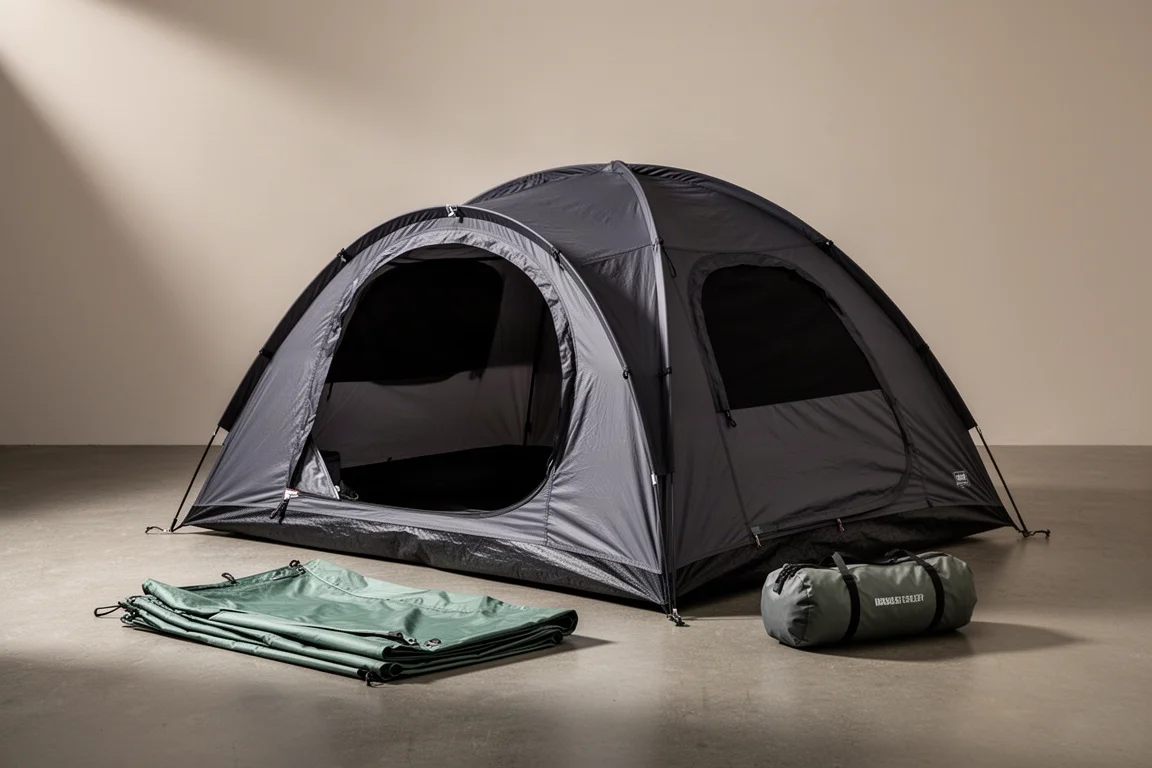
Black Dog Instant Setup 5 to 8 Person Tent Review: Fast Pitch, Serious Weather Problems
A quick-pitching Black Dog tent that goes up in seconds, but wet-weather testing revealed seam leaks, an overstated capacity claim, and awkward doors.
Tents
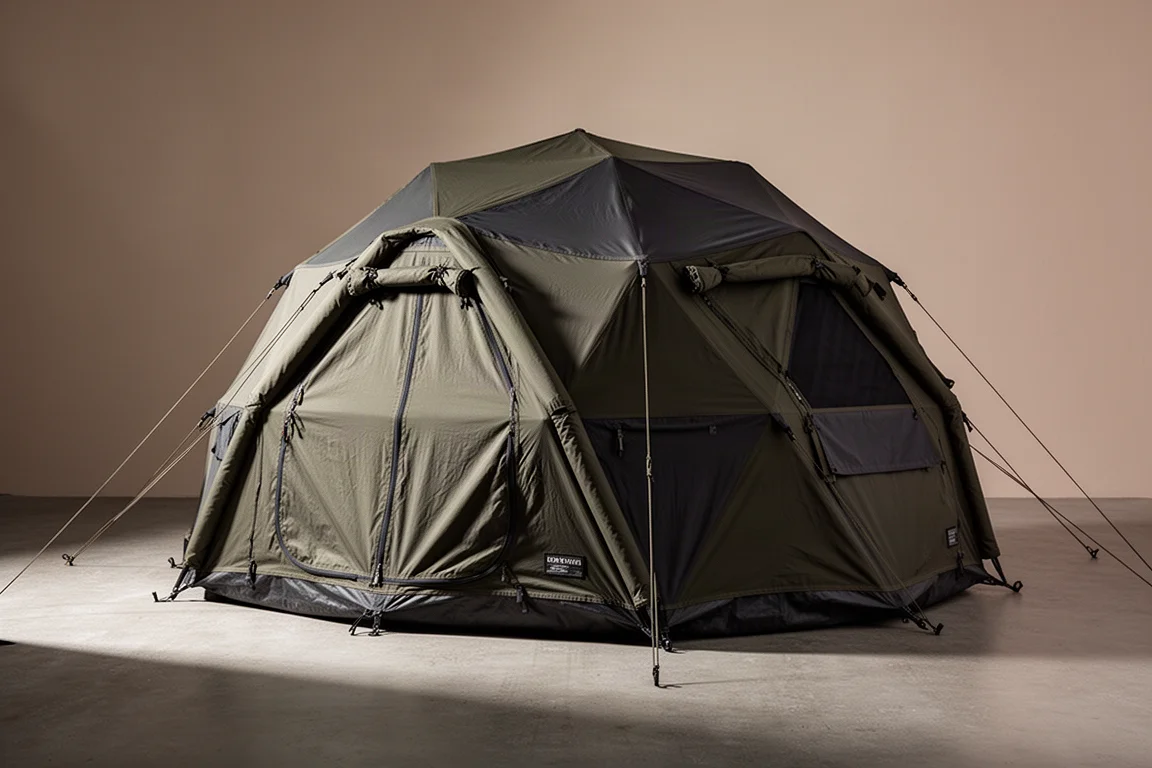
Lightfighter Dragoon Review: An Eight-Person Four-Season Military Shelter
The Lightfighter Dragoon is a 57-pound, eight-person expedition tent built for extreme weather. Here is what its materials, size, and setup demands mean for real buyers.
Tents
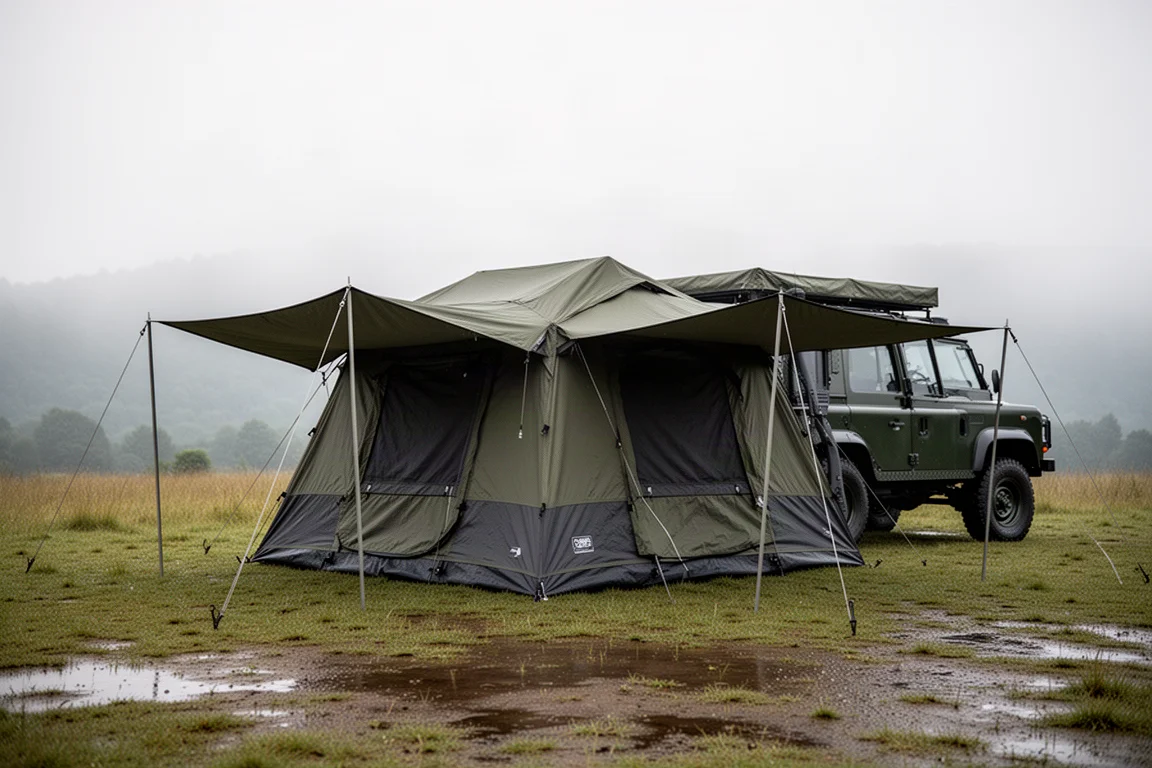
Lone Rider Motorcycle Tent Review: A Big Shelter That Stays Dry
A double-wall motorcycle tent with two large awnings, two entry points, and enough interior height to stand up, plus the pack size trade-off to weigh first.