Hi-Fi Accessories
SMSL PO100 Review: A $60 USB Reclocker That Sharpens the WiiM Ultra
The SMSL PO100 is a small USB digital converter that doubles as a budget reclocker. Here is what it changes in a WiiM Ultra chain, and what it demands first.
Introduction
The WiiM Ultra has built a reputation as one of the best-value streamers available. It packs a touchscreen, analog inputs, trigger outputs, optical outputs, an HDMI input, USB in and out, and even a phono stage that is decent if not exceptional. On features and software it is hard to argue with, especially for the money.
The criticism that follows it is narrower. The digital clock inside the WiiM family is not considered particularly strong, and a poor clock means jitter, the timing imprecision that manufacturers and recording engineers work hard to avoid. That is where the SMSL PO100 comes in.
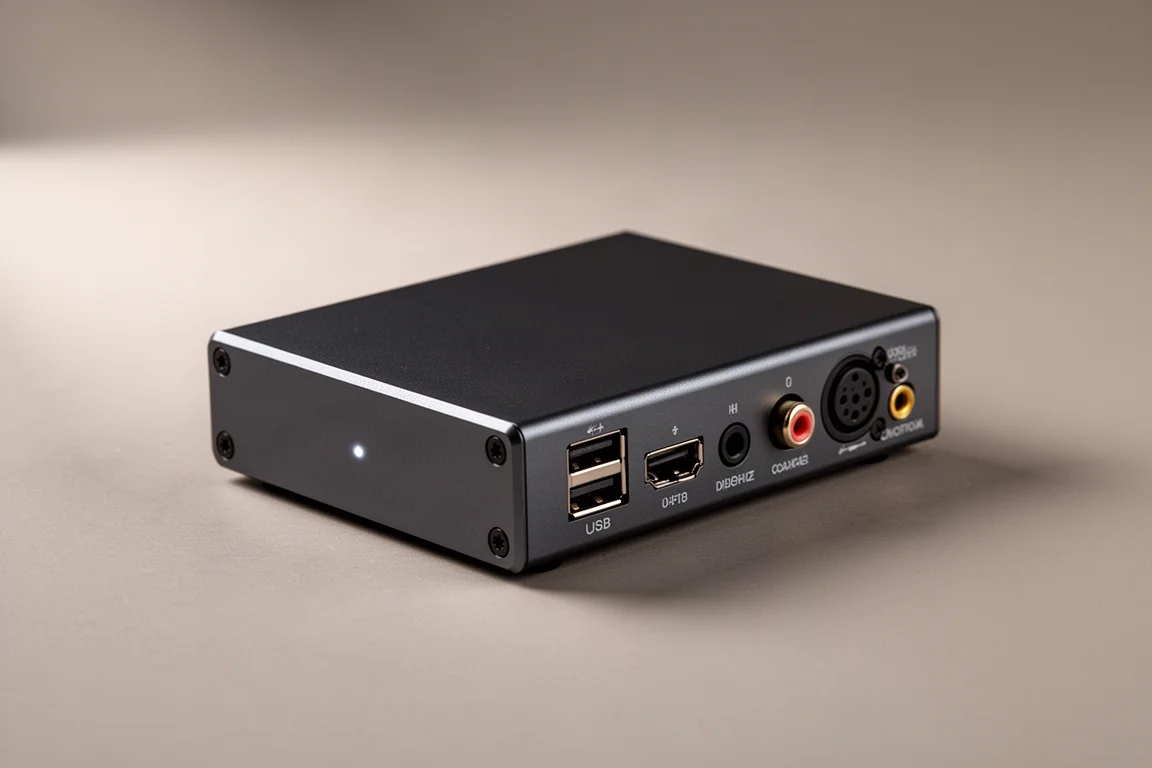
The PO100 is a small USB digital converter. You feed it USB, and it outputs optical, coaxial or I2S. It is not marketed as a reclocker, but because it contains its own XMOS chip, it can act as one. At roughly $60, it is an inexpensive way to insert a cleaner digital stage between a streamer and a DAC.
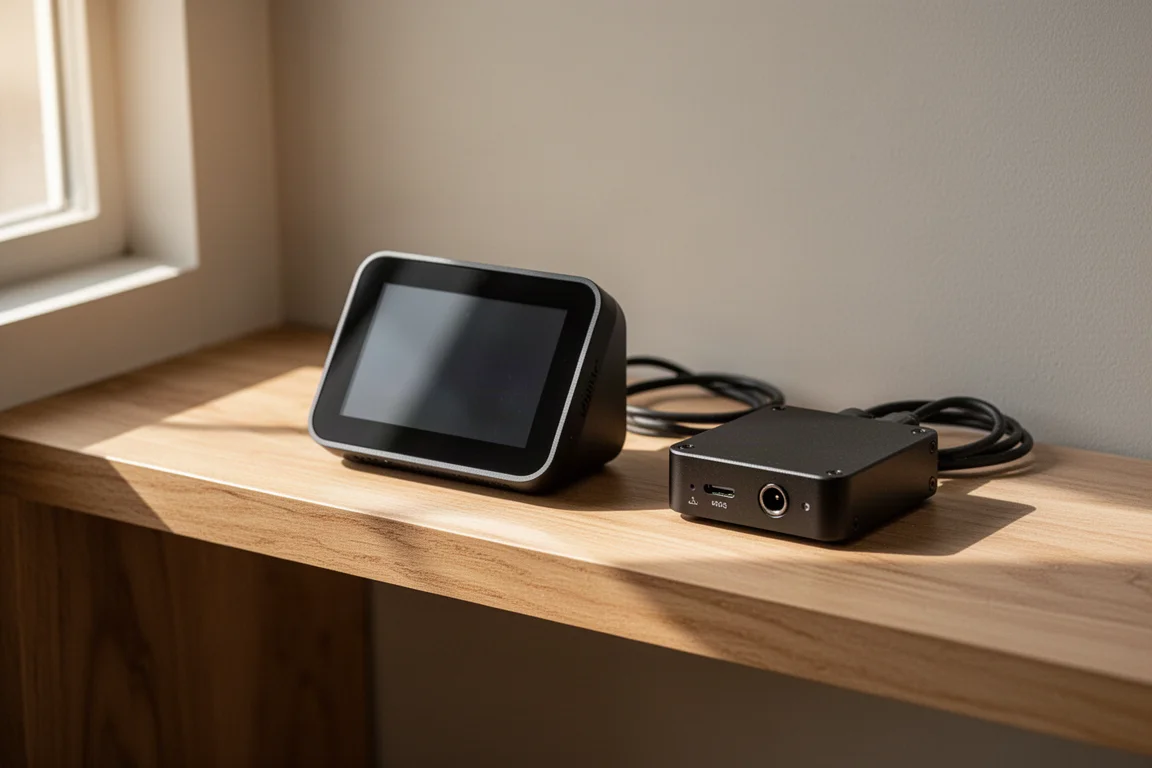
The practical result is a modest box that sits between a WiiM Ultra and an external DAC, reclocking the signal before it reaches conversion. For anyone who already owns the streamer, that is a small, low-risk experiment with a genuinely audible payoff.
Who the SMSL PO100 Is For
The PO100 is for WiiM Ultra owners who already use, or plan to use, an external DAC. That requirement is not optional. The PO100 only passes a digital signal, so it must sit between the streamer and a standalone DAC or the DAC section of an integrated amplifier. It cannot drive headphones or speakers on its own.
It also depends on the USB output of the WiiM Ultra. Once the PO100 is connected to that port, it appears in the WiiM app as an output option, and you simply select it. From there you can run optical, coaxial or I2S into your DAC.
If your system already has an external DAC and you have been curious about reclocking but unwilling to spend on dedicated units that can cost several hundred or several thousand dollars, this is the low-cost entry point. If you listen exclusively through the Ultra’s internal DAC and have no plans to add anything downstream, the PO100 will not do anything for you.
Main Strengths of the SMSL PO100
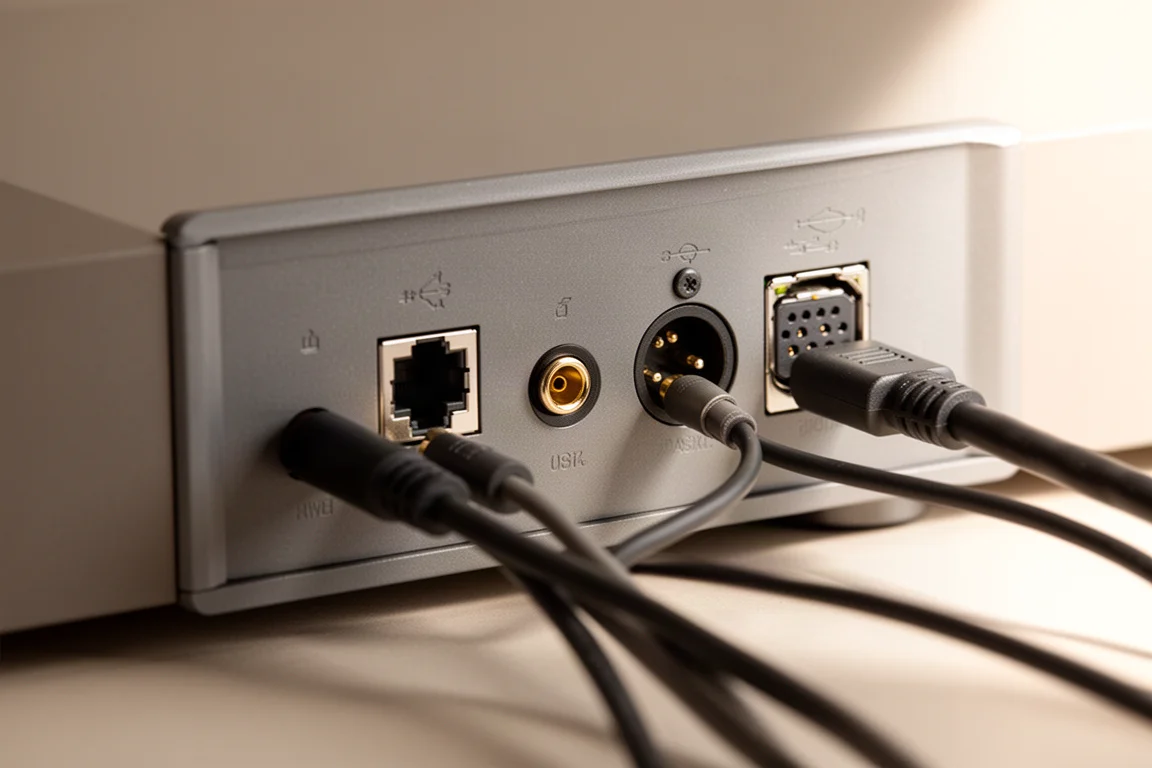
The core strength is simply that it works. The PO100 takes the USB output from the streamer and re-clocks the digital signal before passing it on, and the difference is not subtle in a revealing system.
Listening through ELAC Debut 3.0 speakers in the 5.25-inch version, which are slightly rolled off at the top and therefore a tough test bed for added detail, the improvements were still clear. Instrument separation improved noticeably. Layering became easier to follow, with less smearing between instruments, so individual parts felt more distinctly placed within the soundstage.
Clarity and air stood out most. Acoustic guitar notes hung in the room a little longer, and hi-hat work sounded crisper and more separated rather than sitting in a slight fog. On dense tracks with lots of vocal layering, backing harmonies that had previously blurred into the mix became audible as separate lines.
The analogy that fits best is cleaning a pair of glasses. Nothing about the recording changed, but the presentation sharpens, and small details that were always there become easier to pick out. There is also a certain logic to stacking reclocking stages: the PO100 cleans up the signal leaving the streamer, and the DAC performs its own reclocking on arrival.
Things to Consider Before Buying
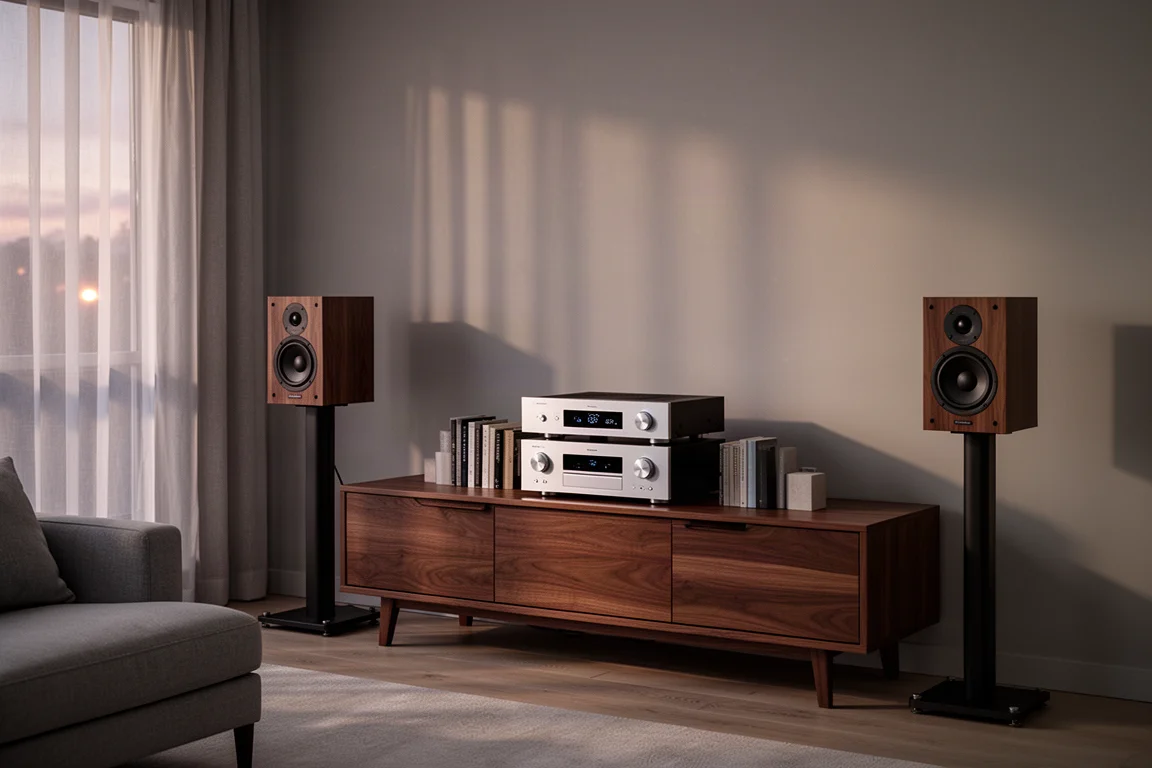
The first thing to accept is the dependency chain. You need a WiiM Ultra, you need to use its USB output, and you need an external DAC downstream. Without all three, the PO100 has no role in the system.
Second, this is a digital-only device. There are no analog inputs or outputs, no volume control and no streaming features. It is a converter and a clocking stage, nothing more.
Third, availability can be thin. Stock on the PO100 has been limited, and prices fluctuate between roughly $60 and $70 depending on whether a coupon applies. If it is out of stock, ordering may still be possible but delivery can take longer. A Duke Audio U2 Pro is sometimes mentioned as an alternative that does something similar, though the PO100 is reported to use a better XMOS chip.
Finally, be honest about expectations. Reclocking is a subject where results vary with the rest of the system, and some listeners may hear very little. The sensible approach is to buy from a seller with a generous return policy and test it in your own room.
Buying Advice
The most appealing thing about the PO100 is that it fits an incremental upgrade path. You do not have to spend everything at once. Start with the WiiM Ultra and its internal DAC, which is already a capable and enjoyable setup. Later, add an external DAC such as the SMSL SU1 at around $70. Then add the PO100 to clean up the clock feeding that DAC.
Each step is affordable on its own, and each one builds on the last. That makes the PO100 a low-commitment way to test whether reclocking makes a difference in your system rather than accepting the idea on faith.
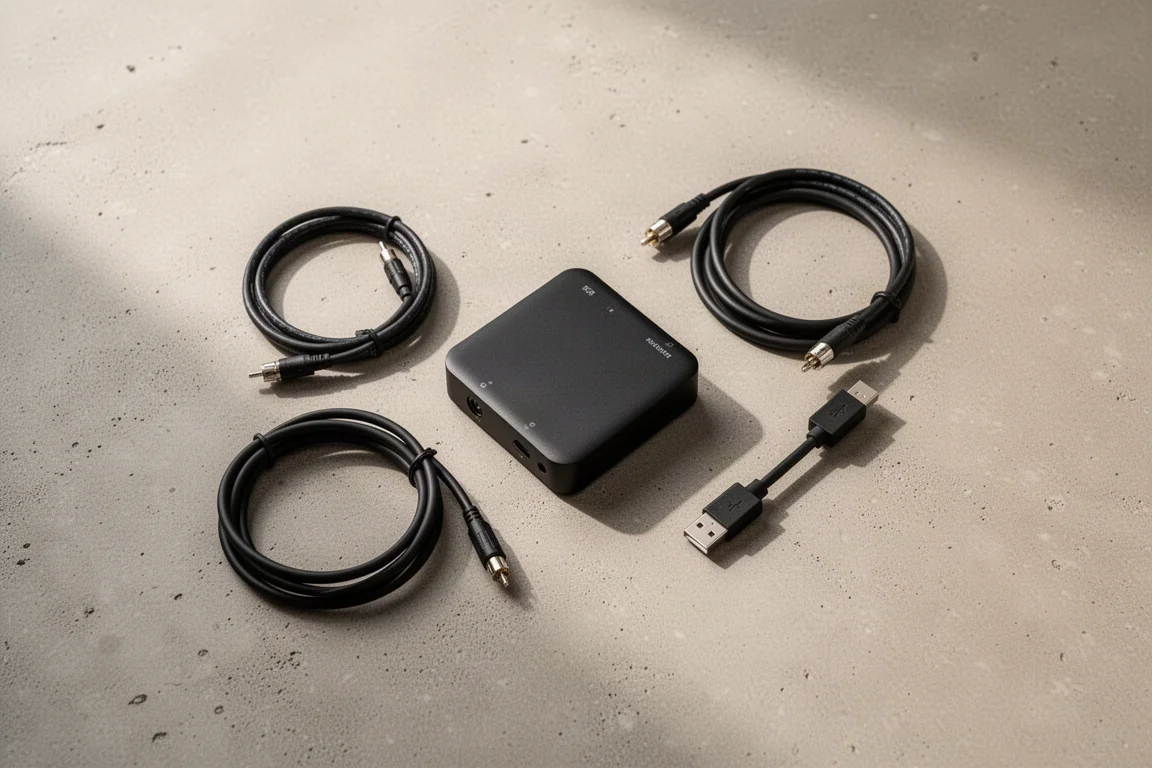
If you own a WiiM Ultra and an external DAC, the case is straightforward: order one, plug it in, and listen to a few tracks you know intimately. If you hear the improvement in separation and clarity, it is a remarkable return for the money. If you do not, return it and lose nothing but a little time. Either way, you will have an answer based on your own ears rather than someone else’s opinion.
Conclusion
The SMSL PO100 is a small, unglamorous box that solves a specific problem for a specific listener. It is not a streamer, not a DAC and not a preamp. It is a USB digital converter that, thanks to its own XMOS chip, happens to reclock the signal on its way through.
For WiiM Ultra owners with an external DAC, that is enough to make it one of the more interesting budget upgrades in hi-fi. It costs about as little as a component can and delivers a change in instrument separation, layering and top-end clarity that is easy to appreciate on familiar recordings. The requirement is simply that the rest of the chain is in place.
Product link
View more details for SMSL PO100
This product is mentioned in the review. Check the specifications, options, and compatibility before buying.
View more details for SMSL PO100Further reading
Related Reviews
Hi-Fi Accessories
Affordable Hi-Fi Accessories Under $100: A Practical Gift Guide
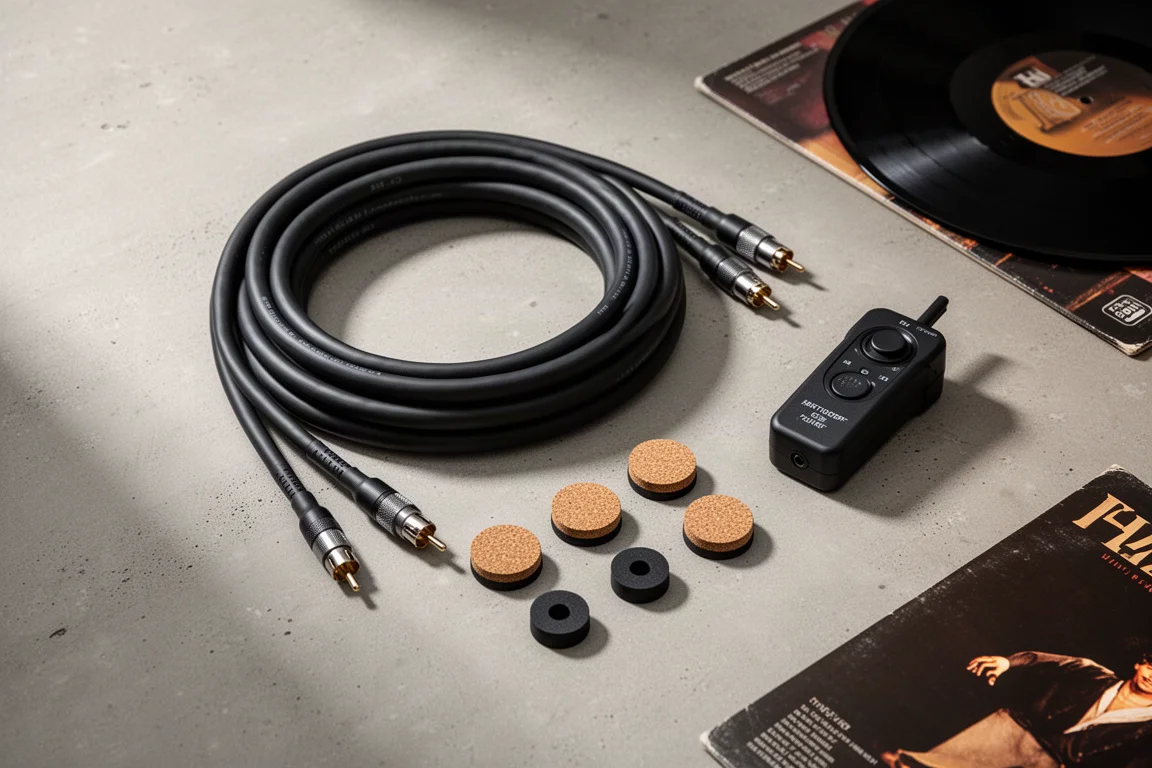
A practical guide to budget Hi-Fi upgrades, from 12-gauge speaker cable and isolation pads to affordable bookshelf speakers, a warm stereo receiver, and a vinyl anti-static device.
Hi-Fi Accessories
Five Affordable Hi-Fi Upgrades to Modernize a Vintage or Budget System
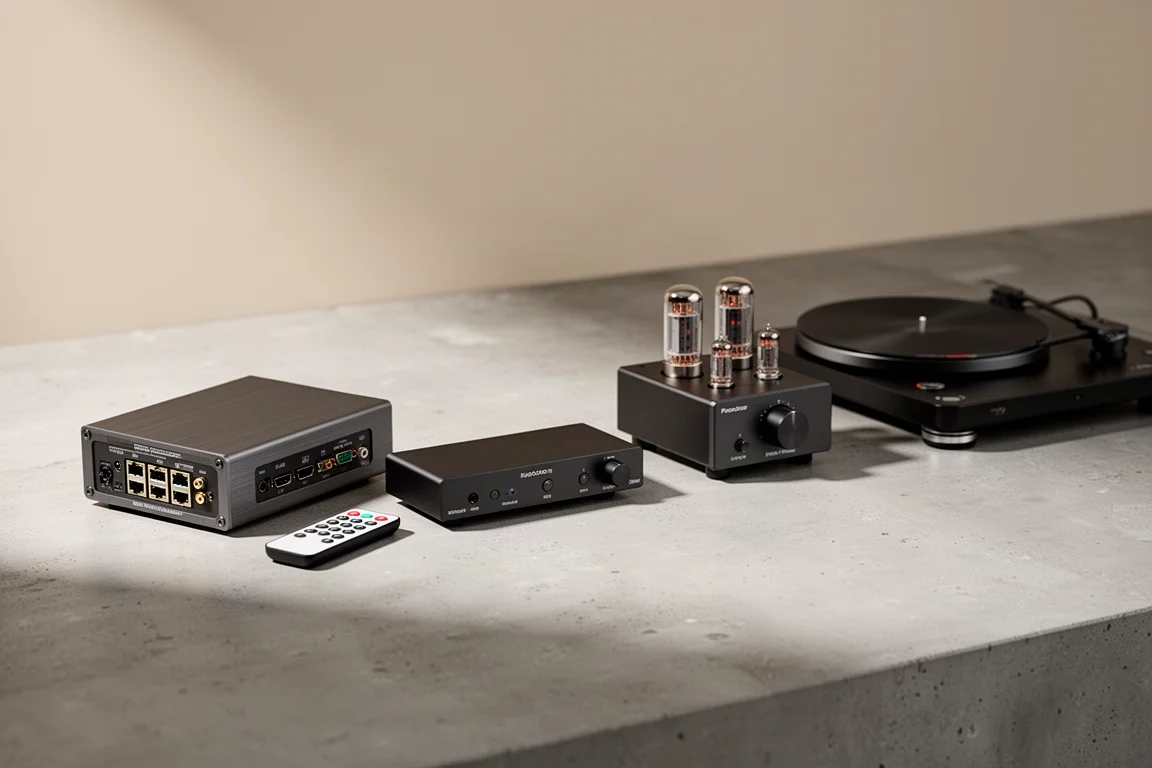
Five inexpensive add-ons that bring HDMI, extra inputs, phono support, and CD playback to a modest hi-fi setup.
Hi-Fi Accessories
Best Hi-Fi Accessories for Summer: Five Upgrades That Improve What You Hear
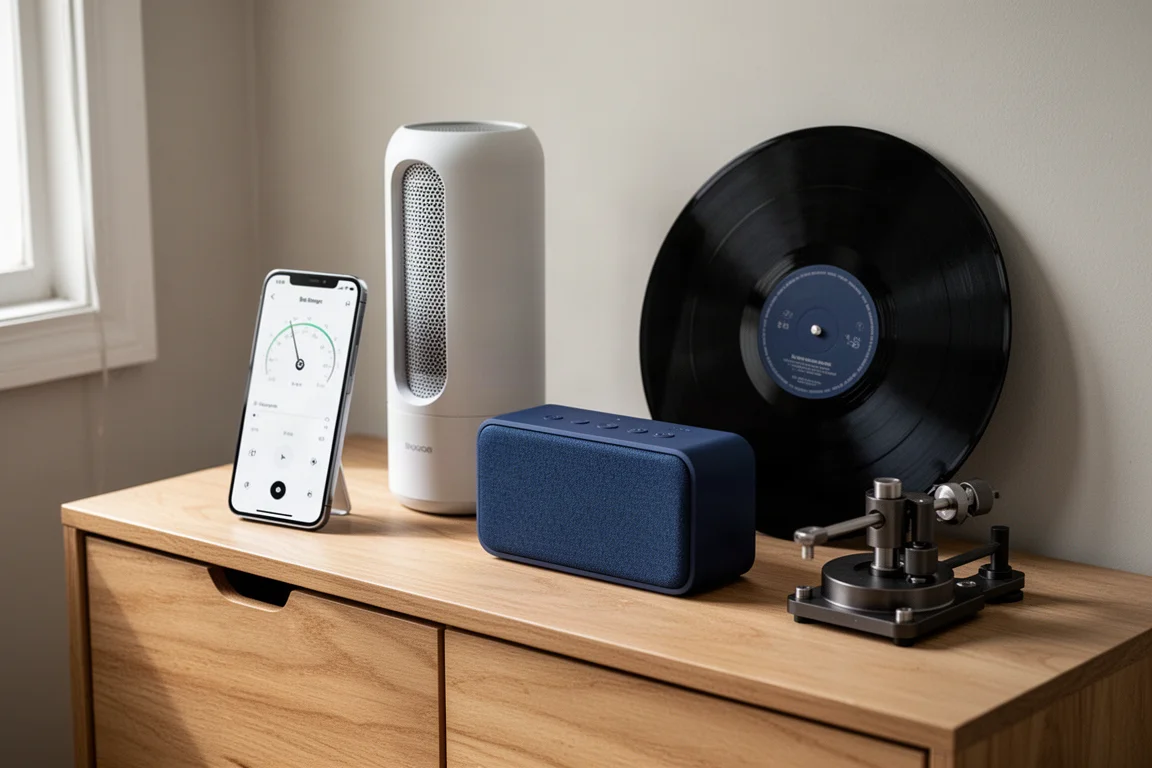
A free room-measuring app, a genuinely quiet fan, a serious Bluetooth speaker, and two vinyl essentials that make summer listening better.