Hi-Fi Accessories
Affordable Hi-Fi Accessories Under $100: A Practical Gift Guide
A practical guide to budget Hi-Fi upgrades, from 12-gauge speaker cable and isolation pads to affordable bookshelf speakers, a warm stereo receiver, and a vinyl anti-static device.
Introduction
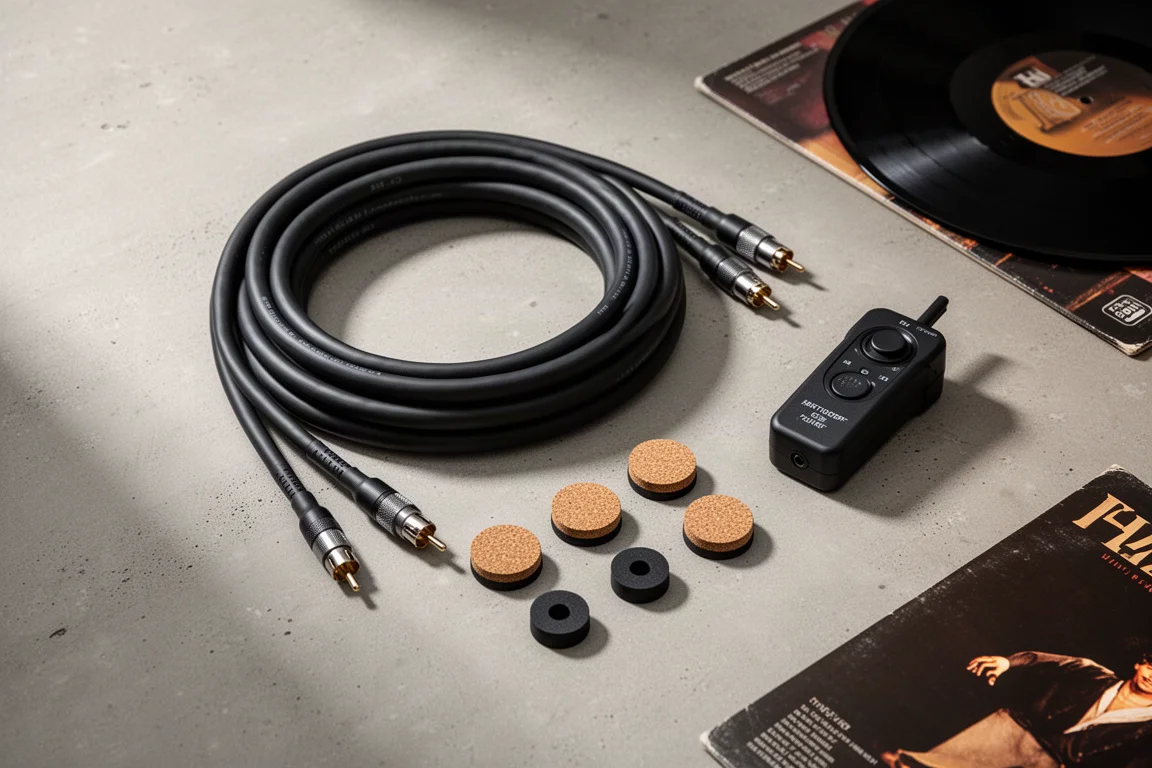
Gift season is a good excuse to upgrade a Hi-Fi system without spending serious money. The accessories in this guide sit mostly under $50, with a few speakers, amplifiers, and racks closer to the $100 to $200 mark, and each one addresses something specific: cable clutter, vibration under a turntable, static on records, or a weak link between the source and the speakers.
If you are buying for another listener, or simply filling your own stocking, the trick is to match the item to a problem that already exists. A tidy rack, a stable turntable, and a stack of quiet records are improvements anyone notices.
What Makes a Good Budget Hi-Fi Upgrade
Cheap Hi-Fi accessories are worth buying when they remove a real annoyance rather than when they promise a transformation. Shorter cables tidy up a fixed rack. Isolation pads cost less than a takeaway meal and give a turntable or subwoofer a more stable footing. An anti-static device addresses a problem that gets noticeably worse in dry winter air. Speakers, amplifiers, and racks cost more, but they also change the system the most.
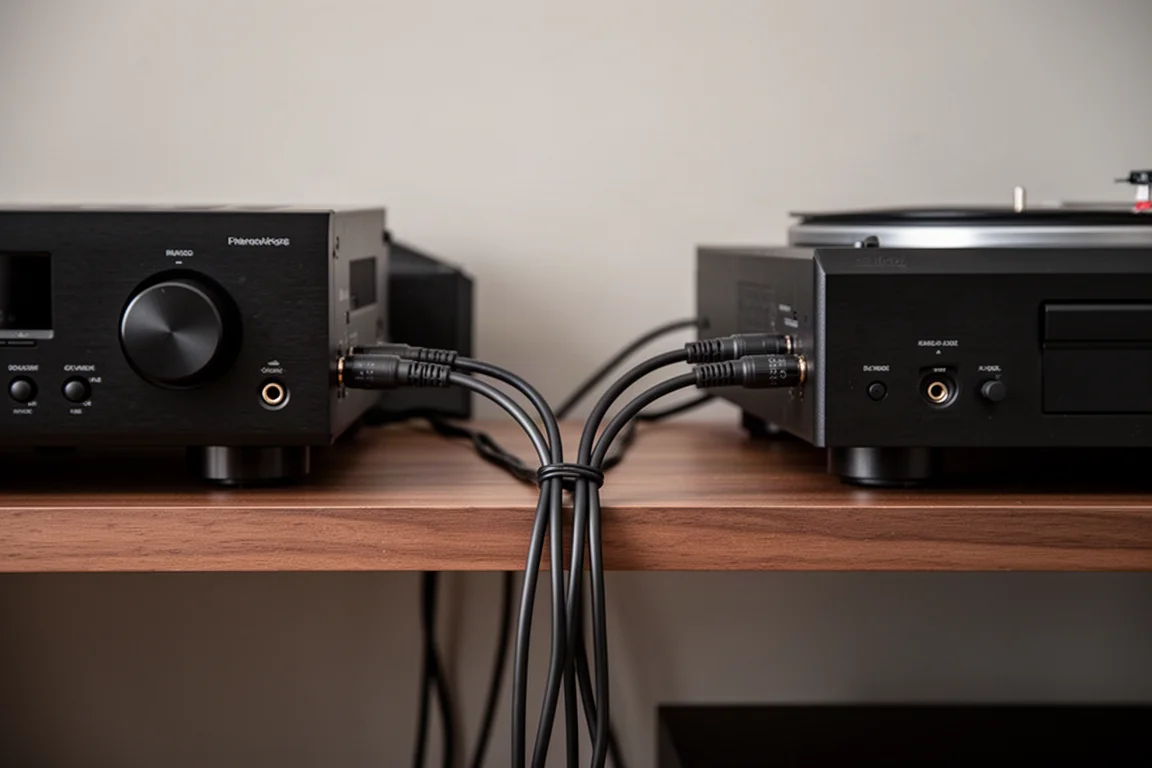
Two practical rules apply across this list. First, measure before you buy: cable lengths, shelf space, and the height a rack needs to reach are all easy to check in advance. Second, treat the low-cost items as experiments and the bigger purchases as decisions. If a $10 set of pads does nothing for your room, you have lost very little. If a $200 speaker is the wrong match for your amplifier, the mistake costs more.
Best Speaker Cable: GearIT 12-Gauge Speaker Cable
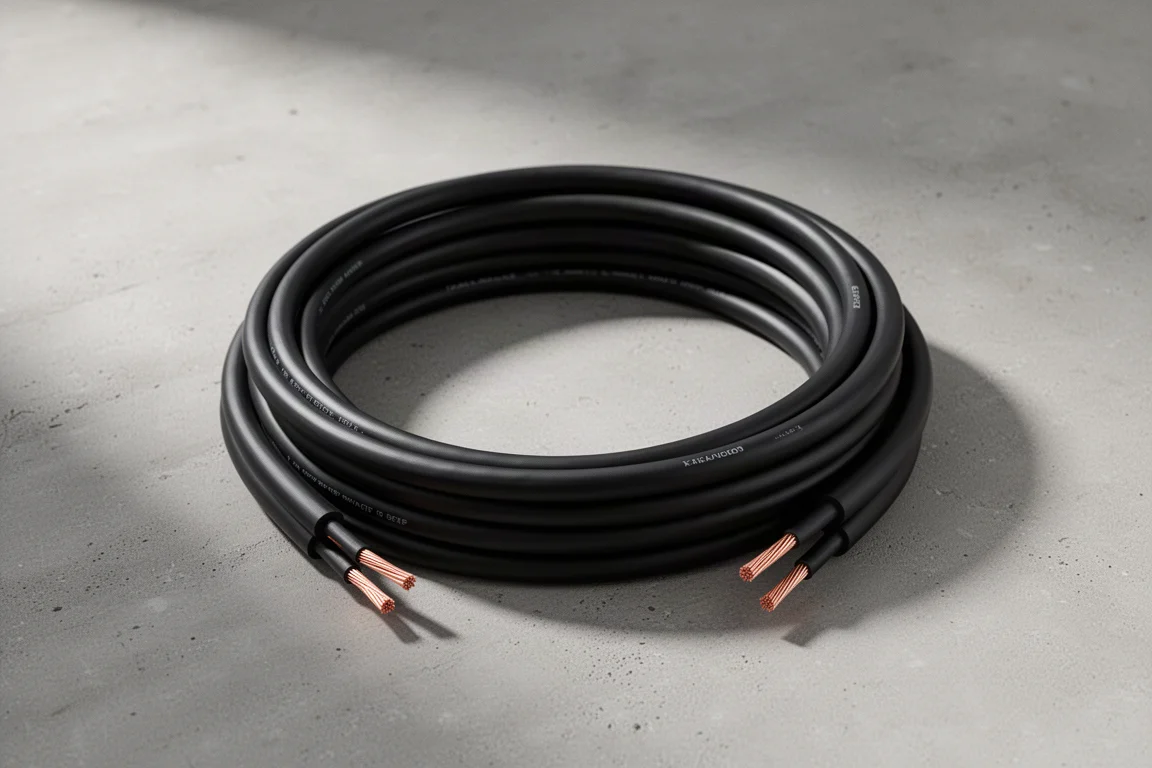
GearIT’s 12-gauge speaker cable is the kind of purchase that quietly improves the back of a rack. The construction looks solid for the money, and the price is the real story: around $20.99 for a 6 ft length and $28.99 for 15 ft. One detail to note before ordering is that each purchase is a single cable, so a stereo pair means buying two.
Building your own cables can still work out slightly cheaper, but the saving shrinks once you add up connectors and time. Buying a finished 12-gauge run is the simpler route for anyone who wants to replace thin factory cable without turning it into a project.
Best Interconnect Cleanup: World’s Best Cables RCA Cables
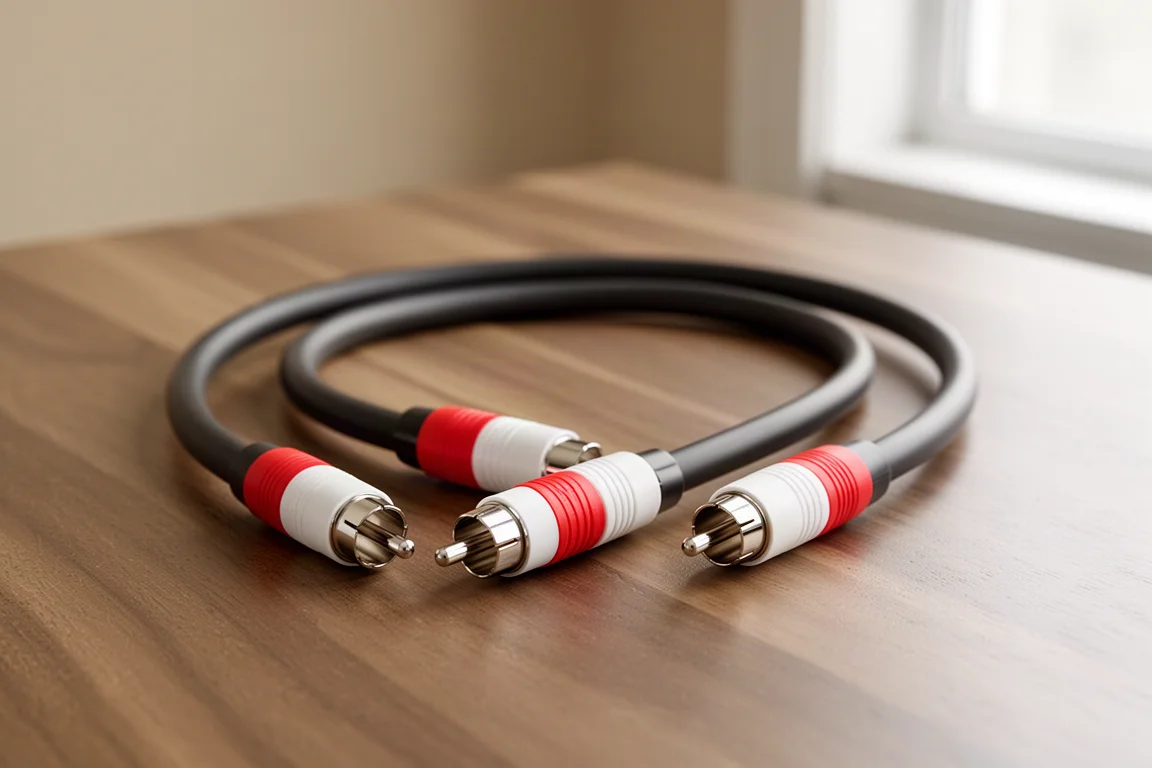
World’s Best Cables makes excellent RCA interconnects, and the appeal here is length rather than exotic materials. If a system lives in a semi-permanent setup, standard six-foot interconnects are usually far longer than needed. Measuring the real distance between components and buying a 1.5 ft pair instead removes a surprising amount of clutter behind the rack. Analog pairs have been available for around $21.
The only real constraint is that short runs suit fixed installations. If you rearrange gear often, keep a longer pair on hand for temporary setups.
Best Cheap Vibration Control: PneumaticPlus Isolation Pads
At $9.42, the PneumaticPlus pads are the cheapest experiment in this guide. They combine rubber and cork and are intended to sit under turntables, CD players, amplifiers, and subwoofers. Whether the change is audible depends on the room, the furniture, and the component, but the cost of finding out is minimal.
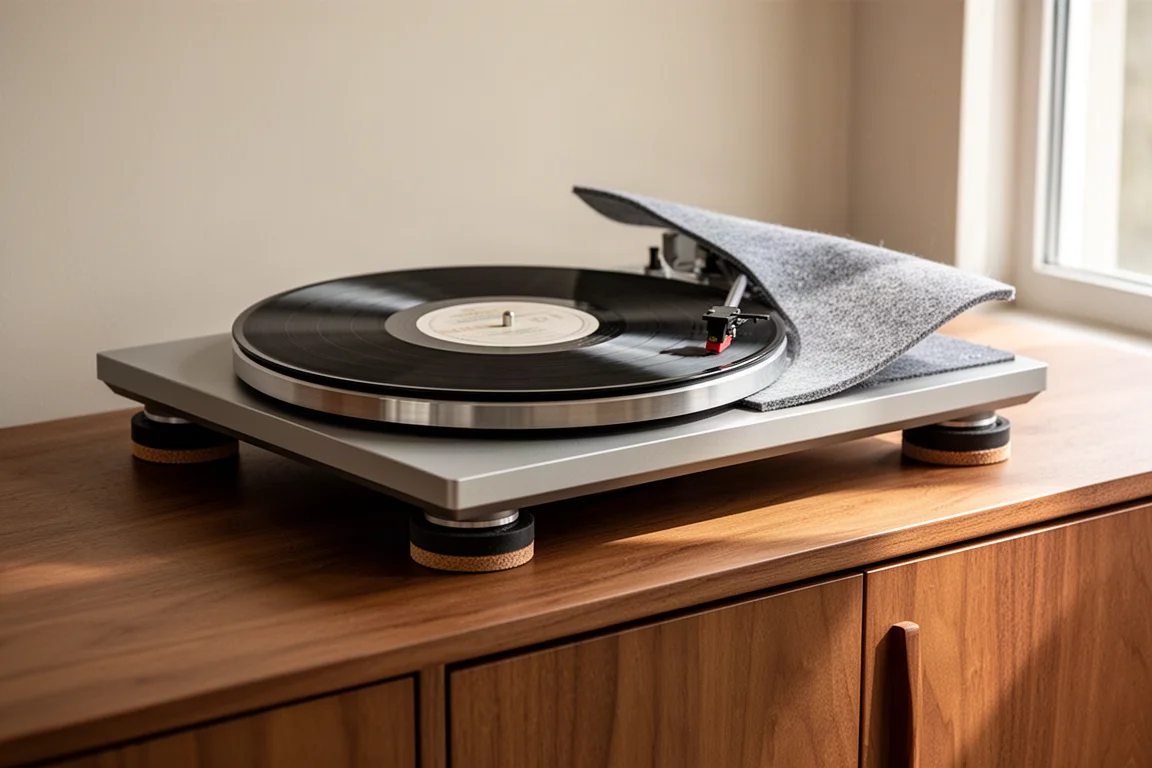
A set like this is easy to test methodically: place the pads under one component, listen for a week, then move them somewhere else. In many systems the most noticeable benefit comes from stabilising a turntable that shares a shelf with other gear.
Best Conversation Starter: Audio Crass CRF1 Isolation Feet
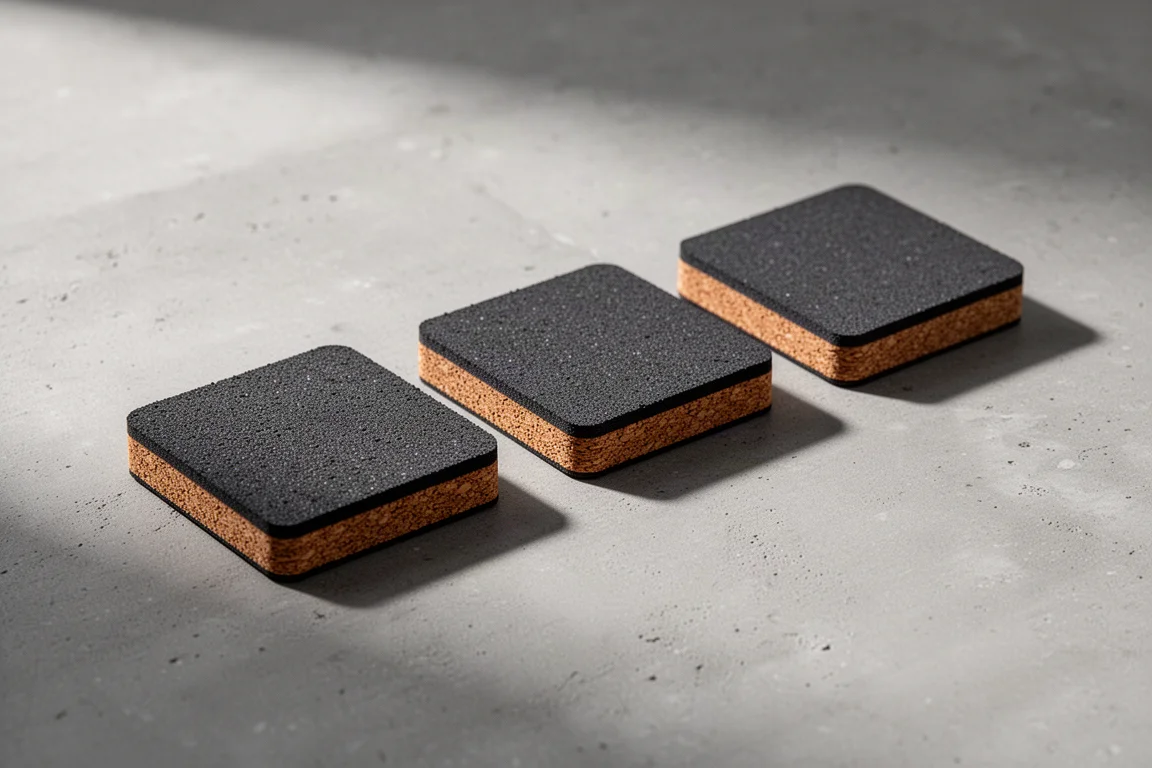
The CRF1 isolation feet come from a newer name in the accessory market and sell for $21.90. For listeners who have been curious about speaker footers but do not want to commit real money, this is an inexpensive way to try the idea.
Expectation management matters more than anything else at this price. Treat the feet as a low-risk experiment and judge them by whether the system feels more settled, not by whether it sounds like a new system.
Best Budget Speaker: Sony SS-CS5
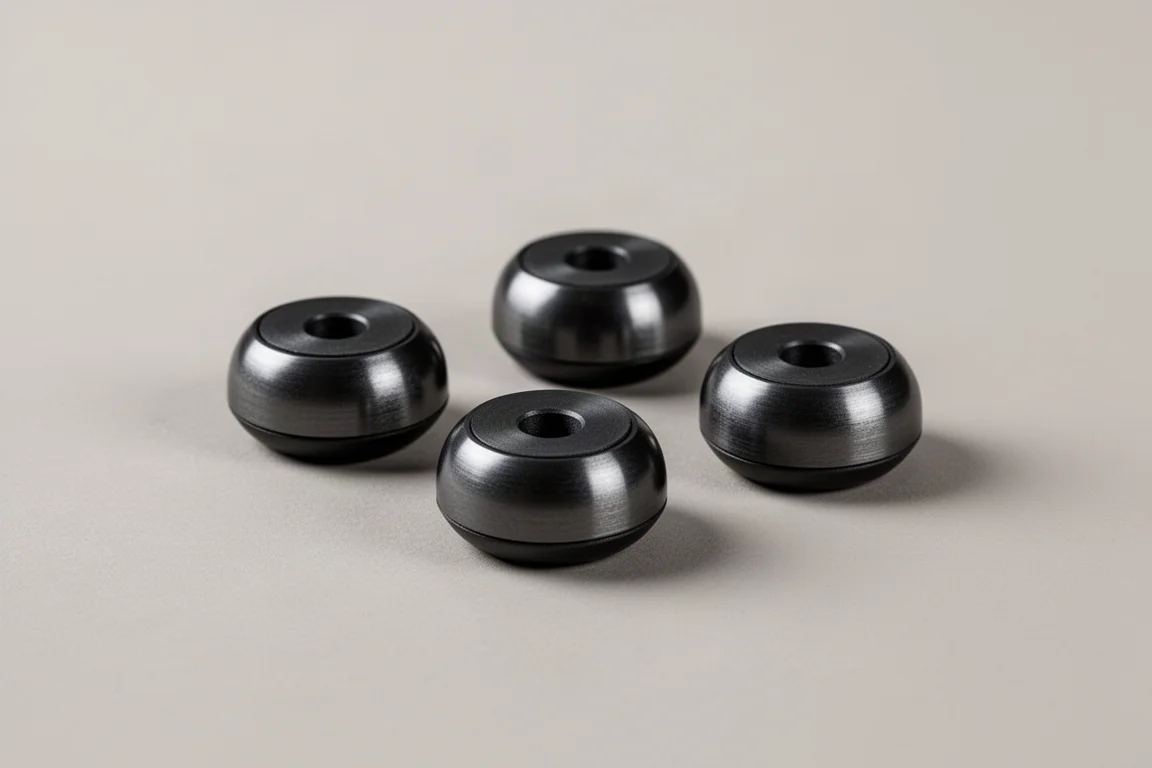
The Sony SS-CS5 has been one of the most recommended affordable bookshelf speakers for years and currently sits at $123. It is a common first step into separate-component Hi-Fi and pairs sensibly with budget amplifiers and receivers.
Opinions are not unanimous, and plenty of listeners prefer other options at the price, but the speaker remains a safe, well-known starting point. Buyers hoping for a deeper discount may need to wait, since the price has not fallen as far as some shoppers would like.
Best Step-Up Bookshelf Speaker: ELAC BS41
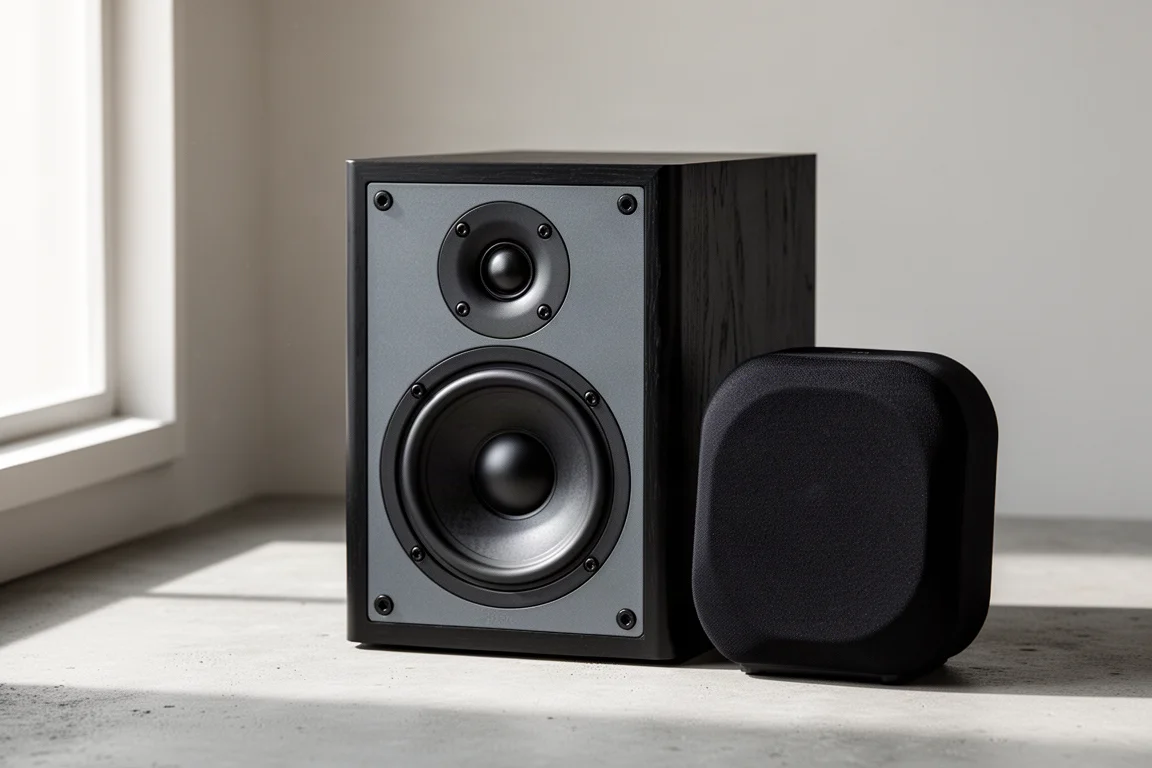
The ELAC BS41 is the other perennial budget favourite, listed at $119. It is a compact bookshelf that delivers a lot for the money and works well in smaller rooms where a large cabinet would be awkward.
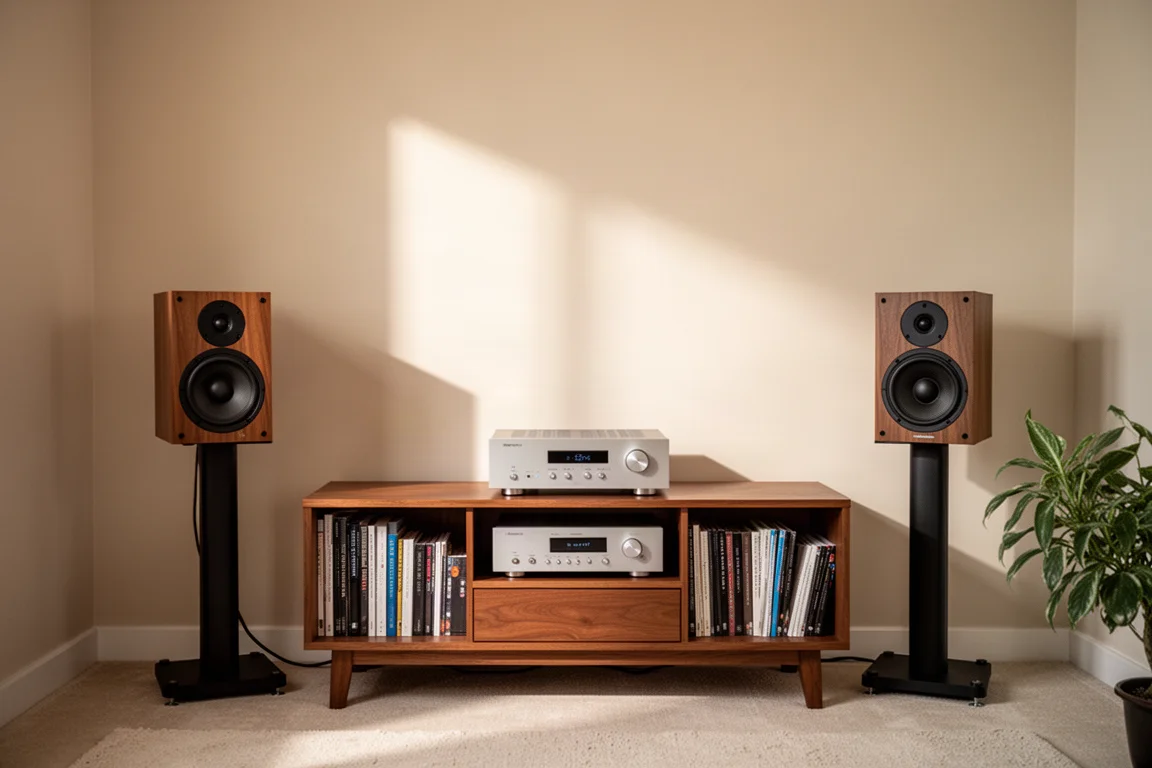
One thing to know before buying: the BS41 asks more of an amplifier than the larger B5.2. If you are running a modest receiver, the bigger model is the easier match, and the stretch to $199 is worth considering if the budget allows.
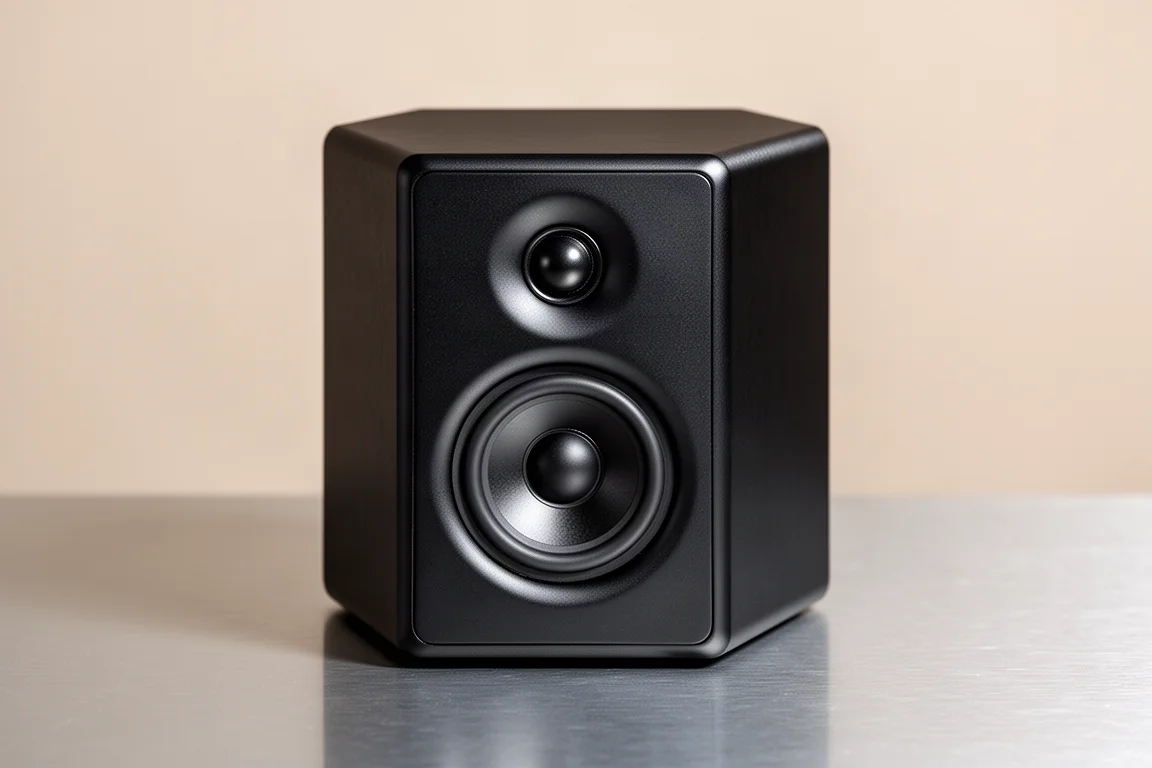
Best All-Rounder Bookshelf Speaker: ELAC B5.2
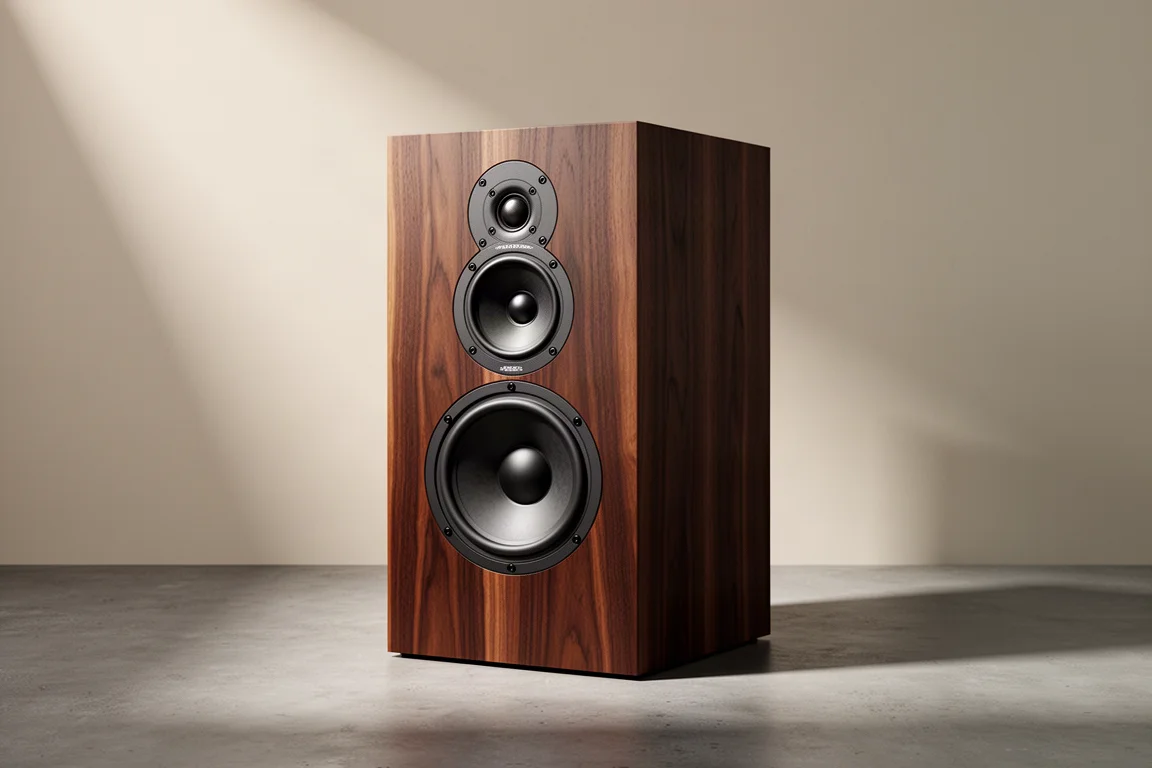
At $199, the ELAC B5.2 is the natural upgrade path from the BS41. It is a little bigger, a little better, and easier to drive, which makes it the more forgiving partner for a budget amplifier.
The gap between the two is roughly $80. For listeners building a system around an affordable receiver, that difference buys an easier load and a fuller cabinet, and it is money well spent.
Best Affordable Integrated Amplifier: Sony STR-DH190
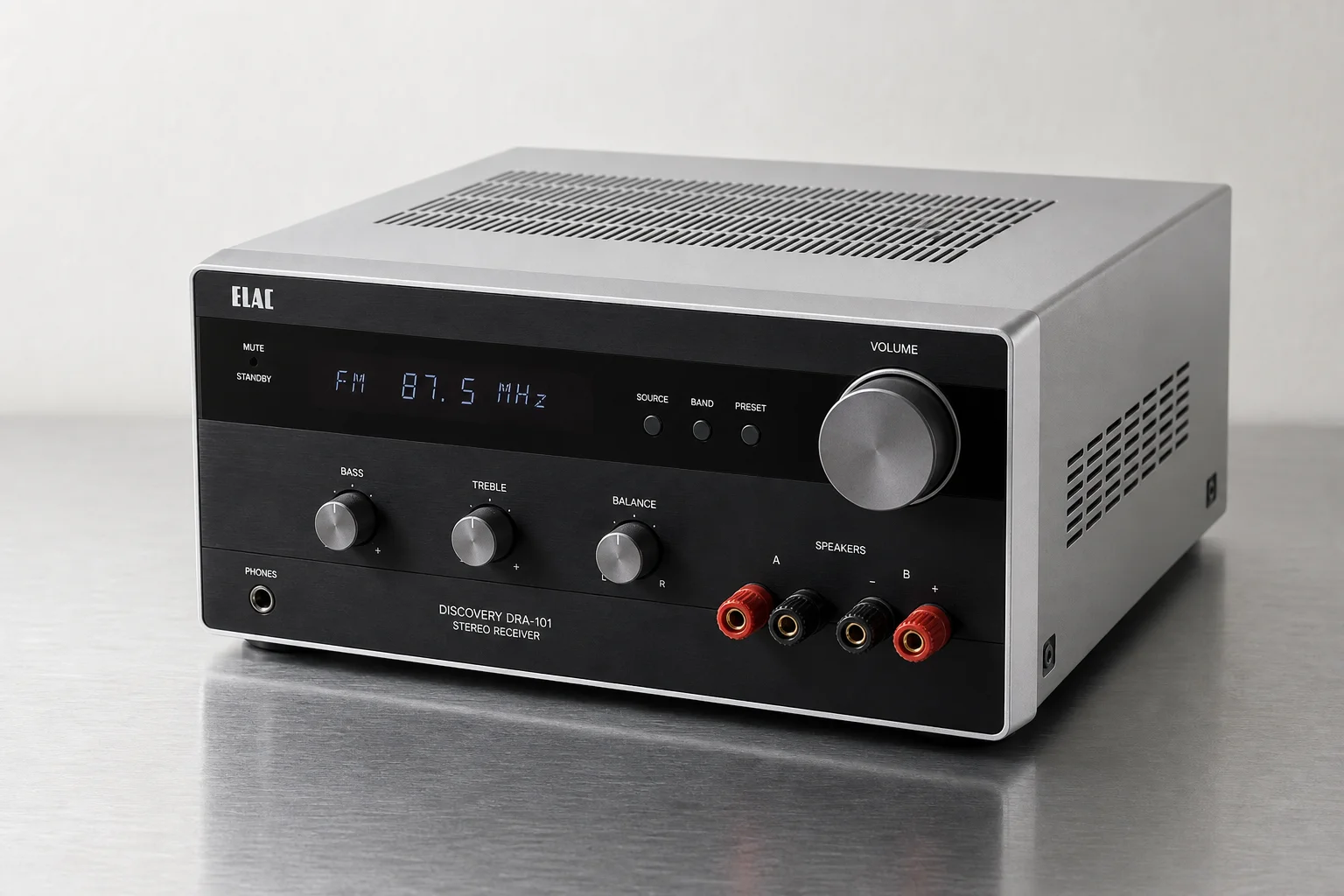
The Sony STR-DH190 is a two-channel receiver at $148, and it has been discounted to $99 in the past. Its character is warm, which flatters bright recordings and covers up a lot of harshness in budget sources. It includes a phono input for a turntable, puts out a decent amount of power, and offers usable Bluetooth.
It is also a full component-sized unit from a major manufacturer rather than a compact class D design, which matters if you want something that looks at home in a traditional rack.
Best Modular Rack: Pangea Stereo Rack
The Pangea stereo rack is $199 and is not currently discounted, but it is the most flexible option here. The versions with screw-in columns can be extended as a system grows, and the rack ships with casters and alternative feet so you can set it up for the floor you have.
It also looks better in a living room than most equipment stands once a few plants or seasonal decorations are arranged around it, which matters when the Hi-Fi shares space with the rest of the household.
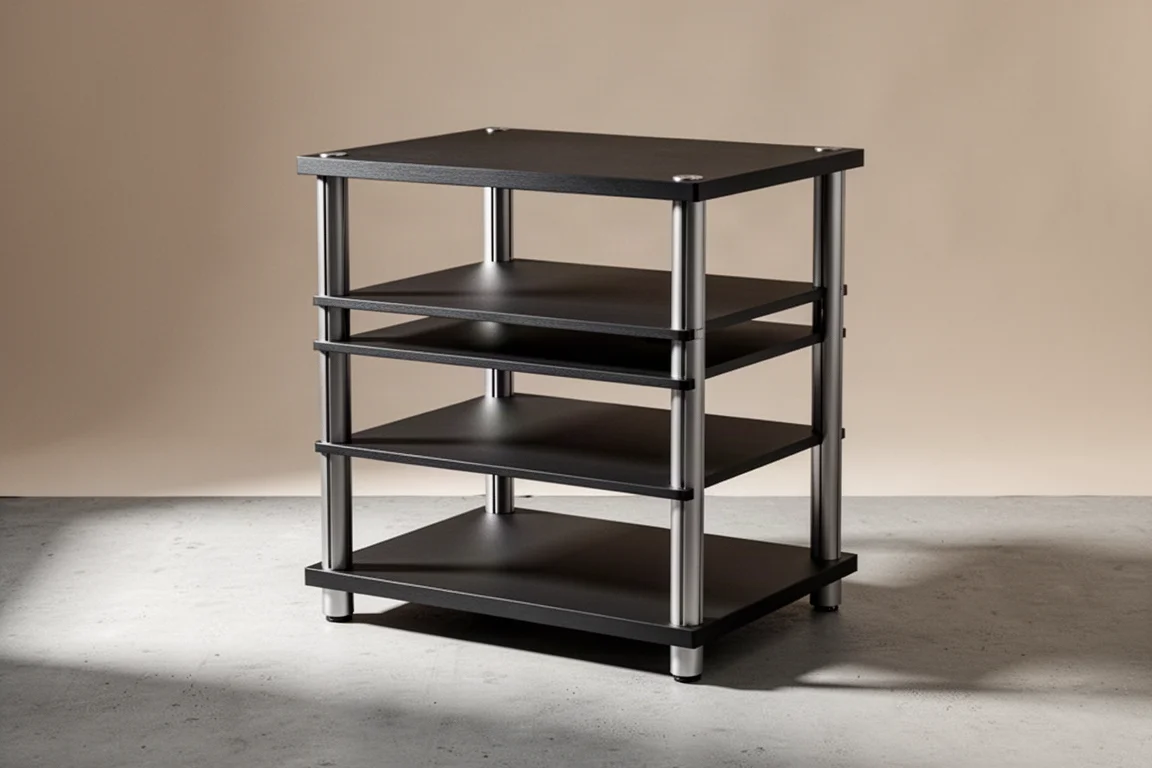
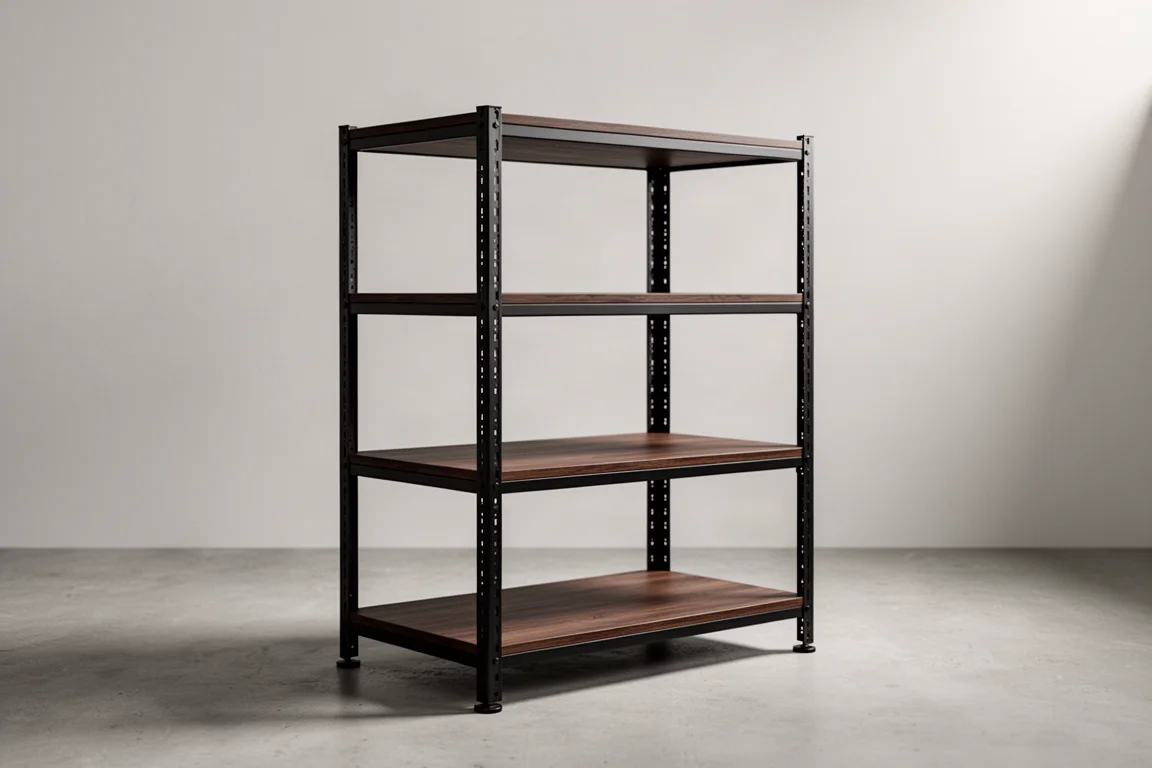
Best Budget Rack Alternative: Monoprice Monolith 4-Tier Shelf
If $199 is more than you want to spend on furniture, the Monoprice Monolith four-tier shelf is around $99.99 and covers the same basic job: getting components off the floor and stacked in a fixed arrangement.
It is a straightforward four-tier design rather than a modular system, so plan the layout before you buy and check the shelf spacing against the height of your amplifier.
Best Vinyl Accessory: Milty Zerostat 3
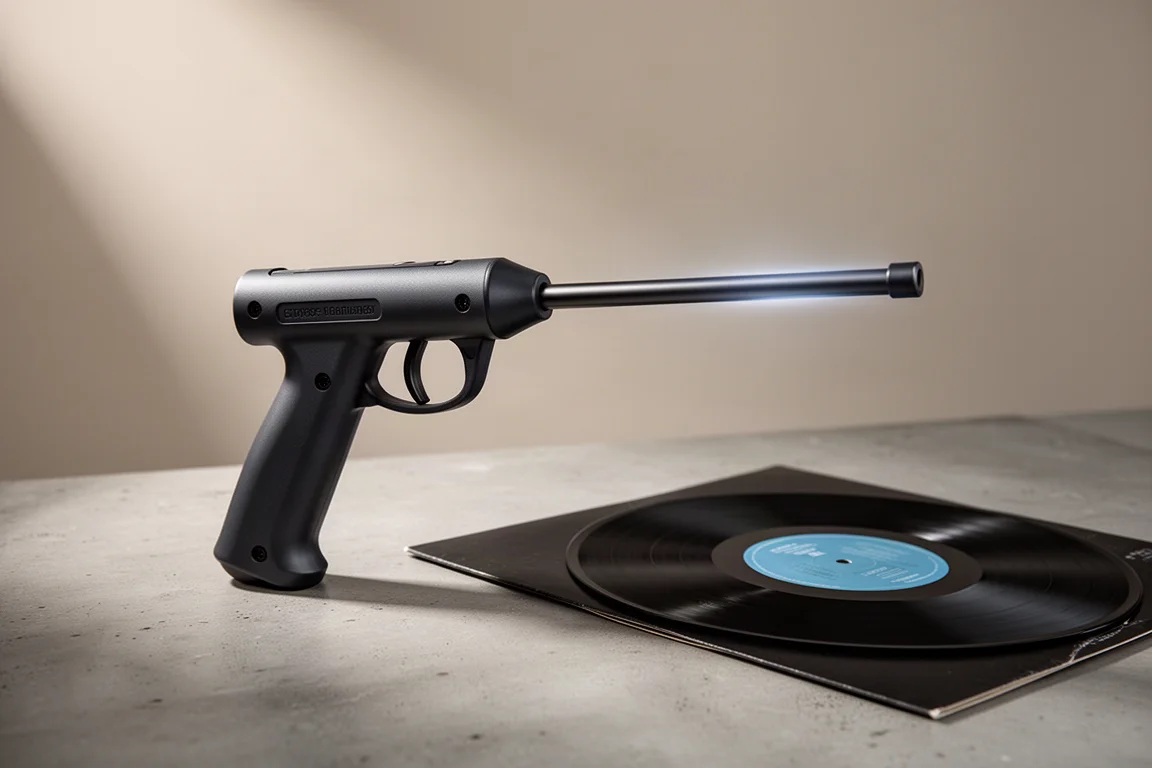
The Milty Zerostat 3 is $92.99 and does one job: it neutralises static on records. You point it at the vinyl, squeeze the trigger slowly and let it out gradually, then repeat in a few spots on each side before playing. Listeners in dry climates report noticeably fewer pops and crackles after adding one to their routine.
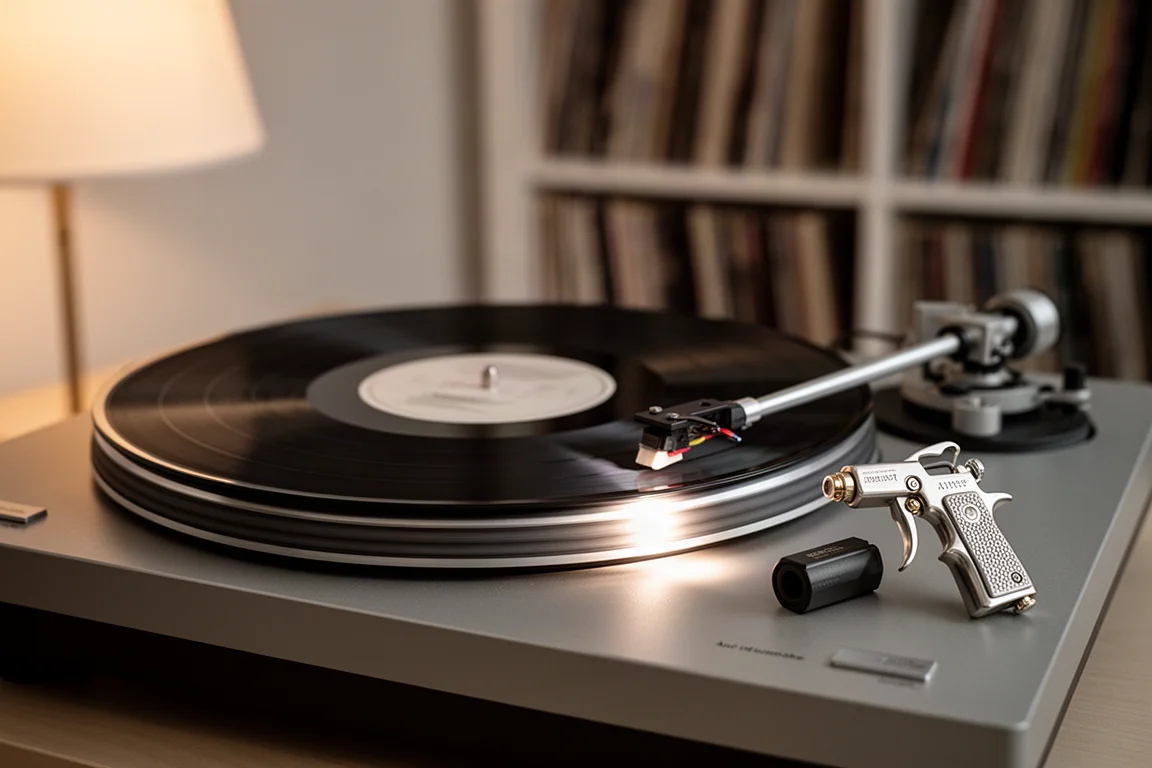
Technique matters more than people expect, so budget a little patience for the first few records. It is also, by design, a device to keep out of reach of children.
Buying Advice
Start with the cheap fixes. Cables and isolation pads cost very little and are easy to reverse if they do not suit your system. Speakers and amplifiers are the decisions worth researching properly, because they set the character of everything else.
If you are buying for another listener, match the gift to a problem you know they have: tangled interconnects, a turntable sharing a shelf, or a stack of records that crackles every winter.
Conclusion
None of these accessories is glamorous, but each one removes a small friction point. Measure the cable runs, try the inexpensive isolation pads, and put the bigger money into the speaker or amplifier that suits the room. Done that way, a modest budget goes a long way.
Further reading
Related Reviews
Hi-Fi Accessories
Five Affordable Hi-Fi Upgrades to Modernize a Vintage or Budget System
Five inexpensive add-ons that bring HDMI, extra inputs, phono support, and CD playback to a modest hi-fi setup.
Hi-Fi Accessories
Best Hi-Fi Accessories for Summer: Five Upgrades That Improve What You Hear
A free room-measuring app, a genuinely quiet fan, a serious Bluetooth speaker, and two vinyl essentials that make summer listening better.
Hi-Fi Accessories
Cheap Hi-Fi Accessories That Modernize an Old Stereo System
Four affordable add-ons that bring HDMI, Bluetooth, streaming, room correction, and subwoofer output to a vintage two-channel system.