DAC and Headphone Amplifiers
SMSL DL200 Review: A $190 DAC and Headphone Amp With Serious Drive
The SMSL DL200 pairs a Sabre ES9039Q2M converter with a headphone stage rated at 3 watts into 16 ohms, and it sells for $190.
Introduction
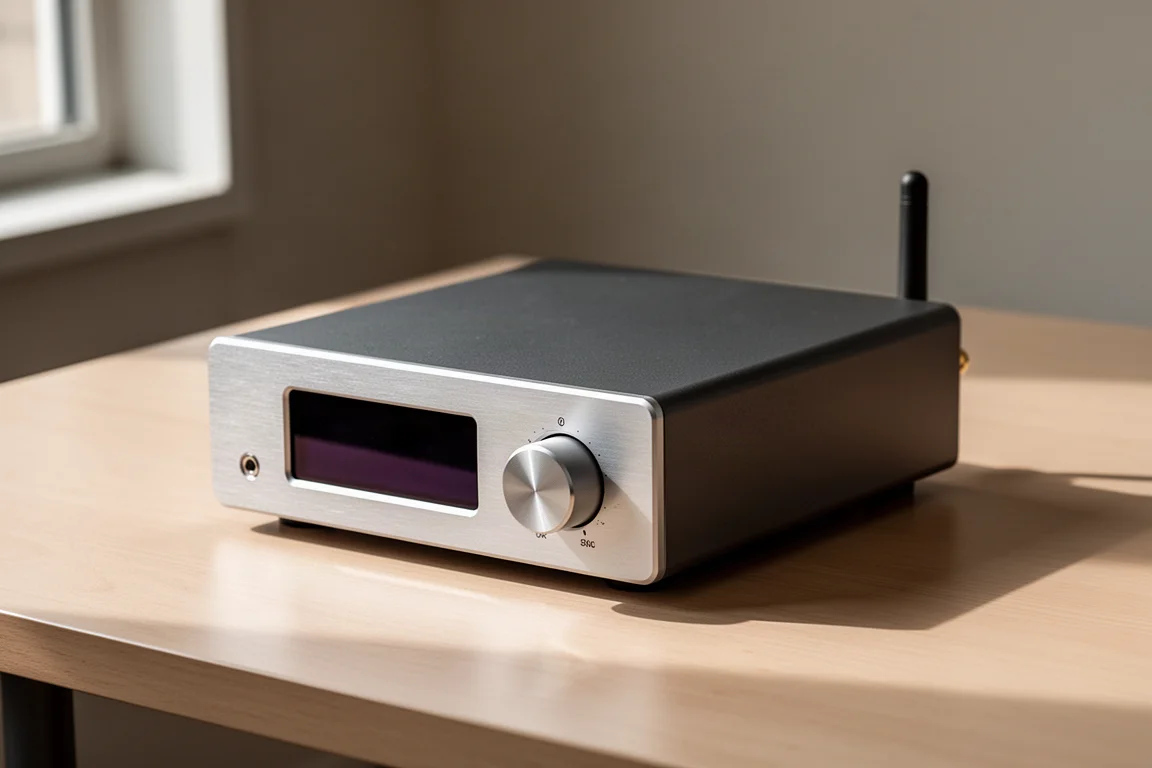
The SMSL DL200 is a compact desktop digital-to-analog converter with a built-in headphone amplifier, and it sells for $190. That places it within reach of anyone assembling a first serious headphone setup or moving up from a simple dongle.
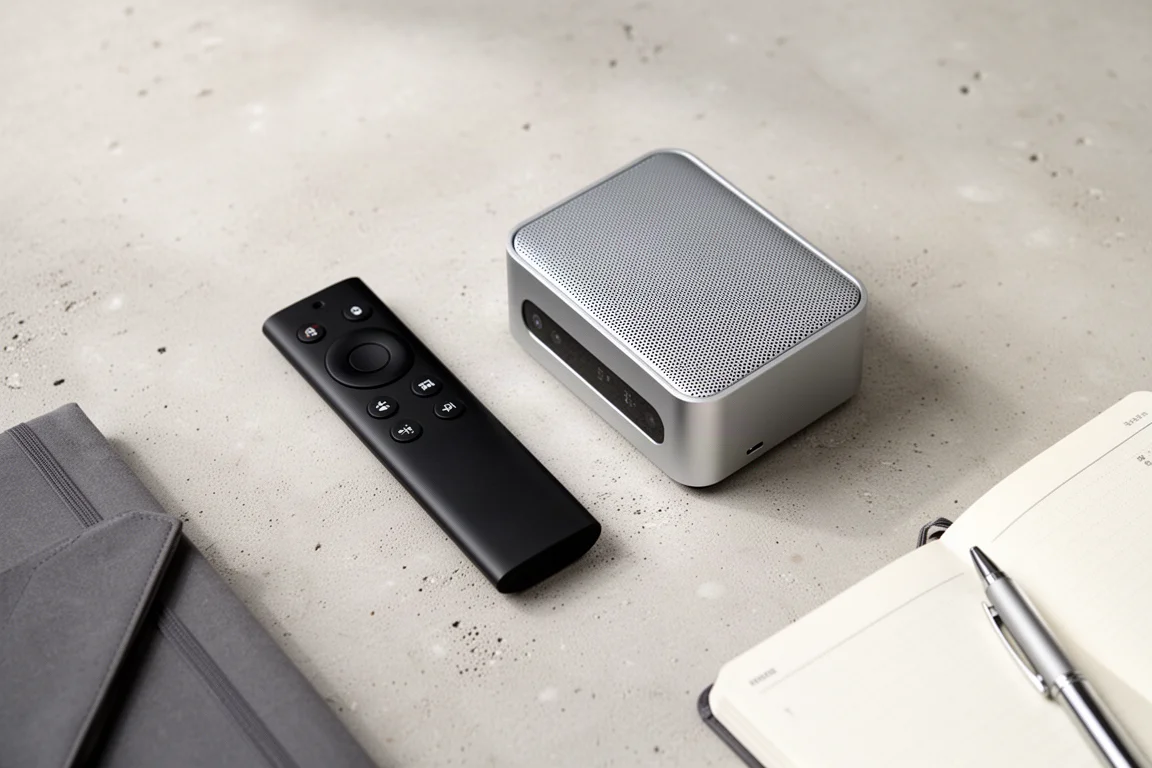
What makes it worth a closer look is the balance it strikes. There is a current-generation Sabre converter inside, wide Bluetooth codec support, and a headphone output with enough power to drive genuinely difficult loads. It also ships with a full-function remote control and a chassis roughly the size of a book, so it can live on a desk without taking it over, or slide into a laptop sleeve when you travel.
Who This Product Is For
This is aimed at listeners who own low-impedance headphones that are hard to drive and have never quite sounded right. A 13-ohm closed-back planar magnetic model is a good example: many affordable amplifiers flatten it out, and the DL200’s headphone stage is rated at 3 watts into 16 ohms, which is a substantial figure at this price.
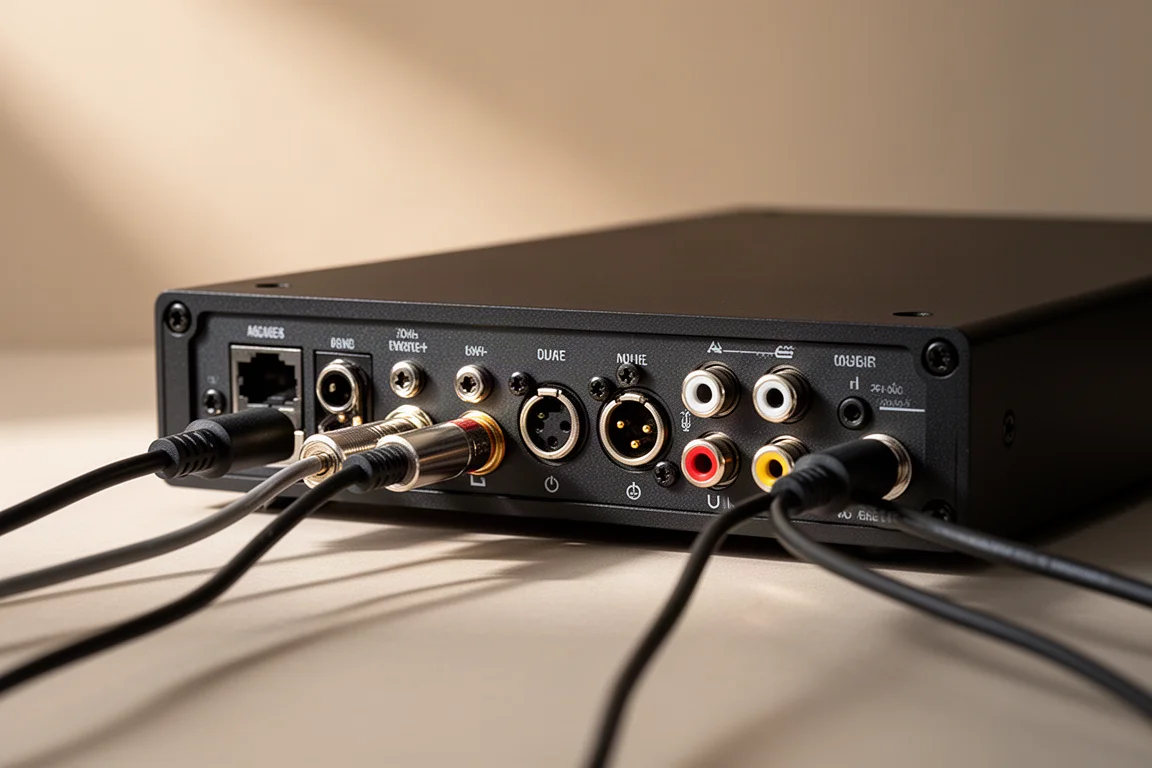
It also makes sense for anyone who wants a single box that accepts USB, coaxial, optical, and Bluetooth sources while offering both balanced TRS and single-ended RCA outputs for feeding powered speakers or an integrated amplifier.
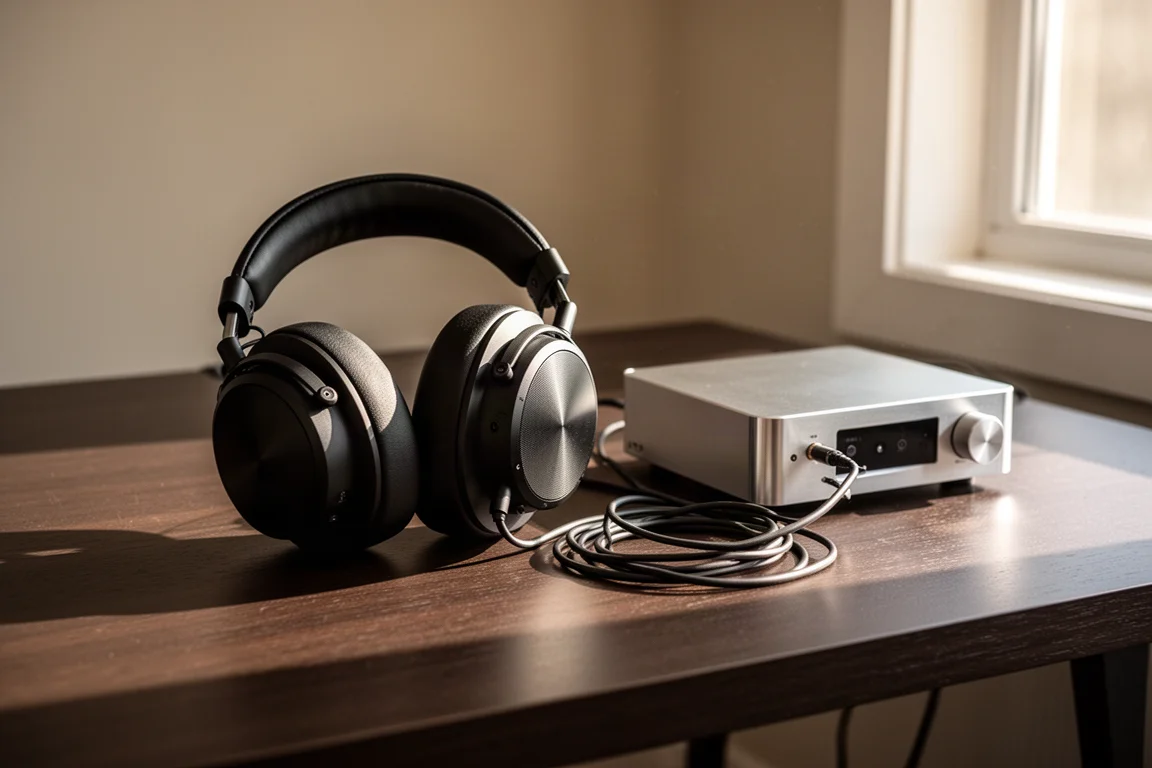
If you only stream from a phone or computer and already own efficient headphones, the DL200 offers more amplification than you strictly need. It will not leave you short of headroom, though, and the extra capability costs little at this price point.
Main Strengths
Headphone Amplifier Performance
The headphone stage is the headline. Driving a 13-ohm closed-back planar, the DL200 produced punchy bass and treble sparkle instead of the flat, lifeless presentation that underpowered amplification tends to create. For a unit at this price, that is a genuinely meaningful result.
Power delivery is also consistent enough that difficult headphones sound dynamic rather than merely loud. This is the part of the product that justifies the purchase for most buyers.
DAC Features and Connectivity
The converter section uses the Sabre ES9039Q2M DAC chip, paired with a third-generation XMOS processor that handles PCM and DSD up to DSD512. MQA decoding and MQA CD playback are supported as well.
Wireless input covers LDAC, aptX HD, AAC, and SBC, which means the unit will accept a reasonable-quality stream from most Android phones, Apple devices, and generic Bluetooth sources. Wired connections include USB, coaxial, and optical digital inputs, while outputs are balanced TRS and single-ended RCA. Power comes from an internal low-noise switching supply, and the unit carries Hi-Res certification from the Japan Audio Association.
Inside, the analogue stage uses four dual OPA1612 op-amps from Texas Instruments. These are fixed rather than user-swappable, so the tuning is what it is out of the box. The published figures claim 130 dB of dynamic range and 130 dB of signal-to-noise ratio, which are striking numbers for the category.
Sound Quality and Filter Options
Tonal character depends heavily on the digital filter you choose. Seven filter options are available, spanning minimum phase and linear phase types, and they are audibly different from one another. Some emphasise the bass, others roll off the top end, and at least one behaves almost like a loudness contour.
Across the settings that work well, the presentation stays clean and organic, with no harshness or digital artifacts in the treble. That is a notable departure from some earlier affordable converters, which could sound brittle on top. On speakers, the soundstage is at least acceptable, and the bass is full and punchy.
Things to Consider Before Buying
Menu Navigation and Setup
The menu system is the main friction point. Selecting an input is straightforward, but the remaining options use short abbreviations: LO for line output, HO for headphone output, and GH and GL for the two headphone gain settings. None of these read as obvious on first contact, so the manual is worth reading before you start changing settings.
Two menu items are genuinely useful once you know they exist. The DPLL setting, adjustable from 1 to 9, increases the amount of clocking compensation the DAC applies, which can help if an older digital source causes stuttering. The USB mode setting offers a driver-free USB 1.1 path limited to 24-bit/96 kHz for devices such as consoles, plus a USB 2.0 path that requires a driver but supports full high-resolution playback. Display brightness is adjustable across eight levels.
Outputs, Power, and Practical Limits
The 4.4 mm balanced headphone output does not appear to offer an advantage over the single-ended output, which suggests it is not a true balanced circuit. That is worth knowing if balanced headphone drive is a priority for you.
There is also no analogue input. The DL200 cannot be used as a standalone headphone amplifier fed by another converter, which is a slight missed opportunity given how capable the amplifier section is.
Buying Advice
At $190, the DL200 sits just under the $200 mark, and the amplifier section alone justifies the price for anyone with demanding low-impedance headphones. If you are shopping primarily for a DAC and already own adequate amplification, you would be paying for capability you may not use.
For everyone else, the value is straightforward: one compact box that covers USB, coaxial, optical, and Bluetooth input, drives difficult headphones properly, and feeds powered speakers or an amplifier through balanced or single-ended outputs. Buyers who value a simple, self-explanatory interface should budget some time with the manual first, because the menu abbreviations take a little getting used to.
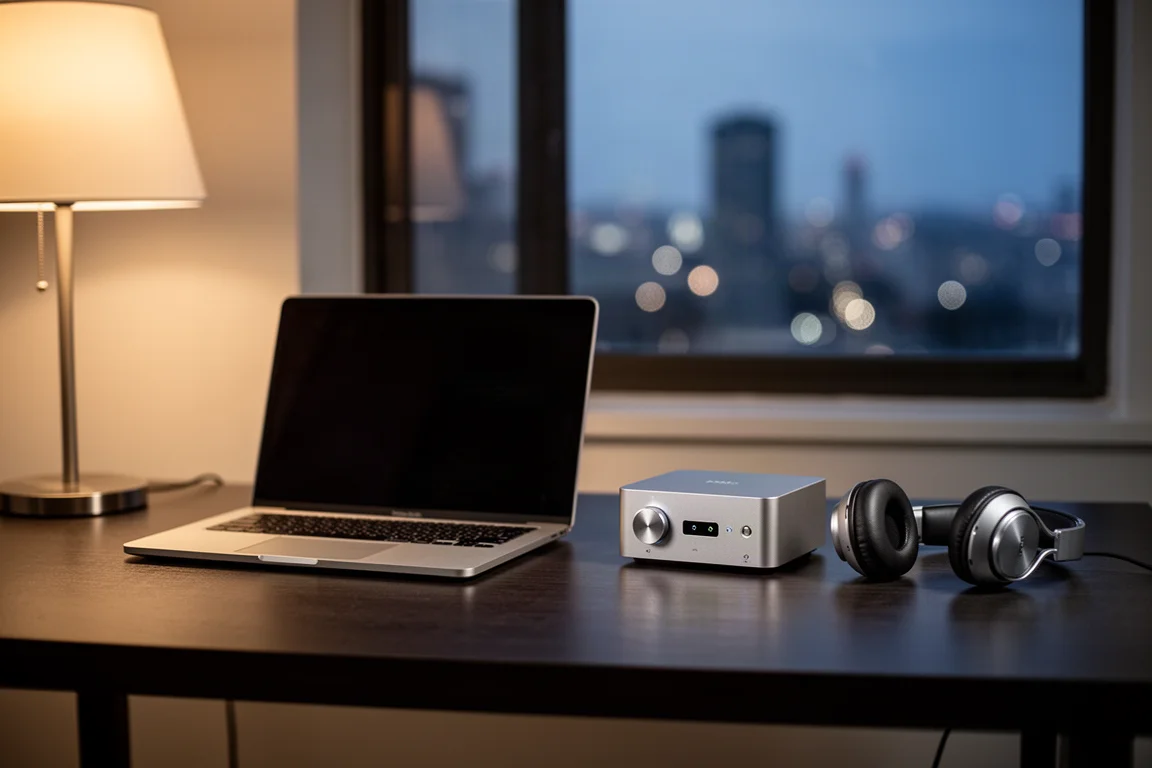
Set realistic expectations about what a $190 desktop unit can do and this one overdelivers. The build is solid, the front panel has a clean brushed finish, and the whole package feels more considered than the price suggests.
Conclusion
The SMSL DL200 is a compact DAC and headphone amplifier that gets the fundamentals right. Its headphone stage has the power and composure to make hard-to-drive headphones sound lively, its converter covers high-resolution PCM, DSD512, and MQA, and its wireless and wired connectivity is broad enough for most desk setups.
The trade-offs are real but minor: menu abbreviations that require the manual, no analogue input, and a balanced output that behaves much like the single-ended one. If you need a desktop DAC and headphone amplifier in this price range and you own headphones that demand proper amplification, the DL200 is an easy recommendation.
Product link
View more details for SMSL DL200
This product is mentioned in the review. Check the specifications, options, and compatibility before buying.
View more details for SMSL DL200Further reading
Related Reviews
Hi-Fi Audio
Affordable Hi-Fi Upgrades Worth Doing: Four Practical Improvements
Four affordable hi-fi upgrades, from a dedicated DAC to speaker isolation and a proper phono stage, with notes on what each one actually changes.
Hi-Fi Accessories
Five Affordable Hi-Fi Upgrades to Modernize a Vintage or Budget System
Five inexpensive add-ons that bring HDMI, extra inputs, phono support, and CD playback to a modest hi-fi setup.
Stereo Amplifiers
Aiyima A01 Pro Review: A Compact Bluetooth Amplifier With a Full Tone Stack
A practical look at the Aiyima A01 Pro, a budget Class D amplifier with bass, middle, and treble controls, LDAC Bluetooth, and a clear set of trade-offs.