Indoor Cycling
Smart Trainers Worth Buying: Indoor Training Tech That Makes Sense
A practical guide to indoor smart trainers, from budget direct-drive units to high-end models, plus the unusual designs that never caught on.
Introduction
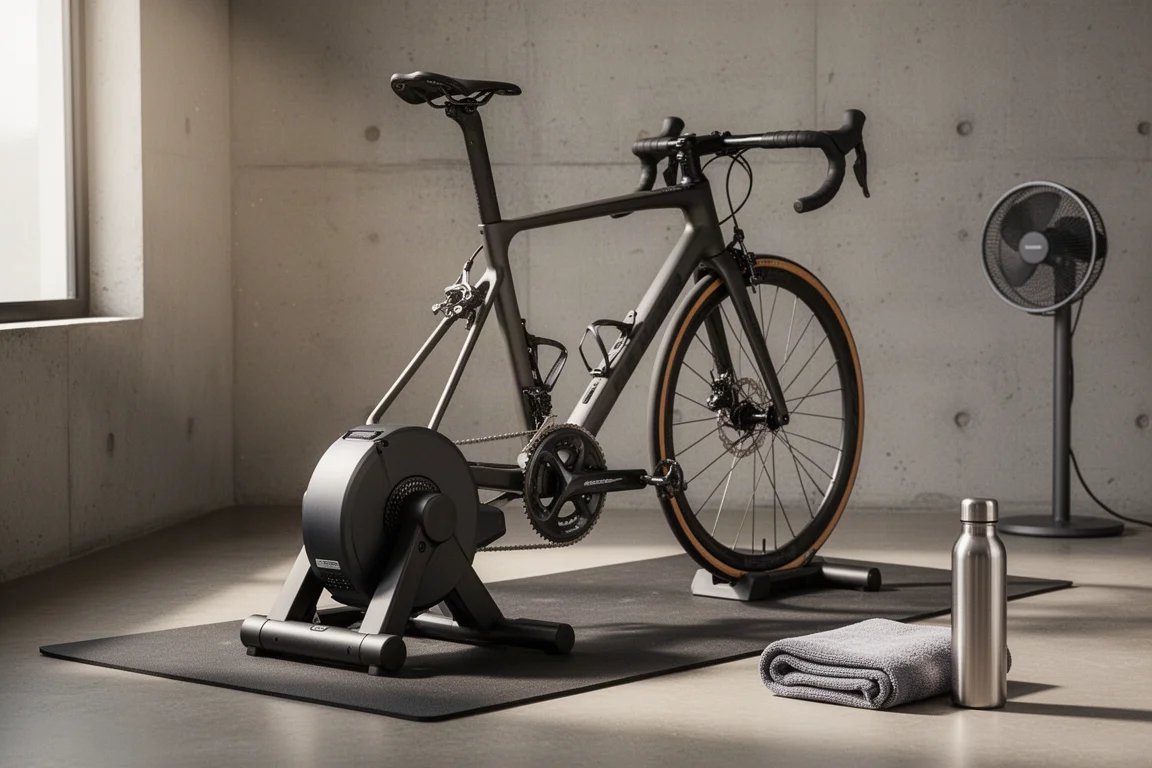
Indoor training has reached a comfortable plateau. Direct-drive smart trainers have replaced wheel-on units as the default choice for anyone who rides indoors with intent, and prices have fallen far enough that a genuinely capable trainer is no longer a major purchase. At the top of the market, brands have stopped chasing revolutions and started refining details.
That is good news for buyers. The accuracy, ride feel and noise problems that once defined the category have largely been solved, which means the difference between a good trainer and a great one now comes down to a handful of specs and how much you are willing to spend. This guide covers the mid-range trainers that suit most riders, the high-end models that make sense for a smaller group, and a few indoor training designs that are more fascinating than they are practical.
Where Smart Trainer Tech Stands Now
The defining shift in indoor training was the move from wheel-on trainers to direct-drive units. Where wheel-on models once dominated most home setups, direct-drive trainers are now the standard for anyone serious about indoor riding, and their prices have fallen steadily.
The Wahoo KICKR Core is a useful reference point. When it launched it was one of the first genuinely affordable direct-drive smart trainers at around £700. Its updated replacement arrives with a number of improvements and a price closer to £500, and there are now options below £500, with the Van Rysel D100 sitting at around £270.
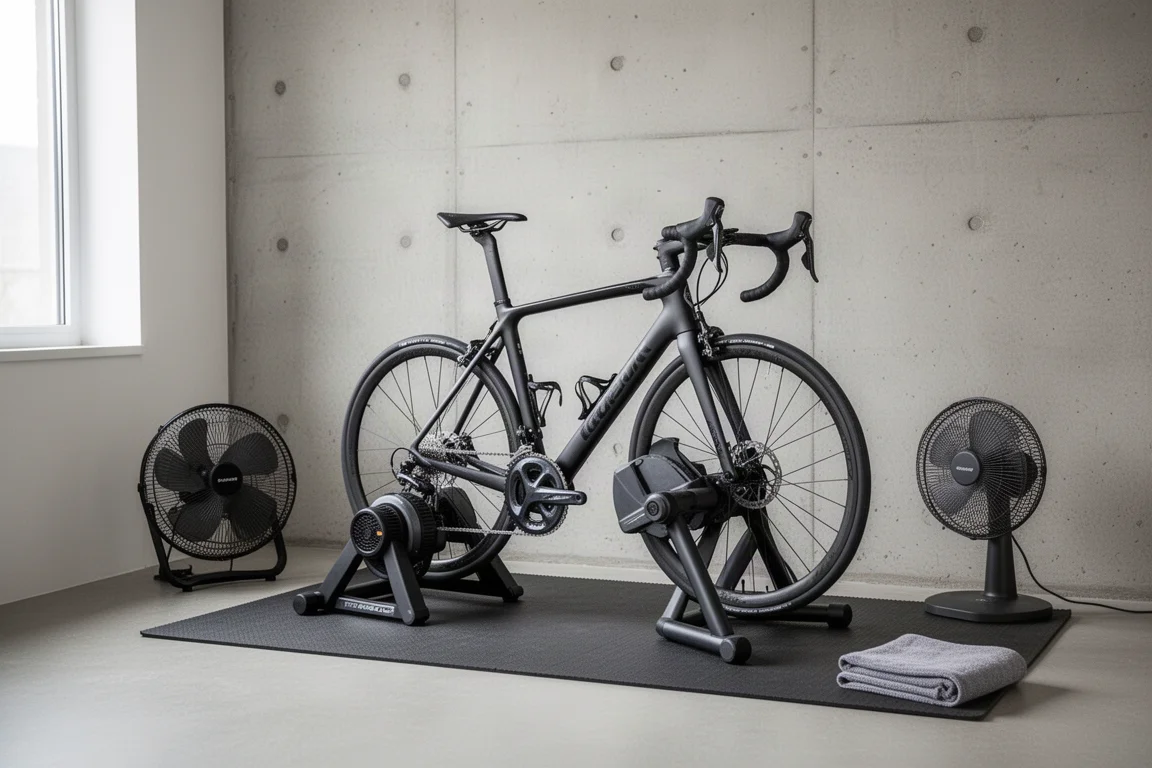
At the high end, progress has been incremental rather than dramatic. Brands are adding movement, tuning flywheels and polishing the experience rather than introducing new categories of performance. Direct-drive trainers also have a practical advantage over large smart bikes: they can be stowed away when they are not in use, which matters for anyone without a dedicated training room.
What to Look For Before You Buy
Maximum power is the first number worth checking. A ceiling of around 600 W is fine for ERG mode workouts and general riding, but it becomes limiting quickly if you want to race. Trainers in the mid-range tier offer around 1,800 W, which is far more headroom than most riders will ever use.
Gradient simulation matters if you ride on platforms that replicate climbs. Mid-range trainers can simulate gradients of up to around 16 percent.
Connectivity is the next consideration. Wi-Fi and virtual shifting have moved down into the mid-range tier, and they make a real difference to how smoothly a trainer integrates with indoor riding platforms.
Power accuracy is the number that generates the most argument. Mid-range trainers typically claim around plus or minus 2 percent, while high-end models claim around plus or minus 1 percent. In practice, the difference is very hard to notice unless you are comparing several power sources side by side.
Finally, think about storage. A trainer that folds down and tucks against a wall is easier to live with than one that permanently occupies a room.
Best Overall Value: Wahoo KICKR Core 2
The KICKR Core 2 is the clearest example of how much the mid-range has improved. The original set the benchmark for affordable direct-drive trainers, and the updated version adds a number of improvements while coming in at around £500.
The headline figures are 1,800 W of maximum resistance, gradient simulation up to 16 percent, Wi-Fi connectivity and virtual shifting. Power accuracy is quoted at around plus or minus 2 percent, which is the main compromise compared with high-end trainers. For the vast majority of riders, that trade-off is invisible in everyday training.
It is the trainer to shortlist if you want the full feature set without moving into premium pricing.
Best Mid-Range Alternative: JetBlack Victory
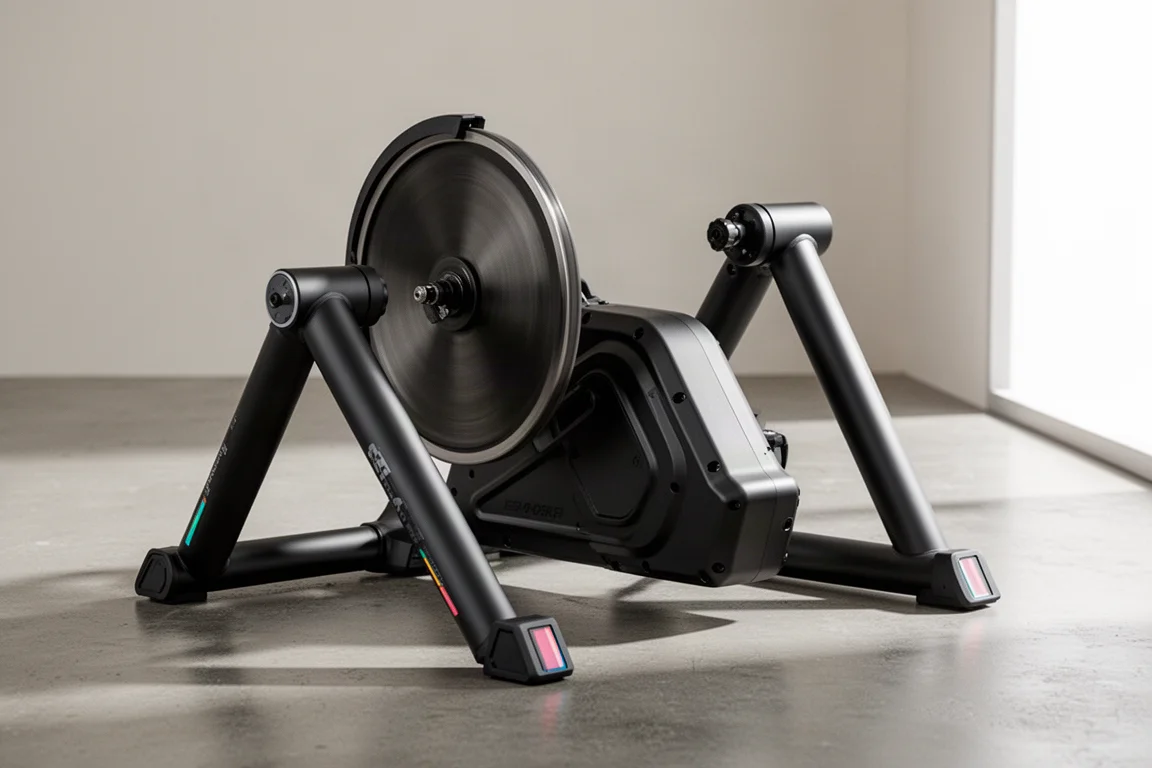
The JetBlack Victory occupies the same tier and matches the same headline numbers: 1,800 W of maximum resistance, gradients up to 16 percent, Wi-Fi and virtual shifting. It has built a strong reputation as one of the best value direct-drive trainers in the mid-range bracket.
For riders comparing options at this price, the decision usually comes down to availability and small differences in feel rather than any gap in capability. Either trainer will handle structured workouts, virtual racing and long steady rides without complaint.
A Strong Newcomer: Elite Revo
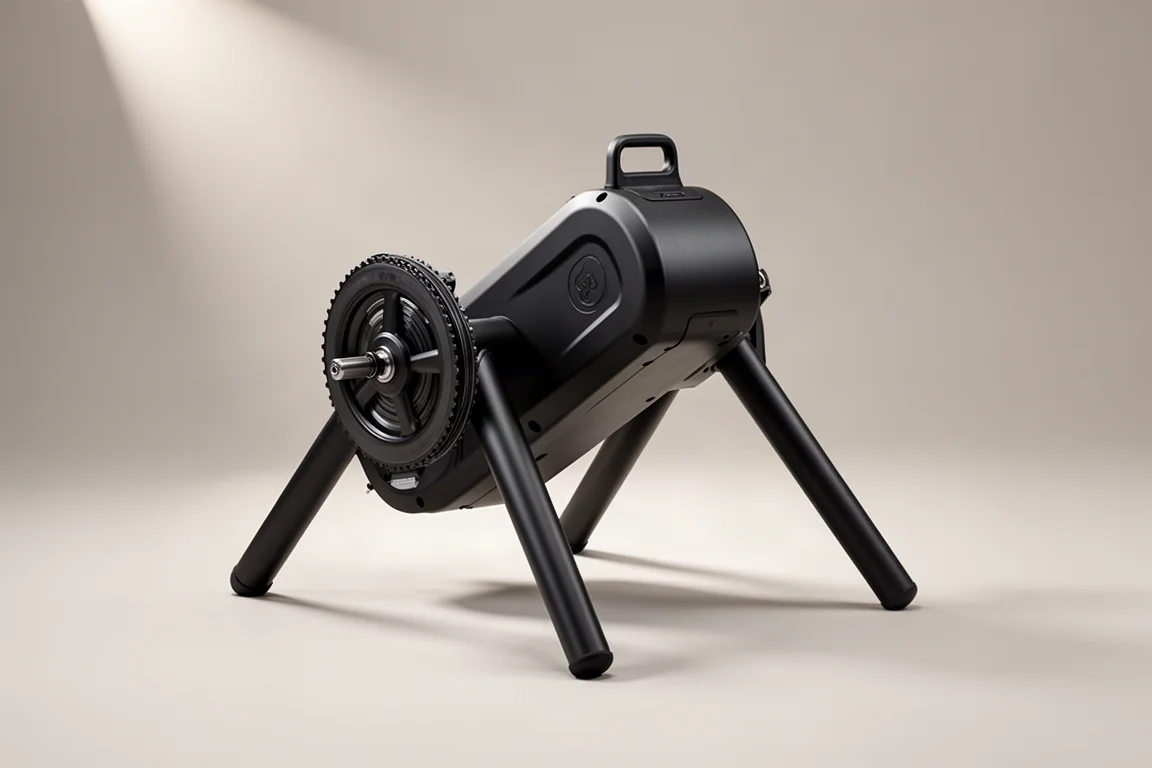
The Elite Revo is a more recent arrival, released this year and positioned in the same mid-range tier as the trainers above. It rounds out a market that now offers genuine choice at this price point rather than a single obvious pick.
For riders who like the idea of a direct-drive trainer with current-generation connectivity but do not want to pay high-end prices, the Revo is worth adding to the shortlist alongside the KICKR Core 2 and the Victory.
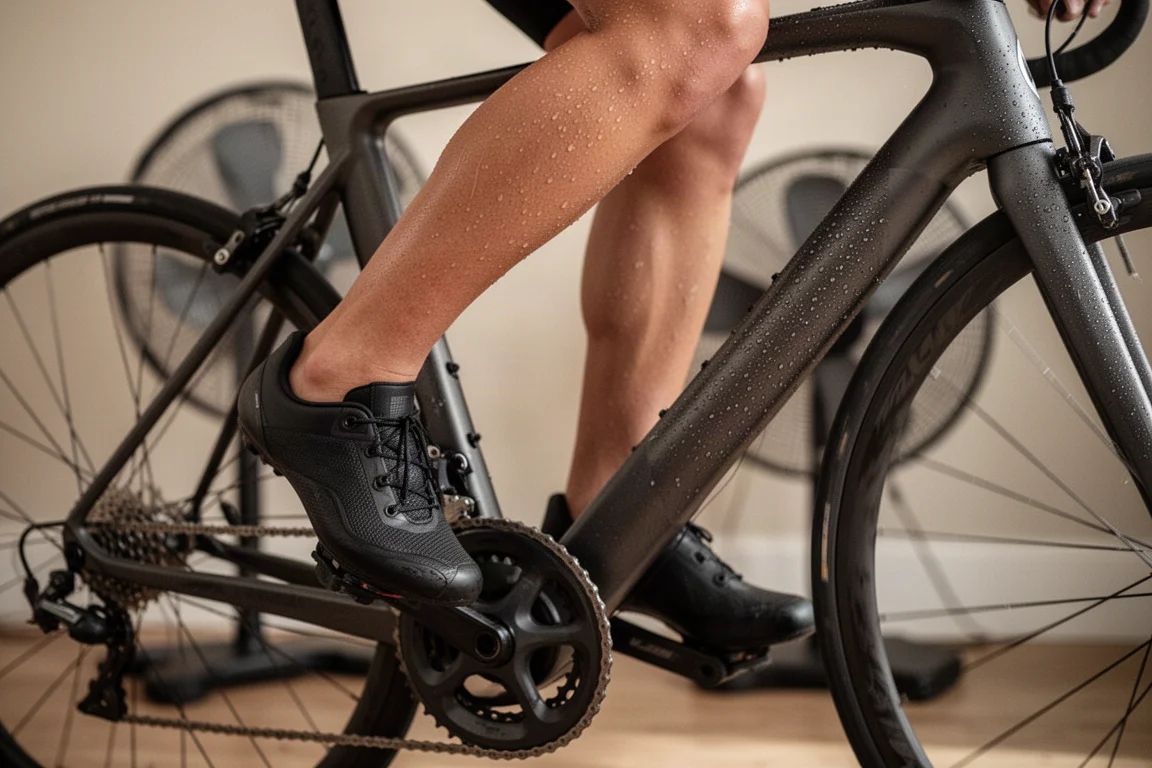
The mid-range tier is where the smart trainer market is healthiest right now. All three of these trainers cover the essentials, and the differences between them are small enough that price and availability can reasonably decide the purchase.
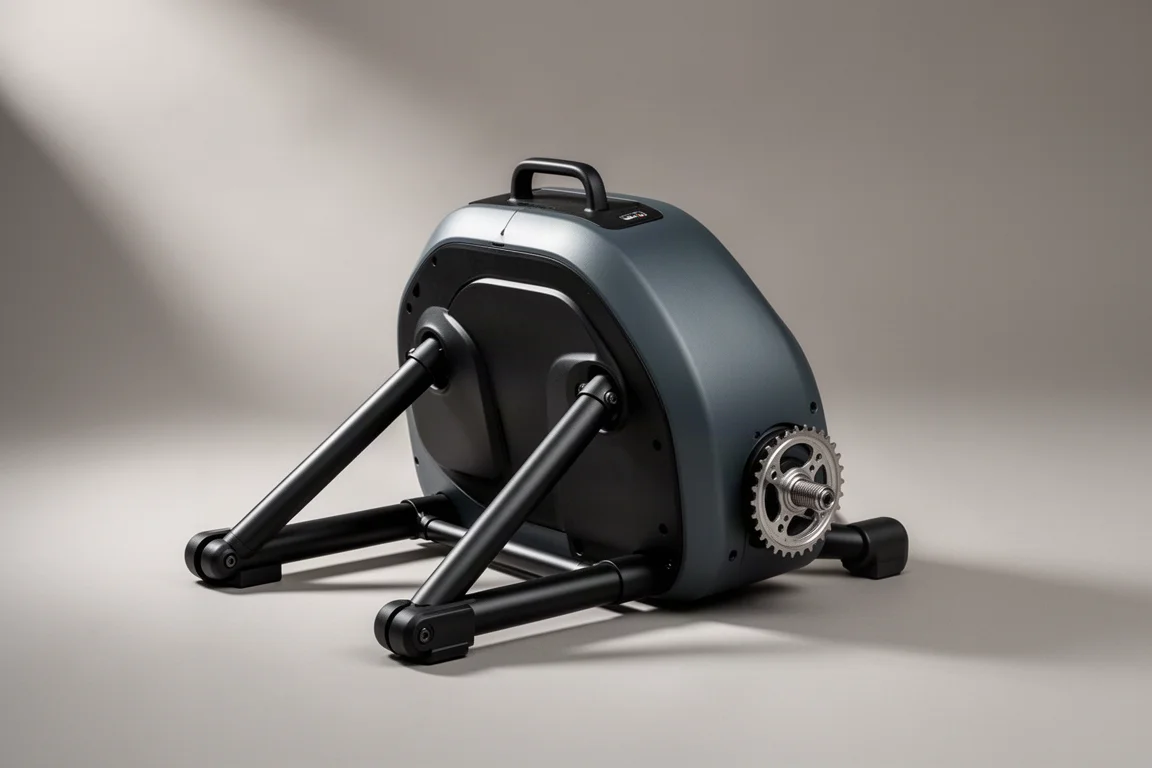
Best Entry Point: Van Rysel D100
At around £270, the Van Rysel D100 is the most affordable route into direct-drive training, and it performs well for the money. The compromise is its 600 W maximum power ceiling, which is low enough to become a real limitation if you want to race or produce short, very hard efforts.
For ERG mode workouts and general riding, that ceiling is unlikely to matter. Riders who simply want to follow structured sessions, spin through the winter and keep their fitness ticking over will find it does everything they need.
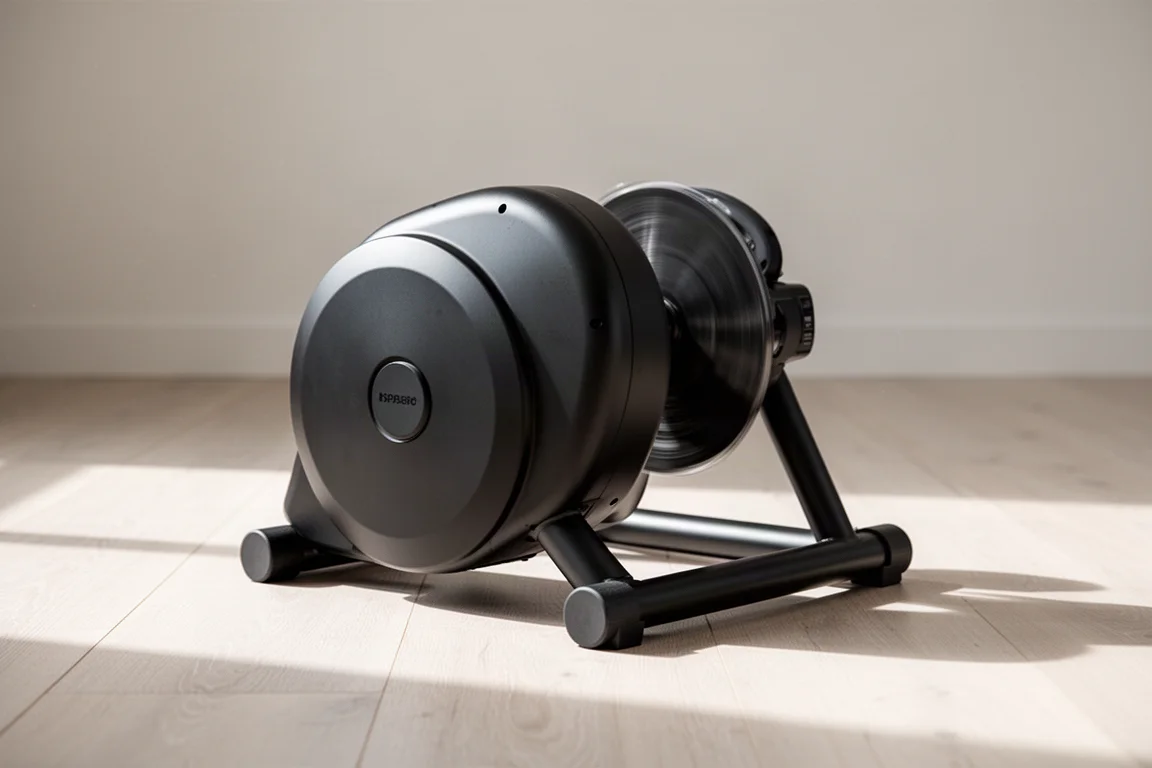
Best for Ride Feel: Wahoo KICKR V6
Above the mid-range, the argument for spending more is ride feel. The KICKR V6 uses a heavier flywheel, which gives it a more natural, momentum-rich sensation underfoot than lighter mid-range units.
It also makes sense for very powerful riders who want headroom rather than a ceiling. For everyone else, the improvement is real but subtle, and it comes at a significant premium over the mid-range sweet spot.
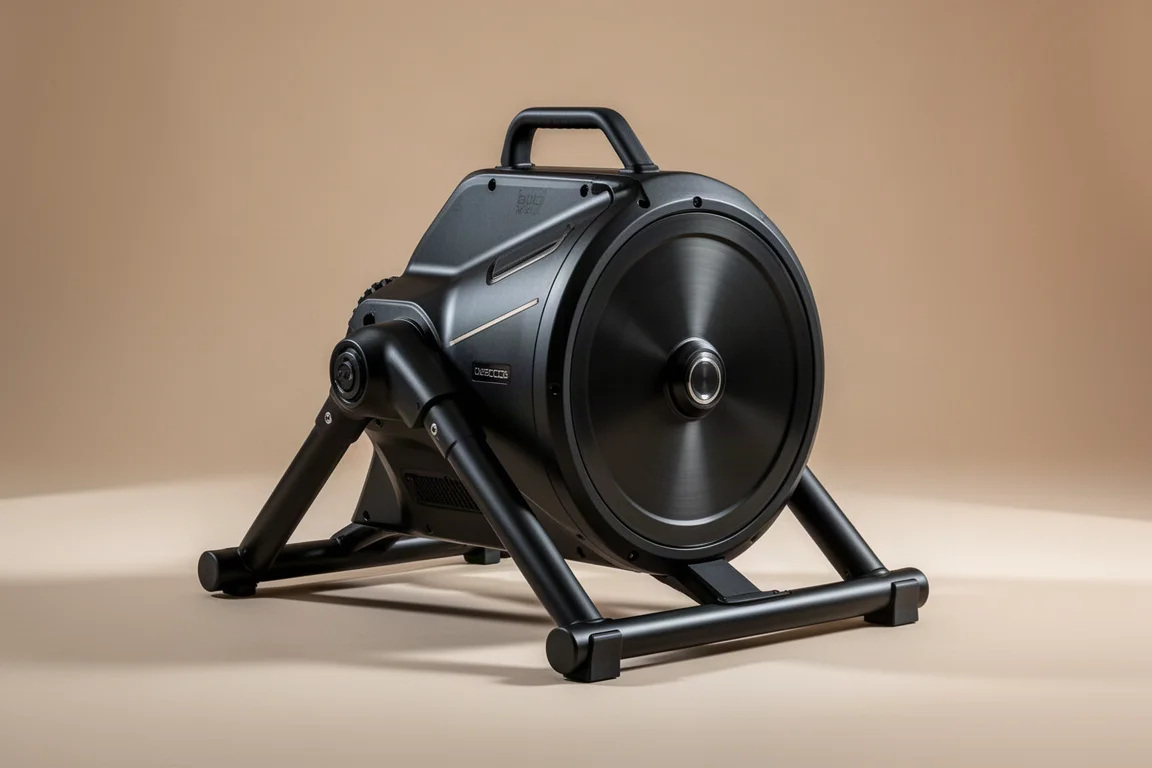
Best for High-Power Riders: Tacx Neo 2T
The Tacx Neo 2T sits in the same high-end bracket and follows the same logic: a substantial flywheel, a strong ride feel and power accuracy in the top tier rather than the mid-range tier.
This is a trainer for riders who want the best feel available and are willing to pay for it, or who produce enough power that the extra headroom matters. For most riders training indoors through the winter, the mid-range options remain the better value.
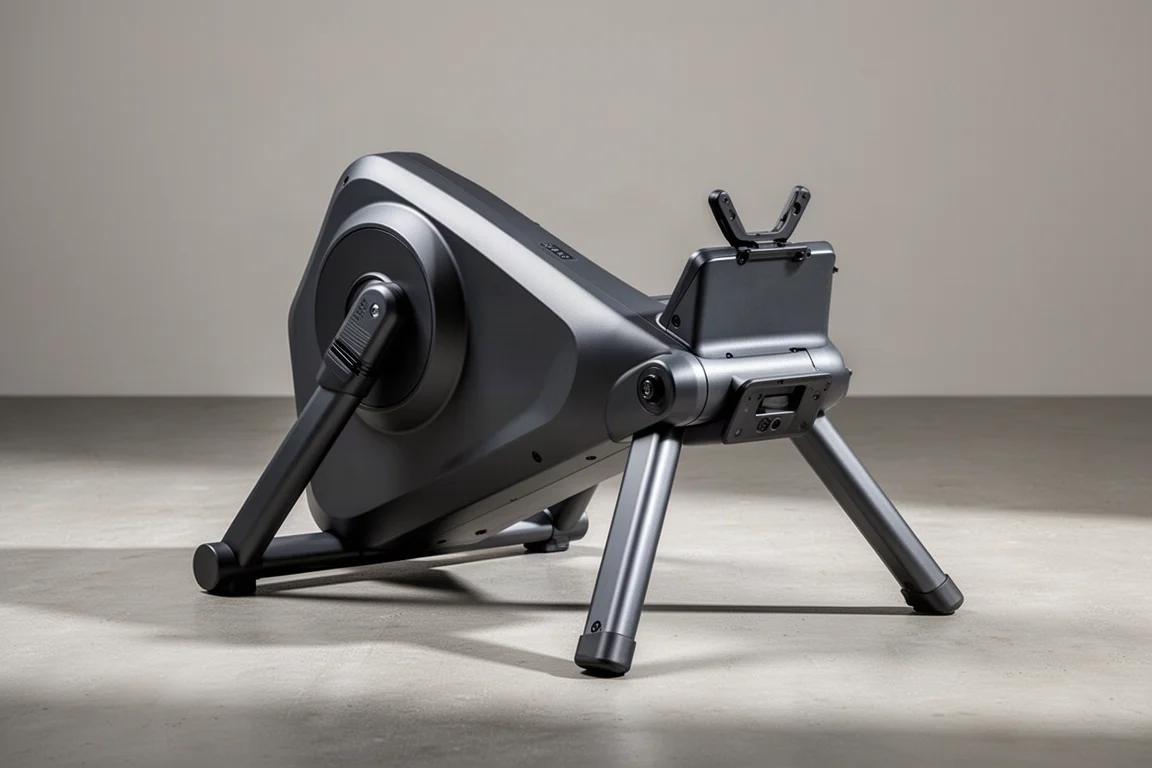
Best for Climb Simulation: Wahoo KICKR Climb
The KICKR Climb raises and lowers the front of the bike to mimic the angle of a gradient. It adds a genuine layer of realism to indoor riding, and it is entertaining in a way that a static trainer is not.
It remains a niche purchase. The unit is not cheap, and it only makes sense if your indoor platform simulates gradients and you value immersion over simplicity. Similar tilt-simulation accessories exist, but the KICKR Climb is the best-known example of the category.
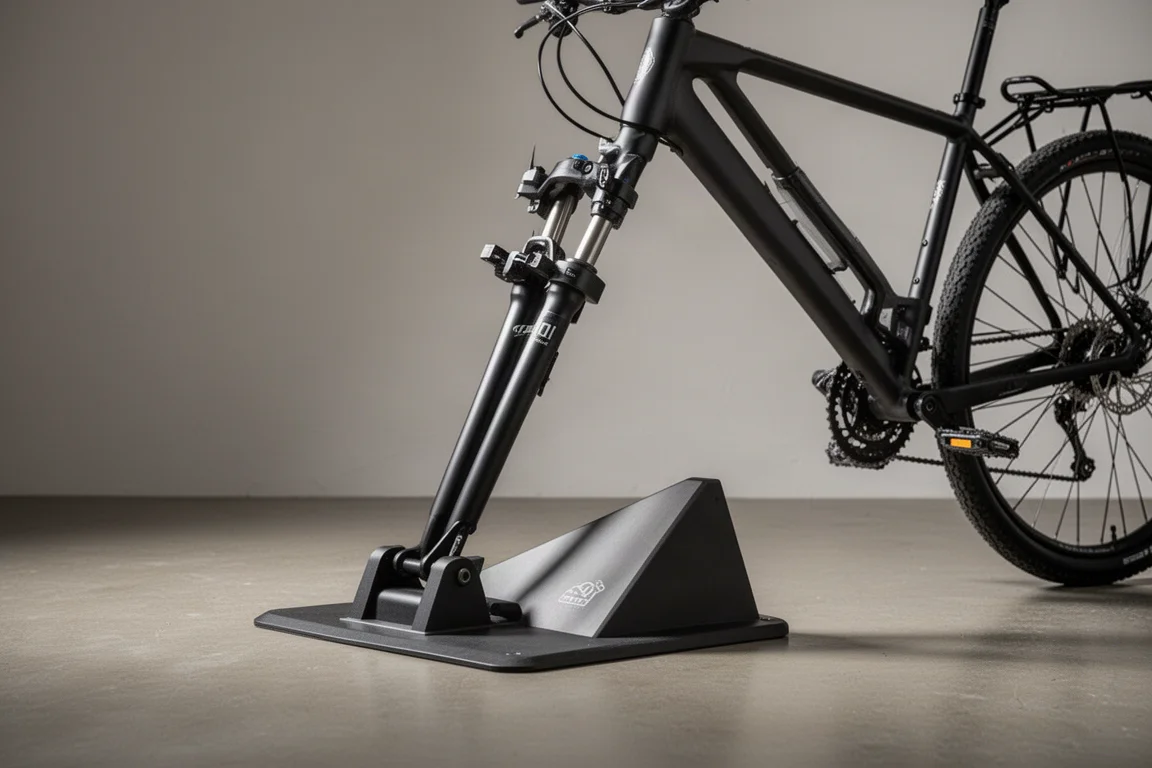
For riders who already have a mid-range direct-drive trainer and want to upgrade the experience rather than the numbers, this is the accessory that changes how a session feels rather than how hard it is.
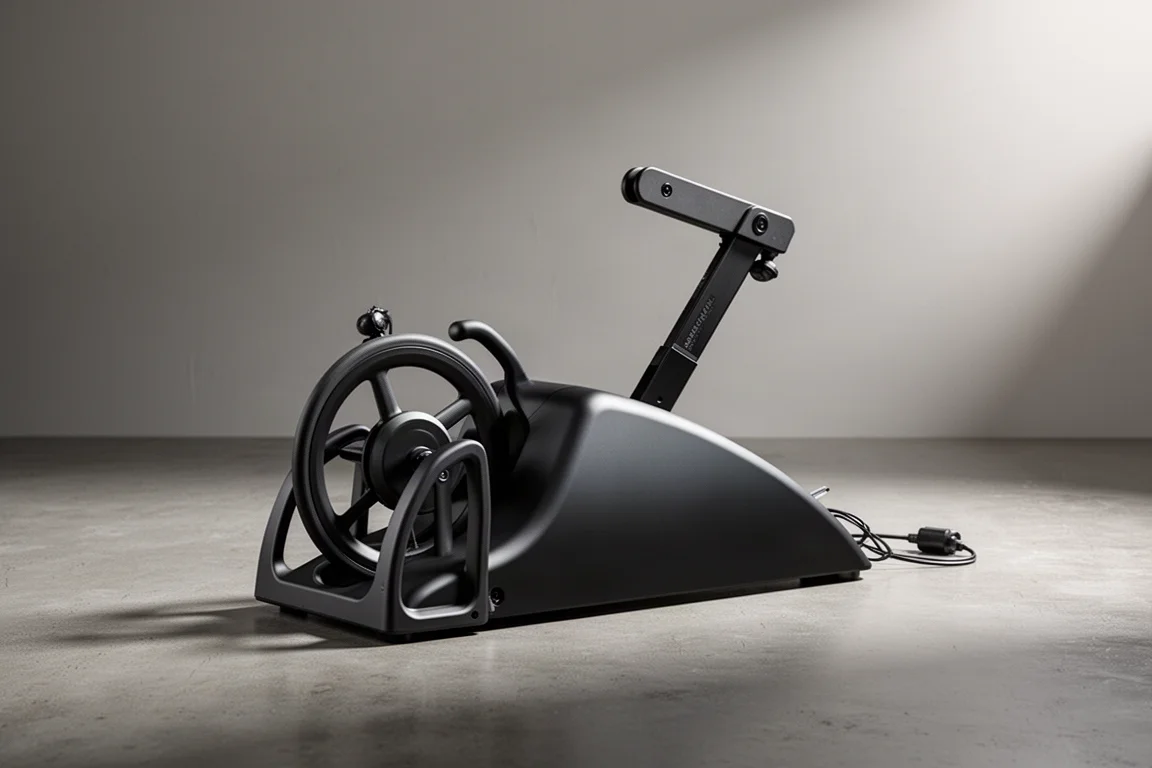
Smart Rollers: Elite Arion
The Elite Arion takes the classic roller format and adds smart resistance control. The idea is appealing: rollers reward balance, technique and a smooth, high cadence, and they are excellent for warm-ups.
The problem is power measurement. Resistance on rollers is heavily influenced by tire pressure, which makes accurate power readings very difficult to achieve and even harder to repeat consistently from one session to the next. That limits rollers to technique work rather than structured power training, which is exactly what they are best at anyway.
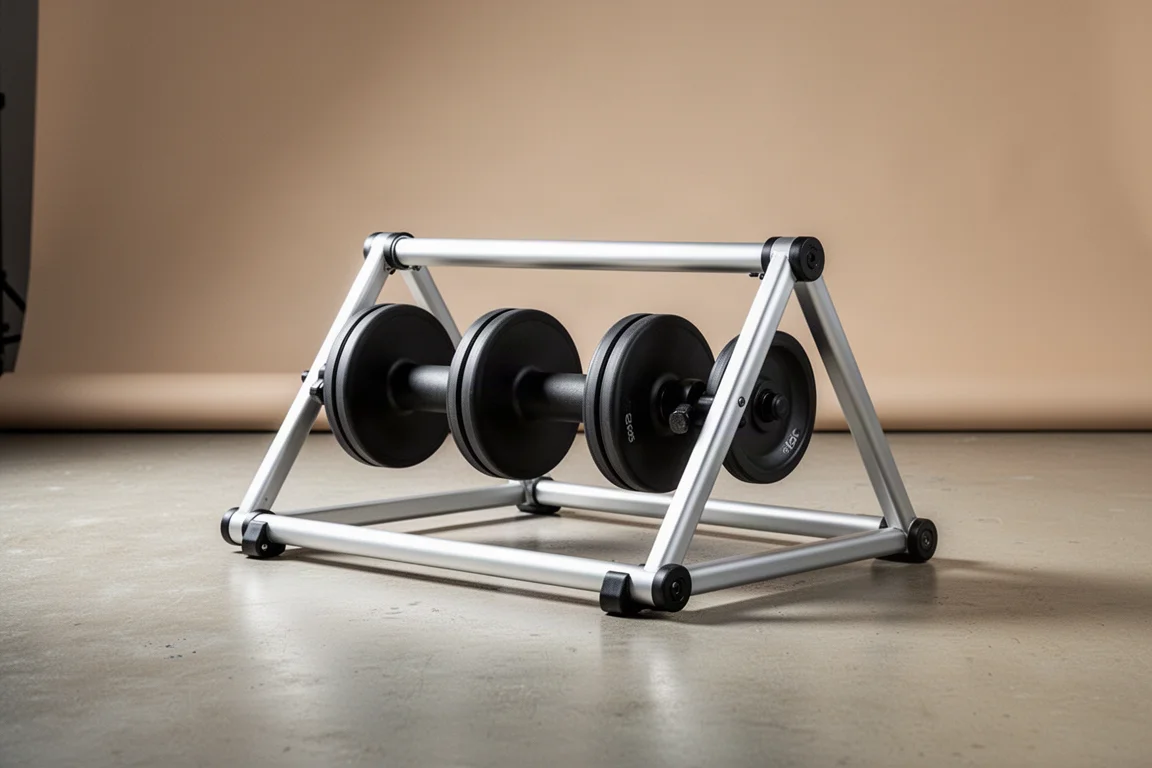
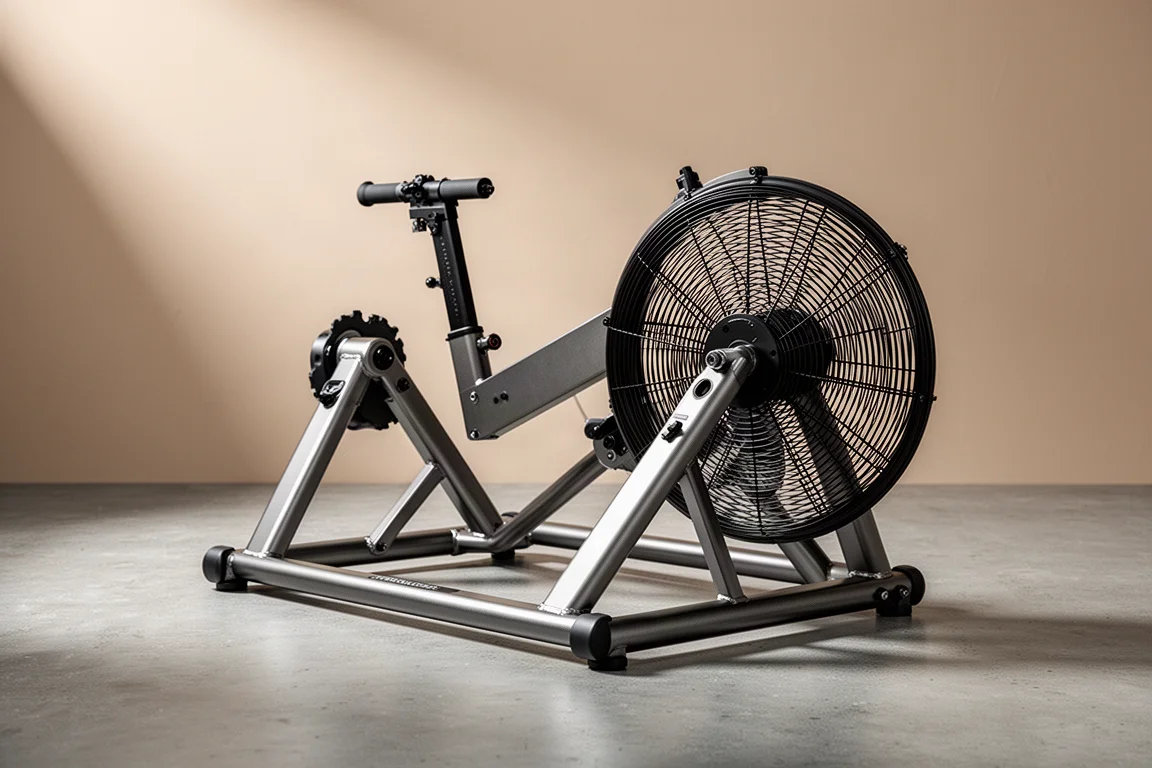
A Fan-Driven Experiment: LeMond Revolution
The LeMond Revolution took an entirely different approach to resistance, using a large fan instead of magnets or fluid. The result was a trainer with a ride feel that many riders rate very highly.
The catch was noise. Moving that much air produces a loud, insistent roar, which is enough to rule it out for most apartments and shared houses. The design has found a second life in track cycling, where a fixed-gear adapter allows track bikes to be used on it for warm-ups and training.
The Collector’s Piece: Elite Fuoripista
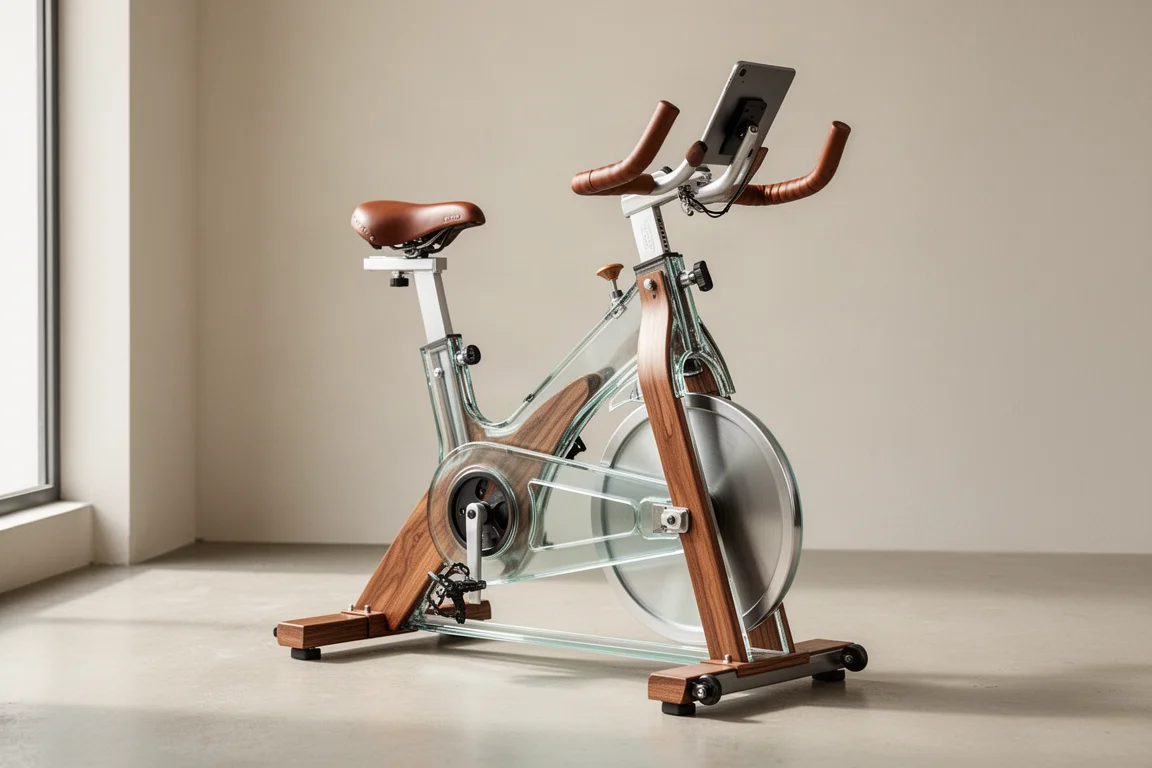
The Fuoripista is the strangest product in indoor training: a smart bike built from glass and wood, with a leather saddle, leather bar grips and a tablet display mounted at the front. It is a piece of furniture as much as a training tool, and it was priced at around £14,000.
It is still listed by Elite, and it appears to be produced as bespoke commissions rather than a mass-market product. It is not a sensible purchase for anyone training through a winter of structured sessions, but as a design statement in a large apartment, it is unmatched.
Buying Advice: Where the Money Goes Furthest
The mid-range is the sweet spot. Around £500 or $600 is the most that most riders should spend on a smart trainer, and at that price you get 1,800 W of maximum resistance, gradient simulation up to 16 percent, Wi-Fi, virtual shifting and power accuracy of around plus or minus 2 percent.
Spending more only makes sense in two situations: you want the heavier flywheel and superior ride feel of a high-end trainer, or you produce enough power that the extra headroom is genuinely useful. If you want to spend less, the Van Rysel D100 at around £270 is an excellent trainer for ERG mode work and general riding, as long as you accept its 600 W ceiling.
Everything above the mid-range is a matter of preference rather than necessity, and the gap between a good mid-range trainer and a premium one is much smaller than the price difference suggests.
Conclusion
Indoor training tech has reached a point where the sensible buys are also the affordable ones. A mid-range direct-drive trainer covers structured workouts, virtual racing and long winter miles, and the features that once separated premium models from the rest have largely filtered down.
Spend more only if ride feel is the priority or if you need the headroom. Spend less and you can still train effectively, provided you are honest about how much power you need. The category has matured, and for buyers that is a good thing.
Further reading
Related Reviews
Indoor Cycling
Best Budget Smart Indoor Trainer Setups: Six Options Worth Considering
Smart indoor trainers keep getting better while prices come down. Six setups and components worth considering, from the cheapest Zwift-ready option upward.
Indoor Cycling
Best Budget Smart Indoor Trainers for Immersive Cycling in 2026
A practical guide to affordable smart indoor trainer setups, including budget and mid-range options with virtual shifting.
Indoor Cycling
Best Indoor Cycling Apps and Smart Trainers: A Winter Buying Guide
A practical look at the indoor training platforms and smart trainers that matter this season, from a new challenger to Zwift to the entry-level trainer that stands out on value.