Audio Gear
Slash 6 Review: A Compact USB-C DAC With Surprising Detail and Bass
A small USB-C DAC and Bluetooth receiver that delivers micro detail and bass control far beyond its price, with a few practical limits worth knowing before you buy.
Introduction
Compact USB-C DACs are usually bought for convenience. They connect easily, they sound fine, and they disappear into a bag. The Slash 6 covers all of that, and it also delivers a level of micro detail and bass quality that normally belongs to far more expensive desktop converters.
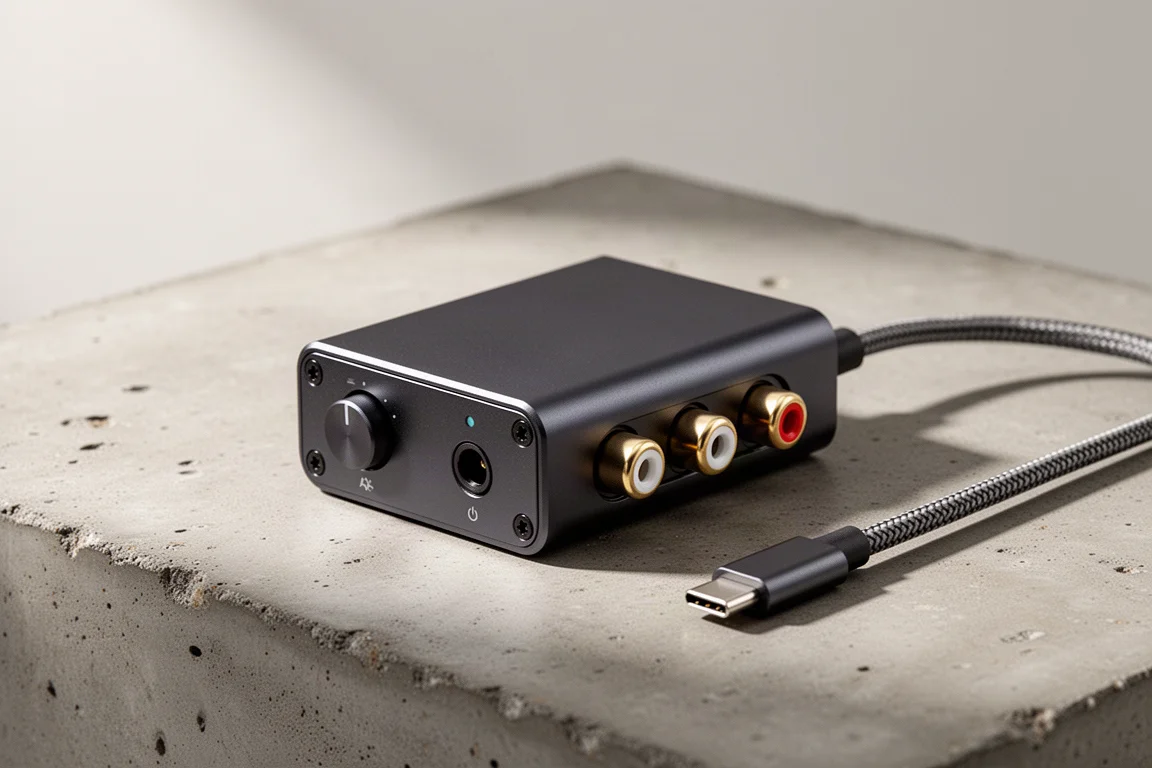
The Slash 6 is a small, USB-C powered DAC and Bluetooth receiver with four ESS DAC chips inside, a quad DAC layout. It is made in Korea and priced around $170. Its most unusual feature is a pair of RCA male plugs that let it connect directly to many integrated amplifiers without an interconnect cable, and the package includes a female-to-female adapter so the same output can feed amplifiers with different socket spacing or monoblock power amplifiers.
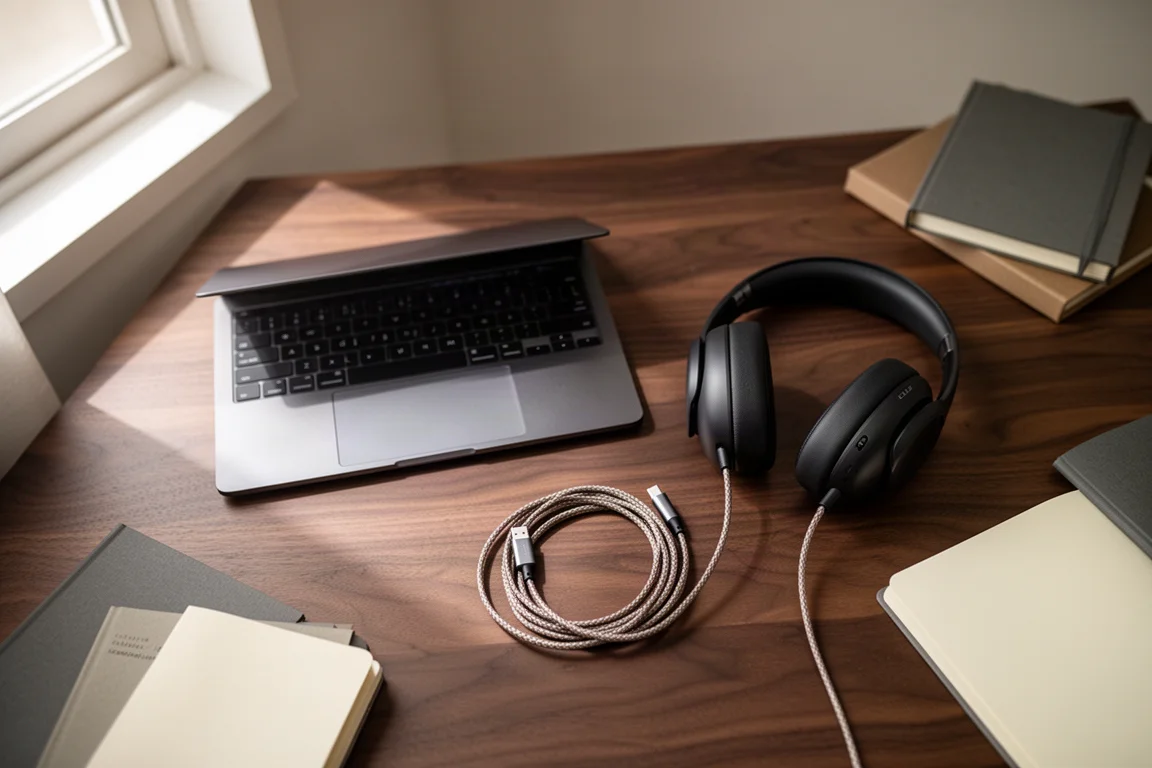
That mix of price, size, and connection flexibility is what makes the Slash 6 worth a closer look. It is a semi-portable device that can run from a laptop, a phone, a tablet, or a computer, and it doubles as a Bluetooth receiver for a full stereo system.
Against other DACs under $1,000, that combination is rare. The rest of this review covers where the Slash 6 excels, where it makes compromises, and who will get the most out of it.
Who the Slash 6 Is For
The Slash 6 is aimed at listeners who want better sound from a small, affordable box rather than a full-size desktop stack.
It suits:
- Listeners using earphones, in-ear monitors, and portable headphones
- Owners of integrated amplifiers and vintage receivers who want to add Bluetooth streaming
- Travelers who want a compact converter for hotels, flights, and cab rides
It is not designed to drive power-hungry headphones. The 3.5 mm output is intended for efficient earphones and portable headphones, so it should not be treated as a replacement for a dedicated high-power headphone amplifier.
Because it always needs power, it is best understood as a semi-portable device. With a slim USB battery pack it can be carried around freely, and small battery packs are easy enough to slip into a bag alongside it.
Design and Connectivity
The Slash 6 is built around a single USB-C port that carries both power and signal at the same time, so a laptop, phone, tablet, or computer can feed it and power it through one connection. When the unit is used as a Bluetooth receiver, that same port handles power only.
Connectivity includes:
- USB-C input for power and signal
- 3.5 mm headphone output
- Optical input and optical output for TVs and other media sources
- Bluetooth reception with support for LDAC, aptX HD, and aptX Adaptive, plus 24-bit playback
For a unit this small, that is a genuinely versatile set of options.
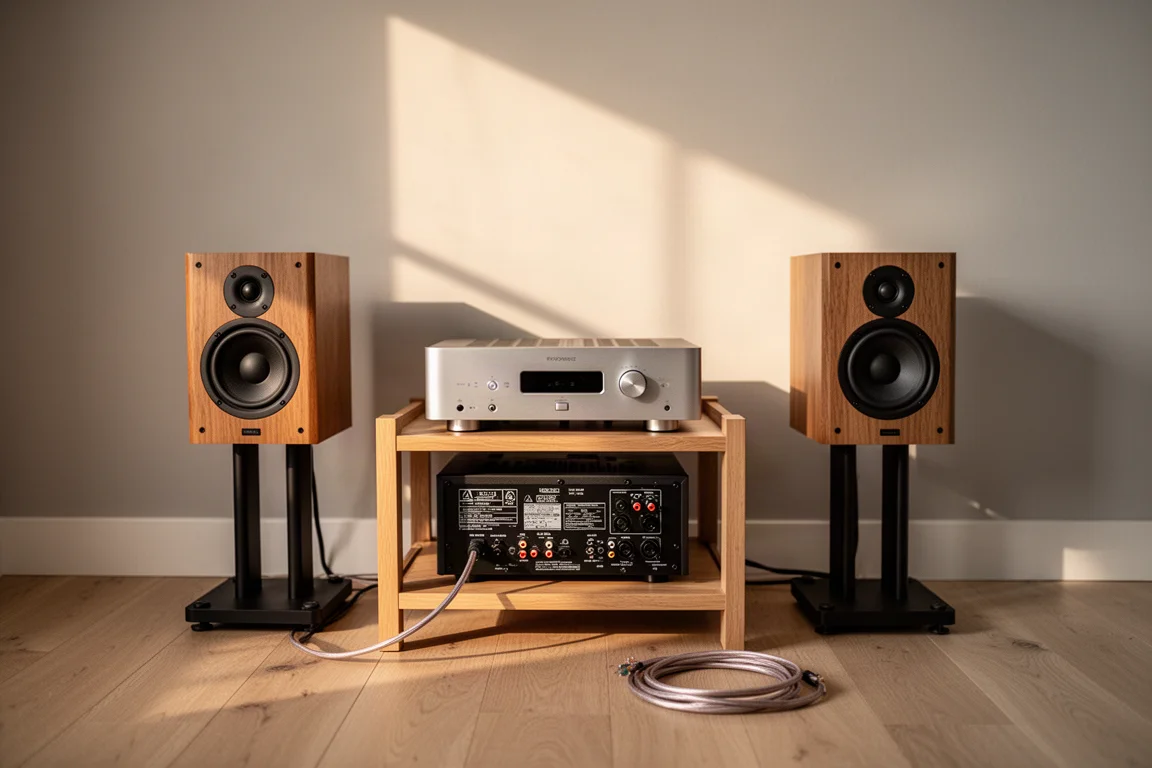
The RCA male plugs are the standout detail. They let the Slash 6 sit directly on the back of many integrated amplifiers with no cable at all. That will not work with every amplifier, since socket spacing varies, and monoblock owners will need the supplied female-to-female adapter. Including that adapter makes the design much easier to live with, because it allows standard RCA cables to be used like any normal DAC output.
Wireless performance is strong as well. Bluetooth supports current high-quality codecs and 24-bit playback, and the sound quality over Bluetooth stays close to what the USB-C connection delivers.
Main Strengths: Sound Quality
Two qualities define the Slash 6: micro detail and bass.
Micro detail comes through clearly, with an airy presentation and plenty of clarity that never turns sharp or harsh. Bass is where the unit is most surprising. It has weight, control, and texture, and it holds together even on demanding material.
Separation is excellent within the space the DAC creates. Instruments and vocals are easy to follow, with a spotlit quality that gives each element its own place in the mix. That kind of resolution is unusual at this price, and it invites comparison with desktop DACs costing several times more.
Tonality is preserved rather than reshaped. With vintage receivers and classic vintage amplifiers, the Slash 6 adds micro detail, life, and airiness without tilting the warm, romantic character of the chain. The same holds true with modern gear that leans neutral or warm. If your system is warm, it stays warm. If you are hoping a small converter will make a bright system sound cooler or more neutral, this is not the tool for that job.
Power Options and How They Affect the Sound
The Slash 6 always needs power, and how you supply that power changes what you hear.
With a generic USB charger, the soundstage stays between the speakers. It is an intimate presentation, and the space never really opens up beyond the loudspeaker plane. Switching to a GaN FET charger widened the stage noticeably, to roughly a 45 degree spread, and added a little extra smoothness and texture to the sound. That difference held up consistently when moving back and forth between the two chargers.
A USB battery pack produced a leaner result. Bass kept its impact and texture, but the midrange and treble became leaner, brighter, and more detail forward. Some listeners will enjoy that presentation, particularly with certain headphones, but it can drift toward brightness.
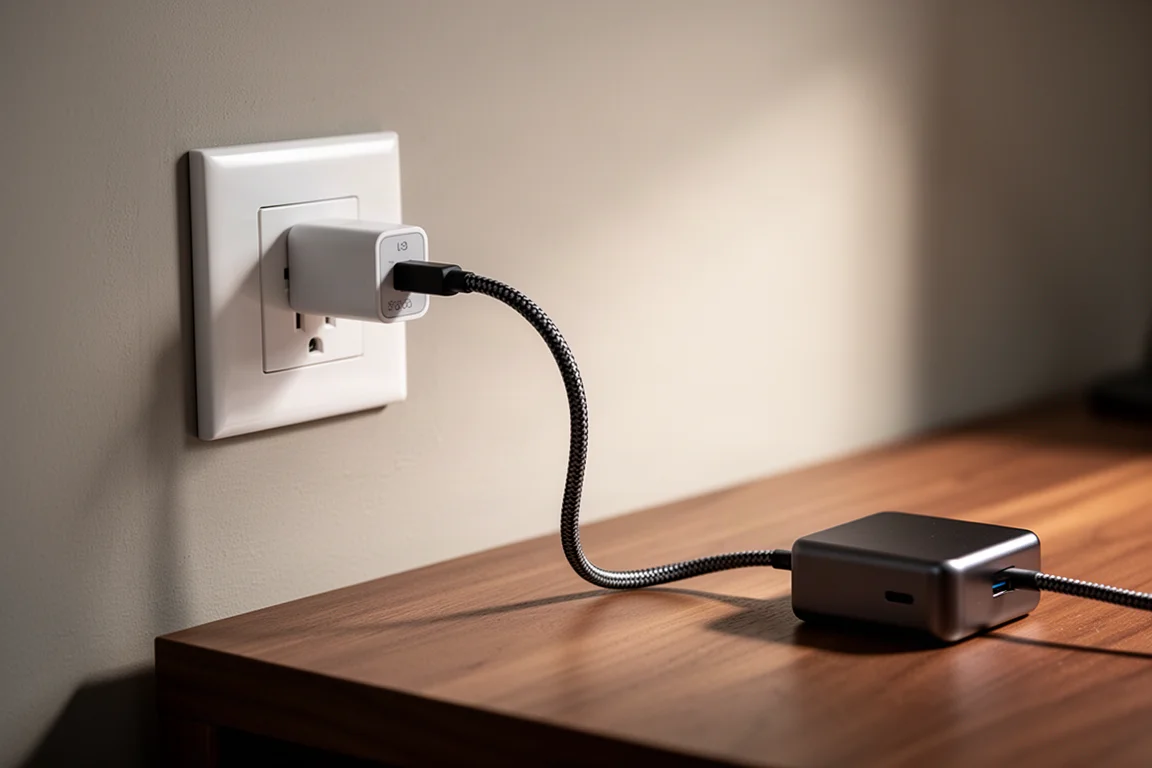
The practical catch is that there is only one USB-C port. If you want to use your own power supply to get the wider stage, that port is occupied, and the only remaining input is Bluetooth. Using USB-C for both power and signal from a laptop or streamer is convenient and sounds good, but it removes the option of an external power supply.
A second USB-C port would solve this neatly. That said, the limitation is common to this category of product rather than unique to the Slash 6, and it does not change how good the unit sounds on a straightforward USB-C connection.
Things to Consider Before Buying
The main compromises are practical rather than sonic:
- The unit always needs power, so it is not fully portable without a battery pack
- One USB-C port handles power and signal, so an external power supply and a wired input cannot be used at the same time
- RCA plug spacing will not fit every amplifier, and monoblocks need the included adapter
- It is not intended for power-hungry headphones
- Soundstage and refinement do not reach the level of DACs above $1,000
On that last point, the soundstage remains narrower than what elaborate streaming and playback setups produce, and there is a touch of edge, sparkle, and crispiness rather than the smooth, analog-like refinement of high-end gear. That liveliness will appeal to some listeners and not to others. For the price, it is an understandable trade-off rather than a flaw.
Buying Advice
At around $170, the Slash 6 makes sense for anyone who wants a compact DAC that can also act as a Bluetooth receiver and connect directly to an amplifier. The RCA plugs and the included adapter keep setup simple, and buying through Amazon makes returns straightforward if it does not suit your system.
Pair it with efficient earphones, in-ear monitors, or portable headphones, and use it with warm or neutral systems rather than expecting it to cool down a bright setup. It preserves the character of the system it feeds and adds detail, air, and life instead of changing the overall tone.
If you need a DAC that runs without power at all, or one that can drive demanding headphones, this is not the right tool. If you want a small, affordable converter that gets close to much more expensive desktop models on detail and bass, the Slash 6 is a strong value and an easy recommendation to audition.
Conclusion
The Slash 6 is a rare find: a compact, budget-priced DAC and Bluetooth receiver that competes on the qualities most people associate with expensive desktop gear. Micro detail, bass control and texture, and instrument separation are all well beyond what the price suggests, and the direct RCA connection makes it unusually easy to slot into an existing amplifier.
Its limits are clear and predictable. It needs power, it has one USB-C port, it will not drive difficult headphones, and its soundstage stays narrower than that of far more expensive converters. For listeners who value detail and bass over holographic staging, those trade-offs are easy to accept.
For anyone building a small, affordable system or adding wireless streaming to an amplifier, the Slash 6 deserves a place on the shortlist.
Product link
View more details for Slash 6
This product is mentioned in the review. Check the specifications, options, and compatibility before buying.
View more details for Slash 6Further reading
Related Reviews
Audio Gear
Best Budget Audio Gear 2022: Award-Winning Speakers, Amps, DACs, and Streamers
A rundown of the standout budget audio products of 2022, including award winners and honorable mentions across speakers, amplifiers, DACs, and streamers.
Audio Gear
Best Gifts for Audio Engineers and Musicians: 10 Practical Ideas
Ten practical gift ideas for audio engineers and musicians, from hearing protection and microphones to headphones, DI boxes, and the small studio accessories that get used every session.
Audio Gear
Best Value Audio Gear: Four Standout Picks for Streaming, Speakers, and DACs
Four audio products that reset expectations for what a given budget can buy, from a compact network streamer to a sub-$1,000 DAC.