Ski Touring Gear
Ski Touring Gear List: What a 4,000 Meter Objective Teaches About Pack Weight
A practical breakdown of ski touring pack weight from a 4,000 meter objective, covering ski, boot, camera, and clothing choices and where the real savings sit.
Introduction
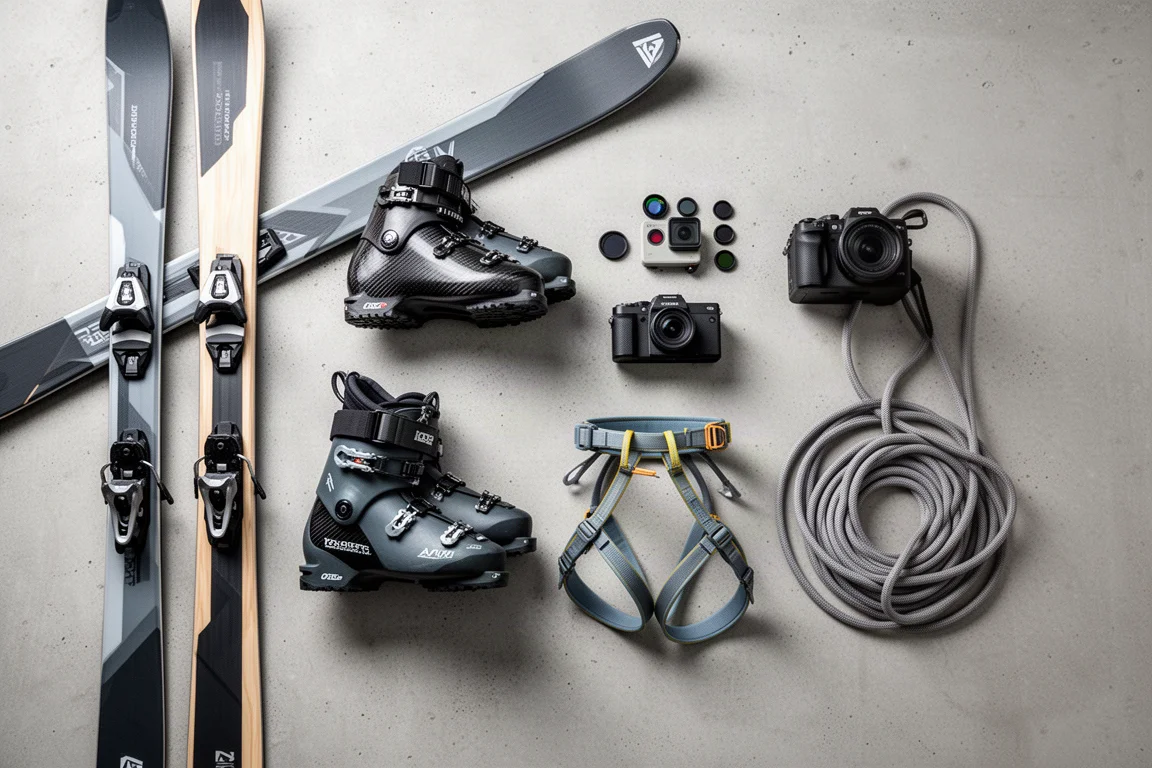
A 4,000 meter ski mountaineering objective puts a touring kit under real pressure. Long approaches, sustained vertical gain, and a guide carrying the group safety equipment mean the weight on your feet and in your pack is the part of the day you fully control.
Comparing three setups makes the picture clear. A standard ski touring day came in at about 18.1 kg of equipment on the feet and in the pack. The 4,000 meter project rose to roughly 21.7 kg. The planned setup for the next big objective lands at around 18.48 kg, about 3.2 kg lighter than the project and roughly level with an ordinary touring day, even with rope and mountaineering hardware added.
Where the Weight Actually Comes From
The single biggest lever is what goes on your feet. Skis and boots account for most of the gap between a comfortable touring setup and a mountaineering setup, and they are also the two items that change the skiing itself.
Everything else behaves differently. Poles, a helmet and goggles, avalanche equipment, and skins and crampons are close to fixed costs. Trimming them usually means giving up safety or function, and the grams recovered are small.
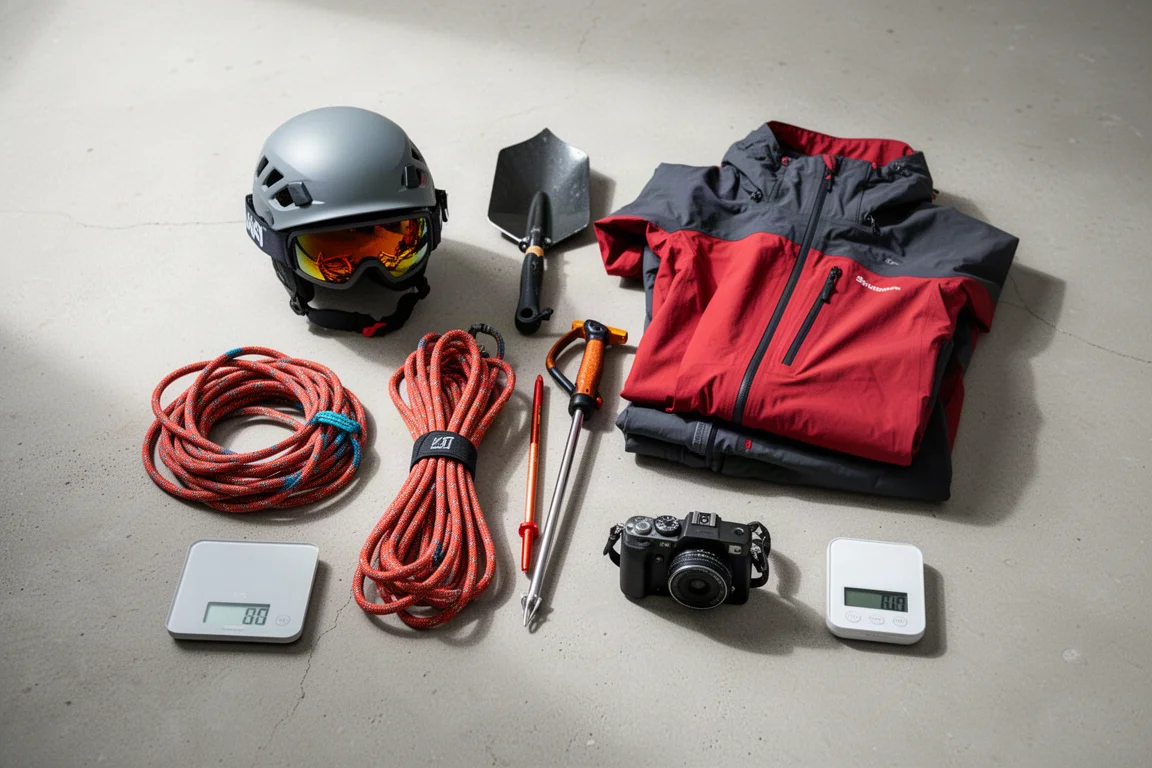
The second pattern is that shaving small items rarely moves the total. Stripping spare socks, a buff, and a pair of underwear from the clothing list saved under 200 g, which is disappointing once you have carried the bag up a glacier. The changes that matter are the ones you commit to once and then carry for years.
Atomic Backline 107: The Ski Worth Keeping
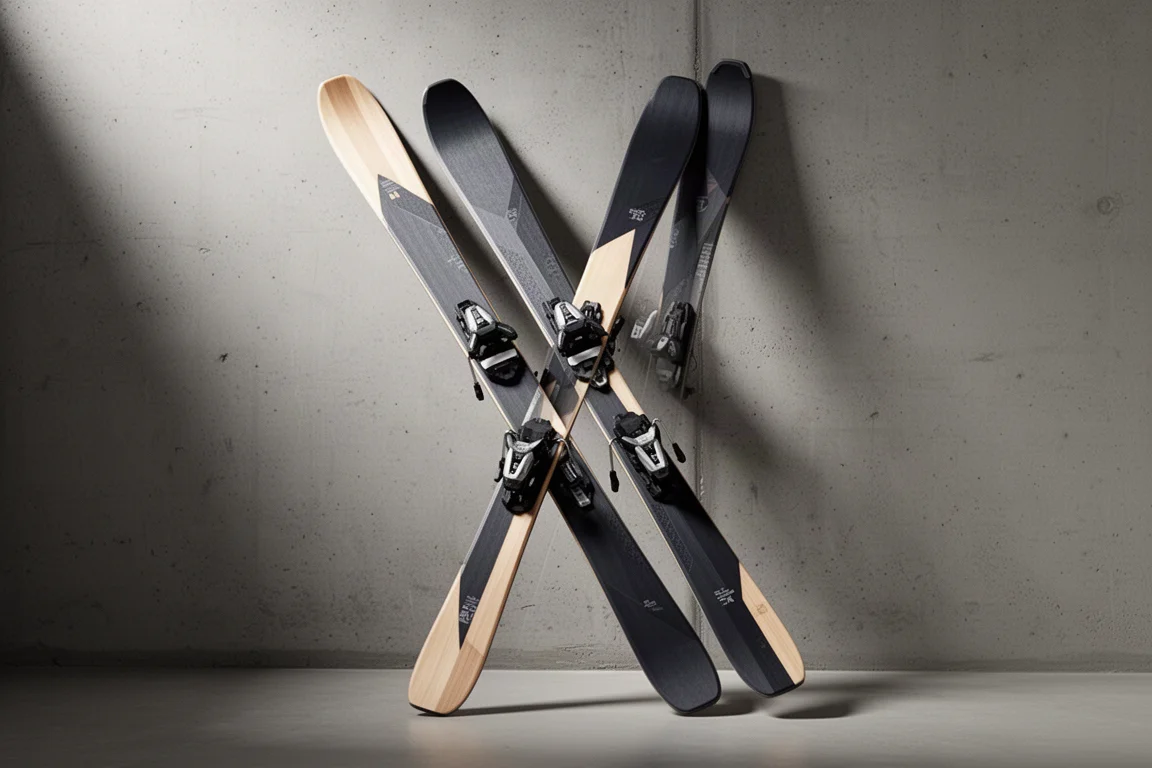
The Backline 107 is the ski used on standard touring days. It is light, fast, and hard charging, and it was the one piece of the setup that did not change for the next objective. It weighed in at 2,460 g per ski, roughly 4.9 kg for the pair, with a binding that is safer than the pin bindings used on lighter setups.
The only planned change is a slightly lighter binding without a ski stopper, with everything else left as it is. Riders who want the safety margin of a non-pin binding should expect to pay for it in grams, and on this ski that trade was judged to be worth it.
Atomic Backline Carbon: Cutting Weight on Your Feet
The Backline Carbon is a partially carbon boot built around light weight. It carries a 110 flex rating and stays comfortable over long days, and it weighed 1,156 g per boot, around 2,300 g for the pair. Against the roughly 3.5 kg pair used on normal touring days, that is about 1.2 kg saved on the feet, the most noticeable kind of saving on a long climb.
The trade-off is control. A boot this light gives up a fair bit on the descent, so it suits objectives where the approach and the climbing dominate the day.
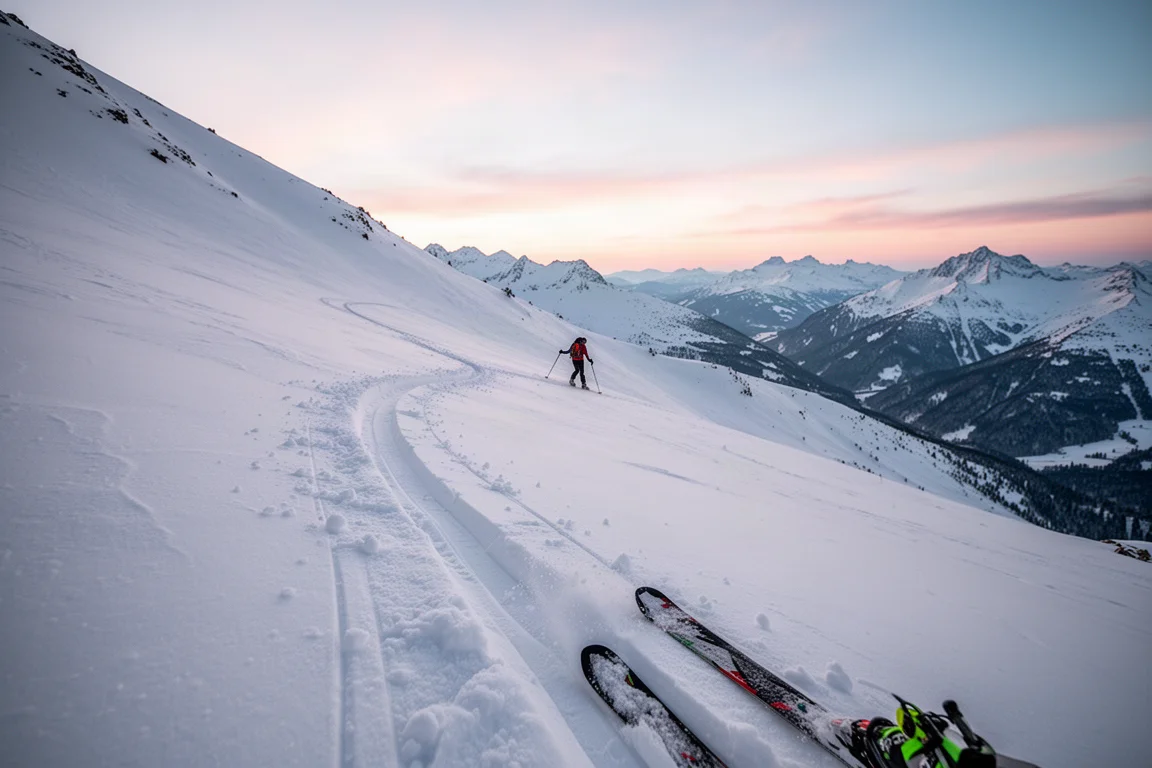
For anyone weighing up a carbon touring boot, the useful question is not whether it is lighter, but whether the descents on the itinerary sit inside its comfort zone. On long guided mountaineering objectives spent mostly moving uphill and across glaciers, that trade usually makes sense.
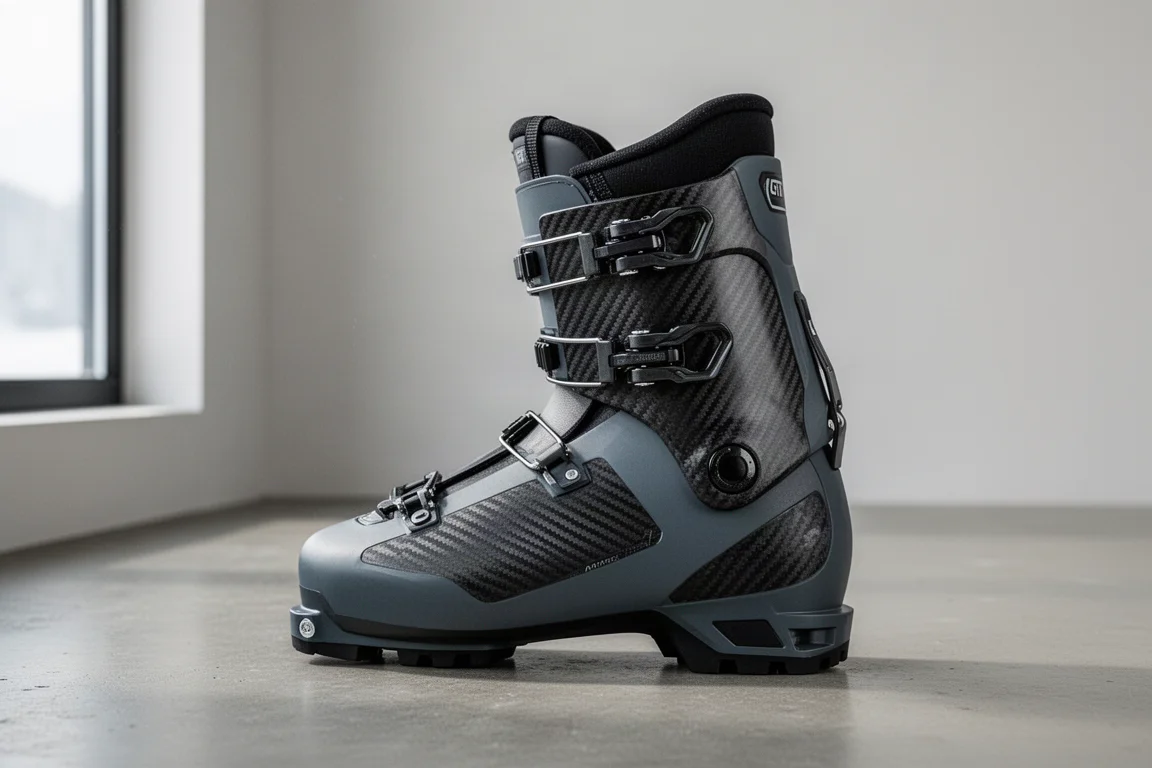
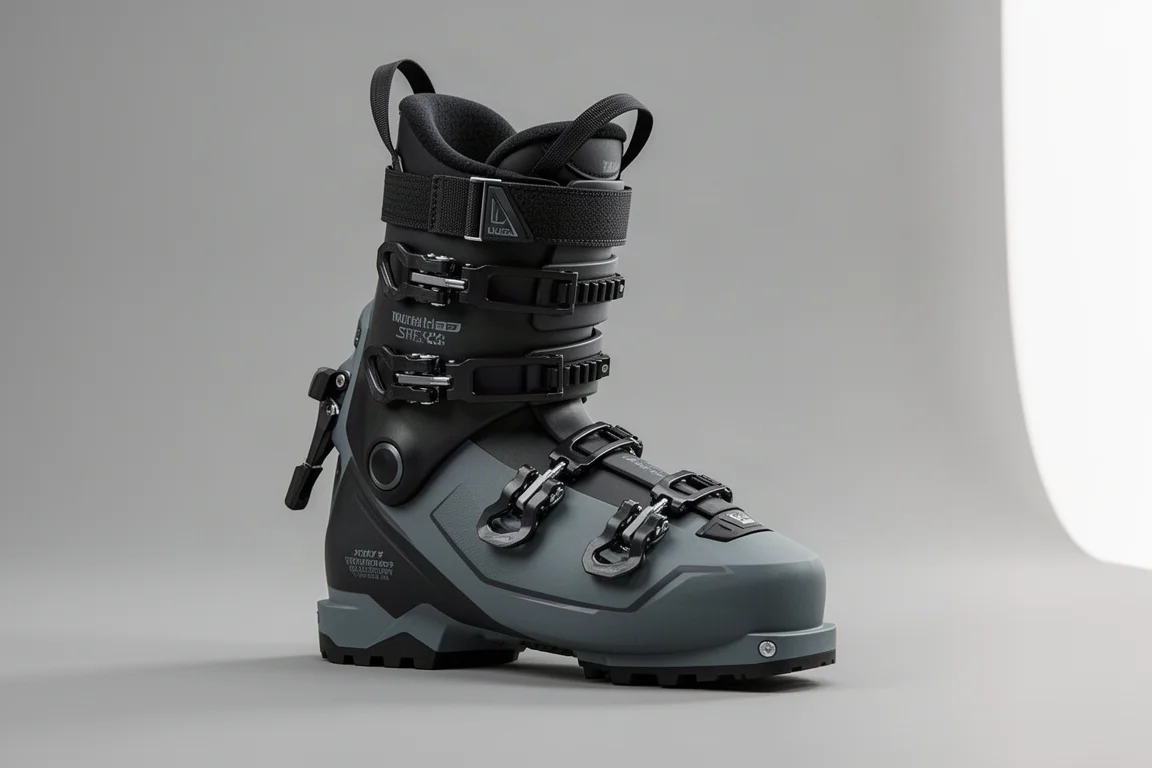
Atomic Hawx Prime XTD 130: The Everyday Touring Boot
The Hawx Prime XTD 130 is the boot used on ordinary touring days. At 1,770 g per boot, about 3.5 kg per pair, it sits at the opposite end of the spectrum from a carbon boot, with a 130 flex that supports stronger skiing on the way down.
That extra weight is the price of downhill confidence. For riders who tour regularly and care about how the ski feels on the descent, it remains the reference point that any lighter boot has to beat.
GoPro: A Minimal Camera Kit for Long Days
For a normal ski tour, the planned camera kit is a single GoPro with a set of ND filters and a sunglass lens. Components that are not needed can be removed, and the camera can film in darkness pretty well. For a bigger objective, a power bank, a headlamp, and additional audio gear come back into the pack.
The full camera and technology bag, which carried lavalier cords, a microphone, spare batteries, a power bank, and the action camera, weighed 1,360 g. Scaling it back for the next objective brings it to around 870 g, a saving of roughly 500 g.
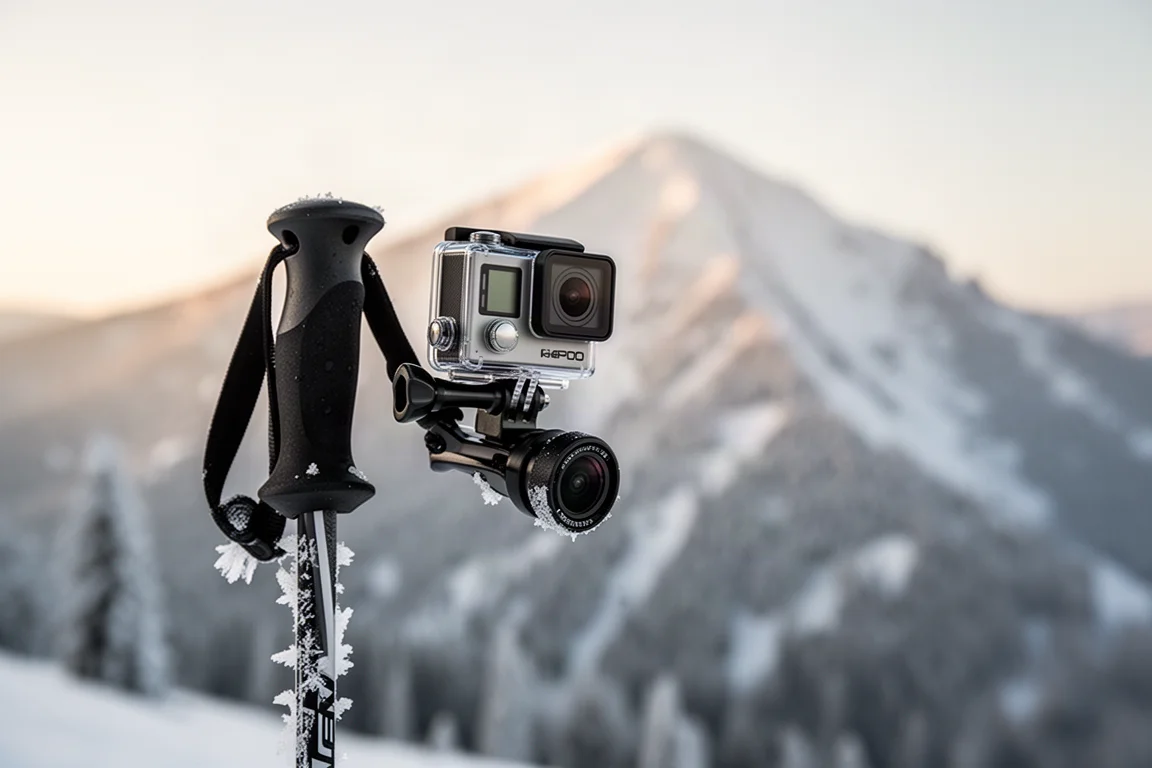
The appeal of a single action camera is that it removes decisions. There is no second body, no lens choice, and no bag of accessories to repack before sunrise. On a guided objective where the group is moving early, that simplicity is worth more than the extra reach of a larger kit.
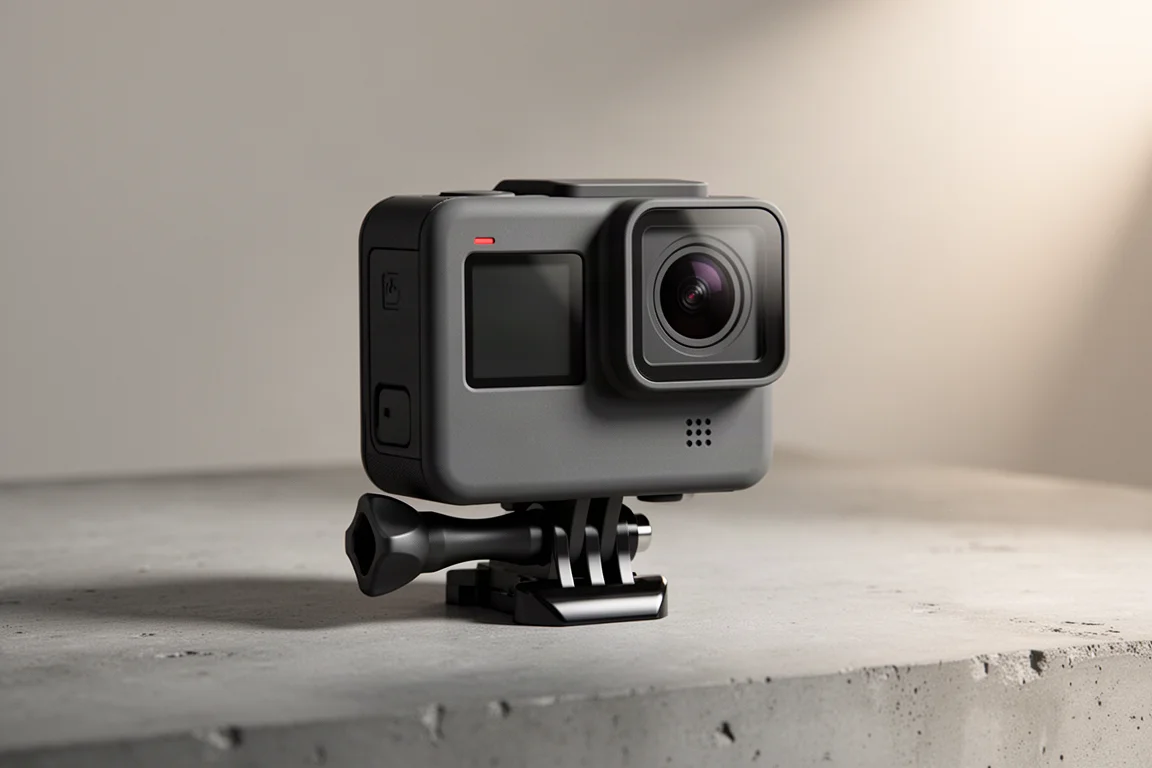
Sony RX100: The Camera That Stayed Behind
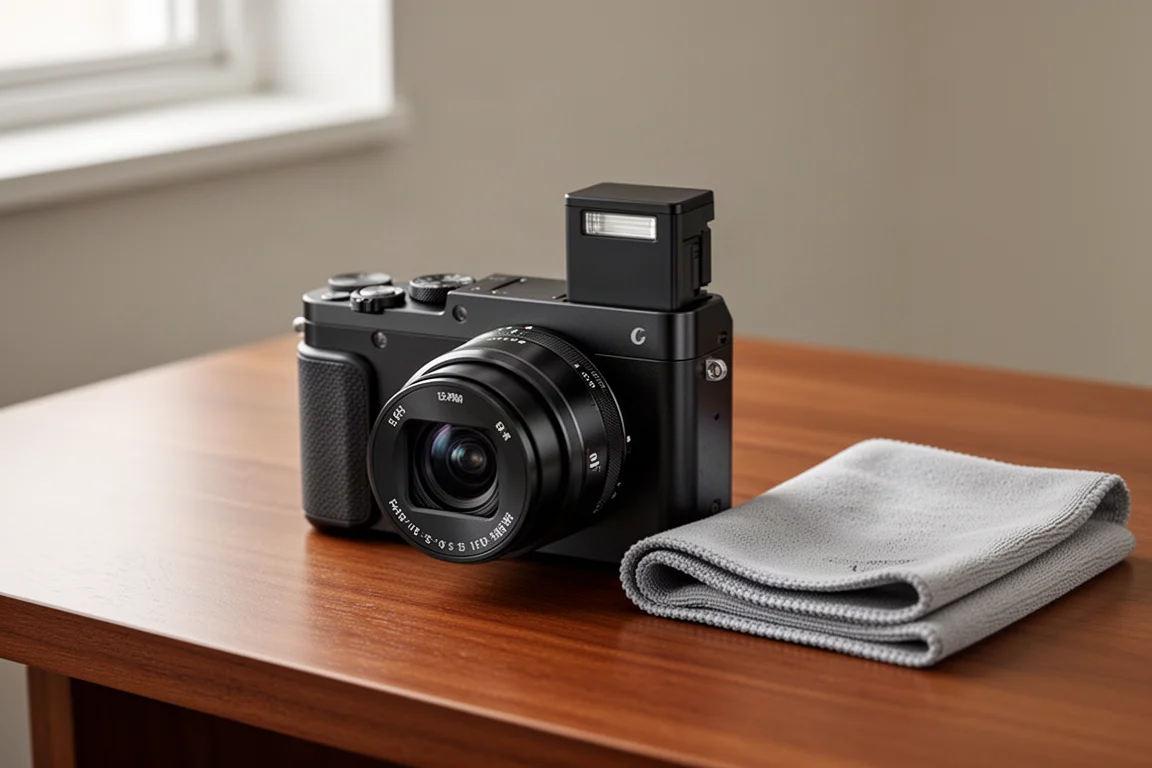
The RX100 travelled as part of the same camera and technology bag, alongside the action camera, audio gear, a power bank, and spare batteries. For the next objective the plan is to leave it at home. On a long guided day the compact body duplicates coverage the action camera already provides, and every extra body brings cables, batteries, and charging time with it.
For skiers who genuinely want stills, a compact camera remains the most portable way to get them. For anyone filming a moving day, the action camera alone is the lighter answer.
Clothing, Packs, and the Small Stuff
Shell clothing was one of the clearer wins. A resort jacket and pants setup weighed 1,870 g and packed large. Switching to a Gore-Tex Pro jacket and pants brought the same category down to about 1,200 g, roughly 600 g lighter, and it packs far smaller.
The rest of the clothing list moved the other way on the 4,000 meter project, from about 1,360 g on a normal day to 1,862 g, because of extra layers, a beanie, spare socks, and a thin merino t-shirt. Trimming back for the next trip only saved under 200 g, landing at around 1,670 g.
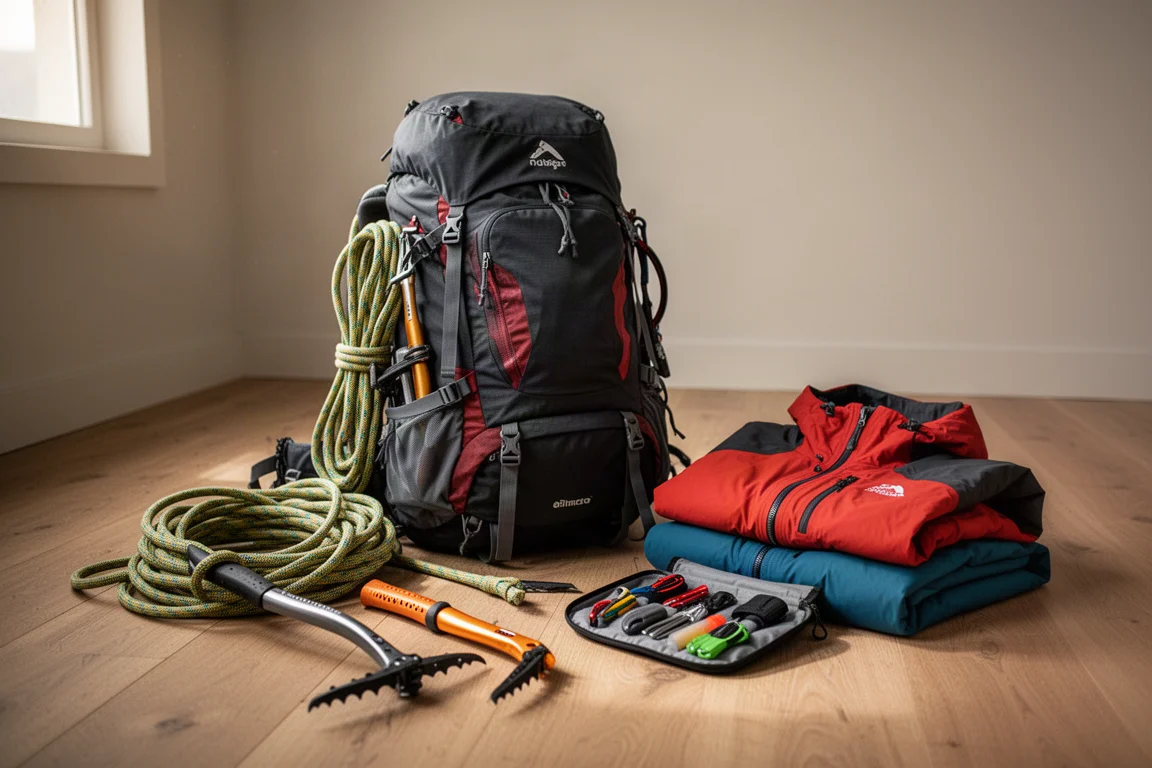
Skins and crampons normally travel in their own bags at about 950 g. Carried together with a ski strap they come to about 850 g. The backpack choice matters more: a 32 litre pack at around 1,200 g against a 50 litre pack at about 2,200 g, a full kilo of difference. The next objective is planned around the smaller pack.
Mountaineering hardware is a mixed picture. A full climbing harness at 407 g can be replaced by a smaller harness at around 200 g. Boot crampons with steel front sections and aluminium rear sections stay at about 560 g, and the ice axe stays at about 270 g. A 30 m length of 6 mm cord came to 880 g and is expected to stay the same or grow.
Food and water came to about 2,660 g on the project. Moving from a 1.5 litre soft bottle to two 500 ml bottles and carrying fewer snacks brings that to roughly 2,080 g for the next attempt. Toiletries and small items dropped from 290 g to about 244 g, and a travel sheet added 158 g. Poles at 640 g have a Phillips screw head and a flat screw head inside, which allows quick binding changes. Helmet, goggles with a single lens, and sunglasses together came to 680 g. Avalanche equipment, a probe, shovel, and transceiver, is kept exactly as it is.
Overall Buying Advice
Spend first on boots and skis. They carry the largest weight difference and the largest performance difference. A partially carbon touring boot can save around 1.2 kg on the feet, which is felt on every step of a long climb, but it costs downhill control, so match the boot to the descents you actually plan to ski.
Look at shells second. Moving from water-repellent resort clothing to a proper mountaineering jacket and pants saved roughly 600 g and a lot of packed volume, and the improvement in breathability is felt on the uphill.
Treat the pack as a decision rather than a default. A pack sized to the gear you have already trimmed is worth more than a larger pack with room to spare.
The honest conclusion from a 4,000 meter objective is that safety equipment, avalanche kit, and rope are not the places to save weight. The savings come from the items you choose once and carry for years: skis, boots, and shells. Smaller trims, such as dropping a spare pair of socks or a second tube of sun cream, are worth doing, but they add up to grams rather than kilos.
Conclusion
The planned total for the next big objective is around 18.48 kg, about 3.2 kg lighter than the 21.7 kg carried on the first 4,000 meter project, and roughly level with an ordinary ski touring day at about 18.1 kg despite adding rope and mountaineering hardware.
Almost all of that comes from two decisions: a ski that is light and fast without giving up a safer binding, and a partially carbon boot that saves about 1.2 kg on the feet. Everything else is refinement, and the discipline of packing in labelled groups of around 50 g is what makes an early start feel calm rather than chaotic.
Further reading
Related Reviews
Ski Touring Gear
Scott Patrol E2 Ultralight Review: One of the Lightest Electronic Airbag Packs for Ski Touring
A close look at the Scott Patrol E2 Ultralight, an electronic airbag backpack built from Dyneema composite fabric that keeps weight under 2 kg without giving up durability or avalanche tool access.
Ski Touring Gear
Ski Touring and Freeride Gear Worth Knowing About: A Practical Roundup
From ultralight touring skis to hybrid bindings, climbing tools, and a powerful headlamp, here is the gear that makes moving through the winter mountains easier.
Backpacking Gear
Building a 10 lb Base Weight: An Ultralight Backpacking Gear List
A practical walkthrough of the ultralight pieces behind a 10 lb base weight, from a 765 g pack and a roomy one-person tent to a full camp chair and a dependable water filter.