Ski Touring Gear
Ski Touring and Freeride Gear Worth Knowing About: A Practical Roundup
From ultralight touring skis to hybrid bindings, climbing tools, and a powerful headlamp, here is the gear that makes moving through the winter mountains easier.
Introduction
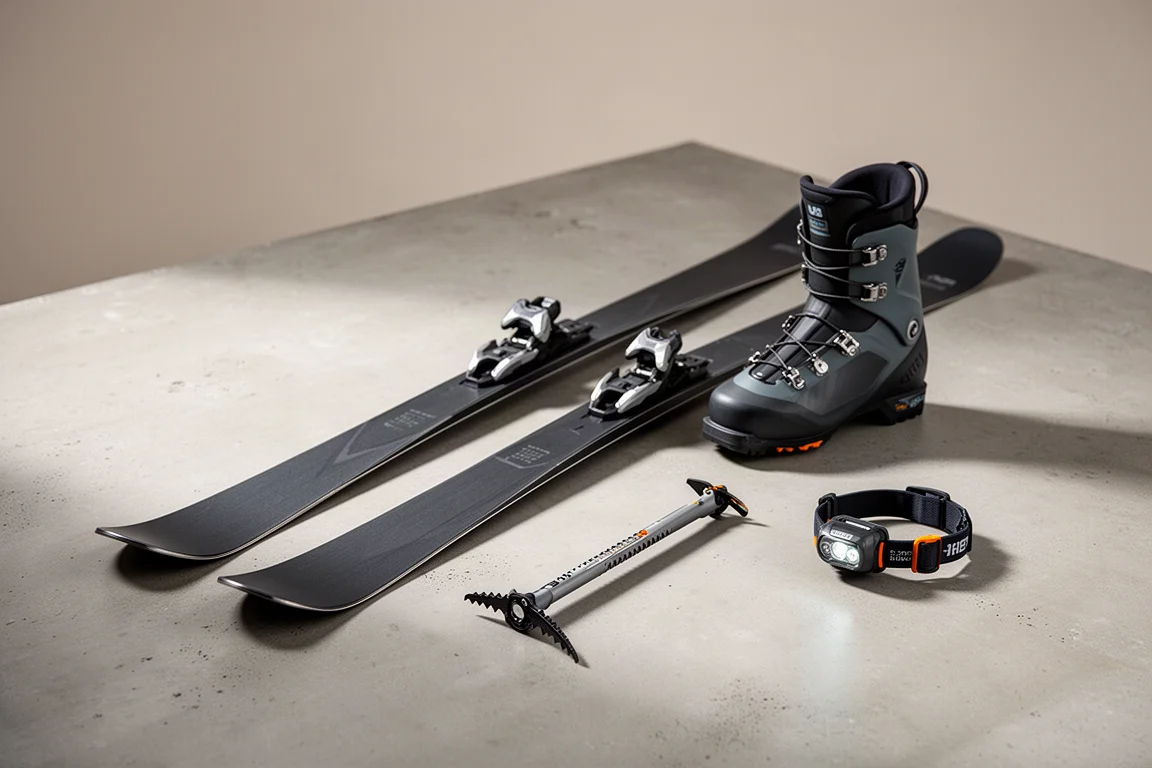
Touring gear has reached an interesting point. For years, lighter setups came with a clear compromise: you climbed efficiently, but the ride down suffered. That gap has narrowed. The latest generation of light skis, hybrid bindings, and featherweight boots makes it genuinely fun to move through the mountains on minimal weight, while burlier options still exist for days when the snow is deep or the lines are aggressive. This roundup covers the pieces that stand out, what they are good at, and where each one fits.
The Ultralight Touring Skis
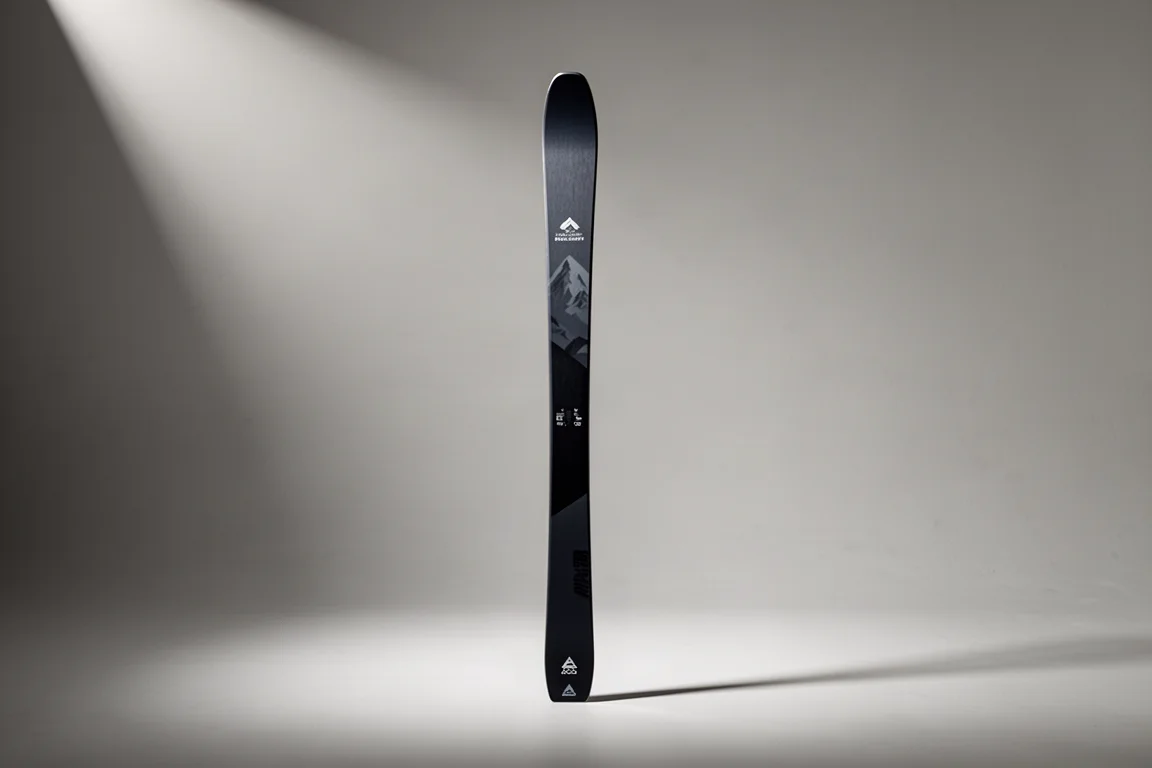
The Black Crows Mirus Freebird is the lightest ski in the Black Crows range. It is short and skinny, and the surprise is how much fun a ski this light can be. It is not the tool for deep snow or high-speed riding, but for moving around the mountain it is efficient, playful, and genuinely enjoyable. Mounted with the leanest possible binding setup, it makes an argument for how far a minimal touring rig can go.
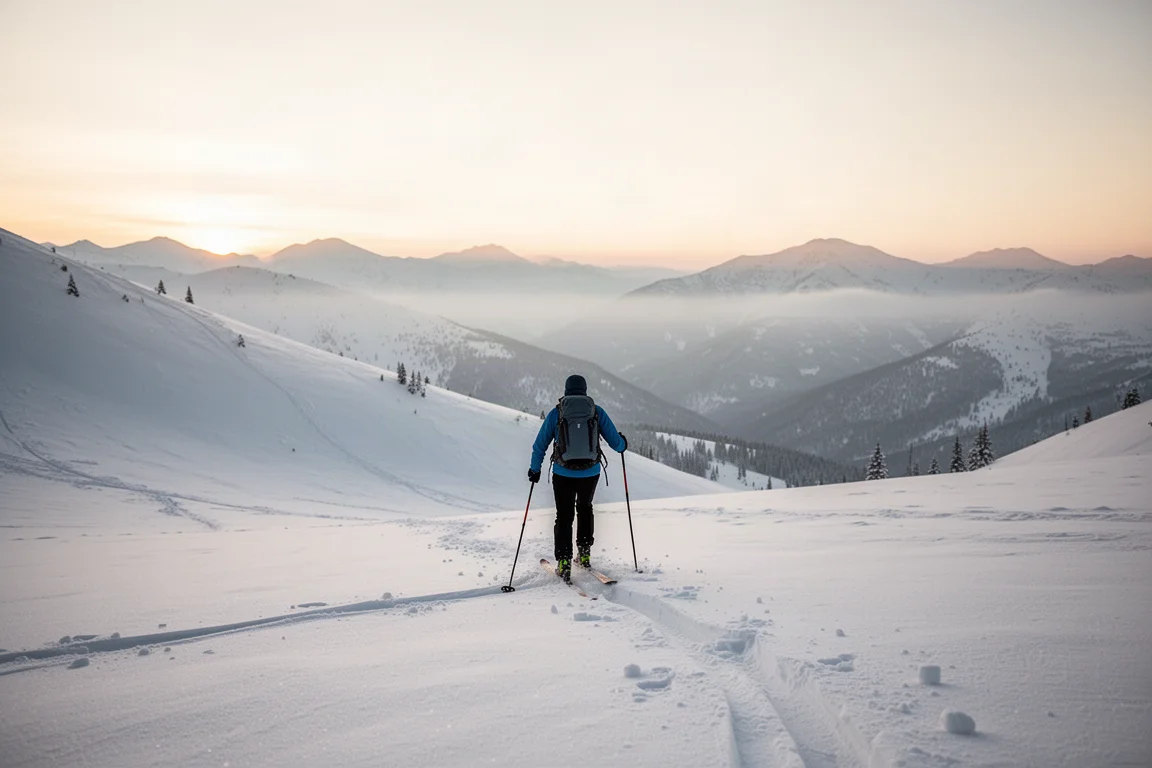
One step up sits the Black Crows Orb Freebird. The jump from the Mirus to the Orb is significant: only a few hundred grams more, but the skiability is on another level. It initiates turns easily, is simple to ski, and gets you where you want to go without wearing you out. You will not be skiing cutting-edge freeride lines on it, but for covering terrain comfortably and efficiently, it is hard to beat. It works well in a short, nimble length and pairs nicely with a light touring binding.
Touring Bindings for Light Setups
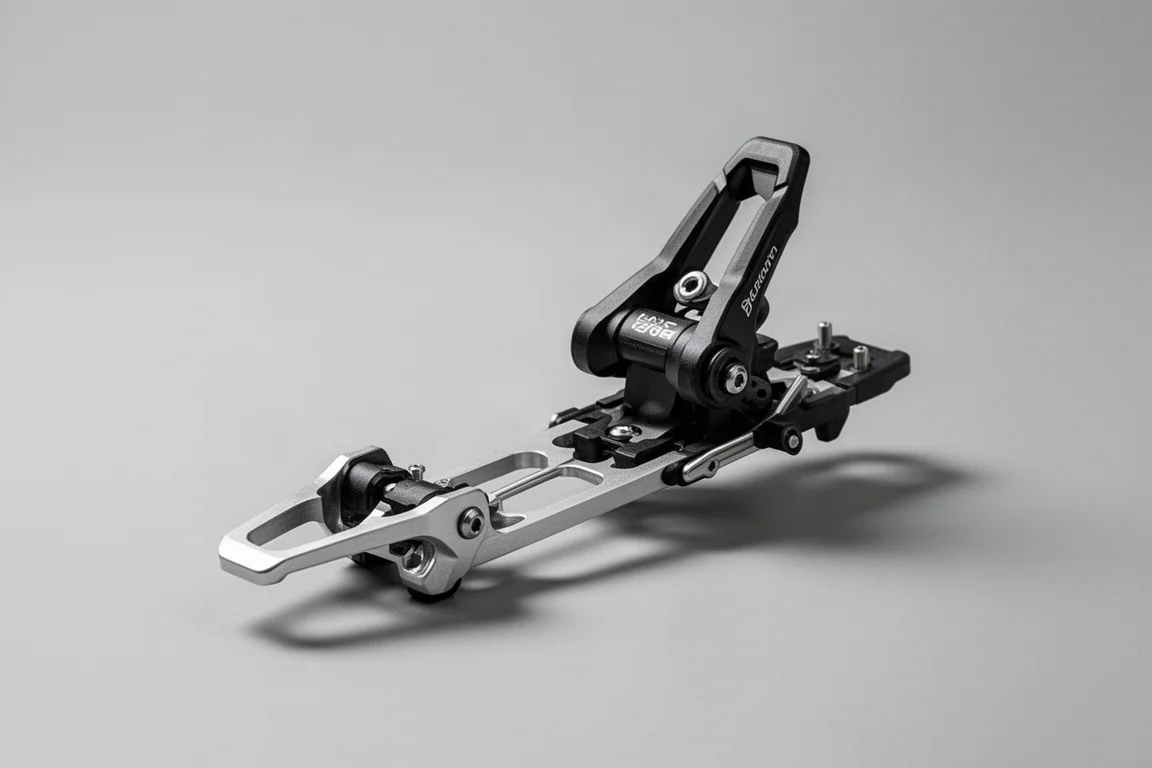
The ATK Kuluar Super Light is a strong match for a lighter ski. It is close in feel to the very lightest bindings used on big freeride skis, but for a ski like the Orb Freebird it is close to perfect. Switching between modes is simple: flip the lever and you are in touring mode, flip back for ski mode, and there is also an option to go completely flat. Easy to use, easy to live with.
A Boot Built for the Way Up
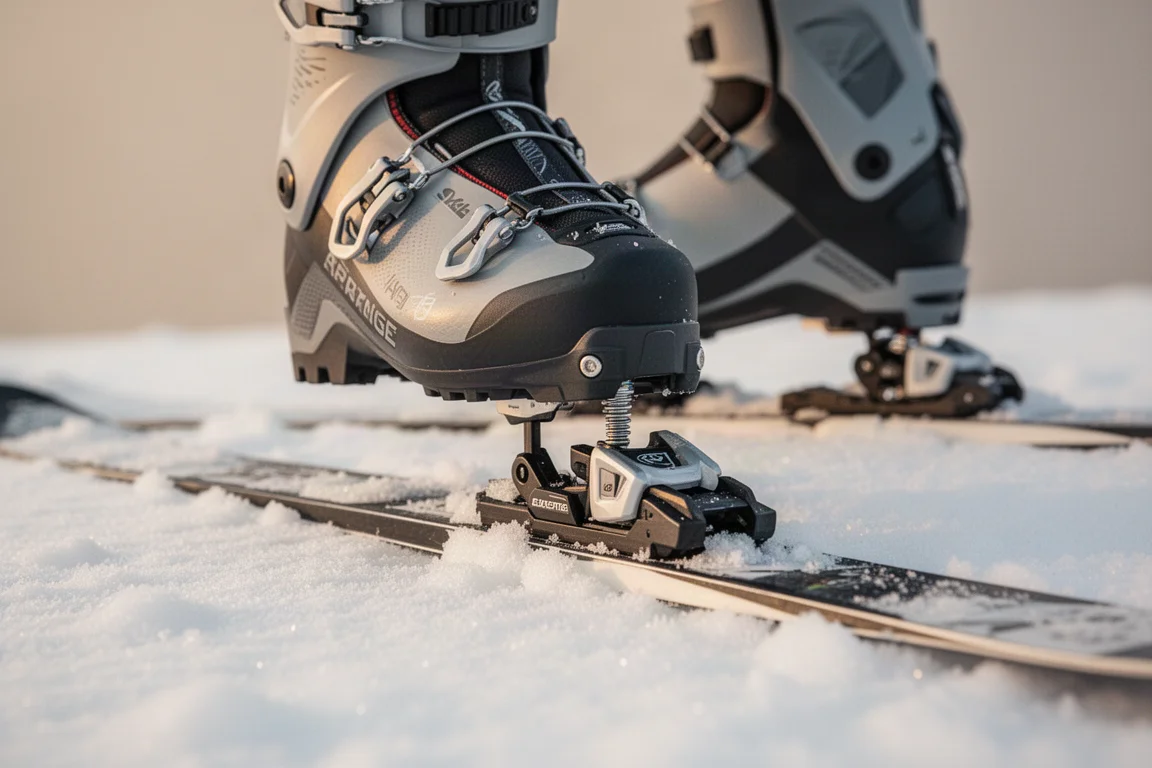
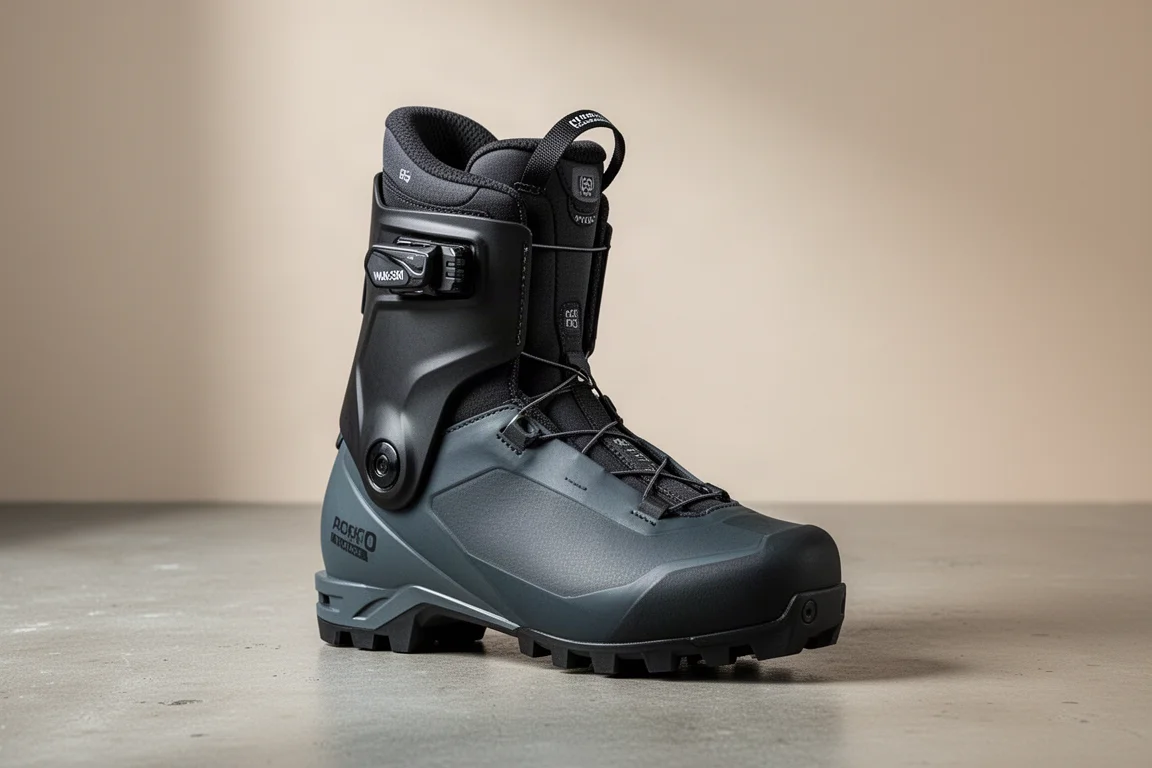
The Scarpa F1 XT comes in at around 1,100g, which is impressively light for what it delivers. The walk mode is excellent, with very low friction through the range of motion so skinning feels almost resistance-free. The Vibram sole gives solid grip on rocks, and the flex feels progressive and fairly stiff. It has handled boots, airs, and demanding lines while still feeling light on the feet on the way up. Paired with a lighter ski, it makes a compelling all-round touring setup.
The Powder Ski That Stays in the Quiver
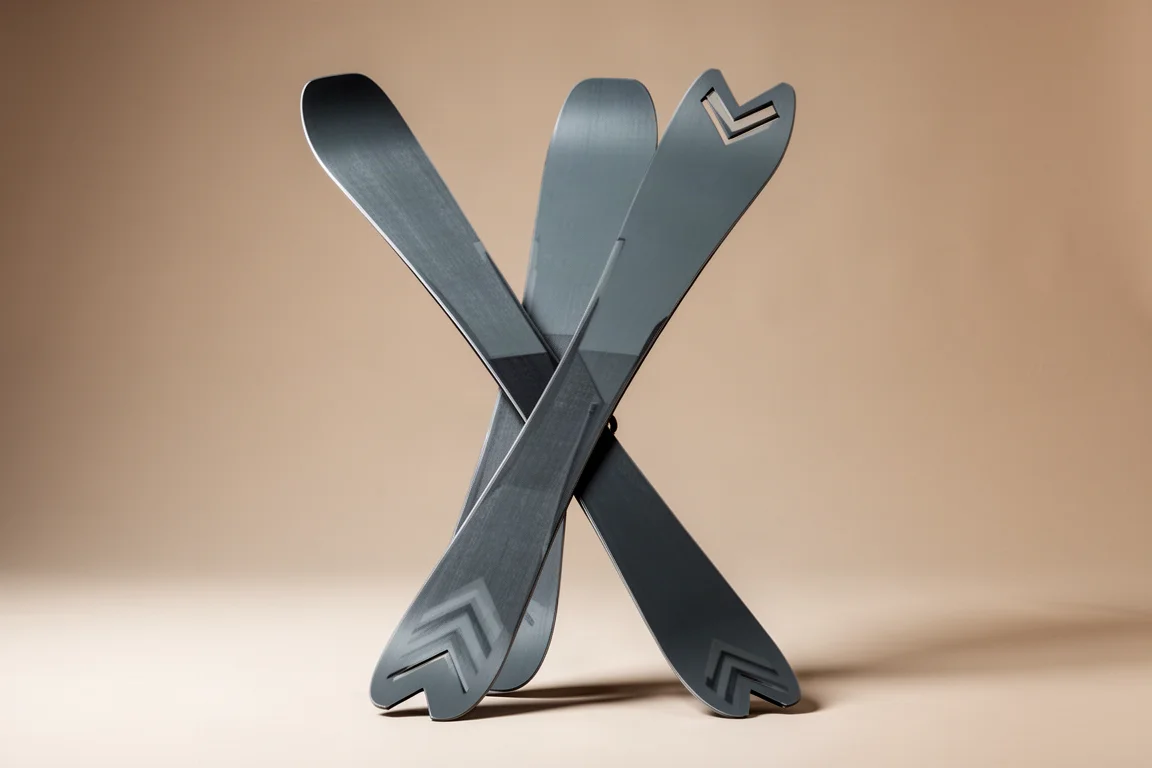
The Black Crows Nocta is the fattest ski in this program, and it keeps earning its place. Despite its size, the 19m radius and early taper keep it quick, and plenty of rocker in the nose and tail make it super playful. It floats like crazy but still handles landings and any kind of powder skiing. It is also fairly light for its size, so it tours well, and mounted on recommended line with the ATK Raider 15 Evo it makes a convincing argument that a big powder ski does not have to be a chore to climb with.
The Hybrid Binding That Changes the Conversation
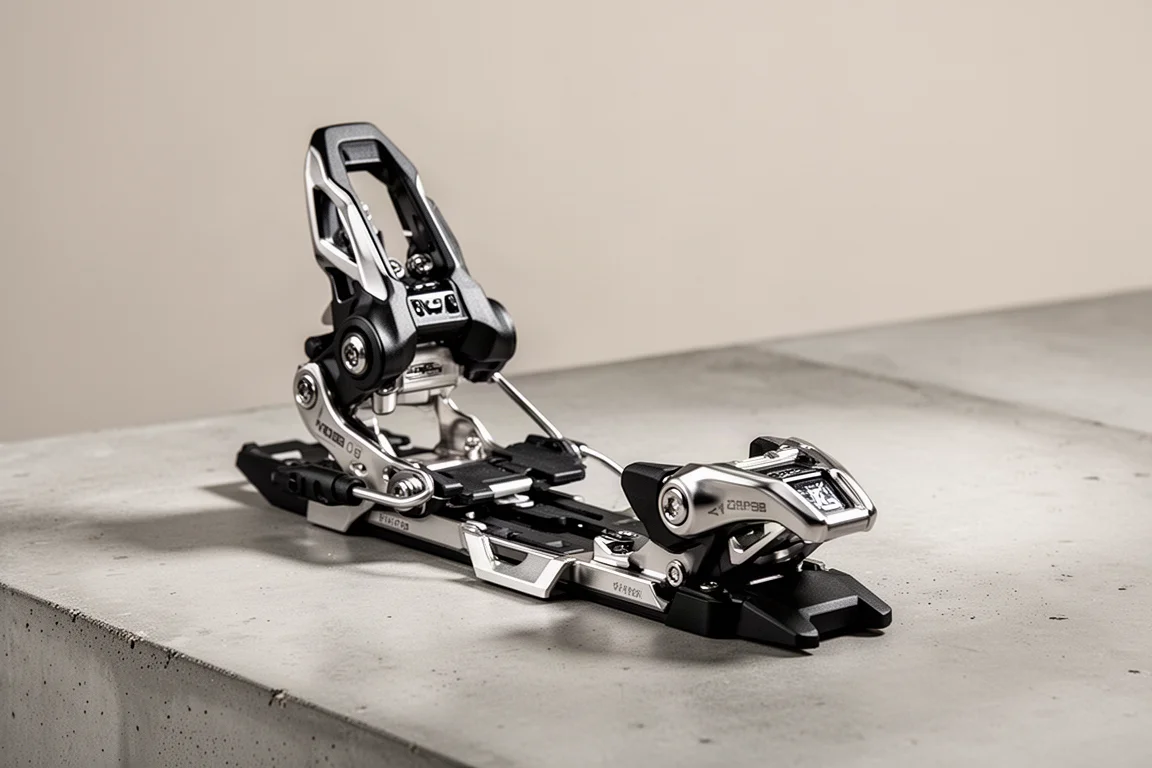
The ATK Hy 13 is the first hybrid touring binding many longtime pin-binding users have found genuinely compelling. It is a full metal binding that tours like a pin binding and skis down on a regular alpine binding, and its weight is remarkable for the category. The release behavior is impressive, and it skis with the dampening and toe elasticity that pin bindings lack. One quirk on the uphill: you stand high, which effectively gives a negative heel riser. That actually helps boots with limited range of motion, and there are two heel riser options in the final version. Torsional rigidity on the uphill holds up well, locking the boot in like a normal pin binding.
The key difference matters most on hard snow. Pin bindings transfer power very directly, with no elasticity in the toe piece, which is why they can feel harsh on hardpack, crud, and ice, and why they are more prone to pre-releasing in icy conditions. A hybrid binding restores that suspension and adds a full metal heel piece, making a real difference in edge control on firm snow. For resort days, travel, and one-tool-do-it-all setups, the hybrid is arguably the best of both worlds.
Climbing Hardware for Steep Lines
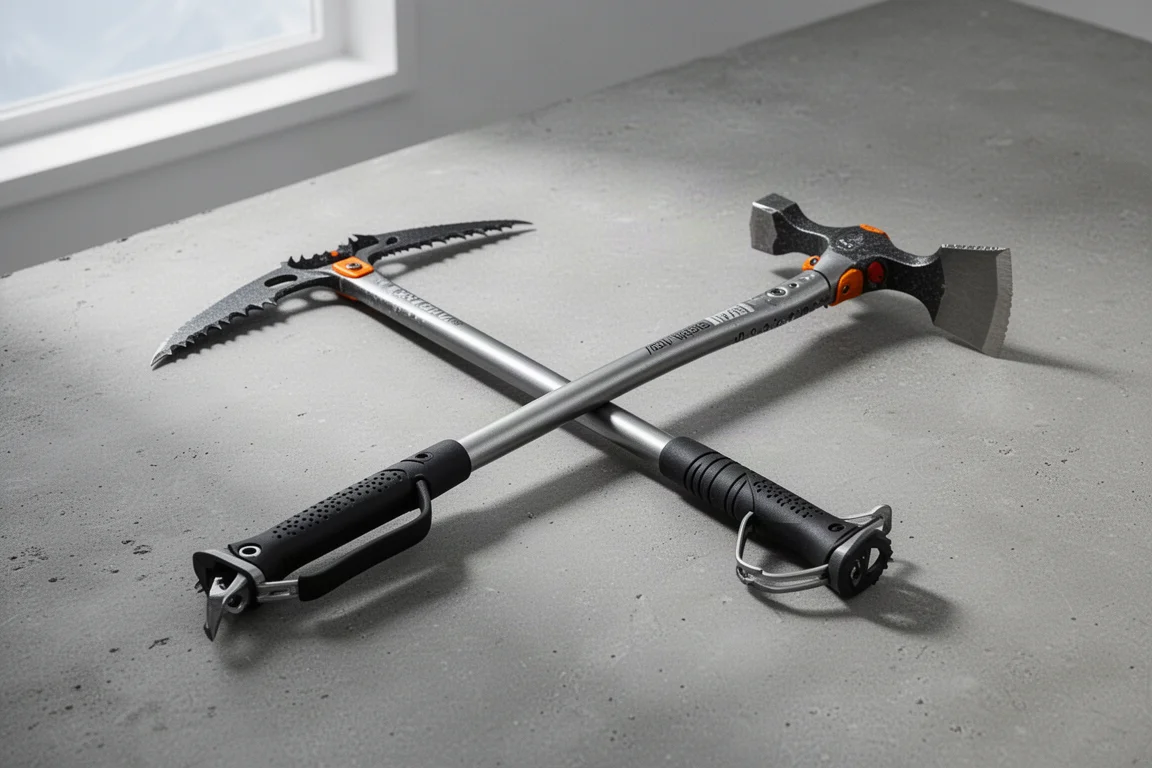
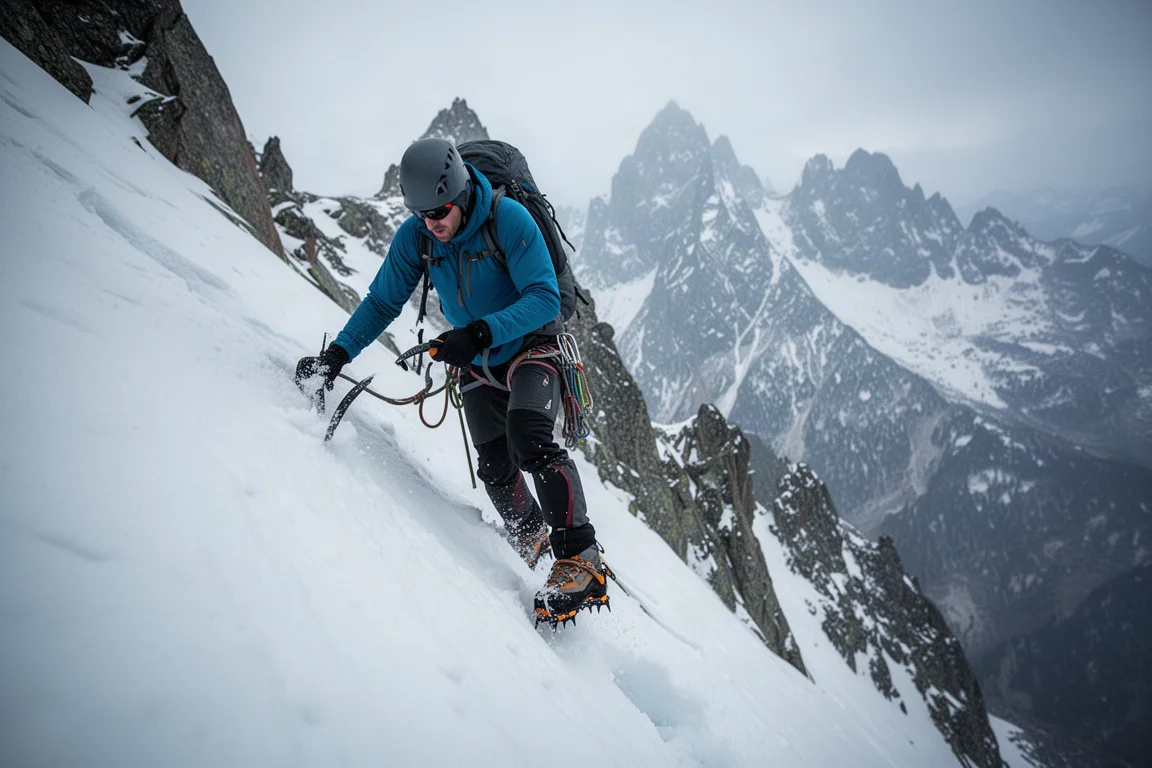
The Grivel Ghost Tech ice axe is a big reason to pay attention to Grivel’s climbing hardware. It is not the lightest axe out there, and that is the point: it has a big, solid blade you can climb cruxes with, including technical ice and rock. The combined hammer and adze at the back works for both uses, and the folding handrest at the bottom holds full body weight, yet folds out of the way for plunging without needing adjustment. Compared with superlight touring axes that are only good for plunging, this one actually works as an axe.
For more serious objectives, the Grivel North Machine Carbon is the bigger brother: heavier, but with much better swing weight and built for real mixed and ice climbing. Carrying both covers almost anything the mountain throws at you.
A Headlamp That Extends the Day
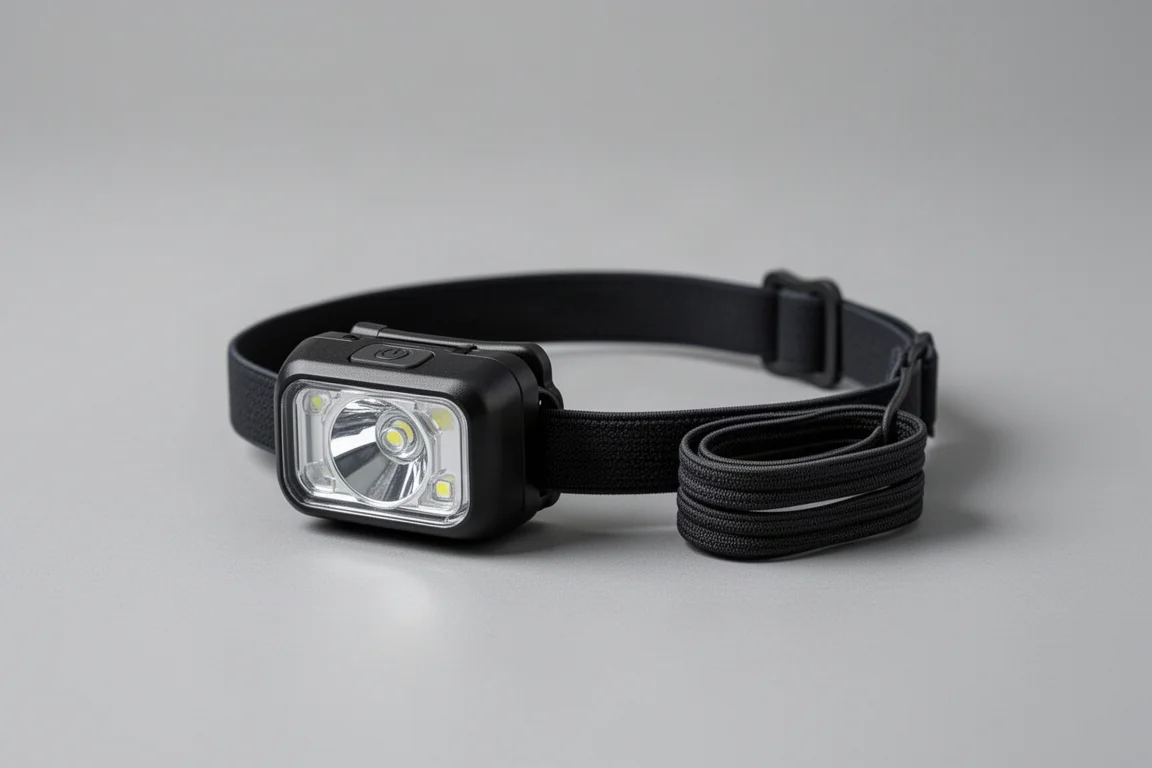
The Moonlight 4000 headlamp has essentially revolutionized skiing in the polar night of northern Norway, where the sun does not rise for two months each winter. It mounts directly on a helmet and throws light like a car headlight in a small, lightweight form factor. With this much output, you can skin at night and climb big mountains in full darkness. It is a straightforward but genuinely transformative piece of kit for winter touring.
Other Pieces Worth a Look
A few more items round out the program. Black Crows skins, which are Pomoca skins branded for Black Crows, glide well, grip reliably, dry fast, and come pre-cut to the ski, with ski-specific nose and tail clips on some models. Store them somewhere cold in summer to protect the glue. The Scarpa Quattro Pro remains a favorite burlier boot for faster days, with a beefy Intuition liner developed specifically for the shell, and custom footbeds are described as transformative. The new Black Crows Corvus is a burly 110mm metal-laminate ski with a 25m radius at 191.4, built for fast, big-mountain riding, though it may be more ski than most people need on most days. The Black Crows Draco Freebird and Atris sit a step easier: still aggressive and high performance, but more nimble and playful, with the Atris a strong candidate for most backcountry skiers. On the clothing side, merino wool socks and base layers stay warm when wet and resist odor over long trips, the Scott Couloir Tour helmet is lightweight and ventilated with headlamp and goggle fastening, the Scott React goggles use a photochromic amplifier lens that boosts contrast, and the Scott Stride sunglasses have no top frame, so they stay clear through long, sweaty days while transitioning from clear to dark.
Buying Advice
Match the gear to the day. If your priority is covering ground efficiently, the light end of the range (Mirus Freebird or Orb Freebird with the Kuluar Super Light and F1 XT) delivers a surprisingly complete experience. If deep snow and hard charging are the point, the Nocta remains the tool. The Hy 13 makes sense for anyone who wants alpine-binding confidence with touring convenience, especially on variable snow. The Ghost Tech and Moonlight 4000 serve more specialized needs: steep booters and night starts respectively, but both do their jobs exceptionally well.
Conclusion
The touring-freeride space is in a genuinely good place right now. Light setups no longer mean giving up the descent, hybrid bindings bridge a gap that has frustrated skiers for years, and specialized tools like climbing hardware and high-output headlamps open up objectives that used to be impractical. Pick the pieces that match how you actually ski, and each of these earns its place in the pack.
Further reading
Related Reviews
Ski Touring Gear
Scott Patrol E2 Ultralight Review: One of the Lightest Electronic Airbag Packs for Ski Touring
A close look at the Scott Patrol E2 Ultralight, an electronic airbag backpack built from Dyneema composite fabric that keeps weight under 2 kg without giving up durability or avalanche tool access.
Ski Touring Gear
Ski Touring Gear List: What a 4,000 Meter Objective Teaches About Pack Weight
A practical breakdown of ski touring pack weight from a 4,000 meter objective, covering ski, boot, camera, and clothing choices and where the real savings sit.
Backpacking Gear
Building a 10 lb Base Weight: An Ultralight Backpacking Gear List
A practical walkthrough of the ultralight pieces behind a 10 lb base weight, from a 765 g pack and a roomy one-person tent to a full camp chair and a dependable water filter.