Ski Boots
Boa vs Buckles vs Gator Lock: Ski Boot Closure Systems Worth Knowing About
Three seasons of riding Boa-equipped ski boots, plus a closer look at the Gator Lock cable system aiming to fix Boa's weak spots.
Introduction
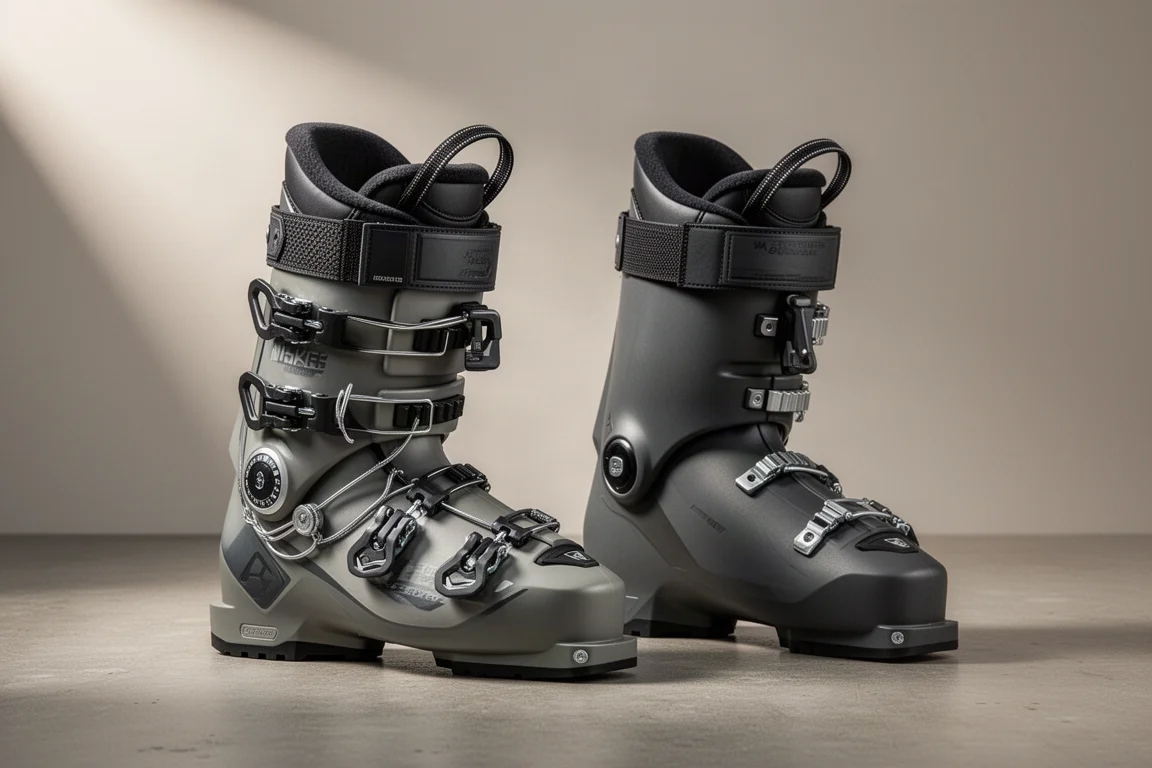
Ski boot closure systems rarely get this much attention, but the dial-and-wire approach has been dividing opinions for a few seasons now. After roughly three years of riding Boa-equipped boots almost daily, the verdict is more nuanced than the marketing suggests: one Boa dial is genuinely useful, two is arguably one too many, and a new cable-based challenger called Gator Lock is trying to solve the problems Boa never addressed.
Living With Boa: What Works Well
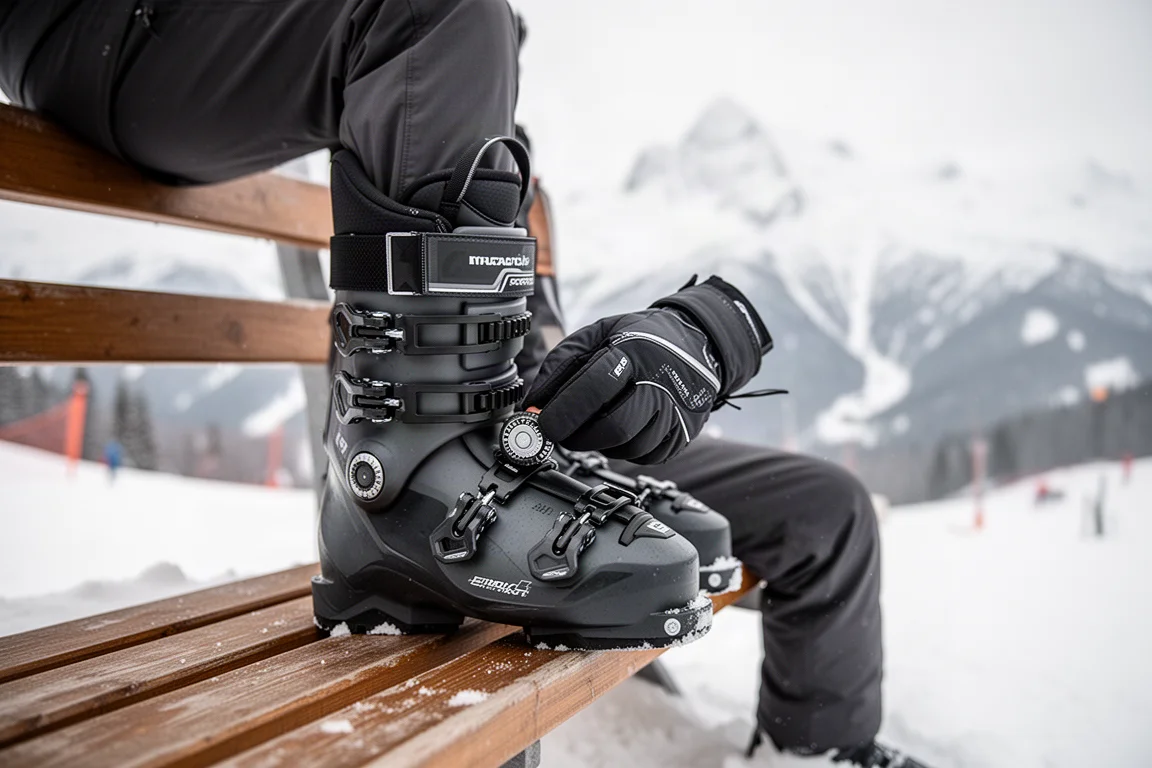
The first Boa experience was on a free tour boot with a single dial on the lower shell. It initially looked gimmicky, but the lower Boa quickly proved itself. The key advantage is micro adjustment: with traditional buckles, one click is a big step, and fine-tuning means twisting the buckle awkwardly and then re-seating it. The dial makes the fit exact.
It also shines on the lift. Instead of popping the buckle open, you can twist the dial backwards slightly to restore blood flow to your feet, then dial back in. That small convenience compounds over a full day on the mountain.
The Double Boa Question: Hawx Ultra 100 S
A double Boa boot tells a different story. The lower dial still earns its keep, but the upper cuff dial adds little. Up there, you have plenty of shell space, so one or two extra clicks barely change the fit the way they do around the foot.
Worse, the upper dial can be fiddly on entry: when you step in, a lot of wire pays out, and it can hook around the wrong way when you close it again. And subjectively, the cuff front even felt slightly lower with the Boa configuration, which is a real downside for a boot meant to hold you in.
Buckles Still Have a Case
It is telling that race-level athletes on the same boot brand stick with conventional buckles. They are reliable, they work, and they keep the boot profile slim. The dial hardware also adds visible bulk on the lower shell; one early reaction described it as the boot looking like it had “a wart.” Boa also demands a lot of twisting, which adds up when you are getting in and out repeatedly.
Remedy 130: The Next Choice
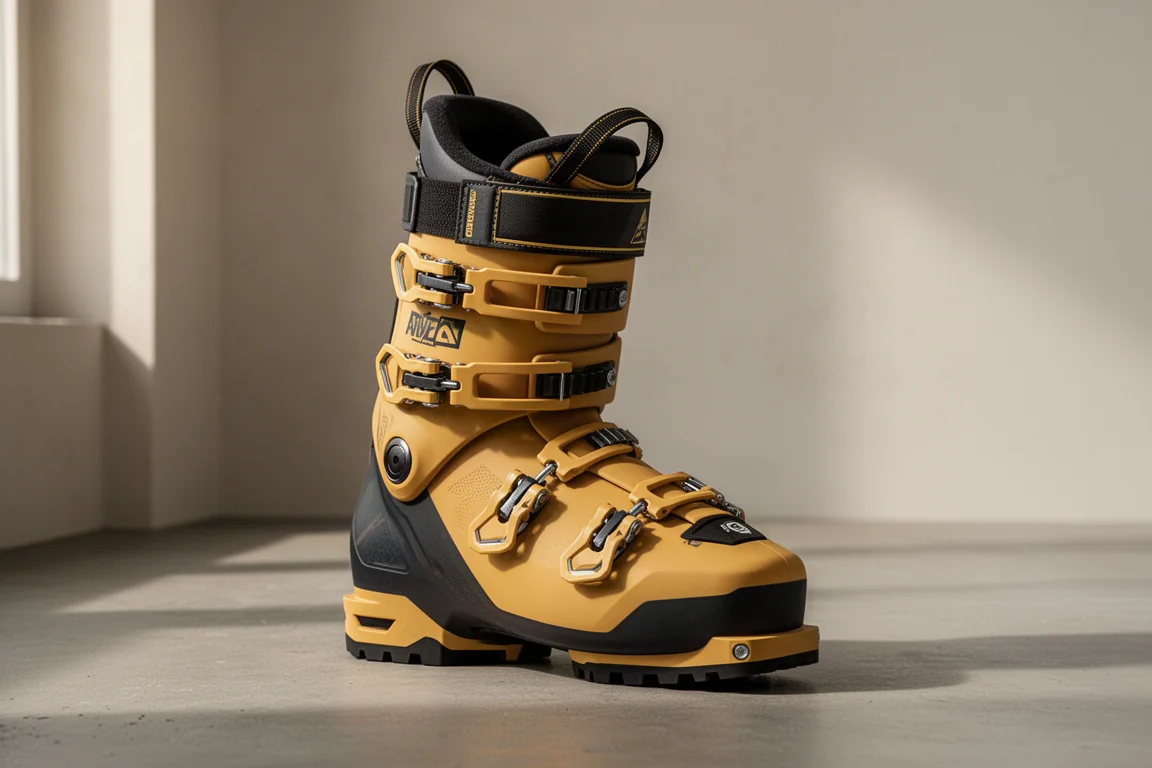
For the coming season the pick is the Remedy 130, a freerider resort boot with a 130 flex. It feels relatively heavy, and it comes in a distinctive butter-yellow colorway, though black remains the classic choice for a reason. The key point: it ditches the double Boa experiment in favor of a simpler setup.
Atomic Hawx Ultra XTD 130
The Atomic Hawx Ultra XTD 130 is a free touring boot with a 130 flex and a single Boa on the lower shell only. This is the configuration where Boa makes the most sense: precise micro adjustment around the foot, easy on-lift loosening, and no upper-cuff fiddliness to contend with.
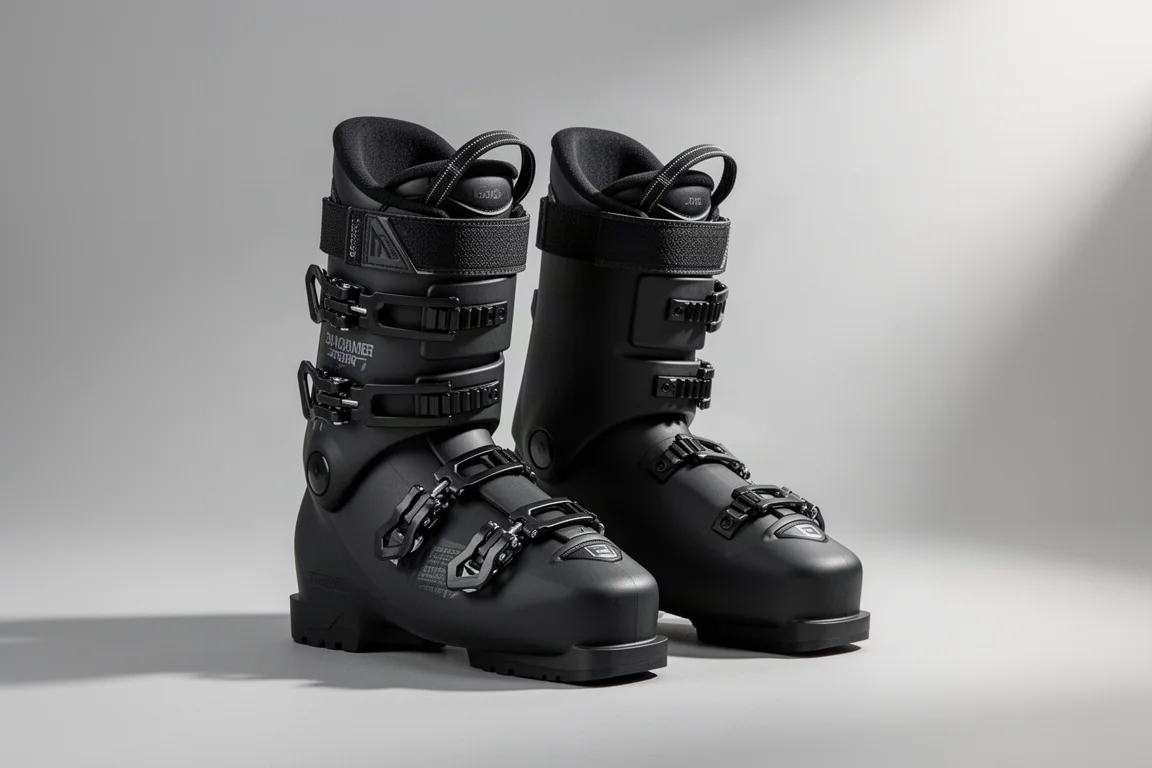
Atomic Hawx Ultra 100 S
The Hawx Ultra 100 S carries the double Boa system. It confirms that the lower dial remains excellent, but the upper dial delivers virtually no advantage in practice, adds entry quirks with the wire payout, and changes the cuff feel. A strong boot if you love the lower Boa, but worth trying the single-dial layout first.
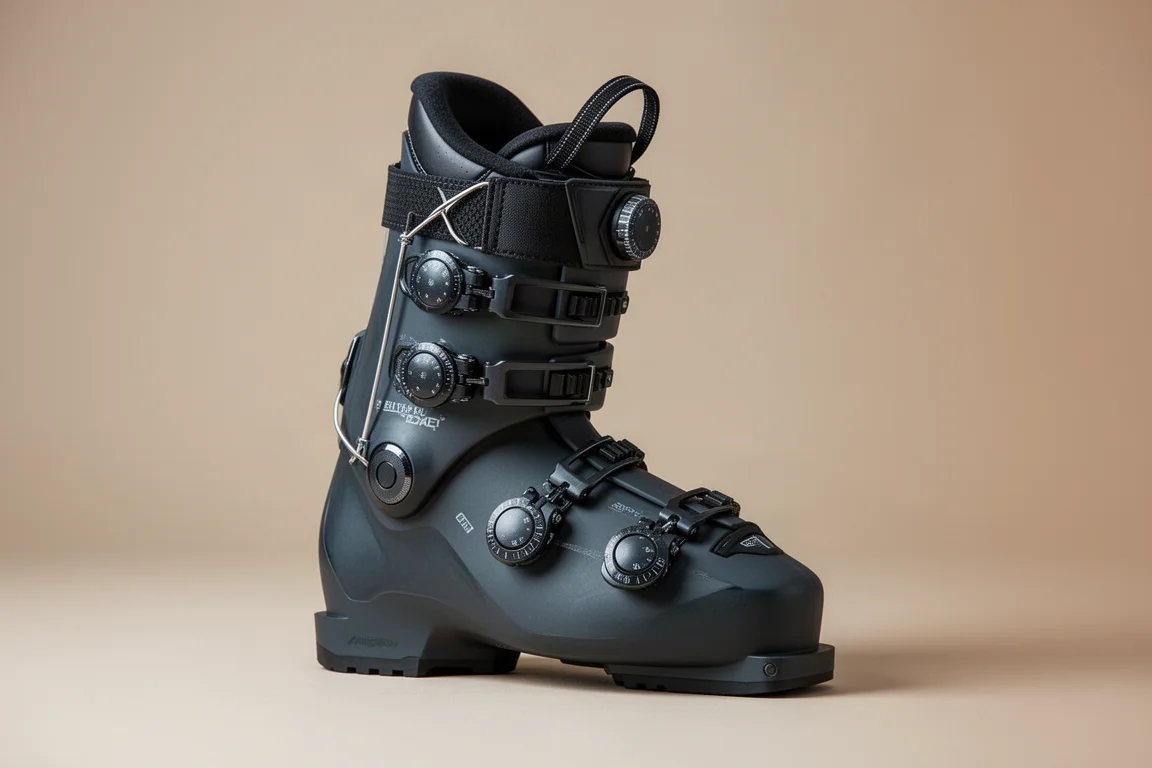
Boa: The System Itself
Boa’s dial-and-wire system is well established across ski boots, from single lower-shell setups to double and even triple dial configurations seen across brands like Salomon, Rossignol, Head, and Dalbello. Its strengths are real: fine-grained adjustment, easy mid-day loosening, and consistent tension. Its weaknesses are equally real: bulky dial hardware on the shell, a twisting-heavy closing process, and upper-dial setups that add complexity without adding fit precision.
Gator Lock: The Challenger
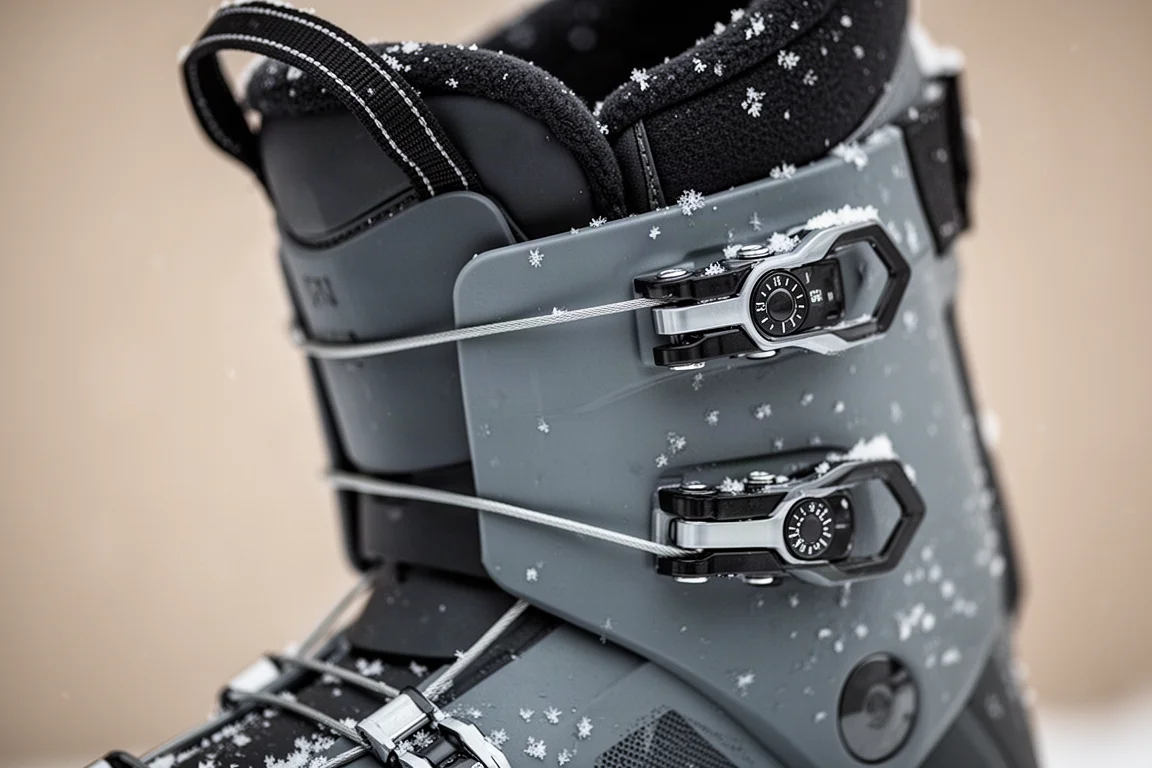
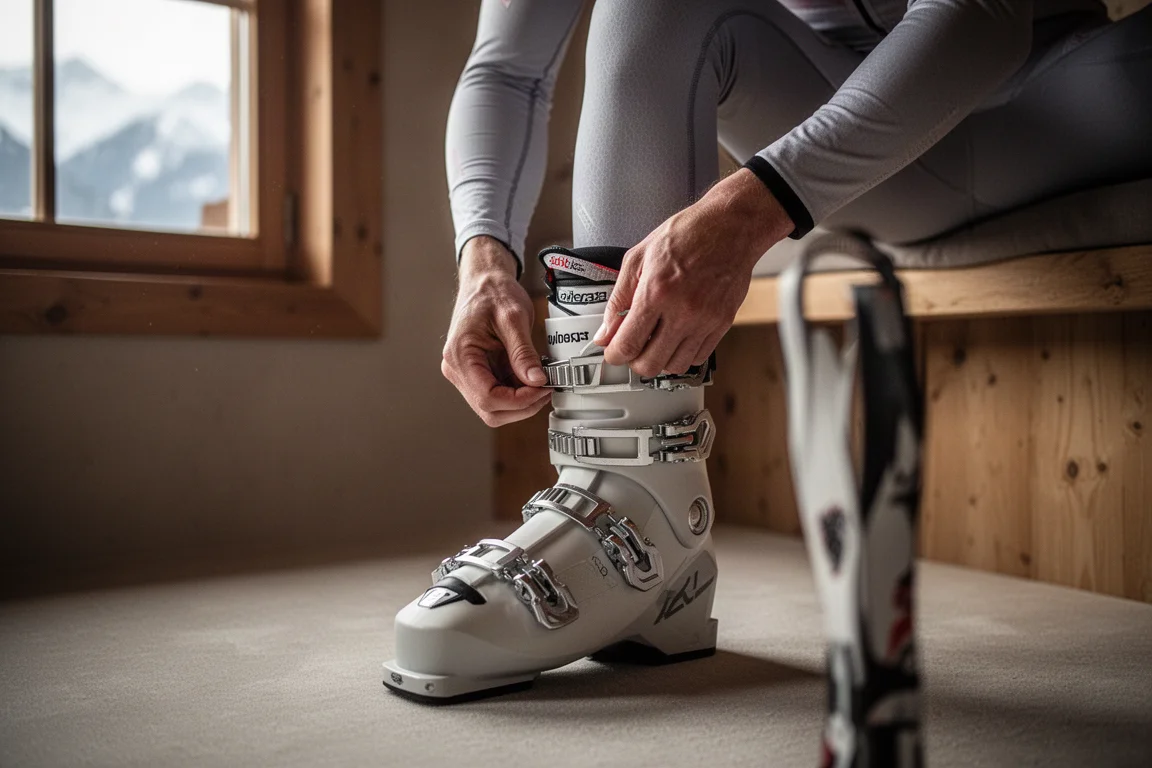
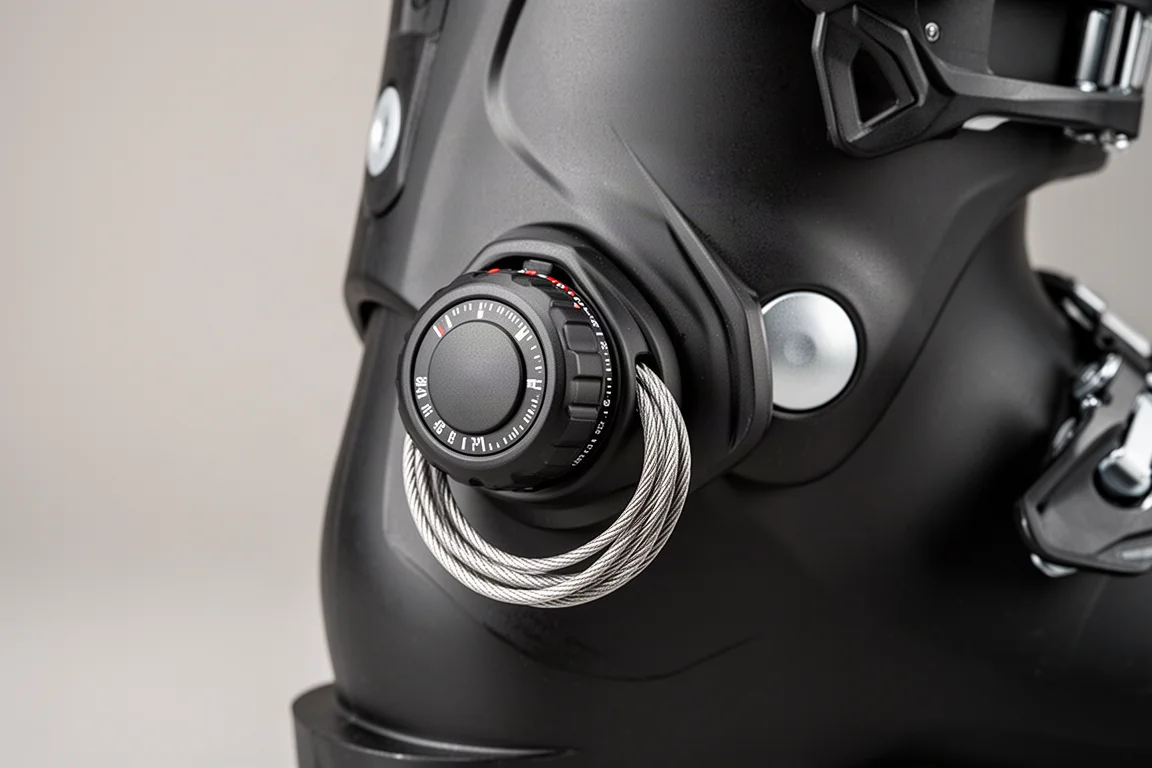
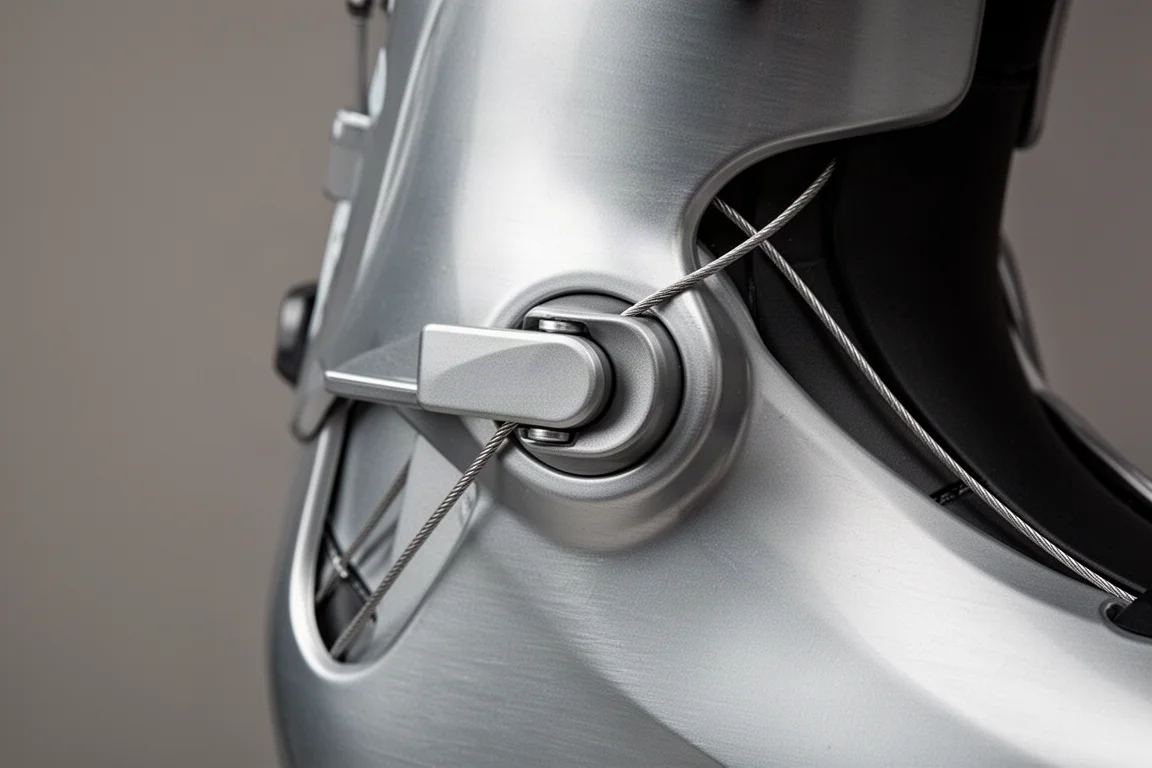
Gator Lock is a new cable closure system from Tecnoidea Sport, a company that has been making ski boot closure systems, ski-walk mechanisms, and buckles for around 50 years. The concept is deliberately simple: push to close, lift to open.
The numbers behind it are compelling. Each closing cycle recovers 1.5 cm of cable, so two or three pushes get the boot fully closed, and the company demonstrated the system lifting a 40-kilo load without issue. A cuff version carries 50 cm of cable inside with the same 1.5 cm per cycle, and a rear-mounted version uses two cables to recover 3 cm per cycle, with an auto-fit behavior similar to Boa where the second cable speeds up once the first stops closing.
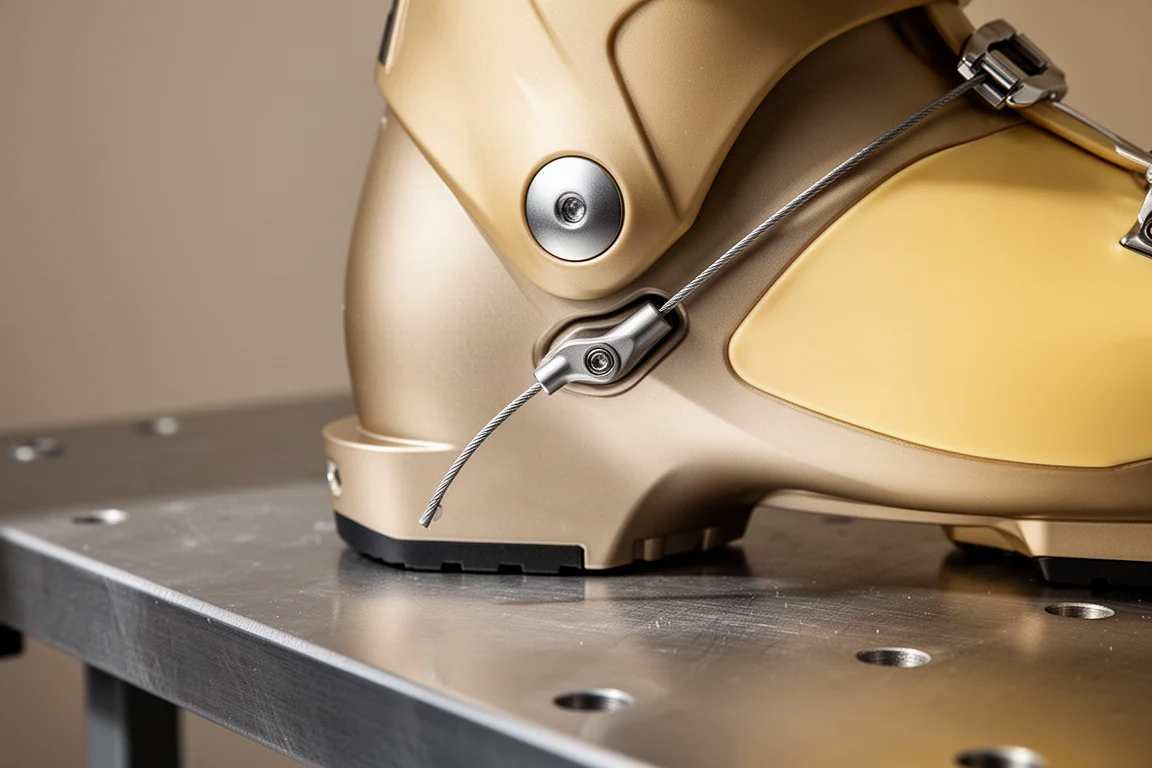
Gator Lock also addresses the two main complaints about Boa: the dial hardware is hidden at the boot joint instead of sticking out on the shell, and closing is a quick push rather than repeated twisting. A slider-based lock, operated with a small ski-walk-mechanism-style cable, prevents accidental release while skiing.
Buying Advice
If you are choosing a Boa boot today, prefer a single lower-shell dial over double configurations. The lower dial genuinely improves fit precision and comfort, while the upper dial mostly adds fuss. If your priority is reliability and a slim profile, conventional buckles remain the benchmark and are what the fastest skiers still use. And if you are intrigued by faster closing with less visible hardware, the Gator Lock cable system is the one to watch, combining push-to-close speed with hidden mechanics and strong pulling force.
Conclusion
Boa on the lower shell is a genuine improvement worth seeking out. Boa on the cuff is a solution looking for a problem. Buckles remain the reliable default, and Gator Lock is the credible newcomer that fixes Boa’s bulk and twisting without giving up the quick adjustability that made dial systems interesting in the first place.
Further reading
Related Reviews

Ski Boots
2027 Ski Boot Roundup: Six 130-Flex Boots Worth Knowing
Six 130-flex ski boots for 2027, plus a low-volume liner upgrade, compared on weight, fit, flex feel, and ease of use.

Ski Boots
Armada AR One Ski Boot Review: A Three-Piece Cabrio That Finally Gets It Right
Armada's first ski boot blends three-piece Cabrio design with Atomic engineering, a heat-moldable shell, and a 100mm last that fits better than any Cabrio before it.

Ski Boots
Armada AR1 Ski Boot Review: A Cabrio and Overlap Hybrid for Park and Freeride Skiers
Armada's first ski boot pairs a three-piece cabrio shell with overlap-style buckles and a cable-driven slingshot buckle. Here is where it shines, and what to weigh before buying.