Road and Gravel Bikes
Six Under-the-Radar Road and Gravel Bikes Worth Knowing in 2026
A roundup of six recently launched road, endurance and gravel bikes, from aero gravel speed to bespoke carbon and titanium all-season builds.
Introduction
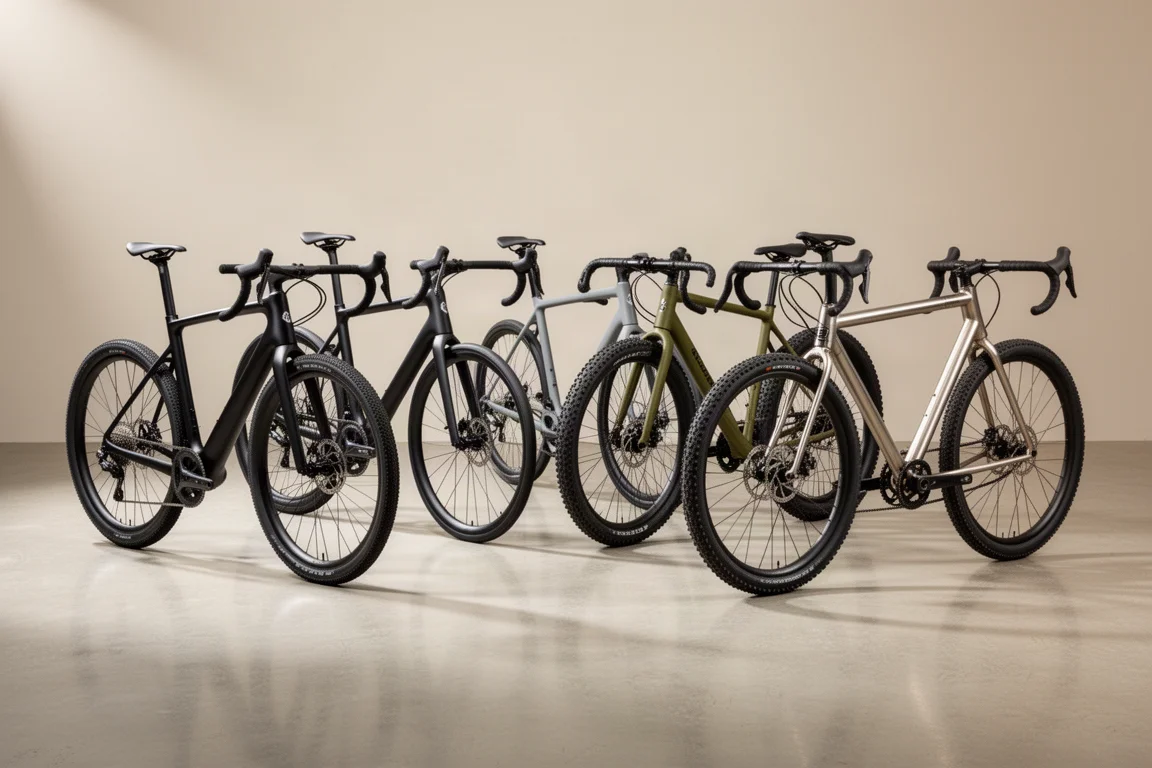
Not every interesting bike arrives with a launch campaign the whole industry notices. The past few months have produced a steady stream of new road, endurance and gravel machines that quietly deserve a closer look. This roundup covers six of them: the Factor Ostro Gravel, the 3T Strada ICR, the Look 765 Optimum, the Ridley Grifn Allroad, the Argonaut GR3 and the J.Laverack JACK Disc Titanium.
Each occupies a slightly different point on the spectrum between road speed and off-road capability, and each brings at least one design decision worth understanding before you decide whether it belongs in your garage. Rather than ranking them, the sections below explain what makes each bike distinct, who it suits, and where the trade-offs sit.
Factor Ostro Gravel: Aero Gravel Speed
If Chris Froome ever does take up gravel racing, this is the kind of bike he might ride. The Factor Ostro Gravel takes clear aerodynamic cues from Factor’s road range, with an aero profile carried across the down tube, seat tube, seat post and fork, plus fully internal cable routing that keeps the front end clean. It is a slippery-looking machine that should be fast in the right hands.
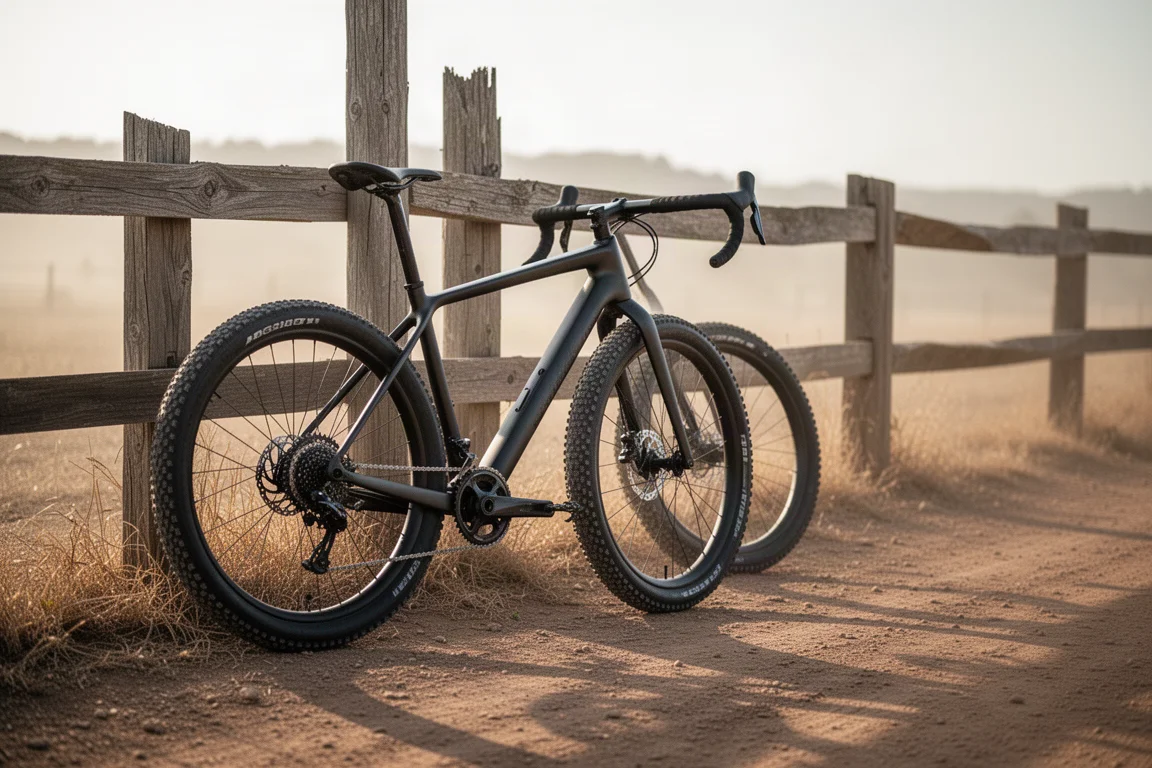
Away from racing, the Ostro Gravel still makes practical sense. Tire clearance runs up to 45mm, which opens up plenty of options for a wider, more comfortable tire when the surface turns rough. The frame is claimed at around 900g, so weight should not be what holds you back. The main caveat is cost: Factor bikes are not inexpensive, and pricing here sits firmly at the higher end.
3T Strada ICR: The Aero One-By Bike Grows Up
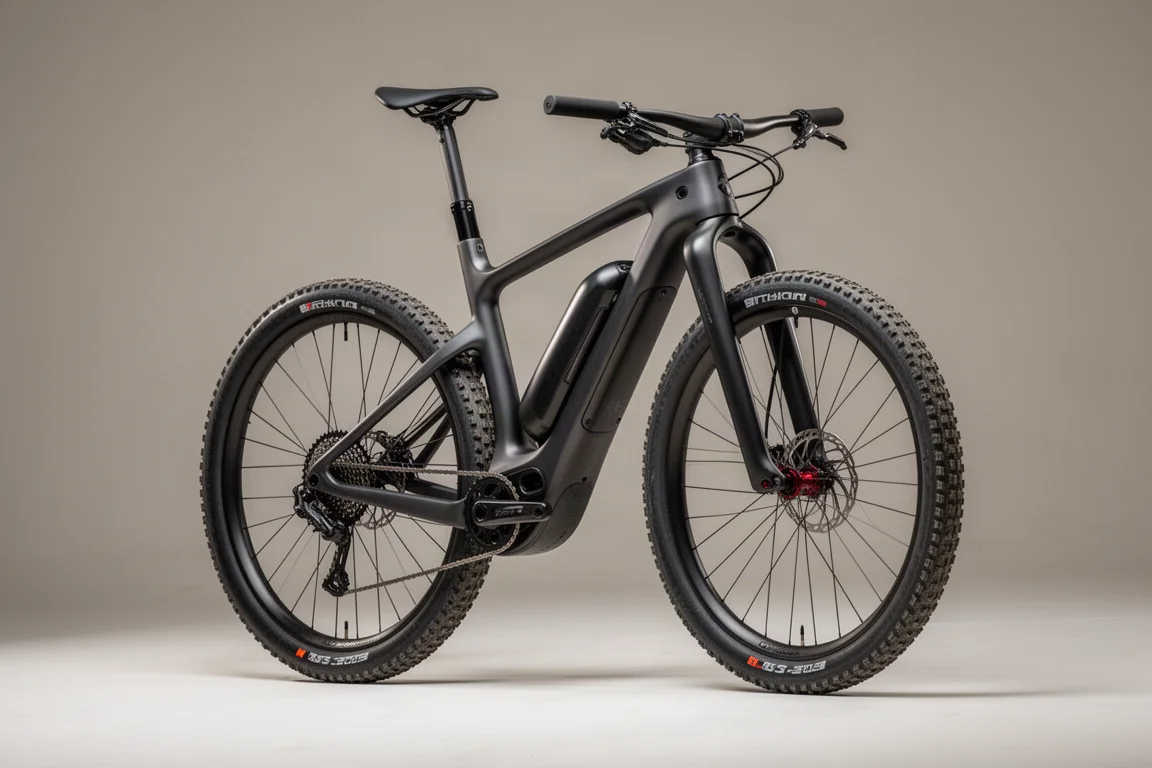
The original 3T Strada launched back in 2017 as an aero, wide-tire, one-by-only road bike, and it generated more than its share of debate. The new Strada ICR takes a different tone, positioned as a comfortable aero race bike rather than a vision of the future. Two changes stand out.
Cable routing has been reworked, so lines no longer run over the top of the stem and into the top tube. Instead they enter through a deeper head tube at the front of the bike, which produces very clean internal routing and a distinctive front-end look that some riders will love and others will not. Tire clearance has also grown from 28mm to 32mm, which now matches what many road race bikes offer.
The bike will be offered in both two-by and one-by builds. Press images favour the two-by version, which suggests 3T wants the conversation to centre on versatility rather than re-running the one-by argument that surrounded the original.
Look 765 Optimum: Endurance Comfort With Modern Standards
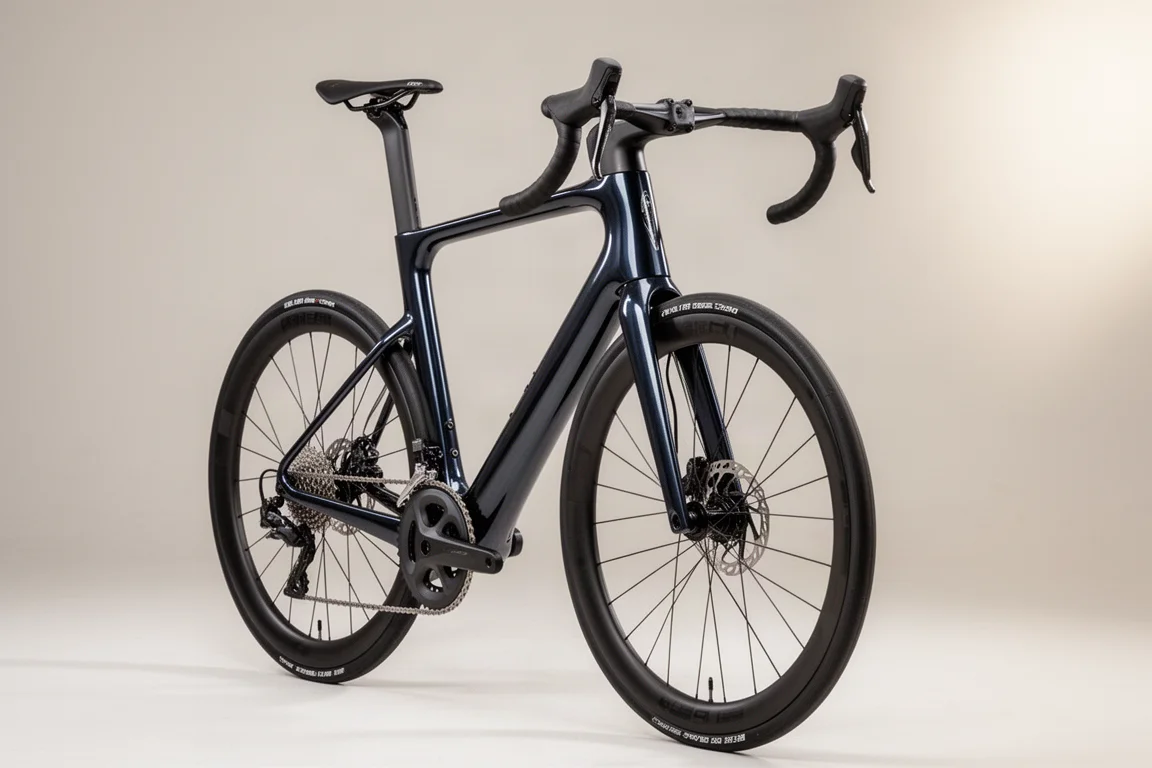
Endurance bikes remain the biggest and most popular category of road bike, and the appeal is easy to understand: comfort and speed in one package. The Look 765 Optimum is a recent launch that fits neatly into that space. It uses a T47 bottom bracket, a standard increasingly adopted across the industry, and it includes mudguard mounts, which makes it a practical choice for riders dealing with wet weather. There is room for 34mm tires, and the frame and fork are claimed at a lightweight 1,400g combined, with clean internal cable routing throughout.
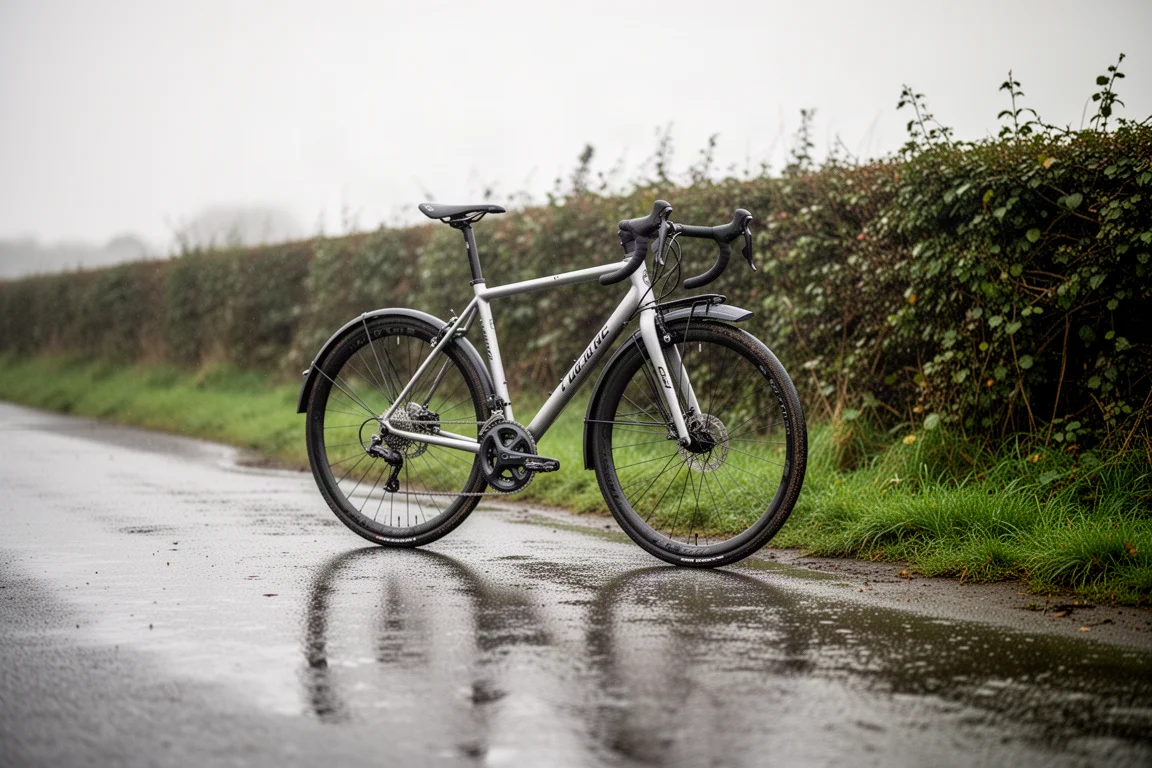
A more unusual detail is what Look calls 3D Wave Tech, a carbon fiber layup designed to dampen vibration and reduce the harsh, jittery feel that rough roads can produce. Look claims a 20 percent improvement over the previous bike, though the company has not detailed exactly how the technology works. Similar approaches have appeared before, with specialty materials built into a carbon layup to smooth the ride.
Ridley Grifn Allroad: Filling a Narrow Gap
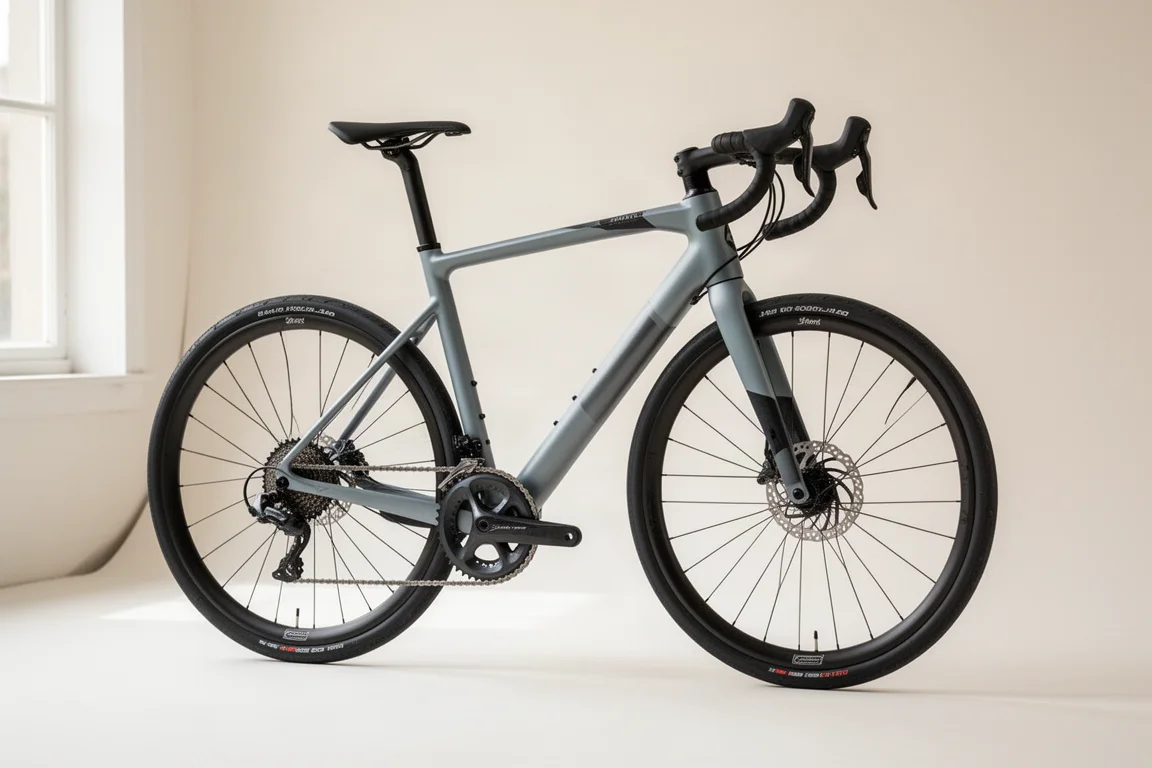
Ridley has a strong reputation for road and cyclocross bikes, and the new Grifn Allroad is intended to reignite interest in the brand after a period where awareness has ebbed. It is a racy bike that Ridley positions in the all-road category, a term that has actually been around for about a decade. It describes essentially a fat-tire road bike that can handle a bit of light gravel and dirt.
The Grifn makes its case with modest but tidy numbers: 38mm tire clearance, or 32mm once mudguards are fitted. For context, the J.Laverack JACK Disc Titanium, a traditional all-season road bike, offers the same 38mm without guards and 32mm with them. That overlap raises the obvious question of who an all-road bike is really for, particularly in markets where the riding between road and gravel is either muddy and rocky or simply potholed tarmac. In places where gravel roads are smooth enough to ride on a road bike, a 35 or 38mm slick could work well. It is a narrow gap, but Ridley deserves credit for trying something different.
Argonaut GR3: Mountain-Bike Geometry for Gravel
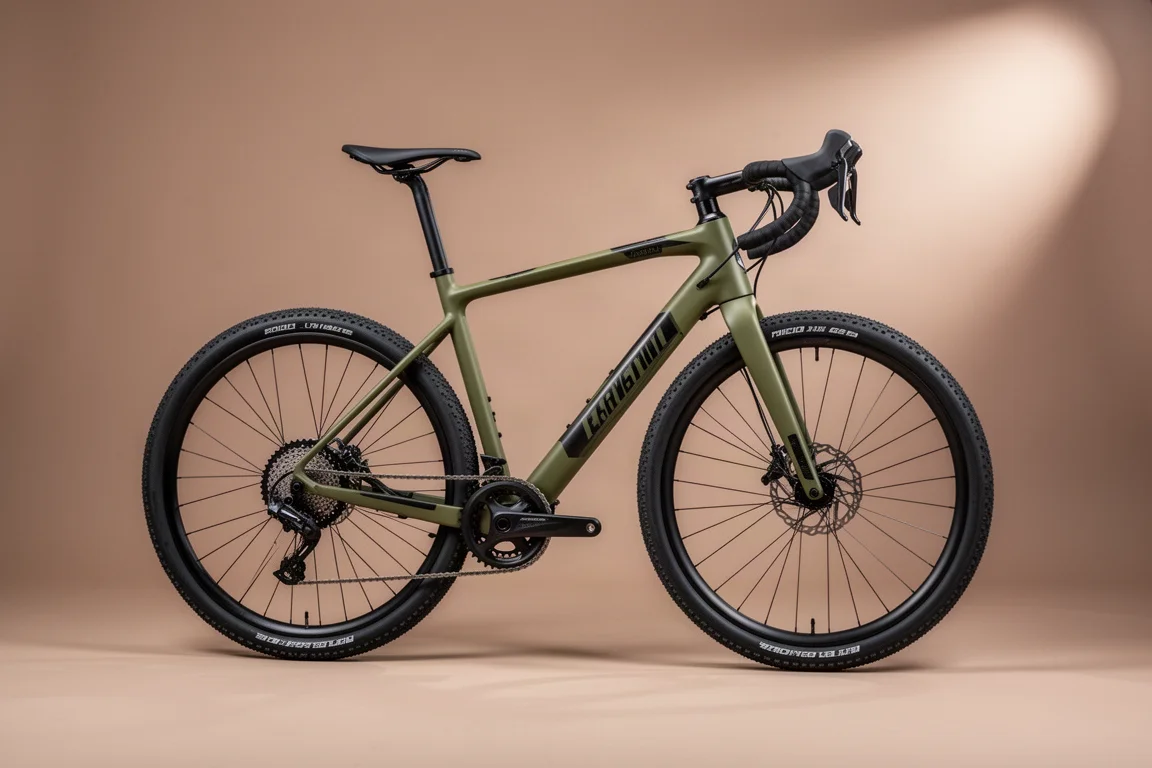
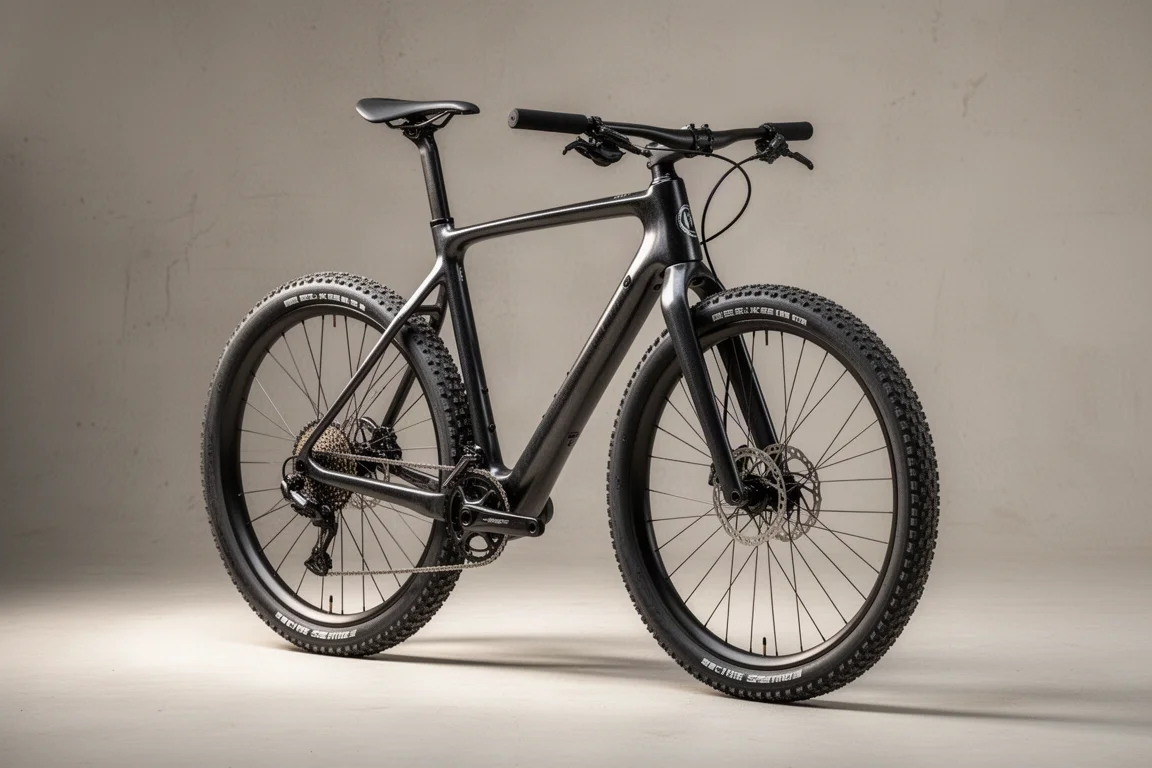
Argonaut is a small US brand that builds fully bespoke carbon fiber frames domestically, and the GR3 is its new gravel bike. The geometry is the headline: a slack 68.5 degree head angle, which is closer to what you would expect on a mountain bike than a road-oriented gravel bike, paired with short 415mm chainstays.
That combination is deliberate. The slack head angle should make the bike notably stable on descents, where gravel bikes with road-derived geometry can feel nervous and twitchy, while the short chainstays should keep it agile and responsive at lower speeds. Tire clearance goes up to 50mm, so there is room for a wide, comfortable setup. The GR3 also uses a T47 bottom bracket, which makes sense given that Argonaut worked with Chris King on developing that standard.
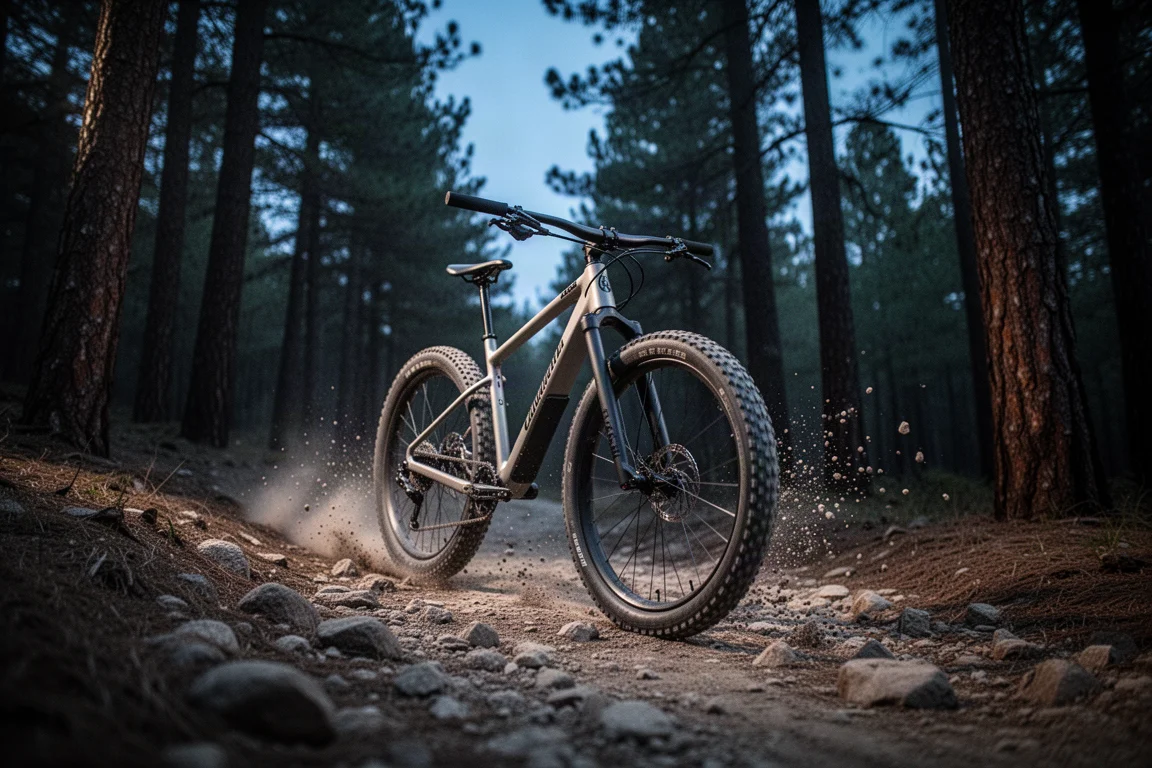
For riders who want a bespoke frame built around their own fit and are willing to accept a noticeable departure from road-style gravel handling, the GR3 is a genuinely interesting option.
J.Laverack JACK Disc Titanium: The All-Season Reference Point
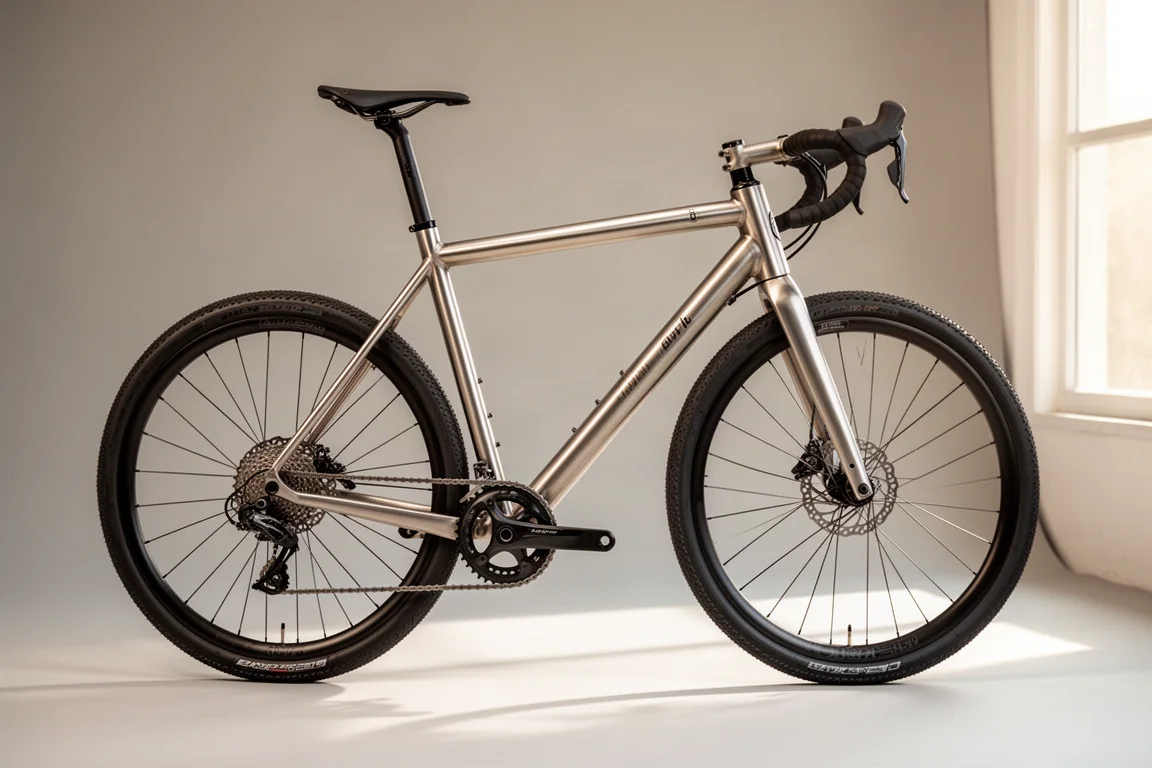
The J.Laverack JACK Disc Titanium is a titanium all-season road bike, and it is a useful benchmark when judging the new all-road designs above. It accepts a 38mm tire without mudguards, or 32mm with them fitted. In other words, a traditional road bike can run the same rubber as a bike marketed as all-road, which is worth keeping in mind if you are trying to work out where the real differences lie.
For riders who want one bike to handle year-round road miles with room for a wider tire when conditions demand it, this is a straightforward and proven approach.
Which Bike Suits You Best?
The right choice depends on where you actually ride. The Factor Ostro Gravel suits riders who want aero speed with genuine off-road tire clearance and do not mind paying for it. The 3T Strada ICR is for road riders who want an aero platform with modern 32mm tire clearance and the flexibility of one-by or two-by. The Look 765 Optimum is the endurance pick for long days and mixed weather, helped by mudguard mounts.
The Ridley Grifn Allroad sits between road and gravel, best suited to smooth dirt and light gravel. The Argonaut GR3 is for confident descenders who want stable handling and wide 50mm tires. The J.Laverack JACK Disc Titanium is for riders who want a titanium all-season road bike with sensible tire options.
Fit matters more than any single specification. Frame geometry, tire clearance and the kind of surface you ride most often will determine whether a bike feels right, so treat the numbers here as a starting point rather than a verdict.
Conclusion
None of these six bikes is trying to be everything. Each makes a specific trade-off between speed, comfort and off-road capability, and each one’s compromises are clear enough to judge against your own riding. If a bike here matches the surface you spend most of your time on, it is worth looking more closely.
Further reading
Related Reviews
Road and Gravel Bikes
Pinarello Dogma F vs Dogma GR: Road Bike, Gravel Bike, or One Bike for Both?
A practical look at how a pro-level road bike and a performance gravel bike differ in tire clearance, geometry, weight, and running costs, and how to decide between one bike and two.
Road and Gravel Bikes
Road and Gravel Bikes to Watch: 12 Models Worth Knowing
A practical roundup of twelve road, gravel and endurance bikes that stand out for their construction, geometry, value or engineering approach.
Road and Gravel Bikes
Standout Road and Gravel Bikes: 10 Bikes Worth a Closer Look
Ten road and gravel bikes that stood out over a year of riding, from a 585 g carbon climbing frame to a £1,000 all-road build and a custom steel road bike.