Road and Gravel Bikes
Pinarello Dogma F vs Dogma GR: Road Bike, Gravel Bike, or One Bike for Both?
A practical look at how a pro-level road bike and a performance gravel bike differ in tire clearance, geometry, weight, and running costs, and how to decide between one bike and two.
Introduction
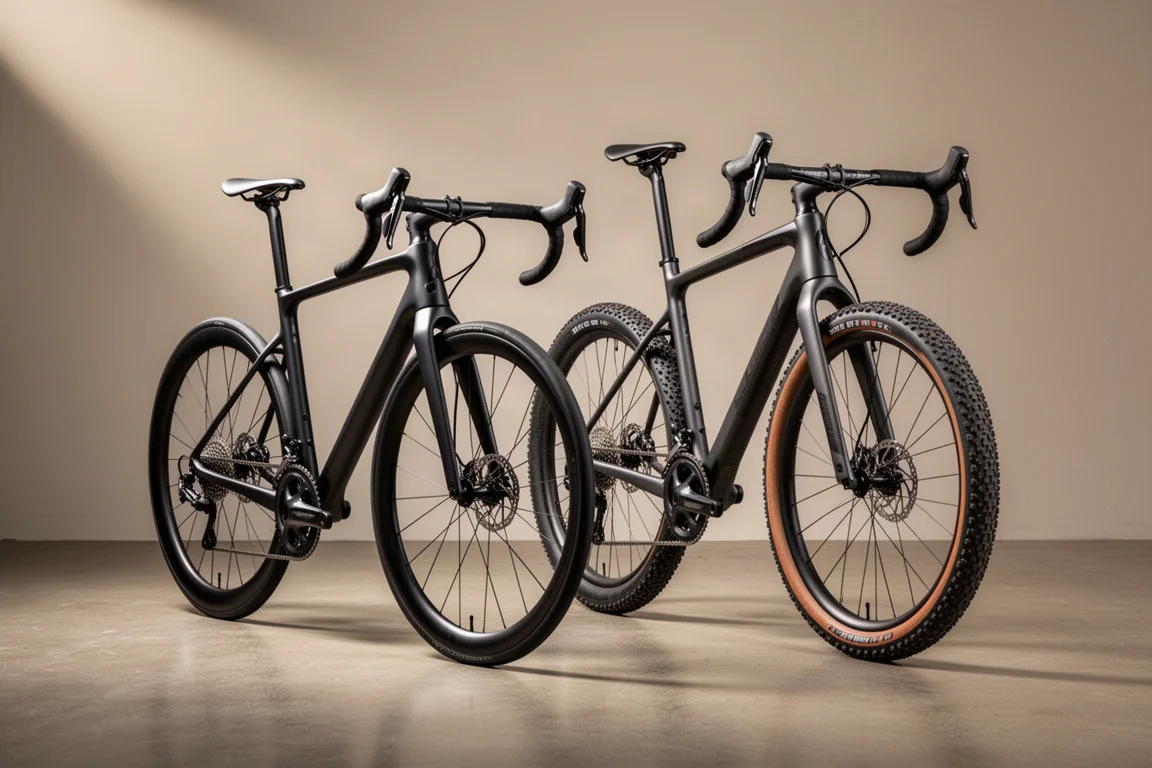
Can a gravel bike work as your only bike if you ride both on and off road? Technically, any bike can be your only bike. The more useful question is what you give up when a single bike has to cover two very different jobs. Placing a pro-level road bike next to a performance gravel bike makes those trade-offs visible: tire clearance, geometry, weight, and the practical cost of switching between road and off-road setups.
This guide works through those differences in real-world terms, using two Pinarello models as reference points. The Dogma F is a pro-level road bike, and the Dogma GR is a gravel bike built for the same performance-minded rider. Both are designed and optimized for racing, or simply for riders who care about performance.
What Sets a Road Bike and a Gravel Bike Apart
The two bikes look similar at a glance, but the differences start with tire clearance. The gravel model accepts a 45mm tire at the front and a 42mm tire at the rear. The road model fits around a 30mm tire. Manufacturer recommendations usually leave a little extra room, but the gap between the two categories is wide.
Geometry follows clearance. The front end of a gravel bike is taller and slacker, and the wheelbase is considerably longer. That brings more comfort, compliance, and control on rough gravel. The longer wheelbase is essentially fixed on a gravel bike because clearance for chunky tires drives it, and the rest of the geometry is shaped around that number.
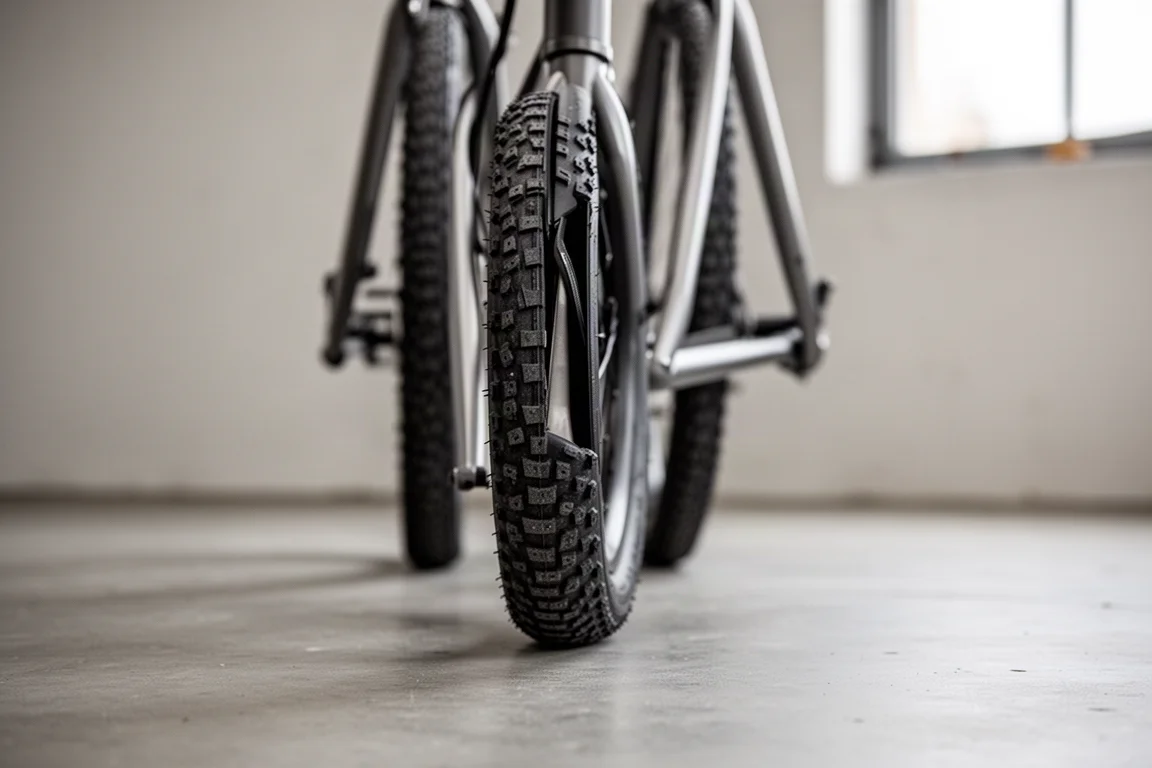
Weight is the other headline difference. The frames here are separated by about 105 grams of claimed difference, with the road bike lighter. The gravel frame carries more material and reinforcement in certain areas so it can handle rougher surfaces and wider tires. Character differs too: a road bike is designed to rail on tarmac, while a gravel bike is tuned for stability on rougher ground, with a more upright position than an aggressive road setup.
Pinarello Dogma F: The Road Racing Option
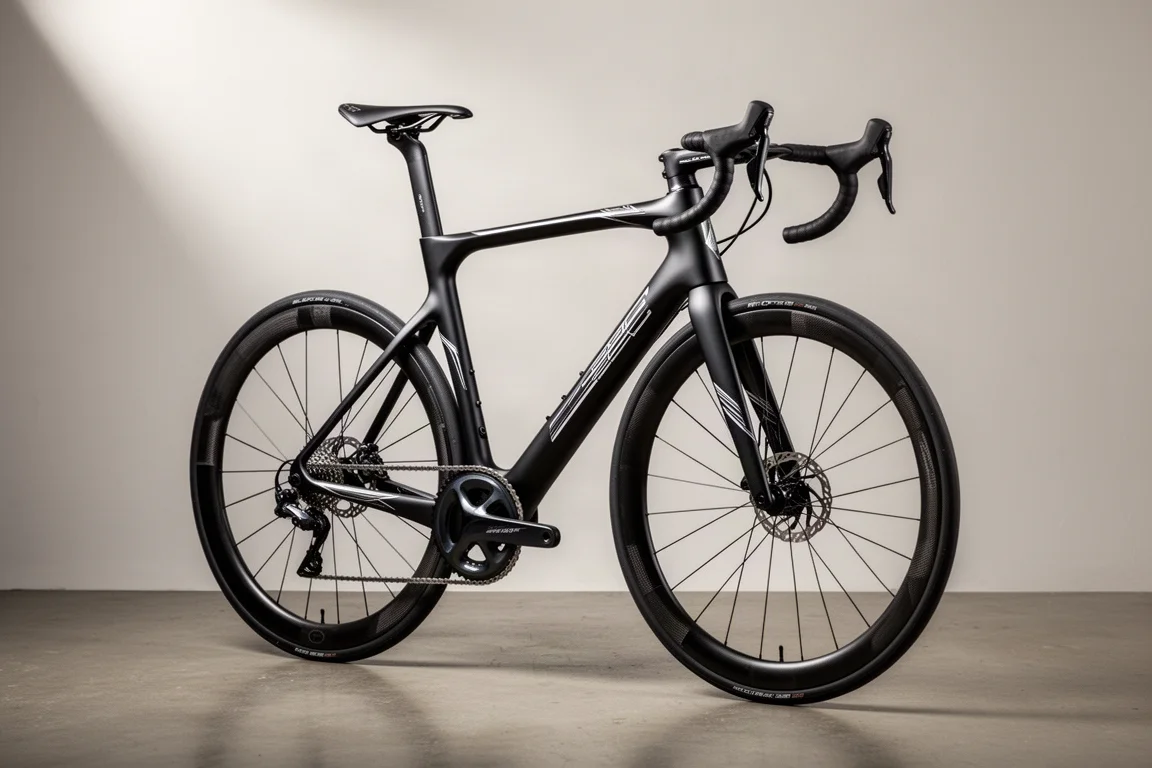
The Dogma F is a pro-level road bike that has been refined over several generations and optimized for road racing at the highest level. Its frame is the lighter of the two here, and its geometry is built around a fast, aggressive riding position. With clearance for roughly a 30mm tire, it is happiest on smooth tarmac where sharp handling and low weight matter most.
For riders who race, chase personal bests, or ride mostly well-surfaced roads, that focus is the point. The trade-off is that the same design leaves less room for comfort and control when the surface turns rough or loose.
Pinarello Dogma GR: The Gravel Option
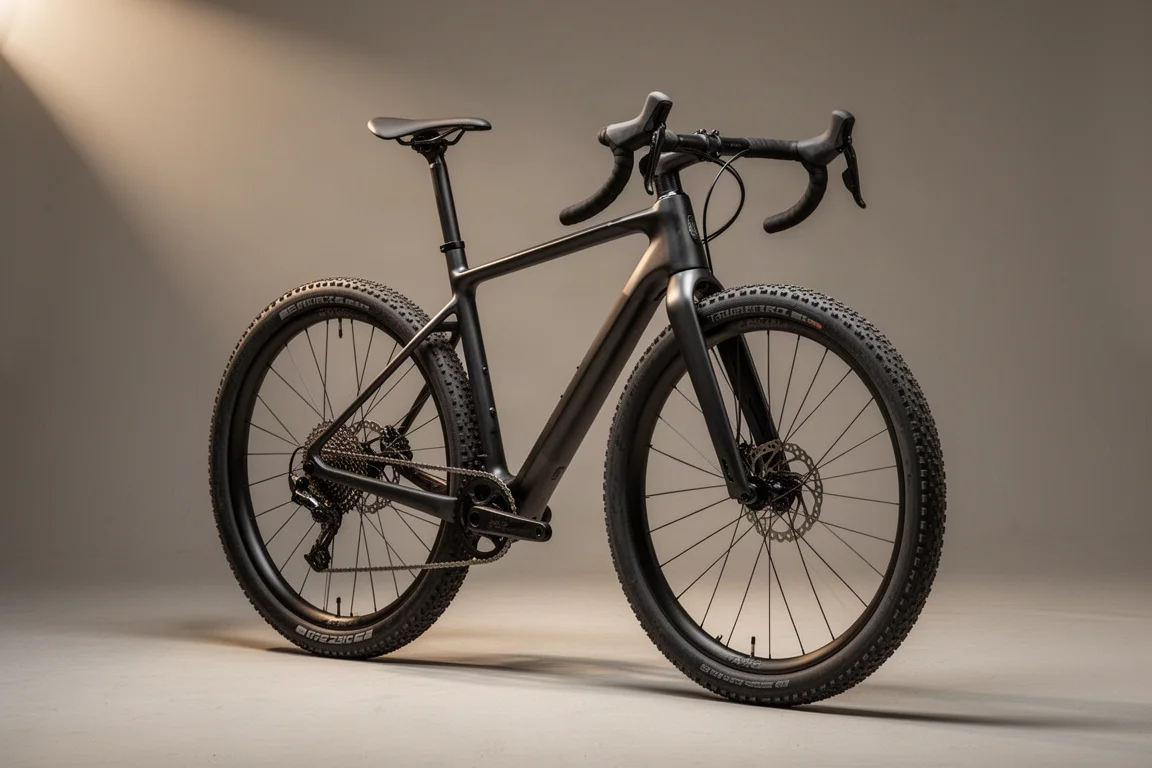
The Dogma GR takes the same performance intent and applies it to rougher surfaces. Front clearance runs to 45mm and rear clearance to 42mm, the front end sits taller and slacker, and the wheelbase is longer, all of which adds stability and compliance when the road surface deteriorates. A top-spec build of this bike is claimed at 7.35kg, which is lighter than plenty of road bikes.
That combination is why a gravel bike feels so capable on broken back lanes. It turns rough tarmac into something that feels smoother, and it still responds well when you push it.
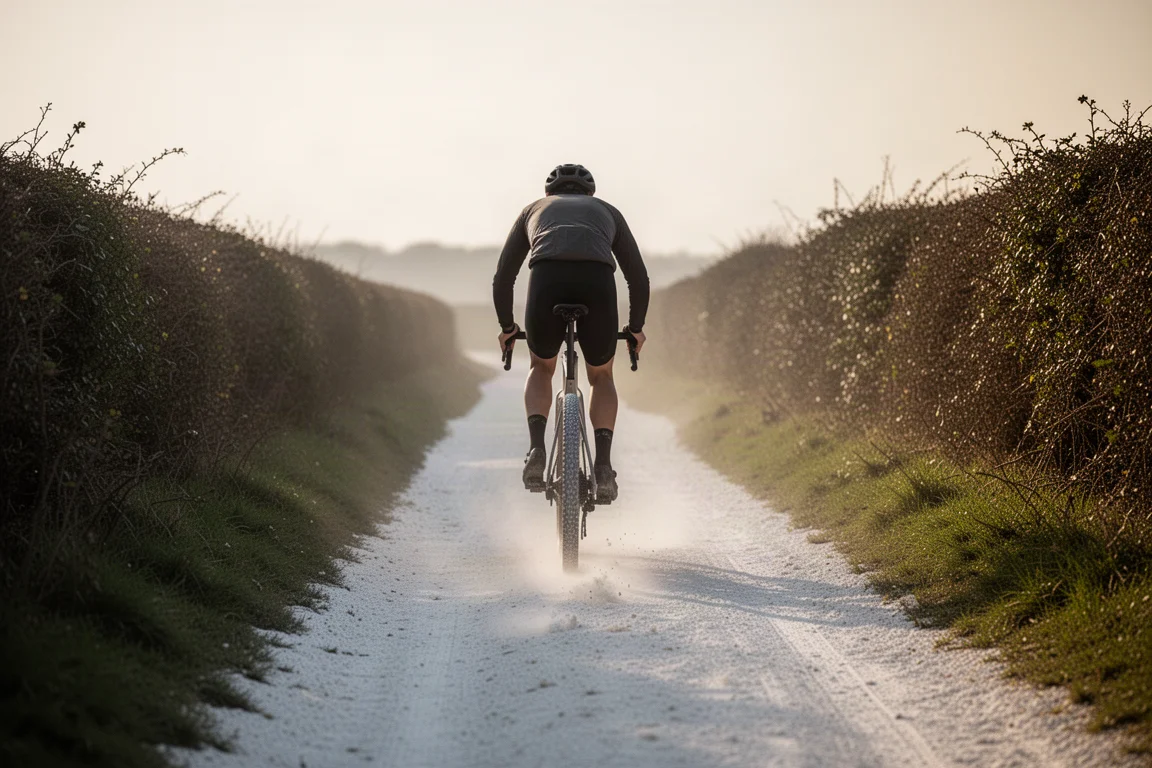
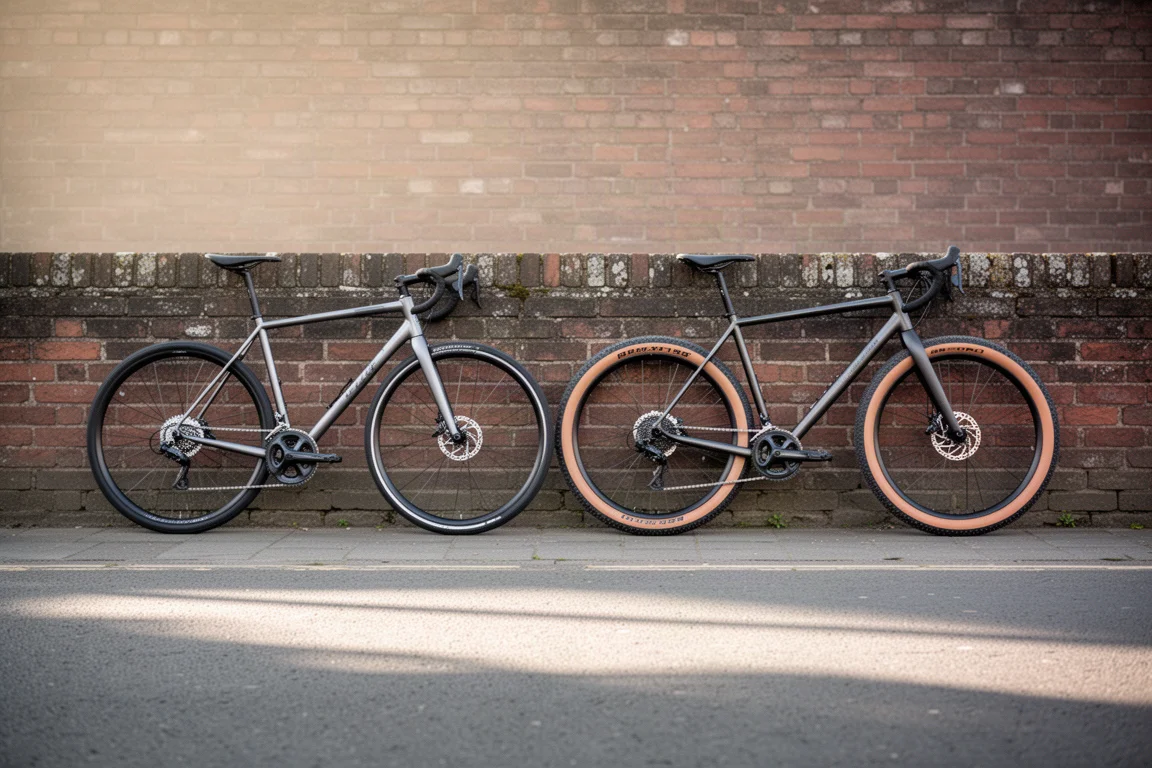
One practical point worth knowing before you commit: a gravel bike with road wheels and tires does not always look like a road bike. On a frame like this one, where clearance is moderate, the gaps between frame and tire stay tight and the bike still reads as a road machine. On adventure-focused gravel frames with much larger clearance, the same swap looks noticeably different. Since most riders buy the bike whose look they like, that is worth factoring in.
Real-World Differences: Weight, Speed, and Comfort
Weight gets more attention than it deserves. On this pair, the complete bikes differ by roughly a kilogram, though that gap varies with spec and brand. As a reference point, adding one kilogram to an hour-long climb for a rider at 85kg system weight producing 250W works out to roughly 30 seconds slower. Tire choice has a far bigger effect on how the bike performs than that kilogram does.
Speed differences on descents are also smaller than expected. Comparing the gravel bike with a pro-level road bike on a no-pedaling descent, there was not much between them. Against a less race-focused gravel bike, the gap would grow, which is why the comparison matters.
Comfort is where the gravel bike clearly wins. On rough, poorly surfaced roads, the extra stability and control make the ride more enjoyable, whether the bike is wearing gravel tires or road tires.
Practicalities: Tires, Wheelsets, and Switching Costs
The first thing to accept with a one-bike setup is that no single tire is excellent on both surfaces. All-road tires cover both road and off-road riding, but they do not deliver top performance in either. From there, the choice is between swapping tires and running a second set of wheels.
Tire swaps are manageable if you only change over once or twice a year, for example between summer and winter. If you mix road and off-road riding regularly, the job becomes tedious quickly. Tubeless setups, which many gravel riders prefer, make it harder still.
A second wheelset is the cleaner solution. Changing a wheelset takes well under five minutes, and you can keep one set built for gravel and one for road. The catch is cost. A carbon wheelset runs to at least around £1,000 even with careful shopping. Add tires at roughly £50 each, rotors at around £30 each, and a cassette. A typical cassette sits around £70 to £80, but a top-spec cassette can approach £500, which is half the price of the wheels themselves.
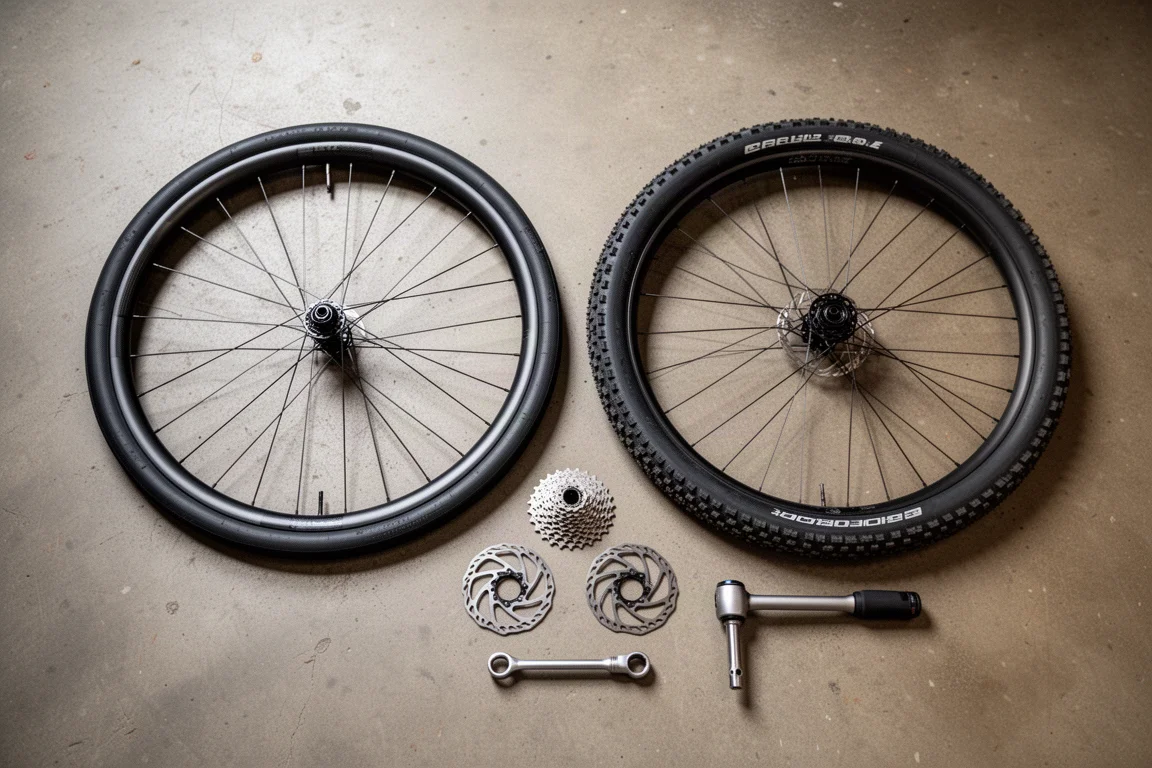
There are smaller frustrations too. Unless both wheelsets use identical hubs, rotors, and cassettes, you can run into brake rub and imperfect gear indexing, which means more time spent adjusting the bike after a swap. On a top-spec build, duplicating components becomes a meaningful extra cost.
Running Costs and Budget Scenarios
Budget shapes the decision more than anything else. Consider a £6,000 budget for a high-spec bike. One route is a single bike at around £5,000 plus roughly £1,000 for a second wheelset, which keeps bike quality high but spreads the money across two setups. The other route is two bikes at around £3,000 each, which means accepting a lower specification on both.
Groupset specification also matters when you plan to duplicate components, because a high-end cassette and drivetrain parts make the second setup more expensive. Riders who want a fast bike and a capable gravel bike often find that the single-bike route keeps more of the performance they care about.
How to Decide: Buying Advice
The decision comes down to how you ride. If you race on the road, or if challenging group rides on tarmac are a regular part of your week, two dedicated bikes remain the better answer. A gravel bike can keep up on a descent more closely than you might expect, but against a race-focused road bike the difference in feel and position is real, and a less racy gravel bike will lose more ground.
If you want one bike that handles both surfaces, a performance gravel bike with a second wheelset is a workable and popular compromise. You accept that it will not be the fastest option in either discipline, but you gain one bike, one fit, one maintenance schedule, and a setup that handles rough roads confidently.
Whichever route you take, be honest about how often you will actually switch setups. Riders who mix surfaces several times a week tend to end up with two bikes or two wheelsets regardless of what they planned at the start.
Conclusion
A gravel bike can be your only bike, and a performance model like the Dogma GR makes a strong case for it, especially if your local roads are rough and your riding is varied. The Dogma F still does what a dedicated road bike does best: an aggressive position, a lighter frame, and handling tuned for smooth tarmac. The right answer depends less on the bikes themselves and more on how often you ride each surface, and how much you are willing to spend to avoid compromise.
Further reading
Related Reviews
Road and Gravel Bikes
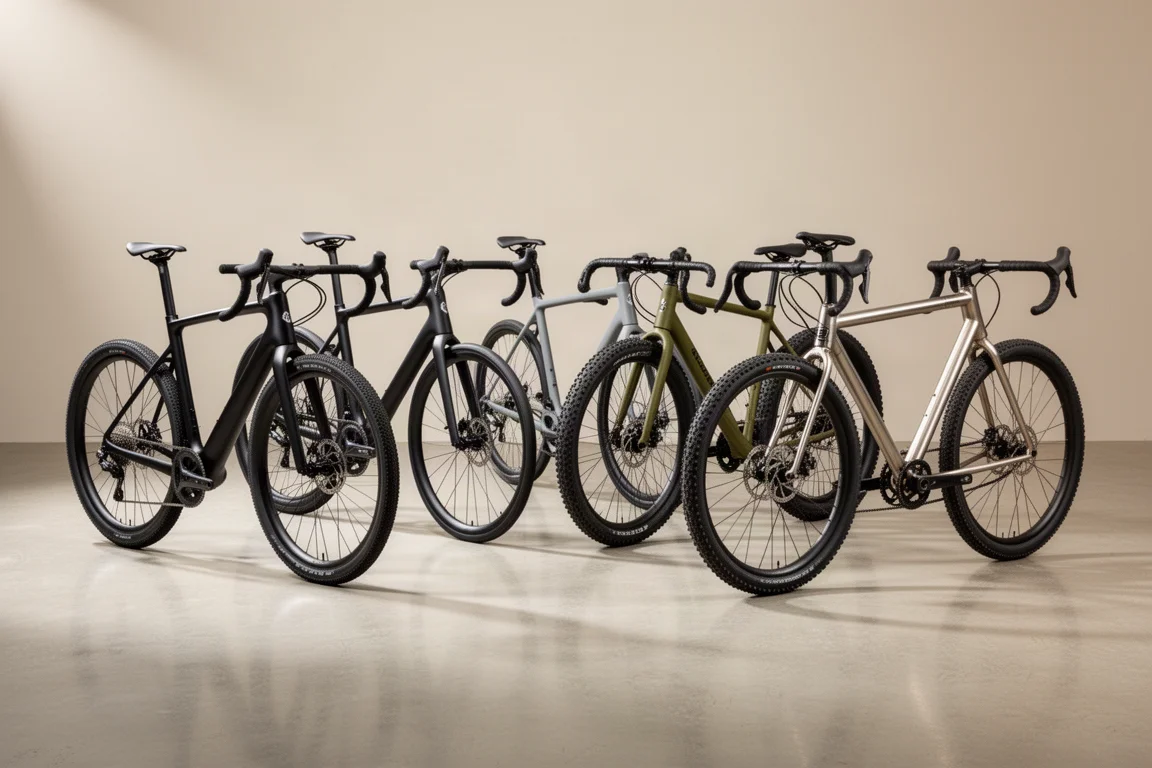
Road and Gravel Bikes to Watch: 12 Models Worth Knowing
A practical roundup of twelve road, gravel and endurance bikes that stand out for their construction, geometry, value or engineering approach.
Road and Gravel Bikes
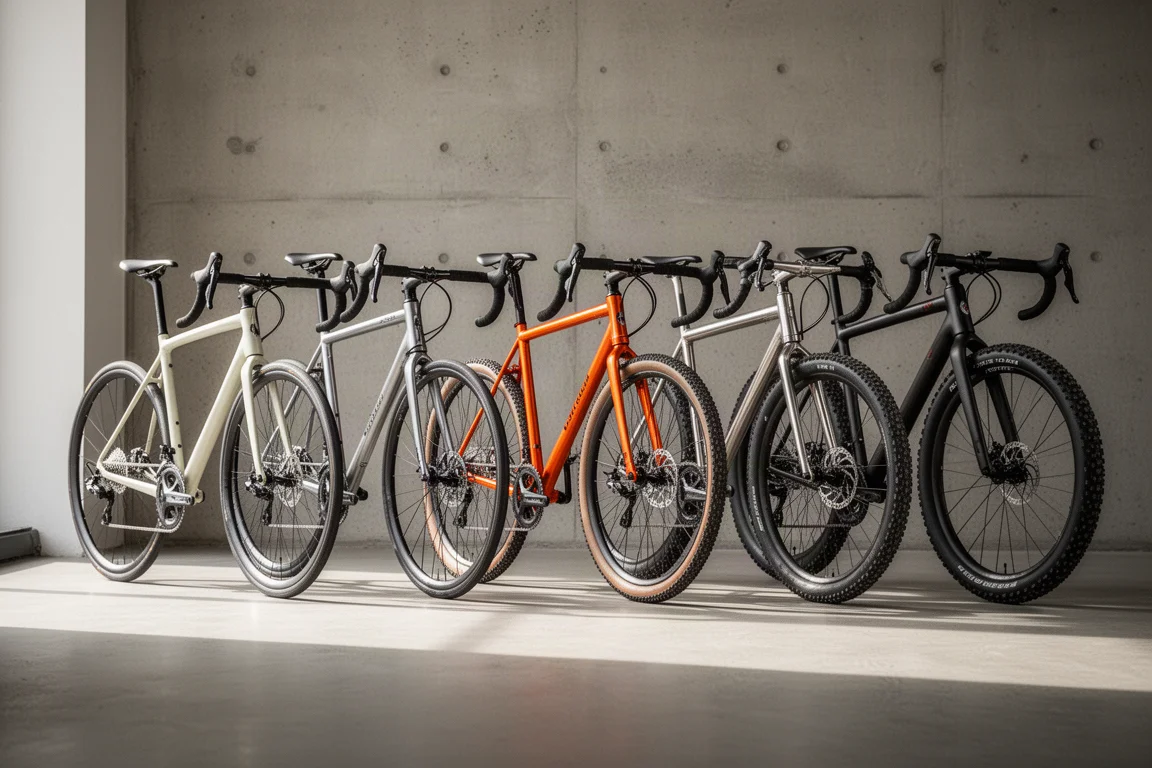
Six Under-the-Radar Road and Gravel Bikes Worth Knowing in 2026
A roundup of six recently launched road, endurance and gravel bikes, from aero gravel speed to bespoke carbon and titanium all-season builds.
Road and Gravel Bikes
Standout Road and Gravel Bikes: 10 Bikes Worth a Closer Look
Ten road and gravel bikes that stood out over a year of riding, from a 585 g carbon climbing frame to a £1,000 all-road build and a custom steel road bike.