Road and Gravel Bikes
Road and Gravel Bikes to Watch: 12 Models Worth Knowing
A practical roundup of twelve road, gravel and endurance bikes that stand out for their construction, geometry, value or engineering approach.
Introduction
Road and gravel bikes have been converging for a while, and the models worth paying attention to right now sit on both sides of that line. Some are pure aero race machines built for the sharp end of a fast group. Others borrow mountain bike thinking, titanium craft, or suspension ideas to solve problems that a standard carbon frame does not address.
This roundup collects twelve bikes that stand out for specific reasons: a distinctive construction method, an unusual design decision, a value proposition that undercuts established names, or a geometry philosophy that changes how the bike behaves on the road. Not every one will suit every rider, and that is the point. What follows is a practical look at what each bike does differently and who it tends to make sense for.
Van Rysel RCR: Aero Race Bike With Pro Ambitions
The Van Rysel RCR is the French brand’s aero race platform, and a WorldTour team sponsorship has put the name in front of a far larger audience. The frame was developed in collaboration with a French aerospace laboratory and a university, an unusual pairing for a bike in this category and one that suggests the tube shapes were not chosen by eye alone.
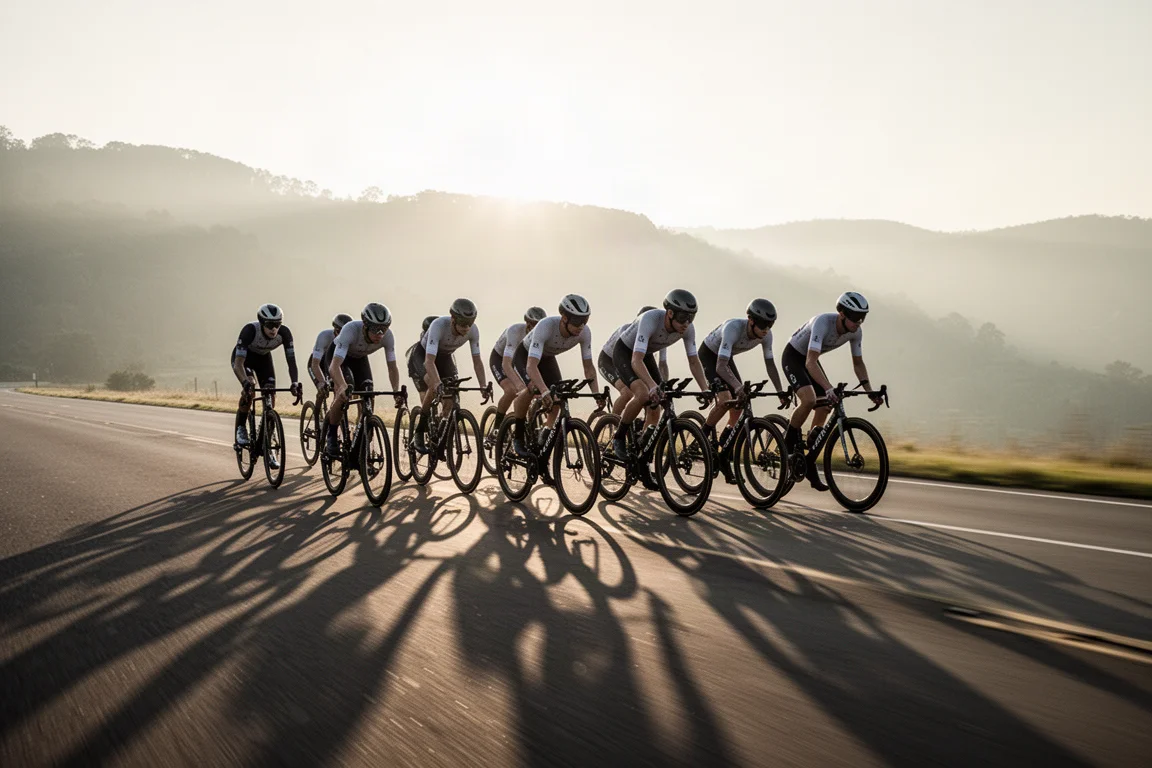
Pricing starts at about £4,000 for a build with SRAM Rival. The brand’s positioning is straightforward: comparable specification for less money than several larger, more established names charge. For riders who want race geometry and aero tube profiles without paying flagship money, that gap is the entire argument.
Time ADHX: Handmade Carbon Gravel
Time is a French company that still builds its frames in house, using a carbon process that differs from the conventional layup-and-mould approach most brands rely on. The ADHX 45 is the brand’s first fully fledged gravel bike, which makes it a genuinely new direction rather than a tweak of an existing platform.
Riders who care about how a frame is made, and who want to know whether an alternative construction method translates into a different ride, will find this one interesting. It sits well away from the mainstream gravel options, and that is exactly what makes it worth a closer look.
Santa Cruz Stigmata: Mountain Bike Thinking for Gravel
The Stigmata reads like a list of maintenance-friendly decisions. There is clearance for 50 mm tyres, which puts it among the most generous bikes in the category. Cables and hoses run externally, and the headset is conventional, so replacing bearings is a straightforward job rather than a workshop project.
There is also a threaded bottom bracket, a SRAM UDH rear dropout that is compatible with SRAM’s newer drivetrains, and a round seatpost. The head tube is shorter than before, which means a suspension fork can be fitted without upsetting the geometry. That is a deliberate nod to mountain bike influence, and it is the thread running through the whole design.
Bianchi Impulso: A Fast Gravel Racer
Bianchi’s Impulso is an aero gravel race bike, and the frame reads like a road bike with extra clearance. The head tube and seat tube junctions are aero optimised, and the silhouette looks built for speed on loose surfaces rather than comfort on a long tour.
Internal routing is standard, though the one-piece carbon handlebar and stem appears only on the top-end build. The geometry follows current gravel racing thinking: a longer reach paired with a shorter stem. Tyre clearance sits at 42 mm, which is enough for racing without being the most generous in the class, and the claimed weight of the top build is 8.1 kg.
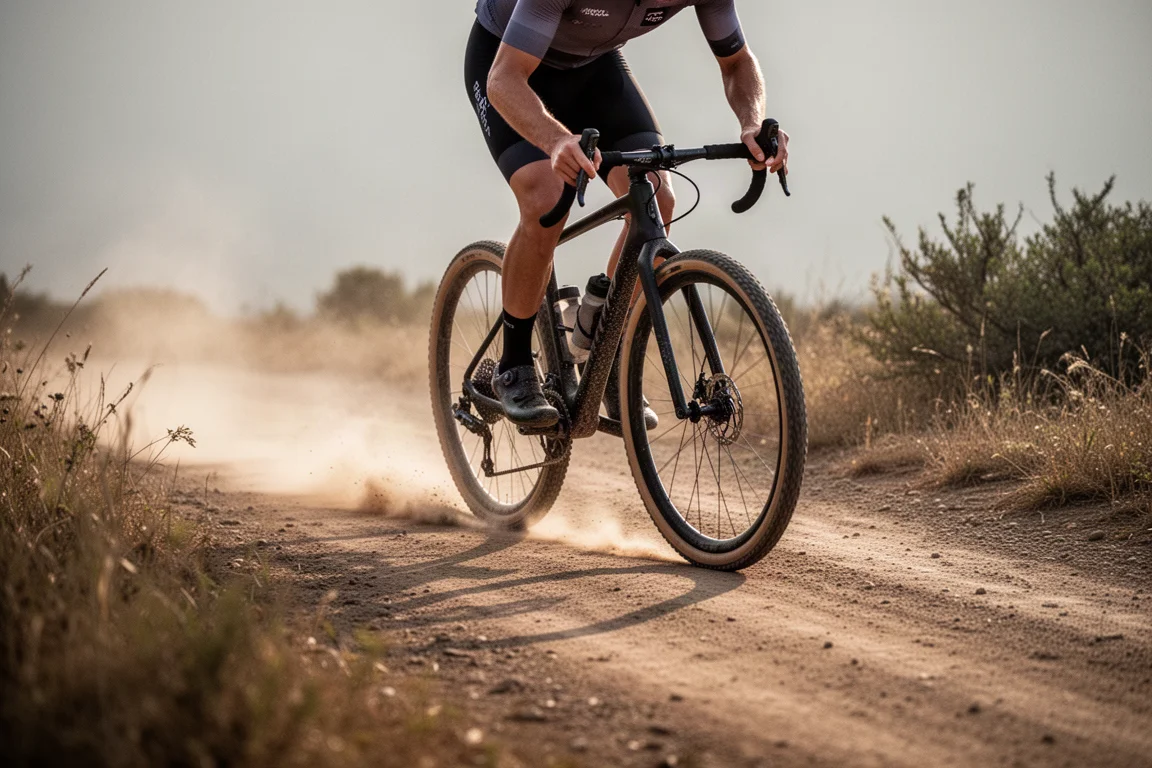
That weight figure is light for a gravel race bike and roughly in line with many road bikes. For riders whose gravel riding looks more like a fast race than a loaded adventure, the Impulso’s priorities line up well.
Orbea Orca: A Return to Lightweight Climbing
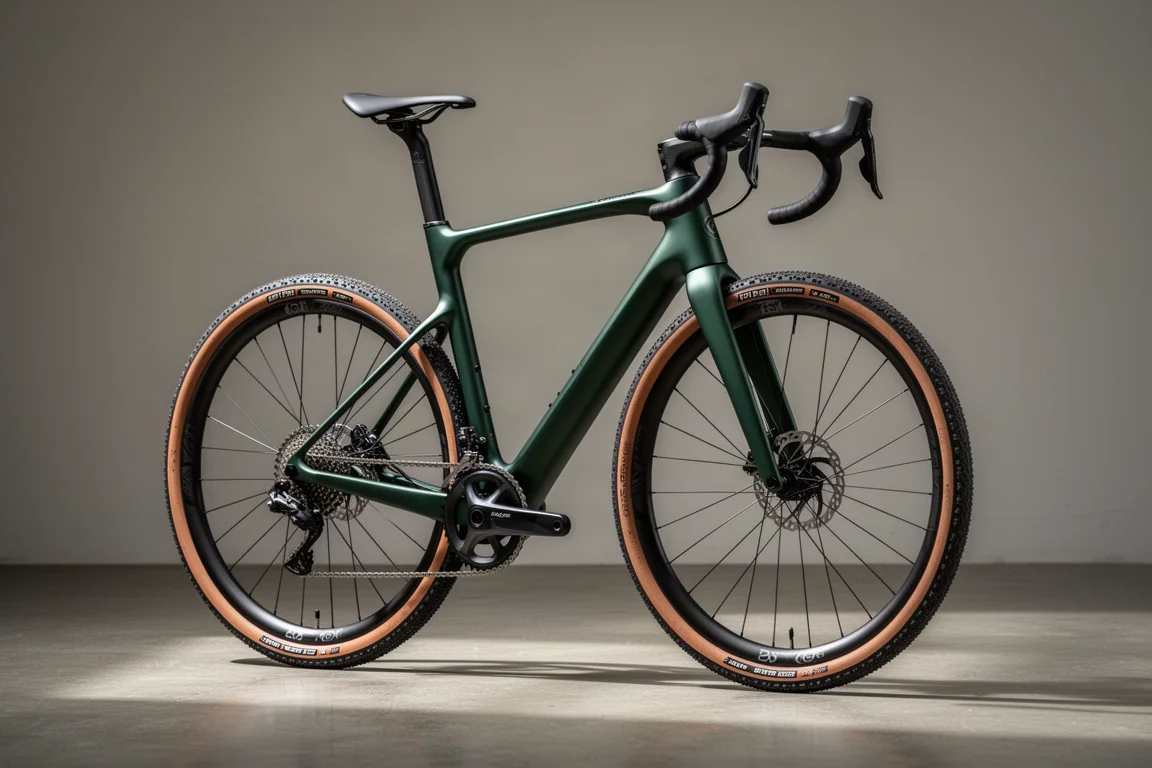
The Orca has been Orbea’s flagship road bike for a long time, and it has changed direction more than once. It began as a lightweight bike, became an aero all-rounder, and has now swung back toward pure climbing performance, with many of the aero features removed.
The claimed frame weight is 750 g, and a top-end build is claimed at around 6.6 kg. That is a clear statement of intent. The trade-off is equally clear: less aero assistance on flat and rolling terrain. Riders who measure a bike by how it feels on a long climb will understand the reasoning immediately.
BMC Teammachine R: Formula 1 Aerodynamics
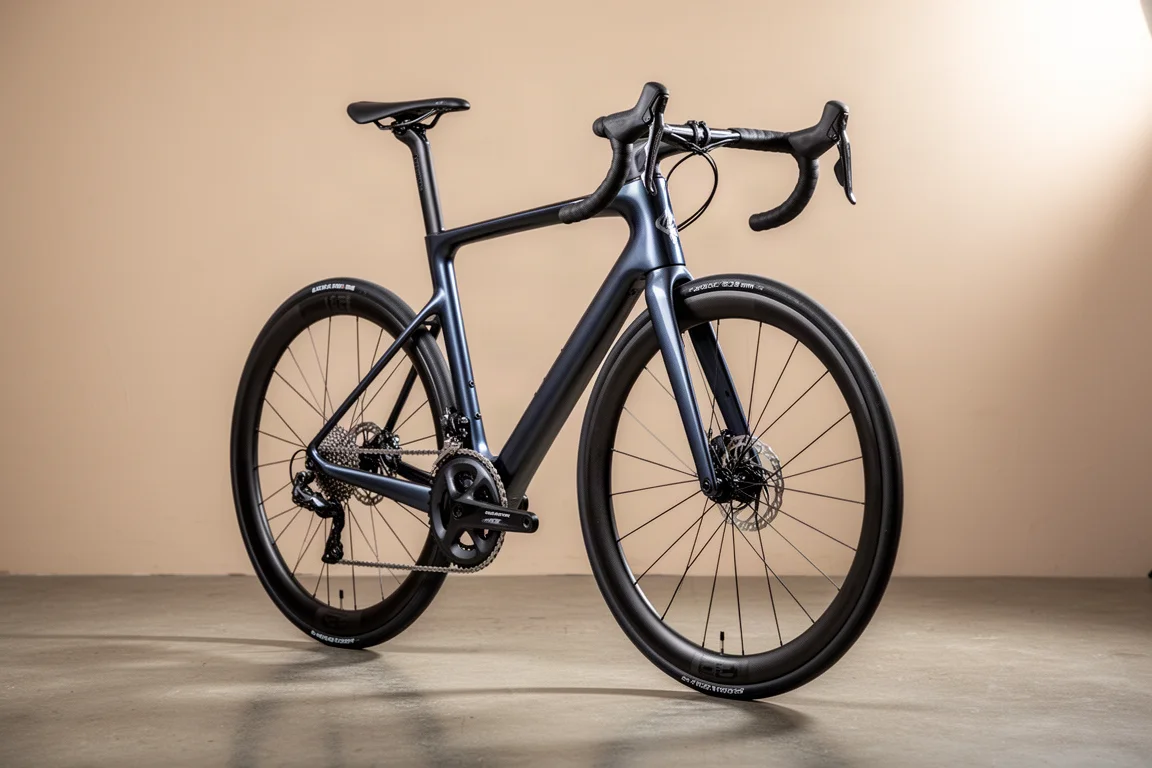
BMC developed the Teammachine R with Red Bull’s Formula 1 team, and the result is a bike with visible engineering decisions rather than subtle ones. The fork uses a design intended to improve airflow between the fork and the front wheel, and the down tube is deep and wide.
The bottom bracket junction is unusually large, while the top tube stays slender. Those contrasts give the bike its shape, and they reflect a deliberate focus on aerodynamic efficiency above all else. The top-end build is expensive, which makes a mid-range option the more realistic way in for most riders.
Focus Izalco Max: Aero Efficiency With Fit Flexibility
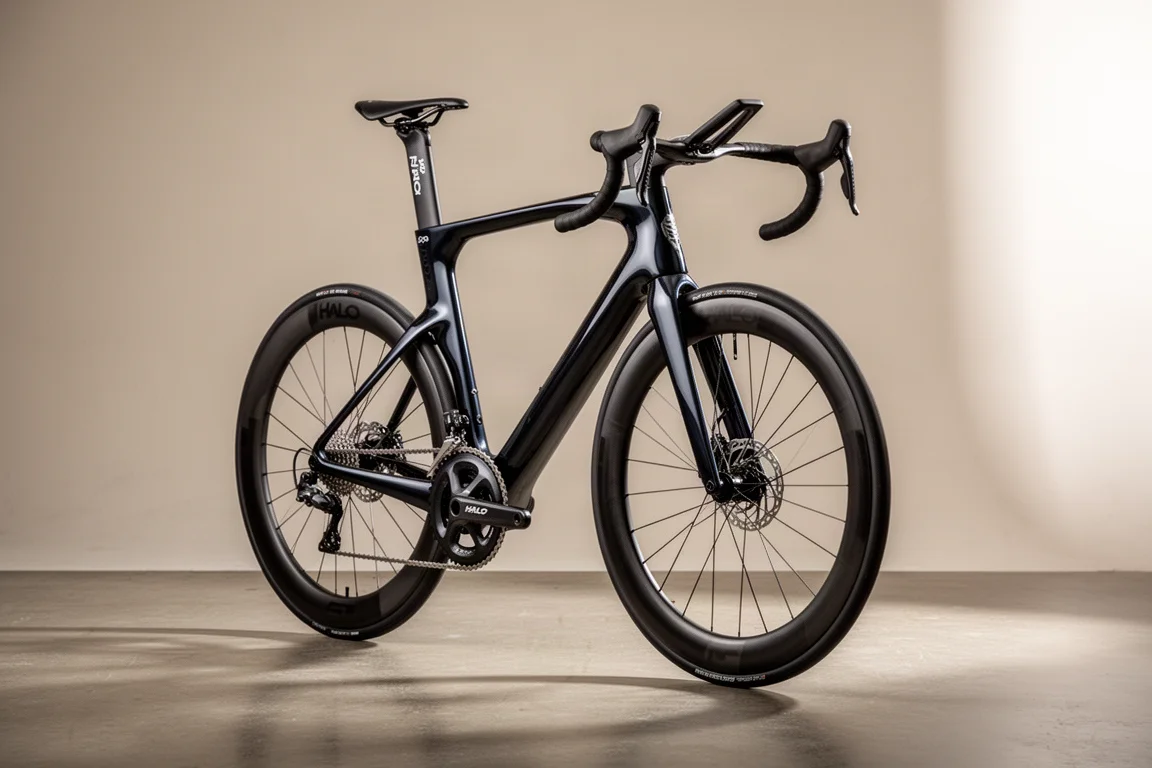
Focus’s Izalco Max has an interesting history. An earlier version was among the lightest production disc brake bikes available, with a sub-6.8 kg build. The platform then moved toward aerodynamics, and the current version pushes further in that direction, with a claimed saving of up to 6.6 watts over the previous bike.
The detail worth noting is the two-piece handlebar and stem. Many aero bikes use a one-piece cockpit, which limits how much a rider can change stem length or bar width. Keeping the two pieces separate preserves fit adjustability, and for most people that matters more than a small aerodynamic gain.
Focus Paralane: Endurance Speed With Modern Aero
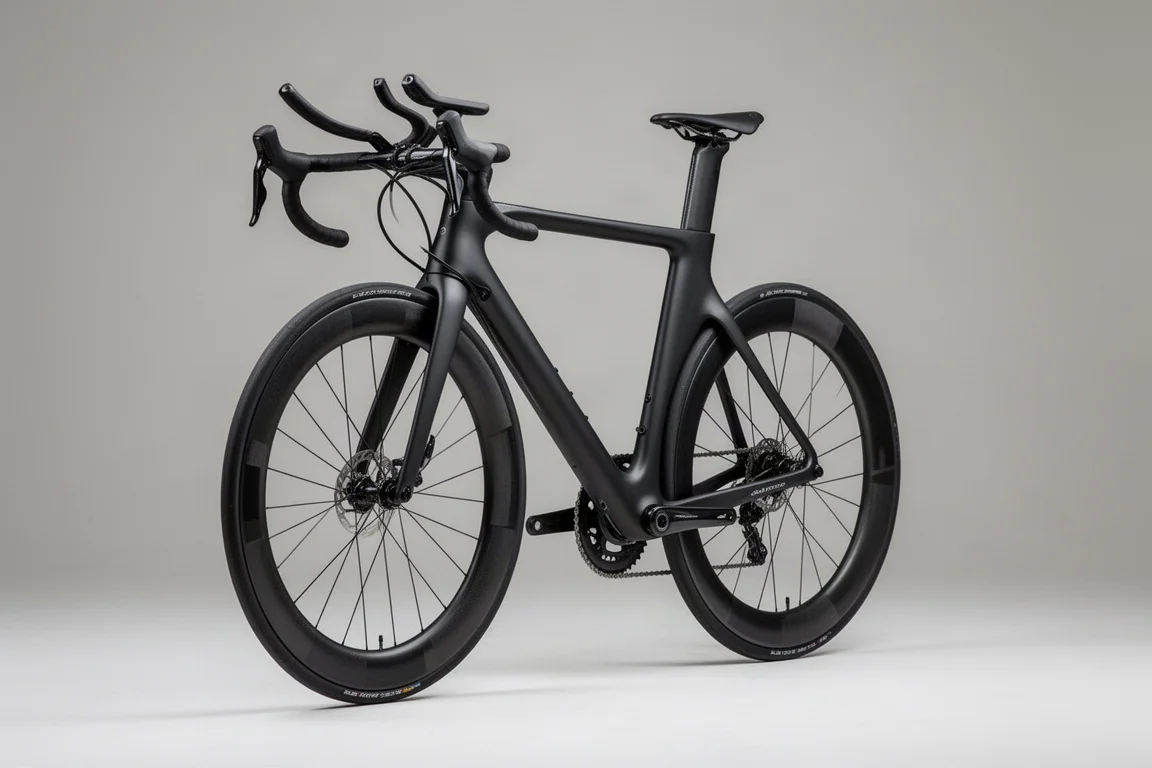
The Paralane is Focus’s endurance bike, and the current version has been brought up to date with an aero makeover that borrows design language from the Izalco Max. The result is a sleek, fast-looking bike rather than a sit-up-and-beg comfort machine.
Tyre clearance runs to 35 mm, which is competitive without matching the most generous endurance bikes on the market. The geometry is fairly aggressive for the category, so this is an endurance bike for riders who still want to ride quickly, just with more composure over long distances.
Fezzari Veyo: Direct-to-Rider Value
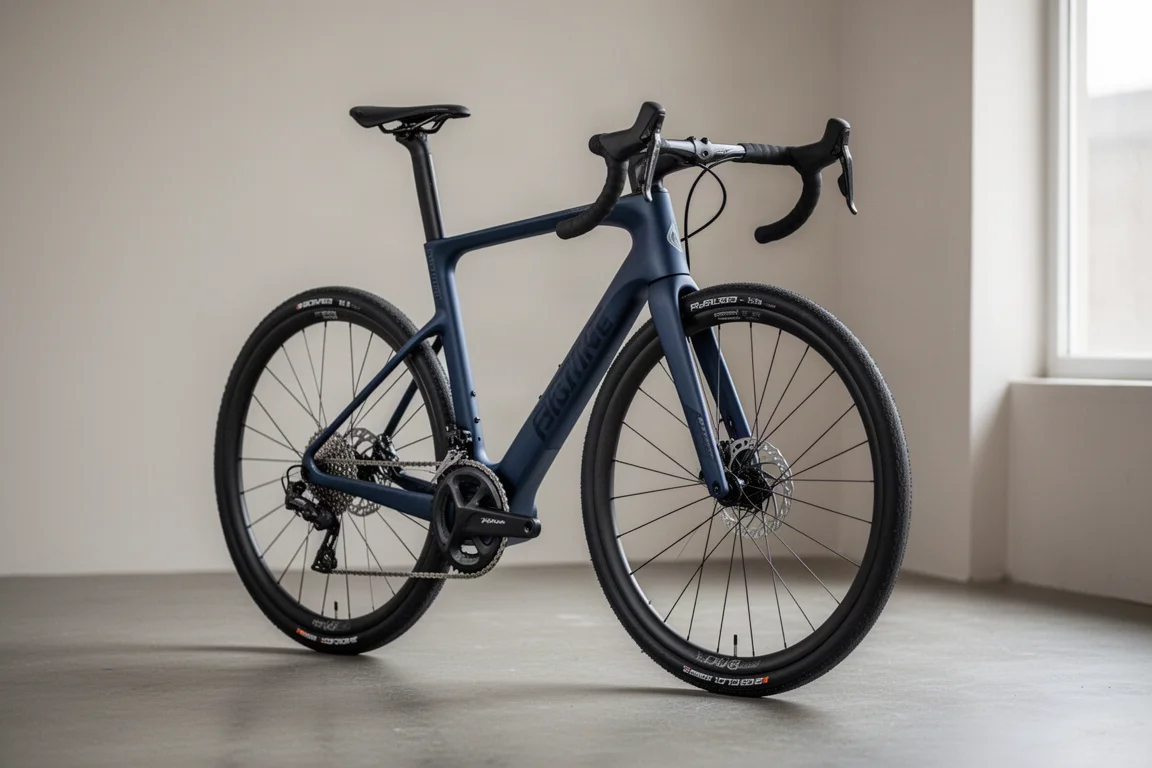
Fezzari sells direct, without a dealer network, and passes the savings on to the customer. The Veyo is the brand’s aero platform, and the pricing is the headline: just over $3,000 for a build with Shimano 105 Di2, and about $5,000 for one with Ultegra Di2.
Those figures sit well below what many mainstream brands charge for comparable groupsets. For riders who are comfortable buying direct and want aero frame design at a lower entry point, the Veyo is one of the more compelling options in this roundup.
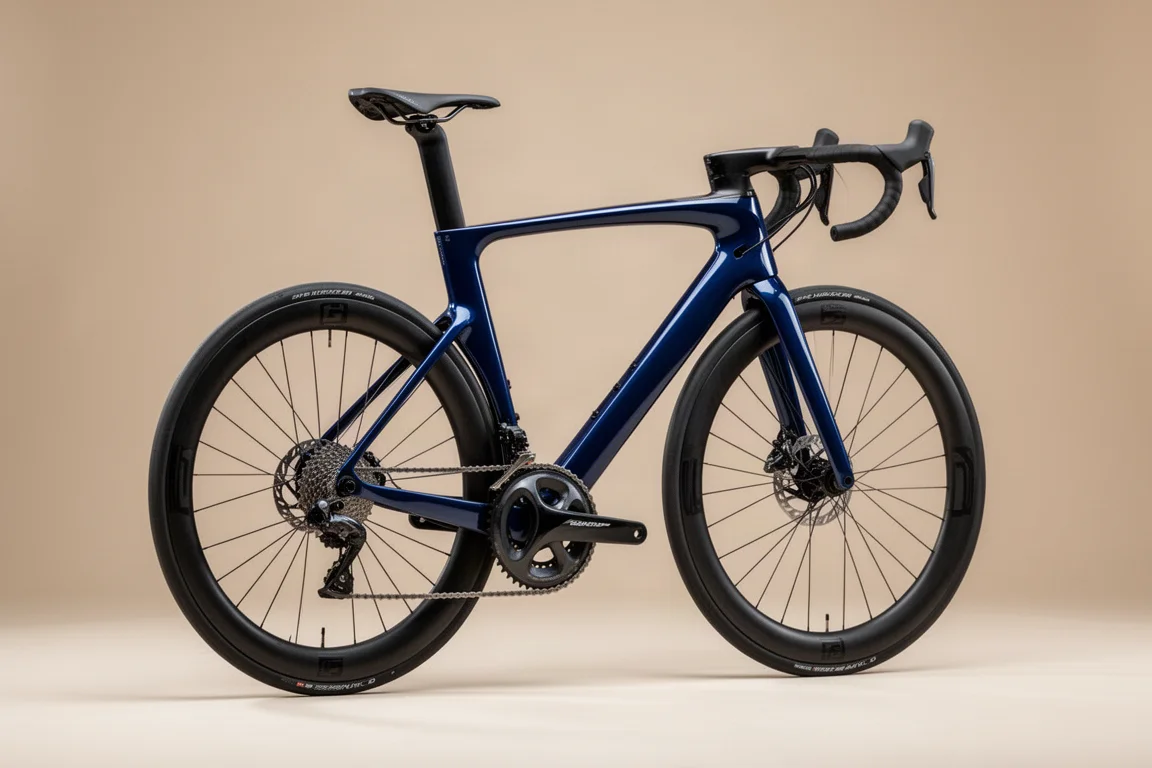
Pinarello Dogma X: Endurance Comfort With Distinctive Rear Stays
The Dogma X takes a different approach to the endurance category. It has a shorter reach than the Dogma F, and the design leans toward comfort rather than outright race aggression.
The most visible feature is at the rear, where the seat stays meet the seat tube. Rather than running straight up, they form an arrangement of small tubes intended to let the back end flex more, which should translate into a smoother ride in the saddle. It is a divisive look, and it will be interesting to see whether the comfort benefit matches the visual statement.
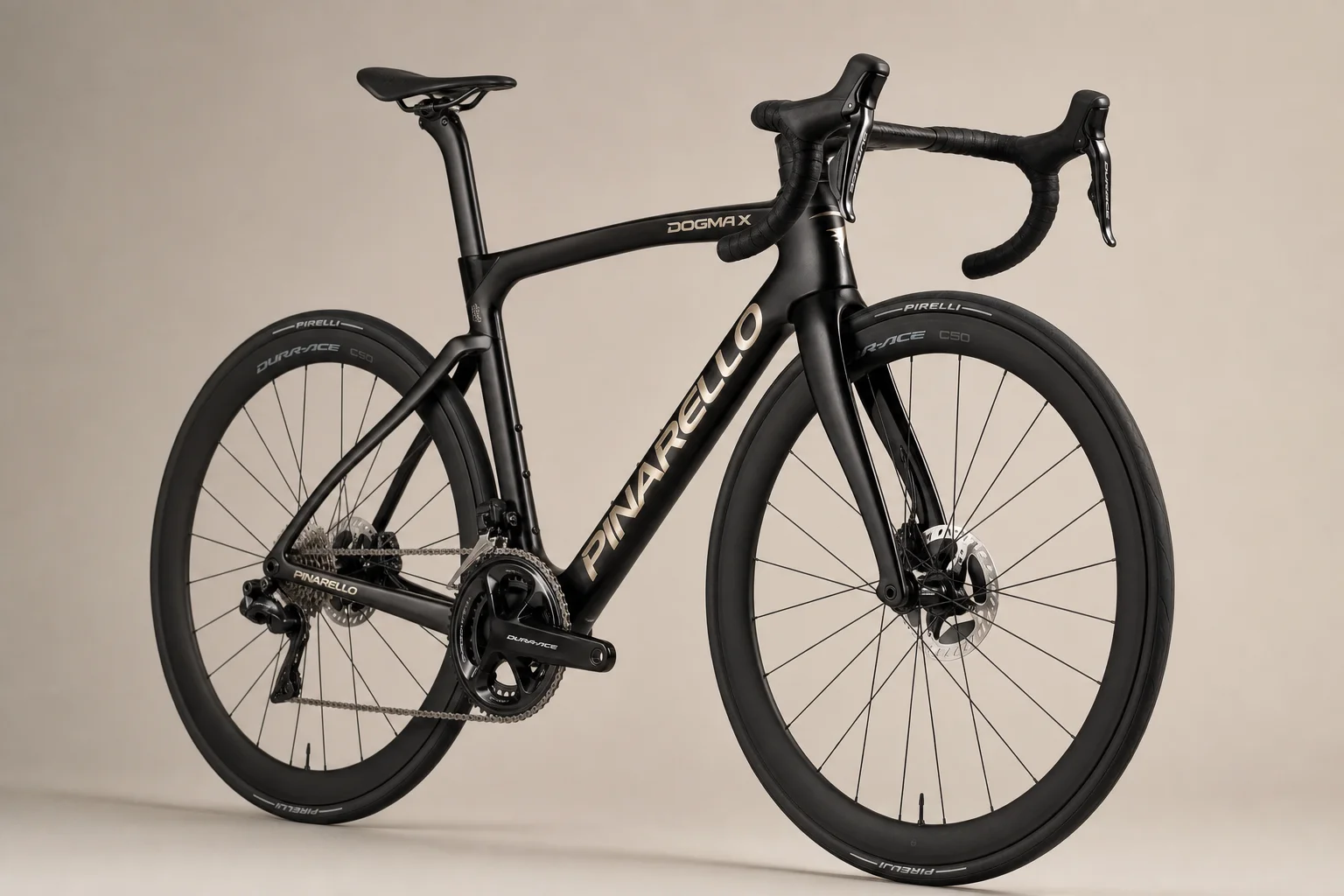
Lauf Úthald: Gravel DNA in a Road Bike
Lauf is an Icelandic brand that made its name with a suspension fork using carbon leaf springs. The Úthald is its first proper road bike, and it carries gravel bike thinking into the endurance category.
The geometry is notably slack compared with most road bikes. That makes the bike very stable at speed on rough surfaces, at the cost of some agility. Tyre clearance reaches 35 mm, and the rear frame is designed to add compliance at the saddle, in the same spirit as split seatpost and decoupler designs. For long, tiring rides where a twitchy front end is the last thing you want, that trade-off is deliberate.
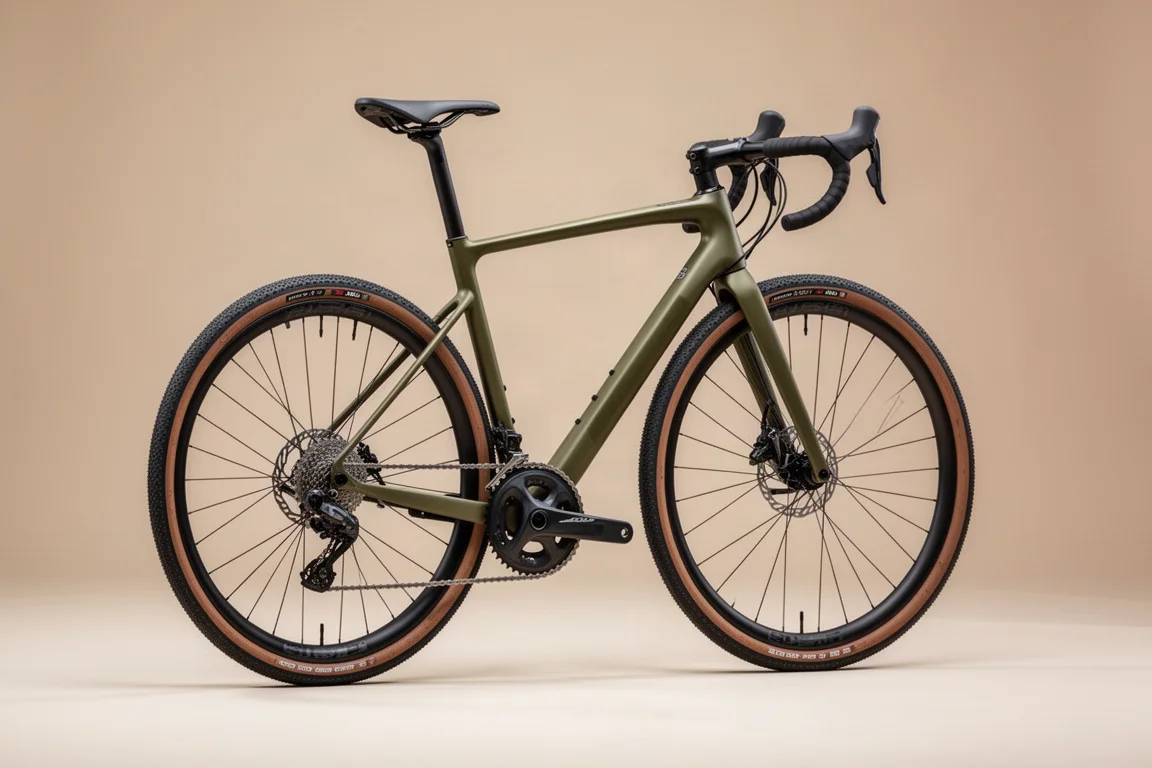
Riley Fusion: Titanium With Cast Lugs
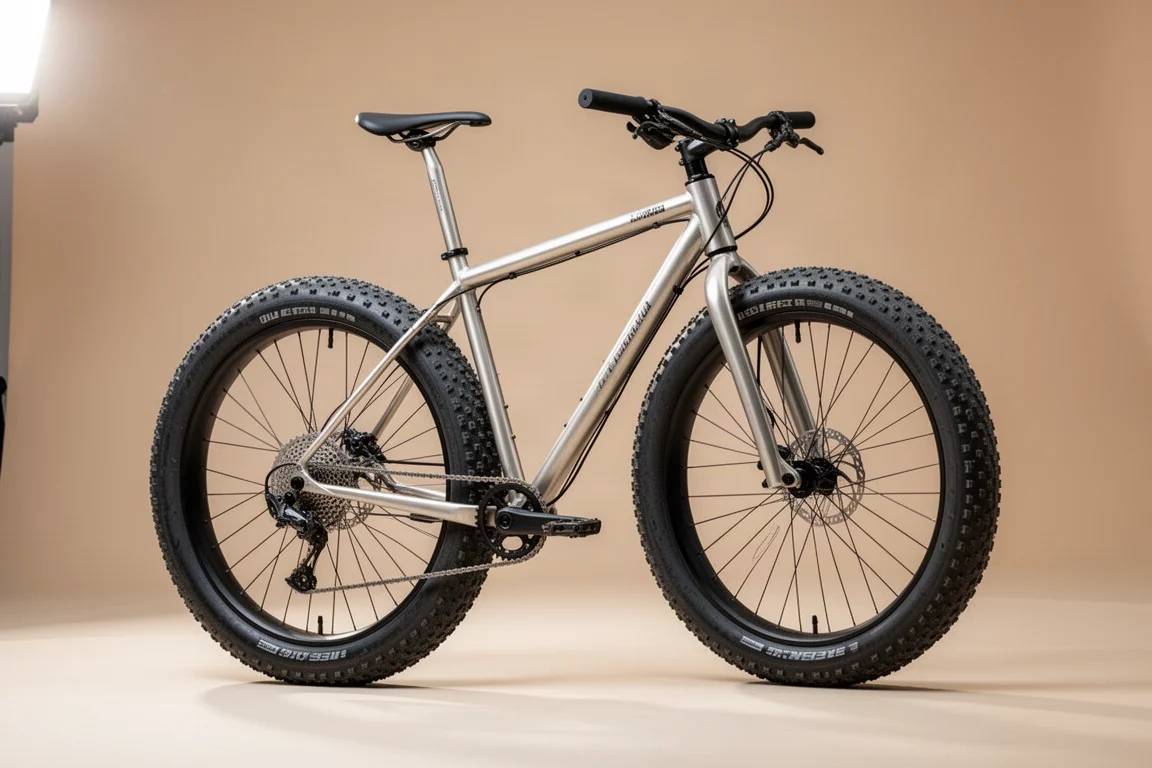
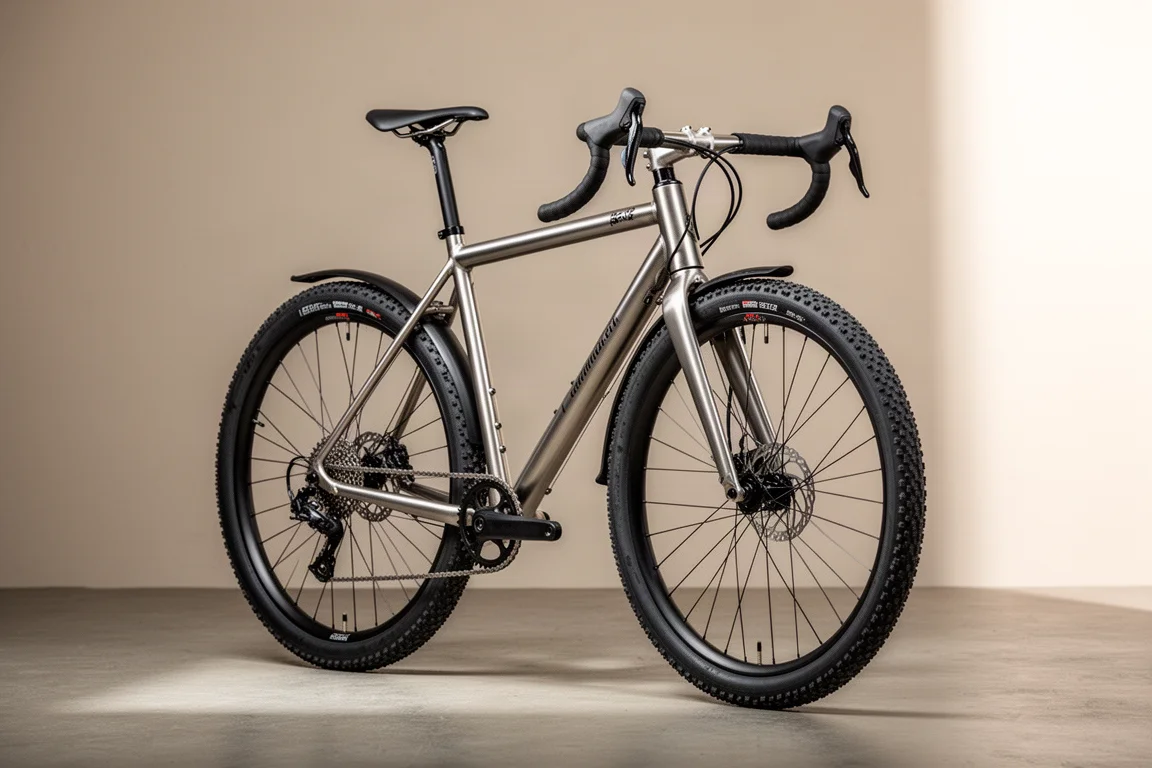
Riley is a small British company working mostly in titanium, and the Fusion is its gravel platform. The frame stands out for how it is made. Instead of welding tubes together, it uses cast lugs, which produces a seamless appearance around the head tube, the bottom bracket, the rear stays and the seat tube.
The effect is a frame that looks formed from a single piece rather than assembled from sections. It also covers the practical gravel requirements, with provision for mudguards and bikepacking accessories.
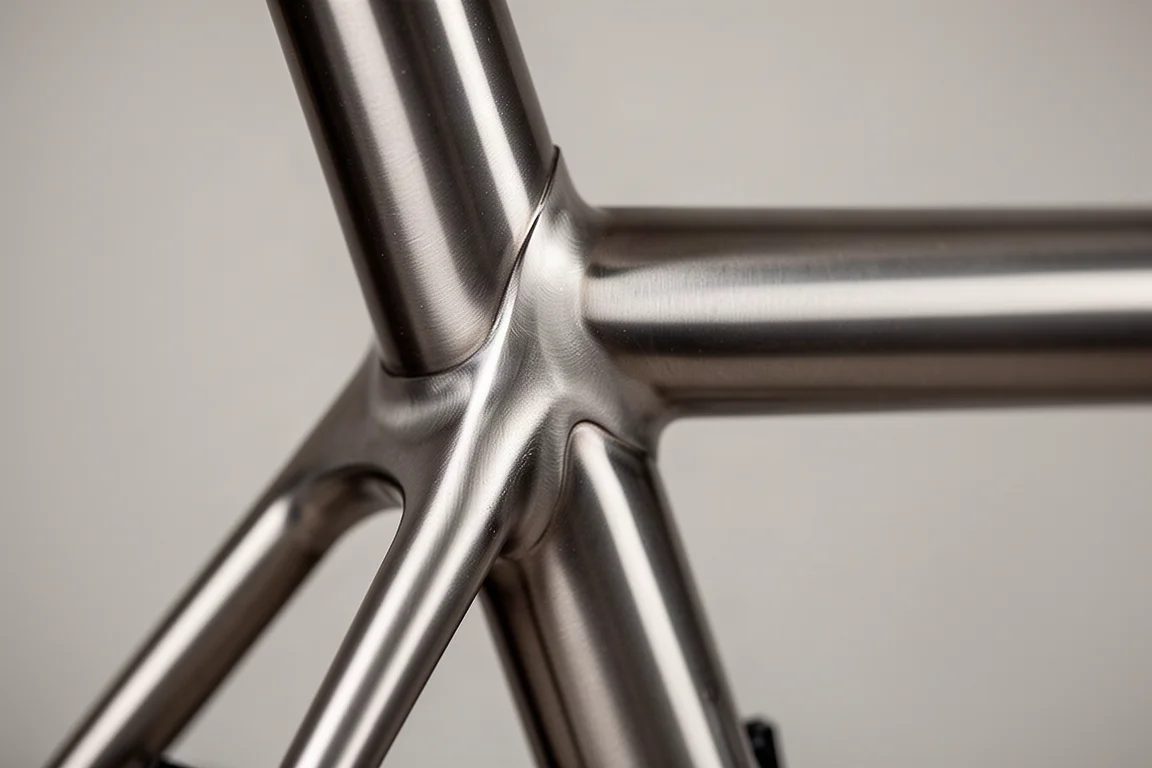
Titanium has a long-standing reputation for durability, and the lugged construction is what separates this frame from the welded titanium bikes that dominate the category. Riders who want a frame built to last and are willing to pay for a distinctive manufacturing method will find the Fusion worth a closer look.
Buying Advice
Start with the riding you actually do. If most of your kilometres are spent chasing speed on smooth tarmac, an aero race platform such as the Van Rysel RCR, the BMC Teammachine R or the Focus Izalco Max will feel like the right tool. If you want speed without a punishing position, the Focus Paralane, the Pinarello Dogma X and the Lauf Úthald are aimed squarely at that balance.
Gravel riders have the widest spread of options here. The Santa Cruz Stigmata prioritises clearance and easy maintenance, the Bianchi Impulso prioritises race pace, and the Riley Fusion prioritises construction and long-term ownership. The Time ADHX is the outlier, appealing to riders curious about a handmade carbon process rather than a familiar one.
Two practical checks are worth making before any purchase. First, look at fit adjustability: a two-piece cockpit such as the one on the Izalco Max keeps stem and bar changes simple, while a one-piece unit locks you into the original dimensions. Second, look at the small standards: threaded bottom brackets, round seatposts, conventional headsets and standard rear dropouts all make a bike easier to live with over several seasons. Value also varies widely. The Van Rysel RCR and the Fezzari Veyo both undercut larger brands at comparable specification, which is worth weighing against dealer support and brand history.
Conclusion
These twelve bikes are not competing for the same rider. Each one makes a clear choice: lightweight climbing focus on the Orbea Orca, aerodynamic obsession on the BMC Teammachine R, maintenance simplicity on the Santa Cruz Stigmata, comfort engineering on the Pinarello Dogma X and the Lauf Úthald, and specialist craftsmanship on the Riley Fusion and the Time ADHX.
The right starting point is a short list built around your terrain, your position on the bike and the standards you want to live with. Once that is settled, the differences between these bikes become much easier to judge, and the choice becomes considerably more confident.
Further reading
Related Reviews
Road and Gravel Bikes
Pinarello Dogma F vs Dogma GR: Road Bike, Gravel Bike, or One Bike for Both?
A practical look at how a pro-level road bike and a performance gravel bike differ in tire clearance, geometry, weight, and running costs, and how to decide between one bike and two.
Road and Gravel Bikes
Six Under-the-Radar Road and Gravel Bikes Worth Knowing in 2026
A roundup of six recently launched road, endurance and gravel bikes, from aero gravel speed to bespoke carbon and titanium all-season builds.
Road and Gravel Bikes
Standout Road and Gravel Bikes: 10 Bikes Worth a Closer Look
Ten road and gravel bikes that stood out over a year of riding, from a 585 g carbon climbing frame to a £1,000 all-road build and a custom steel road bike.