Cycling
Six Standout Road Bikes, Gravel Bikes and Cycling Upgrades
A practical roundup of six cycling products worth considering: two road race bikes, a progressive gravel bike, a dedicated indoor bike, a gravel wheelset and an electronic groupset.
Introduction
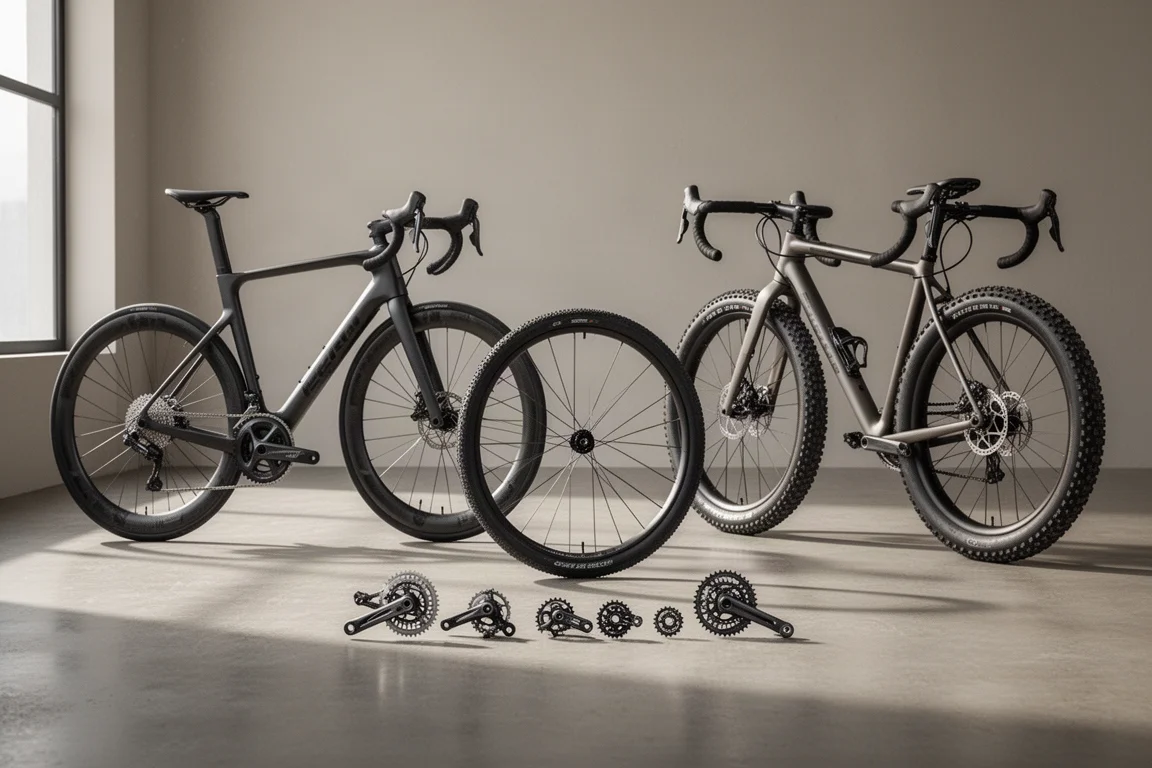
Six products stood out from the past year for very different reasons. Two are road race bikes built around low weight and stiffness, one is a gravel bike that borrows its handling philosophy from modern mountain bikes, one is a dedicated indoor training bike, one is a gravel wheelset designed to survive genuinely rough ground, and one is an electronic groupset that pushed wireless shifting into a lower price tier.
Between them they cover the upgrade paths most riders actually consider: a faster road bike, a more capable gravel setup, a winter training solution and a drivetrain that changes how a bike feels to own.
How These Picks Were Chosen
Each product was judged on the things that matter once the initial excitement fades: how it rides, how the specification stacks up against rivals at the same money, how easy it is to live with week to week, and whether the parts are likely to hold up across several seasons. Value for money carries extra weight in this list, because a well-chosen wheelset or groupset can transform a bike more than a new frame can.
Practical details counted too. Cable routing that can be swapped without a full rebuild, a hub that can be serviced with standard tools, or a bike that a second person in the household can adjust in seconds all tip the balance in favour of one product over another. Weight and price are easy to compare, but these everyday details are what determine whether a purchase still feels right after a year.
Giant TCR Advanced Pro 0: A Light, Fast All-Rounder
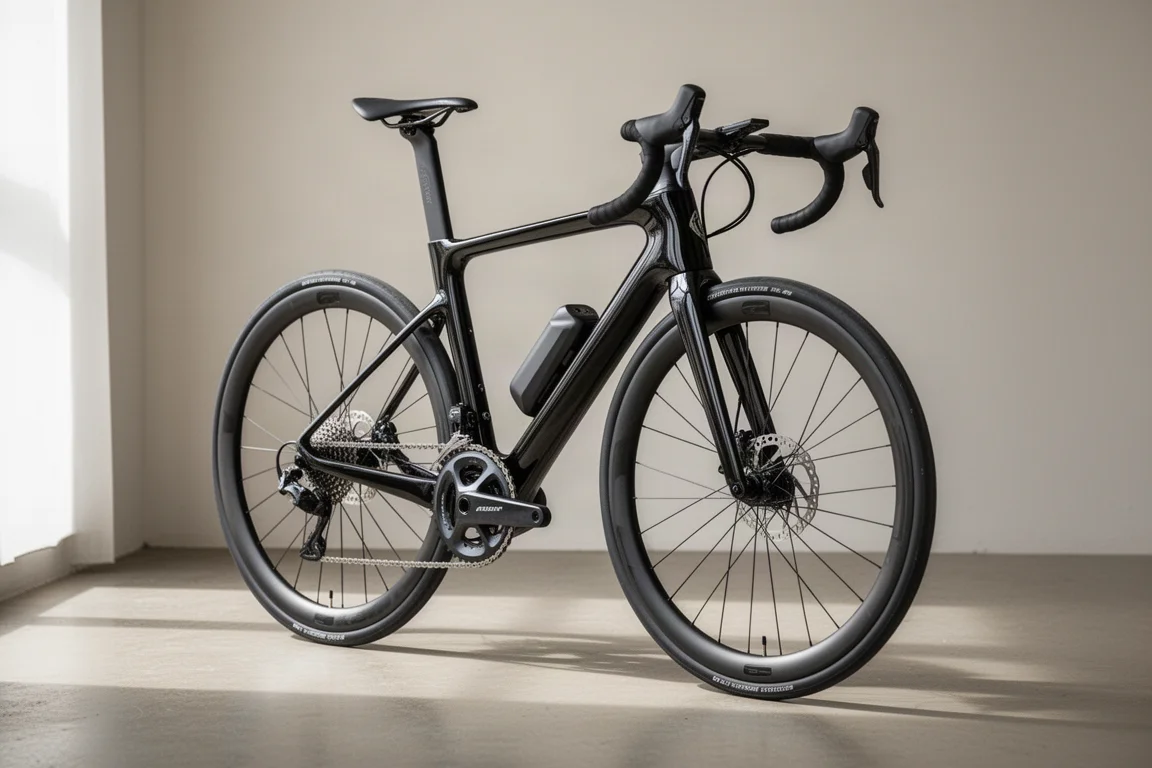
The TCR Advanced Pro 0 pairs a compact road frame shape, with its distinctly sloping top tube, with aero-optimised tube profiles across the frame. Giant has kept a traditional seat stay junction rather than following the dropped-stay trend, and the result is a bike that balances low weight, stiffness and aerodynamic efficiency without letting ride quality suffer for it.
The numbers support the approach. Complete weight is a claimed 7.3 kg, around 500 grams lighter than comparable bikes at the same price, and the geometry uses classic 73-degree parallel seat and head angles. Cables are not routed through the handlebar and stem, which makes swapping cockpit parts far simpler than on a fully integrated setup.
At £5,199 the specification is the strongest part of the case. Ultegra Di2 handles shifting, a dual-sided power meter is included, and the Giant SLR 1 wheelset comes in under 1,500 grams with hookless rims at a 42 mm depth, a depth that balances aerodynamic gain against added weight. Against the Scott Addict, Specialized Tarmac SL7 and BMC TeamMachine at the same price, it carries the stronger build.
BMC URS One: Progressive Geometry for Gravel
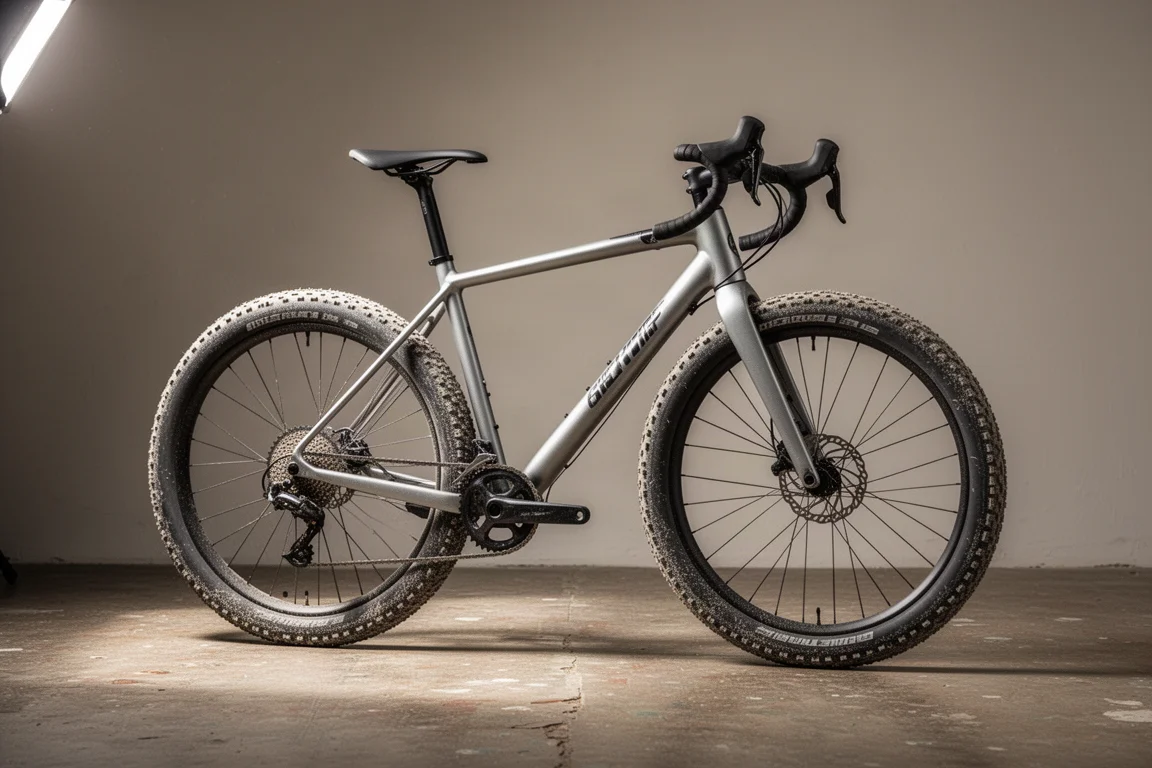
The URS One sits at £2,850 and takes its handling cues from mountain bike design. The top tube is longer, the stem is shorter and the head angle is slacker at around 70 degrees, which keeps steering responsive at the bars without the twitchiness of a steeper 72-degree front end. A slacker head angle also moves the front wheel further forward, reducing the toe overlap that wide gravel tyres can cause on larger frame sizes.
At the rear, 425 mm chainstays keep the back end tucked underneath the rider. That makes the bike feel sharp through tight corners and stops the rear wheel from feeling as though it is trailing far behind when you roll over roots.
The drivetrain is SRAM Apex in a 1x11 configuration. Range is broadly adequate for everyday gravel riding, and because there is only one chainring it is straightforward to fit a smaller ring for multi-day trips with heavy loads and steep climbs. Two-by setups make that kind of fine tuning considerably harder.
Liv Langma Advanced Pro Disc 1: Race-Ready Value
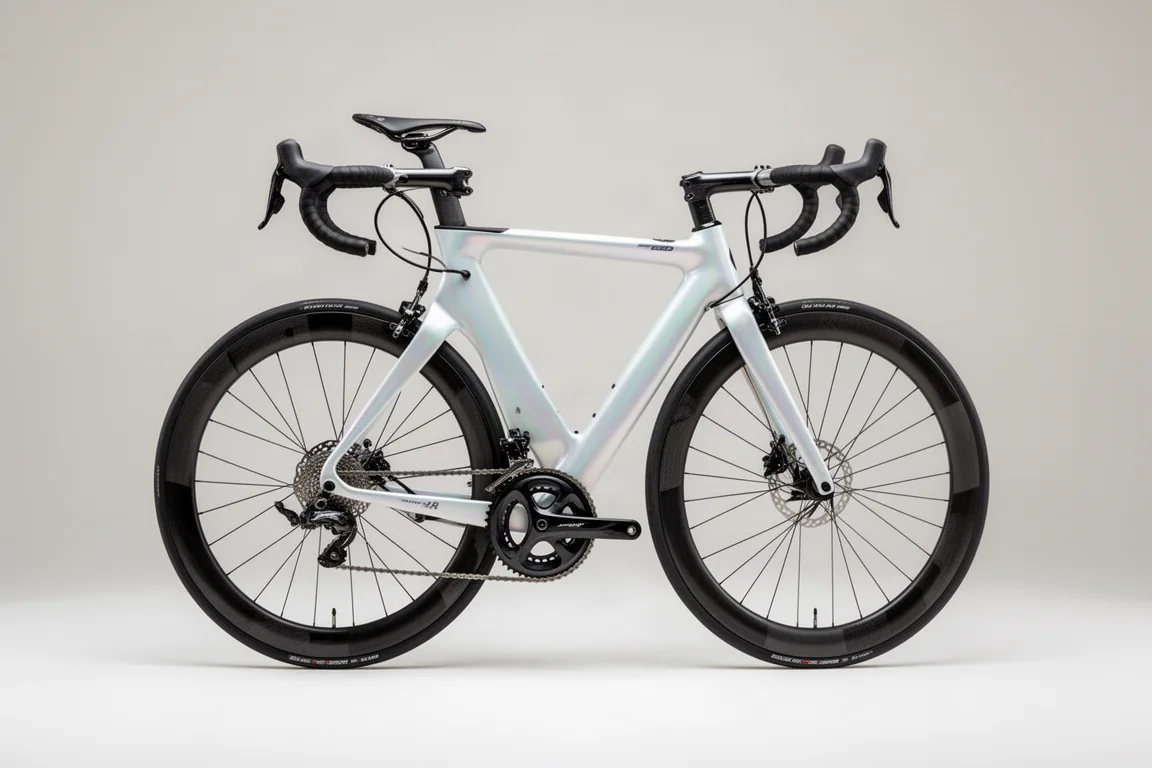
The Langma Advanced Pro Disc 1 comes in at £3,999 with a specification that is difficult to argue with: Ultegra shifting, an included power meter, carbon hookless rims and a carbon seatpost. The stem and handlebar are aluminium and two-piece, which is a sensible choice on a race bike, since handlebars are usually the first component to meet the ground in a crash.
Fork stiffness has been increased substantially over the previous generation, and the change is obvious from the first ride. Weight is 7.6 kg in a small frame, which is competitive for the money.
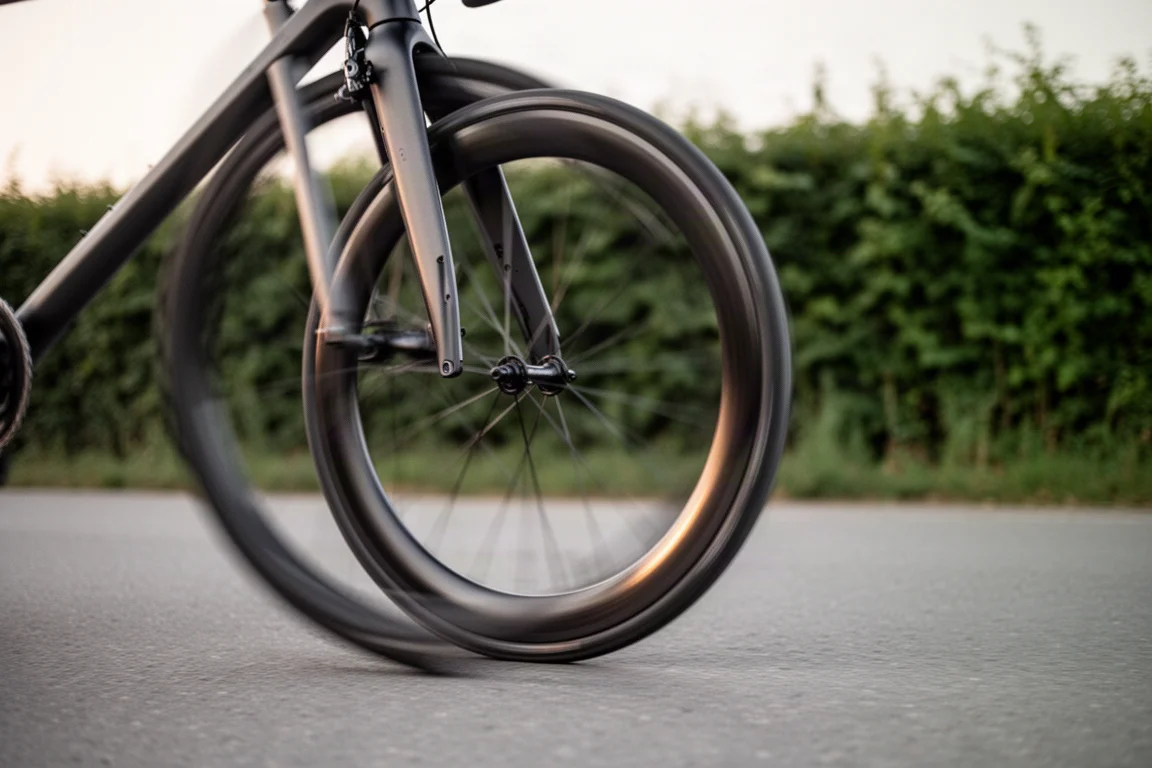
The two-piece cockpit also keeps fit changes simple, and aluminium parts are cheaper to replace than carbon ones. Riders who want the same platform with lighter wheels and a higher-grade groupset can look at the SL version, which comes in at 6.7 kg, but it moves into five-figure pricing, where low weight is no longer a meaningful differentiator between bikes.
Wattbike Atom Next Generation: A Dedicated Indoor Bike
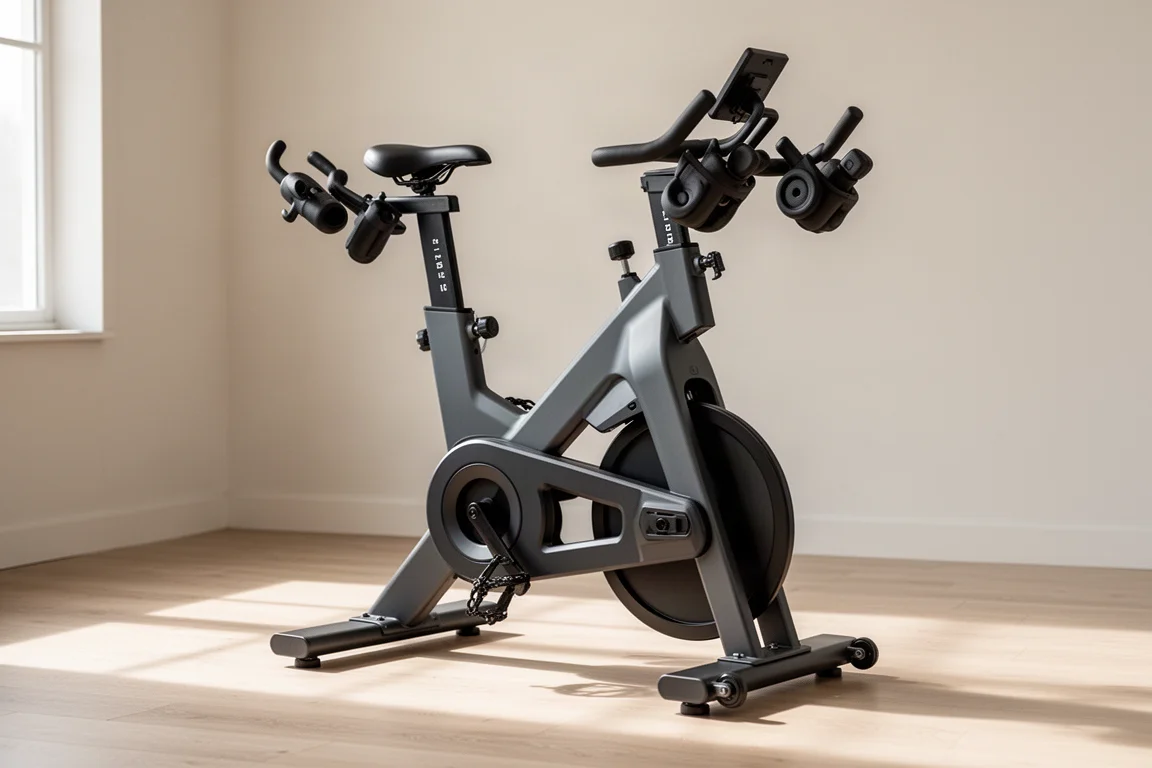
A dedicated indoor bike solves something a turbo trainer cannot: more than one person in the household can use it without swapping bikes over. The Atom Next Generation does that for under £2,000, which undercuts rivals priced at £2,999 and £2,299. Its maximum resistance and incline figure of 25 matches one of those competitors and edges ahead of the other.
Resistance is electromagnetic rather than mechanical, and gear changes across its 22 gears are quick and positive. Adjustments are genuinely easy: seatpost height has a printed scale, and reach and handlebar height can both be set precisely. The levers are large and tactile, and nothing slips even during hard efforts.
Build quality addresses the main indoor riding concern. The casing is well sealed and the power cable is tucked underneath where sweat cannot reach it, and at 44 kg the bike is not going anywhere once placed. It is also compact for an indoor bike at 100 cm long and 50 cm wide, so it fits a spare room or a shed without dominating the space.
DT Swiss GR 1600 Spline: Gravel Wheels Built to Take Punishment
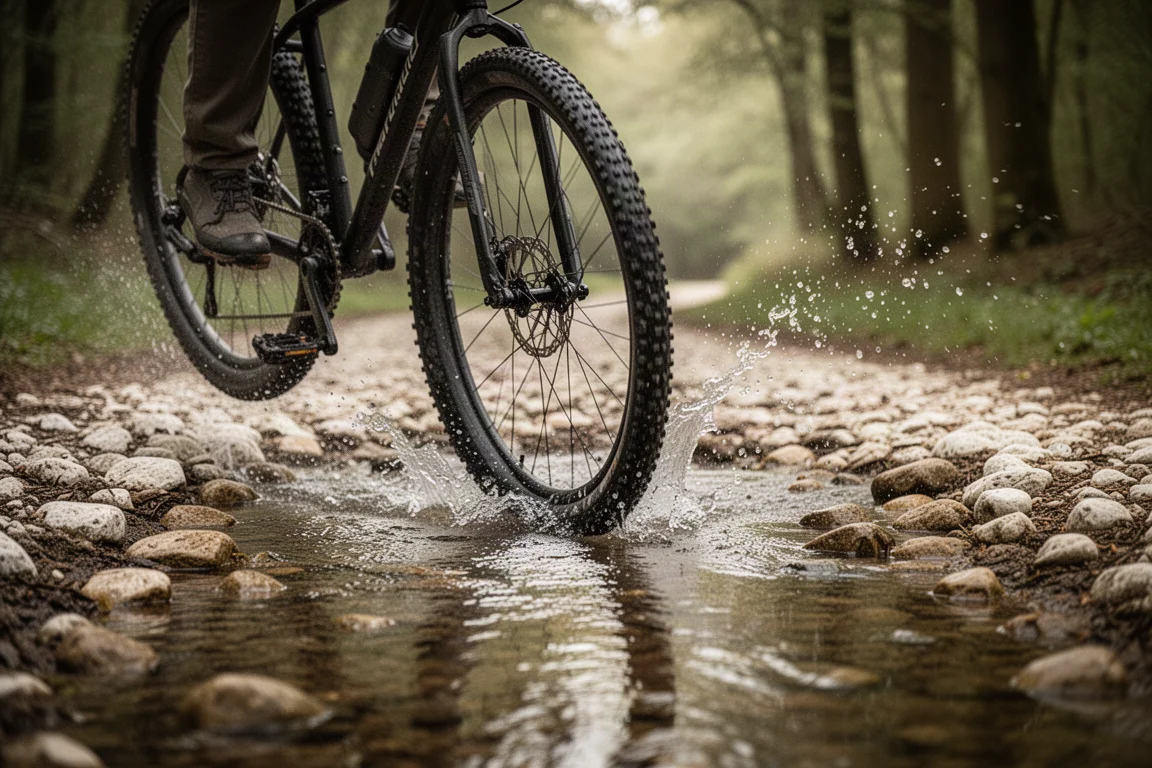
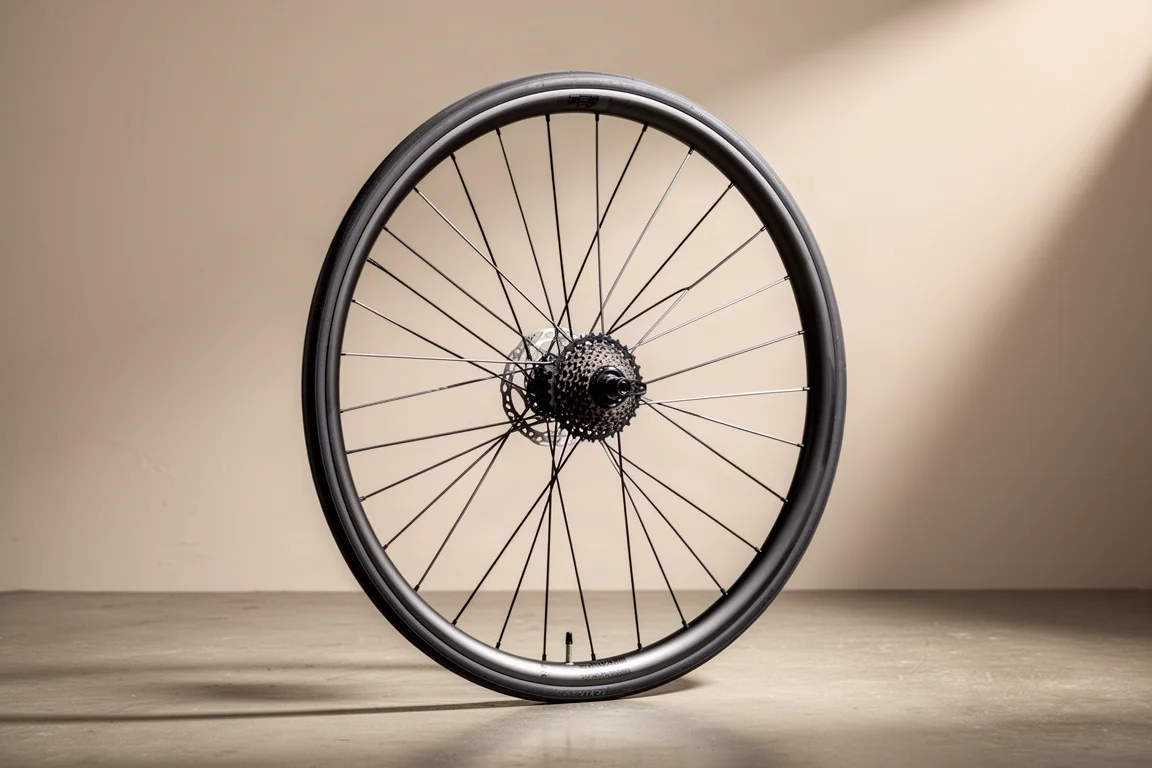
Gravel wheels earn their keep on rough ground, and this set was ridden over a 200-mile gravel route in southern England where the rock sections are large enough to test any wheel. The 24 mm internal width pairs well with 650b tyres around 47 mm and supports 2.1-inch tyres without pinching the sidewalls, though a slightly wider rim would suit the biggest tyres even better.
The freehub uses a ratchet system rather than pawls, with teeth engaging simultaneously. Stock engagement is 20 degrees, which becomes noticeable in the lowest gears, and it can be upgraded to 15 or 10 degrees at the cost of some long-term durability.
Spokes are straight-pull and bladed, which offers a marginal aerodynamic benefit but matters more in the workshop: a bladed spoke can be clamped in place while the nipple is turned, avoiding the spinning that makes round straight-pull spokes frustrating to true.
The hubs use sealed cartridge bearings that are simple to replace when the time comes, and the model one step down has run through a winter and a half without any loss of smoothness.
SRAM Rival eTap: Electronic Shifting at a Lower Price Point
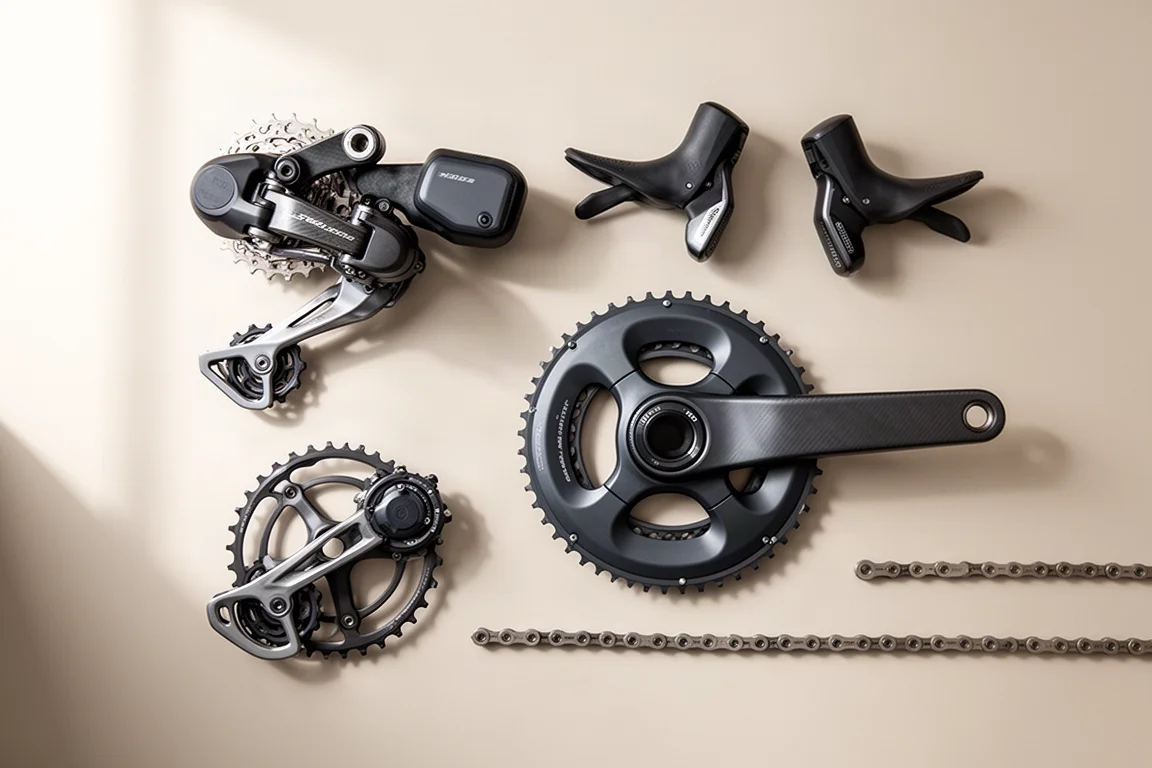
Rival eTap moved electronic shifting into a lower price tier. It is significantly more expensive than Shimano 105, but the experience is very different: shifting is much faster, there are no cables to replace, and setup on a fully integrated frame is far simpler. Performance is close enough to SRAM Force that the difference is hard to detect out on the road.
Weight is the main trade-off. A complete Rival groupset weighs 3,205 grams, against 2,978 grams for Force and 2,478 grams for 105.
Two details stand out. A 2x groupset with a power meter costs £1,516, or £1,314 without, which turns power measurement into a small increment rather than a separate purchase. And the rear derailleur costs £236 and is compatible with Force and eTap, which matters because derailleurs are easily damaged in crashes and in car boots.
Troubleshooting is simpler as well. If a shift is slow, the cause is either indexing or a bent hanger, and there is no sticky cable to suspect first.
Buying Advice
Start with the riding you actually do. A road race bike like the TCR Advanced Pro 0 rewards riders who want low weight and a stiff, efficient frame, and the included power meter and lighter wheels make it a strong value proposition at its price. The Langma Advanced Pro Disc 1 follows a similar philosophy in a different fit and finish, at a lower price, with a two-piece aluminium cockpit that is easier to adjust and cheaper to repair.
If your riding happens off tarmac, the URS One’s progressive geometry is worth seeking out, and the GR 1600 Spline wheelset makes sense as an upgrade or as a replacement for wheels that have to survive rough ground. For riders training indoors through the winter, a dedicated indoor bike avoids the wear that turbo use puts on an outdoor frame and works for everyone in the house. On the drivetrain side, electronic shifting is now available at a tier more riders shop in, and Rival eTap is the clearest example of that shift.
Conclusion
These six products are worth considering because each one solves a specific problem rather than chasing a headline number. Two road bikes deliver race-ready speed at competitive prices, one gravel bike brings more stable handling to loose surfaces, one indoor bike makes year-round training practical for a whole household, one wheelset is built to be ridden hard and serviced easily, and one groupset makes electronic shifting a realistic option at a mid-tier budget. Match the product to the riding you do most, and the upgrade will hold its value far longer.
Further reading
Related Reviews
Cycling
2026 Bike of the Year and the Cycling Gear Worth Watching
A drop bar roundup for 2026 covering the Ridley Kanzo Fast 2.0, Shimano Dura-Ace Di2 R9300, Trek Checkpoint ALR Gen 3, Specialized Tarmac SL9, Garmin Fenix 9 and Insta360 X6.
Cycling
Best All-Road Bikes 2026: Six Versatile Endurance Road Bikes Worth Considering
A practical look at six all-road and endurance road bikes, from lightweight carbon speed machines to steel all-rounders and comfort-focused mile eaters.
Cycling
Best All-Road Bikes 2026: 8 Endurance Bikes for Road and Light Gravel
Eight all-road bikes that blur the line between endurance road and light gravel, compared on tire clearance, ride character, practicality, and value.