Road Bikes
Six Standout Road Bikes Compared: Canyon, Factor, Scott, Liv, Chapter2 and Bianchi
Six high-end road bikes, from a pro-level aero machine to a 6.3 kg hill climb build, with the details and trade-offs that matter before you buy.
Introduction
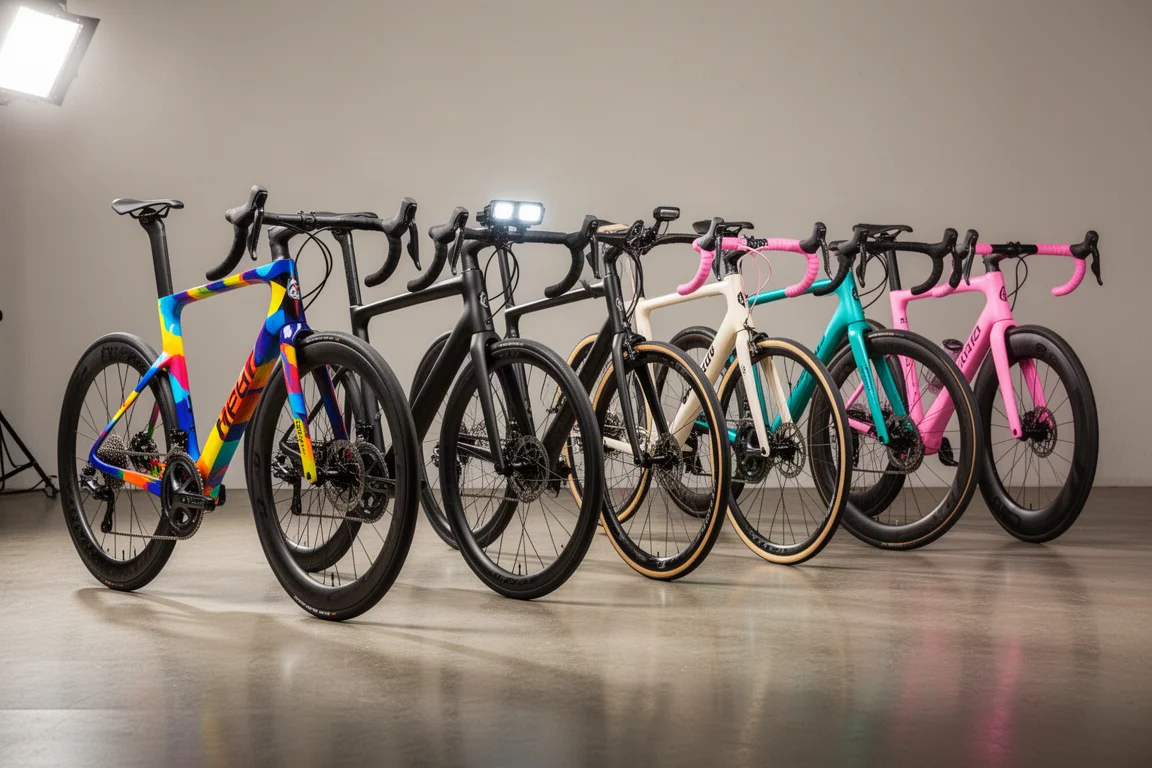
Six performance road bikes, six very different ways of building a fast bike. Some are aero race machines with top-tier electronic groupsets, one is a hill climb build hovering around 6.3 kg, and another is a rim brake frameset held together with gaffer tape and good humour. What they share is that each one was assembled by a rider who knows exactly what they want from it.
That variety is the useful part. Putting a pro-level aero bike next to a practical endurance bike next to a custom-painted superbike shows where the money actually goes, which upgrades riders genuinely make, and which compromises are worth accepting.
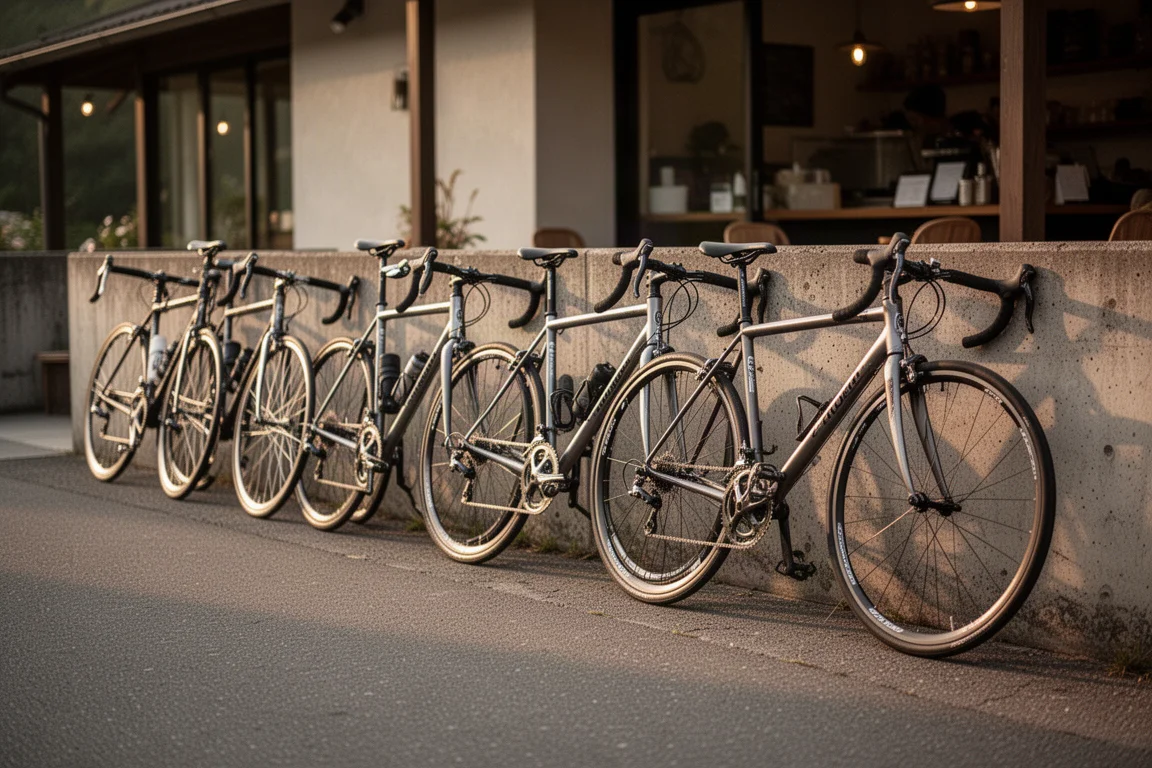
The notes below cover how each bike is built, the details that stand out, and the trade-offs worth weighing up if something similar is on your shortlist.
Canyon Aeroad CFR: Pro-Level Aero Speed
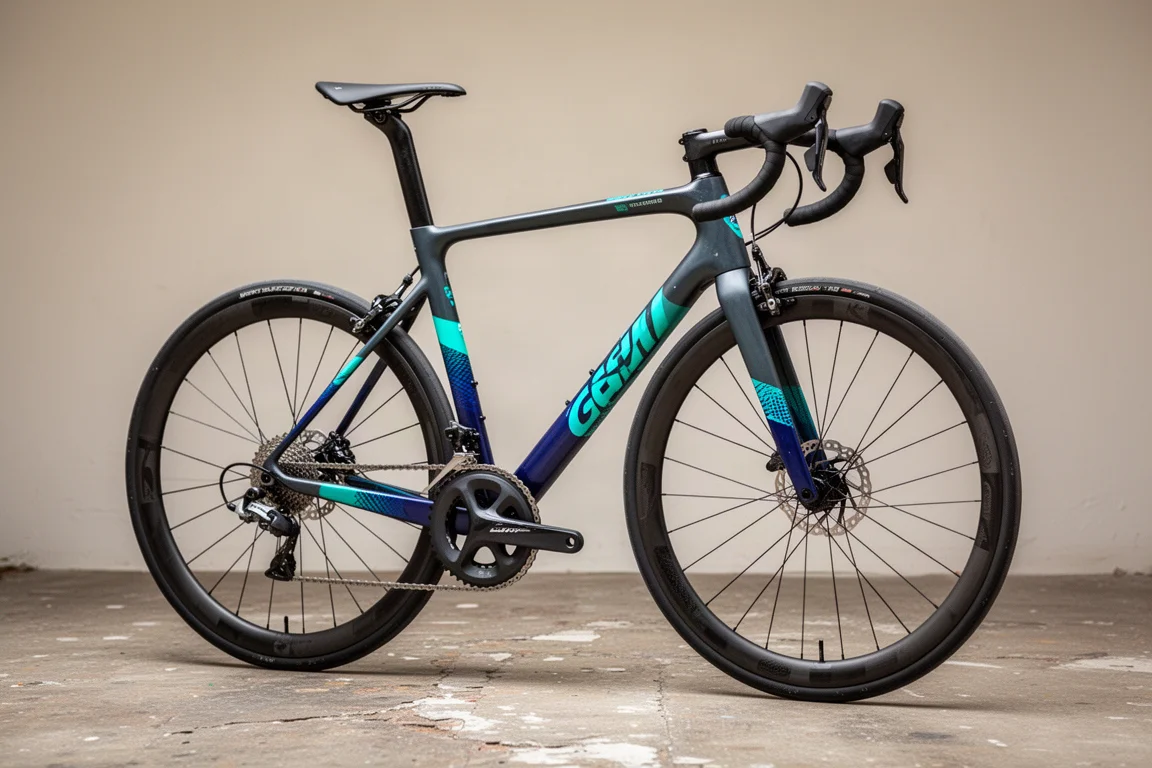
The Aeroad CFR is the top carbon tier of the range, and this one is built the way a team bike usually is: Shimano Dura-Ace 12-speed throughout, an integrated cockpit, a Selle Italia saddle and 140 mm rotors front and rear. Dura-Ace 12-speed is about as refined as a groupset gets, with crisp shifts and a light lever action, and the rest of the build matches that standard.
The paint scheme is the standout. It is one of the more striking finishes seen on this model, and the overall proportions sit well on a rider of average height. About the only visual complaint is a red accent on the saddle that does not match the frame.
One practical point matters more than the aesthetics: the bike is sold direct from the brand rather than through local bike shops, which some riders count as a drawback for servicing and support.
Factor O2 VAM: A Purpose-Built Hill Climb Build
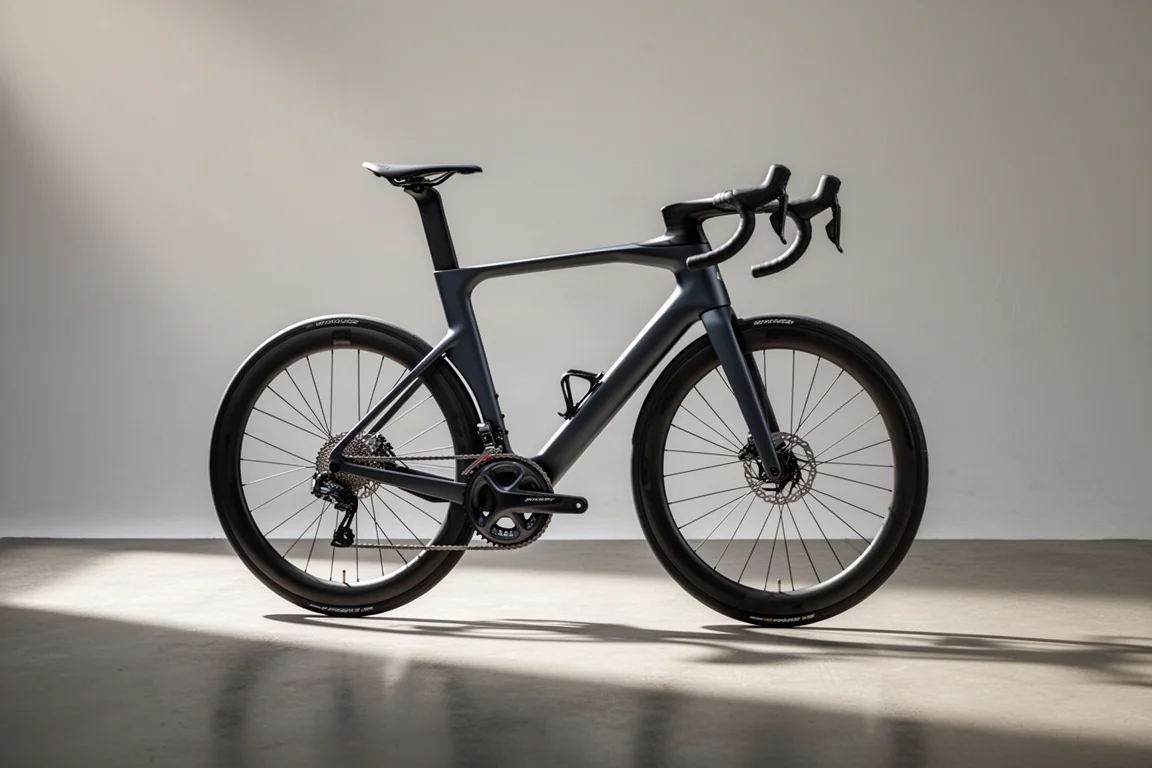
This is a hill climb specialist’s bike: a Factor O2 VAM with a full black finishing kit, a climbing wheelset, a 4iiii left-side power meter, a Selle Italia saddle, Continental GP5000 TT tires in 28 mm and a total weight of around 6.3 kg with disc brakes. That figure alone explains most of the build choices.
The tires are tubular, chosen on the basis of the valve type, and tubular setups are generally lighter than tubeless in many configurations. The groupset is Dura-Ace 12-speed, which matches the level of the frame.
Two details shape how the bike lives. The stem is very long, around 140 mm, paired with a one-piece bar, so the riding position is extremely stretched. The seatpost is a cut-to-size carbon mast with very little height adjustment, which makes later fit changes, or passing the frame on, difficult.
The wheels look shallow relative to the frame, and deeper rims would look better, but that is the trade-off of a hill climb build. Importantly, this is not a stripped-down pure hill climb machine. It is a fully functioning road bike that happens to be very light.
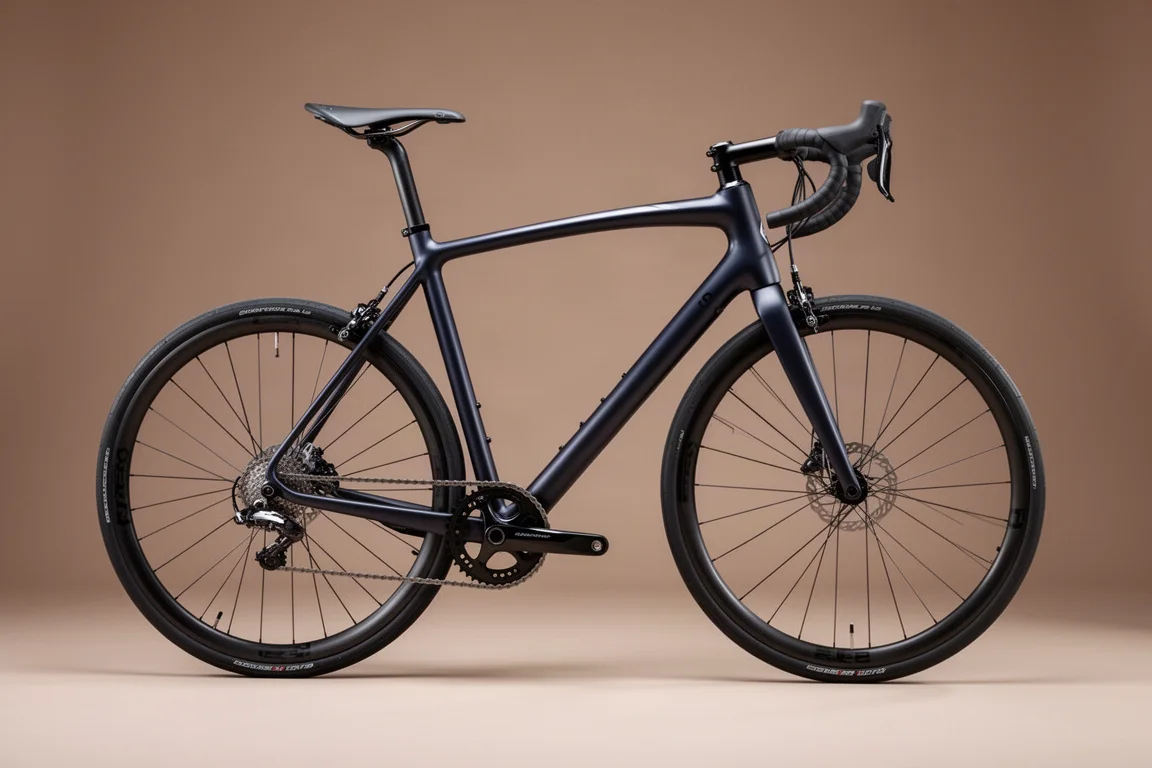
Scott Addict SE: Practical Endurance Comfort
This Scott Addict SE is a 2020 model with Shimano Ultegra Di2 and, unusually for a bike in this company, it is close to stock. The tires have been upgraded to Continental GP5000 in a much wider size, roughly 32 to 35 mm, which is as wide as the frame will take. The owner would not go back to narrower rubber.
Other changes are small: fresh bar tape, a slightly more upright position with a few spacers under the stem, and lights front and rear that stay on for every ride. Where there is no cycling infrastructure, being visible is the priority.
The front end is the weakest point visually. Cable routing is untidy, with cables looping around the head tube, and it has already scuffed the frame. Clear protective tape is the usual fix. It is also worth knowing that the Addict is sold as an endurance bike but rides less relaxed than that label suggests.
The upgrade wish list is refreshingly honest: deeper carbon wheels because they look good, and a wider-range cassette for hilly terrain. Both are sensible, practical changes.
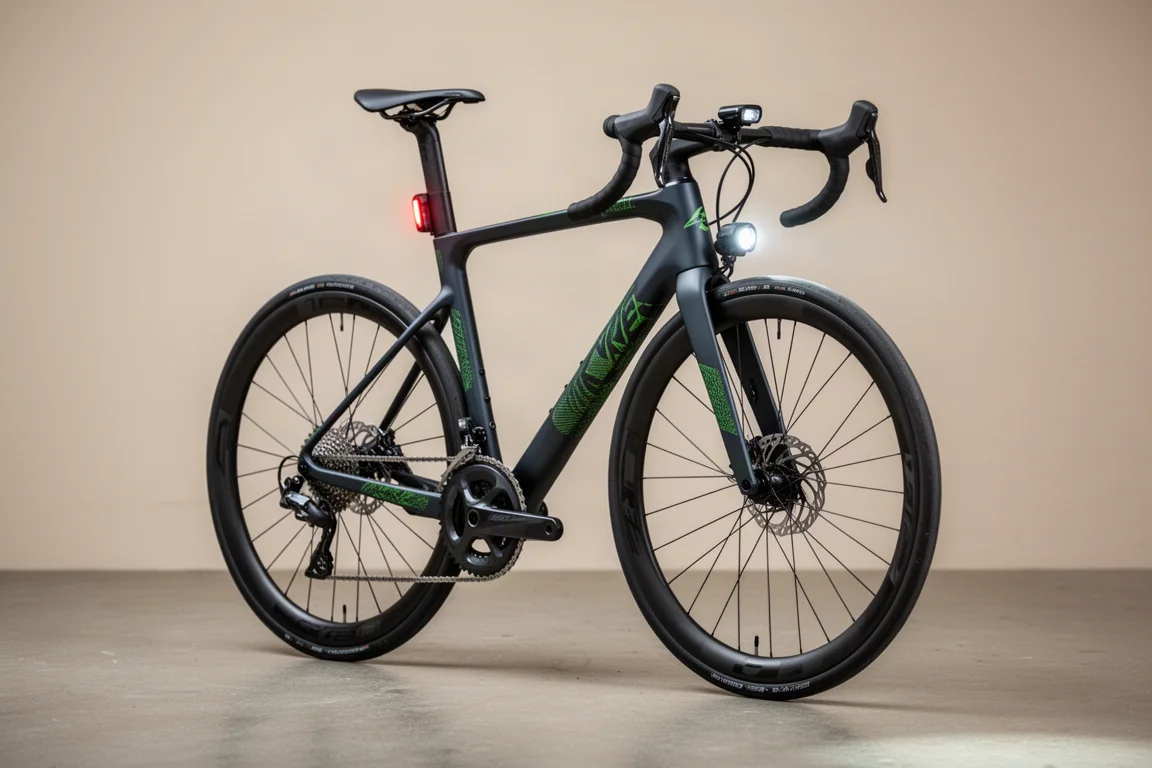
Liv Langma: Light, Friendly and Ripe for Upgrades
The Liv Langma is a smaller, lighter build with a few personal touches: pink bar tape, a Specialized Mimic saddle, Shimano pedals and 28 mm tires in place of the much wider ones it arrived with. Liv has a strong reputation for sizing that suits women riders better than most ranges, and that is a genuine advantage.
The braking system is the main thing to know about. It is a cable-actuated converter that sits on the handlebar and turns cable disc brake levers into hydraulic ones. It is bulky, cables stick out awkwardly, it is fiddly to work on, and it takes up a lot of space at the front of the bike. The good news is that TRP Hy/Rd calipers are a well-known alternative that tidies up the handlebar area and should prove more reliable without costing a fortune.
As with several bikes here, a wider-range cassette is on the wish list for climbing. The colour scheme works well, and the fit is clearly still a work in progress.
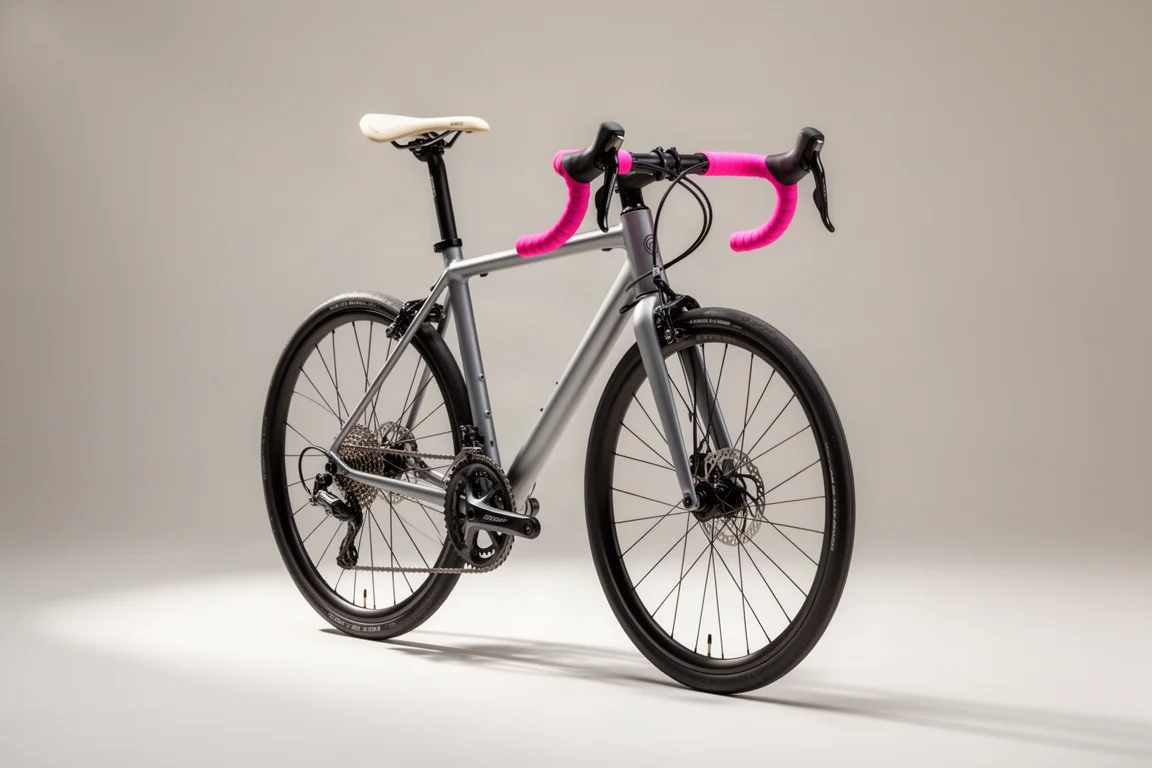
Chapter2 Huru: Rim Brakes and Real-World Ingenuity
This Chapter2 Huru is a rim brake Team Edition frameset from a team that has since folded, and it was picked up at a good price. That makes it one of the more affordable routes into a genuinely fast frame.
The build is a mix of old and improvised: an older Shimano 105 groupset, a front light for visibility, a bottle cage held on with gaffer tape, a 130 mm stem with a steep negative angle propped up with spacers, Continental GP5000 tires and a saddle bag. The pedals are old but functional, and a power meter in one of them no longer works.
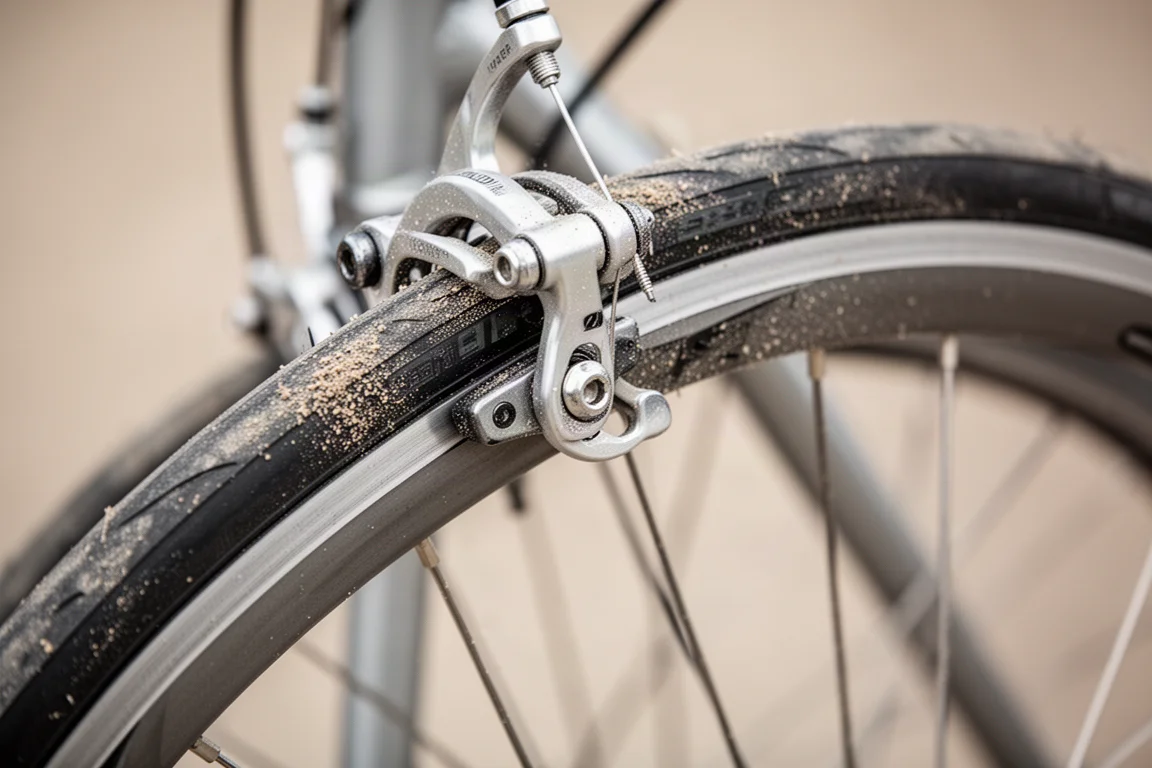
None of that stops the bike being quick. It is a good example of making what you have work, and rim brake components are cheap, simple and easy to replace when something wears out.
One practical note: the bike lives near the coast, where corrosion is a constant battle, and new end caps for the pedal power meters would tidy up the appearance considerably.
Bianchi Specialissima: Custom Pink and Top-Tier Kit
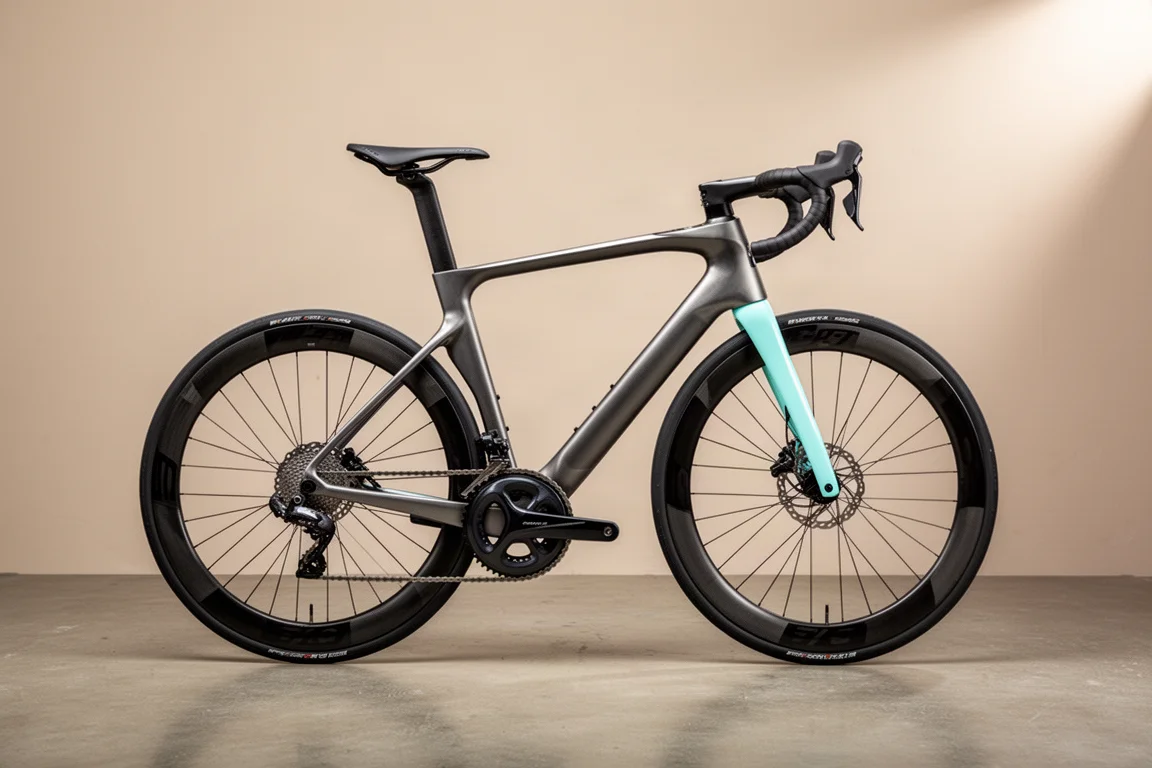
The Specialissima is the most expensive-looking build here, and it is not just the custom pink paint. Disc brakes, an integrated cockpit, ENVE 3.4 SES wheels, a Shimano Dura-Ace 12-speed wireless groupset, a 34-tooth cassette for easier climbing and Wahoo Speedplay pedals. It is also extremely light, helped along by a very small frame size.
The wheels are the talking point. The rims are hookless and unusually wide internally, which is a real consideration if you plan to change tires. Hookless rims are common now, but they are not for everyone, and checking tire compatibility before buying is worthwhile.
Everything else is black, the frame is stiff, and the build quality sits at the very top of the range. It is the sort of bike that makes you want to ride it.
Buying Advice: What Actually Matters
Looking across these six builds, a few patterns are worth keeping in mind.
Frame tier and groupset level drive most of the cost. The bikes with top-tier carbon and Dura-Ace sit at the top of the market, while the practical endurance and entry-level race builds deliver most of the real-world speed for far less.
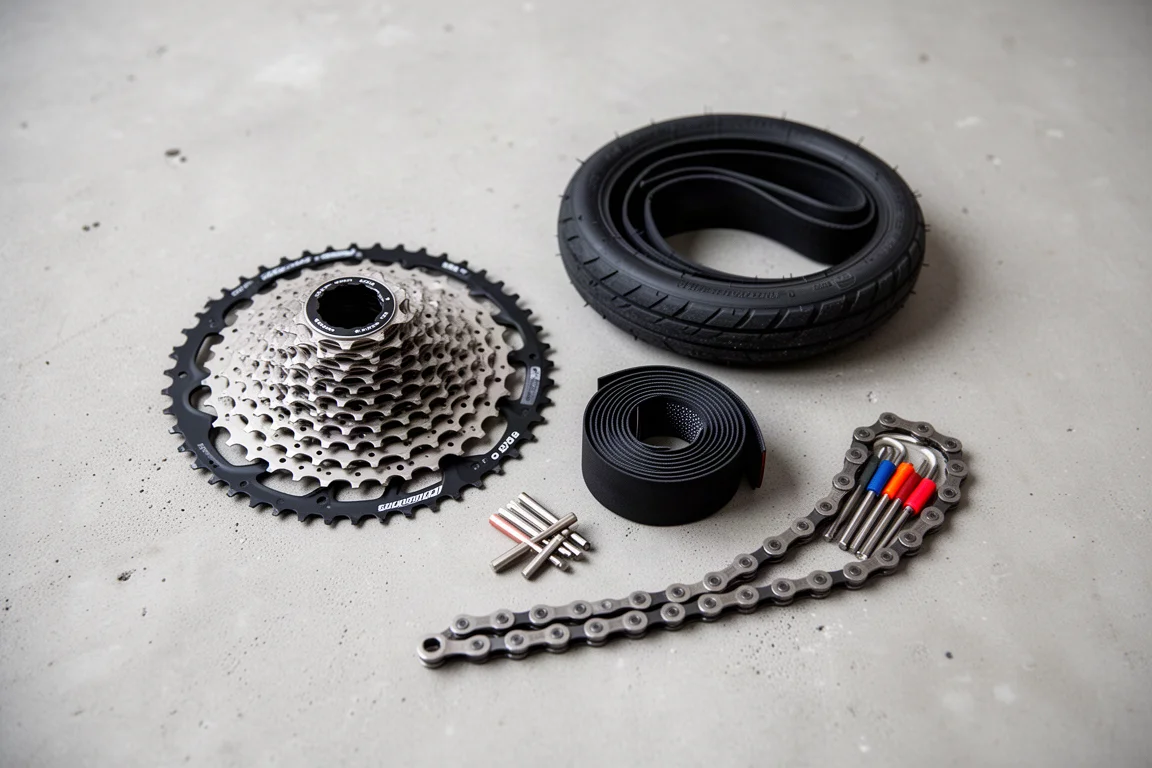
Wheels and tires are the upgrades riders actually make. Wider tires come up again and again as the change nobody regrets, and a wider-range cassette is the most requested fix for hilly terrain. Deeper rims are often chosen for looks as much as performance, and that is a perfectly reasonable reason.
Brakes are the other big decision. Cable-actuated hydraulic converters are best avoided where a simpler alternative exists, and rim brakes remain cheap, light and easy to live with if you do not need the extra stopping power.
Finally, fit matters more than spec. Long stems, one-piece bars and cut seatposts leave very little room to adjust a position later, and a bike that does not fit well will always feel slower than it is.
Conclusion
These six bikes span a pro-level aero machine, a 6.3 kg hill climb build and a custom-painted superbike, and each one reflects the priorities of the rider who built it. The common thread is that the details, tire width, cassette range, brake type, fit and the small touches that make a bike your own, matter as much as the frame itself.
If you are shopping in this territory, start with fit and the kind of riding you actually do, then decide how much of the budget belongs in the frame, the wheels and the groupset. The right answer looks different for a hill climb specialist, a commuter and a rider chasing a personal best on a flat road.
Further reading
Related Reviews
Road Bikes
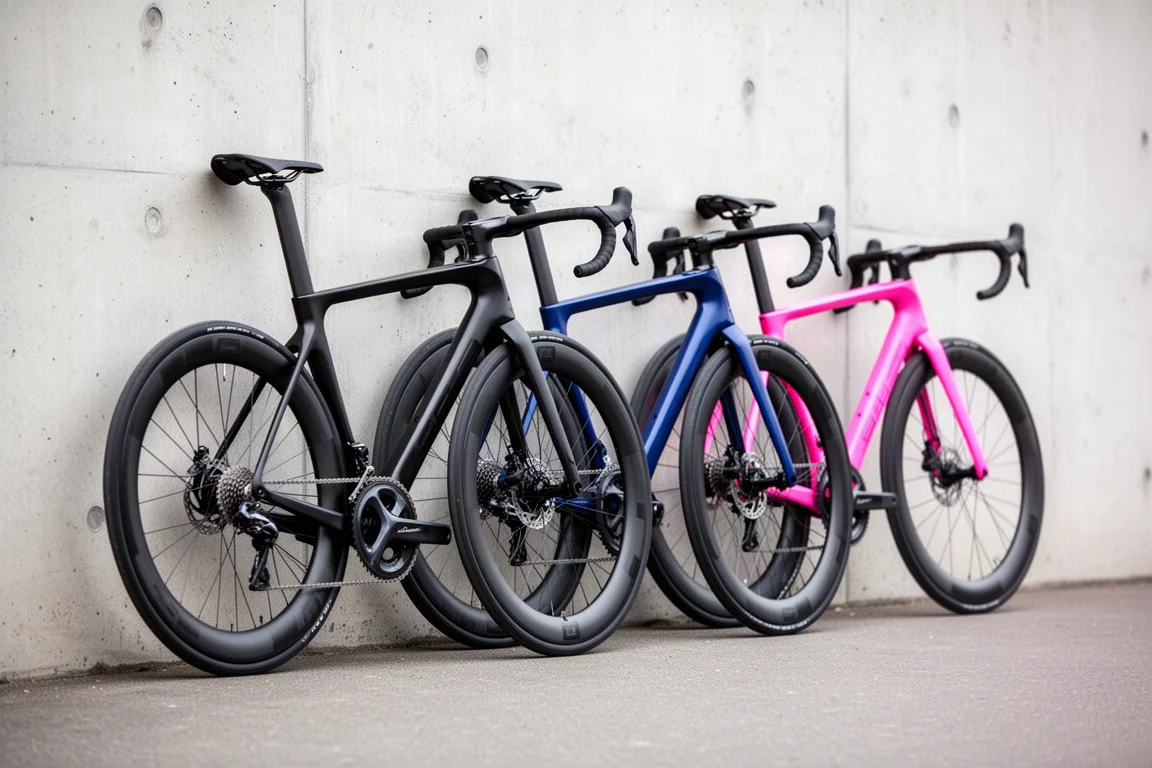
10 New Road Bikes Worth Watching: Aero, Titanium, Steel and Endurance Standouts
A practical roundup of 10 new road bikes, from aero flagships chasing single-watt gains to titanium, steel and endurance platforms built for real roads.
Road Bikes
2026 Tour de France Road Bikes: Six Race Machines Worth a Closer Look
Six race bikes from the 2026 Tour de France grid, reviewed for paint, silhouette, wheels and the specification details that matter to buyers.
Road Bikes
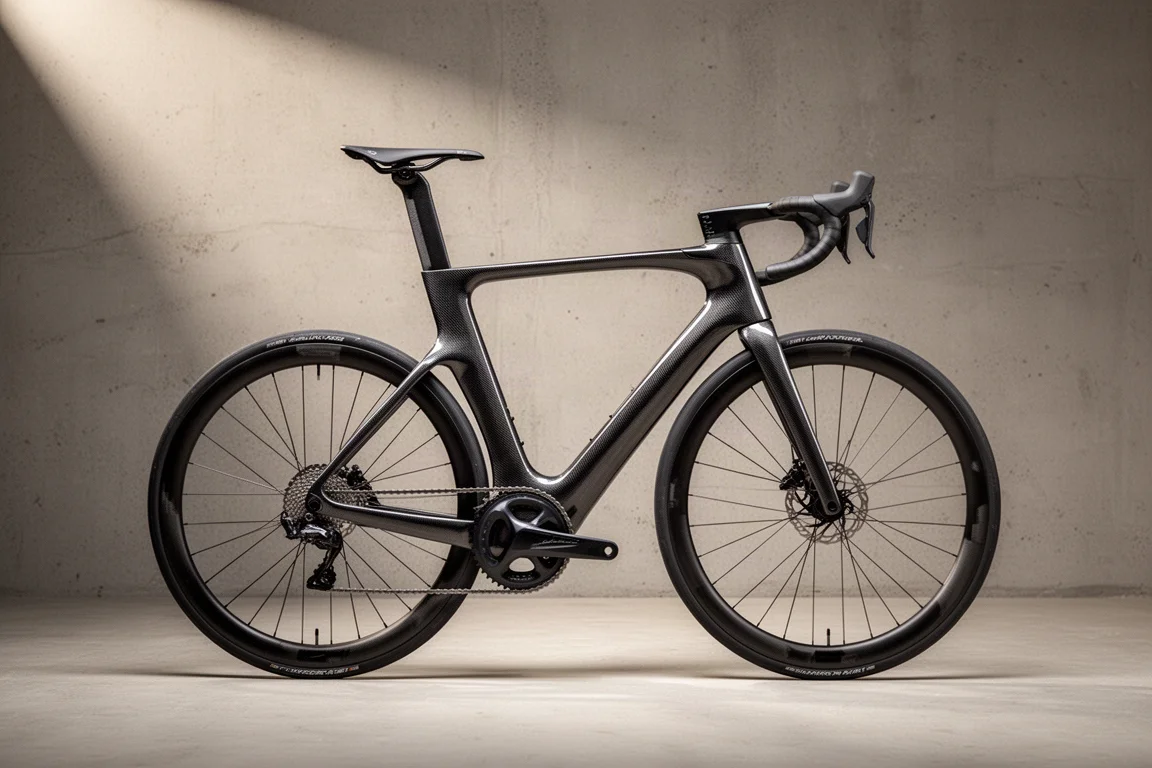
3T Strada Italia Review: A Radical Aero Road Bike That Rides Smooth
A made in Italy carbon aero road bike with a deep head tube, wide tire clearance and a genuinely comfortable ride. Here is what to know before buying.