Road Bikes
Six Standout Road Bike Builds Worth a Closer Look
Six road bike builds, from a top-tier carbon race frame to a rim brake bike kept alive with tape, with the details worth copying and the ones to think twice about.
Introduction
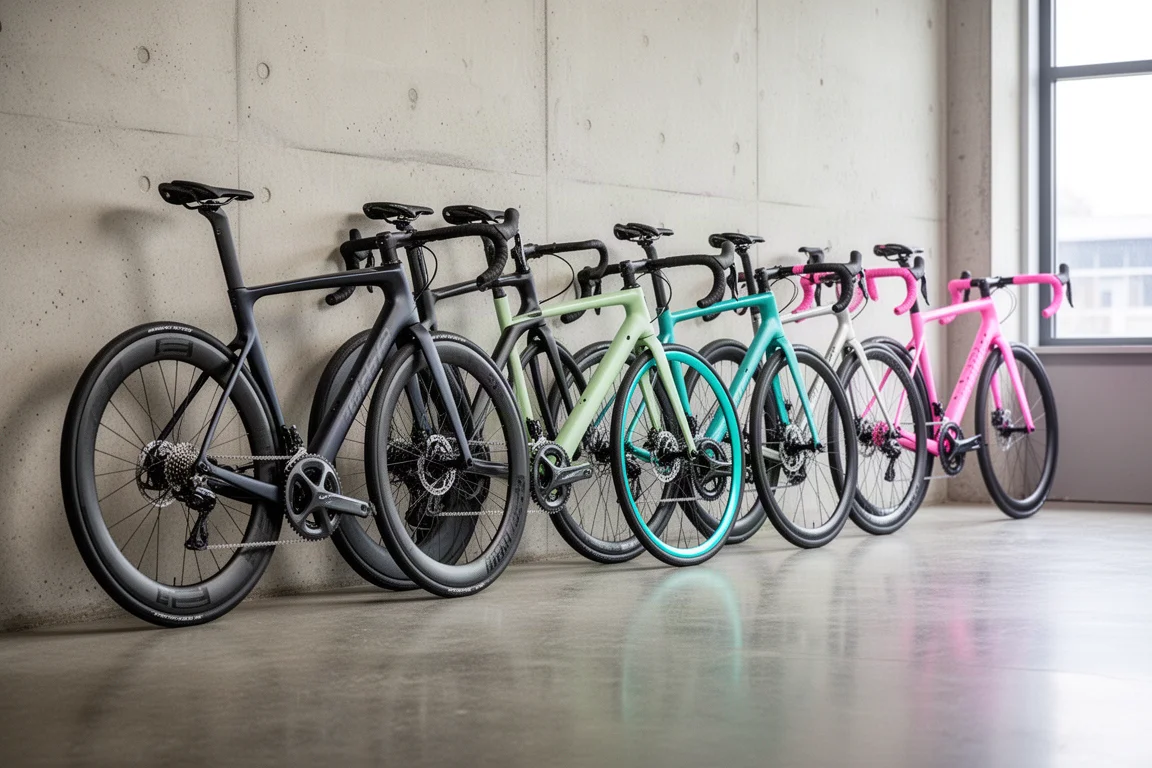
Top-end road bike builds tend to converge on the same handful of choices: a light frameset, an electronic groupset, a wheelset matched to the terrain, and a cockpit that hides as much cable as possible. What separates one build from another is how well those choices suit the rider and the roads they actually ride.
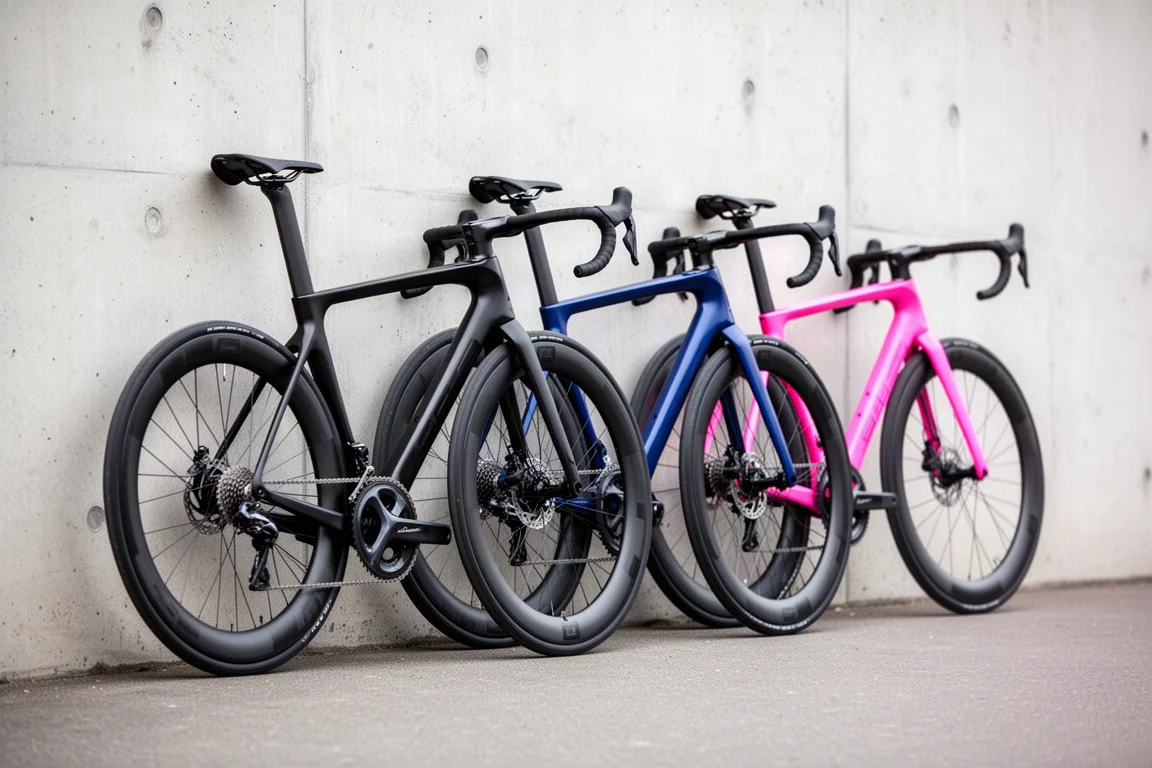
This roundup covers six builds that span a wide range of budgets and priorities. One is a top-tier carbon race frame with a paint scheme that stands out immediately. Another is a hill climb focused build that sits at roughly 6.3 kg. At the other end of the scale is a rim brake bike that keeps going with gaffer tape and a hard saddle. Each one has at least one detail worth copying, and at least one worth thinking twice about.
What These Six Builds Have in Common
Shimano Dura-Ace appears on several of these bikes, in 12-speed and wireless forms, and the consistent note is that it shifts cleanly and needs very little attention. Continental GP5000 tires turn up repeatedly as well, in widths from 28 mm up to the widest a frame will accept. Two owners have moved to wider tires than stock, and both say they would not go back to something narrower.
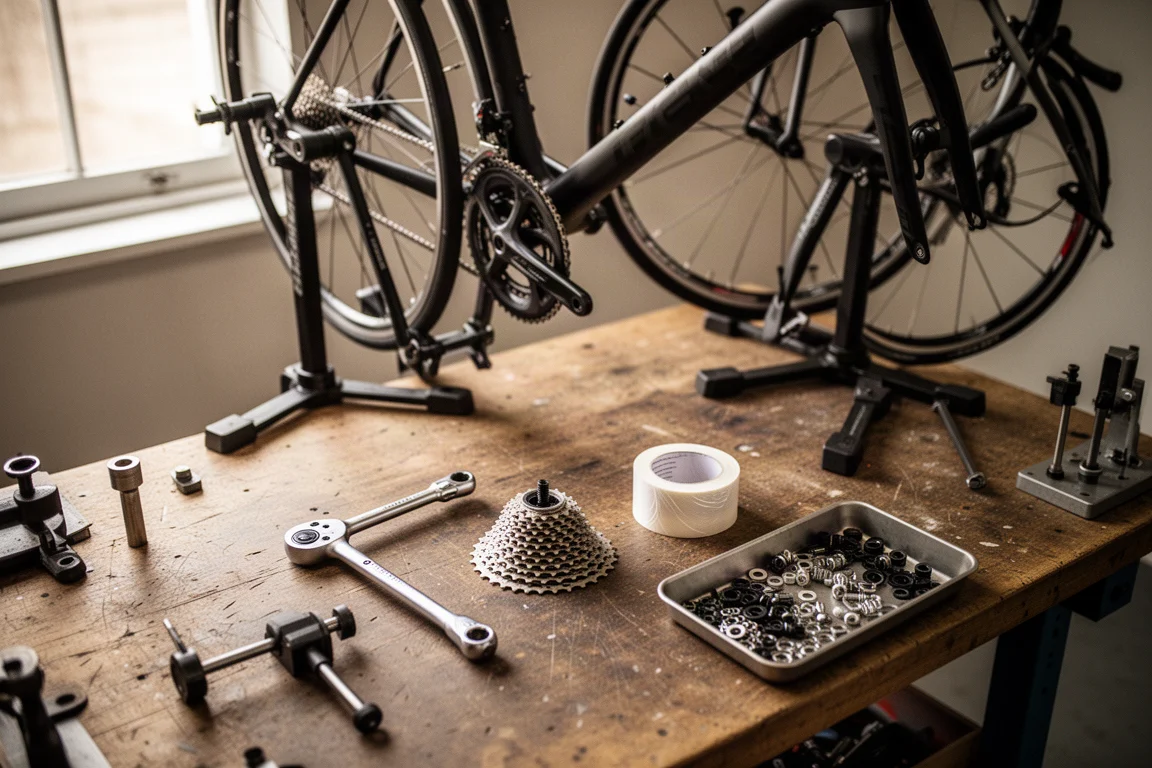
Gearing is the other recurring theme. More than one rider wants a wider range cassette, because the hills where they live are steeper than stock gearing assumes. That is a small, affordable change with a noticeable effect on how often a climb feels like a grind. The remaining differences come down to frame material, wheel depth, and how much budget is left after the frameset.
Canyon Aeroad CFR: A Top-Tier Carbon Race Frame
The Aeroad CFR uses the brand’s highest-grade carbon frame, and this build pairs it with a full Dura-Ace groupset and an integrated cockpit. Both brake rotors are 140 mm, which is not possible on every frame and keeps the braking setup consistent front and rear.
The paint scheme is the standout feature. It is one of the more striking finishes on this model, and the proportions look well balanced on a smaller frame size. The frame is also light enough that the whole build reads as a proper race bike rather than a compromise.
Two small criticisms. The red saddle does not match the rest of the frame, and there is a chip in the paint that will bother anyone who likes a flawless finish. It is also worth remembering that Canyon sells direct to customers, so support from a local shop is more limited than with a brand sold through dealers.
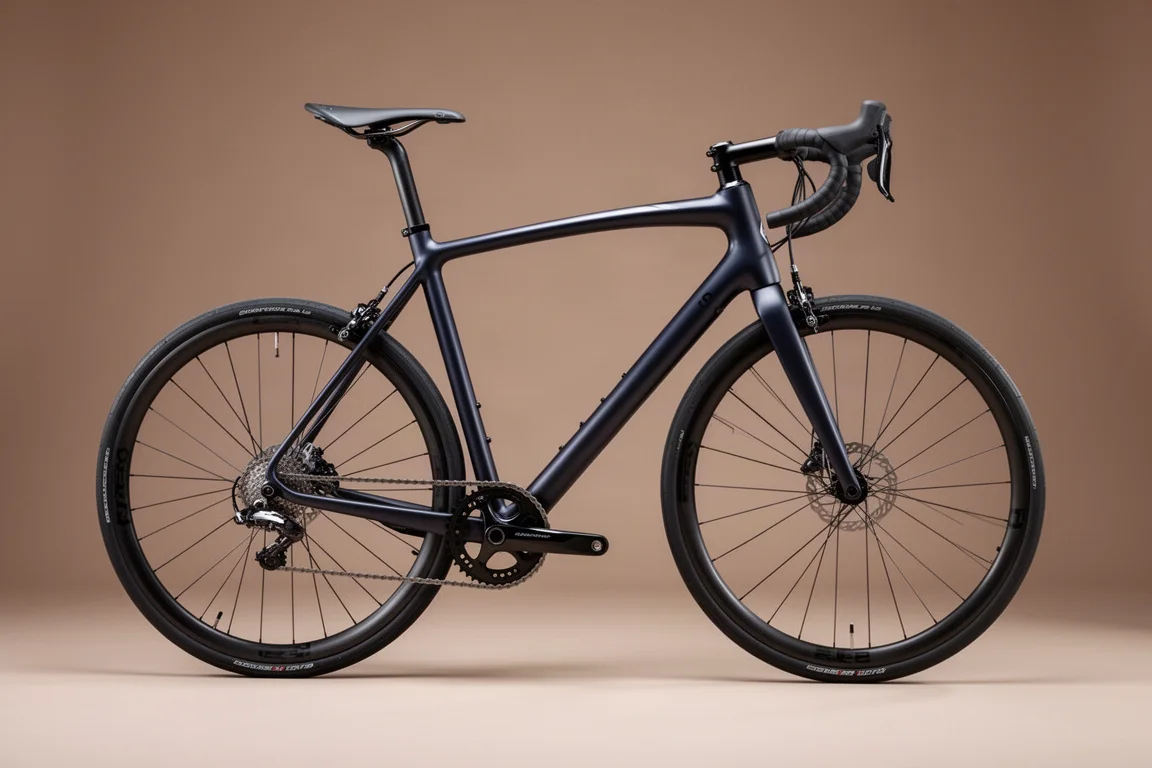
Factor O2 VAM: Built Around Low Weight
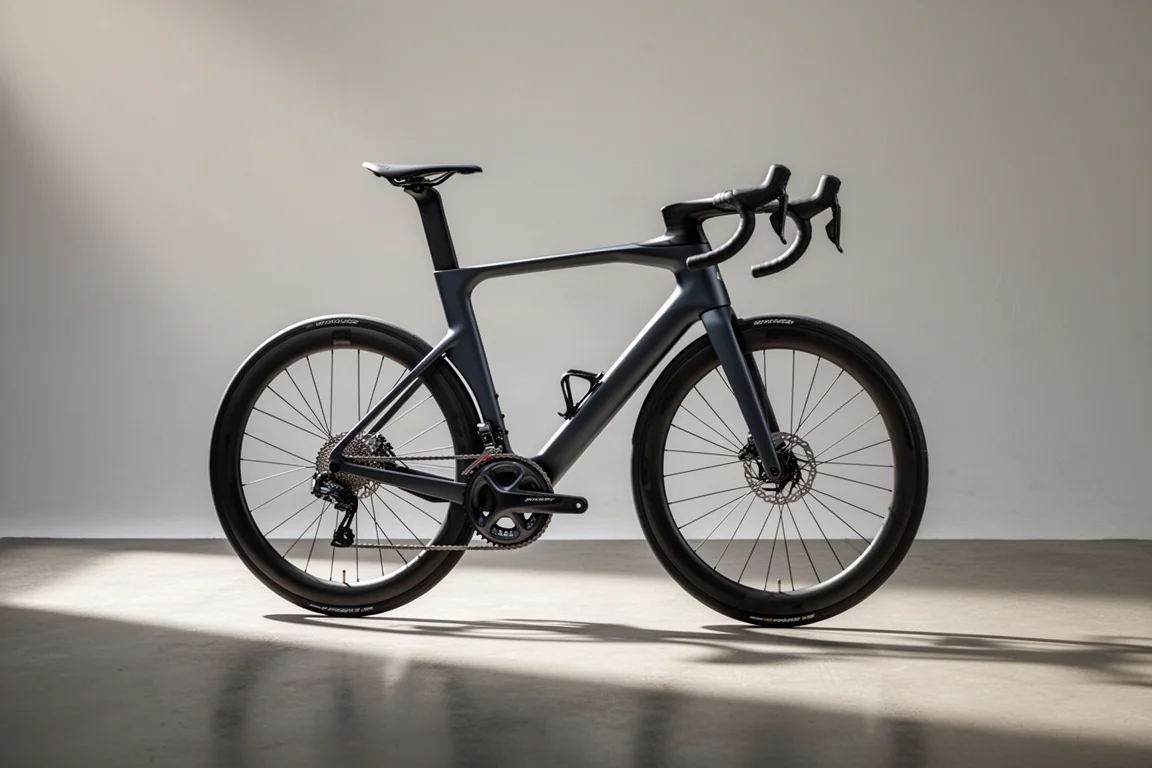
This Factor O2 VAM build comes in at around 6.3 kg with disc brakes, which is a serious number for a bike that is still fully rideable rather than a stripped-down hill climb special. It runs Dura-Ace 12-speed, a Black Inc finishing kit, a climbing wheelset, a left-sided 4iiii power meter, a Selle Italia saddle, and 28 mm Continental GP5000 TT tires.
The stem is very long, around 140 mm, and paired with a one-piece bar, which gives the bike an aggressive, stretched position. The seatpost is an older design with very little height adjustment, so saddle height is effectively fixed. That makes the frame harder to pass on to a rider who needs a different fit.
The black and white paint has a subtle texture across the front end and the stays. The wheels look shallow against the depth of the frame, so a deeper set would sharpen the look, though shallow rims make sense on a build focused on climbing. The overall impression is a bike put together by someone who cares about weight first and aesthetics second.
Scott Addict SE: An Endurance Platform With Practical Upgrades
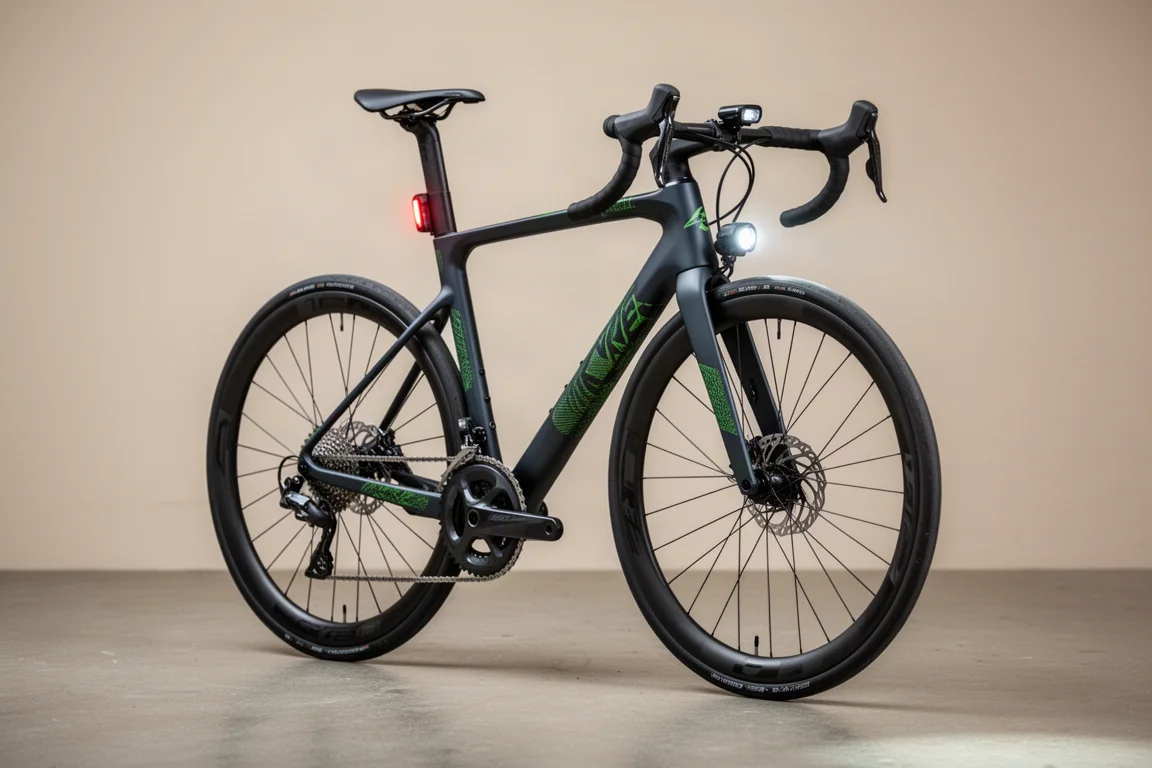
This Scott Addict SE runs Shimano Ultegra Di2 and is largely stock apart from the tires, which have been swapped for Continental GP5000s in a much wider size, roughly 32 to 35 mm, at the limit of what the frame accepts. The owner says the wider rubber changed how the bike feels and would not return to a narrower tire.
Front and rear lights are fitted for every ride, a sensible habit in areas without dedicated cycling infrastructure. The front end has busy cable routing, with wires crossing in several directions, and the head tube shows scuff marks where cables have rubbed against the frame. A small patch of protective tape would prevent that.
Two upgrades are on the wish list: a deeper carbon wheelset, chosen purely for how it looks, and a wider range cassette for hilly terrain. The saddle matches the frame graphics but is a light color that will show dirt. There are spacers under the stem for a more upright position. Despite being sold as an endurance bike, the geometry is not especially relaxed.
Liv Langma: Fit, Finish and a Clear Upgrade Path
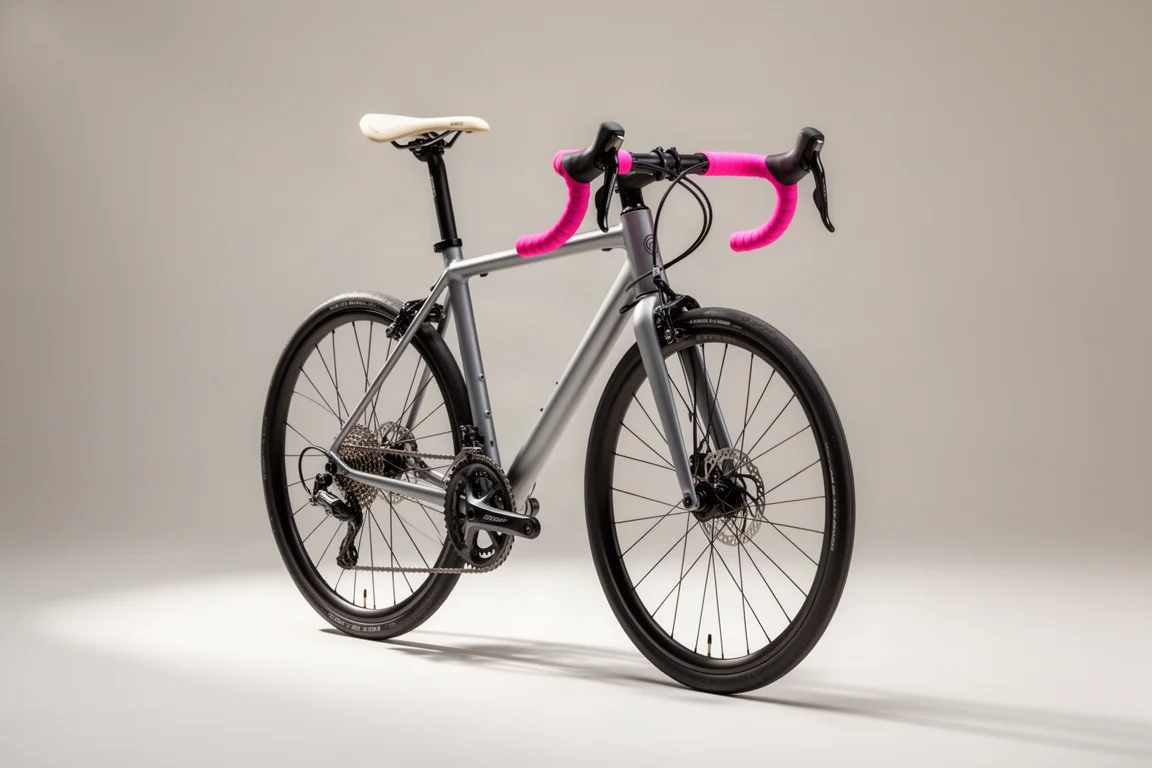
This Liv Langma runs pink bar tape, a Specialized Mimic saddle, and Shimano pedals. The tires have been changed from a 45 mm gravel-oriented size down to 28 mm. Liv has a strong reputation for sizing that suits women riders well, and the color scheme here is easy to like.
The weak point is the braking system. A cable-to-hydraulic converter sits on the handlebar and takes up a lot of space, with cables exiting the sides of the unit. It is awkward to work on and does not deliver the feel of a proper hydraulic setup.
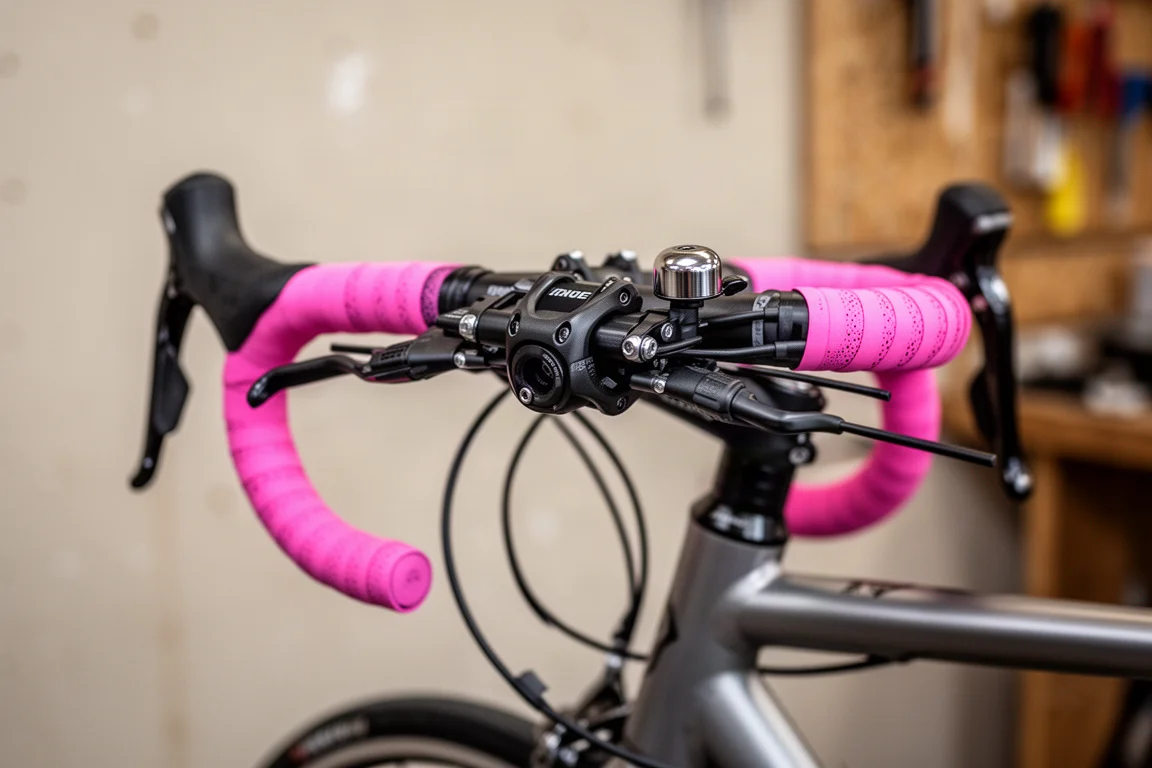
A hydraulic caliper upgrade would tidy the cockpit and improve reliability, and a wider range cassette is also on the wish list for hillier routes. The handlebar position looks like a workaround rather than a considered fit, so a proper bike fit would likely pay off here as well.
Chapter2 Huru: Rim Brake Simplicity and Real-World Repairs
This Chapter2 Huru is a rim brake Team Edition frame with teal and green accents. It runs a 105 front derailleur after the original broke, Continental GP5000 tires, a saddle bag, and a very hard saddle. One bottle cage mount has snapped and is currently held in place with gaffer tape, and one of the pedals contains a power meter that no longer works. The 130 mm stem sits at minus 17 degrees, though spacers under it soften some of that aggressive angle.
Rim brakes keep the bike simple and easy to maintain, and the long low stem gives it a fast, purposeful look. The rust-colored end caps on the pedals are a reminder of what living near the sea does to metal. Replacement end caps are inexpensive and would tidy up the build considerably, and the frame itself remains a genuinely quick platform.
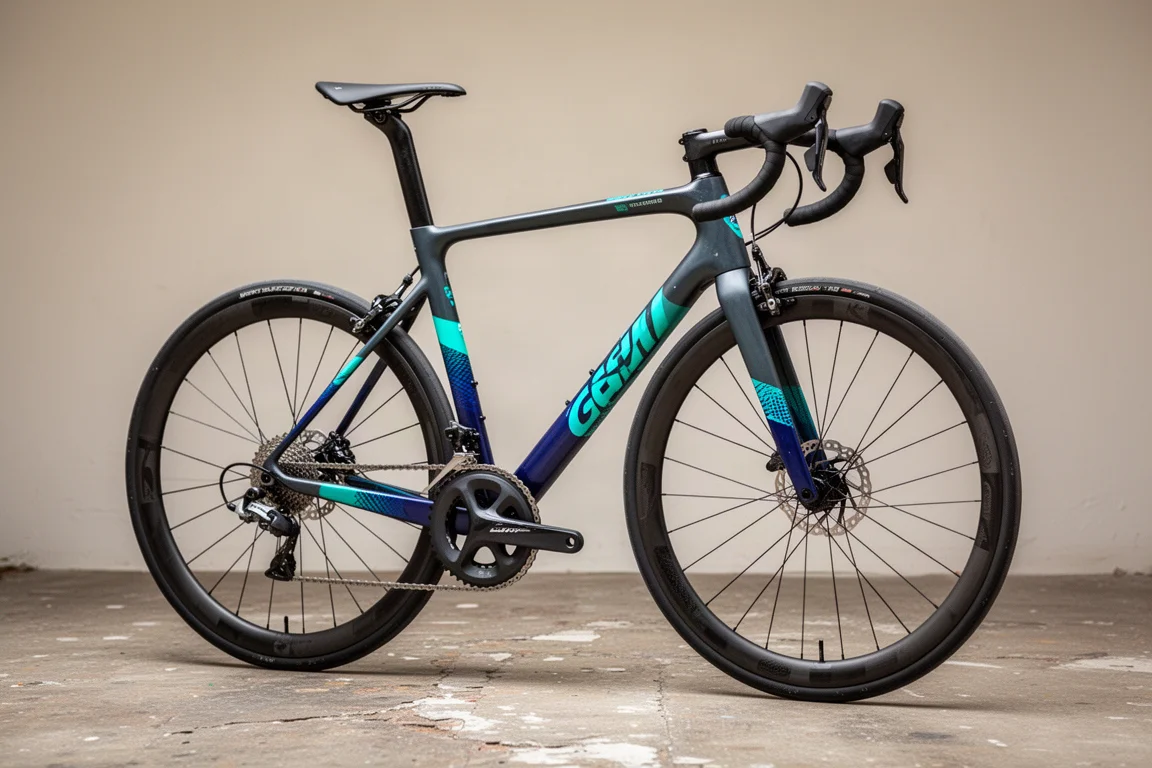
Bianchi Specialissima: Custom Paint and Premium Components
This Bianchi Specialissima wears a custom pink finish and pairs it with disc brakes, ENVE 3.4 SES wheels, an integrated cockpit, and Dura-Ace 12-speed wireless. The cassette goes up to 34 teeth, which makes steep climbs more manageable, and the pedals are Wahoo Speedplay.
The frame is small, and the complete bike feels very light as a result. The wheels are notably wide internally, which is a growing trend, though wide hookless rims are worth understanding before buying.
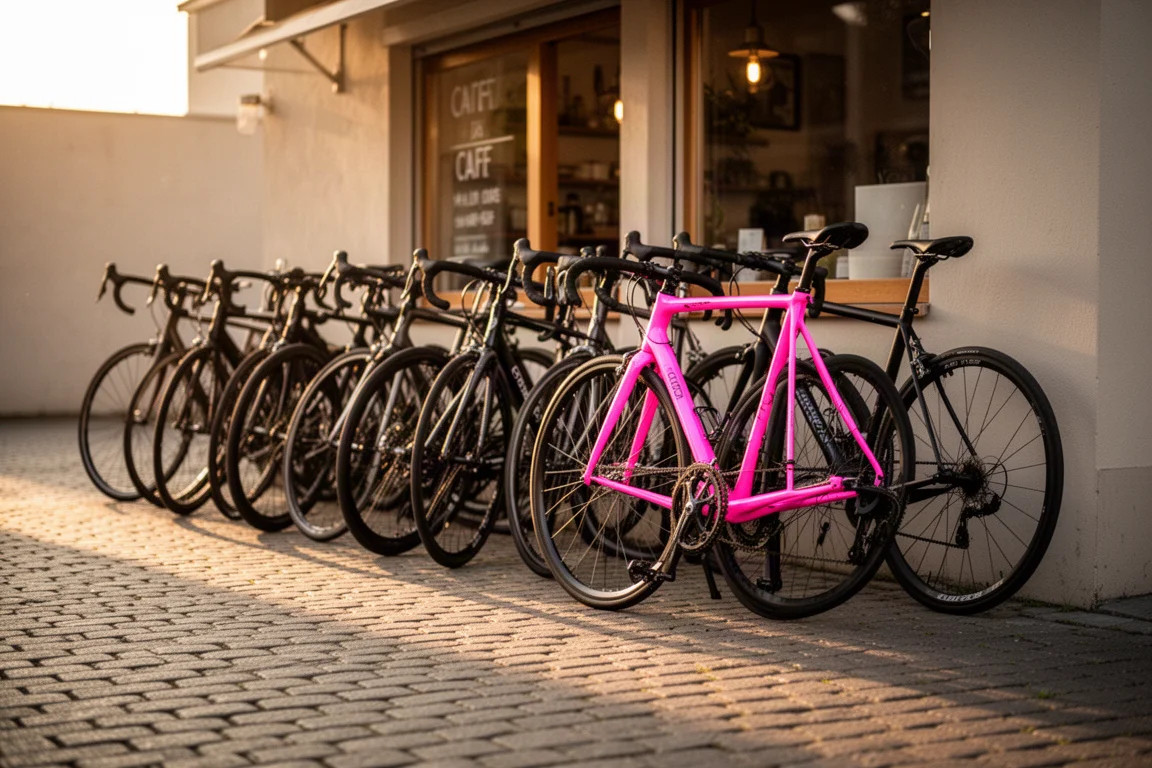
Everything else on the bike is black, which lets the pink frame do the talking. This is the kind of build where the frameset and the wheelset are the two big investments, and the remaining components are chosen to stay out of the way visually.
Buying Advice
Start with the terrain rather than the spec sheet. If the roads near you are steep, a wider range cassette matters more than a deeper wheelset, and it costs far less. If you ride mostly flat, fast roads, a one-by setup with a large chainring can work well, though it limits gearing options for everything else.
Serviceability is the second consideration. Rim brakes and mechanical shifting are simple to maintain at home, while hydraulic systems and integrated cockpits look cleaner but are harder to work on. If you do not have a good local shop, that difference matters more than it first appears.
Fit comes third. Several of these bikes are built around long stems or unusual seatpost designs, and those choices lock in a position. Before buying any used frame, check tire clearance, seatpost adjustment range, and whether the cockpit can be swapped for a different size.
Finally, budget for tires, lights, and protective tape. Those small items came up again and again across these six builds, and they shape daily riding more than a grams saving on the frame.
Conclusion
There is no single best build here, only builds that suit different riders. The Canyon Aeroad CFR and the Bianchi Specialissima sit at the top of the range, with premium framesets, top-tier groupsets, and finishes that stand out. The Factor O2 VAM trades some everyday practicality for a very low weight and a focused climbing setup. The Scott Addict SE and Liv Langma are more accessible platforms with clear upgrade paths, and the Chapter2 Huru proves that a rim brake bike with a few worn parts can still be fast and enjoyable.
Match the gearing to your hills, check how easy the bike is to service, and confirm the fit before anything else. Do that, and any of these six will feel like money well spent.
Further reading
Related Reviews
Road Bikes
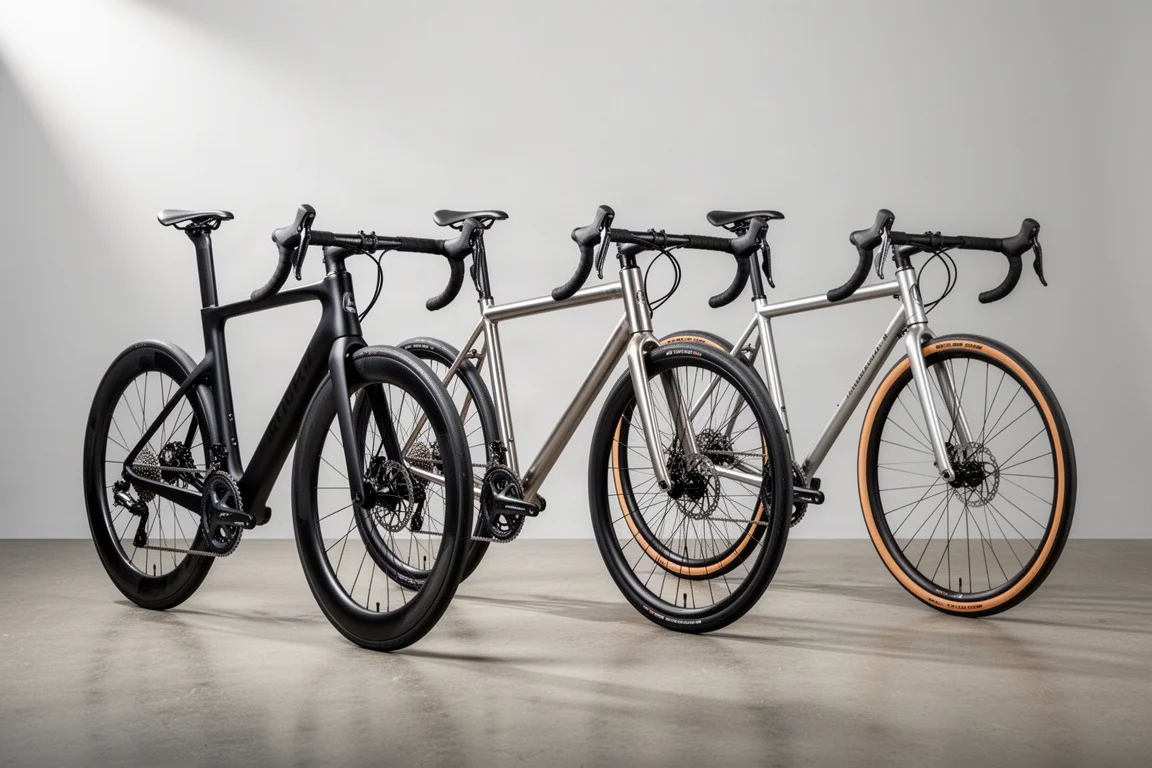
10 New Road Bikes Worth Watching: Aero, Titanium, Steel and Endurance Standouts
A practical roundup of 10 new road bikes, from aero flagships chasing single-watt gains to titanium, steel and endurance platforms built for real roads.
Road Bikes
2026 Tour de France Road Bikes: Six Race Machines Worth a Closer Look
Six race bikes from the 2026 Tour de France grid, reviewed for paint, silhouette, wheels and the specification details that matter to buyers.
Road Bikes
3T Strada Italia Review: A Radical Aero Road Bike That Rides Smooth
A made in Italy carbon aero road bike with a deep head tube, wide tire clearance and a genuinely comfortable ride. Here is what to know before buying.