Cycling
Six Standout Road and Gravel Bike Builds: Aluminium, Steel and Carbon Compared
Six real-world road and gravel builds, from a secondhand gravel bike bought for £170 to a custom steel frame finished with 3D-printed titanium lugs.
Introduction
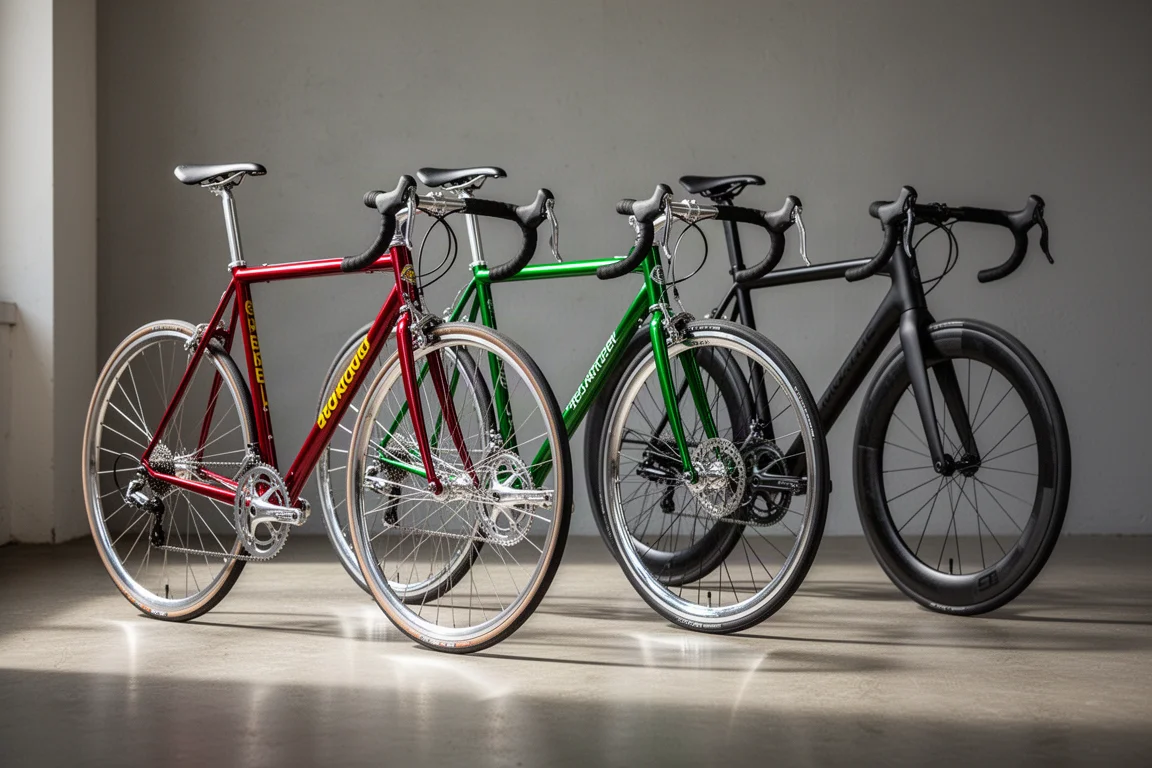
This roundup covers six road and gravel builds that sit at very different points on the price spectrum, from a secondhand gravel bike bought for £170 to a custom steel frame finished with 3D-printed titanium lugs. Between them they cover aluminium, steel and carbon frames, groupsets from Campagnolo, Shimano and SRAM, wheel depths from shallow to 50mm, and pedal choices that range from flat pedals to mountain bike SPDs to traditional road pedals.
What makes them interesting is not the badge on the down tube. It is how deliberately each bike has been put together, and how clearly each owner has thought about the riding they actually do.
What These Builds Have in Common
Look across the group and a few patterns appear. Almost every bike runs tan-wall tyres, which has become the default look for anything with a classic or understated frame. Deep 50mm wheels appear on several of the six builds, which suggests that depth has settled in as a practical middle ground for riders who want an aerodynamic look without going to extreme rim depths.
Frame material varies widely, but the priorities stay consistent: clearance for wider tyres, mounts for mudguards and racks, and a groupset that suits the terrain rather than the marketing tier. Two of the builds also show how much value a careful secondhand purchase can deliver, and one shows what becomes possible when a frame is built to order.
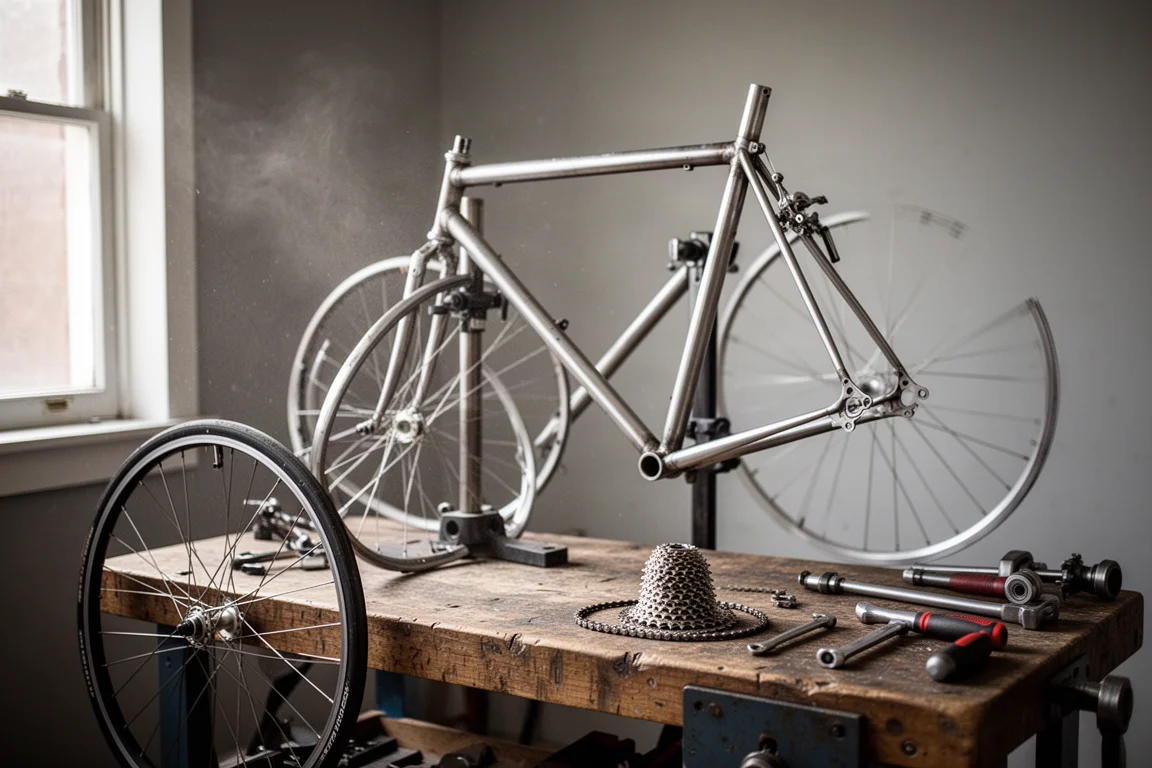
The builds also illustrate how personal fit details matter more than specification sheets. Stem length, handlebar shape, saddle choice and pedal type all change how a bike feels far more than a marginal frame weight difference.
Best Overall Value: Cannondale CAAD9 Custom Build
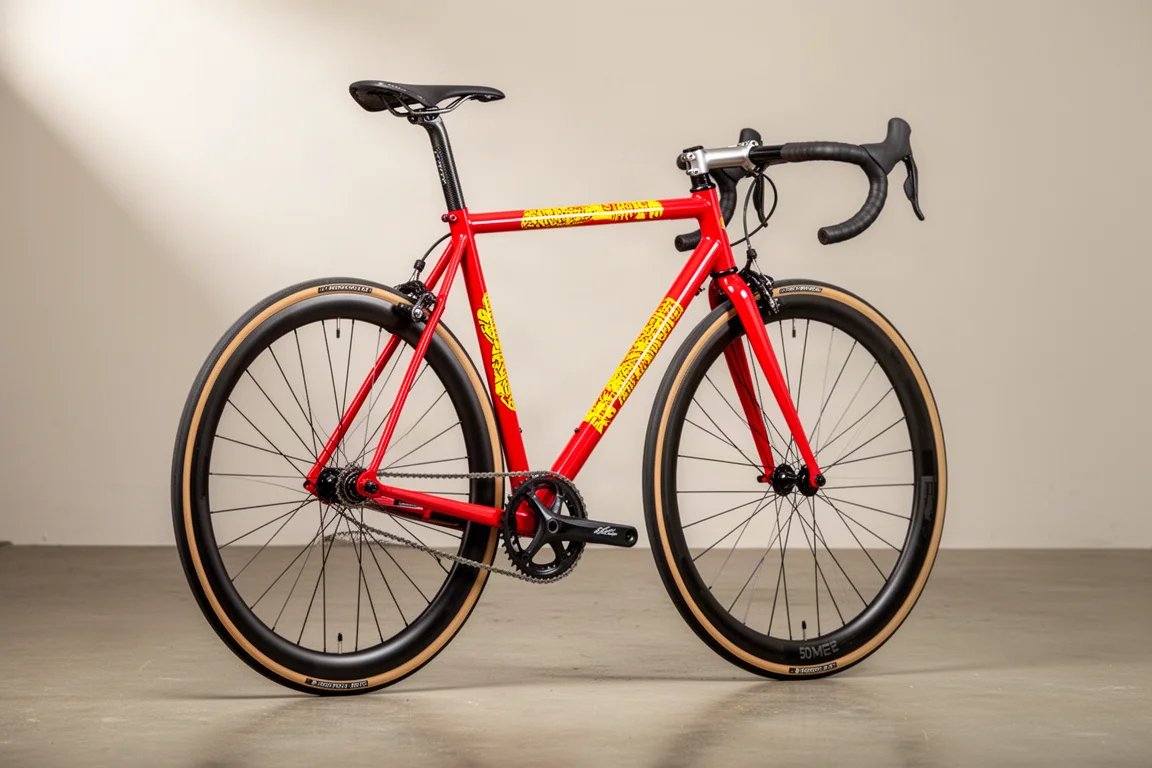
This is an aluminium CAAD9 frame found on eBay and repainted with graphics inspired by the CAAD3 Team Saeco livery, and the result is a convincing tribute. The silhouette is classic aluminium race bike: round tubes, a straight top tube and no dropped seat stays.
The parts list is just as well judged. A Campagnolo Chorus 11-speed groupset, Prime carbon aero handlebars, 50mm wheels, a Selle Italia SLR Kit Carbonio saddle, a lightweight carbon seat post paired with an aluminium stem, Continental GP5000 tyres with TPU tubes, and mountain bike SPD pedals. The complete build came in at around £1,930.
Two details are worth thinking about if you are planning something similar. Flat-top aero handlebars divide opinion: they give you a comfortable place to rest your hands, but a round-top bar with a more compact drop suits some riders better. Tyre colour is the other one. Against a red frame with yellow lettering, black or yellow sidewalls tend to look sharper than tan walls.
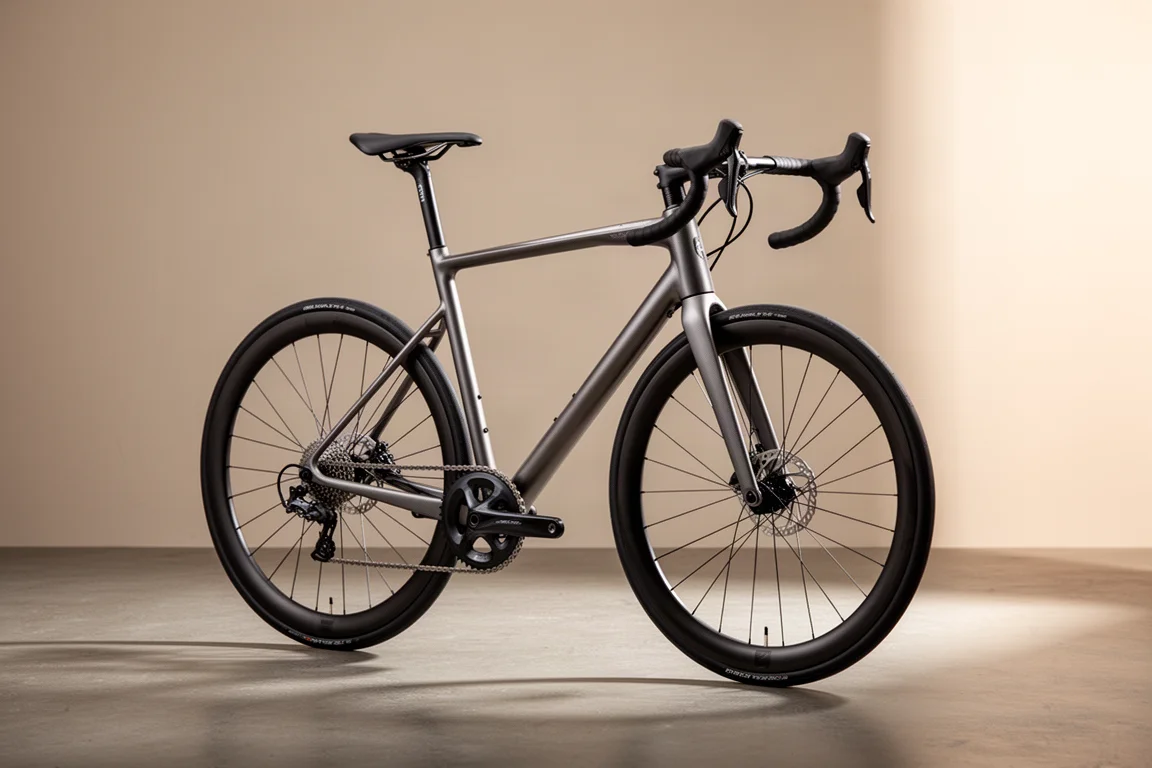
Best Modern Carbon All-Rounder: Cannondale SuperSix EVO 105
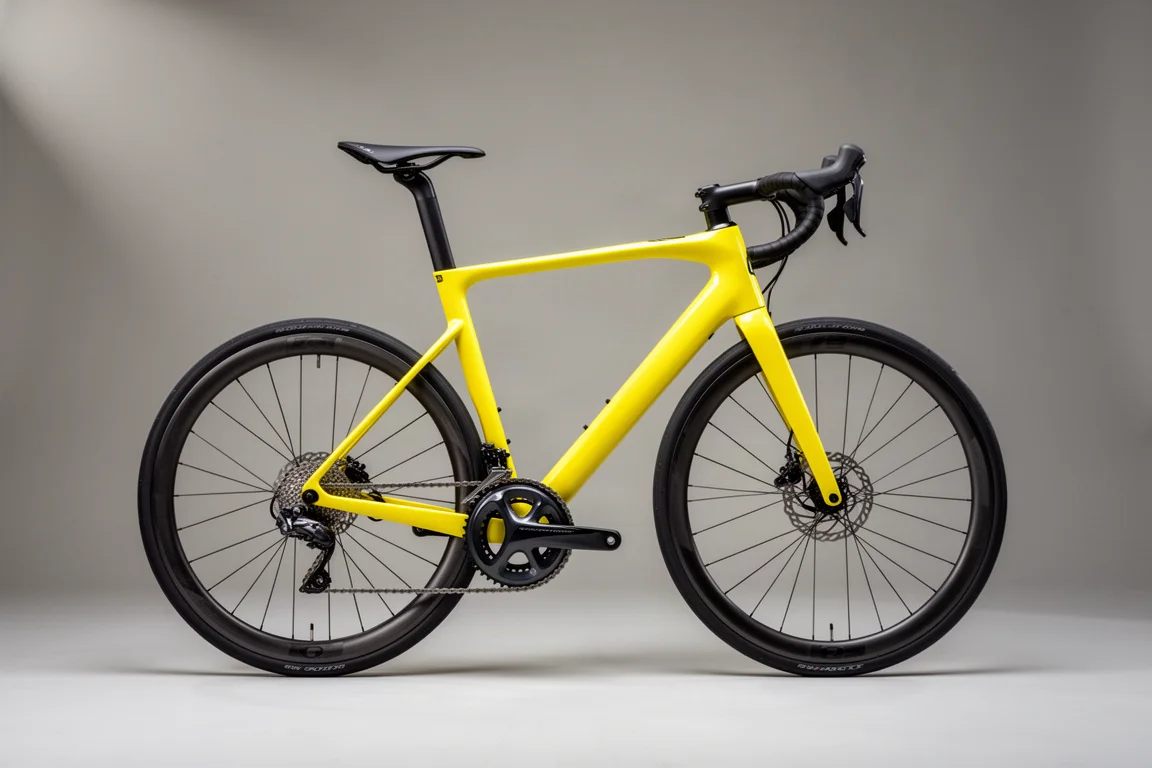
A first carbon road bike, built around a SuperSix EVO frame with a Shimano 105 groupset and a set of Vel R50 wheels. The version here came from a UK retailer with a fully integrated one-piece bar and stem rather than a traditional two-piece setup, which gives the front end a noticeably cleaner look.
The colourway is the talking point: a high-visibility fluoro finish that nods to the neon race bikes of the mid 2010s, balanced by almost entirely black components and very little branding. Pale amber-wall tyres are the only light element in the build, and they sit close enough to white to read as a deliberate contrast rather than a clash.
Practical notes: there is a single bottle cage, the crank is an FSA unit, and the bar ends and road pedals are the two parts most likely to divide opinion. The wheels deserve a thought as well. They are a shop’s own-brand set, which can be excellent value, but that is a different proposition from a wheel brand with a long carbon development history. The sensible approach is to ride them first and upgrade only if they hold the bike back.
Best Budget Gravel Entry: Planet X London Road
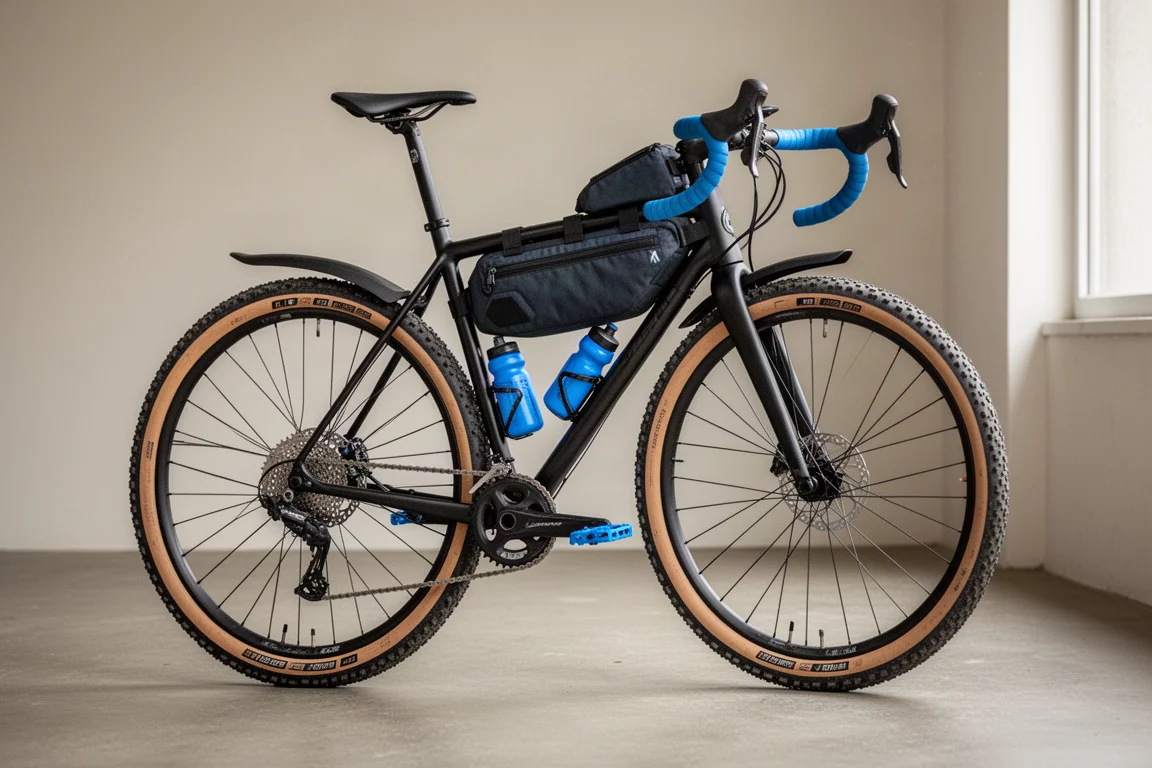
Bought secondhand for £170 with a SRAM Rival groupset, this is the value pick of the group by a wide margin. It is set up for gravel touring and bikepacking rather than racing, with Panaracer GravelKing SK tyres, flat pedals, a rear mudguard, a frame bag and a set of blue finishing touches across the bar tape, bottles and pedals.
The owner makes a fair point about weight: at 16 stone, saving 500g on a frame is not going to move average speeds. What matters more is that the bike is comfortable, carries luggage well and gets used.
Two small setup notes for anyone running a similar build. First, this generation of SRAM double-tap shifting is sensitive to cable setup, and a frame bag strapped around the down tube can interfere with the cable running along it, so it is worth checking that the shifting still clicks through cleanly. Second, a side-mounted bottle cage on the down tube solves the usual conflict between a bottle and a frame bag.
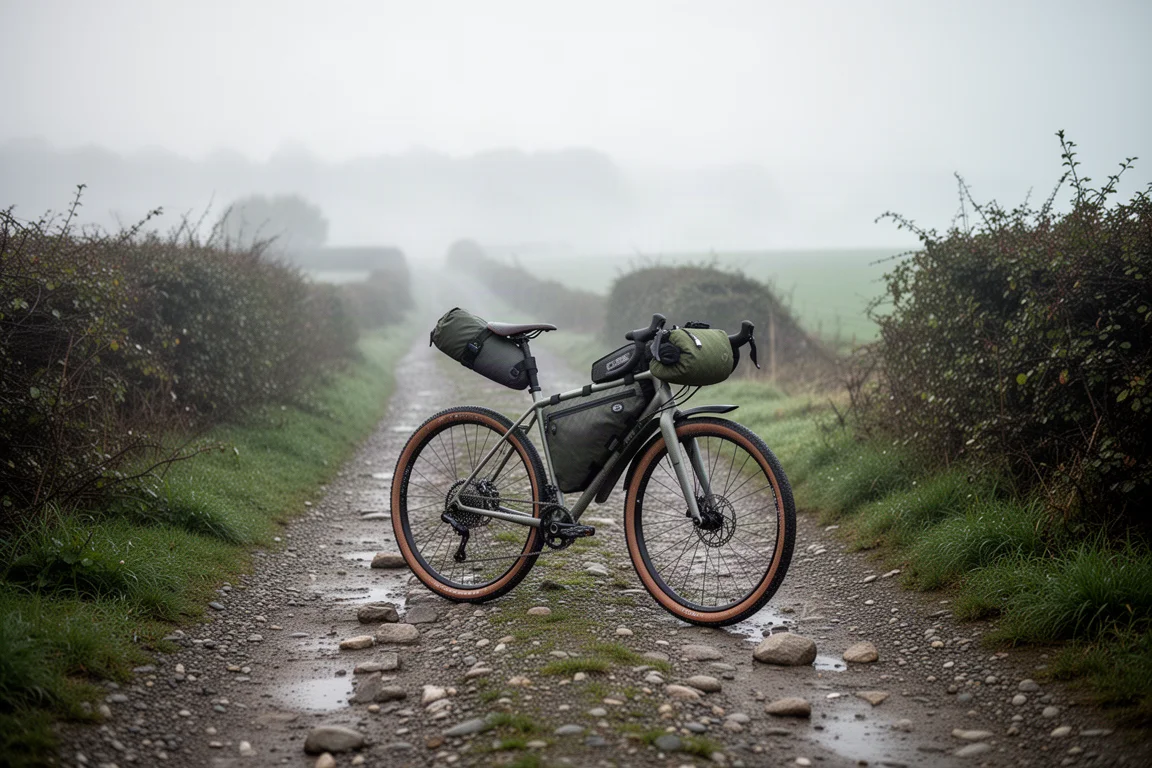
The rear mudguard is a nice touch for the rider, though anyone sitting on the wheel behind will get a face full of spray. Flat pedals on a gravel tourer are a legitimate choice, and plenty of riders cover serious distance without clipping in.
Best Steel Road Disc: Ritchey Road Logic Disc
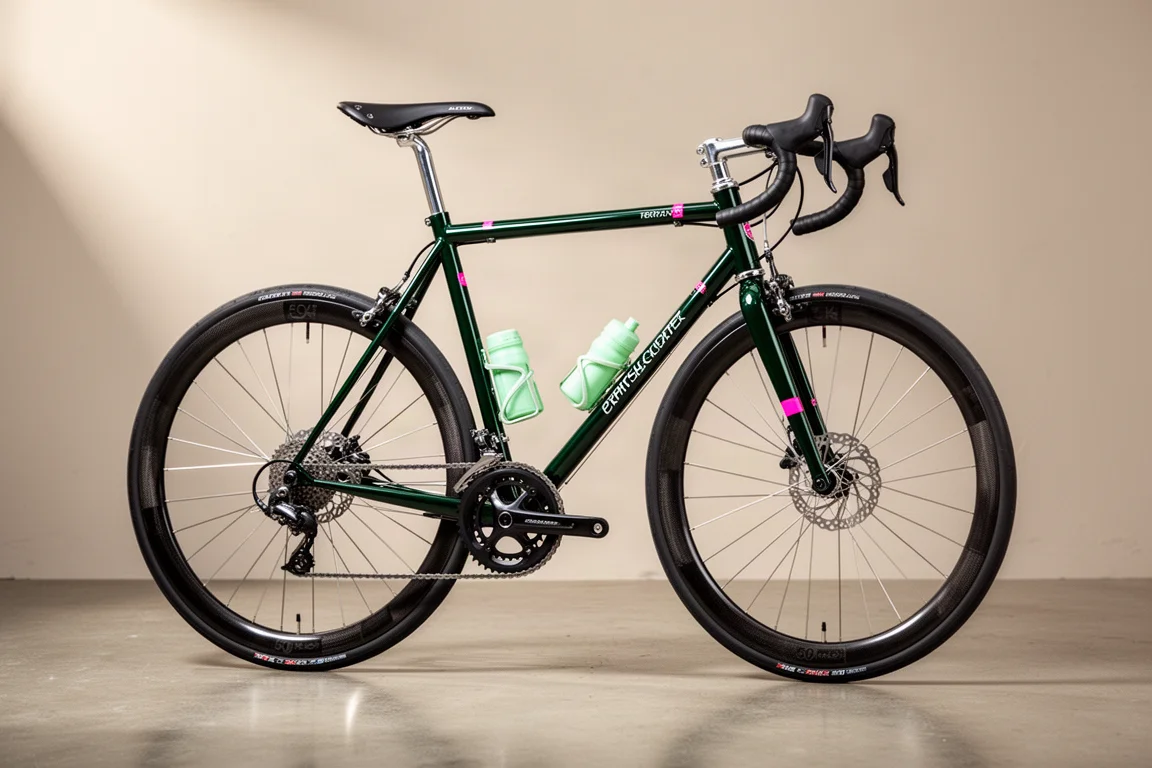
A size 51 Ritchey Road Logic Disc frame with Shimano 105 hydraulic shifting, a 50/34 crank and an Ultegra rear derailleur, finished with Ritchey components, an 80mm stem, a 40mm Evo Curve handlebar and a 50mm-deep carbon wheelset.
The frame is the star. British racing green with small splashes of pink and chrome is a combination that works far better than it sounds, and the amber-wall tyres suit it. Disc brakes and clearance for tyres wider than 25mm make this a far more usable bike than the classic steel road frames it echoes.
The one genuine omission is mudguard mounts. If you ride through winter or want the option of full coverage, that is a limitation worth knowing about before you commit.
Best Custom Steel Build: Quirk Cycles
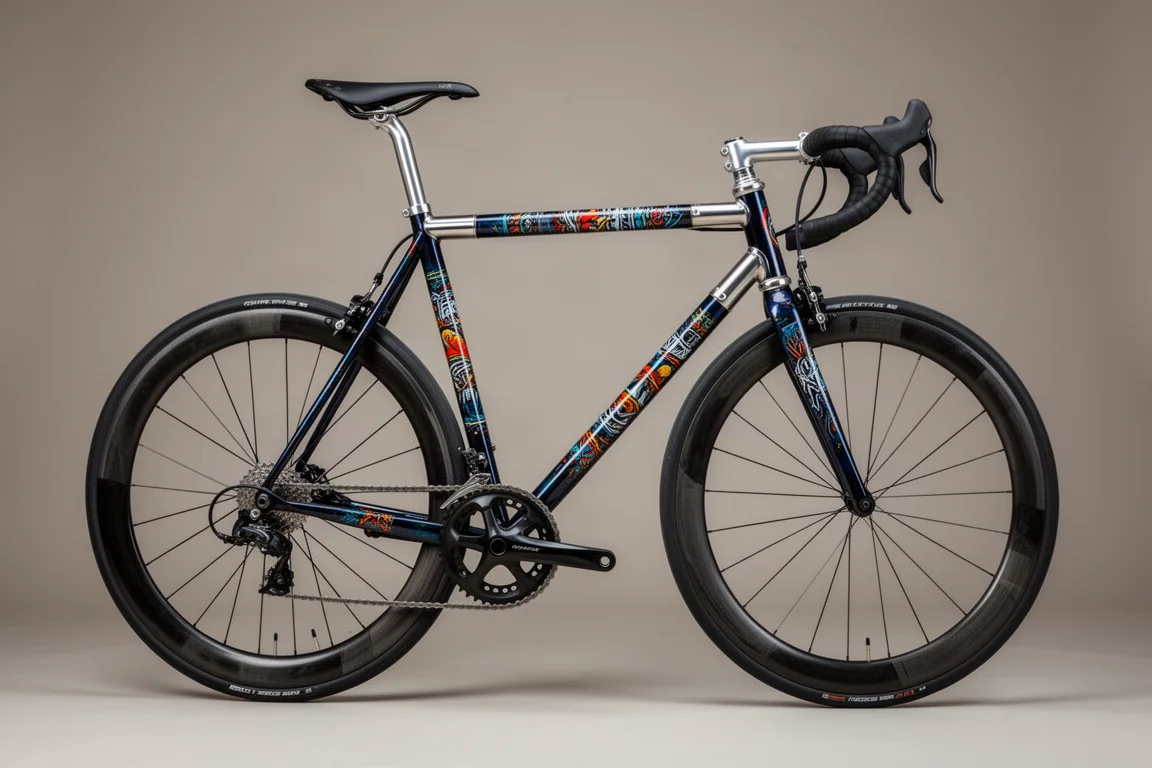
A custom steel frame from a London-based builder, built around SRAM AXS with a wide-range cassette, 32mm tyres and clearance for 38mm. The frame uses 3D-printed titanium lugs at the seat cluster, which allows a bold seat stay shape and removes the need for a brake bridge, leaving the rear of the frame unusually clean.
The paintwork is the other half of the story, and it is the kind of finish that is priced accordingly. Combined with mudguard mounts and room for larger tyres, this is a bike built for long days rather than race numbers.
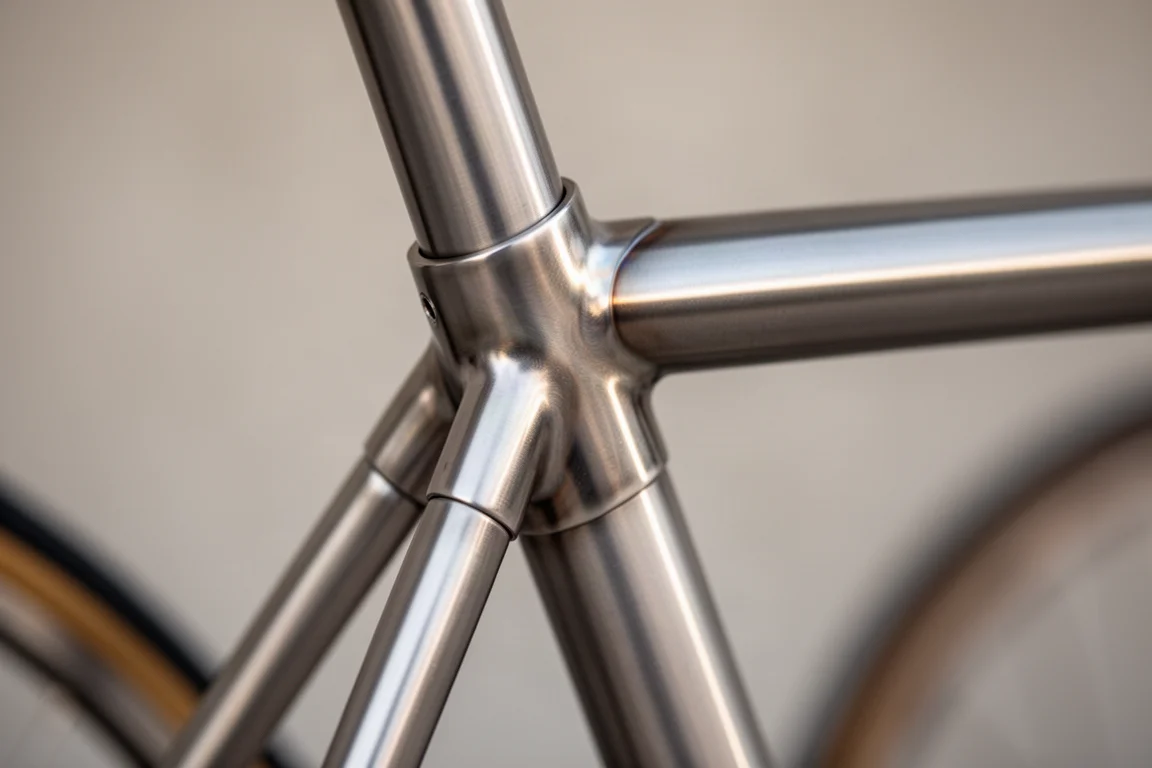
The honest caveat is cost. This is a premium, made-to-order proposition, and the price reflects both the craftsmanship and the finish. If the budget does not stretch that far, the sensible move is to borrow the ideas: tyre clearance, mudguard mounts and a clean rear triangle can all be found on production steel and aluminium frames.
Best Race-Focused Carbon: BMC Teammachine SLR01
A 2020 BMC Teammachine SLR01 bought secondhand at a favourable price, and then sensibly updated. The tubular wheels were swapped for a set of 50mm clincher wheels, which is the right call for anyone who rides regularly. Tubulars are impractical for everyday use, however good they feel on race day.
The frame is unapologetically angular, in the way that performance-first carbon frames often are. The ride character matches: this is a bike aimed at riders who want to go fast and are not especially interested in nostalgia. Gold bar tape is the one flourish, and it is a strong personal statement on an otherwise clinical build.
Notably, this is one of the few builds here without tan-wall tyres, and the darker rubber suits the frame better.
Buying Advice
If you are shopping for something similar, the sequence that matters is fit first, then use case, then specification. A frame that fits and suits the riding you do will beat a lighter or more expensive frame that does not.
On materials, aluminium remains the value sweet spot. The CAAD9 build shows what a well-chosen aluminium frame can do when the money goes into the groupset, wheels and contact points instead of the frame badge. Steel, as the Road Logic and the custom build both demonstrate, brings comfort and character, but check for mudguard mounts and tyre clearance if you want year-round usability. Carbon makes most sense when low weight and aerodynamics are genuine priorities rather than aspirations.
Wheel depth deserves a decision rather than a default. 50mm rims appear on several of these builds and deliver a fast look with reasonable all-round manners, but shallow rims are easier to live with on rough surfaces and in crosswinds.
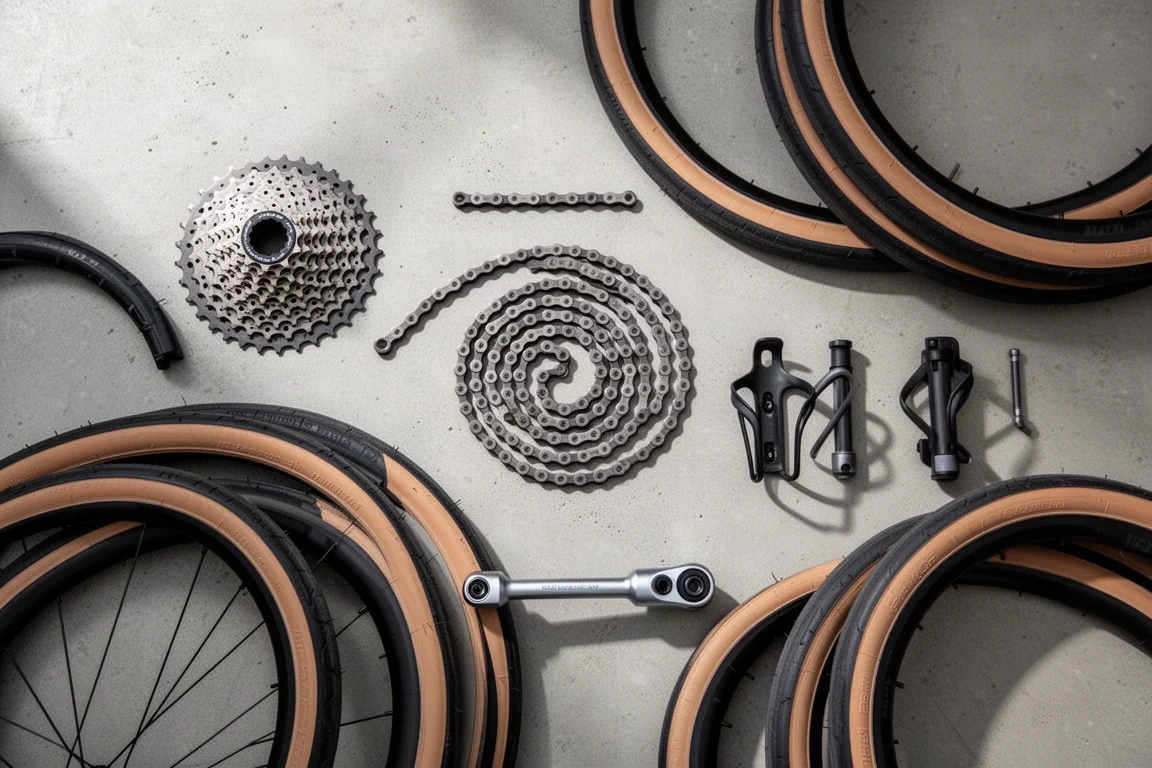
Secondhand is where the biggest savings sit, as the £170 gravel bike shows, but budget for the parts that are hard to verify from a photograph: groupset condition, wheel bearings, and whether the frame has the mounts and clearance you need. On smaller frames, also check that a frame bag and a bottle cage can coexist without rubbing cables.
Groupset generations matter more than names. An older but well-maintained groupset from a good tier will outperform a newer entry-level one, and shifting behaviour changes between generations, so it is worth reading up on the specific model before you buy.
Conclusion
Six builds, three frame materials and a wide spread of budgets, and the conclusion is consistent across all of them: the best bikes here are the ones assembled with a clear idea of how they would be used. A secondhand gravel bike that gets ridden every week is a better purchase than an expensive frame that never leaves the garage.
For most riders the practical priorities are tyre clearance, mounts, a groupset that suits the terrain, and a fit that works. Get those right and frame material becomes a preference rather than a limitation.
Further reading
Related Reviews
Cycling
2026 Bike of the Year and the Cycling Gear Worth Watching
A drop bar roundup for 2026 covering the Ridley Kanzo Fast 2.0, Shimano Dura-Ace Di2 R9300, Trek Checkpoint ALR Gen 3, Specialized Tarmac SL9, Garmin Fenix 9 and Insta360 X6.
Cycling
Best All-Road Bikes 2026: Six Versatile Endurance Road Bikes Worth Considering
A practical look at six all-road and endurance road bikes, from lightweight carbon speed machines to steel all-rounders and comfort-focused mile eaters.
Cycling
Best All-Road Bikes 2026: 8 Endurance Bikes for Road and Light Gravel
Eight all-road bikes that blur the line between endurance road and light gravel, compared on tire clearance, ride character, practicality, and value.