Cycling
Six Standout Bike Builds: Aero Carbon, Titanium, and Single-Speed Compared
Six distinctive road, gravel, and titanium builds compared, with the strengths, trade-offs, and upgrade decisions worth knowing before you buy.
Introduction
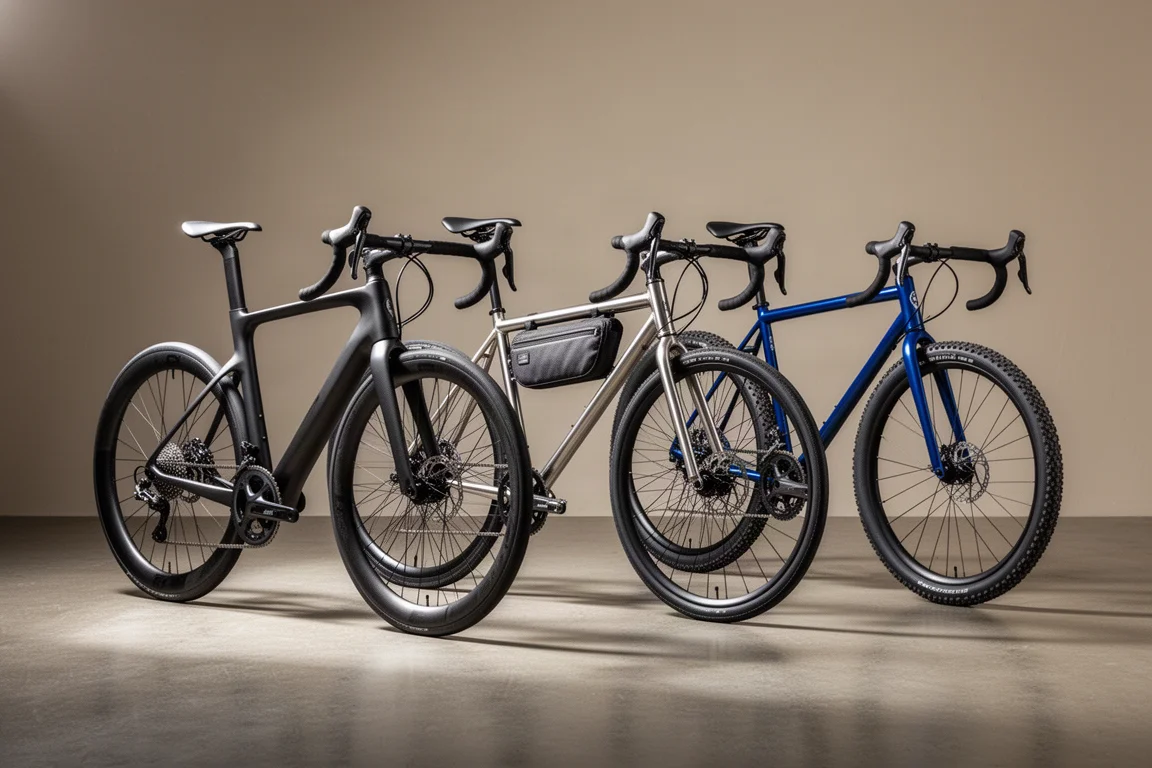
Some bikes are built around one clear idea. Go faster on flat roads. Carry more on a long tour. Keep everything as simple as possible. The six builds below each commit hard to a single direction, and together they show how much variety still exists in modern road, gravel, and all-rounder design.
Two are carbon aero race machines, one is a value-focused carbon race frame with an integrated cockpit, one is a single-speed gravel bike, one is an aggressive cyclocross race frame, and one is a titanium all-rounder. Each has real strengths and at least one trade-off that is worth understanding before you spend money.
Specialized S-Works Venge: A Deep-Wheel Aero Build
The S-Works Venge is Specialized’s aero road platform, and this build leans fully into that identity. Deep-section Roval wheels, an S-Works crankset, S-Works bar and stem, and a Specialized saddle make it a cohesive factory-level package, with disc brakes handling the stopping.
The rider behind it lives somewhere flat and sandy with persistent headwinds, which is exactly the environment where deep wheels look appealing and also where they become a handful. Deep rims catch crosswinds, and they add practical friction to ownership: valve extenders or very long inner tubes become part of normal life, and forgetting them turns a puncture into a trip to a shop instead of a five-minute fix at home.
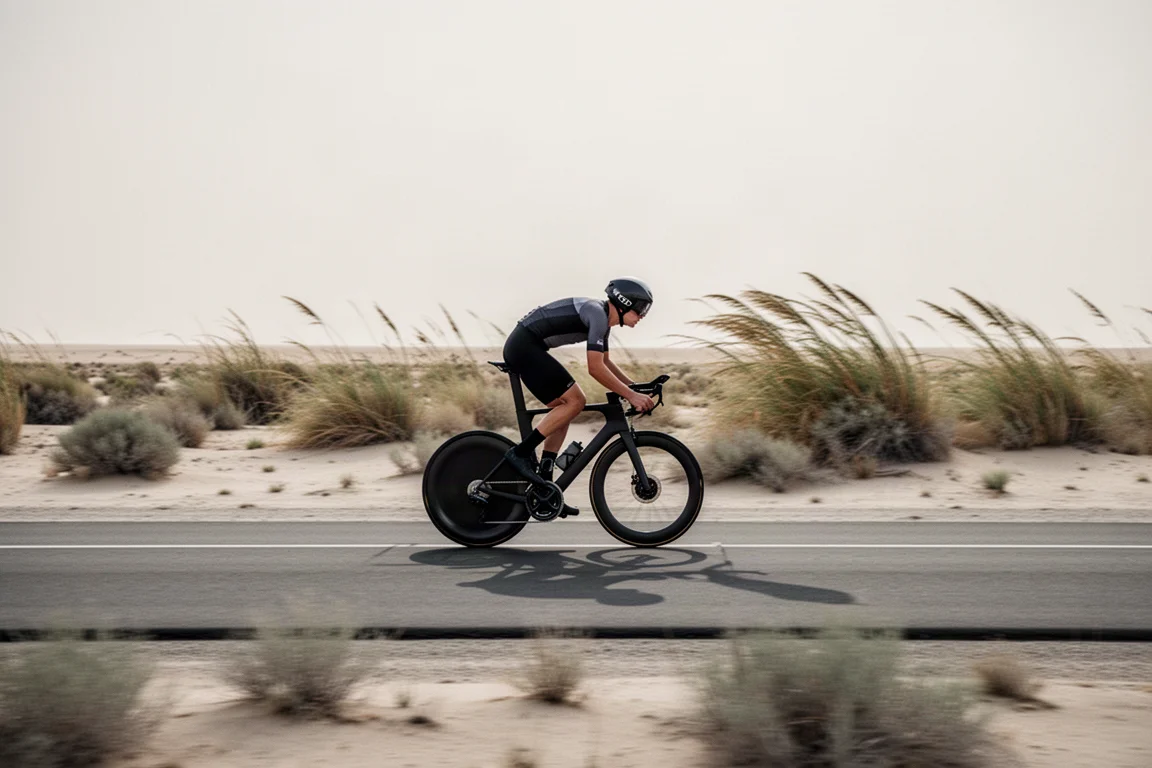
One upgrade deserves scrutiny. The build runs an oversized jockey wheel system at the rear derailleur, and while these setups are marketed on reduced drivetrain friction, the real-world benefit is small, on the order of a single percentage point. They are expensive, they add bulk at the derailleur, and plenty of riders prefer the cleaner look of standard jockey wheels. If you are chasing the last fraction of a watt, they have a place. Otherwise the money usually goes further elsewhere.
There is also a tubeless front wheel paired with a non-tubeless rear, which works but is worth standardizing before long rides.
3T Strada: A 1x Ultra-Distance Platform
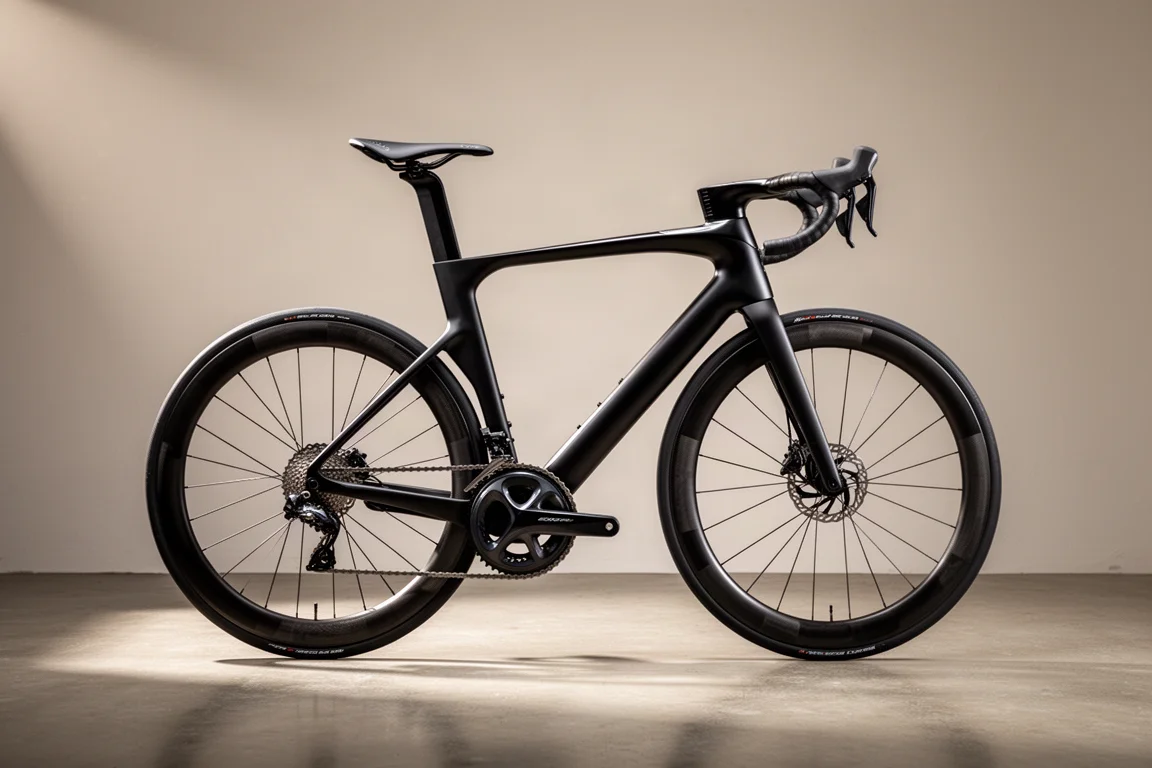
The 3T Strada is a 1x-only aero frame, and that single decision shapes everything about it. It arrived early in the move to disc brakes and single-chainring drivetrains in road racing, and the first generation came with well-documented problems: seatposts that slipped badly enough to need gluing into place, and through axles that could work loose while riding. Later revisions are understood to have addressed those issues, so if you are buying used, confirm which version you are looking at.
This build runs a mechanical Force groupset, an oversized pulley wheel system, new wheels, and a blacked-out drivetrain, and it is set up for ultra-distance riding and bikepacking. That combination is interesting, because the Strada is a performance-first frame with a long, low position, and long-distance comfort is not its natural strength. Riders chasing marginal drivetrain gains across two weeks of riding will get on with the oversized pulley setup. Riders who want an upright, forgiving position will not.
A couple of details stand out. The tires are mismatched, a small compromise in grip and rolling consistency. And the frame’s blue finish is genuinely striking, which matters more than it should when you look at the bike every day.
If you like unusual engineering and can live with a 1x drivetrain and an aggressive fit, the Strada is a distinctive choice. If you want a conventional, easy-to-live-with road bike, it is not the obvious pick.
Elves Falath Evo: Value-Focused Carbon Racing
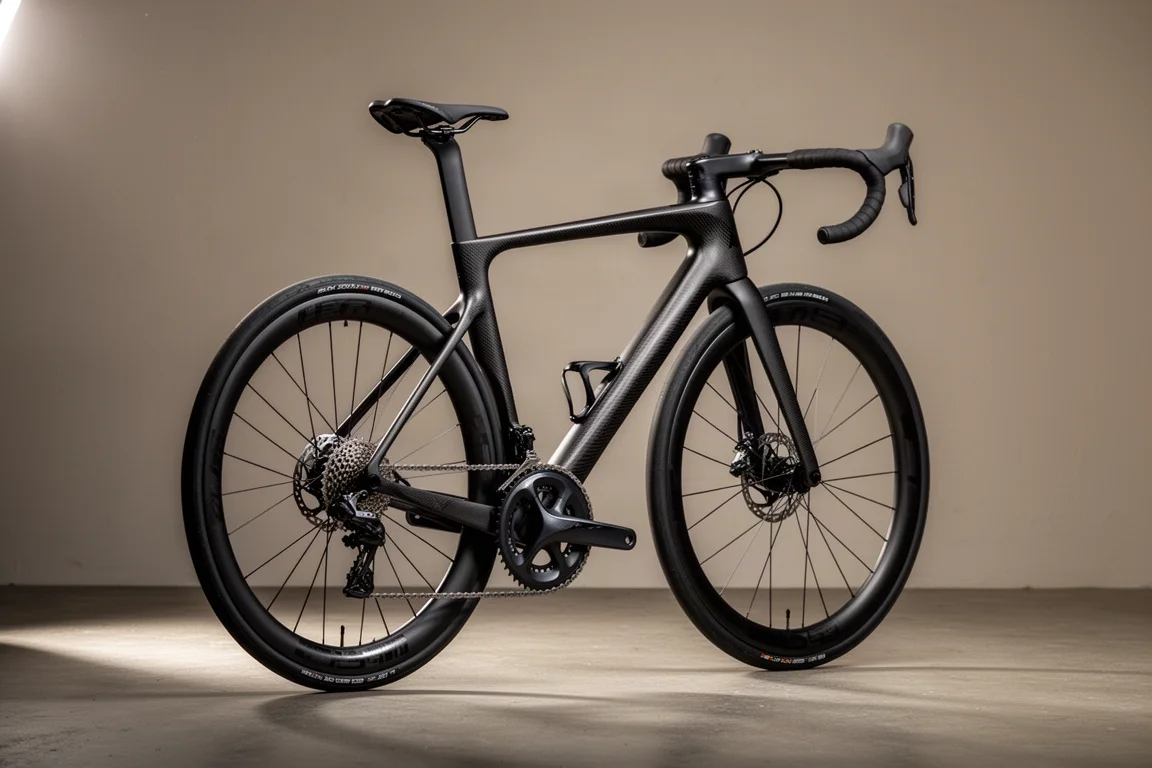
The Falath Evo is a carbon race frame, and this example is a 52 cm build. Its integrated cockpit, where the bars flow into the frame, was unusual when the design first appeared and has since become a common approach, which says something about how far ahead of the curve it was.
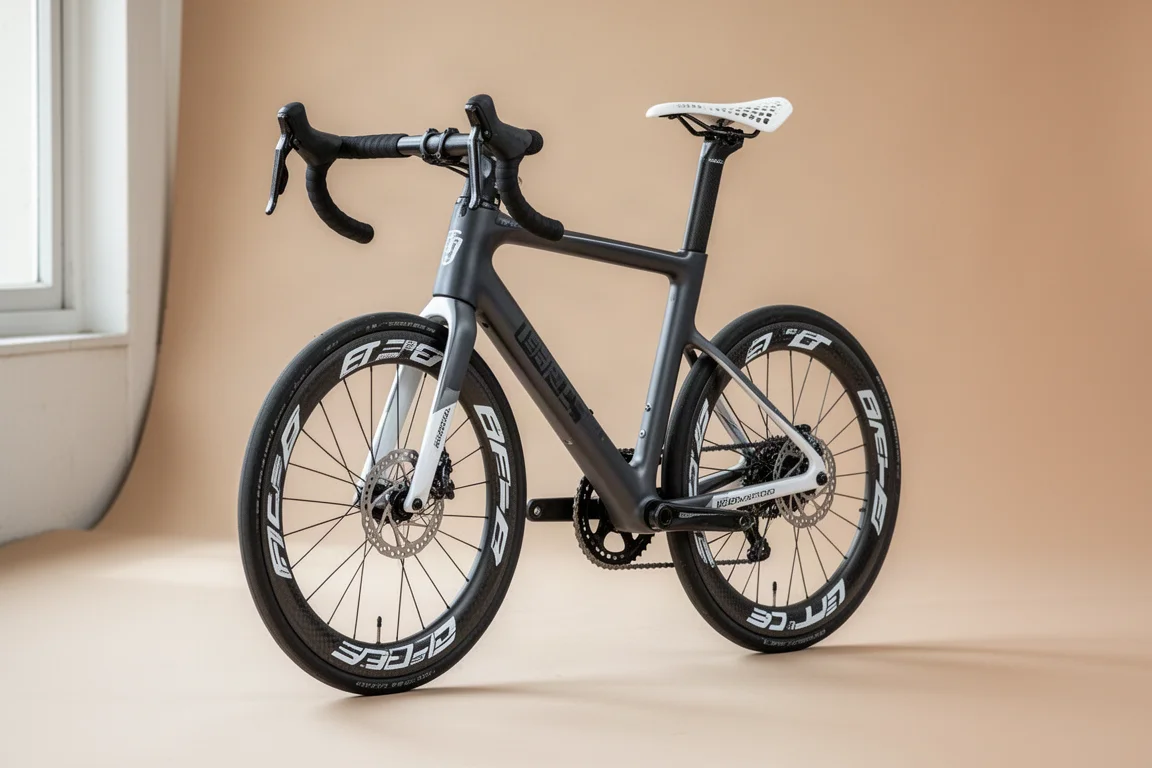
The specification is well judged. It runs 50 mm deep wheels, Continental GP5000 tires in a 28 mm width with lightweight TPU inner tubes, an Elves 3D-printed saddle, a 12-speed Ultegra Di2 groupset, and Wahoo Speedplay power meter pedals. The complete bike is quoted at 7.8 kg, which is competitive for the category, and the build is aimed at genuine race use rather than casual riding.
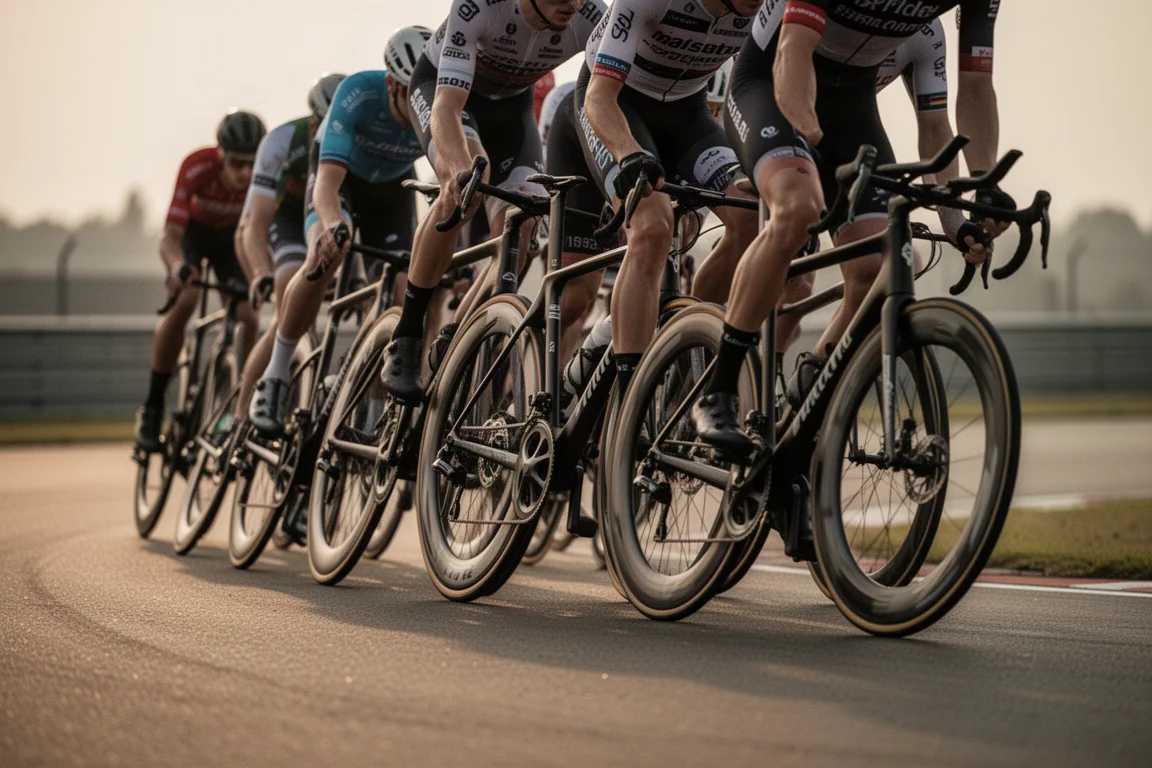
Two things stand out. The first is value. A frame like this can land close to the price of a good alloy race bike, which makes it a genuinely appealing route into carbon race geometry without flagship pricing. The second is branding. There is a lot of text across the frame, and the placement is not always ideal: on a small frame the chainring partly obscures the down tube logo, and a little more restraint would let the paint and the white wheel graphics carry the design. Those white rim decals look particularly good in motion.
Small practical touches count too, and this build includes a rear light, which is a sensible addition on any bike that sees real road miles.
State Bicycle Co. Thunderbird SSCX: Single-Speed Gravel
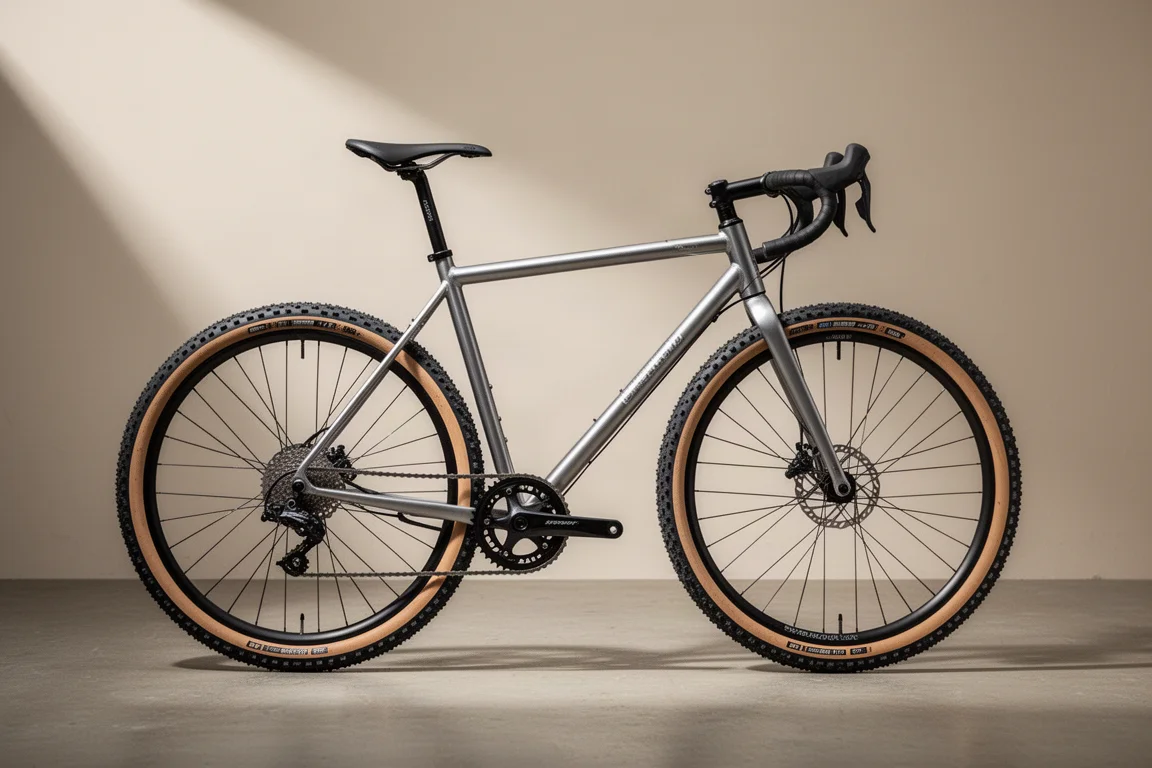
The Thunderbird SSCX is a single-speed cyclocross bike, and this example has been upgraded steadily since it was bought second hand. It runs Hunt alloy gravel wheels, Rene Herse 38 mm tires, an Absolute Black 36-tooth oval chainring, Pro PLT alloy drop bars in a narrow 38 cm width, and a Tioga saddle. A set of swappable rear cogs lets the owner change gearing without rebuilding the wheel.
The frame uses an eccentric bottom bracket, which rotates to take up chain slack. That is a neat system, and it means the chain tensioner currently fitted is not strictly required. It does make cog swaps faster, but there is a trade-off: a tensioner looks like a rear derailleur and removes some of the visual cleanliness that makes single-speed builds appealing in the first place.
On flat, fast terrain a single speed is a joy. It is light, quiet, and mechanically simple, and it makes an excellent commuter. It is a much harder sell on a 32-mile gravel race with more than 4,000 feet of climbing in the first 17 miles, which is exactly the ride this bike was taken on as the only single-speed entrant. That is an impressive effort, and it is also a reminder that the bike is fighting the terrain rather than working with it.
If your local riding is flat, or you want a low-maintenance commuter with real character, this is a compelling package. If you have hills and ambitions, gears will serve you better.
Cannondale SuperX: A Cyclocross Race Frame
The SuperX is Cannondale’s cyclocross race platform, with aggressive geometry built for short, hard efforts. This build uses a Force 1 groupset, wheels built around Hope RS4 hubs with Sapim CX-Ray spokes and carbon rims, 40 cm bars, a 90 mm stem, XTR pedals, Blackburn titanium bottle cages, and an Exposure Blaze rear light. It is a purposeful, race-ready specification.
The frame itself performs well. It is quick and aggressive, and it is clearly designed for riders who are comfortable in a low position. The complication is the finish. This generation came with a graphic treatment designed to look like scattered mud and dirt blocks, and it divides opinion sharply. From a distance it reads as a purposeful race bike. Up close, many riders find it distracting, and it is the sort of paint job owners end up sanding back and respraying.
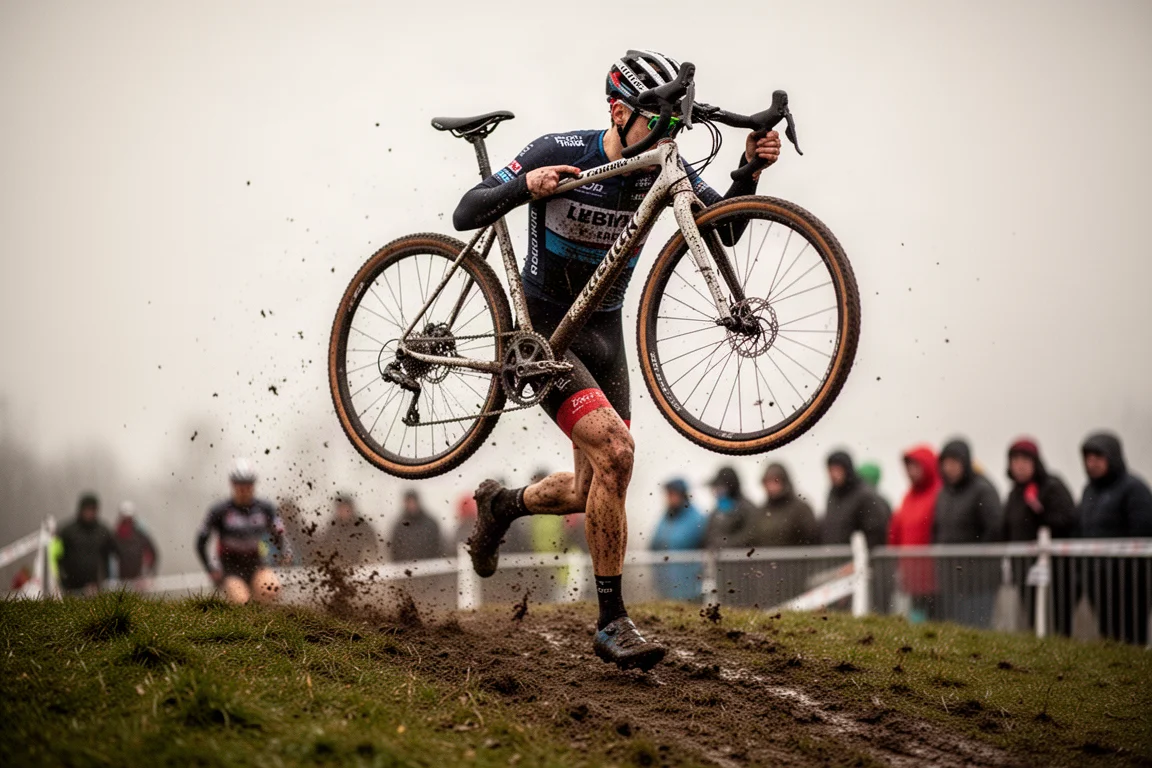
One practical detail to know is the headset. The frame uses a tall conical top cap, which limits how low the stem can sit: the minimum gap between frame and stem is roughly 1.5 to 2 cm. Riders who want a very aggressive front end will find that frustrating, and flush aftermarket caps for this frame are hard to find.
If you can live with the paint and you want a genuinely quick cyclocross race bike, the underlying frame is very good. If you want something that looks refined standing still, this is not it.
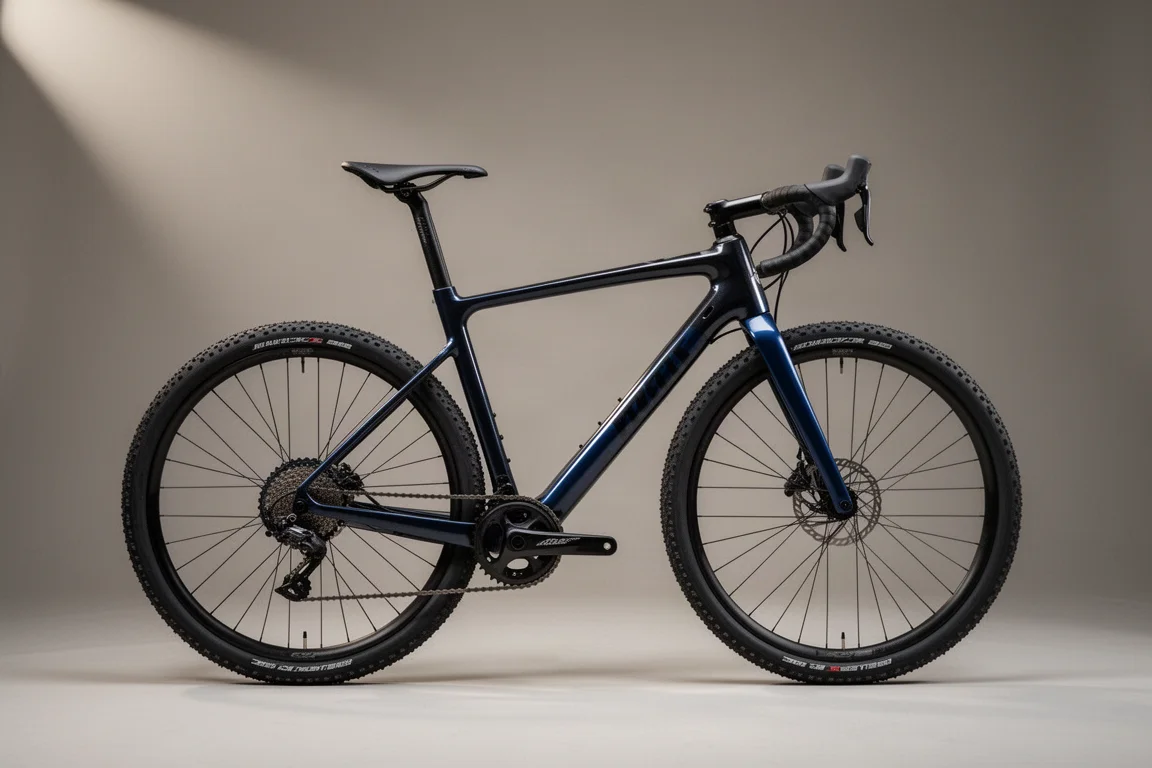
Curve Belgie V3: Titanium All-Rounder
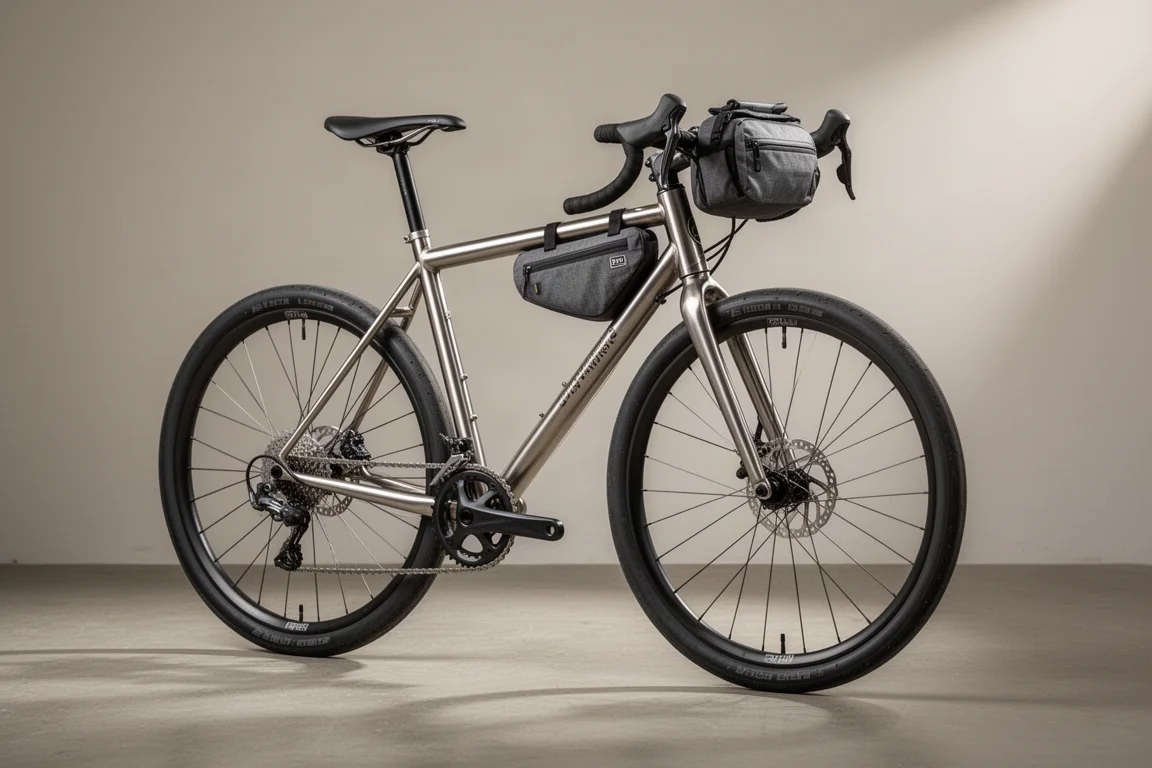
The Belgie V3 is a titanium frame from Curve, and this build is set up for long days and light touring: Hunt Limitless 60 wheels, a 1x SRAM eTap drivetrain, a small frame bag, and a handlebar bag.
Titanium has a devoted following, and the reasons are sound. It looks good, it is durable, and it ages gracefully. The counterargument is that titanium frames from different brands can look remarkably similar, and many of them come from the same small group of producers in the Far East. If originality matters to you, a generic titanium frame may not deliver it. What Curve does bring is design: the branding is well executed, the logo work is clean, and the overall look is more considered than a lot of similarly shaped frames.
Titanium also invites customization. Anodized finishes add color to a raw frame, but the finish sits on the surface and wears with friction over time. That is why anodized detailing rarely appears where riders repeatedly touch the frame, such as the top tube near traffic lights. If the look does wear, the frame can be sanded back and re-anodized.
The value question is worth weighing. A very similar titanium frame may be available for less from another brand, and the difference is largely in design and branding rather than raw material.
Buying Advice
Start with terrain, because it decides more than any component choice. If your riding is flat and open, an aero bike with deep wheels rewards you every ride, and the crosswind penalty stays manageable. If your riding includes long climbs or mixed surfaces, a heavily aero or single-speed build will work against you.
Then look at drivetrain philosophy. A 1x setup is simple and quiet, and it works well for gravel, commuting, and long-distance riding where you are not chasing the last watt. A conventional multi-chainring drivetrain is still the better answer for riders who need a wide gear range or who race on varied terrain.
Fit matters more than any of it. The Strada, the SuperX, and the Falath Evo all favour a low, aggressive position, and a frame that puts you in the wrong place will never feel fast, no matter how good the specification looks. Confirm the reach, the stack, and the minimum stem height before you commit, particularly on frames with integrated cockpits or tall headset caps.
Finally, if you are buying used, research the specific revision. Early 1x aero frames had documented seatpost and through-axle issues, and knowing which generation you are looking at is worth more than any component upgrade.
Conclusion
Each of these six builds makes sense for a particular rider. The S-Works Venge is for flat, fast roads and riders who accept the crosswind tax of deep wheels. The Strada is for someone who wants an unusual 1x aero frame and an aggressive position. The Falath Evo is the value play for carbon race geometry. The Thunderbird SSCX is a simple, characterful option for flat terrain. The SuperX is a quick cyclocross frame with a finish you either accept or respray. And the Belgie V3 is a durable titanium all-rounder with design work that sets it apart from generic titanium.
Match the bike to the terrain and the position you actually ride, and any of these will feel like money well spent.
Further reading
Related Reviews
Cycling
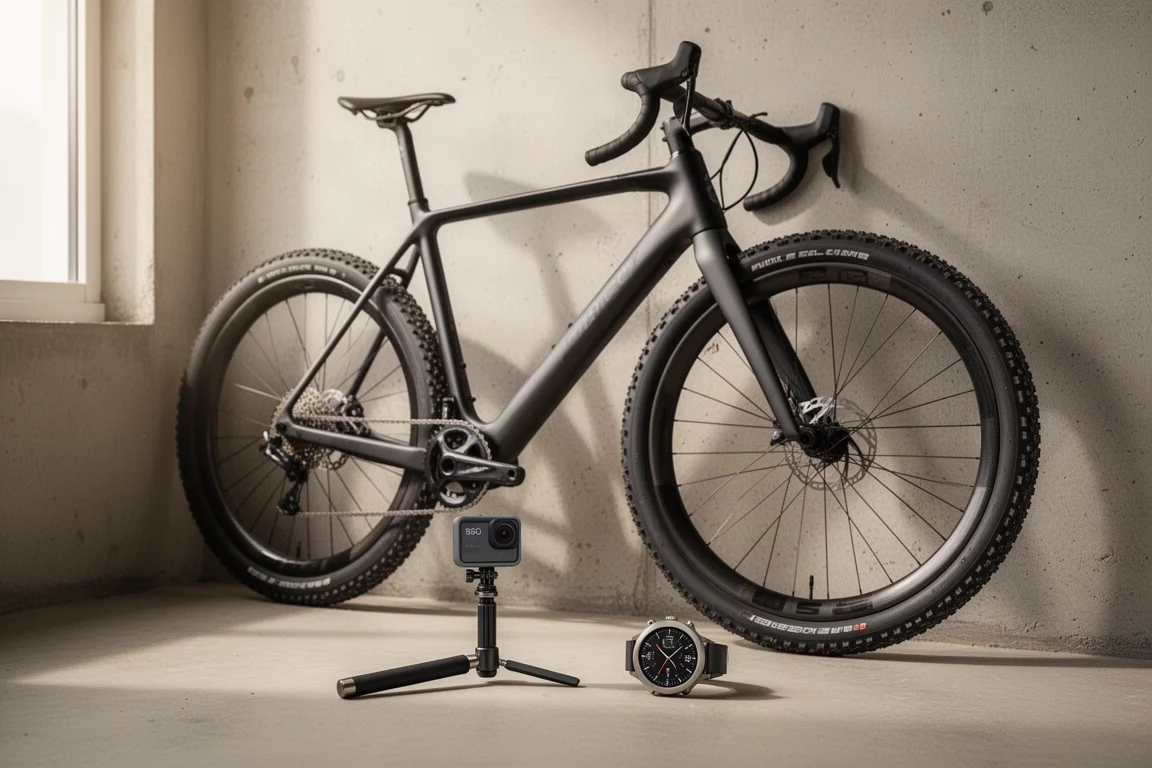
2026 Bike of the Year and the Cycling Gear Worth Watching
A drop bar roundup for 2026 covering the Ridley Kanzo Fast 2.0, Shimano Dura-Ace Di2 R9300, Trek Checkpoint ALR Gen 3, Specialized Tarmac SL9, Garmin Fenix 9 and Insta360 X6.
Cycling
Best All-Road Bikes 2026: Six Versatile Endurance Road Bikes Worth Considering
A practical look at six all-road and endurance road bikes, from lightweight carbon speed machines to steel all-rounders and comfort-focused mile eaters.
Cycling
Best All-Road Bikes 2026: 8 Endurance Bikes for Road and Light Gravel
Eight all-road bikes that blur the line between endurance road and light gravel, compared on tire clearance, ride character, practicality, and value.