Road Bikes
Six Road Bikes Worth Watching for 2026: Value Endurance to World Tour Aero
Six road bikes for 2026, from aggressively priced endurance builds to a 5.9 kg weight claim and a new aero race platform, with what is confirmed and what is not.
Introduction
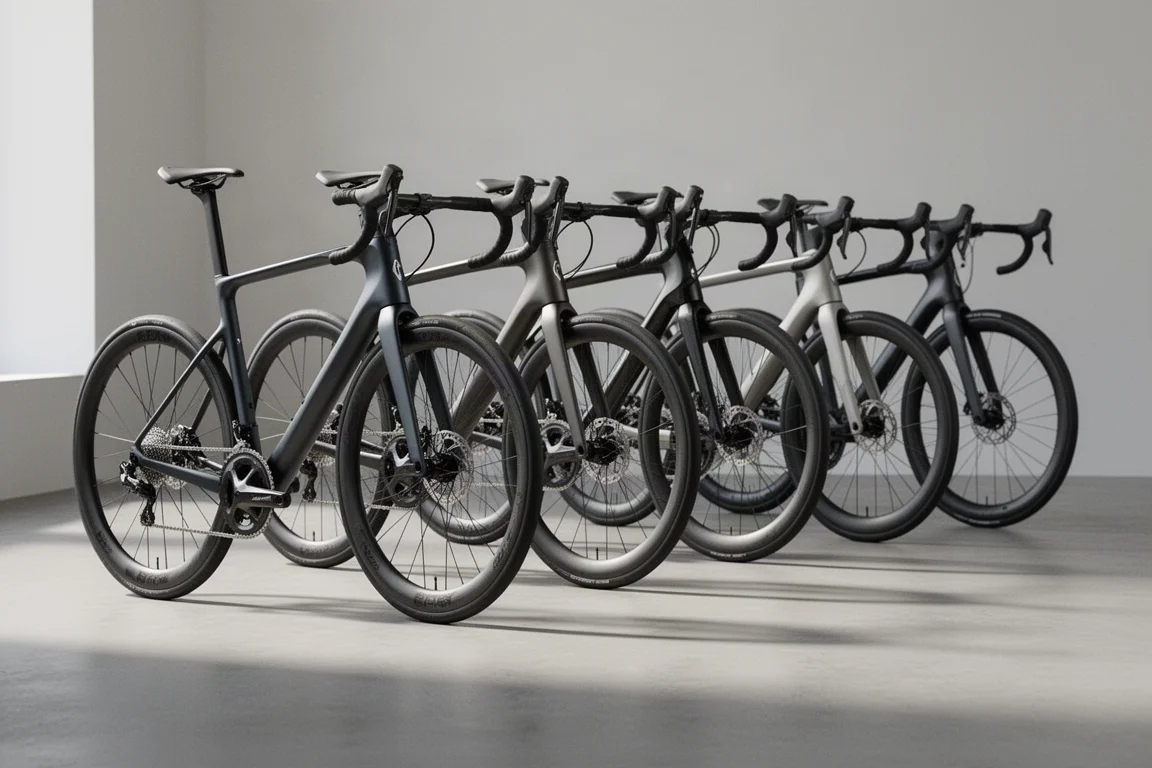
Spring and summer weather is on the way, and with it the appetite for long days on the road. This year’s most interesting road bikes fall into two broad camps: endurance machines promising more comfort for the money, and race platforms chasing every remaining watt. The six below are the ones worth paying attention to right now.
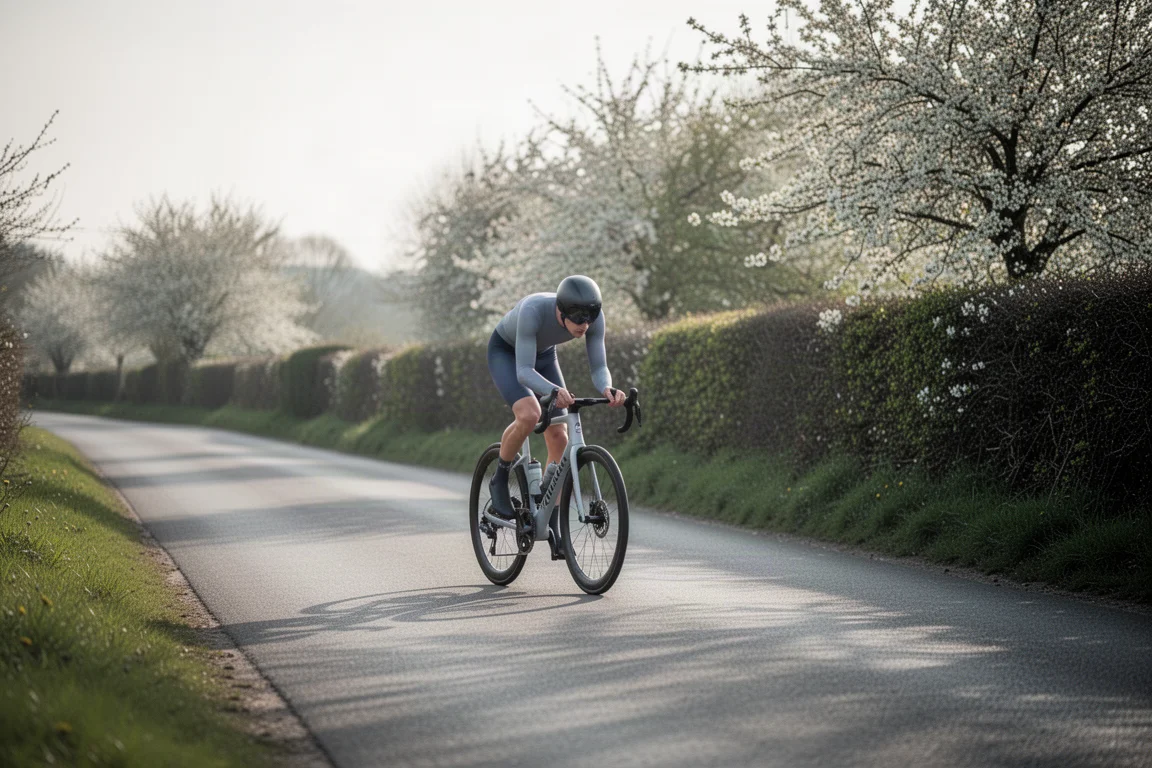
The range is wide. Cube and Focus are pushing hard on price, offering carbon wheels and electronic shifting at figures that would have looked unlikely a few years ago. Cannondale is reworking a comfort-focused platform, Scott is chasing a very low claimed weight, Colnago has a new aero flagship, and XDS is taking a relatively unfamiliar name to the top level of racing. Some of these bikes are already confirmed in detail, while others are only partly known, and that distinction matters as you read on.
Cube Agree C:62: Strong Value With Ultegra Di2
Cube looks determined to take a bigger share of the road bike market, and the Agree C:62 is the clearest evidence of that ambition. The headline build pairs a full Ultegra Di2 groupset with new 50 mm carbon wheels for £3,299, which is the same price as a mechanical Dura-Ace build from 2016.
Step down the range and a 105 Di2 build with full carbon wheels comes in at £2,799. That matters because bike prices across the industry climbed sharply during the covid years, and many brands pushed new bikes to levels that most riders could not seriously consider. On the evidence of the Agree range, Cube appears to be reading the market rather than following it.
How the pricing is achieved remains genuinely unclear. Nobody in the industry has offered a convincing explanation, which makes the Agree C:62 interesting well beyond its own spec sheet. If other brands respond in kind, it could be the trigger for broader price cuts across the category.
Focus Attain: Endurance Comfort for Less
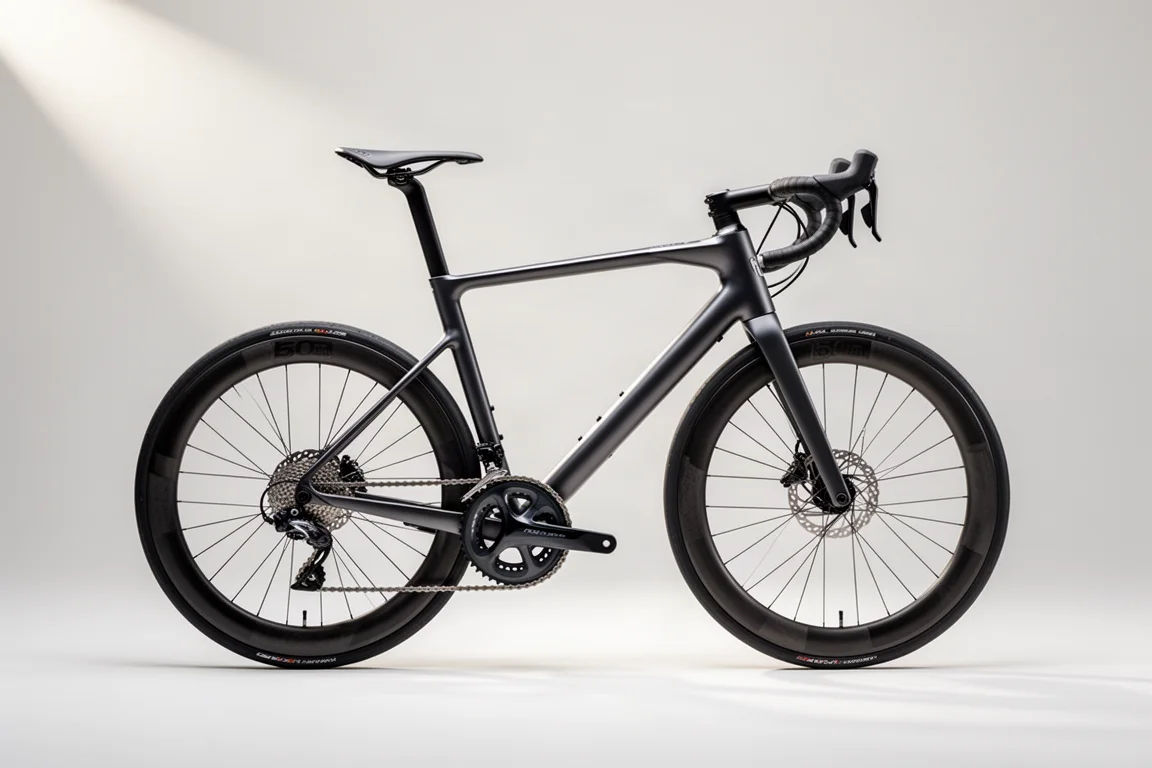
The Focus Attain is an endurance bike, and the 105 Di2 build with carbon wheels sits at £2,500. The mechanical shifting version comes in at £1,700. Both are still significant money, but the specification per pound is strong, and the endurance approach is aimed squarely at riders who value all-day comfort over an aggressive race position.
Cannondale Synapse: A Redesigned Endurance Bike
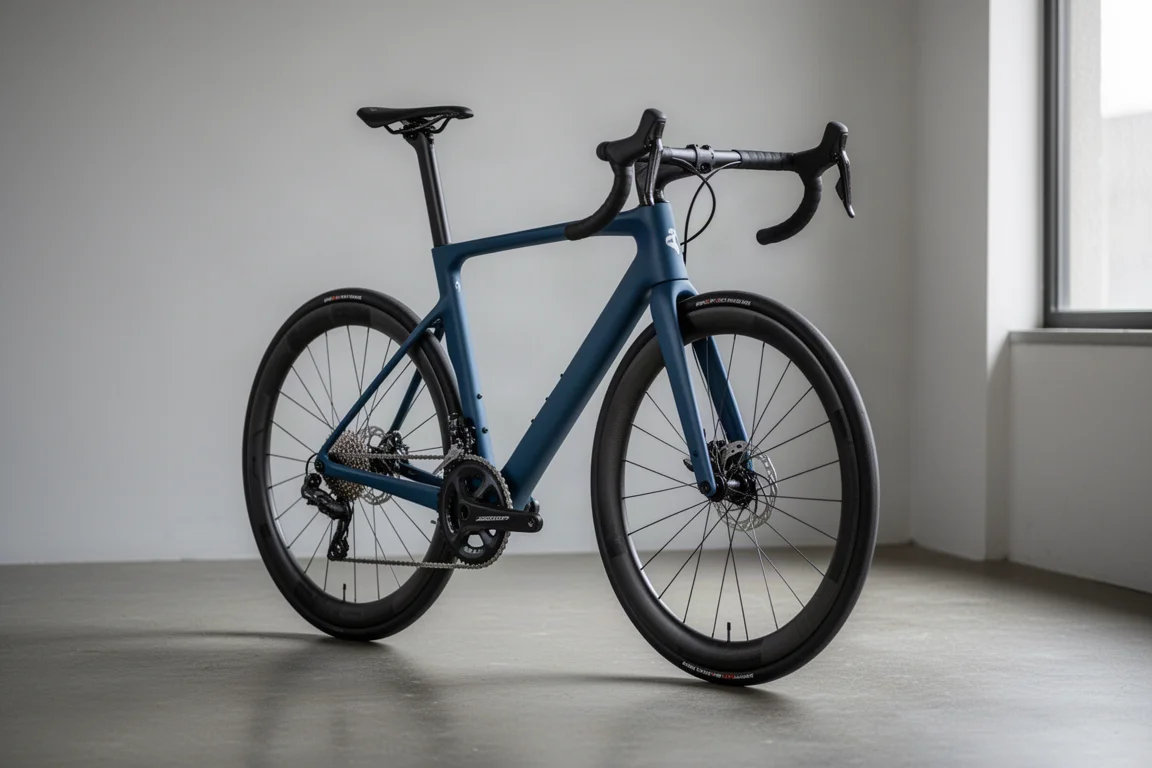
The previous Synapse missed the mark for many riders, leaning on built-in technology that never really took off. The new version looks very different. The seat stays are dropped further than before, the top tube slopes down more, and the tubes around the seat post look slimmer, which suggests weight and rear-end comfort were priorities for the redesign.
Move toward the front of the bike and the tube shapes look aero-optimized. There is a clear echo of the approach taken with the latest Giant Defy: take the bike back to what made it popular, with low weight, good tyre clearance and a sporty geometry. A smaller frame paired with a long stem, as professionals often use, may exaggerate the look of the new silhouette.
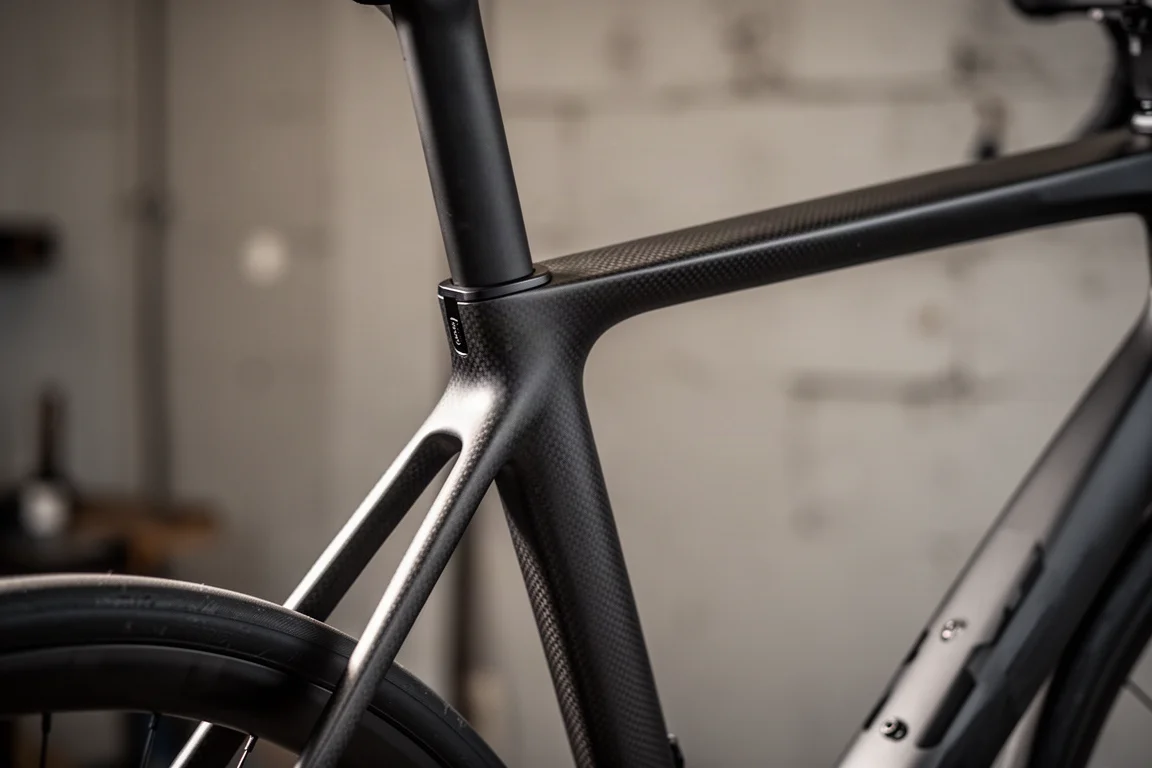
Until a ride confirms it, the sensible expectation is a comfortable endurance bike with a sharper front end than the outgoing model. Final specification and pricing are still to be confirmed, so treat the shape and the design direction as the solid part of the story for now.
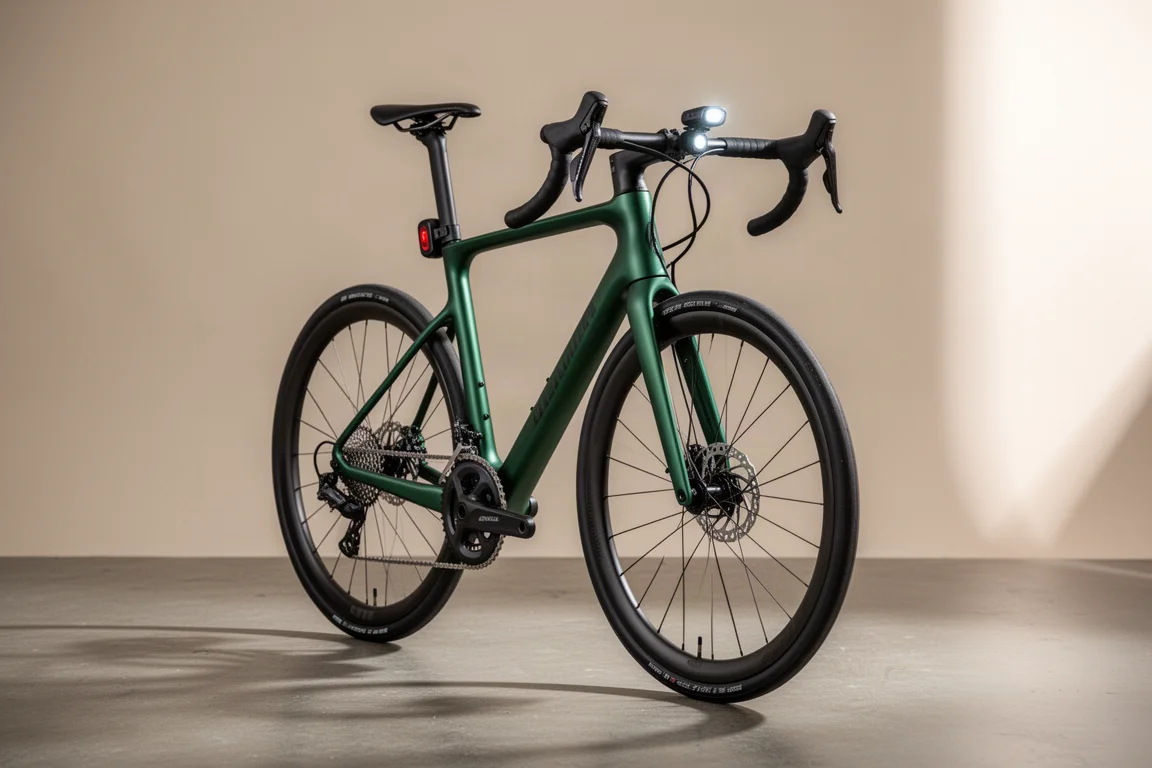
Scott Addict RC: A 5.9 kg Weight Claim
The Addict RC is interesting for a reason you cannot see. Scott claims a build weight of 5.9 kg, and part of that comes from an inflatable polypropylene mandrel manufacturing process. Carbon fiber is wrapped around inflatable mandrels, which are then deflated and removed, leaving behind a very smooth interior free of unnecessary resin and material.
Scott already uses the technique on its e-mountain bikes and on the Foil RC launched in 2022, and it has been refined for the latest Addict, including the fork. That fork is claimed to be the lightest on the market at 270 g with an uncut steerer.
Racers remain bound by the UCI 6.8 kg weight limit, so the full advantage is not available in competition. Everyone else is free to enjoy it. The aero tube shapes are claimed to make the bike only 9 watts slower than the Foil, and the integrated front end will appeal to riders who like a clean, uncluttered cockpit.
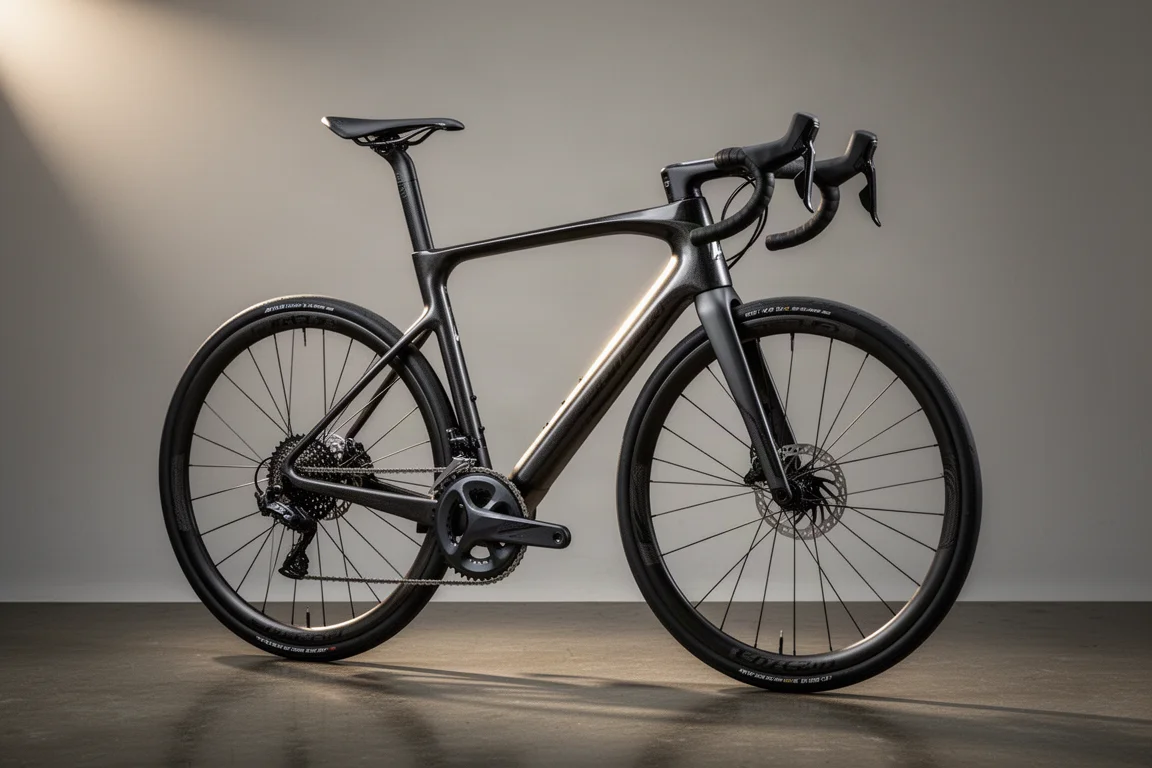
Colnago Y1Rs: A New Aero Race Bike
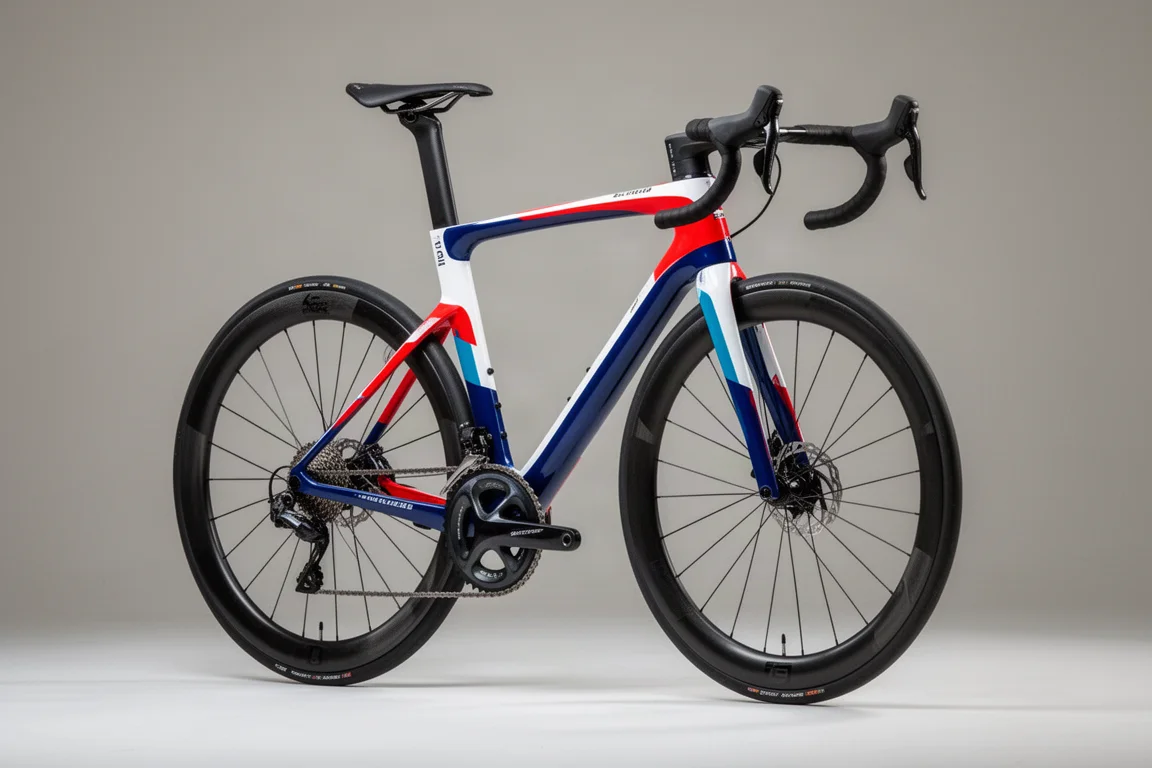
Colnago claims the Y1Rs is 20 watts faster than the V4RS at 50 km/h and 0 degrees yaw. Colnago’s own testing found an advantage of just one watt over a competitor it declined to name, so the honest reading is that the gain depends heavily on conditions.
The team is expected to keep using the V4RS in the mountains, because the Y1Rs is heavier: a claimed 7.45 kg in a team build with pedals and cages. Other brands have done better on that front, with Giant claiming 6.8 kg without pedals for the Propel used by Jayco AlUla. Weight is not really the point of an aero bike, though. Speed is.
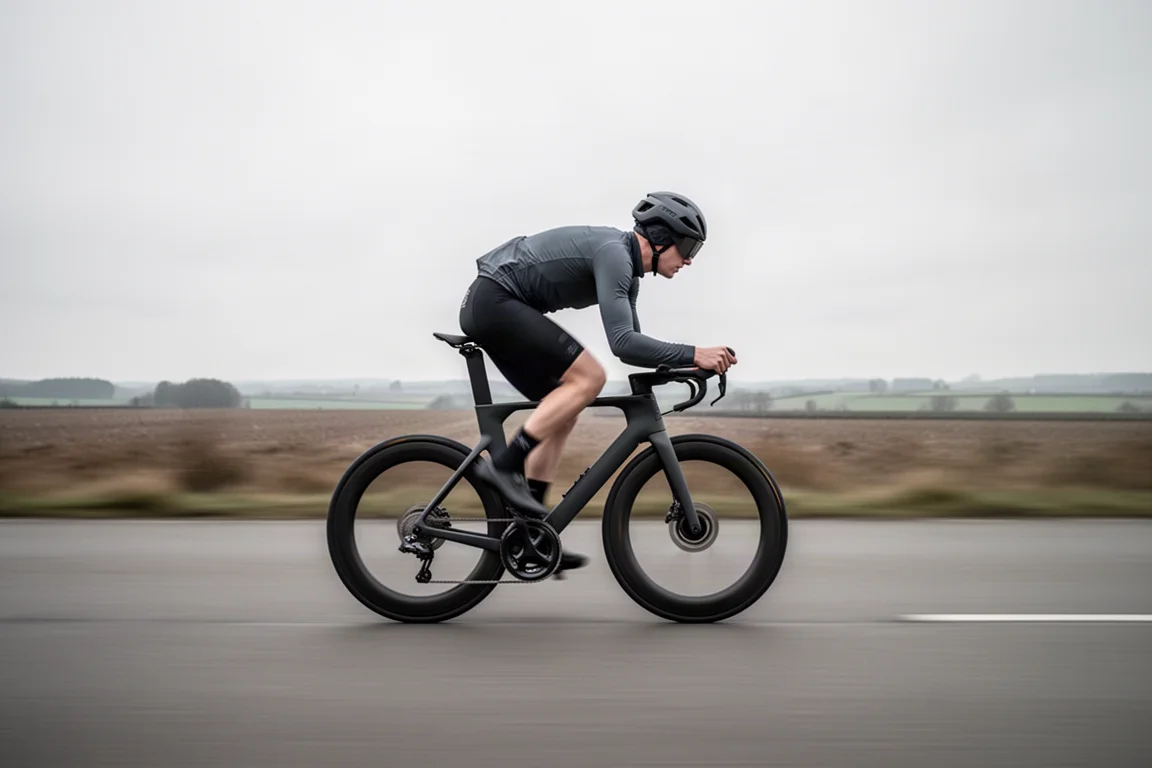
Wind tunnel data suggests the deep profiles may behave like sails in crosswinds. Drag rises from 0 to 5 degrees yaw, then falls again through the 7.5 and 10 degree measurements. Colnago’s designers took advantage of the UCI’s revised tube shape rules, which changed in late 2022 from a 3:1 depth-to-width ratio to 8:1, allowing tubes to become much deeper while staying narrow.
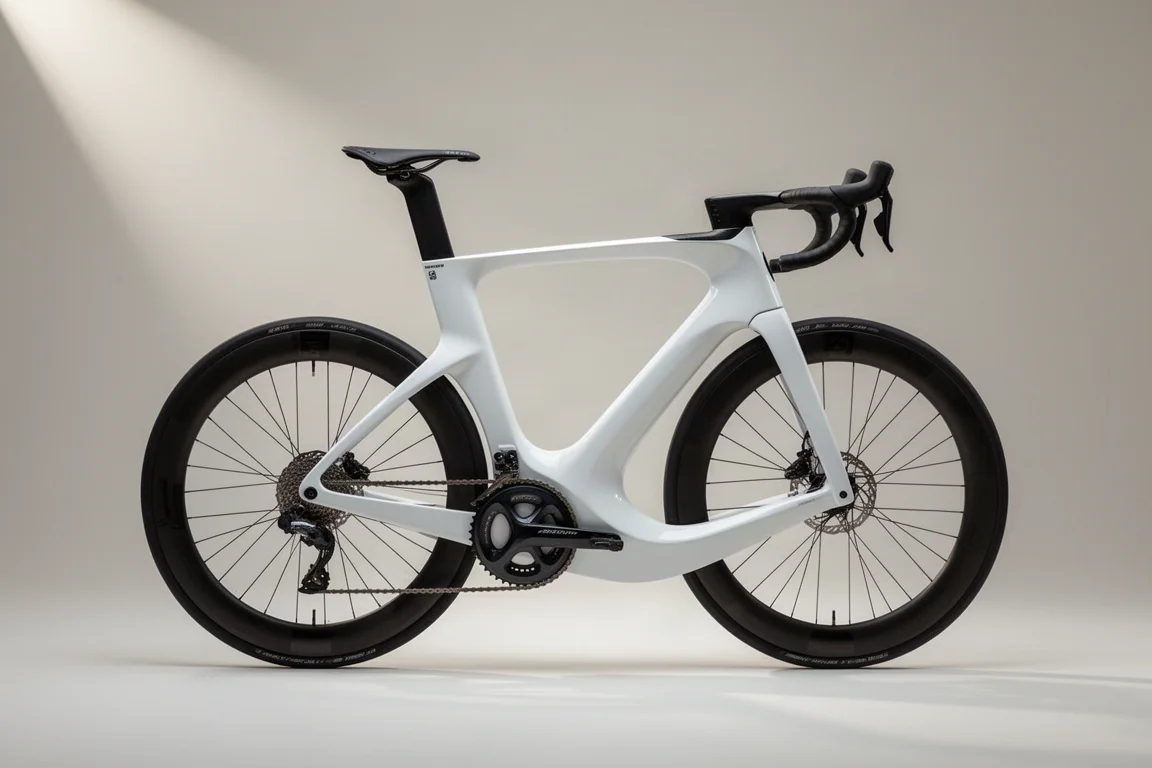
The front end uses a two-part aero strategy, including a hinged head tube design reminiscent of the Cervélo S5, paired with the new CC.Y1 integrated cockpit and its distinctive split stem configuration. The angular, wing-like profile is clearly purposeful, though Colnago has not published specific drag reduction figures for the cockpit itself.
XDS X-LAB AD9: An Unknown Quantity
X-LAB is to XDS what S-Works is to Specialized: the brand’s top-level equipment. Seeing a relatively unknown name reach the biggest stage of the sport is notable in itself, because World Tour level sponsorship is hard for smaller brands to break into.
Beyond that, much is still unclear, including the price. The build largely carries over from the previous season, with a suite of Vision components including Metron wheels and cockpit, Shimano Dura-Ace groupsets, and a Prologo saddle with matching bar tape. Tyre choice appears to have shifted during the year, from Vittoria to Continental GP5000 S TR, which may point to a late sponsorship change.
Buying Advice
Match the bike to the riding you actually do. If value and electronic shifting matter most, the Cube Agree C:62 and the Focus Attain are the obvious starting points, and both include carbon wheels in their quoted builds. If comfort over long distances is the priority, the redesigned Cannondale Synapse is the one to watch, though final specification and pricing are still to be confirmed.
If low weight appeals, the Scott Addict RC makes the strongest claim here, with the caveat that racers cannot use all of it under the UCI limit. For outright speed, the Colnago Y1Rs is the most aerodynamically ambitious bike on the list, at the cost of added weight. The XDS X-LAB AD9 is worth following rather than buying blind, at least until pricing and specification are published. In every case, confirm the final build, the price and the availability in your own market before committing.
Conclusion
Taken together, these six bikes show a road market pulling in two directions at once. Cube and Focus are proving that carbon wheels and electronic shifting do not have to sit at the very top of the price ladder, while Scott and Colnago are chasing weight and drag in ways that only make sense at the sharp end of racing. The Cannondale Synapse and the XDS X-LAB AD9 are the wildcards: one a redesign of a familiar name, the other a newcomer with plenty still to prove. Whichever direction suits your riding, there has rarely been a better moment to look closely at what each build actually includes.
Further reading
Related Reviews

Road Bikes
10 New Road Bikes Worth Watching: Aero, Titanium, Steel and Endurance Standouts
A practical roundup of 10 new road bikes, from aero flagships chasing single-watt gains to titanium, steel and endurance platforms built for real roads.
Road Bikes
2026 Tour de France Road Bikes: Six Race Machines Worth a Closer Look
Six race bikes from the 2026 Tour de France grid, reviewed for paint, silhouette, wheels and the specification details that matter to buyers.
Road Bikes
3T Strada Italia Review: A Radical Aero Road Bike That Rides Smooth
A made in Italy carbon aero road bike with a deep head tube, wide tire clearance and a genuinely comfortable ride. Here is what to know before buying.