Stationery
Six Reasons to Keep Writing by Hand (and the Pens That Help)
Handwriting still beats typing in several surprising ways. We pair six science-backed reasons with six stationery picks that make putting pen to paper genuinely enjoyable.
Introduction
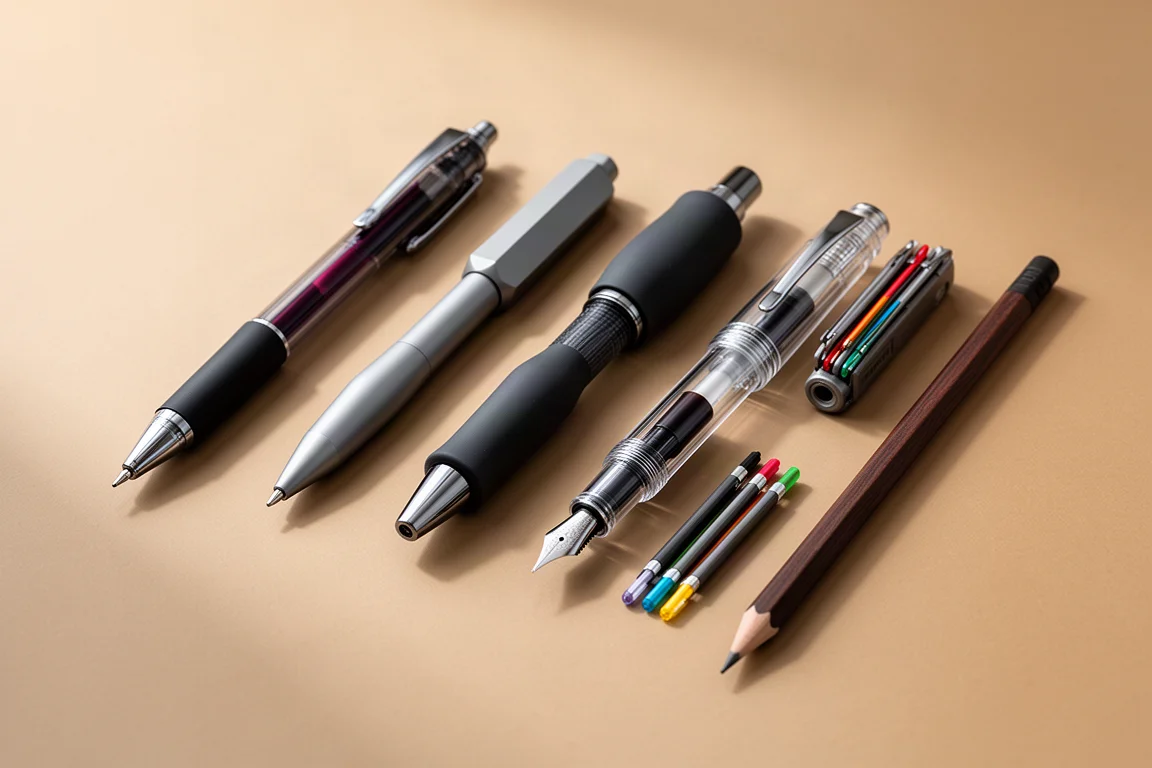
Most of us type far more than we write. Keyboards are fast, convenient, and always within reach. But writing by hand offers benefits that typing simply cannot replicate, from better memory retention to a stronger emotional connection with your own thoughts. Here are six reasons to stick with handwriting, along with a pen recommendation for each that makes the habit easier to keep.
It Helps You Remember More
Studies have shown that students who take notes by hand remember information better and, as a result, score higher on exams. Laptop note-takers tend to copy exactly what the professor says, producing more notes without really absorbing the content. Handwriting forces a more involved process: you take in the information, process it, and put it into your own words, which leads to better memory retention in the long run.

For note-taking, we like the Uni-ball One Gel Pen. Its pigmented ink stays on the surface of the paper instead of being absorbed into it, so it stands out more on the page. A study in Japan even found that students who took notes with a Uni-ball One were better able to recall the information than students using ordinary black ink.
It Removes Digital Distractions
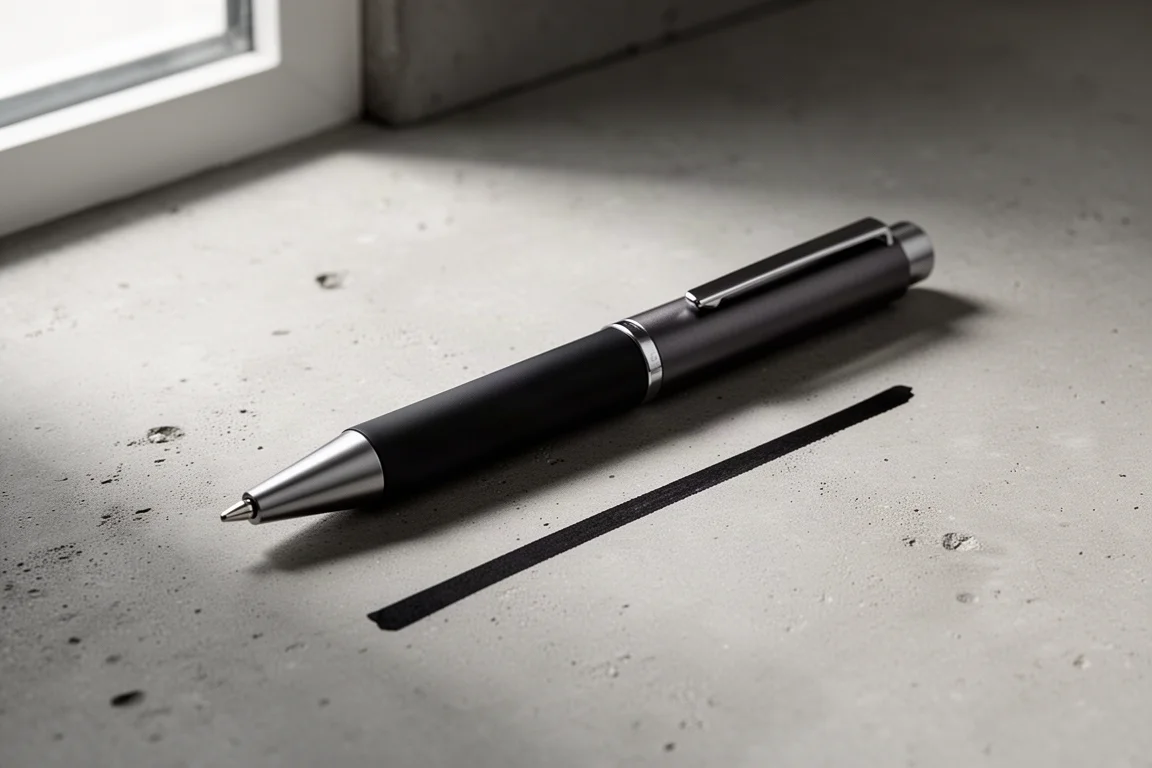
Typing is fast, but a screen comes with other tabs, notifications, and the endless pull of the internet. With only a notebook and pen in front of you, there is nothing to scroll through. Writing on paper takes the internet out of the picture and lets you focus on your thoughts.
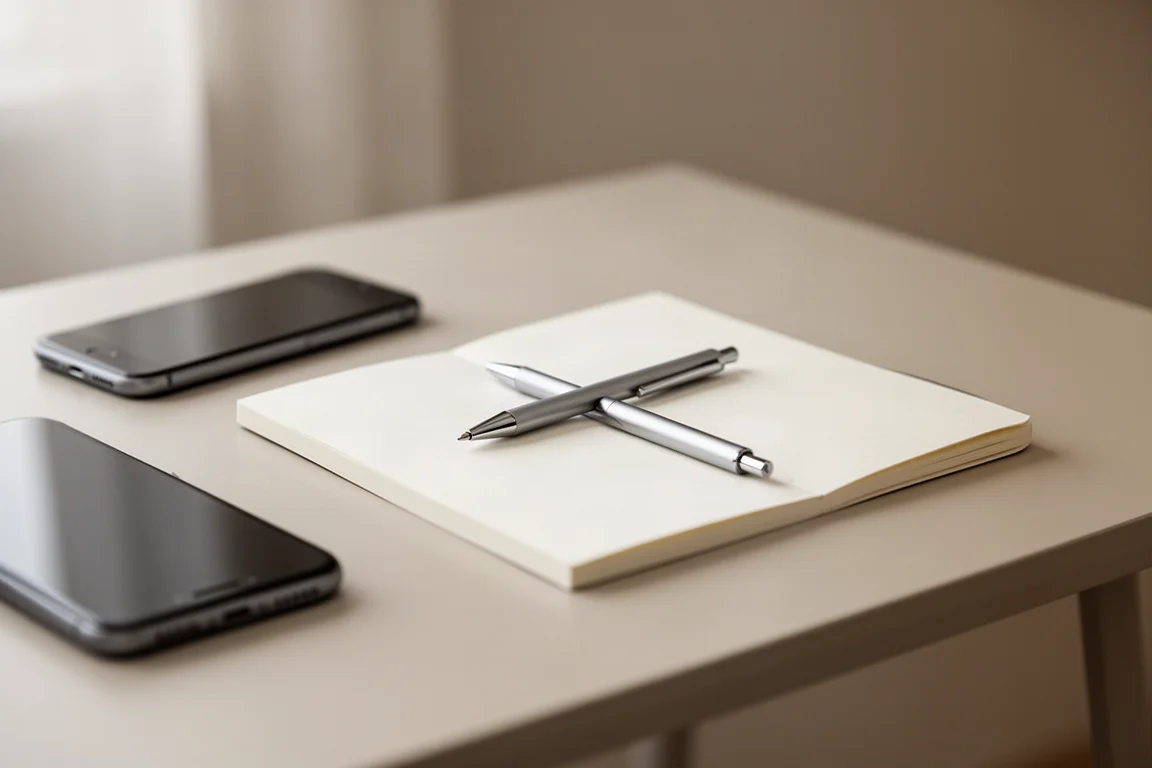
The Zebra bLen Ballpoint Pen fits this purpose well. Its body is specially designed to eliminate even the tiniest distractions, such as rattling and vibrations, and the minimal, soothing design suits an undisturbed writing session.
It Makes You a More Deliberate Writer
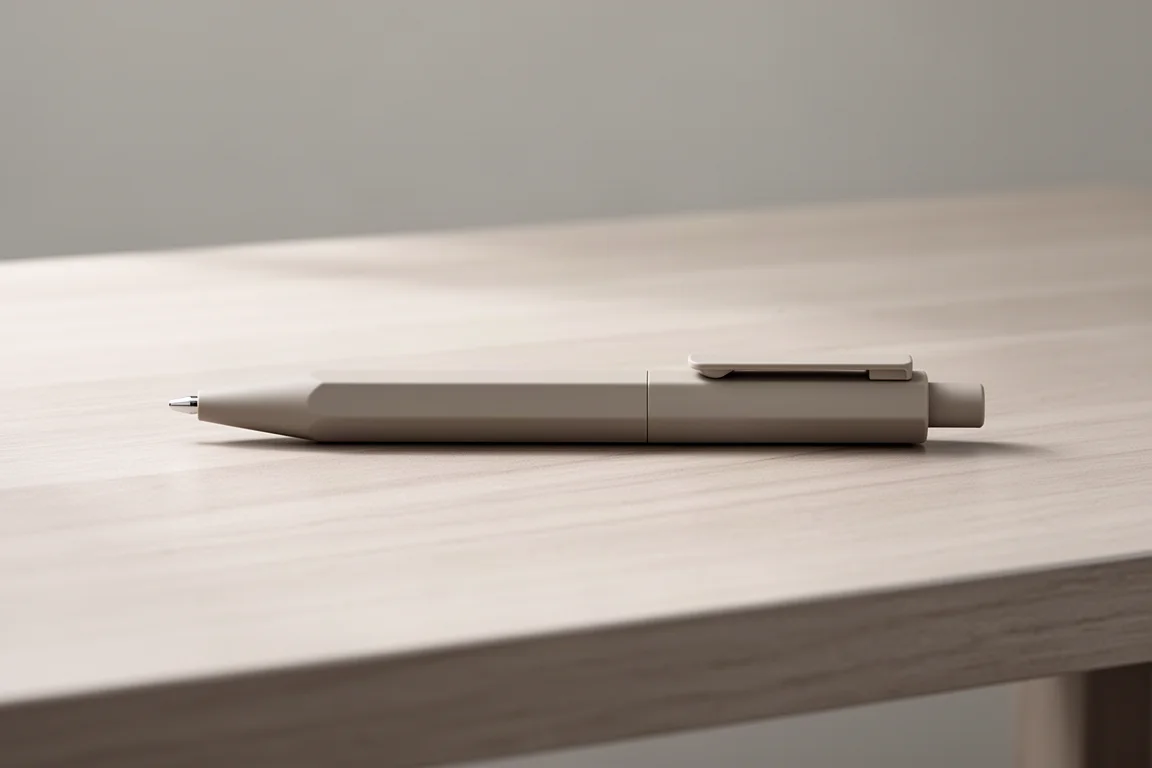
Because handwriting slows you down, it can make you a more effective writer. Typing quickly tends to result in less diverse word choices, while writing longhand gives you more time to find the right word. That extra moment of thought encourages better self-expression, whether you are journaling or drafting a paper.
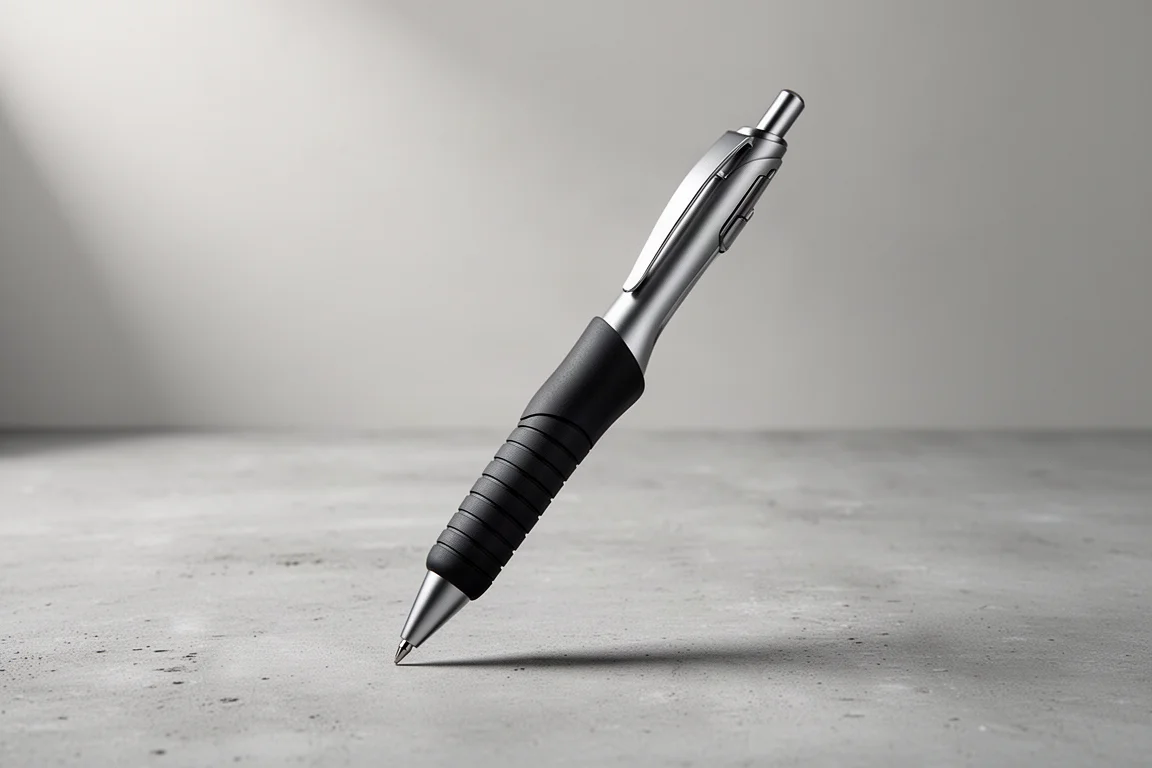
If you want a pen that helps you slow down and enjoy the act of writing, the Pilot Dr. Grip is a solid choice. Its double grip design is firm on the outside and soft on the inside, and the barrel’s balanced weight means it rests comfortably in the hand for a pleasant, cramp-free writing experience.
It Adds a Personal Touch
Handwritten cards feel more intimate than anything printed out, and readers of a weathered journal get an experience no blog post can match. Writing by hand carries a personal quality that typing cannot replicate.
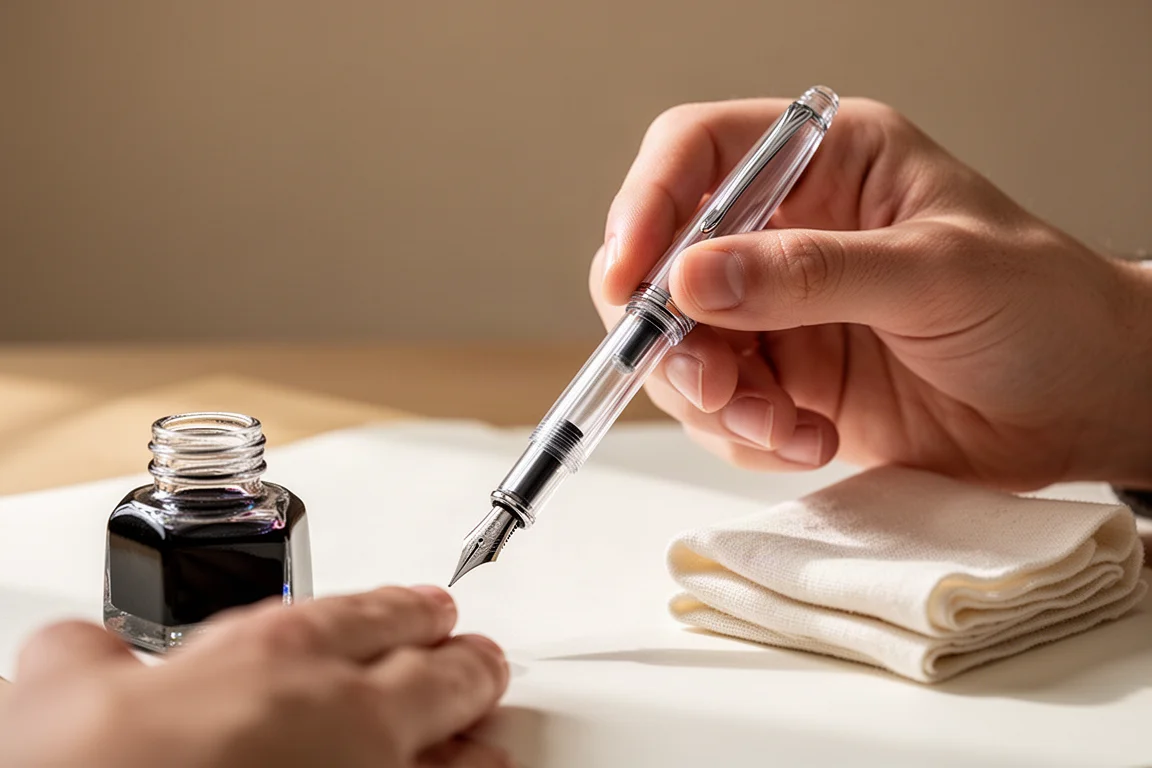
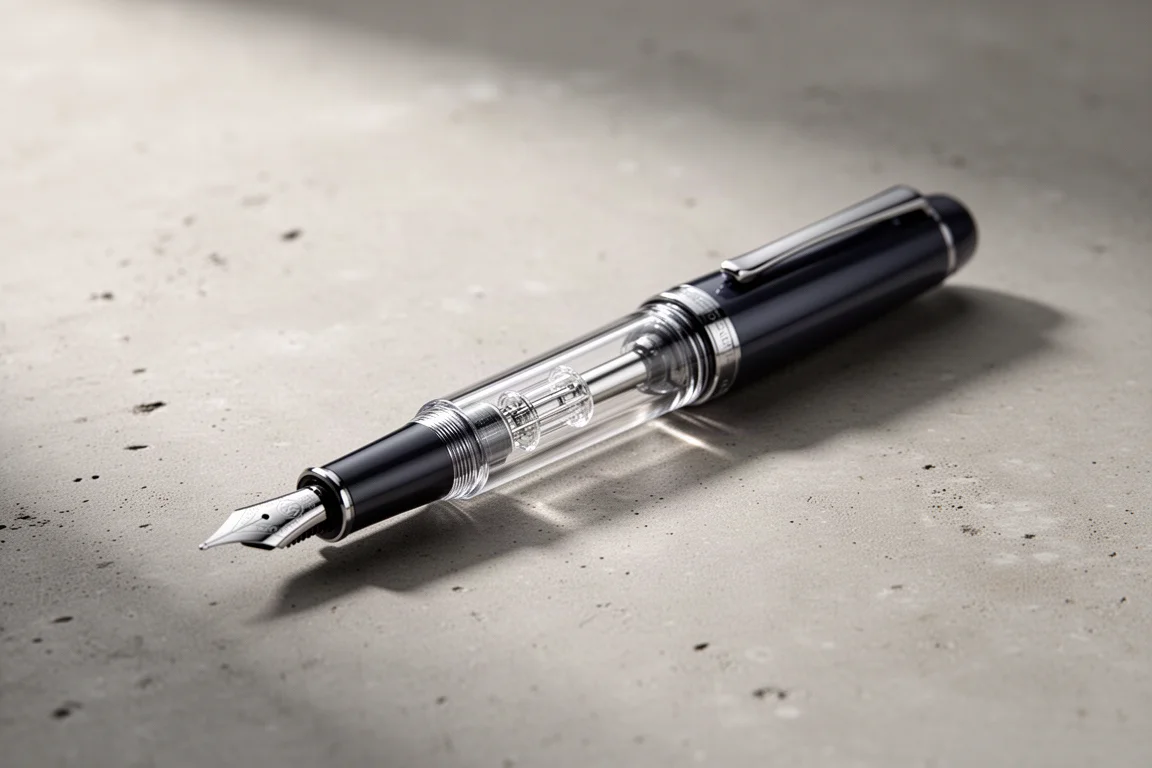
Fountain pens are a great way to make your writing your own. You choose the ink color and nib size, and no two strokes are exactly alike. The TWSBI Swipe maximizes that customization: it can be filled with cartridges, a traditional piston converter, or a spring-loaded piston converter, so you can write with virtually any ink.
It Opens Up Creative Freedom
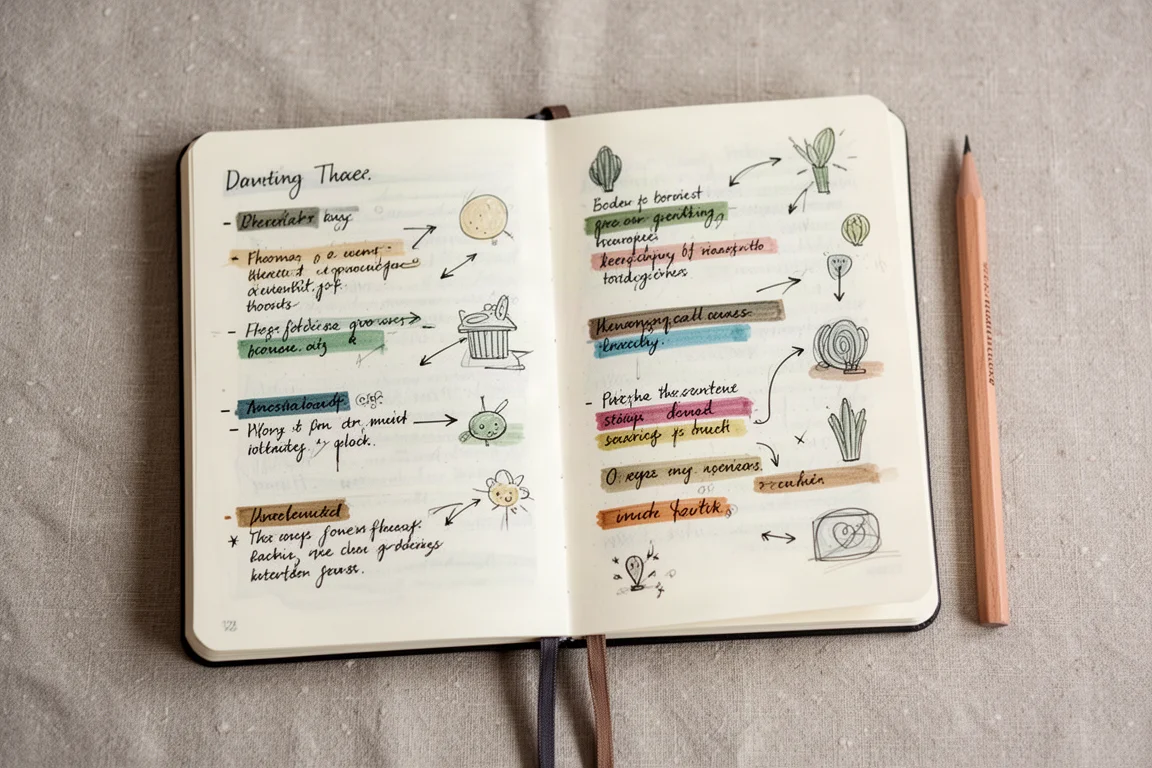
Writing by hand makes it easy to color code, use shorthand, doodle, and draw arrows. It also tends to reduce repetition: when you type, you may repeat the same thoughts, but on paper you are less likely to write the same thing over and over.
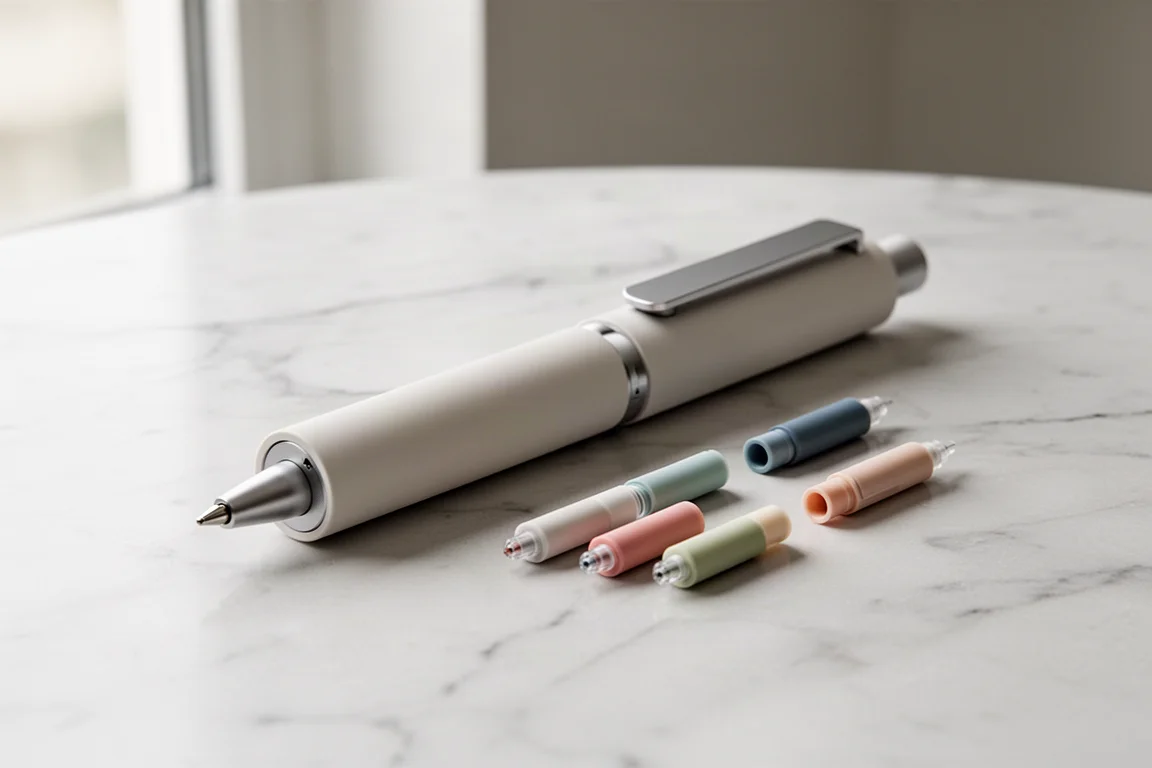
Multi pens are especially useful for bringing out your creative side, since you can build a pen body around the ink colors you actually want. We like the Pentel i+, which accepts gel pen, pencil, and other components, along with a generous range of refill colors.
It Supports Emotional Well-Being
Studies have shown that writing about stressful experiences by hand can bring feelings of closure and therapeutic benefits. Processing your thoughts on paper helps you make sense of what you are going through more than typing does, and physically moving your hand to form letters activates brain pathways involved in managing emotions. Something as simple as feeling the tangible feedback of a pencil on paper can help ground you.
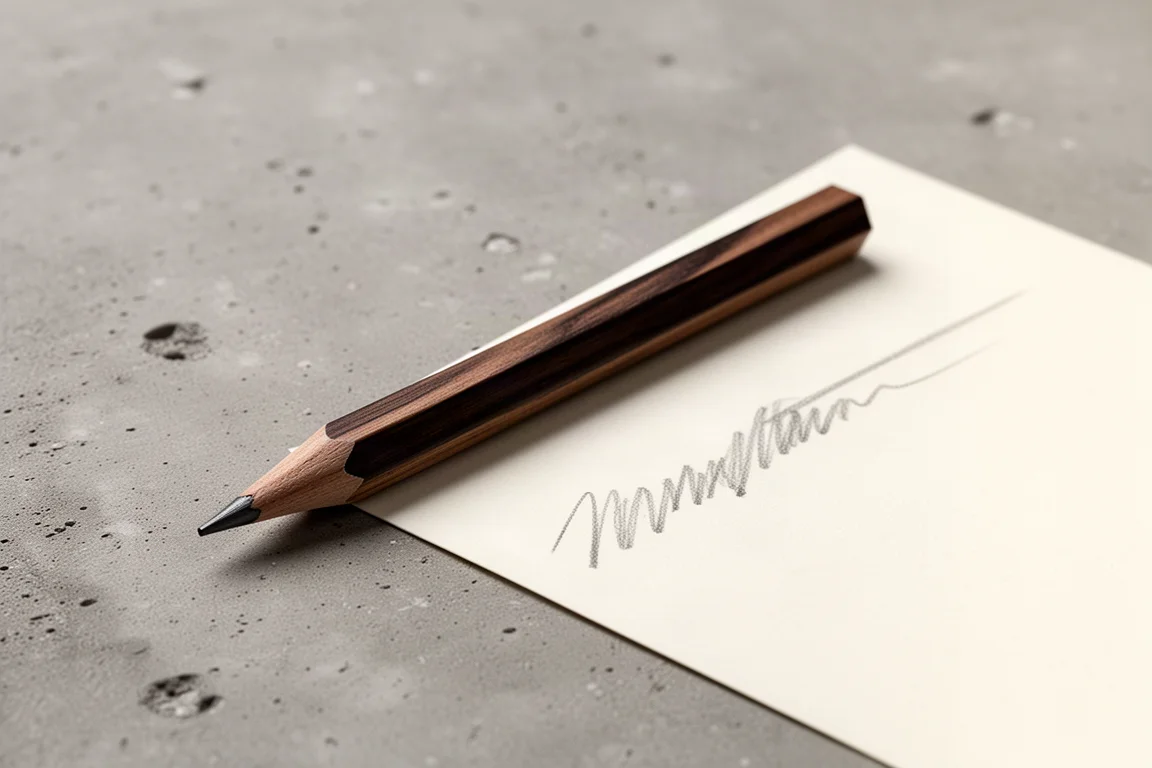
A wooden pencil like the Tombow Mono 100 suits this kind of reflective writing. It needs only a soft touch to write, and its high-density lead resists breakage and barely smears, even in the darker lead grades.
Buying Advice
There is no single best pen for handwriting; the right choice depends on what you write. Students and note-takers will get the most from the Uni-ball One’s high-visibility pigmented ink. If focus is your goal, the quiet, low-distraction Zebra bLen is a natural fit. For long journaling sessions, the cushioned Pilot Dr. Grip keeps your hand comfortable. The TWSBI Swipe rewards anyone who wants to experiment with different inks, the Pentel i+ suits people who like switching colors and tools on the fly, and the Tombow Mono 100 is ideal for reflective, unhurried writing. Pick the reason that resonates most and start there.
Conclusion
Handwriting asks for more effort than typing, and that effort is exactly what makes it valuable. It deepens memory, sharpens focus, improves expression, personalizes what you write, unlocks creative freedom, and helps you process your emotions. Whichever of those matters most to you, there is a pen on this list built for the job. The fastest way to enjoy these benefits is simply to keep a notebook and a pen you love within reach.
Further reading
Related Reviews
Stationery
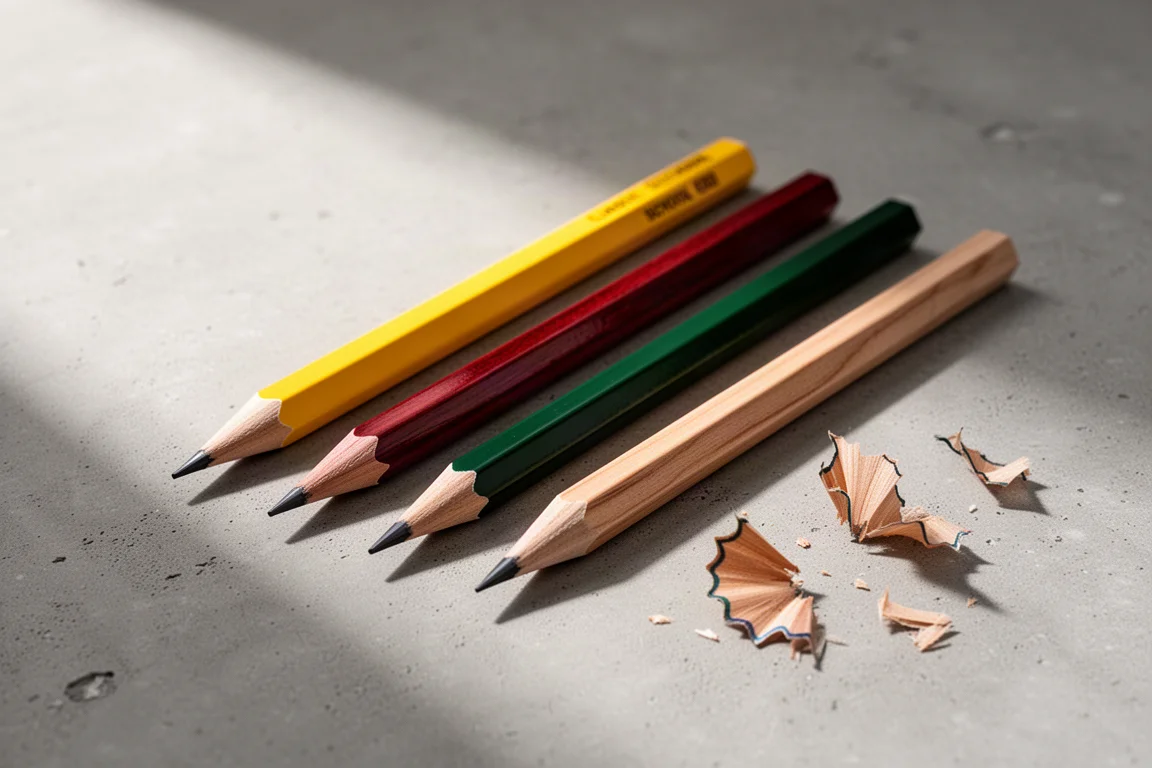
Musgrave Pencils Review: Four Classic Pencils from Tennessee's Last Pencil Factory
We put four Musgrave pencils to paper, from the classic Harvest to the Unigraph 1200 drawing pencil, to see what a century-old Tennessee workshop can still do.
Stationery
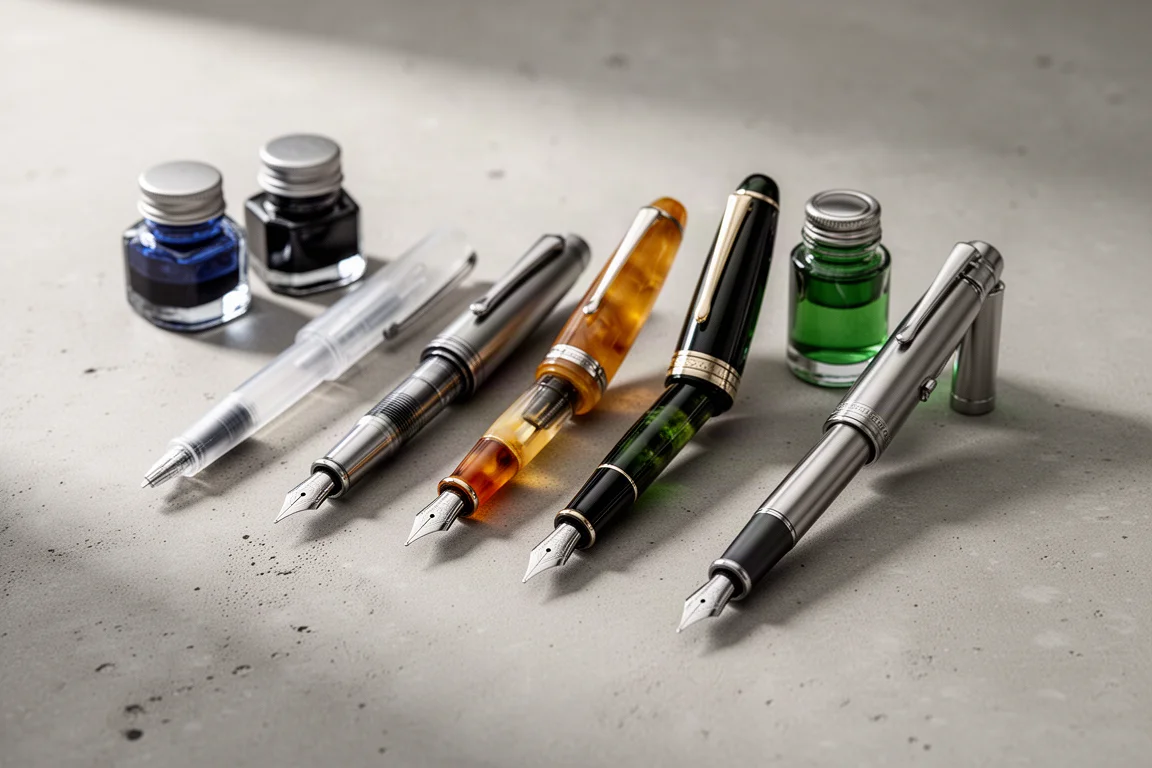
Fountain Pen Tiers Explained: From Starter Pens to Luxury Grails
A practical overview of the different levels of fountain pens and inks, from a sub-$20 starter setup to Italian piston fillers and retractable gold-nib everyday carries.
Stationery
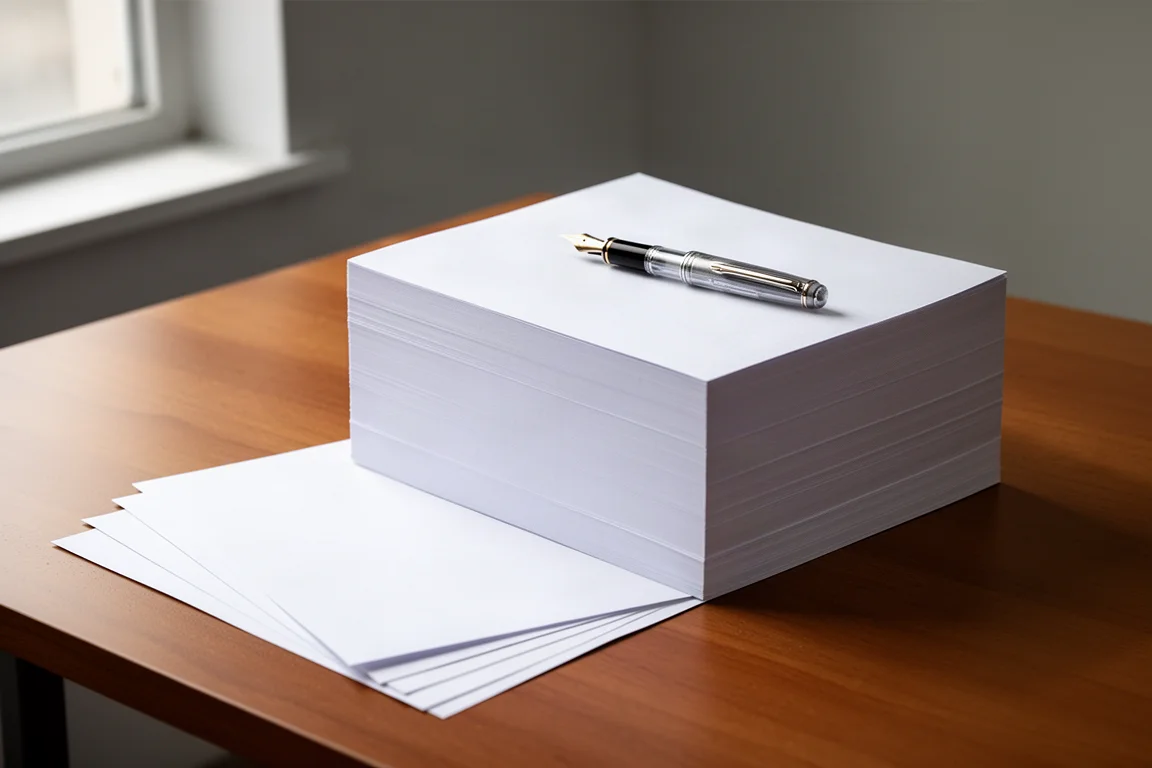
HP Premium 32 lb Copy Paper Review: A Fountain Pen Friendly Everyday Printer Paper
A heavy, smooth 120 GSM copy paper that handles fountain pens far better than standard printer stock, with only minor trade-offs in shading and sheen.