Cycling
Six Real-World Bike Builds: Value, Character, and What to Check Before Buying
Six rider-built bikes, from a repainted aluminium race frame to a steel all-rounder, with the details worth copying and the compromises to weigh up.
Introduction
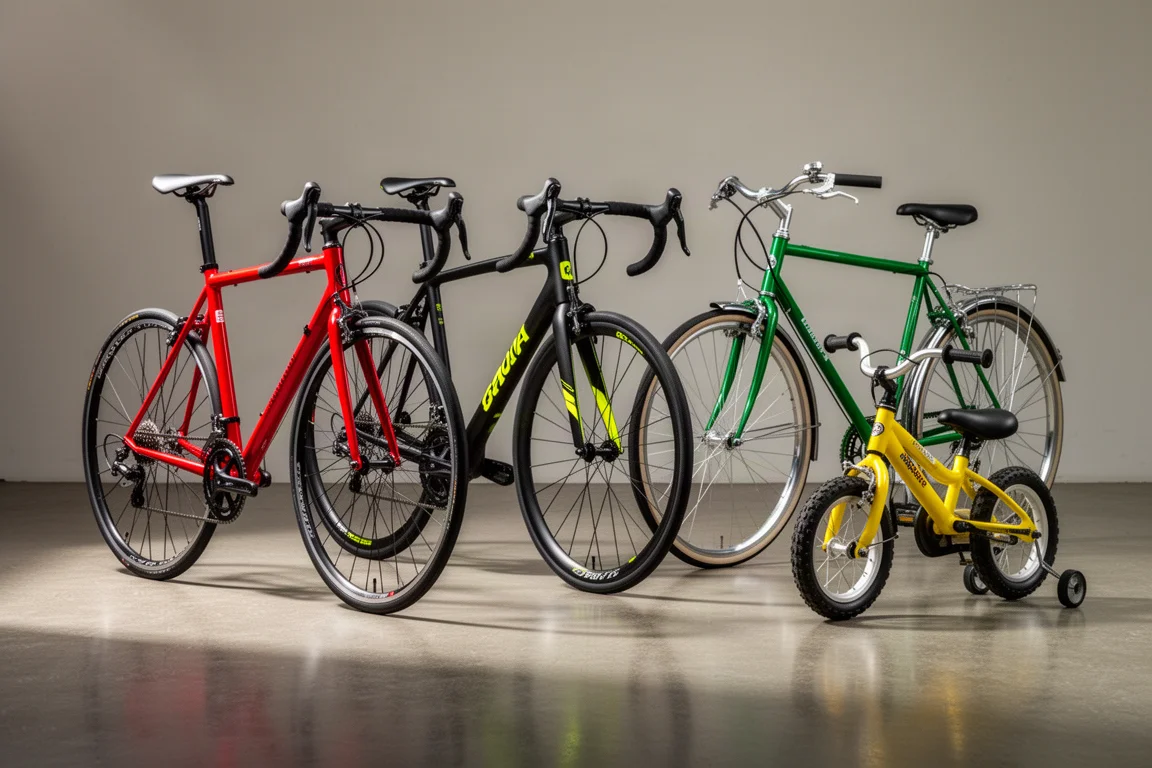
Not every interesting bike comes out of a showroom. Some of the most useful lessons in bike buying come from machines assembled by riders around one frame, one budget, or one very specific problem. The six builds below range from a repainted aluminium race frame to a steel all-rounder, a secondhand gravel tourer, and a children’s bike that ended up carrying a papier-mache figure through a parade.
Each one is a case study in trade-offs. What the money actually bought, where the compromises sit, and which small details are worth copying onto your own bike.
How These Builds Were Assessed
Four things separate a build that works from one that only looks good in a photograph.
The first is the frame. Condition, geometry, and how a frame has been treated matter more than the material badge on the down tube. A well-kept aluminium frame with round tubes and a straight top tube can still feel fast and direct, and a careful repaint can transform a cheap secondhand find into something genuinely desirable.
The second is the groupset. A dependable mechanical groupset with a sensible gear range is worth more day to day than a flashier one that needs constant attention, and older high-end groupsets remain excellent value.
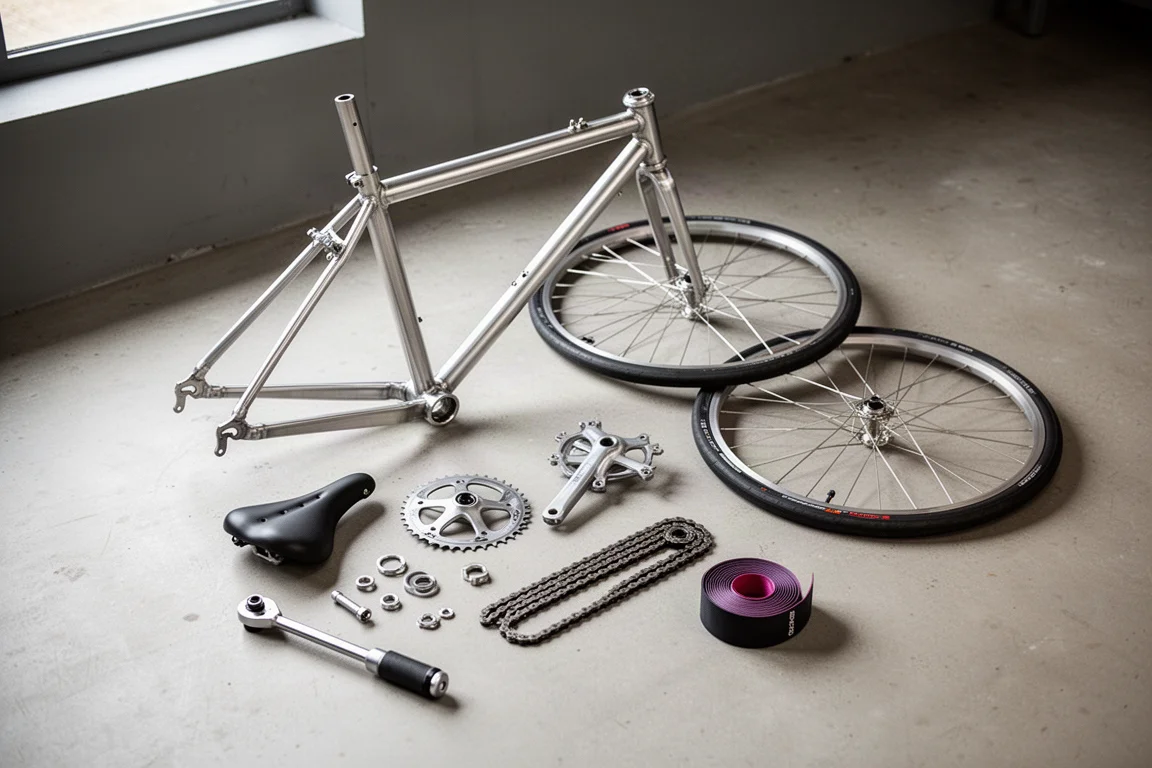
The third is wheels and tyres. Rim depth, tyre width, and tyre choice change how a bike feels more than almost anything else, and tyre colour is a detail that either lifts a build or fights it. Several of the bikes here run light tan-wall tyres, which works best when the sidewall tone is close to the frame’s accent colour rather than sitting somewhere in between.
The fourth is practicality. Mudguard mounts, hardwired lighting, luggage options, and pedals that suit how the bike is actually ridden matter more over a year of ownership than a few grams of weight.
Cannondale CAAD9: An Aluminium Race Frame Reborn
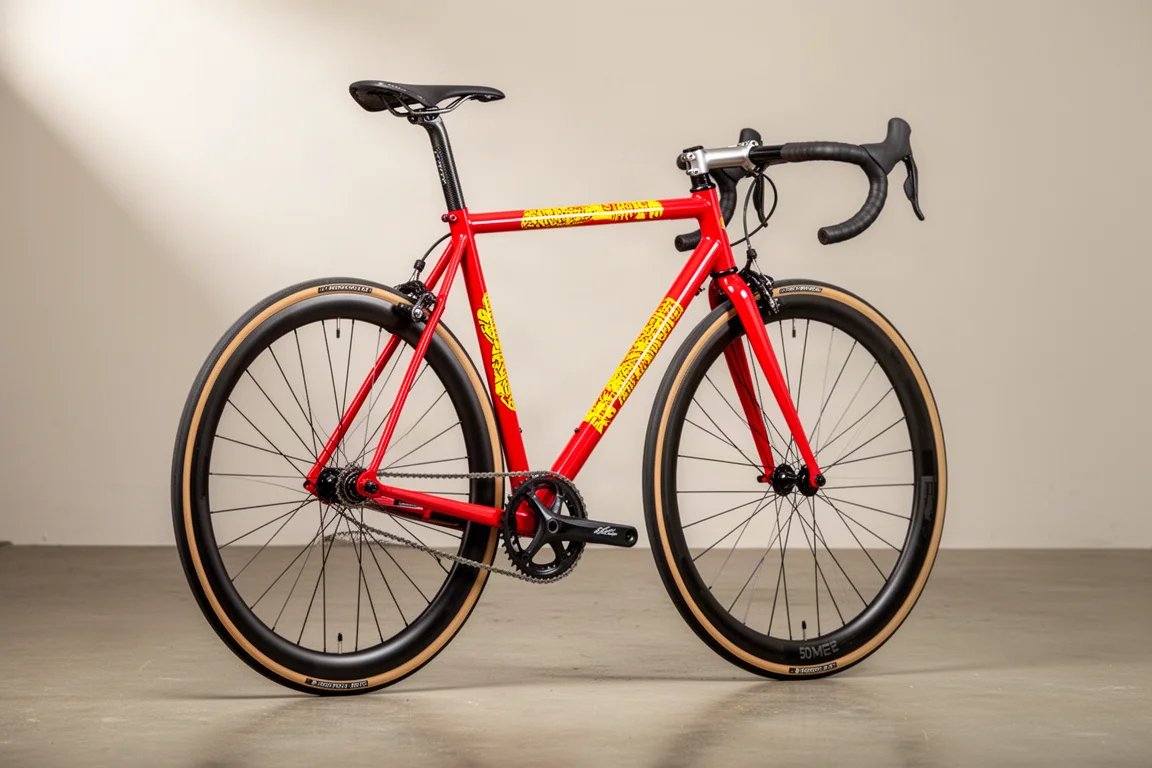
This build began with a secondhand CAAD9 aluminium frame bought for £12 and repainted with new decals in a team-inspired colourway. The result reads as a modern race bike with an old-fashioned silhouette: round tubes, a straight top tube, and no dropped seat stays.
The parts list is serious for the money. Campagnolo Chorus 11-speed, Prime carbon aero handlebars, 50mm wheels, a Selle Italia SLR Kit Carbonio saddle, a carbon seatpost, an aluminium stem, Continental GP 5000 tyres with TPU tubes, and mountain bike SPD pedals. The whole build came to around £1,930.
Two preferences are worth flagging rather than criticising. The flat-top aero bars divide opinion, and round-top bars with a compact drop would suit riders who want a more traditional feel and a softer edge under the hands. The tan-wall tyres also sit awkwardly against the yellow decals and red frame, so black or yellow rubber would read more cleanly.
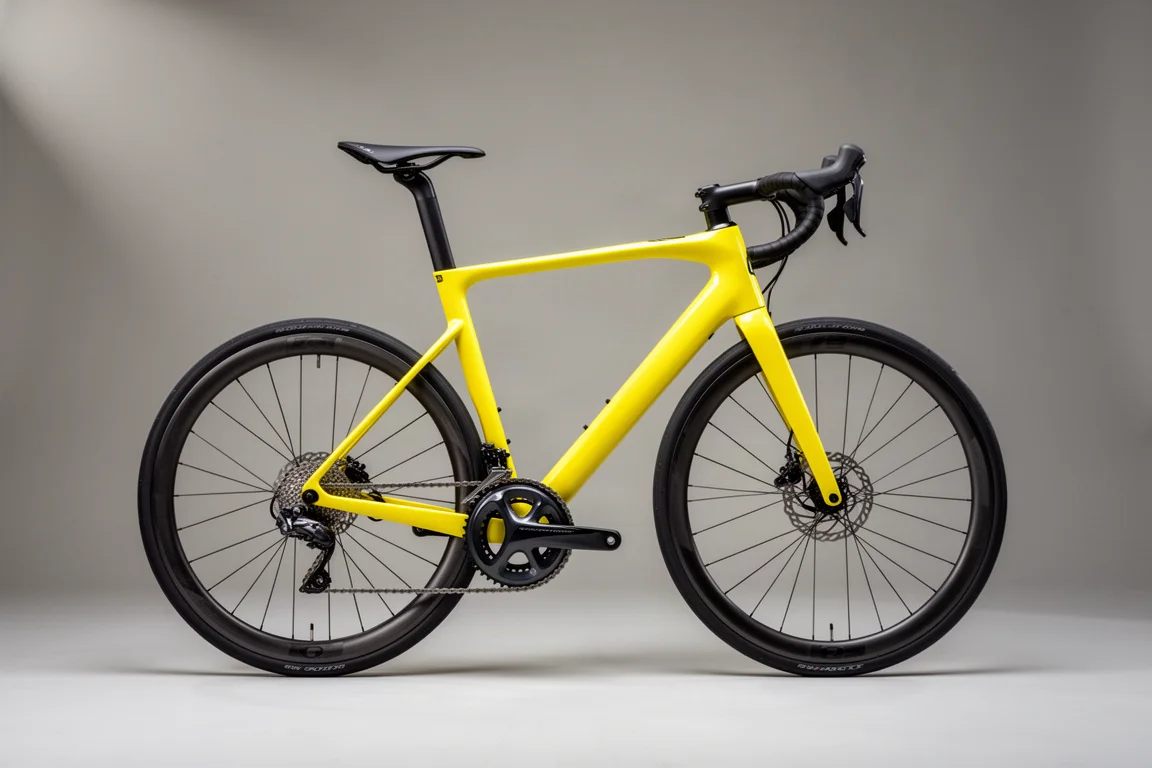
Cannondale SuperSix EVO 105: A Carbon First Bike With Neon Attitude
This is a first carbon road bike built around Shimano 105 and a set of 50mm-deep wheels. It arrived with a fully integrated handlebar and stem rather than a traditional two-piece setup, which gives the cleaner, faster look but makes fine fit changes less straightforward.
The colourway is a deliberate throwback to the era when fluoro accents were everywhere. Because the branding is restrained and almost everything else on the bike is black, the loud colour reads as intentional rather than chaotic. The tyres are a very light cream, close to white, which is the one element that sits slightly apart from the frame colour, and anything darker would clash.
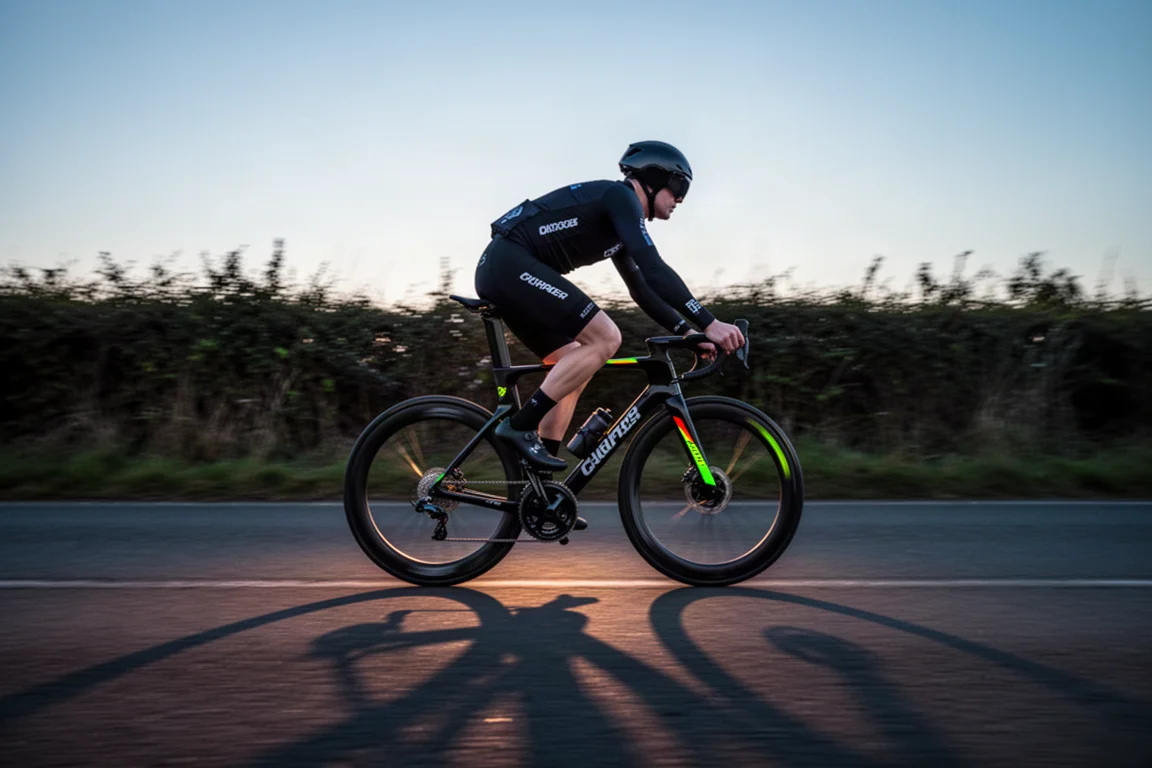
Smaller details such as the bar end plugs and the finish on the crank are the least flattering parts of the build, and neither is a deal breaker in daily use. This is a bike that looks quick standing still, and the specification backs that up.
Planet X London Road: Secondhand Value for Gravel Touring
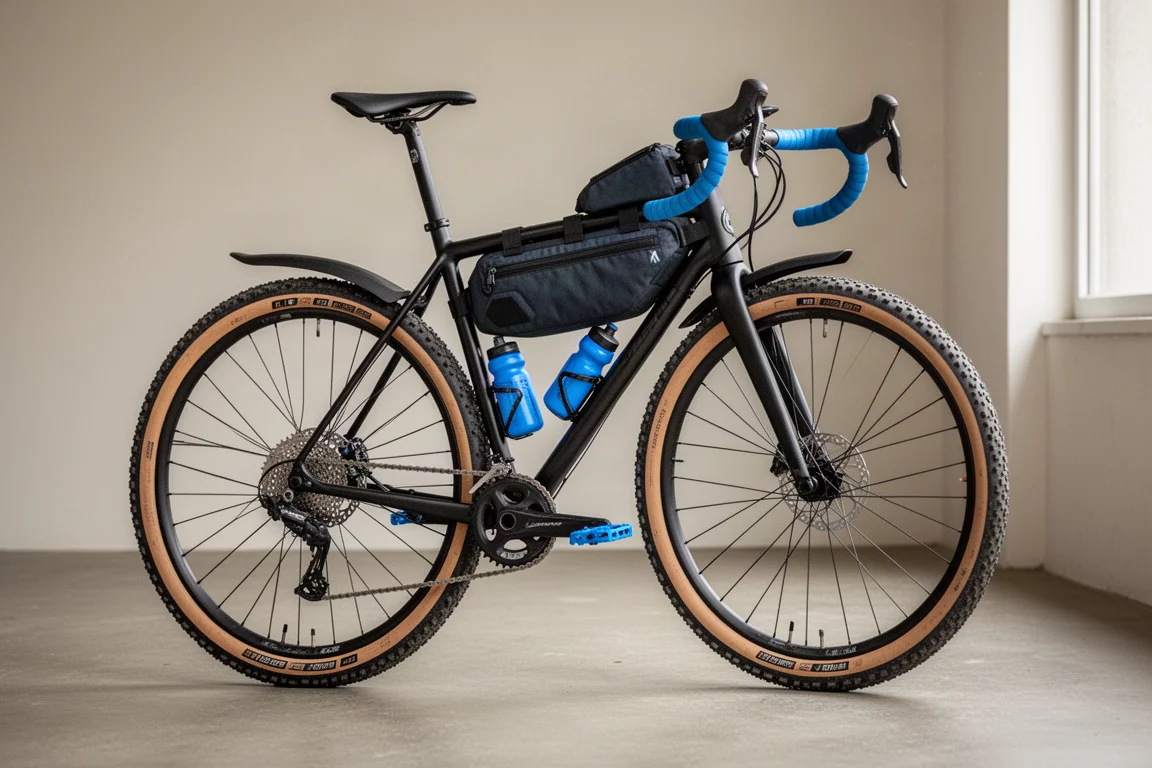
Bought secondhand for £170 with a SRAM Rival groupset, this is the value story of the group. It runs Panaracer Gravel King SK tyres, mechanical disc brakes, flat pedals, hardwired front and rear lights, a rear mudguard, and a frame bag for bikepacking trips.
Two practical notes are worth passing on. This generation of SRAM double-tap shifting rewards careful setup, and when it is not dialled in precisely it can shift the wrong way at the end of the cassette. A frame bag wrapped around the down tube can also interfere with a mechanically routed cable, so it is worth checking cable movement after fitting one. A side-entry bottle cage on the down tube makes the bottle easier to reach once a frame bag is in place.
Blue bar tape, blue bottles, and blue pedals tie the colour together, and the flat pedals are a reminder that clip-in pedals are a preference rather than a requirement.
Ritchey Road Logic Disc: A Modern Steel All-Rounder
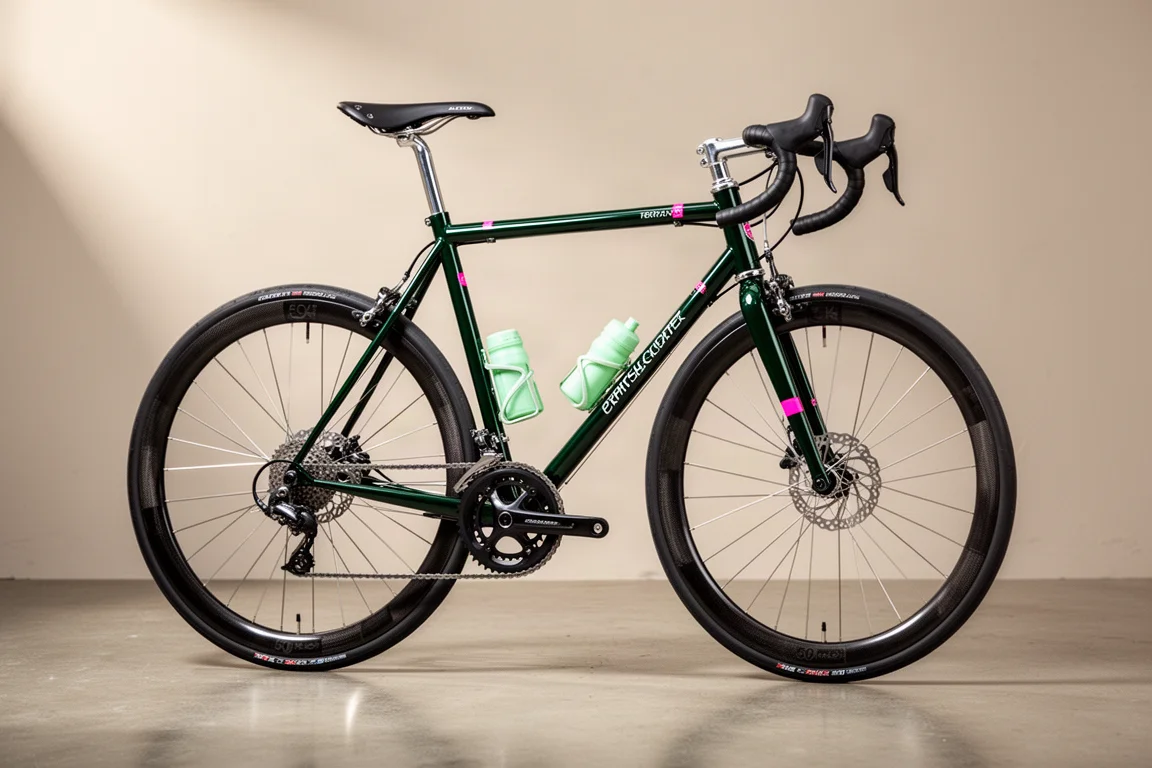
This one is a size 51 disc frame with Shimano 105 hydraulic shifting, a 50/34 crank, an Ultegra rear derailleur, Ritchey finishing kit, an 80mm stem carried over from an older bike, a 40mm Evo Curve handlebar, and a 50mm-deep carbon wheelset.
The frame is a deep British racing green with pink accents and small chrome details, and it reads as a thoroughly usable version of a classic steel build. It takes disc brakes and tyres wider than 25mm, which makes it far more versatile than the rim-brake steel bikes it echoes. The single genuine gap for this style of bike is the absence of mudguard mounts, which is worth checking before you commit if you ride through winter.
BMC TeamMachine SLR01: Fast, Angular, and Clinical
This is a 2020 TeamMachine SLR01 bought secondhand and recently switched from tubular wheels to a set of 50mm clinchers, with a long 130mm stem. Moving away from tubulars is a sensible practical decision for most riders, since carrying a spare tub on every ride is a commitment few people want.
The frame’s angular, modern lines are a matter of taste. Some riders find the shape purposeful, others find it busy, and the gold-toned bar tape is the most divisive detail on the bike. What is not in question is the intent: this is a machine built to feel quick and efficient, and it suits riders who put speed ahead of character. A tyre choice that breaks from the tan-wall trend also helps it stand apart from the rest of the builds here.
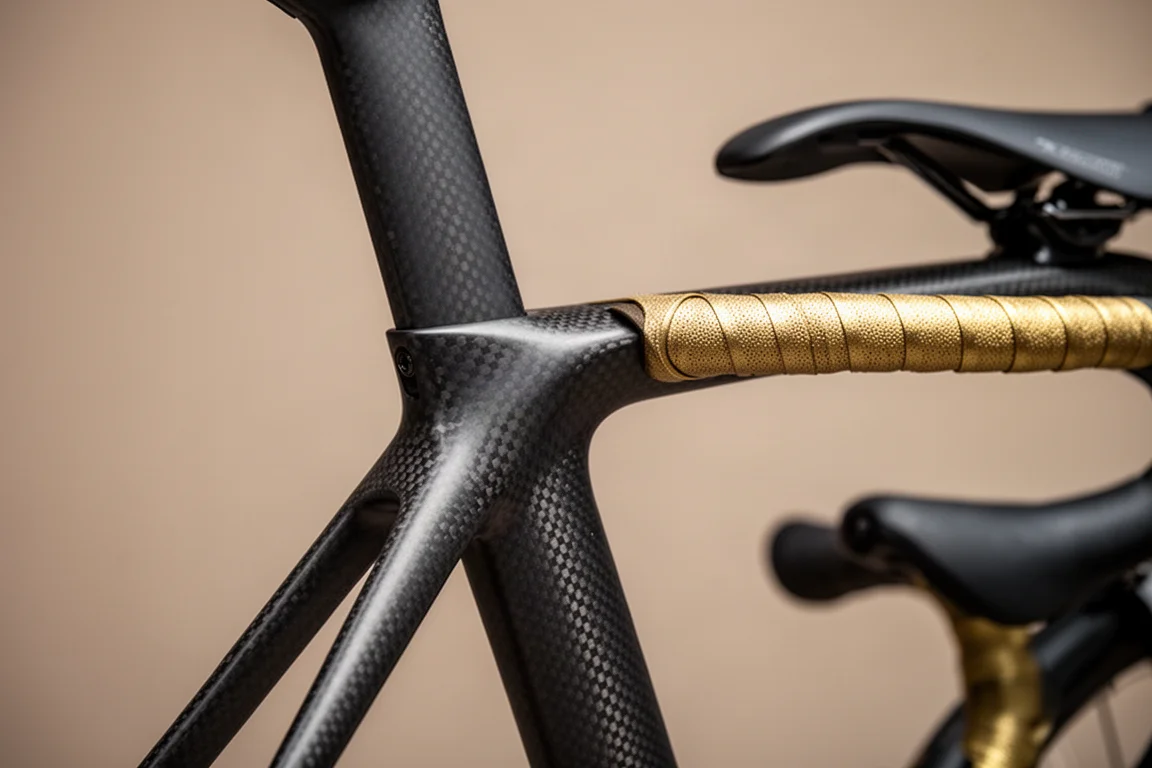
If you want a bike that flatters hard efforts and looks clinical doing it, this is the one in the group. If you want warmth and personality, a steel frame further up this list will serve you better.
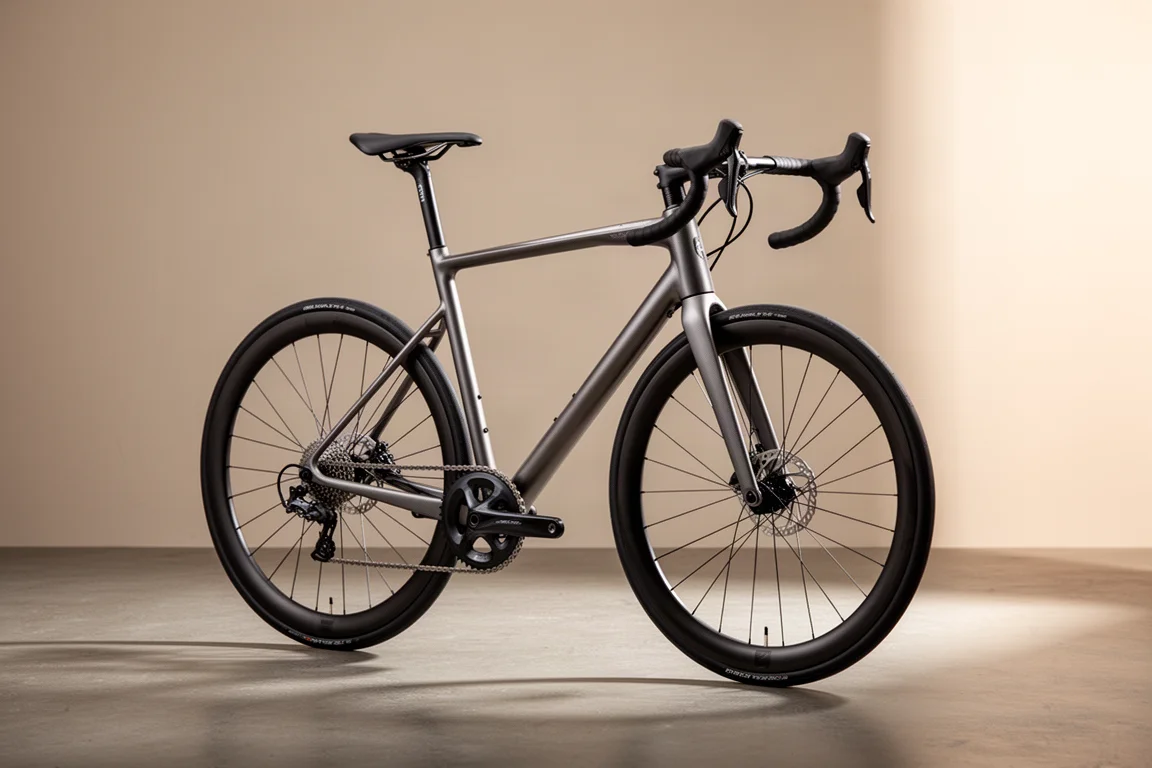
Islabikes Beinn 20 Large: A Children’s Bike With a Wild Second Life
This is a children’s bike with a SRAM 1x7 groupset, flat bars, and a kickstand, used for cyclocross and road riding before being converted into a parade float. It was painted yellow at the front, fitted with a stabilising exoskeleton that restricts how far the handlebars can turn, and topped with a papier-mache figure.
As a bike it took third prize in a parade. As a rideable machine, the added structure and restricted steering make it impractical, and the papier-mache figure is not waterproof. Anyone tempted to copy the idea should treat it as a project build rather than something you can keep riding afterwards.
Buying Advice: Matching the Build to the Riding
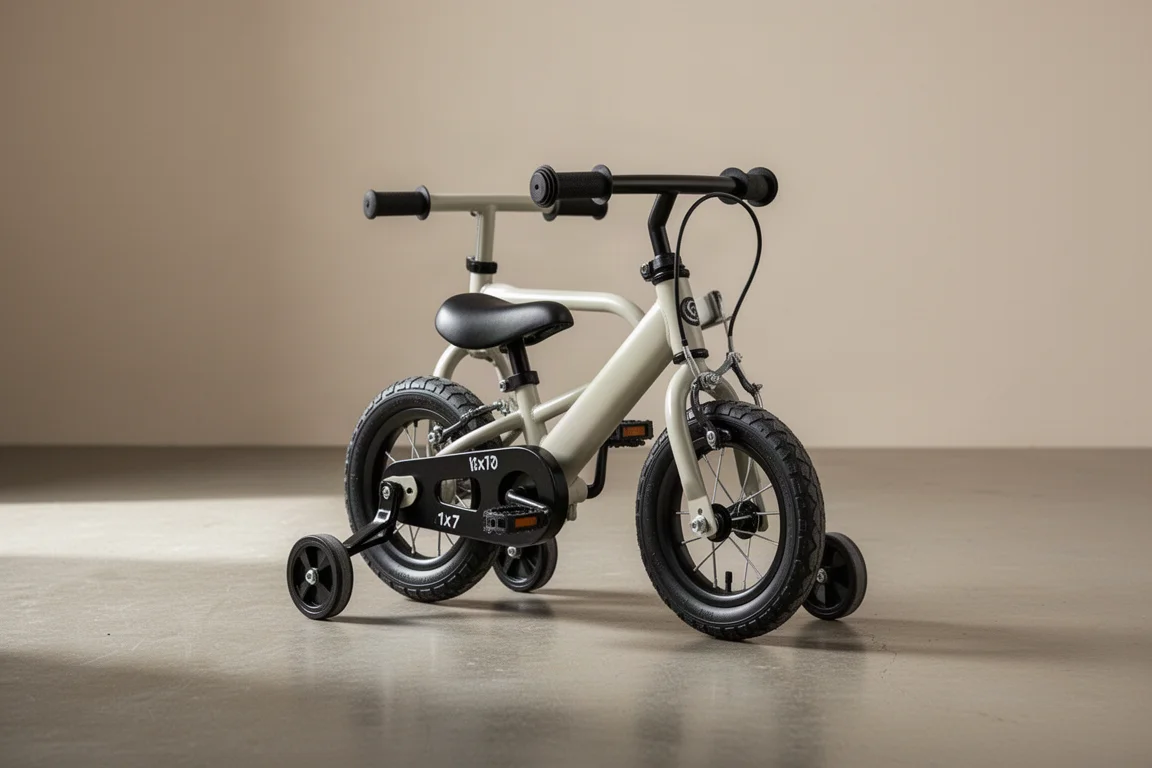
Across these six builds a few consistent rules emerge. Frame condition and geometry matter more than material, and a repainted aluminium frame can deliver genuine race-bike feel for a fraction of a carbon equivalent. A cheap secondhand frame paired with a good groupset is often the best value available in cycling, provided you check the frame carefully before you buy.
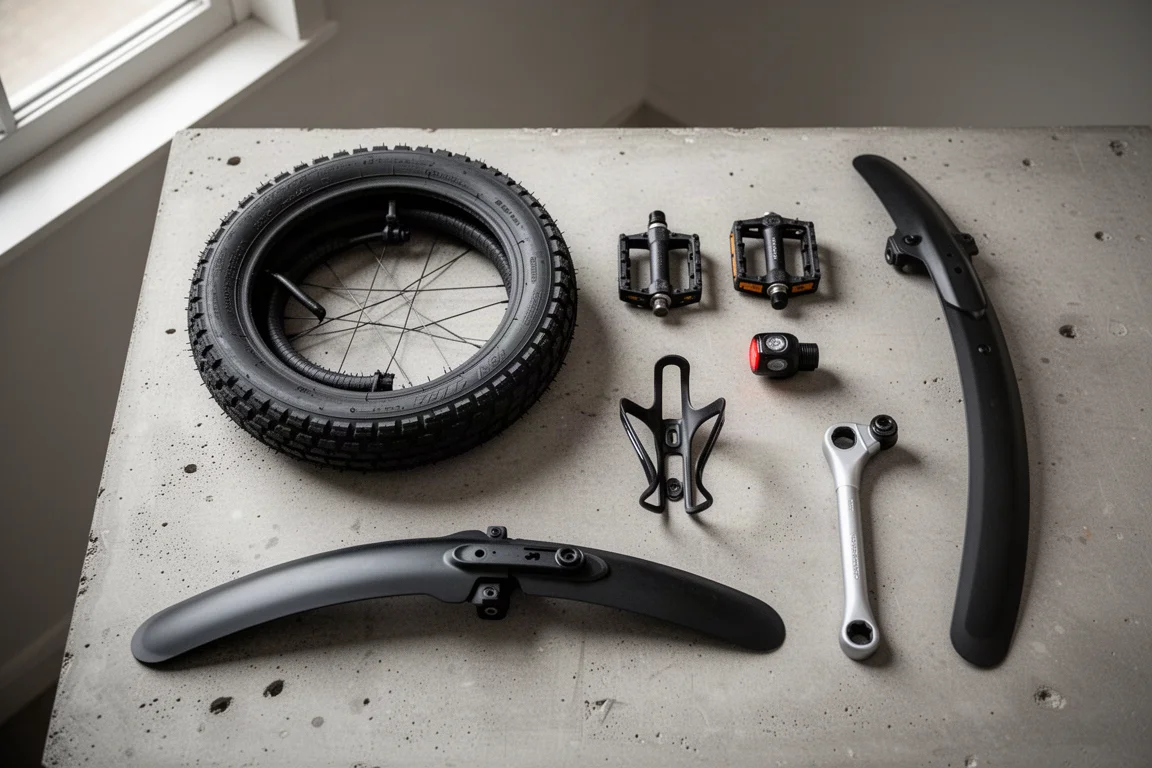
Before committing to any build, work through a short checklist. Confirm mudguard mounts if you ride year round. Check bottom bracket condition and cable routing if you plan to run a frame bag. Make sure an integrated cockpit can actually be adjusted to your fit, since swapping it later is expensive. Match tyre clearance to the surfaces you ride most. And budget for the parts that are easy to overlook: tyres, pedals, lighting, and luggage.
Finally, buy for the riding you do rather than the riding you imagine. Flat pedals, a single bottle, and a slightly raised stem are all reasonable choices if they keep you comfortable and out on the bike.
Conclusion
These six bikes have almost nothing in common on paper, which is exactly the point. A £12 frame with a careful repaint can outclass far more expensive machines. A £170 secondhand gravel bike can open the door to touring. A steel frame with the right mounts can be the only bike you need. And a children’s bike can end up with a third-place parade trophy and a papier-mache passenger.
The thread running through all of them is intent. Every one of these builds was put together around a clear idea of how it would be ridden, and that is the most transferable lesson of the group.
Further reading
Related Reviews
Cycling
2026 Bike of the Year and the Cycling Gear Worth Watching
A drop bar roundup for 2026 covering the Ridley Kanzo Fast 2.0, Shimano Dura-Ace Di2 R9300, Trek Checkpoint ALR Gen 3, Specialized Tarmac SL9, Garmin Fenix 9 and Insta360 X6.
Cycling
Best All-Road Bikes 2026: Six Versatile Endurance Road Bikes Worth Considering
A practical look at six all-road and endurance road bikes, from lightweight carbon speed machines to steel all-rounders and comfort-focused mile eaters.
Cycling
Best All-Road Bikes 2026: 8 Endurance Bikes for Road and Light Gravel
Eight all-road bikes that blur the line between endurance road and light gravel, compared on tire clearance, ride character, practicality, and value.