Cycling
Six Real-World Bike Builds: Gravel, Aero, Steel and Budget Picks
Six owner-built bikes compared, from a steel gravel machine with a short-travel dropper to a discontinued aero racer, a steel crit frame and a budget hybrid heading to its first triathlon.
Introduction
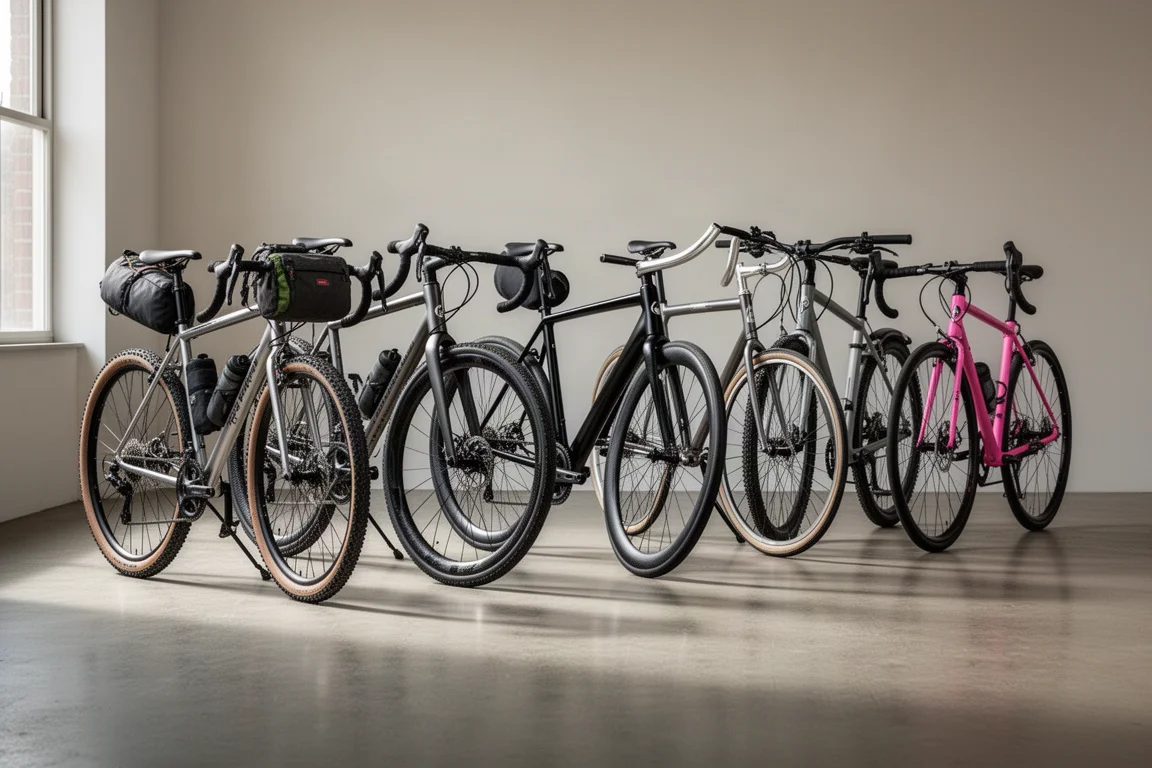
Six bikes, six very different answers to the same question: what does a rider actually need? A steel gravel machine with a short-travel dropper post. An alloy gravel bike on carbon wheels with clip-on aero bars. A discontinued aero road racer. A steel crit frame built around a narrow cockpit. A budget hybrid heading to its first triathlon. And a women’s-specific road bike pressed into service by a shorter rider.
None of these are stock. Wheels, cranks, cockpits, tyres and luggage have all been changed, and in each case the changes say something about how the owner rides. This roundup walks through what each build does well, where the compromises sit, and which kind of rider each one genuinely suits.
What Makes a Build Worth Talking About
The most useful thing to judge on a bike like these is not the badge on the down tube. It is whether the parts work together. A wheel upgrade that transforms how a bike climbs, a crankset swap that removes a known weak point, a cockpit change that fixes a fit problem, or a luggage setup that makes a long day possible: these are the details that separate a thoughtful build from a collection of expensive parts.
The second question is honesty about the riding. A bike set up for a 300 km gravel race is not the same bike you want for a two-mile pub run, even if the frame is identical. Judging these six means judging them against the rides their owners actually do.
A third factor is value at the point of purchase. Two of these bikes cost serious money, two sit in the comfortable middle, and one is deliberately cheap. That spread matters, because the cheapest bike here is described by its owner as the most comfortable bike he owns, and it is the one being taken to a first triathlon.
Genesis Fugio: A Considered Gravel Build
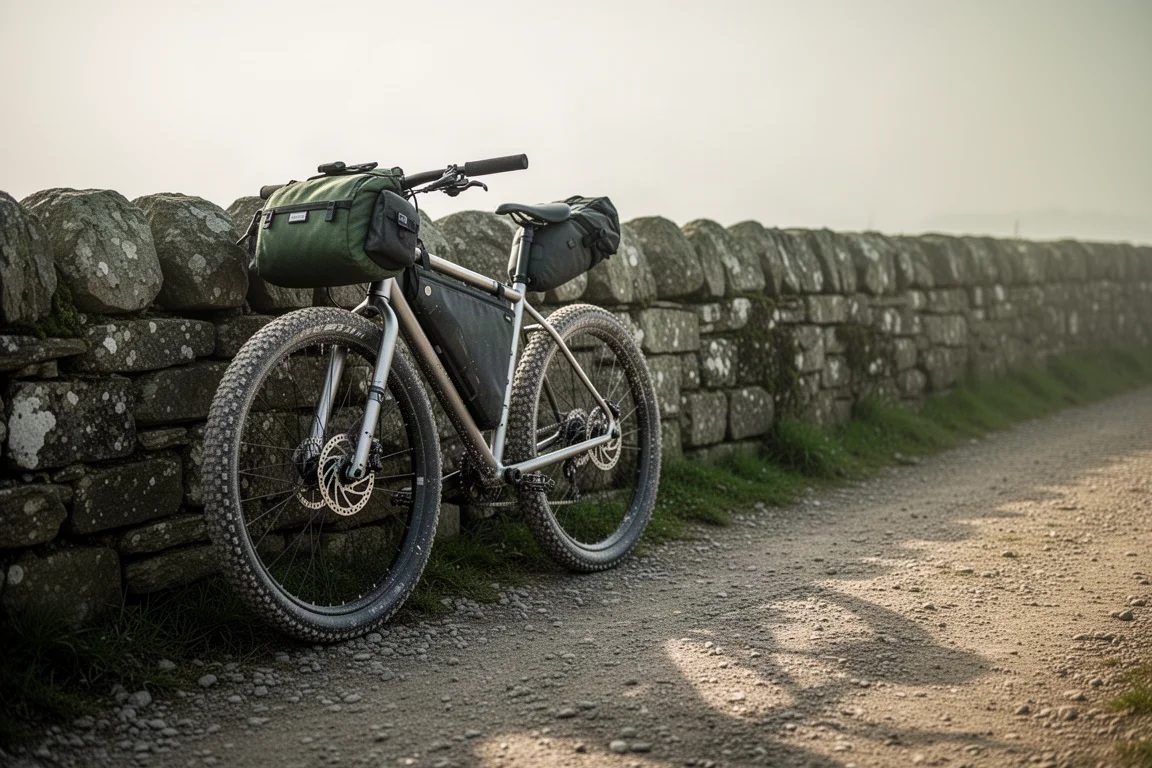
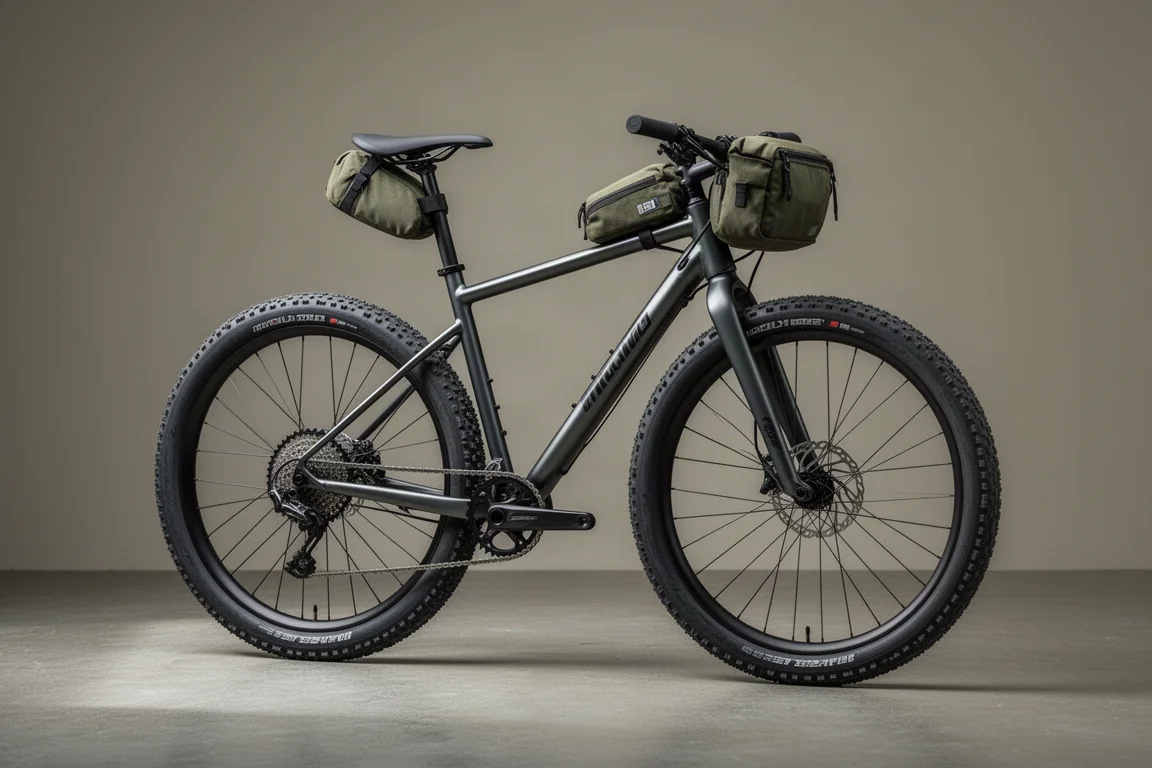
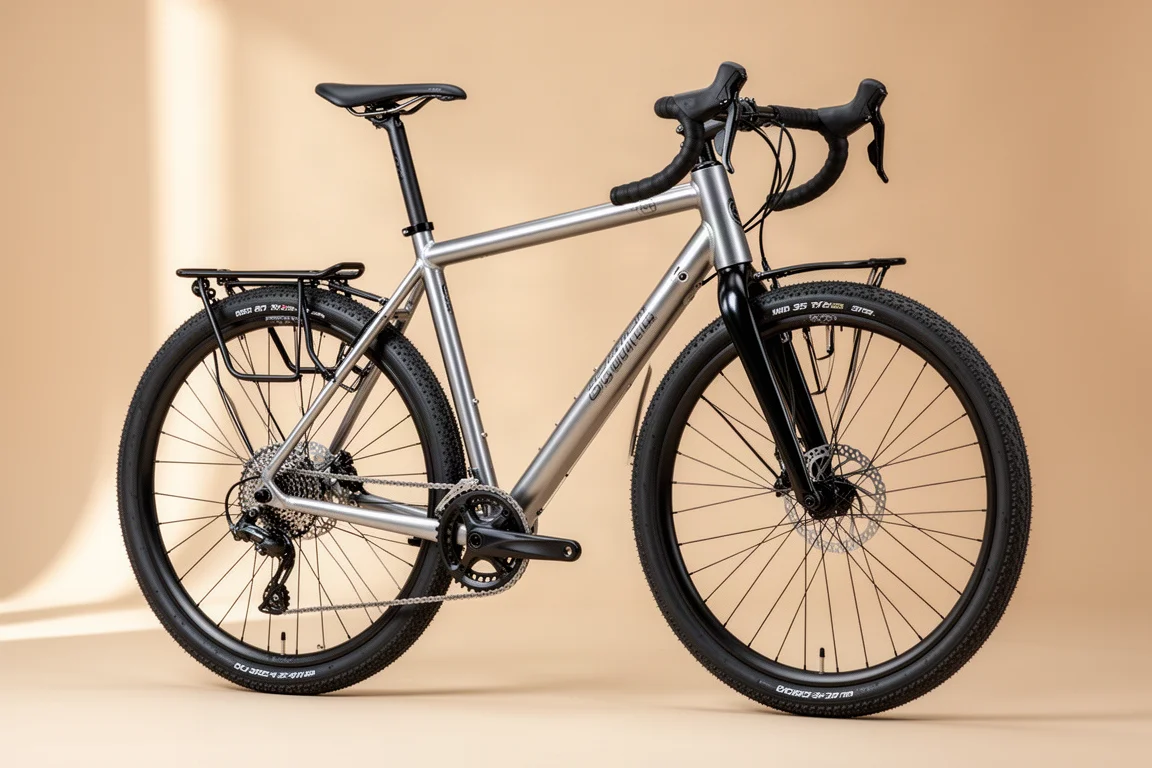
The Genesis Fugio here is a steel gravel platform running WTB gravel tyres, a one-by GRX drivetrain, a bar bag up front and a saddle bag out back. The cockpit is not slammed, but the whole thing reads as deliberate. Every part appears to have a job, and the result is a tidy, well-thought-out bike rather than a parts-bin special.
The most debated component is the dropper post, which offers very little drop. Whether that small amount of travel changes anything is a fair question. The argument in its favour is control: getting the saddle out of the way lowers your centre of gravity and lets you move around on loose surfaces where a gravel geometry does not naturally put you in a good off-road position. The argument against is that a dropper with almost no travel adds weight and complexity for a benefit some riders never notice.
The overall silhouette has a distinctly 1990s mountain bike feel, which suits the wide tyres and the loaded, go-anywhere intent. This is a bike built for rough lanes, long mixed-surface days and the kind of riding where the route is not fully known in advance.
Cannondale Topstone: Alloy Gravel With Carbon Wheels
This 2023 Cannondale Topstone is an aluminium frame build with GRX cranks replacing the stock FSA units, a carbon gravel wheelset chosen as much for looks as for performance, and a carbon seat post. Clip-on aero bars from Planet X were fitted for the Frontier 300, a 300 km gravel race in the Scottish Borders, which is a sensible addition for an event that long.
The frame is the version without the Kingpin suspension, and the drop stays give it a profile that reads much more like a road bike than a typical gravel machine. The small, tightly set branding on the frame works well at that scale.
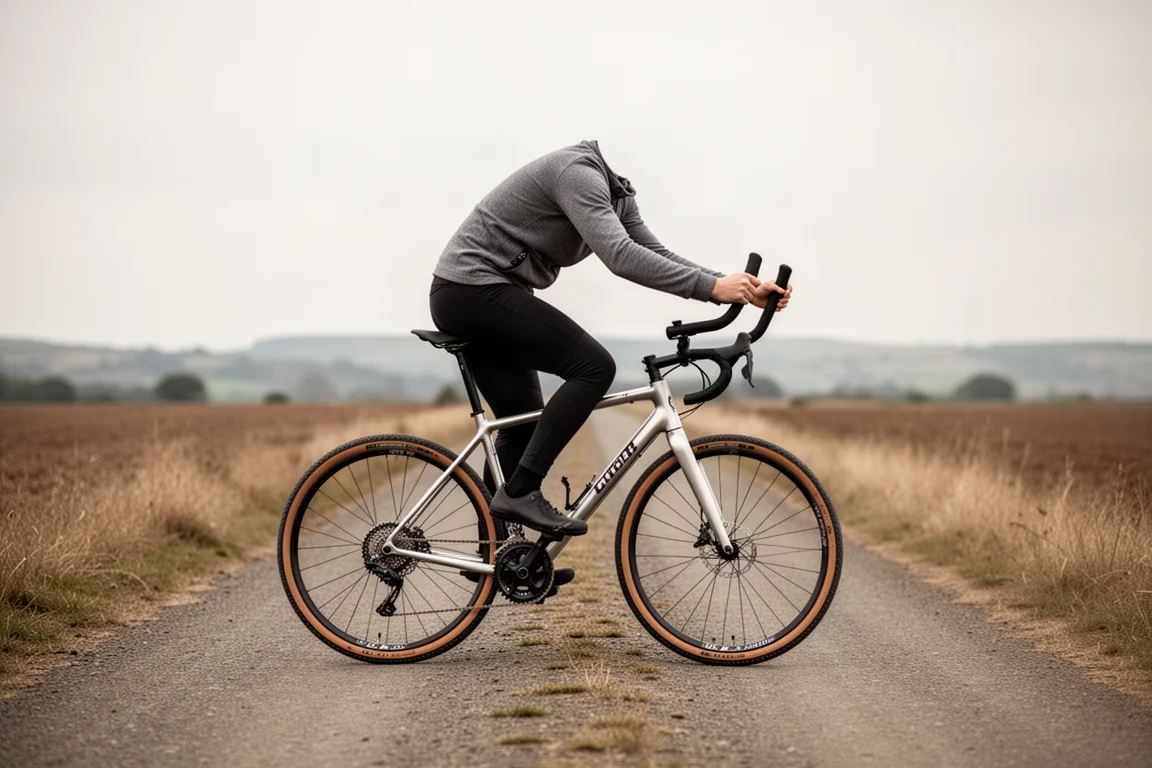
The aero bars are the interesting decision. They make a long, mostly non-technical gravel course considerably faster, but they also take your hands away from the brakes. On a course where riders bunch up and follow wheels, that matters. The bars are a genuine performance gain on the right course and a liability on the wrong one, which is exactly the trade-off to weigh before fitting a set.
Elsewhere the build is straightforward and effective: a stiff alloy frame, sensible gravel gearing, and wheels that lift the ride quality above what the stock setup would offer.
Specialized Venge Pro: Aero Speed That Is No Longer Made
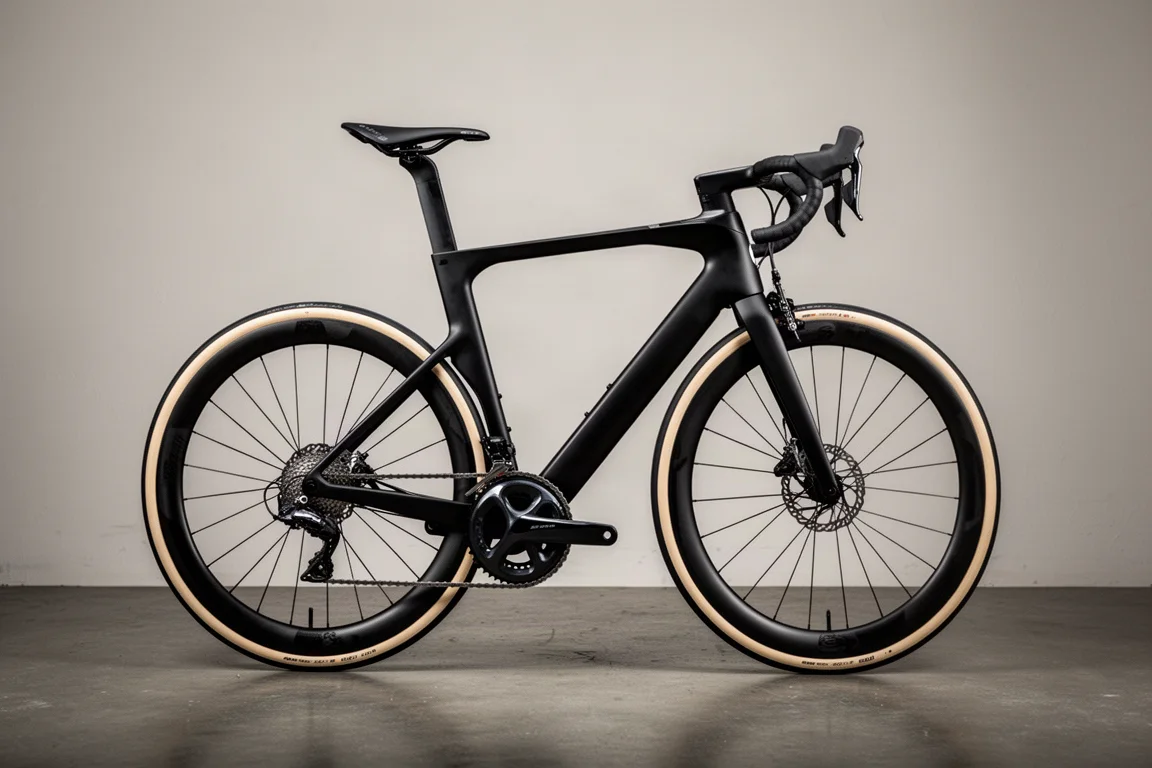
The Specialized Venge Pro is a discontinued model. Specialized no longer produces a Venge, and the racing line has narrowed accordingly, which makes this an interesting used-market proposition rather than a current purchase. The owner’s reasoning was simple and familiar: the Pro was the version that was affordable, where the S-Works was not, and the two are close enough in performance that the gap is mostly about the badge on the side.
The build runs Ultegra Di2, the 11-speed generation, along with a Specialized Power saddle. The wheelset is from a brand that still uses hooked rims and lists that as a selling point, which will matter to riders who have followed the debate around hookless rims and prefer the more established standard. Tyres are Hutchinsons with tan walls in a pale, beige-leaning shade rather than a warm tan.
The frame has had stickers applied, which is a small thing that makes a bike feel like yours and a slightly larger thing if you ever come to sell it. The bigger consideration is price. This model retailed at around £6,250, which is a lot of money to spend on a bike you intend to race hard, and it is not the sort of frame you would choose if crashing is part of your plan. It is a fast, focused aero road bike that suits riders with smooth roads and a clear idea of what they want from it.
Cinelli Vigorelli: A Steel Crit Machine
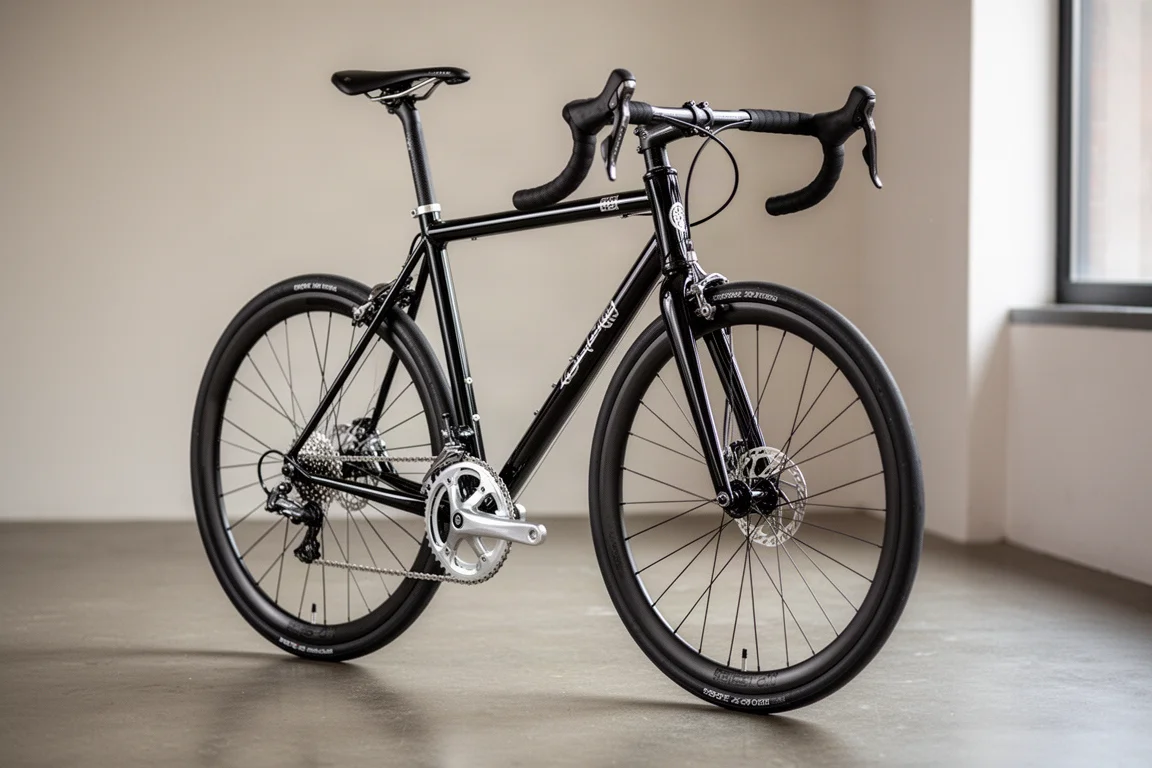
The Cinelli Vigorelli is a steel frame with a Columbus carbon fork, designed for criterium racing, and this one is a size 59. It has been raced over 350 km in a road race as well, which says something about how versatile a well-set-up steel crit frame can be.
The details are unusually cohesive for a mixed build. The cockpit is an Enve aero bar at 38 cm wide, narrow for a tall rider, paired with an Enve 130 mm stem and an Enve seat post. There is a Pro Stealth saddle, a wheelset from a Norwegian brand, a SRAM Force crank, Assioma pedals, and a SRAM Rival AXS 1x12 drivetrain. Tyres are 28 mm. The 1x setup makes sense for criterium racing, where the range of a front derailleur is rarely needed, and the silver chainring and small silver frame details give the black build some character.
It looks aggressive and purposeful, and the geometry is clearly aimed at going fast in short, hard efforts rather than all-day comfort. The obvious caveat is size: a 59 cm frame with a 130 mm stem is built for a tall rider, and it is not a bike that will suit everyone who admires it.
Carrera Crossfire 2: Comfort Over Spec Sheets
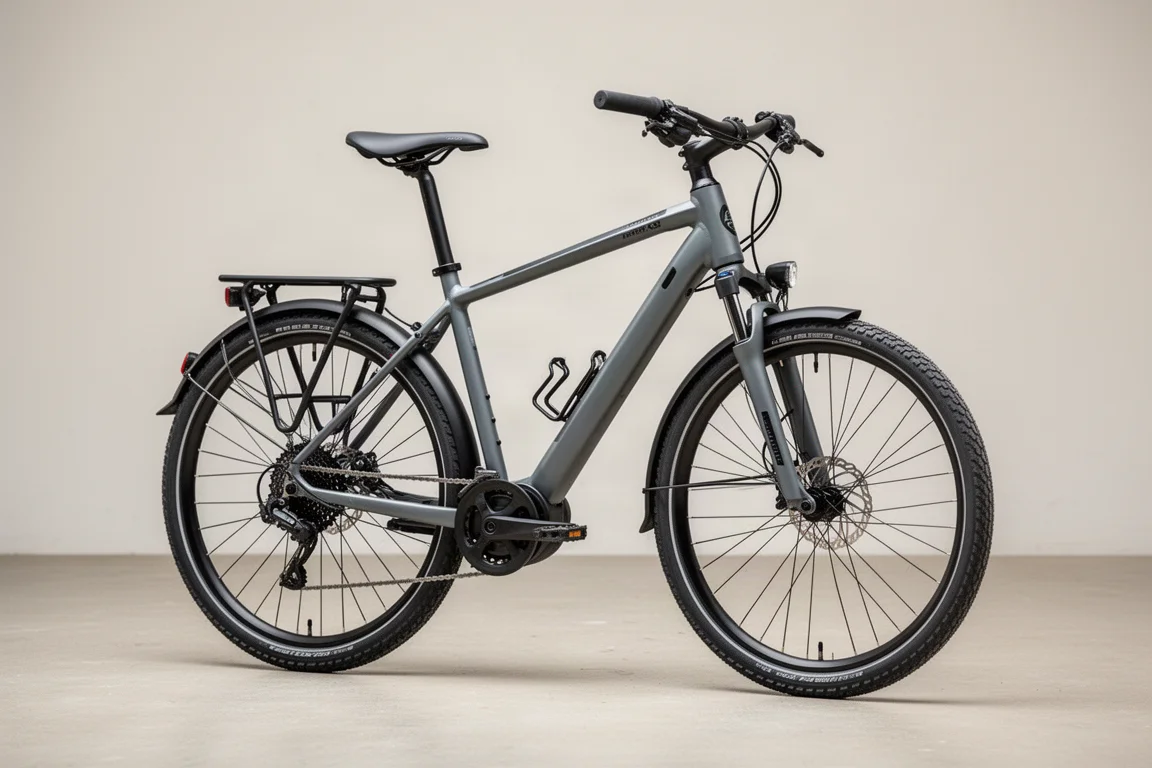
The Carrera Crossfire 2 from Halfords is the cheapest bike in this group and, by its owner’s account, the most comfortable. Schwalbe Land Cruiser tyres appear to have been added afterwards. The owner is 42, says the bike does not hurt his back, and is using it for a first triathlon. That is a useful reminder that enjoyment and comfort matter more than the spec sheet, and that showing up on an unfashionable bike is a perfectly good way to take part.
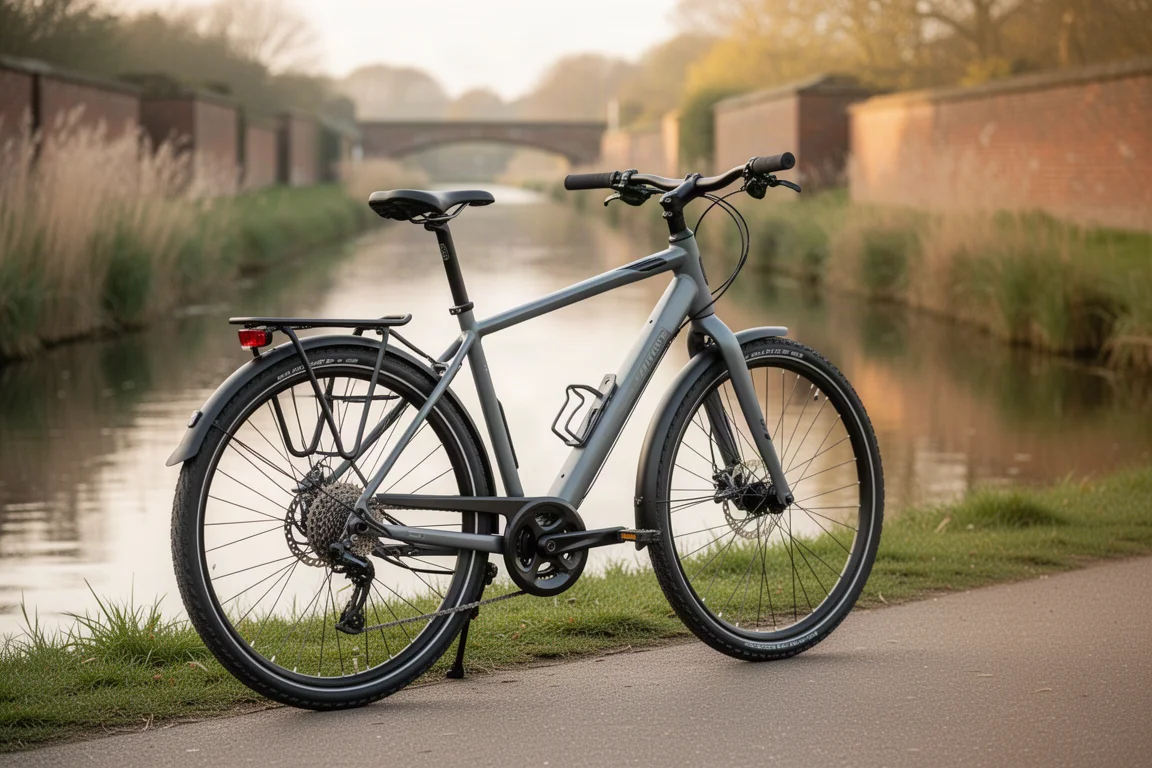
The one real criticism is the suspension fork. At this price point a suspension fork is heavy and does not provide much usable travel, and the money and weight could arguably go elsewhere on the bike, such as better wheels. The counter-argument is that bikes in this category are often harsh, and the fork does take the edge off rough surfaces, along with the tyres. It is not dramatically smoother than a decent aluminium frame, but it is not worse either.
The rest of the setup is sensible for the intended use: mudguards to keep the bike and the rider cleaner, a single bottle cage for rides that do not run to enormous distances, and a comfortable upright position. It is a reasonable benchmark for judging whether a more expensive bike is actually giving you more.
Cube Axial WS 2021: A Case Study in Sizing and Paint
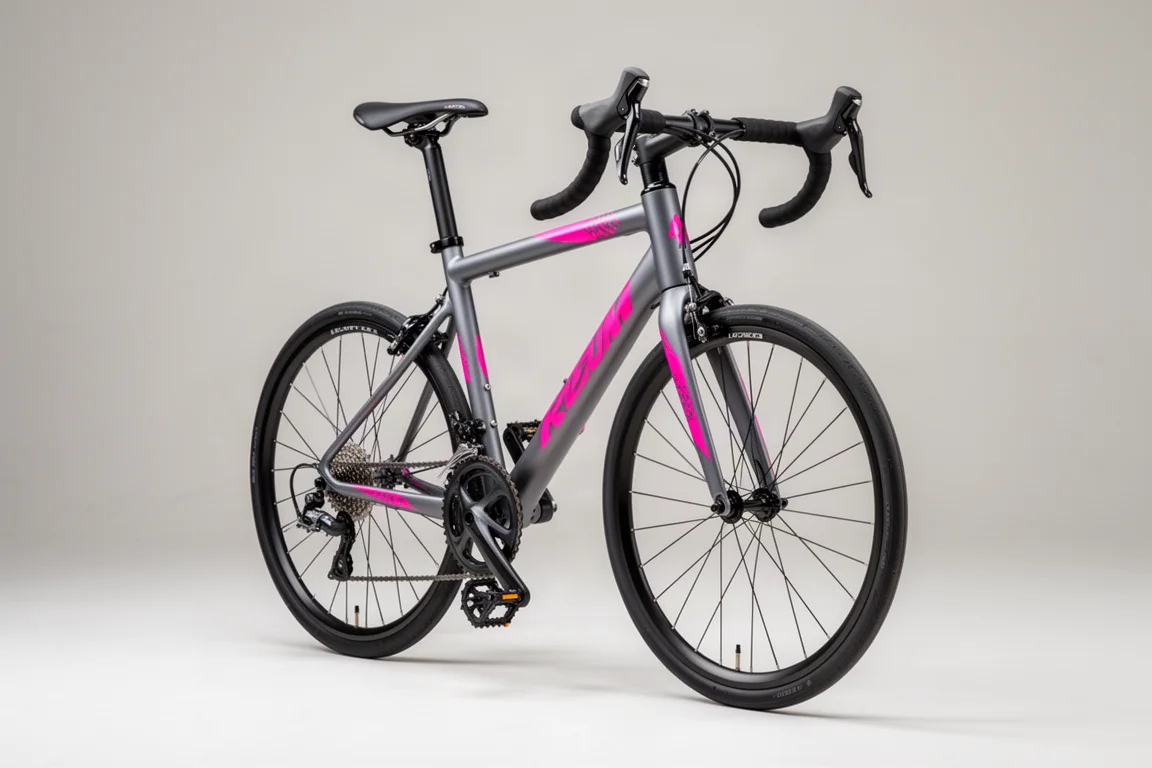
The Cube Axial WS is a women’s-specific road bike, ridden here by a shorter owner who points out that it is evidence of how much the industry still needs to do on smaller frame sizes. The pink paint is there to help visibility against grey Scottish skies, and the rest of the finish is a stealthy grey.
That paint job is genuinely well executed. The pink cuts through the frame nicely and the remaining graphics stay restrained, so it looks considered rather than loud.
The bigger conversation the bike opens is about gender-specific design. Bike fitters routinely put men on women’s saddles and women on men’s saddles, and the same applies to frames. Narrowing products down to what actually differs between riders, such as reach, saddle shape and handlebar width, would serve more people than a men’s and women’s split applied across whole model ranges. Paint and sizing, not category labels, are what most riders actually need.
Buying Advice: Match the Bike to the Riding
The clearest lesson across these six builds is that the right bike depends almost entirely on the riding you do. A steel gravel bike with luggage and a short-travel dropper makes sense if your rides mix surfaces and last all day. An alloy gravel frame on carbon wheels with clip-on aero bars makes sense if you race long, non-technical courses, as long as you accept the reduced brake access.
A discontinued aero road bike is a compelling used buy if you have smooth roads and a clear performance goal, but the retail price was high and the model is no longer in production. A steel crit frame rewards riders who fit it and race short and hard. A budget hybrid with mudguards rewards anyone who prioritises comfort, low cost and simply getting out the door. And a smaller road frame with a considered paint job shows that sizing and visibility matter more than which section of the shop it came from.
If you are buying, start with fit and intended use, then decide where the money goes. Wheels, cranks and contact points are the upgrades that change how a bike feels most. Dropper posts, aero bars and suspension forks are the ones that divide opinion most, so try before you commit.
Conclusion
There is no single winner here, and that is the point. The Genesis Fugio is a neatly resolved gravel build with one genuinely arguable component. The Cannondale Topstone is a fast, road-flavoured gravel bike that benefits from a well-chosen wheel upgrade. The Specialized Venge Pro is quick and discontinued, which makes it a used-market decision rather than a new one. The Cinelli Vigorelli is a properly assembled steel crit machine for a tall rider. The Carrera Crossfire 2 proves that comfort and enjoyment do not require a large budget. And the Cube Axial WS raises a fair question about why bikes are still sold along gender lines at all.
Pick the one that matches the riding you actually do, and you will get more out of it than any of these bikes could give the wrong owner.
Further reading
Related Reviews
Cycling
2026 Bike of the Year and the Cycling Gear Worth Watching
A drop bar roundup for 2026 covering the Ridley Kanzo Fast 2.0, Shimano Dura-Ace Di2 R9300, Trek Checkpoint ALR Gen 3, Specialized Tarmac SL9, Garmin Fenix 9 and Insta360 X6.
Cycling
Best All-Road Bikes 2026: Six Versatile Endurance Road Bikes Worth Considering
A practical look at six all-road and endurance road bikes, from lightweight carbon speed machines to steel all-rounders and comfort-focused mile eaters.
Cycling
Best All-Road Bikes 2026: 8 Endurance Bikes for Road and Light Gravel
Eight all-road bikes that blur the line between endurance road and light gravel, compared on tire clearance, ride character, practicality, and value.