Cycling
Six Reader Bike Builds 2026: Cannondale, Ritchey, Planet X, BMC and More
Six reader-submitted bikes, from a £1,930 aluminium Cannondale race build to a £170 Planet X gravel tourer, with the details that make each one work.
Introduction
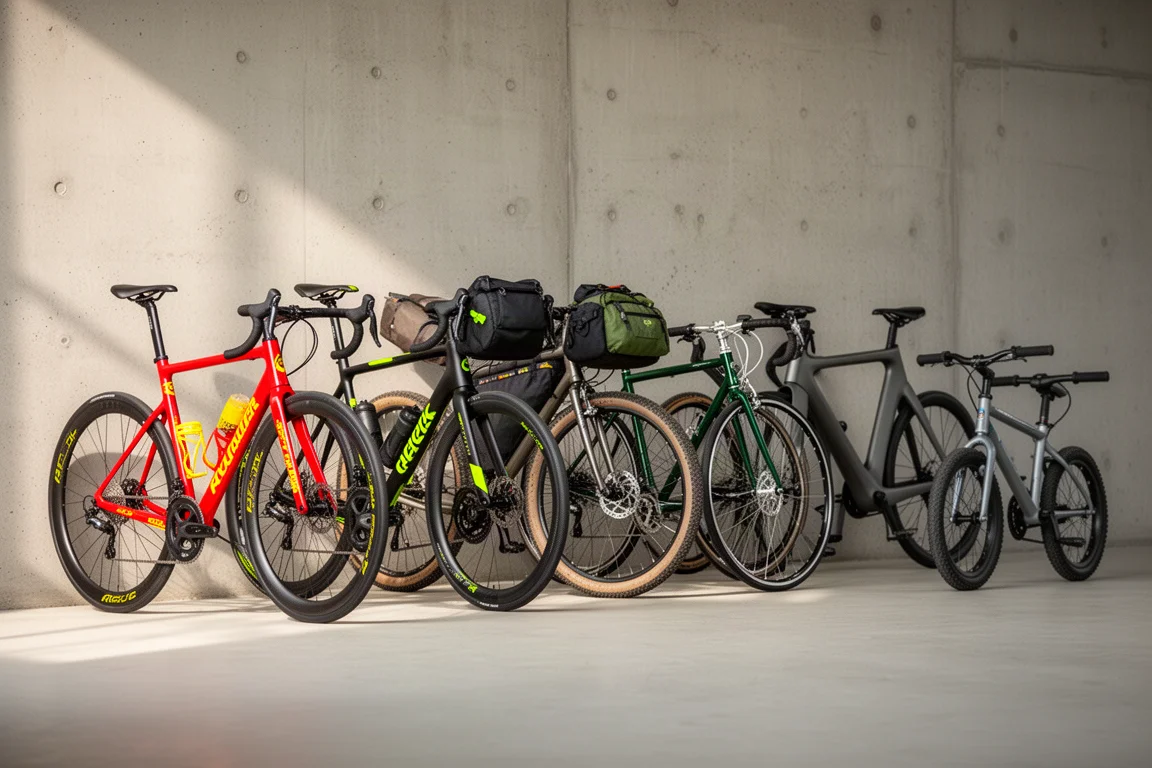
Six bikes arrived for this roundup from riders with wildly different budgets: a £170 secondhand gravel tourer, a £1,930 aluminium race build, a neon carbon road bike, a steel disc all-rounder, a secondhand carbon race frame and a kids’ bike that finished third in a parade. The interesting part is not the price tags. It is how each owner spent their money, and where one small change would make the bike noticeably better.
This roundup looks at what each build gets right, where the compromises sit, and who each bike actually suits. If you are planning a build of your own or shopping for something similar, the details below are the ones worth copying.
How These Six Builds Were Judged
Every bike here was assessed against the same handful of practical questions. Frame material and finish quality come first, because they shape both the ride and how long the bike stays desirable. Then drivetrain and gearing, where a well-chosen groupset matters far more than the badge on the crank. Wheels and tyres come next, since they change how a bike feels more than almost anything else you can swap. Contact points, pedals included, were judged on comfort and practicality rather than fashion.
Finally, real-world usability: mounts for mudguards and luggage, clearance for the tyres the owner actually rides, and whether the setup makes sense for the riding described.
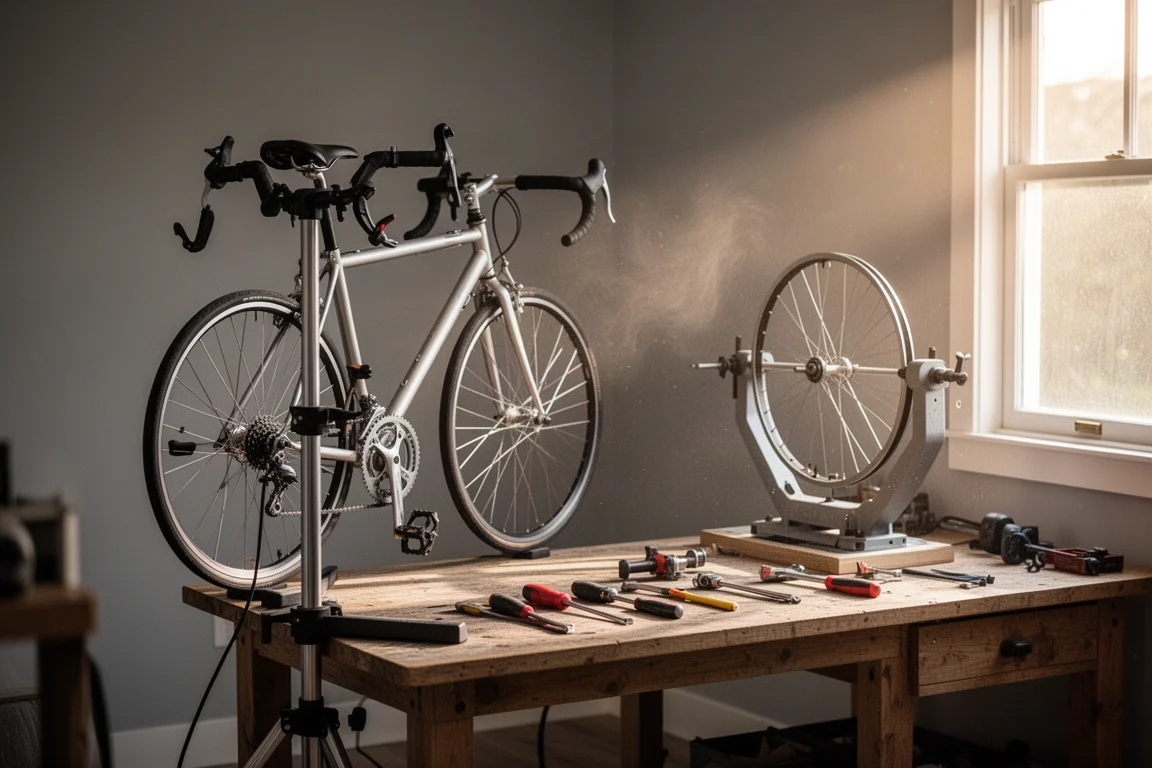
Two themes run through all six bikes. The first is that tyres and finishing kit do most of the visual and tactile heavy lifting. The second is that a bike can be fast, practical or beautiful, but rarely all three at once, and the best builds pick two of those deliberately.
Cannondale CAAD9: Aluminium Race Bike, Repainted With Intent
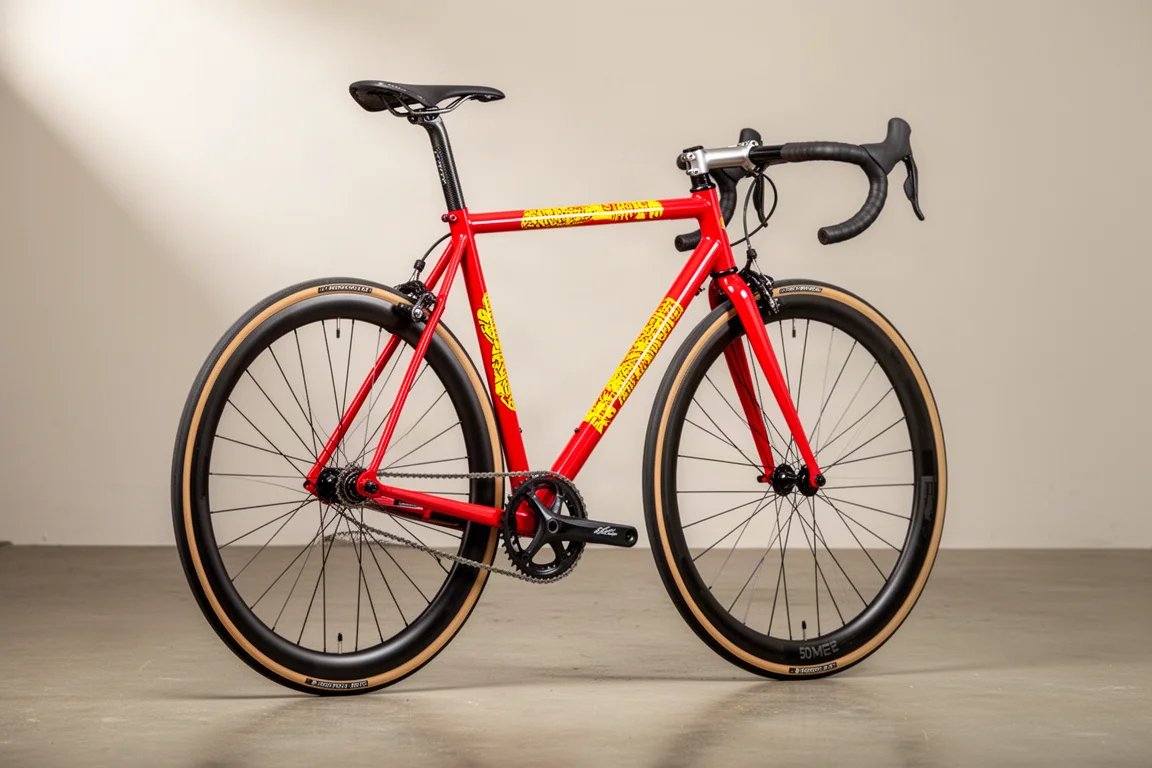
This is a used aluminium CAAD9 frame rebuilt from the ground up and repainted with graphics inspired by an older team livery. The build runs Campagnolo Chorus 11-speed, with Prime carbon aero handlebars, 50 mm wheels, a Selle Italia SLR Kit Carbonio saddle, a carbon seatpost and an aluminium stem. Tyres are Continental GP5000 with TPU tubes, and the pedals are mountain bike SPDs. The total build cost came to £1,930.
The frame’s appeal is its shape. Round tubes, a straight top tube and no dropped seat stays give it a classic race silhouette, and the repaint is convincing enough to read as a factory finish rather than a project. Campagnolo Chorus is a strong groupset choice at this level, and the rear light is a sensible addition for road riding.
The one visual argument is the tan-wall tyres. Against a red frame with yellow decals they look washed out, and black or yellow sidewalls would sit better with the paint. The flat-top aero bars are a matter of preference: they offer a comfortable resting position on the tops, while round-top bars with a compact drop suit riders who prefer a traditional shape.
Cannondale SuperSix EVO: Neon That Actually Works
A first carbon road bike, running Shimano 105 with 50 mm wheels. The interesting detail is the front end, which came with a fully integrated bar and stem rather than a conventional setup, keeping the cables out of sight and the profile clean.
The colourway is unapologetically loud, a throwback to the neon era of road bikes, and it works here for a specific reason. Apart from the amber sidewalls, everything else on the bike is black, and there is very little branding to compete with the paint. On a frame covered in logos, the same colour would be overwhelming.
Two small notes. The tan sidewalls are light enough to read almost as white, which suits this frame, while a darker tan would clash with it. And there is only one bottle cage fitted, which is worth reconsidering if you ride long summer days.
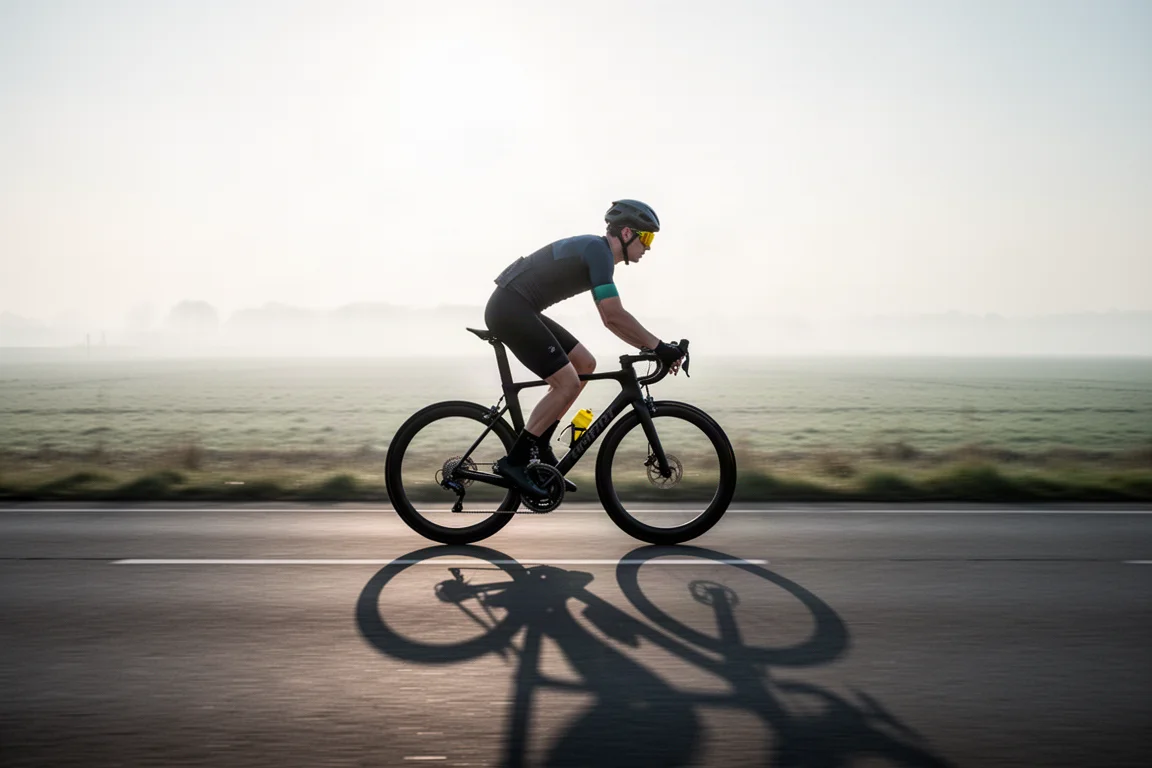
The bar ends on this build are not the most attractive detail, though they are hardly a deal breaker. The integrated cockpit is also less adjustable than a conventional stem and bar, so buyers who like to fine-tune their position should factor that in.
Planet X London Road: The £170 Gravel Tourer
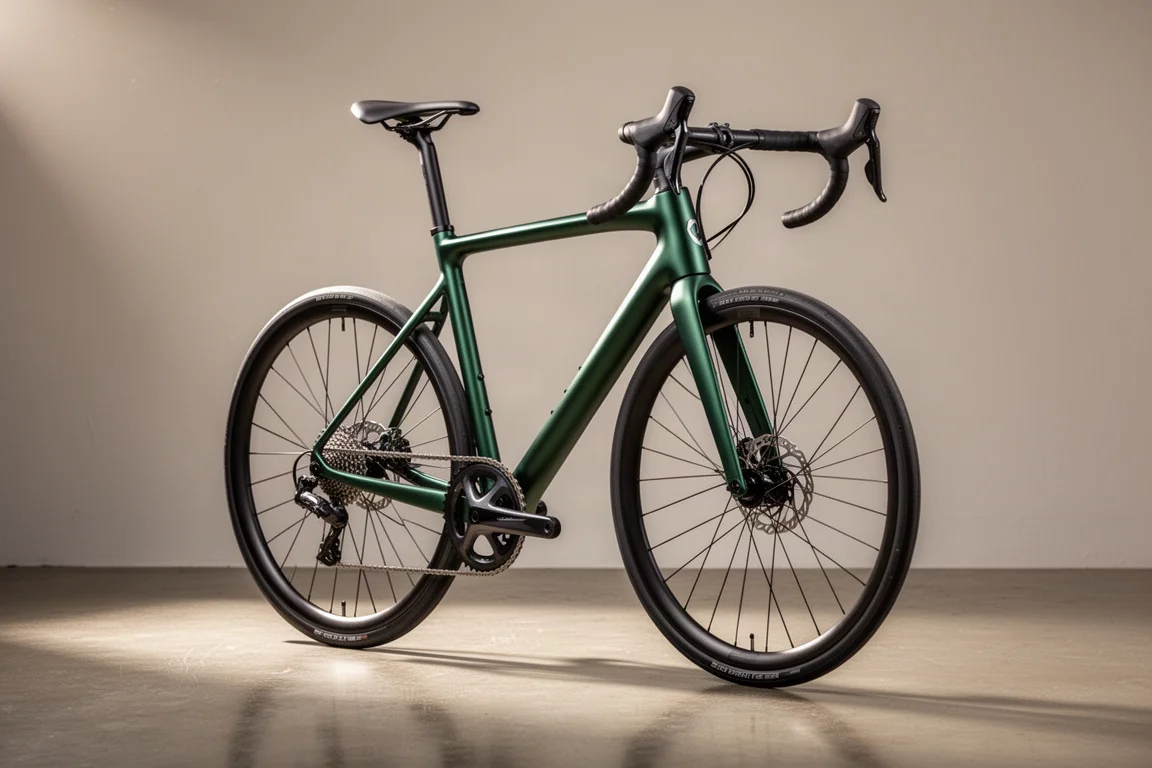
Bought secondhand for £170, this is a complete gravel bike with a SRAM Rival groupset, flat pedals and Panaracer GravelKing SK tyres. It is set up for bikepacking with a frame bag and a rear mudguard, and the finishing kit is colour matched in blue, from the bar tape to the bottles and pedals.
At this price the value is hard to argue with. It is a genuine entry point into gravel touring, and the owner’s point stands: saving 500 g on a fancy frame will not move average speeds much for most riders. Flat pedals are a perfectly reasonable choice here, and there is no rule that says they hold anyone back.
The practical caveats are worth knowing. SRAM’s double-tap shifters need careful setup to shift reliably, and a frame bag strapped around the down tube can press on the gear cable, which is worth checking if shifting ever feels inconsistent. A side-entry bottle cage on the down tube is a cheap fix that stops the cage interfering with the bag. The rear mudguard protects the rider but does little for anyone drafting behind.
Ritchey Road Logic Disc: Steel With Almost Nothing to Fault
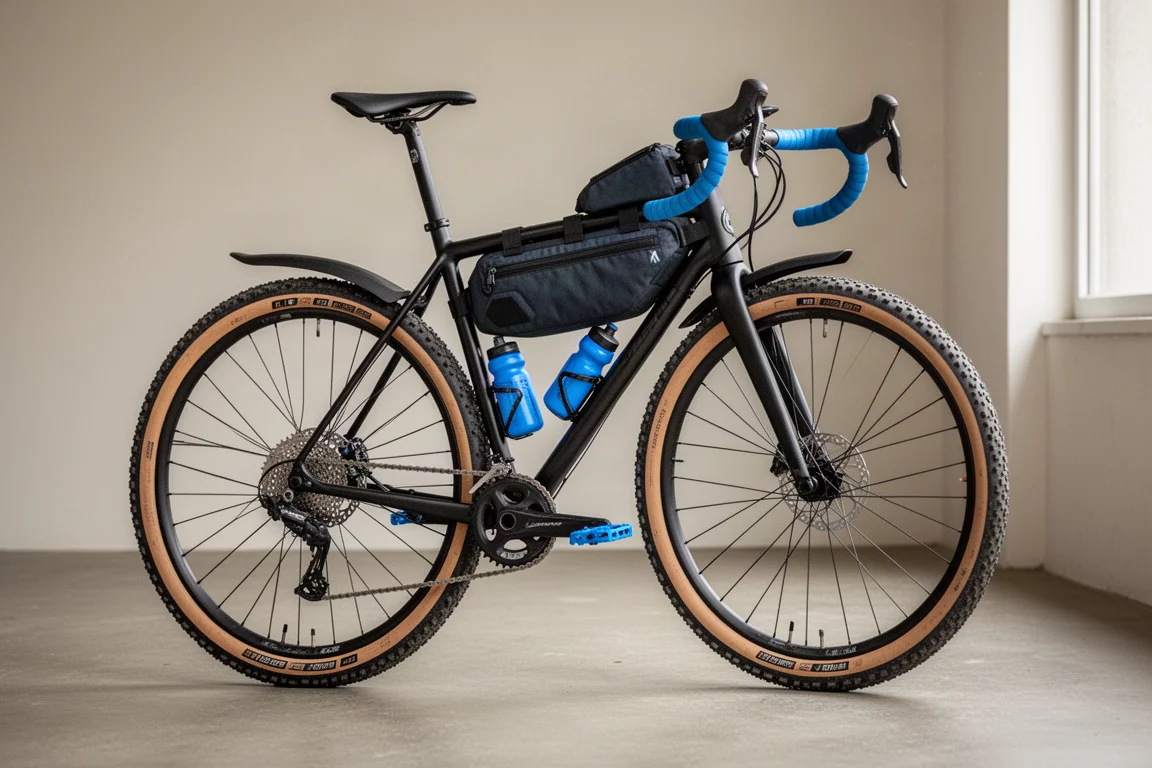
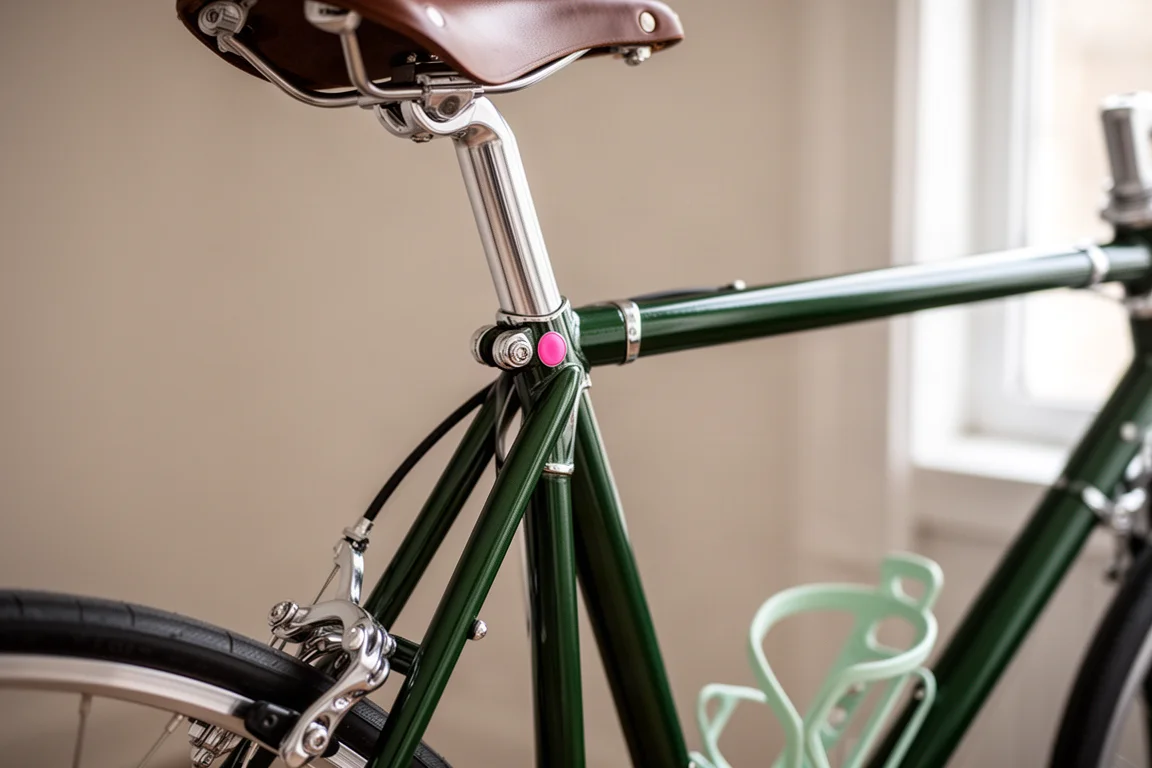
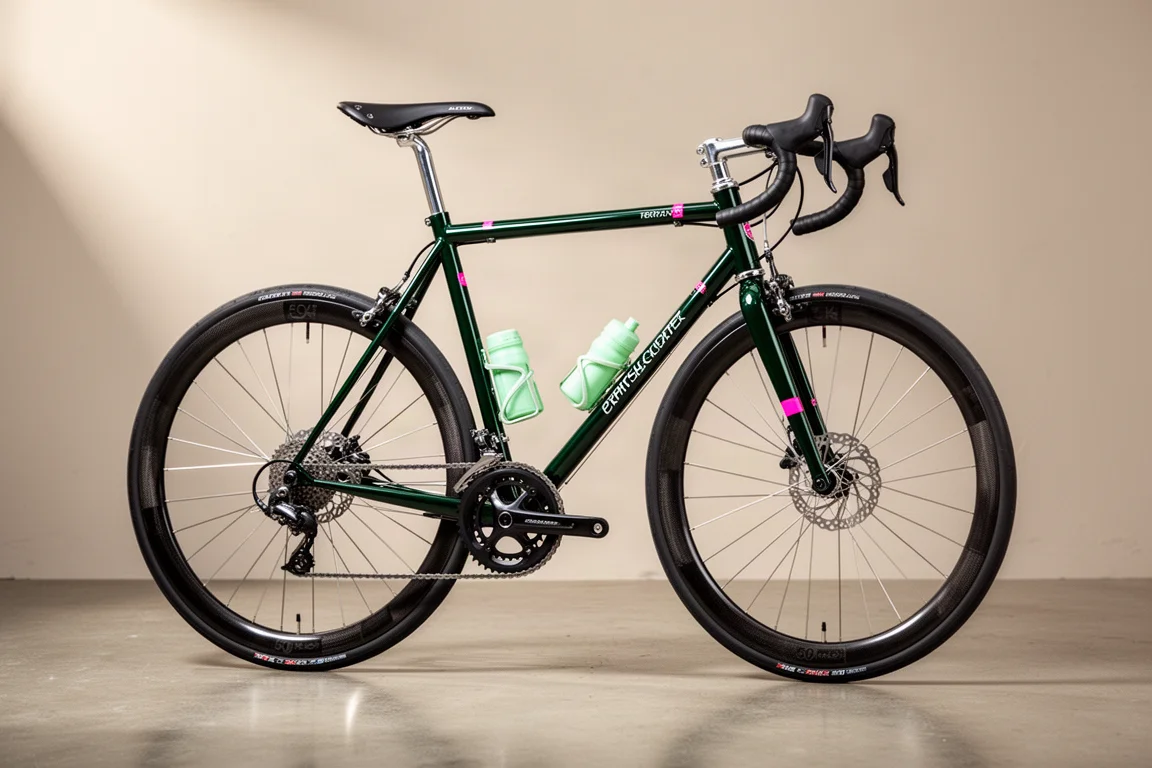
A 51 cm Ritchey Road Logic Disc in British racing green, with pink and chrome accents and mint bottle cages. The build uses Shimano 105 hydraulic discs, a 50/34 crank and an Ultegra rear derailleur, with Ritchey finishing kit and an 80 mm stem carried over from an earlier bike. The wheels are a 50 mm deep carbon set.
There is very little to criticise. The green is a strong choice, the chrome detailing and pink highlights lift it without turning it into a patchwork, and the combination of steel, hydraulic discs and clearance for tyres wider than 25 mm makes it a genuinely usable all-rounder. It looks like a bike that would be a pleasure to ride rather than one that only photographs well.
The single gap is mudguard mounts. On a bike this practical, year-round riders will want them, and their absence is the one thing that would give a buyer pause.
The deep carbon wheels give it a purposeful stance, and the restrained detailing ties the build together. If you are copying this formula, the frame colour is the anchor and everything else should stay quiet around it.
BMC TeamMachine SLR01: Clinical Speed With Limited Personality
A 2020 BMC TeamMachine SLR01, bought secondhand at a favourable price and since switched from tubular wheels to a set of 50 mm clinchers. It runs a 130 mm stem and gold bar tape.
Moving away from tubulars is the most sensible decision here. Tubulars are a race-day tool: carrying a spare and pre-taping it to a seatpost is a routine most riders are happy to leave behind, and clinchers make the bike far easier to live with day to day.
The frame itself is angular and modern, and the brand’s reputation is built around speed and efficiency rather than warmth. That reads as clinical to some riders, and this bike does not have the personality of the steel and aluminium builds above. The gold bar tape is the one flourish, and it will divide opinion.
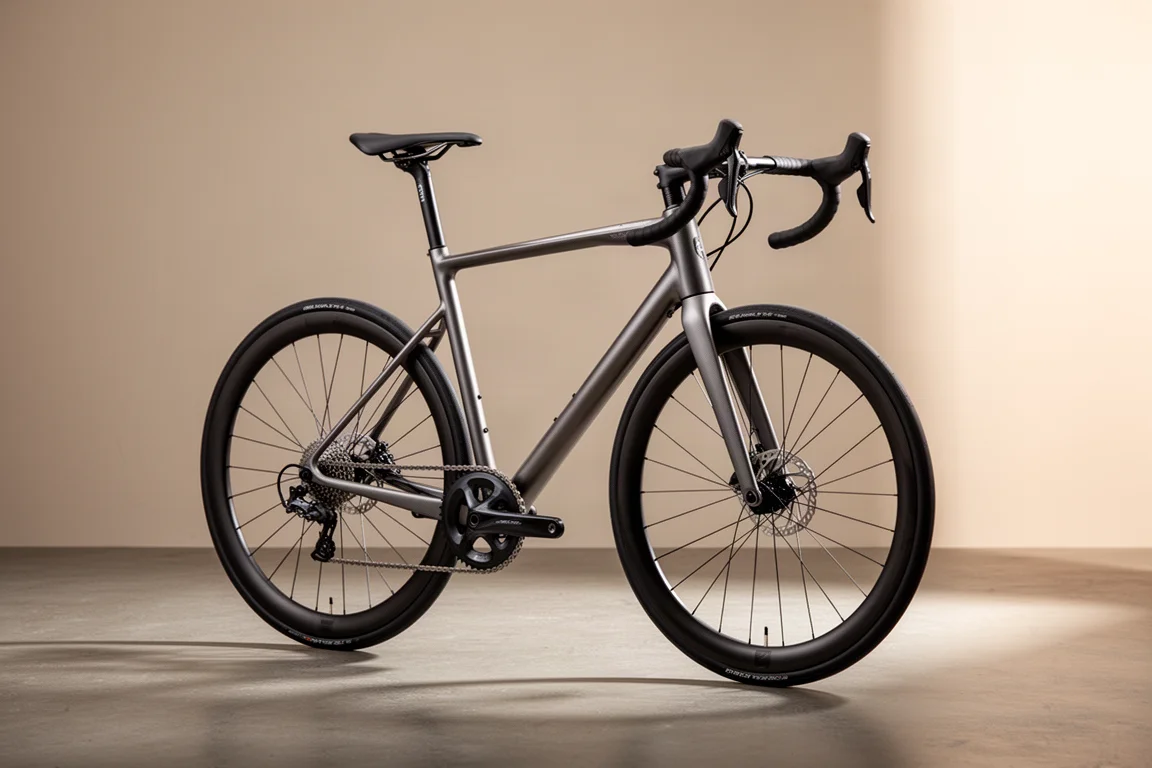
Islabikes Beinn 20 Large: A Kids’ Bike With a Parade Pedigree
At its heart this is an Islabikes Beinn 20 Large, a small-wheel kids’ bike with a SRAM 1x7 groupset, flat bars and a kickstand, used for cyclocross and road riding. It then became a project: a bulbous bow inspired by shipbuilding, a yellow painted nose, a stabilised frame with restricted handlebar angle, an added exoskeleton and a papier-mache passenger in the shape of Pikachu.
It won third prize in a parade, which is a genuinely good result for a homemade build. It is also no longer really rideable, since the steering restrictions and extra structure change how it handles, and the paper passenger is now being dismantled because it was not waterproof.
For families, the useful takeaway is the starting point rather than the modification. A kids’ bike with simple 1x7 gearing and flat bars is a sensible platform for cyclocross and road riding, and it can be adapted for all sorts of projects as the rider grows.
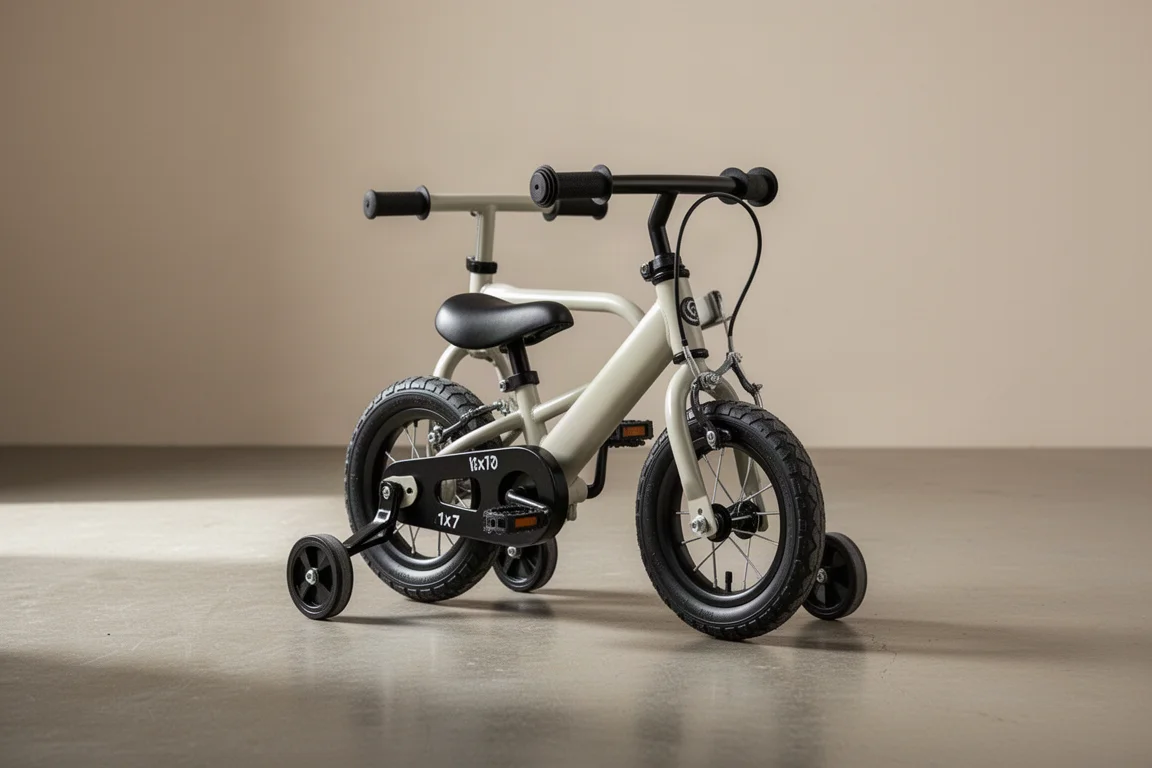
Buying Advice: Matching the Build to the Rider
Start with the frame, then decide how much you want to spend on everything attached to it. A used aluminium or steel frame in good condition can be repainted and rebuilt into something that looks and rides far above its price, as the CAAD9 and Ritchey builds here show. A secondhand complete bike can also be extraordinary value, provided you check the drivetrain and tyres carefully before handing over the money.
Groupset tier matters less than setup. Mechanical disc brakes and 105-level groupsets are dependable, and a well-adjusted 11-speed or double-tap system will outperform a badly tuned premium one. Tyres are the cheapest meaningful upgrade on any bike, and the sidewall colour you choose will change the look as much as the ride.
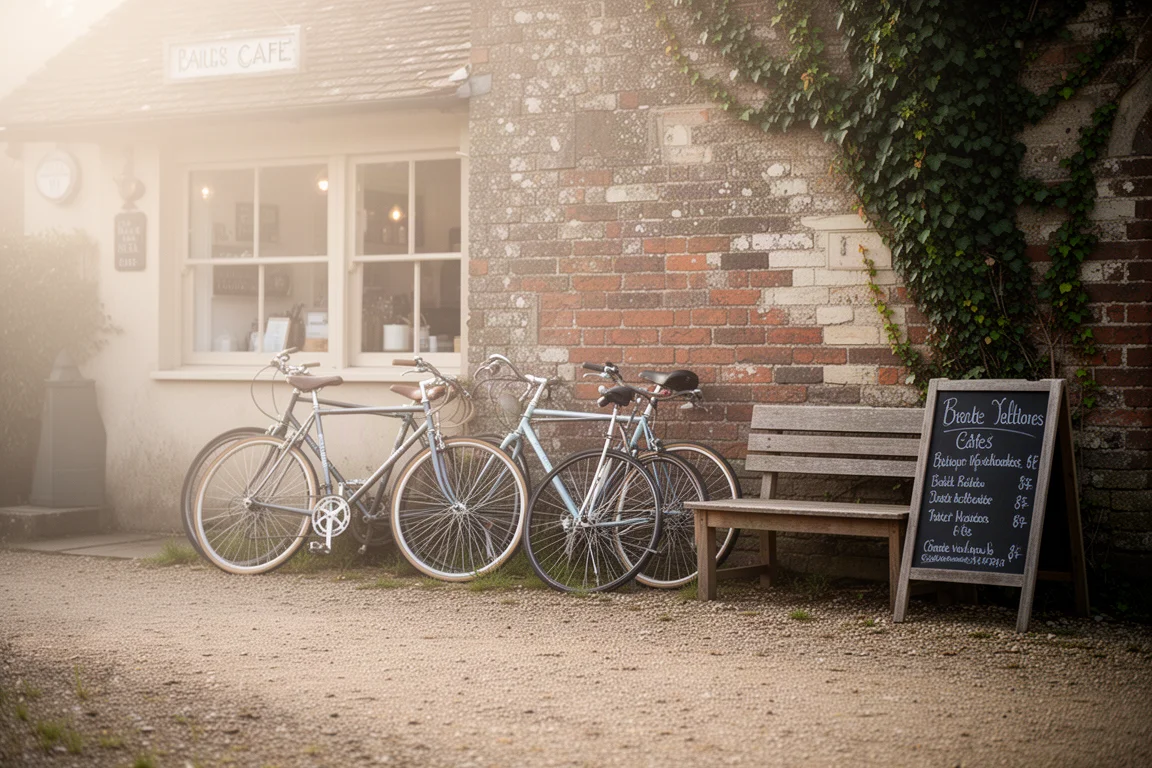
If you ride year-round, check for mudguard mounts before you buy, and think about luggage mounting points if bikepacking is on the list. Pedals are personal: flat pedals, road pedals and mountain bike SPDs all work, and convenience matters more than convention. Finally, buy for the riding you actually do. A £170 gravel bike that gets used beats an expensive race bike that stays in the garage.
Conclusion
Six very different bikes, and the same conclusion each time: the strongest builds are the ones where the owner made a clear decision about what the bike is for. The CAAD9 is a fast aluminium race bike with a paint job worth copying. The SuperSix EVO proves that a loud colour can work when everything else stays black. The Planet X London Road is the value pick of the roundup, the Ritchey Road Logic Disc is close to faultless apart from its missing mudguard mounts, and the BMC TeamMachine SLR01 is a fast, clinical machine for riders who want speed over character.
Whichever direction you go, spend your budget where you will feel it: tyres, contact points and a frame you enjoy looking at.
Further reading
Related Reviews
Cycling
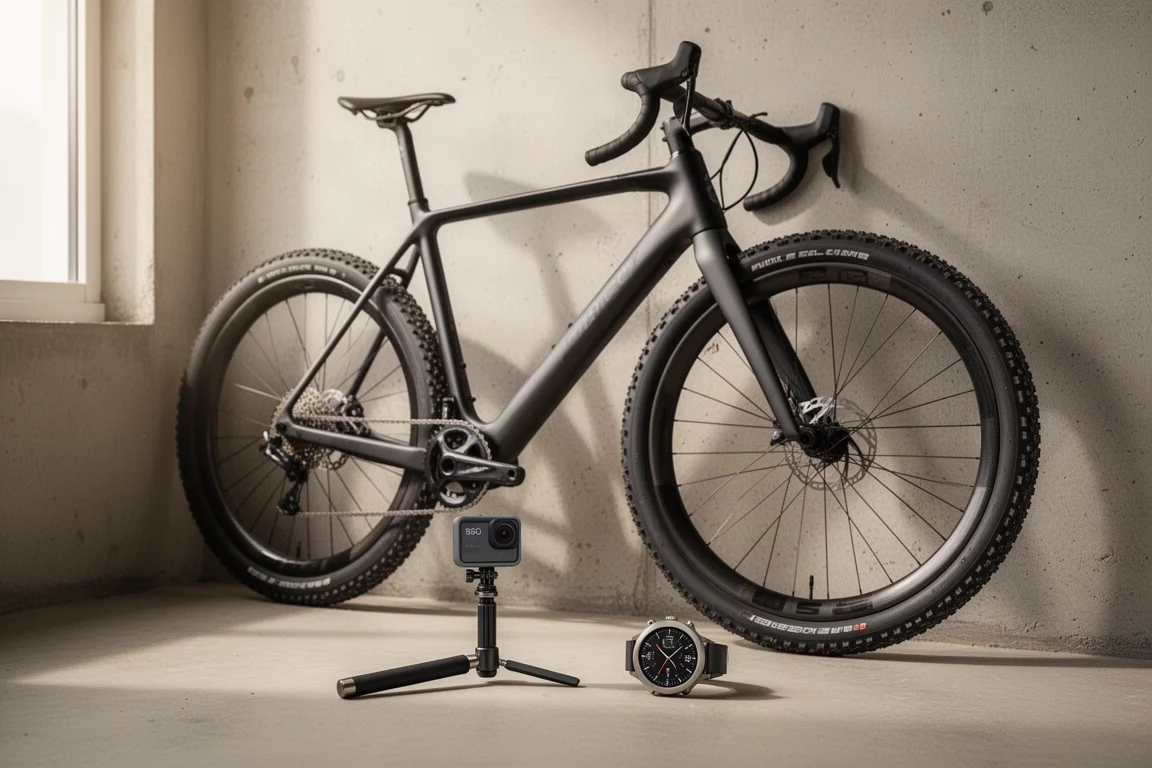
2026 Bike of the Year and the Cycling Gear Worth Watching
A drop bar roundup for 2026 covering the Ridley Kanzo Fast 2.0, Shimano Dura-Ace Di2 R9300, Trek Checkpoint ALR Gen 3, Specialized Tarmac SL9, Garmin Fenix 9 and Insta360 X6.
Cycling
Best All-Road Bikes 2026: Six Versatile Endurance Road Bikes Worth Considering
A practical look at six all-road and endurance road bikes, from lightweight carbon speed machines to steel all-rounders and comfort-focused mile eaters.
Cycling
Best All-Road Bikes 2026: 8 Endurance Bikes for Road and Light Gravel
Eight all-road bikes that blur the line between endurance road and light gravel, compared on tire clearance, ride character, practicality, and value.