Road Bikes
Six High-End Road Bike Builds and What Their Specs Reveal
Six road bike builds covering aero flagships, a 6.3 kg disc climber, endurance practicality, custom paint and a rim brake holdout, with the trade-offs behind each spec choice.
Introduction
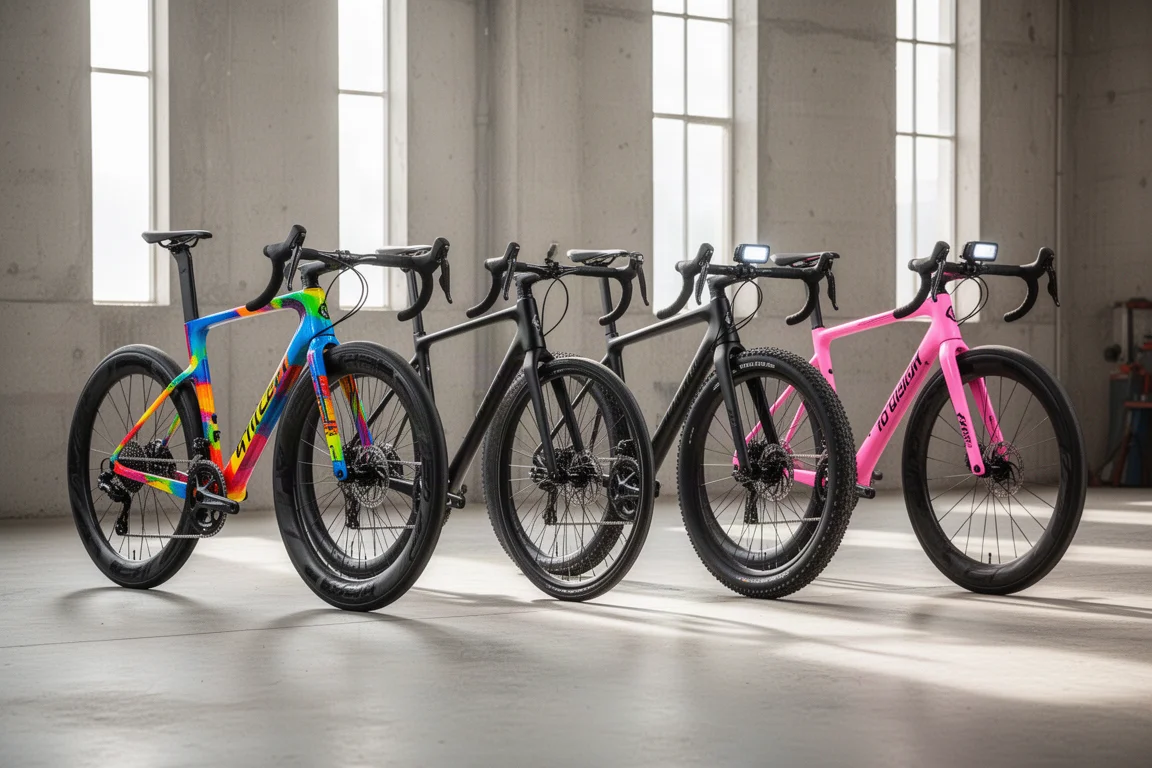
Not every fast road bike is a race bike, and not every race bike is set up the way its geometry suggests. The six builds below come from riders with very different priorities: an aero flagship running a full Dura-Ace 12-speed groupset, a disc climbing bike that sits around 6.3 kg, a practical endurance frame with wide tyres and permanent lights, and a custom painted Italian frame with wireless gearing and wide carbon wheels.
Seen side by side, the trade-offs become easy to read. Weight, braking hardware, tyre width and wheel depth all change how a bike feels, and each of these builds leans in a different direction. What follows is what each setup does well, and what is worth checking before you spend money on something similar.
What These Builds Have in Common
A few patterns stand out across the group. Shimano Dura-Ace 12-speed appears on three of the six builds and has a strong reputation for precision and consistency. Electronic shifting shows up again on the endurance bike in the form of Ultegra Di2.
Continental GP5000 tyres appear on four builds, usually chosen for grip and rolling speed. Tyre width is trending upward: one rider moved to the widest tyre the frame would accept, roughly 32C to 35C, and would not go back to narrower rubber. Disc brakes dominate overall, but a rim brake build still holds its own when the frame is light and the parts are simple.
Canyon Aeroad CFR: Dura-Ace Speed With a Standout Finish
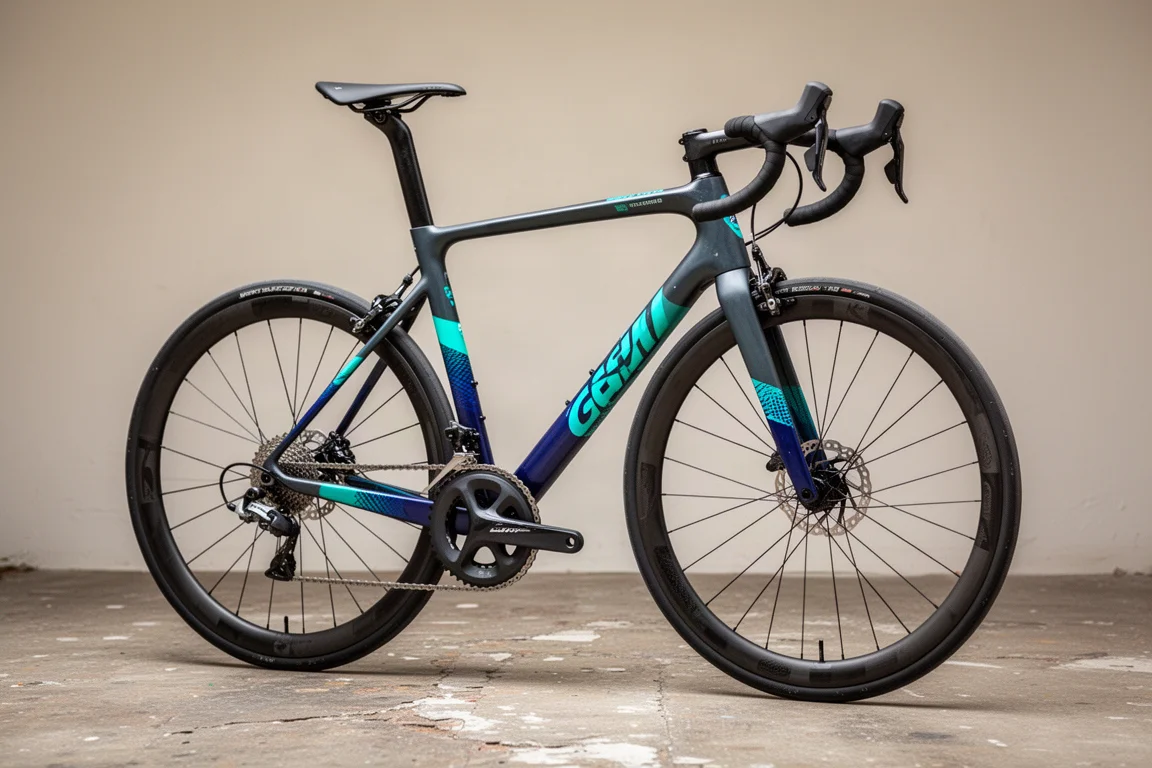
The Aeroad CFR is Canyon’s top-tier aero platform, and CFR designates the best carbon layup in the range. This build runs a full Dura-Ace 12-speed groupset with an integrated cockpit and 140mm rotors front and rear, a combination that is not possible on every frame. The groupset is widely regarded as one of the most precise and consistent options available.
The paint is the standout feature. It is among the most striking finishes seen on this model, and the frame proportions suit an average-height rider well. A couple of small details keep it from being flawless: the red saddle does not match the frame, and there is a chip near the seat area.
One practical consideration is the brand’s direct-to-consumer sales model. That can be good for pricing, but it is less convenient if you rely on a local bike shop for servicing and warranty work.
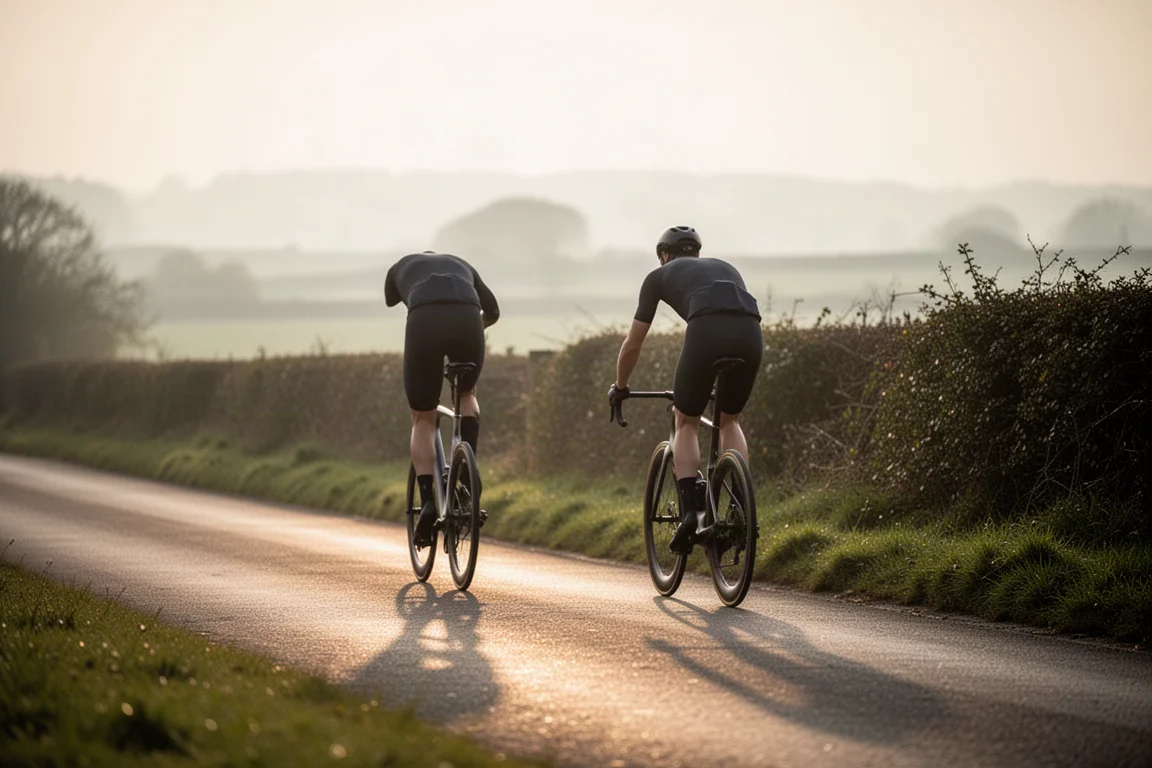
Component choice and build quality are the reasons this bike stands out. If you want an aero road bike with flagship gearing and you are comfortable handling your own servicing, it is a strong candidate.
Factor O2 VAM: A 6.3 kg Disc Climbing Build
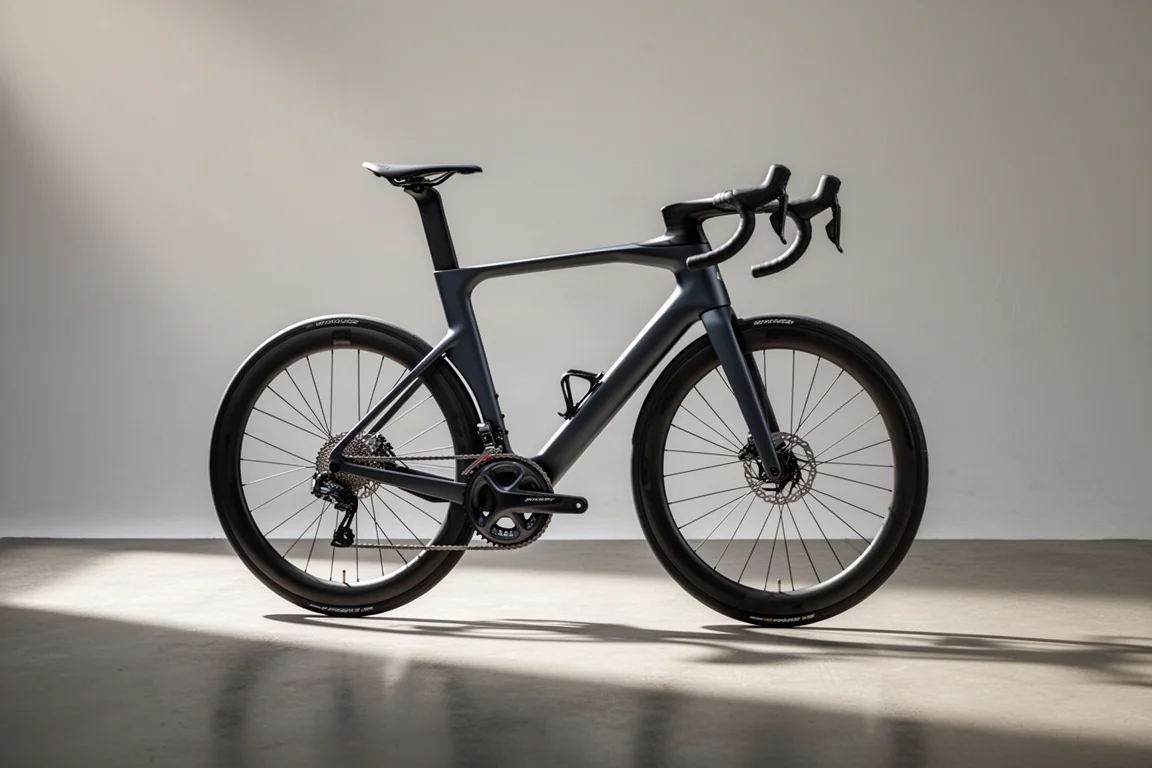
The O2 VAM build here is a purpose-built climber that still works as a normal road bike. It uses a full black finishing kit, a climbing wheelset, a 4iiii left-sided precision power meter, a Selle Italia saddle and 28mm Continental GP5000 TT tyres. Total weight is around 6.3 kg, and it achieves that with disc brakes.
That figure matters because the sharp end of hill climb racing has shifted toward disc brake bikes, which are usually a little heavier. Riders on them have to manage the extra weight elsewhere, and this build does that by keeping everything else as light as possible. It stays fully functional rather than being stripped down to drilled parts and cut-off fittings.
Two details are worth knowing before buying anything similar. The stem is long and the bar looks like a one-piece unit, which produces a stretched, performance-first position. The seatpost uses a cut-to-length carbon mast design that leaves only about two centimetres of saddle height adjustment, so a future owner may be locked into the original position. The wheels also look shallow relative to the frame; deeper rims would suit the look better, though the shallow set makes sense for climbing.
Scott Addict SE: Endurance Geometry With Practical Touches
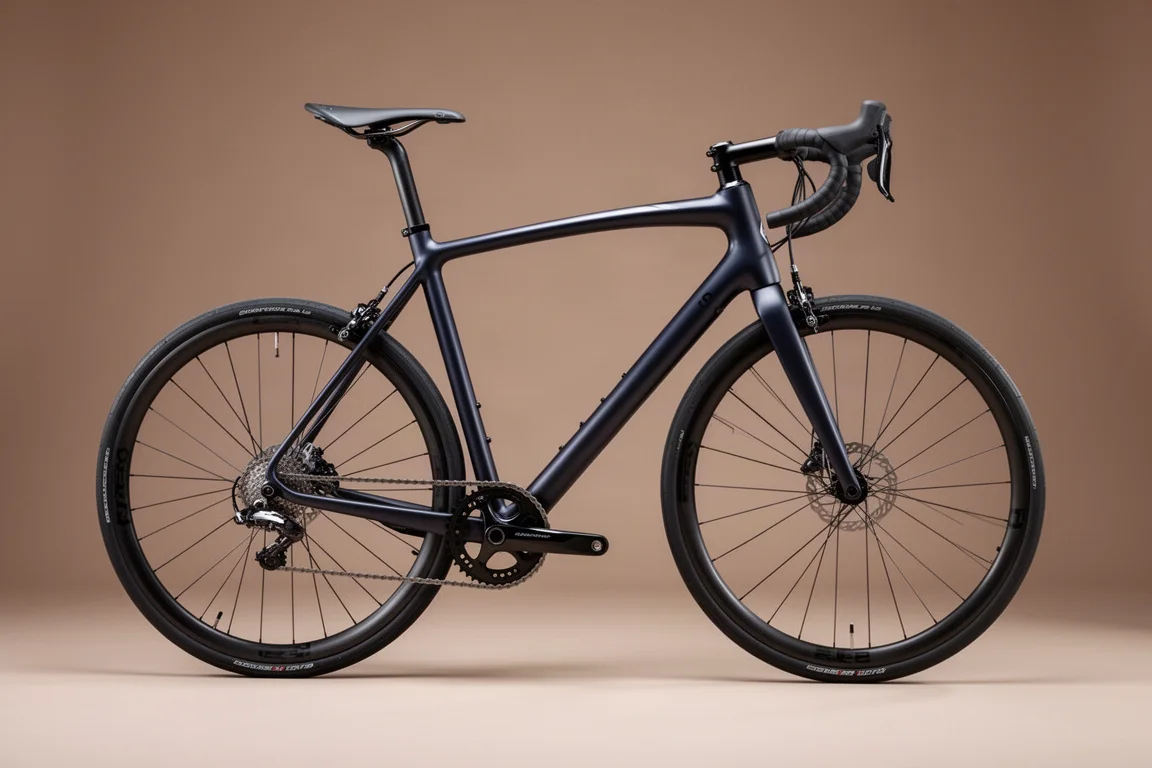
This 2020 Addict SE runs Shimano Ultegra Di2 and stays close to stock. It has been upgraded to Continental GP5000 tyres in a much wider size, roughly 32C to 35C, which is about as much as the frame will take, along with a fresh bar tape wrap. Front and rear lights stay on for every ride because the local roads have no cycling infrastructure.
That lighting habit is the most sensible thing on the bike. Being visible matters more than saving a few grams, and it is a reminder that a road bike used for everyday riding has different priorities from a race build.
The frame itself divides opinion. It is sold as an endurance model, but it is not as relaxed as that label suggests. The front-end cable routing also looks cluttered and has scuffed the head tube; a patch of clear frame protection tape around the rub points is a cheap fix. The saddle matches the frame graphics, which looks deliberate but will show dirt quickly.
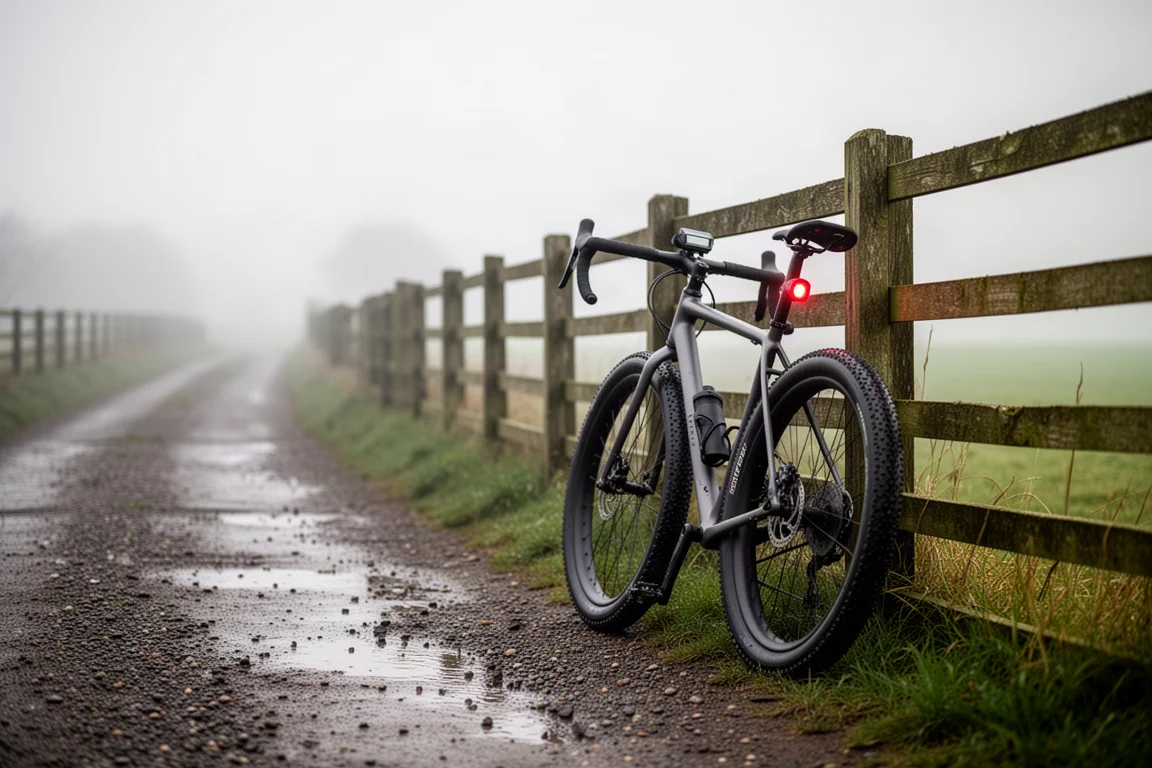
As a package, it is less exciting than the aero and climbing builds above, but it is a genuinely usable road bike with electronic shifting and sensible tyre width.
Liv Langma: Good Sizing, Outdated Braking
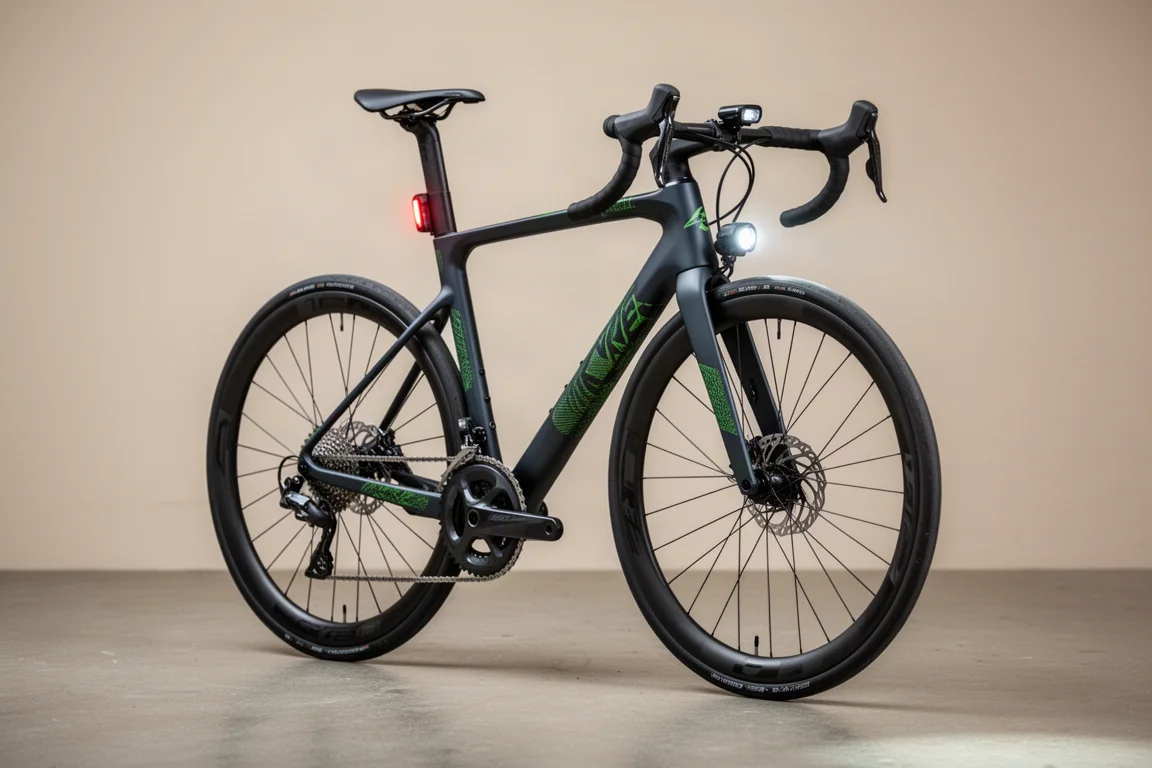
The Langma is set up with pink bar tape, a Specialized Mimic saddle and Shimano pedals, and the tyres were swapped from 45C down to 28C for road use. Liv has a strong reputation for sizing bikes well for women, and that is the main reason to look at this model.
The weak point is the braking system. It is a cable-actuated hydraulic converter that mounts on the handlebar and turns cable-operated disc brake levers into hydraulic ones. It is bulky, it puts extra hardware across the front of the bar, it is awkward to work on, and it is no longer produced as far as is known. Braking performance is the compromise you notice most.
If you already own a bike with this setup, TRP Hy/Rd calipers are the straightforward upgrade path. They tidy up the handlebar area and should be more reliable, without the cost of a full groupset change. A wide-range cassette is also on the wish list here, which is a common request from riders who live in hilly areas.
Chapter2 Huru Rim Brake: A Fast Build Kept Running
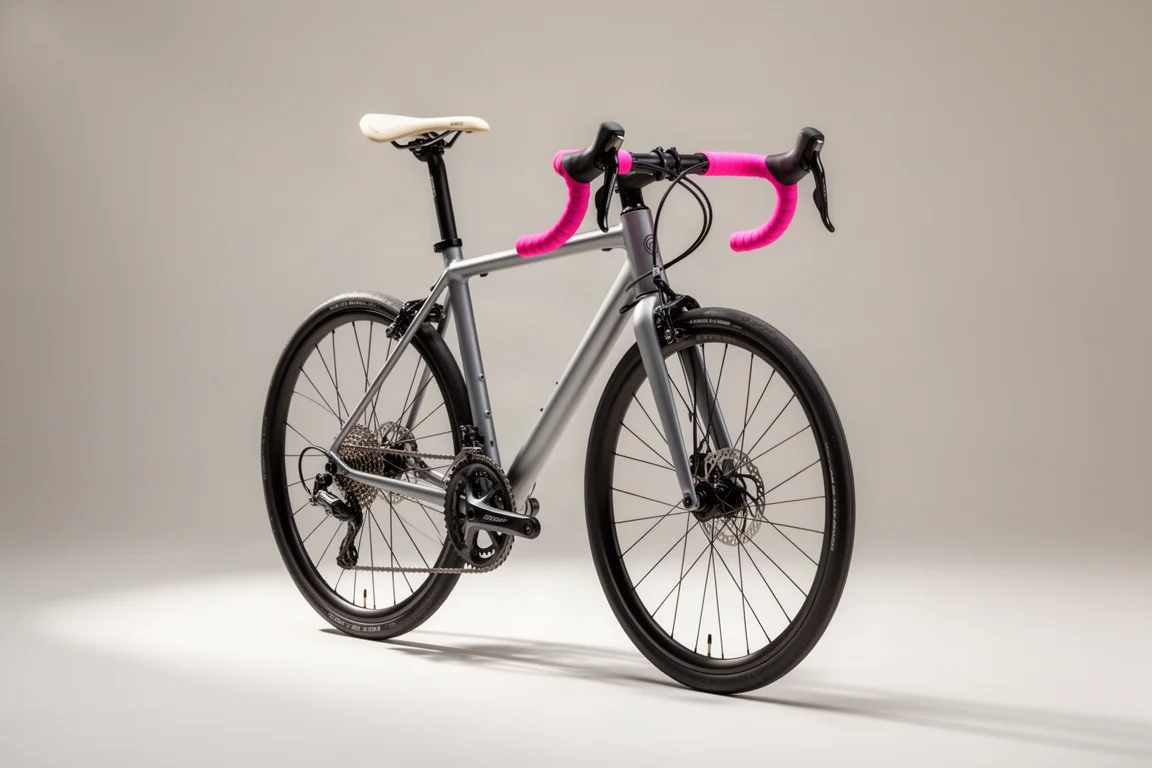
The Huru here is a rim brake team edition frame, bought as a deal after a team folded. It is built with a 130mm, minus 17 degree stem propped up with spacers, GP5000 tyres, older pedals with a power meter that no longer works, and a 105-level front derailleur. One bottle cage is held together with tape.
Rim brakes are the talking point. They keep the build light and simple, and the bike looks fast and purposeful as a result. The negative-rise stem with spacers partly cancels out the aggressive position, but the overall shape works.
There is also a maintenance story here. Coastal air corrodes everything: pedal bodies, bolts, cages. New end caps on the pedals would tidy things up considerably. If you ride near salt water, expect to replace small parts more often, and consider clear frame tape on any contact points.
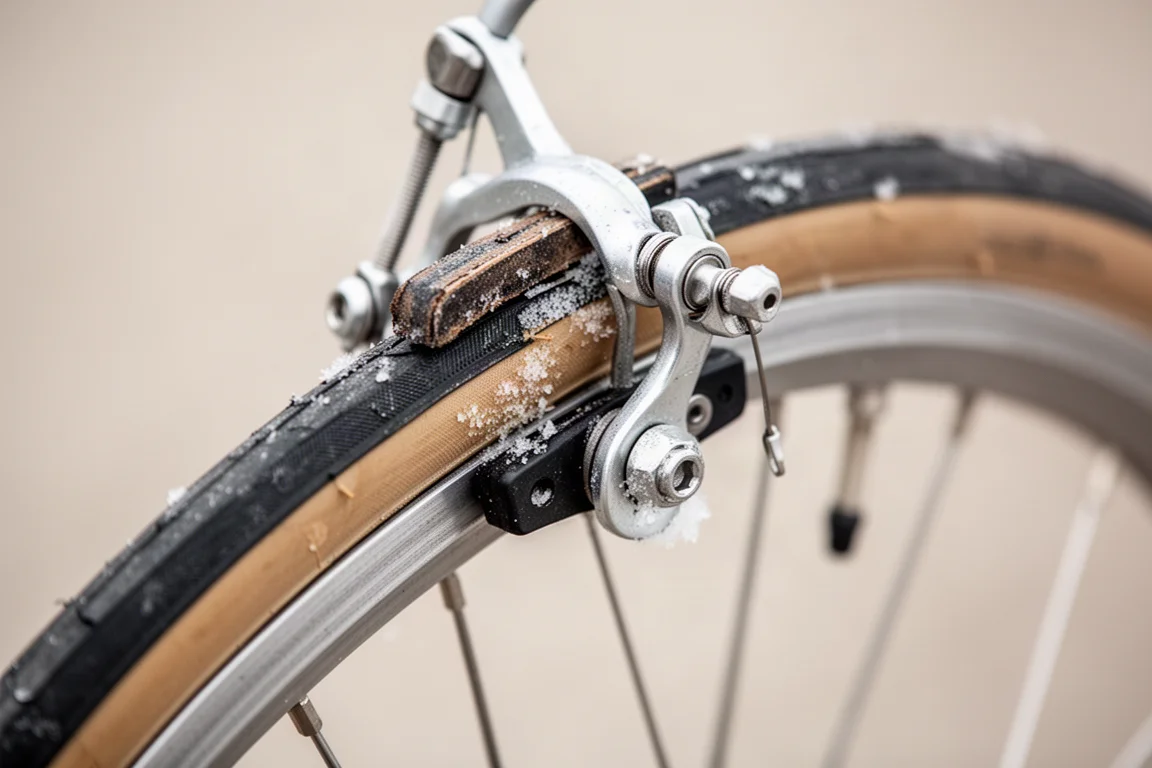
This is a good example of making older and mismatched parts work together into a genuinely quick bike. It rewards a rider who is willing to stay on top of maintenance.
Braking Systems: Rim, Cable-Actuated Hydraulic and Full Hydraulic
Across these builds, three braking approaches appear. Full hydraulic disc brakes are the default on modern road bikes and need the least attention. Rim brakes remain viable on light frames, where they save weight and simplify the build, though they limit wheel choice and tyre clearance.
The awkward middle ground is a cable-actuated hydraulic converter. It allows cable levers to drive hydraulic calipers, but it adds hardware at the handlebar, complicates servicing, and tends to feel less consistent. If you are choosing between builds, full hydraulic is the safer long-term option, and cable-actuated hydraulic is the one to upgrade first.
Bianchi Specialissima: A Custom Pink Disc Build
The Specialissima is the most heavily specified bike in this group. It uses a custom pink finish over a very light frame, disc brakes, Enve 3.4 SES wheels, an integrated cockpit, Dura-Ace 12-speed wireless gearing, a 34-tooth cassette and Wahoo Speedplay pedals. Everything else is black, which lets the frame colour carry the whole build.
The wheels deserve a note. They are noticeably wider internally than most wheelsets, which affects tyre choice and how the bike feels on the road, so it is worth confirming compatibility before buying a set. The frame is also remarkably light in the hand, helped by a very small size.
A 34-tooth cassette paired with a compact chainset gives plenty of range for steep climbs, and the wireless groupset keeps the cockpit clean. This is a bike that looks and feels like a flagship, and the custom paint makes it stand out without relying on loud component colours.
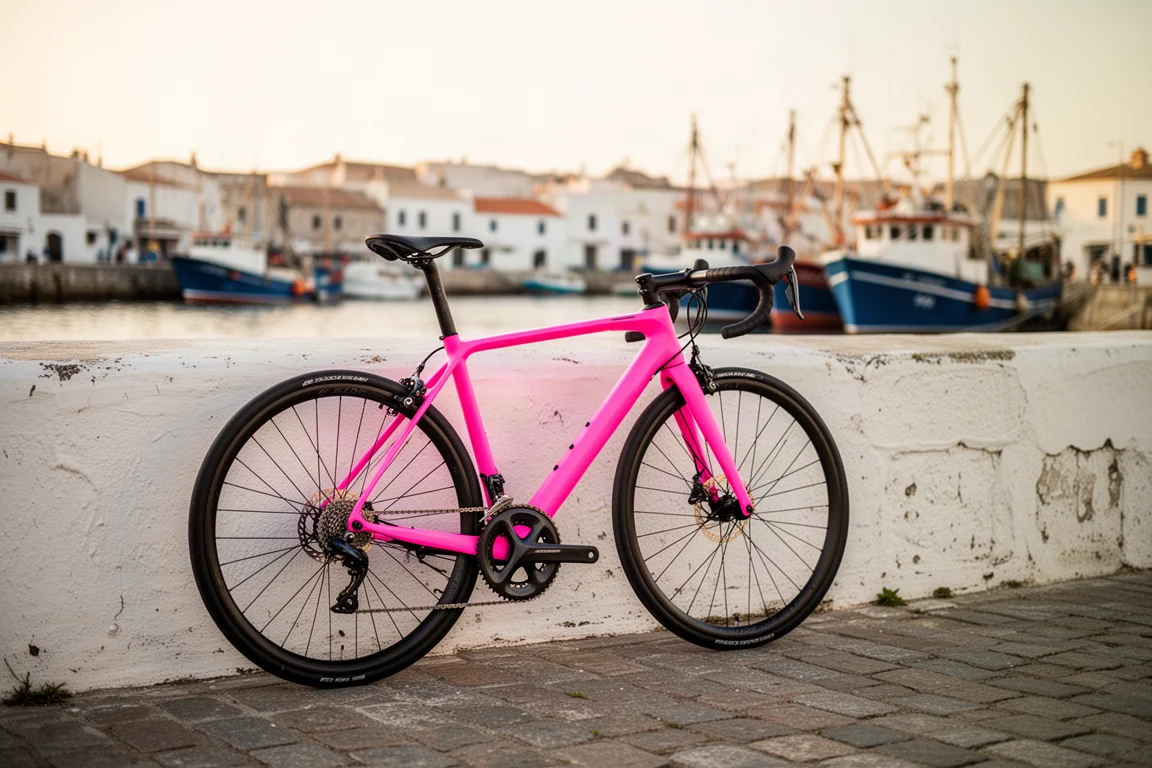
If you want a light disc road bike with premium wheels and top-tier gearing, this build shows what that combination can look like when the frame colour does the talking.
Buying Advice
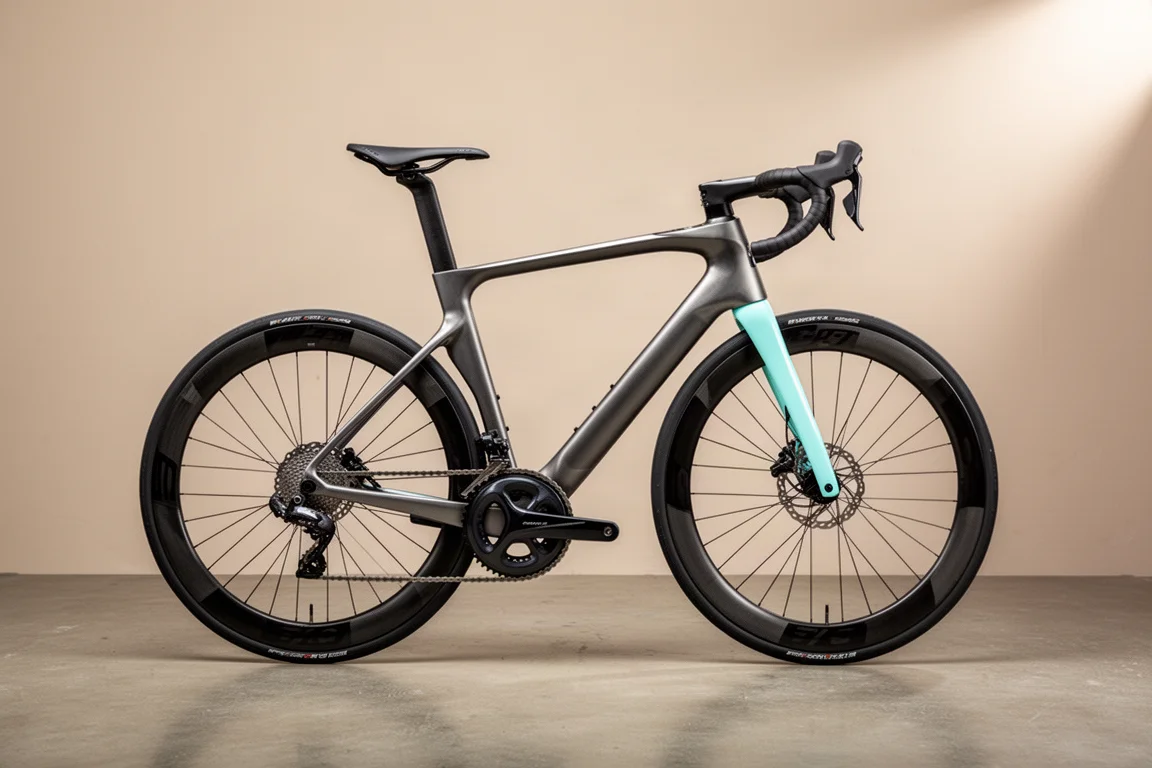
Start with the terrain and the job. A climbing build around 6.3 kg with a power meter and shallow wheels makes sense if you ride steep gradients and care about weight. An aero frame with deep rims and a flagship groupset suits faster, flatter roads. For commuting or mixed-surface riding, an endurance frame that accepts wide tyres and runs permanent lights will get used far more often.
Then look at braking. Full hydraulic disc brakes are the least fussy option. Rim brakes can still be a smart choice on a light frame, especially if the frame is discounted. Cable-actuated hydraulic systems are the one setup worth upgrading early, ideally with calipers that remove the handlebar hardware.
Finally, check the small compatibility details before you commit: maximum tyre width, saddle height adjustment on integrated seat masts, rim internal width, and how much of your own servicing you want to do. Those details decide whether a beautiful bike stays enjoyable after the first season.
Conclusion
These six builds cover most of the decisions a road rider faces. The Canyon Aeroad CFR shows what flagship aero looks like, the Factor O2 VAM proves a disc bike can still be genuinely light, and the Bianchi Specialissima combines a custom finish with top-tier wheels and gearing. The Scott Addict SE and Liv Langma are the practical picks, with the Addict closer to finished and the Langma in need of a brake upgrade. The Chapter2 Huru is the reminder that a well-maintained rim brake build can still be quick. Match the spec to the riding you actually do, and any of these directions can work well.
Further reading
Related Reviews

Road Bikes
10 New Road Bikes Worth Watching: Aero, Titanium, Steel and Endurance Standouts
A practical roundup of 10 new road bikes, from aero flagships chasing single-watt gains to titanium, steel and endurance platforms built for real roads.
Road Bikes
2026 Tour de France Road Bikes: Six Race Machines Worth a Closer Look
Six race bikes from the 2026 Tour de France grid, reviewed for paint, silhouette, wheels and the specification details that matter to buyers.
Road Bikes
3T Strada Italia Review: A Radical Aero Road Bike That Rides Smooth
A made in Italy carbon aero road bike with a deep head tube, wide tire clearance and a genuinely comfortable ride. Here is what to know before buying.