Cycling Gear
Six Genuine Cycling Products Worth Buying: A Counterfeit Comparison
Six widely copied cycling products, from a £33 set of bar tape to a £300 saddle, and what the genuine versions deliver that counterfeits do not.
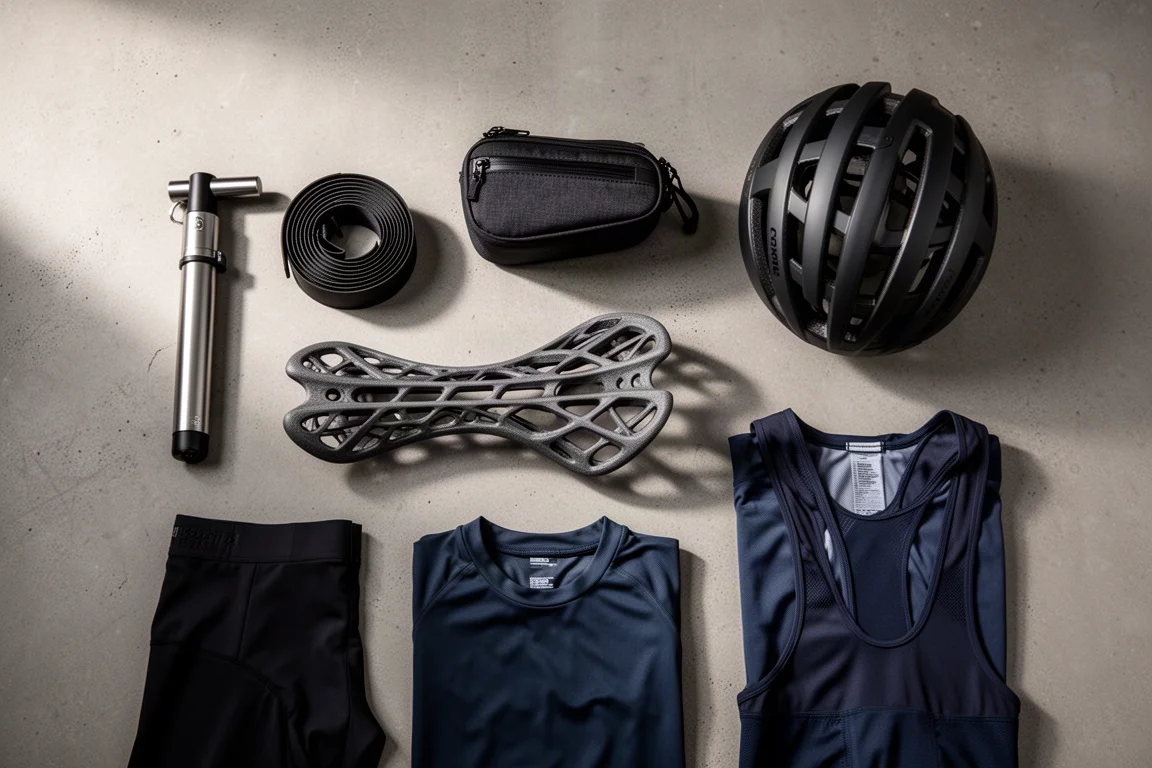
Introduction
Counterfeit cycling products rarely look wrong in a listing photo. The differences turn up later: a pump that stops moving air halfway through a repair, a saddle cover that peels after a single ride, a helmet whose shell only looks like carbon.
This guide covers six products that are widely copied, and what the genuine versions actually deliver. Prices run from around £33 for a set of bar tape to roughly £300 for a 3D-printed saddle, so the stakes vary. What does not vary is the pattern. The copies get the silhouette right and the engineering wrong.
What Separates Genuine Cycling Gear From Counterfeits
Across all six products, the same handful of differences keeps appearing.
Hardware is the first tell. A genuine Boa closure, a real branded zip, or a properly machined pump barrel all cost money, and copies tend to substitute something that only looks similar. Materials are the second. Thin bar tape, waxy fabric and shell foam that has not bonded properly all feel different in the hand long before they fail in use. Construction is the third and the most important. On a helmet, the way the foam is bonded to the outer shell and the way the shell is reinforced underneath decide how the product behaves in an impact.
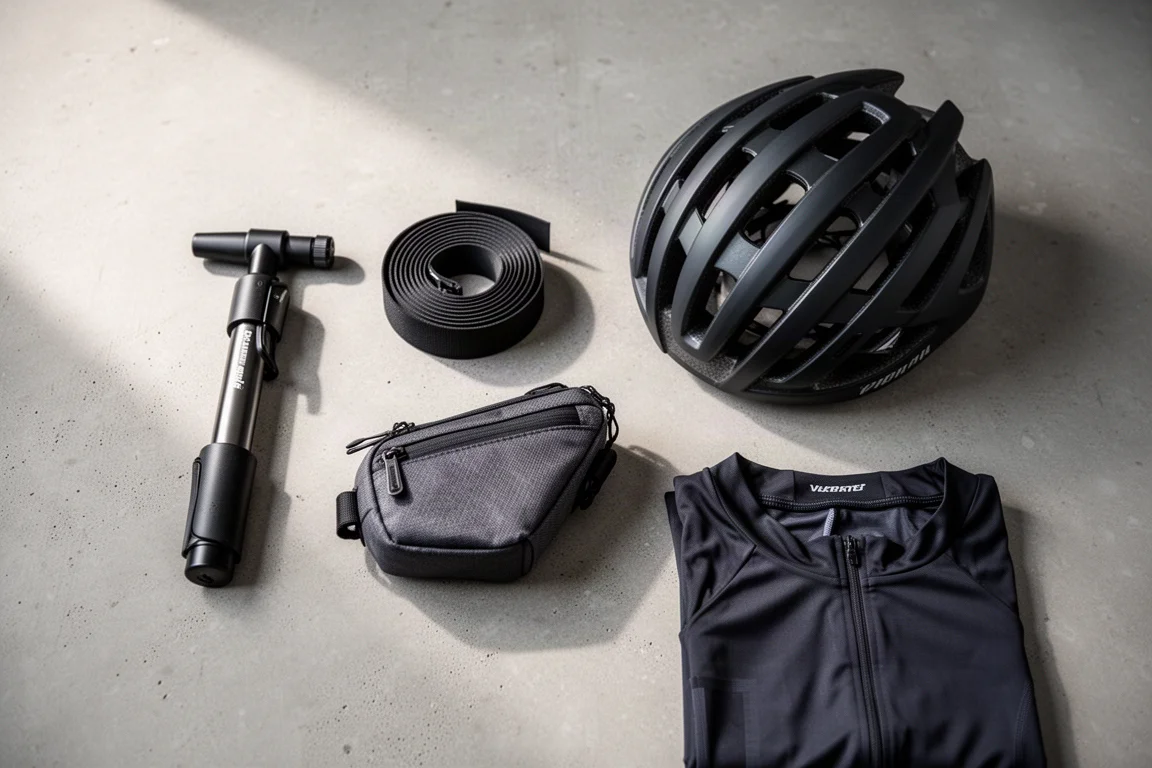
Price is not a reliable guide on its own. Counterfeit versions of these products are sometimes listed for more than the genuine article, and inexpensive gear from established brands can be perfectly good. The issue is not the size of the price tag, it is whether anyone has engineered the product to do its job.
Silca Pocket Impero Pump: Air That Actually Goes In
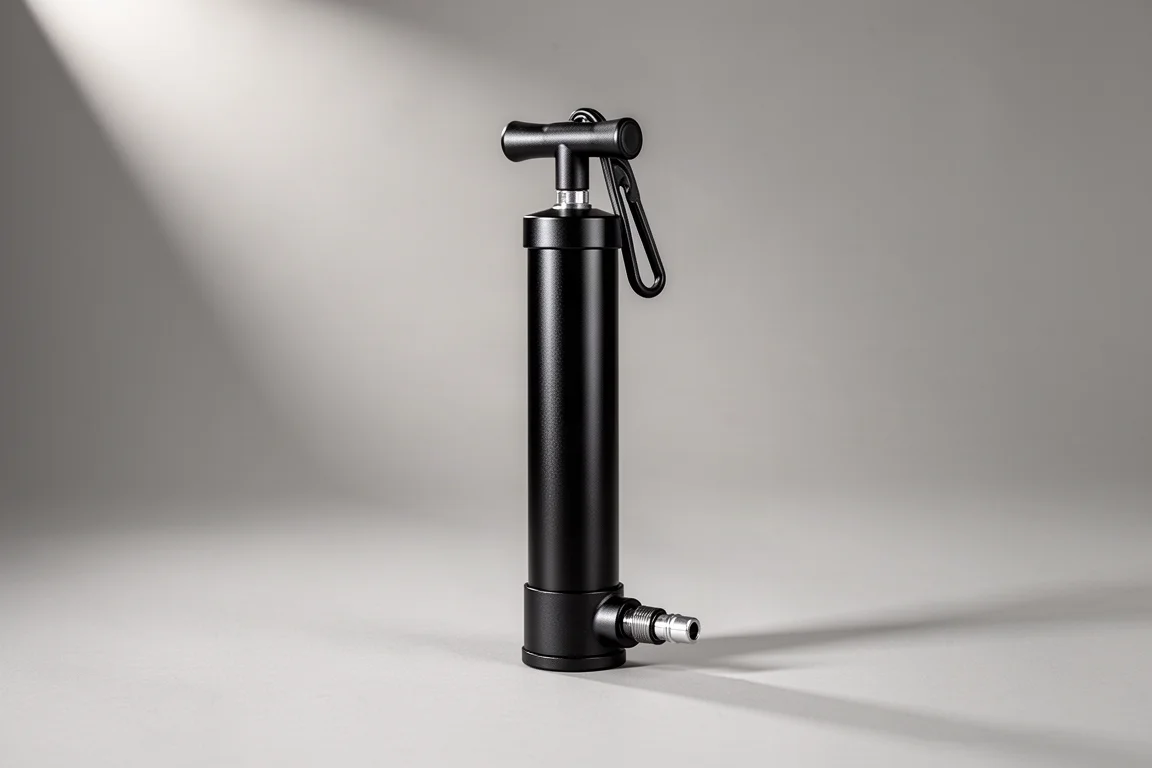
The genuine Pocket Impero is a small hand pump priced at £125. Copies sold through marketplace listings have been offered for more than that, which makes the gap between them even harder to justify.
In use, the difference is not subtle. A counterfeit pump moved so little air that several minutes of continuous pumping produced roughly 19 psi, and after around three and a half minutes it stopped moving air altogether. A roadside pump that cannot reach a rideable pressure leaves you stranded. The genuine unit delivers steady strokes and is built to be carried for years.
Fizik Antares Versus Evo: 3D-Printed Comfort, Properly Finished
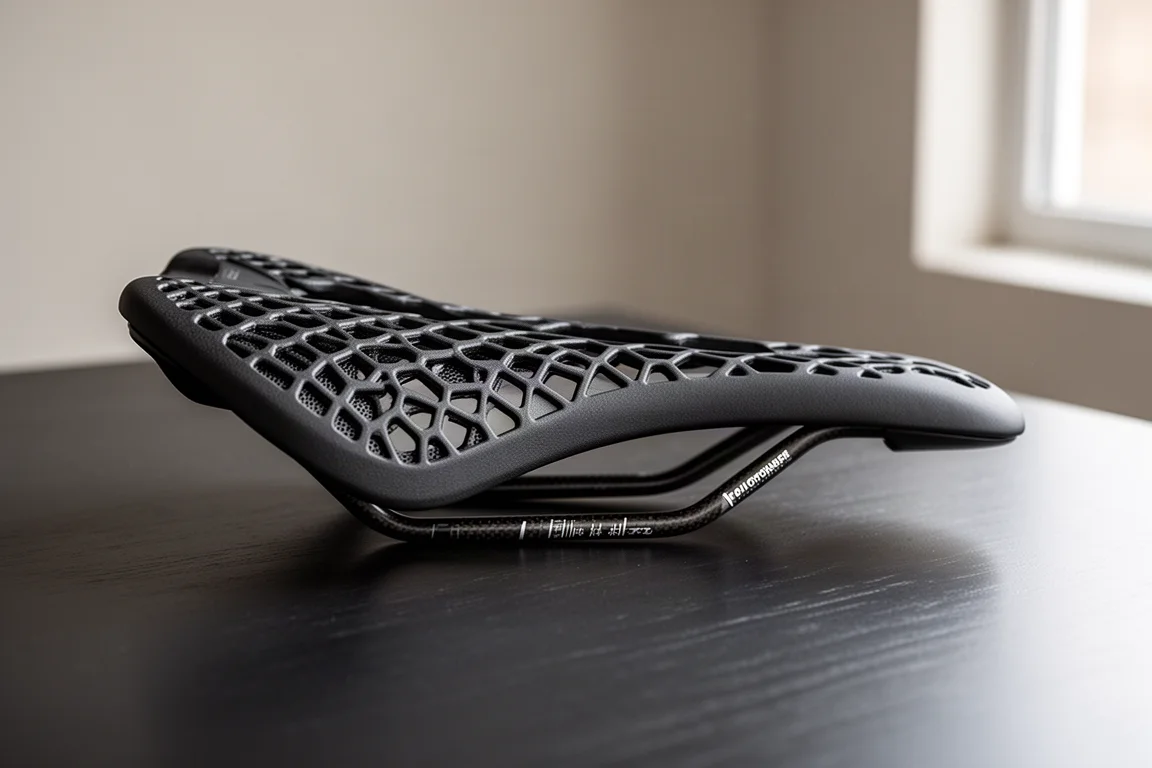
The Antares Versus Evo is a 3D-printed road saddle with a retail price around £300. Counterfeit versions sell for roughly £77, and the differences are visible straight away. The copy has a glossy finish, a noticeably flexier rail section, and a cover that began peeling after a single ride.
The genuine saddle is lighter, and it keeps the design intent the copies try to imitate: firmer and softer zones across the surface rather than one uniform density. If you want the feel of a 3D-printed saddle and you want it to last a season, that is what the higher price buys.

Rails deserve a close look on any saddle. A rail that flexes under hand pressure is a sign that the structure underneath is not up to regular riding, and it is one of the first things to fail.
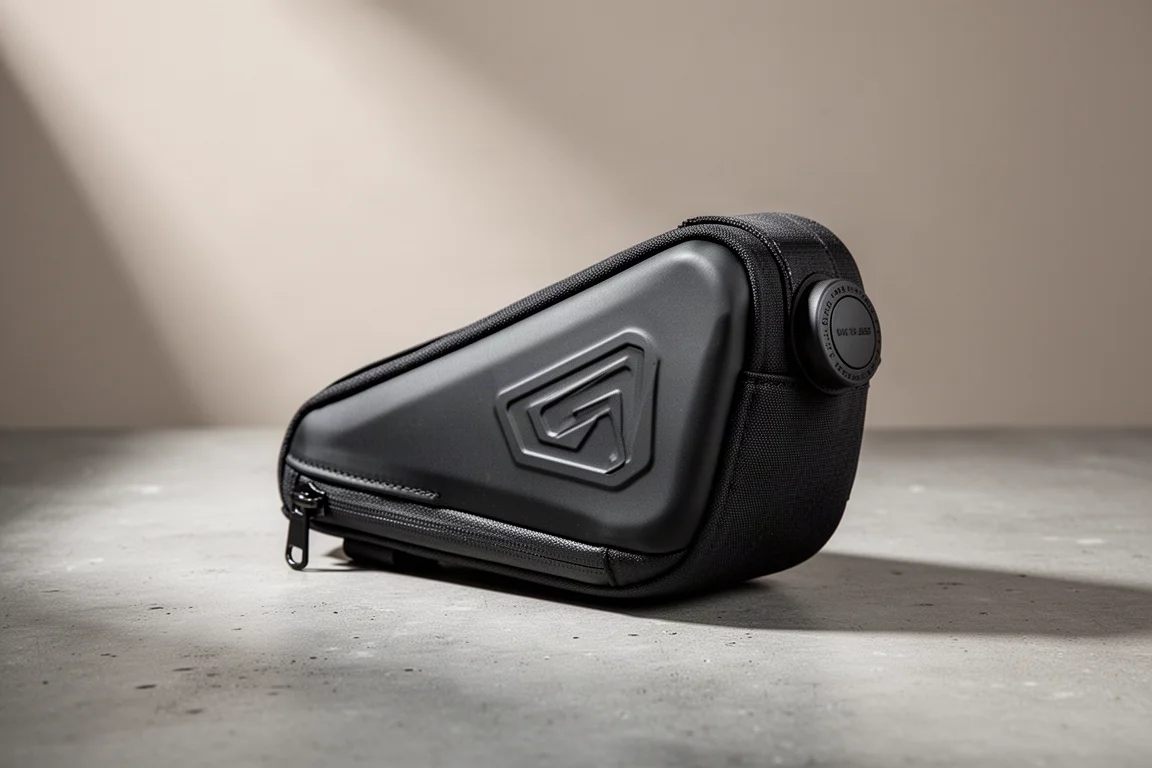
Silca Mattone Saddle Bag: Structure, Hardware and Weather Protection
The Mattone costs £60. Copies have appeared for around £17, and the difference shows up as soon as you handle both.
The genuine bag holds its structure, has a crisp embossed logo, uses a real Boa closure and a genuine YKK zip, and includes a protective backing so the strap does not scuff the bike. The copy has none of that. Its closure is a lookalike, its zip carries an embossed marking rather than the real hardware, and its fabric has a waxy feel without taped seams. On the copy, the plastic fitting at the strap end came away with light pulling. The same pull on the genuine bag did nothing.
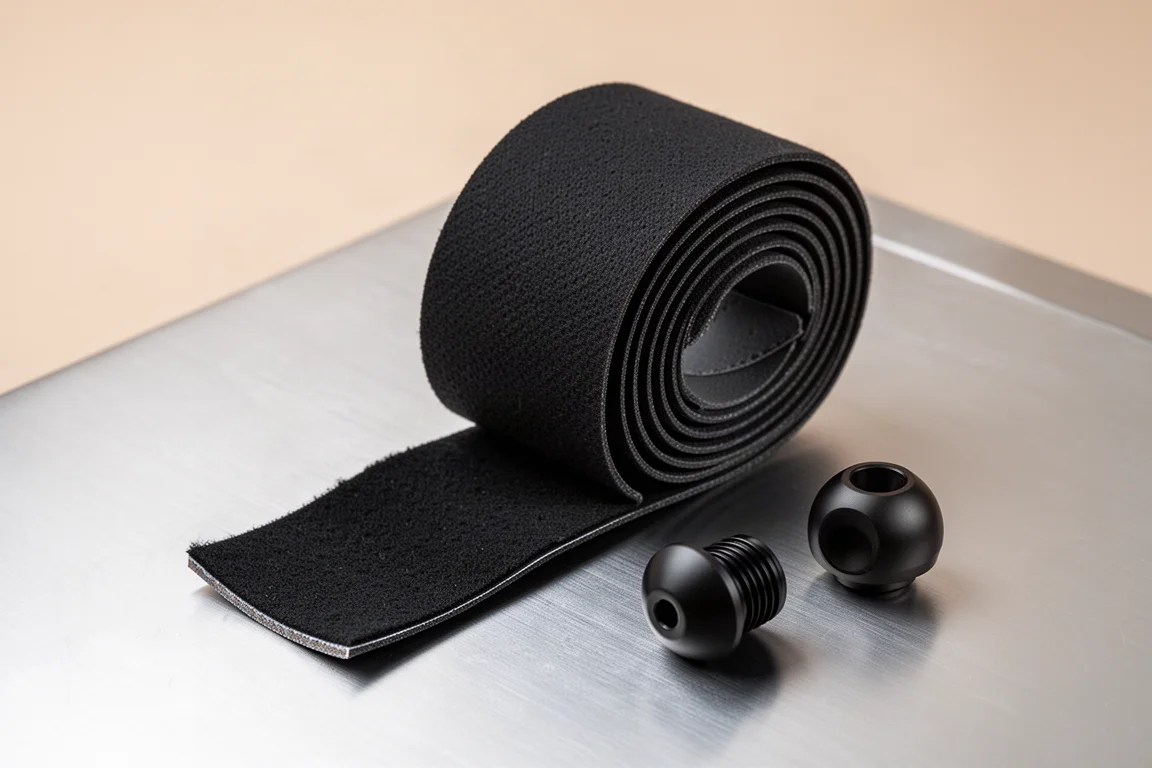
Supacaz Super Sticky Kush Bar Tape: Grip and Cushioning That Lasts
A set of Super Sticky Kush costs £33, against around £7 for a counterfeit. The two were run side by side, one on each side of the same handlebar, for roughly 1,500 miles.
Both stayed grippy and neither showed significant wear, which is a fair result for the copy. The difference is thickness. The counterfeit tape is very thin, and because the cables on that bike run externally under the tape, you can feel their shape through it. The genuine tape has enough cushioning to hide them, which matters on longer rides and rougher surfaces.
It is worth being honest about the price. £33 is a lot for bar tape, and some cheaper tape from established brands feels close to it. If hand comfort is a priority, the genuine tape is the better choice.
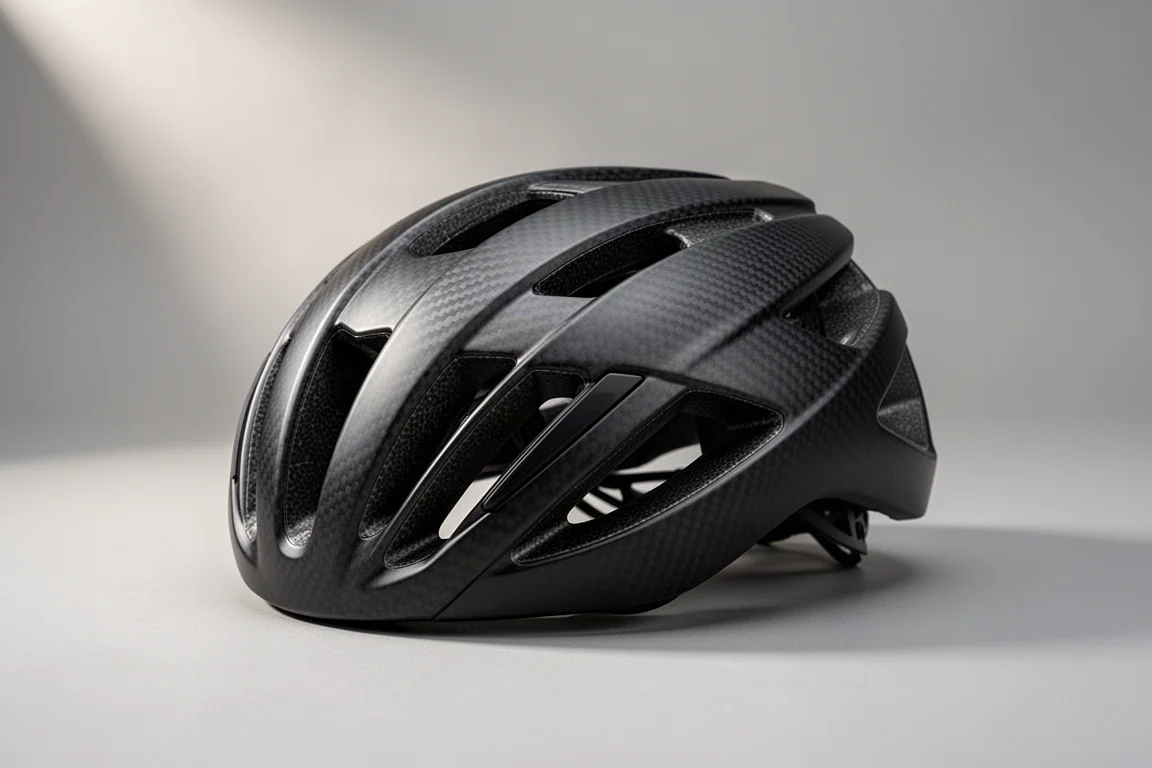
MET Trenta 3K Carbon Helmet: Construction You Can Inspect
The Trenta 3K Carbon retails at £220. Copies cost a fraction of that, and the construction differences are significant.
The copy’s shell is carbon-effect rather than carbon, the geometry at the rear rib differs, and the foam inside is not bonded to the outer shell. Inside the genuine helmet there is a carbon rib running through the bridge that adds rigidity and support across the shell, and the copy has no equivalent. The genuine shell is also better finished around the vents and edges.
That matters because of what a helmet is for. It works by lengthening the time over which an impact force is applied to the head, which reduces the peak force of that impact. Foam that is not bonded to its shell, and a body without structural reinforcement, cannot be expected to manage that in the same way. On a helmet, a copy is not a saving worth making.

If you are comparing helmets, look at the finish around the vents, the way the outer shell meets the foam, and whether the shell feels like a single bonded unit or a cover resting on top.
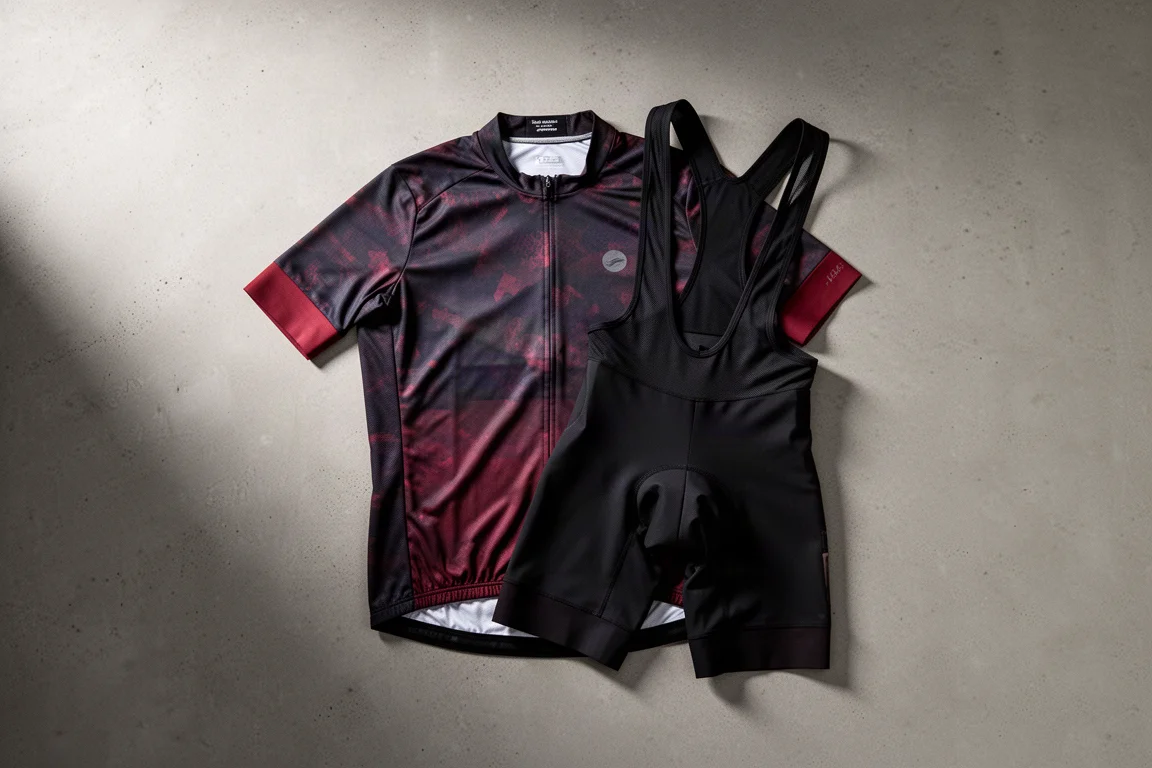
Rapha RCC Kit: Fit and Padding Are the Whole Point
A counterfeit jersey and bib shorts set came in at £224. The genuine equivalent sits several hundred pounds higher, and on this product the gap is the largest of the six.
The copy’s fabric is the best part of it. It is technical fabric that functions, and the kit will likely hold together through plenty of washes. The problems are the pad and the fit. The shorts are cut short, the back panel is itchy against the skin, the sleeves are baggy and the collar is oversized, which is enough to make long rides uncomfortable for many riders. The pad is a generic type that has been common in low-cost kit for years.
Overall Buying Advice
The pattern across all six products is consistent. Counterfeits get the shape and the finish right, then fall short on the parts you cannot see in a listing photo: hardware, bonding, cushioning and fit.
Where safety is involved, the calculation is simple. A helmet whose foam is not bonded to its shell is not a place to save money. Where comfort is involved, the trade-off is more personal. Cheap bar tape may be perfectly fine for short commutes, but thin cushioning becomes noticeable over long distances.

There is also a middle path. Several established brands sell well-made gear at moderate prices, and buying from a brand you can verify is usually a better decision than chasing a lookalike of a premium product. If a listing undercuts the original by a wide margin and the product is heavily branded, treat that as a warning rather than a bargain.
Whatever you choose, buy from a source that stands behind the product. A pump, a saddle or a set of kit that fails in the first month ends up costing more than the difference between a copy and the real thing.
Conclusion
These six products earn their prices for the same reason: they do the job they were designed to do, and they keep doing it. The counterfeit versions look close in photographs, but they fall down on pressure, on bonding, on cushioning and on fit.
If you are upgrading one item at a time, start with the helmet. Then work through the parts you touch on every ride: the saddle, the bar tape and the kit. A reliable pump belongs in the bag either way, because a ride that ends with a flat and no working pump ends early.
Further reading
Related Reviews
Cycling Gear
8 Cycling Products Riders Keep Coming Back To
Eight cycling components and accessories with clear strengths, honest trade-offs and long-standing reputations among riders and mechanics.
Cycling Gear
Aero Helmets and Bottle Setups Tested: Six Options Ranked by Measured Watt Savings
Wind tunnel data on six aero helmets and bottle setups, with real watt savings, practical trade-offs, and guidance on what is worth buying first.
Cycling Gear
Aero Road Bikes and Fast Tires Worth Watching in 2026
Four aero road bikes and one fast road tire, with the real strengths, the open questions, and what to check before you buy.