Cycling Gear
Six Cycling Purchases Worth Reconsidering Before You Buy
Six cycling buys that looked sensible and turned out not to be, what went wrong, and the details worth checking before you spend.
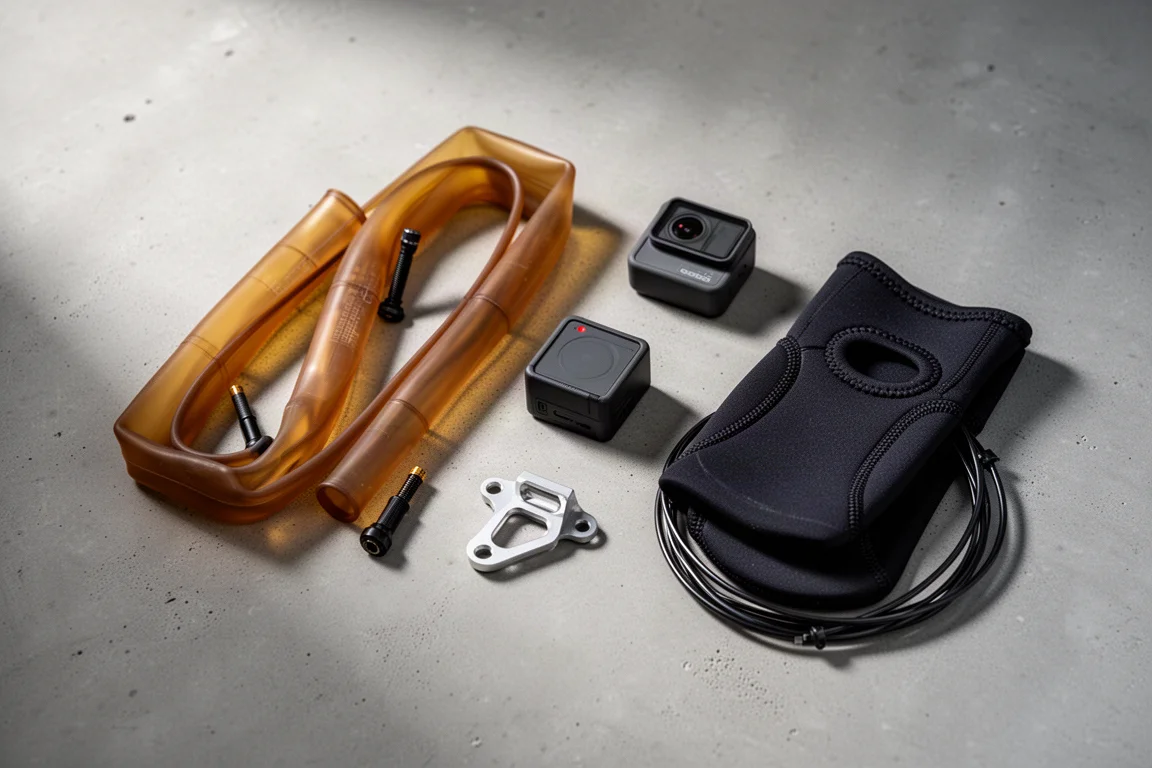
Introduction
Cycling upgrades usually look convincing on paper. Lower weight, less rolling resistance, more protection, a sharper race position. The trouble is that the details only surface once the parts are on the bike and being used in real weather on real roads.
This roundup covers six purchases that looked sensible and turned out not to be, along with what went wrong and what to check if you are weighing up something similar. None of them are universally bad products. Each one has a set of conditions where it works and a set where it does not, and knowing which side of that line you are on is the whole decision.
Schwalbe Aerothan: Light TPU Tubes With A Fragile Valve Stem
Schwalbe Aerothan tubes are built from thermoplastic polyurethane rather than butyl rubber. The pitch is straightforward: lower weight, reduced rolling resistance, and a claimed improvement in puncture protection over a standard butyl tube.
The weight and rolling resistance side of that promise holds up. The puncture protection claim is the part that has not carried over into real use, and the valve design introduces a fragility that a butyl tube simply does not have.
The valve stems are the weak point. They are made from a carbon composite material rather than metal, and they do not tolerate much force. One failed during a roadside inflation when the pump was worked hard, snapping clean in half, and a second failed the same way later.
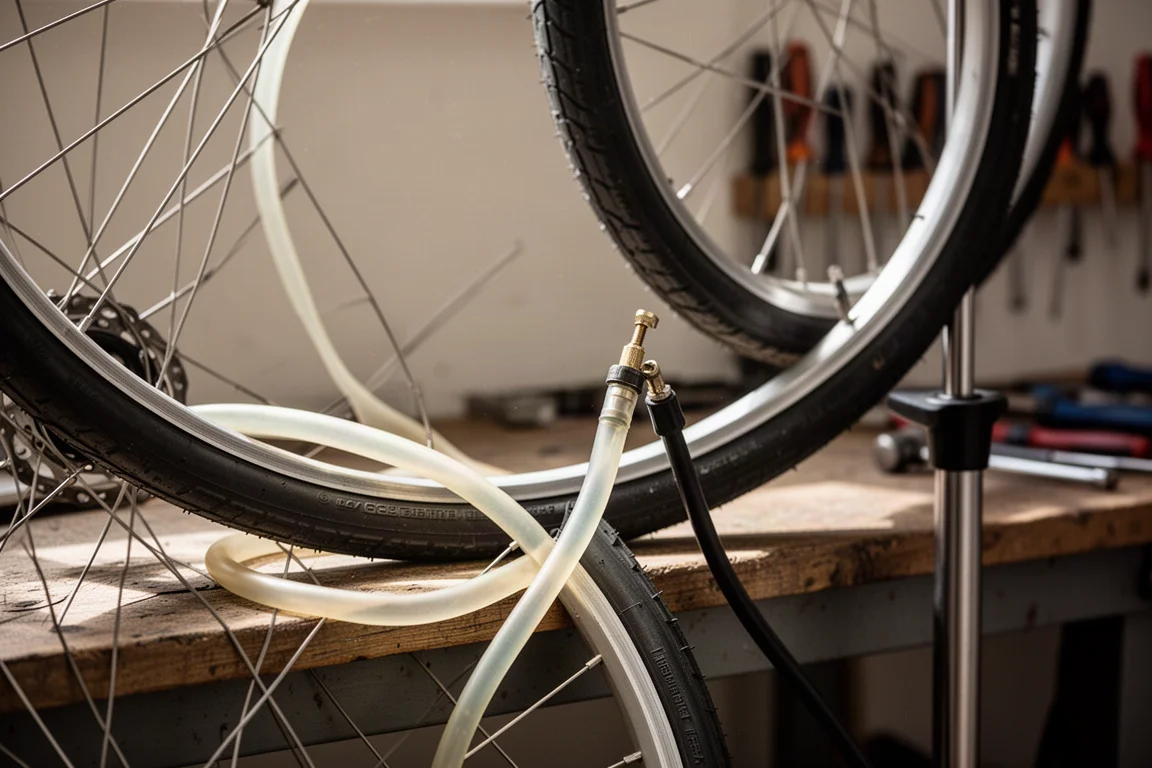
There is a narrower issue as well. Fitting small screw-on pressure sensors to the composite stems caused them to deform, after which a standard valve core could no longer be threaded back in. That is a niche setup, but it shows how little margin the composite stem has.
For riders on clincher-only wheels who want to trim weight and rolling resistance, these tubes can still make sense. Anyone whose priority is toughness, or who uses screw-on valve accessories, is better served by a metal-stemmed option.
Tubolito: Puncture Protection That Did Not Live Up To The Claim
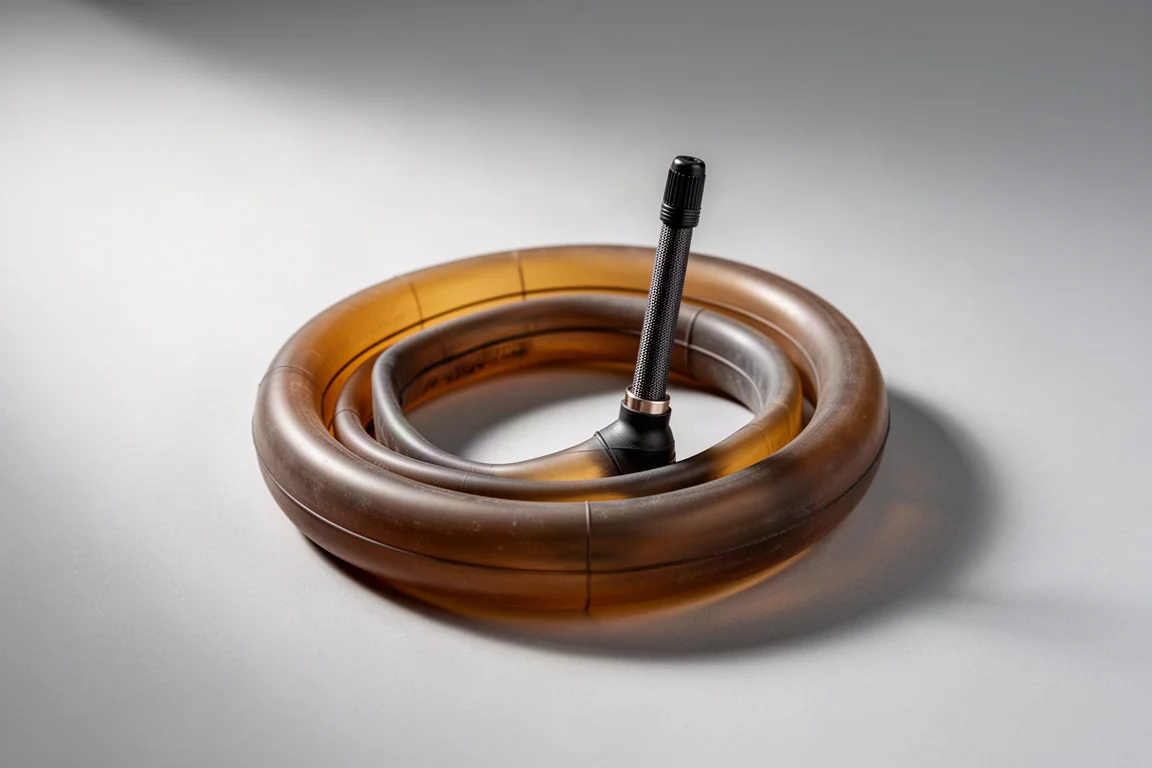
Tubolito takes the opposite approach to most TPU tubes. Its heavier models are designed around puncture protection rather than minimum weight, which is why they ended up on tandem and gravel touring builds where reliability matters more than a few grams.
The appeal is understandable: some of the rolling resistance benefit of a TPU tube, with more resilience than a standard tube. In practice, that did not translate into noticeably fewer punctures. Worse, when these tubes do puncture, repairing them is far more difficult than patching a butyl tube, which undercuts the whole reason for choosing them on a touring build.
For riders chasing lower rolling resistance on clincher wheels, latex tubes have been a more predictable choice, and tubeless is the more common route for anyone already running tubeless-ready rims.
Felt AR4: A Used Aero Bike With Expensive Surprises
The Felt AR4 in question is an early aero road bike from around 2013, and it was a former triathlon bike bought second hand. It arrived with a season of saltwater exposure worked into the frame, and it took roughly a month of cleaning before it was usable.
The cable routing is the second problem. Cables ran up and away from the handlebar before entering the frame through the top of the top tube. That layout is manageable with hydraulic disc brakes and electronic shifting. Paired with mechanical shifting and standard rim brakes, it made for a fussy build with very little to show for it.
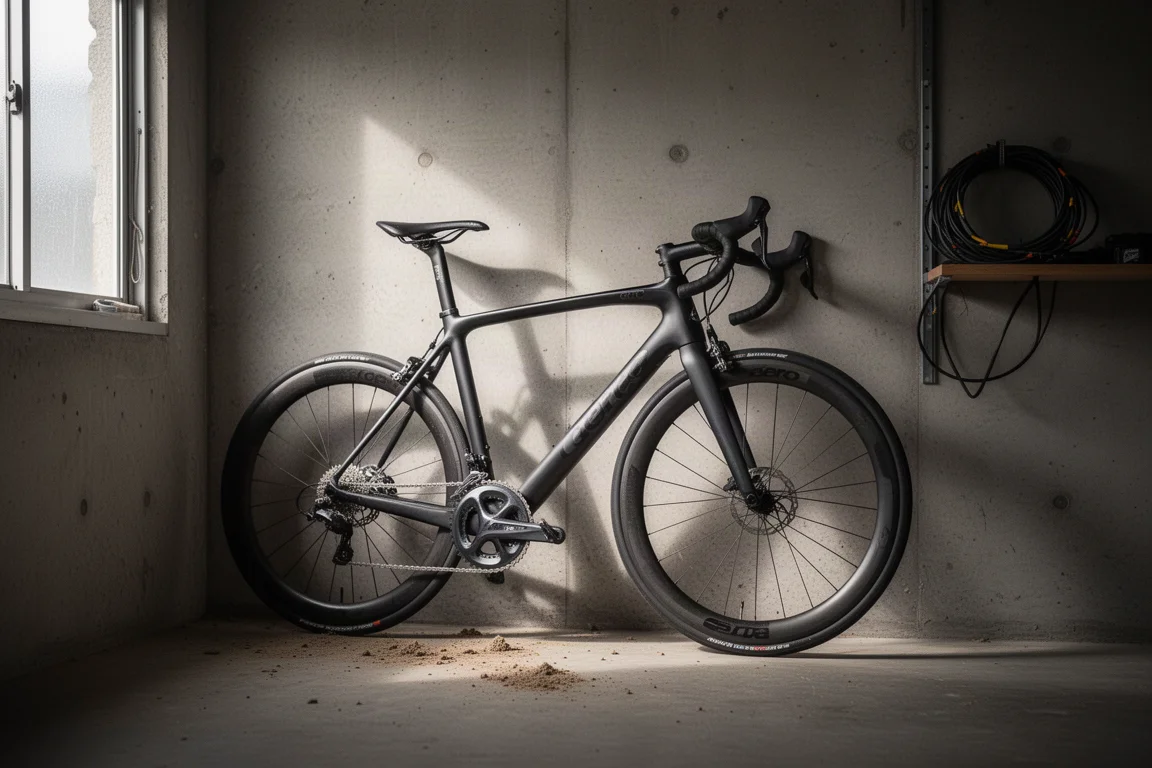
Ride quality was the bigger letdown. The frame was stiff in the places that made it uncomfortable and flexible in the places where rigidity would have helped, a common trait of early aero designs. It was not especially quick in real conditions either.
There is one clear positive. The bike used a threaded bottom bracket, which is simpler to service and live with than some press-fit designs from the same period.
If you are considering a used aero bike of this vintage, check thoroughly for corrosion inside the frame, confirm the cable routing suits the groupset you plan to run, and expect a firm ride.
Giant TCR: A Strong Frameset And The Case For A Real Chain Catcher
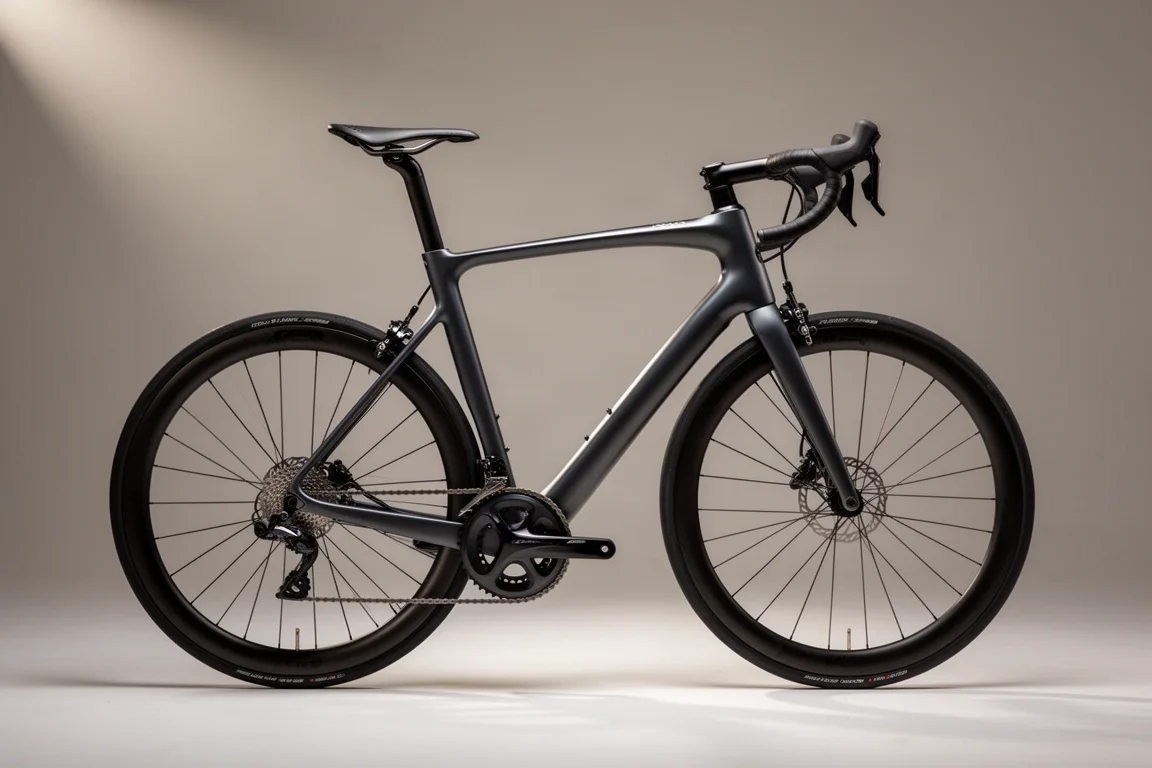
A Giant TCR built up earlier this year has been a genuinely enjoyable bike, and it appears here for the opposite reason to the others. The frameset is not the problem. The accessory chosen to protect it was.
To guard against dropped chains gouging the inside of the chainstay, a cheap chain catcher was bought from a marketplace seller for a few pounds instead of a proven one at around 25 pounds. It was a false economy. The inexpensive unit had none of the set screws needed to position it or hold it in place, and it relied entirely on the tension of the front derailleur bolt. With no serrated washer, chain contact simply pushed it out of alignment. Two hours of fitting and refitting produced a part that never worked.
Proven chain catchers cost little and are designed to stay where they are put. If a chain catcher is worth fitting at all, it is worth buying one that holds its position.
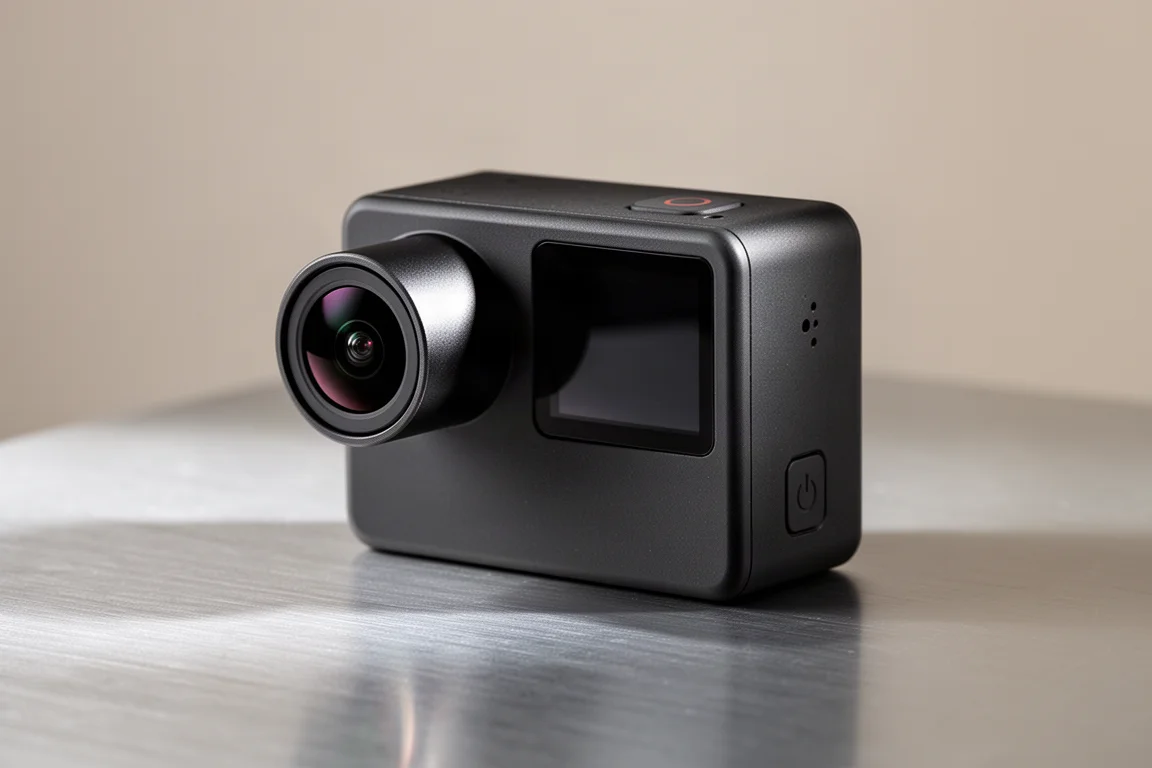
Garmin VIRB: An Early Action Camera From A Rough Era
Garmin VIRB was one of several action cameras that arrived as challengers to the dominant model of its time. It came from a period when the gap between the leading camera and everything else was wide, and that gap showed up plainly in the footage.
Cheap unbranded cameras of the same era were worse still. Some were taped to vented helmets with electrical tape for alpine descents, which produced shaky, low-quality footage and a very warm head on the climbs.
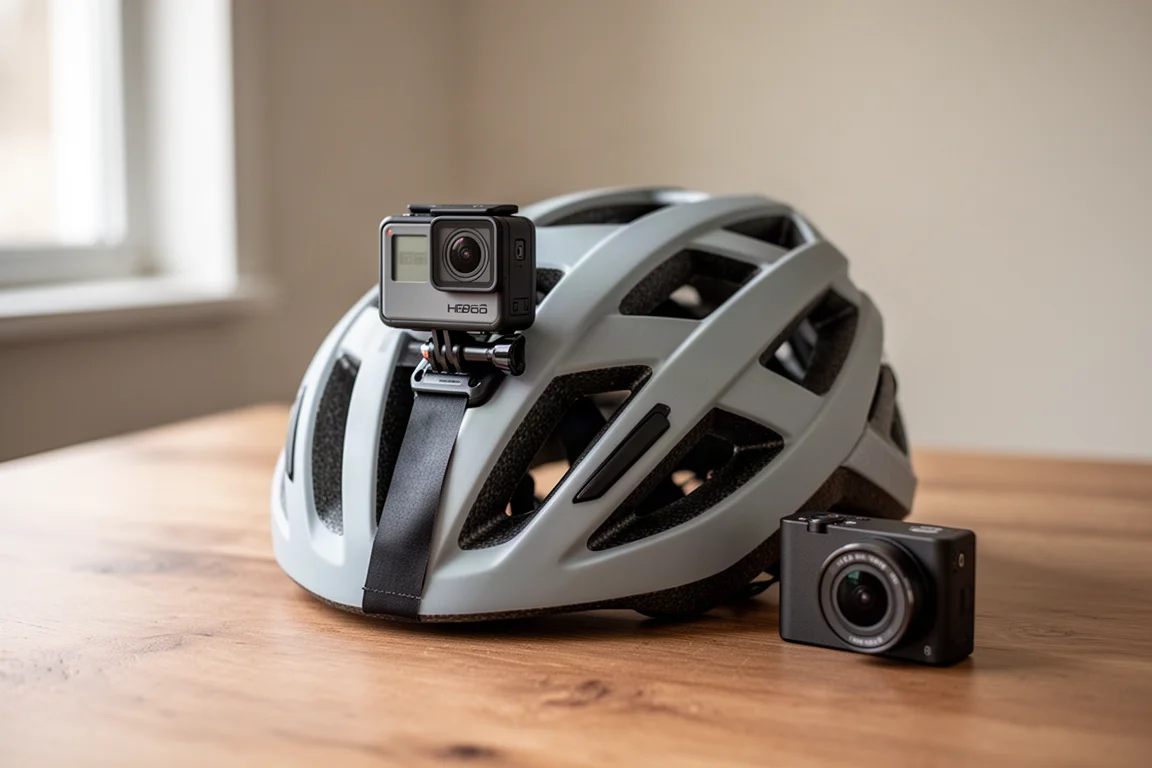
Camera technology has moved a long way since. Budget cameras today produce footage that would have been unthinkable from those early challengers, and current action cameras capture usable riding footage with far less fuss.
Anyone buying an older action camera should judge it against current expectations rather than its original marketing, and treat image quality as the first thing to verify.
Shimano S-Phyre Winter Boots: Fit And On-Off Fuss
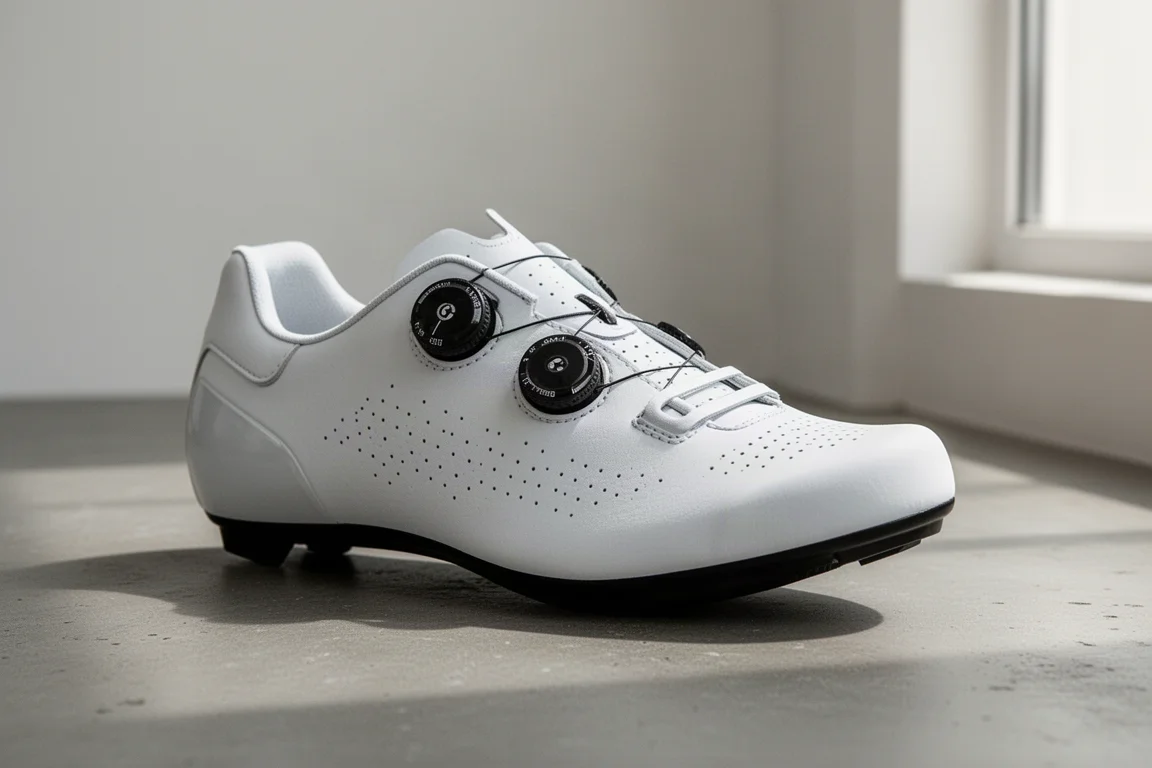
Shimano S-Phyre winter boots were a single-winter experiment. The idea behind a dedicated winter boot is appealing: sealed protection rather than an overshoe stretched over a summer shoe, with no gap for water to find.
The reality was less comfortable. The ergonomics felt compromised, the boot was very flexible, and getting them on and off was a chore compared with even a standard overshoe. Rain also tends to run down into the shoe with a boot rather than being shed away from it.
For most riders, overshoes remain the more flexible option, and the ones that last tend to be sturdy neoprene or knitted designs. Thin, light covers wear through in a couple of rides, so cheap overshoes are best treated as disposable rather than as a saving.
Buying Advice: Where It Pays To Spend More
A few patterns run through these purchases.
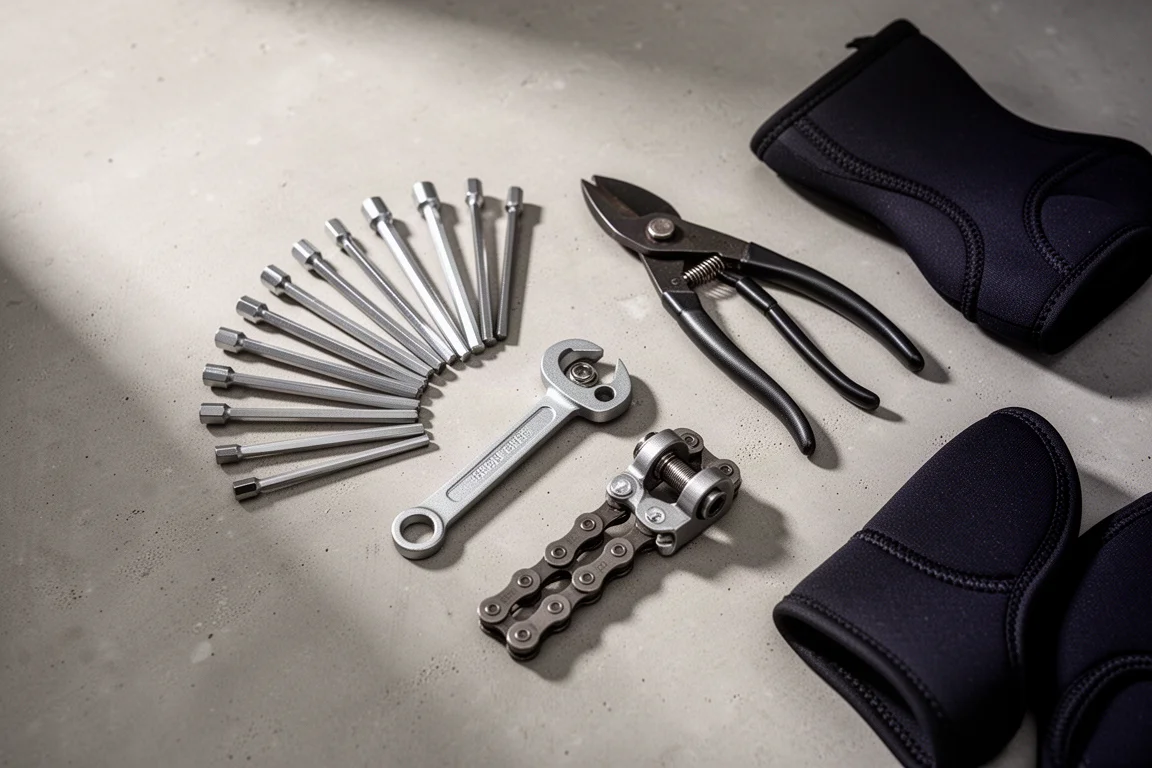
Spending more pays off where a part has to hold a precise position or cut a clean edge. Chain catchers, cable cutters, and hex keys all fall into that category. Cheap versions round out bolt heads, mash cable housing, and refuse to stay adjusted. A low-quality multi-tool is a particular risk if it is the only set of hex keys you own, since undersized heads and soft steel damage bolts that are far more expensive to replace.
Drivetrain parts are another place not to economise. Off-brand chains and cassettes from that period corroded quickly, and one chain had so much lateral play between its links that it snapped clean in half during an ordinary pull away from a stop. The same caution applies to off-brand oval chainrings, which were awkward to set up, disrupted shifting, and arrived without the washers needed to fit them.
TPU tubes are a more personal decision. If lower weight and rolling resistance matter and your wheels are clincher only, they can make sense. If puncture protection is the priority, the heavier models have not proven to be the answer, and tubeless or latex is the more dependable route.
Tools deserve their own note. A cheap multi-tool that rounds out bolt heads, or side cutters used in place of proper hose cutters, will cost more in damaged components than it saves. Building a kit piece by piece, choosing brands that specialise in a given tool, is a better long-term approach than one large, low-quality set.
Winter kit is also worth buying properly the first time. Cold feet end rides early, and the difference between a sturdy neoprene overshoe and a thin cover is measured in seasons rather than rides.
Conclusion
None of these purchases were disasters on their own. They were quick decisions, often made late at night or under time pressure, that cost money, workshop hours, and a bit of enthusiasm. The lessons are simple enough to carry forward: check what you are actually buying, spend properly where precision matters, and be sceptical of a bargain that only looks like one.
Further reading
Related Reviews
Cycling Gear
8 Cycling Products Riders Keep Coming Back To
Eight cycling components and accessories with clear strengths, honest trade-offs and long-standing reputations among riders and mechanics.
Cycling Gear
Aero Helmets and Bottle Setups Tested: Six Options Ranked by Measured Watt Savings
Wind tunnel data on six aero helmets and bottle setups, with real watt savings, practical trade-offs, and guidance on what is worth buying first.
Cycling Gear
Aero Road Bikes and Fast Tires Worth Watching in 2026
Four aero road bikes and one fast road tire, with the real strengths, the open questions, and what to check before you buy.