Cycling Gear
Six Cycling Choices Worth a Second Look: Trade-Offs to Weigh Before Buying
Puncture-resistant tires, mechanical DoubleTap, integrated cockpits and ratchet seatposts all solve real problems. Here are the trade-offs to weigh before you buy.
Introduction
Some cycling parts earn their reputation for good reason and still come with trade-offs that only show up after a season of riding. A tire that almost never punctures may ride harshly. A groupset that feels crisp for one rider can be confusing for another. A frame feature that looks clean in photographs can add hours to routine maintenance.
This guide looks at six widely used choices across tires, drivetrains, frames and finishing kit. None of them are bad products in an absolute sense. Each one solves a specific problem well, and each one asks for something in return. The goal here is to make those trade-offs clear before you spend money, so the part you buy matches the riding you actually do.
How These Components Were Evaluated
Four things matter most when judging whether a component is worth living with.
Durability and protection come first, because puncture resistance and wear life determine how often a part interrupts your riding. Comfort and ride quality come second, since a harsh tire or a stiff seatpost is a daily tax on longer rides. Serviceability is the third factor, covering how easy a part is to adjust, replace and repair with normal tools. Long-term cost of ownership is the fourth, and it includes everything from replacement bearings to labour time at a shop.
Compatibility and standardisation matter too. Parts that use a proprietary interface can be harder to source and more expensive to maintain over several seasons than parts built around widely shared standards. That is why the sections below weigh not just how a component performs on day one, but how it behaves in year three.
Schwalbe Marathon Plus
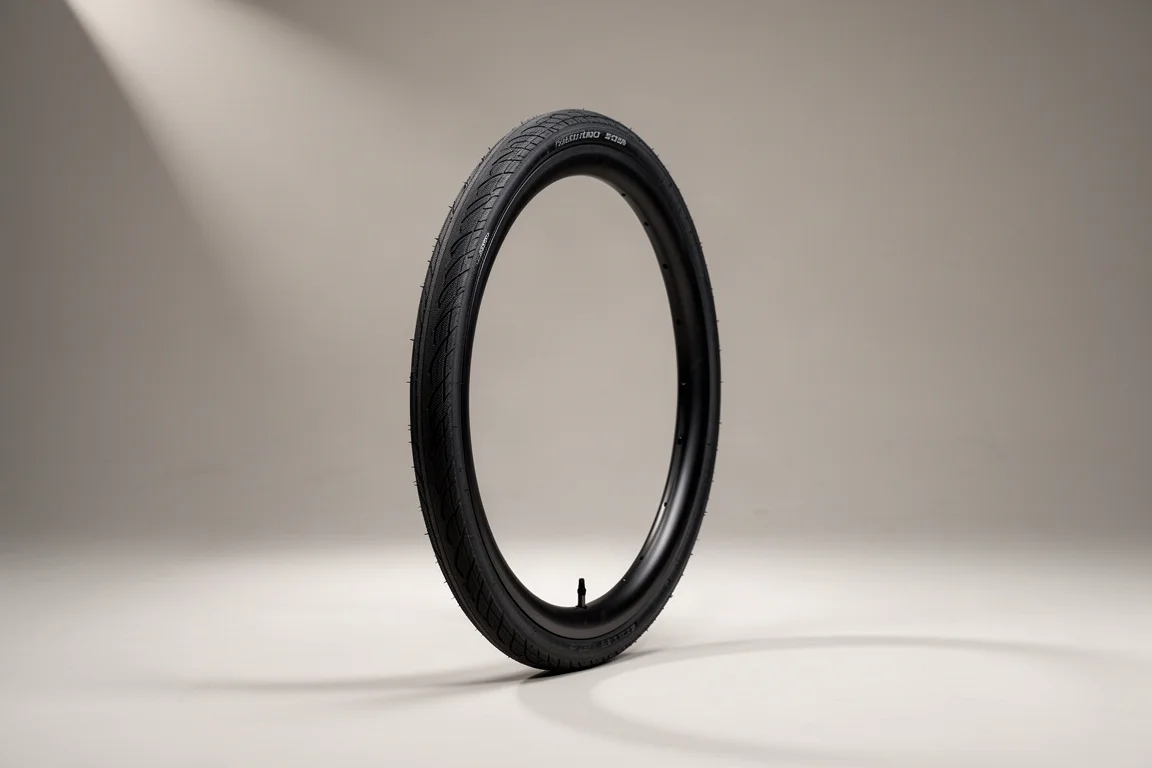
Marathon Plus tires are built around puncture resistance above almost everything else. The casing is extremely tough, and grip is better than a protection-first design might suggest. For commuting and utility riding in debris-heavy city conditions, that combination has genuine value.
The trade-off is ride quality. The same construction that shrugs off debris makes the tire harsh, and that firmness transfers straight into the frame and, eventually, into the rider. Anyone who cares about comfort on long days, or who is sensitive to vibration through the bars and saddle, tends to notice it immediately.
Mounting is the other consideration. These tires are difficult to fit, which is worth planning for if you do your own work. The upside is that once they are on, they stay on for a very long time. Riders who would rather not deal with roadside repairs may find that acceptable, while riders chasing comfort probably will not.
Pirelli Cinturato
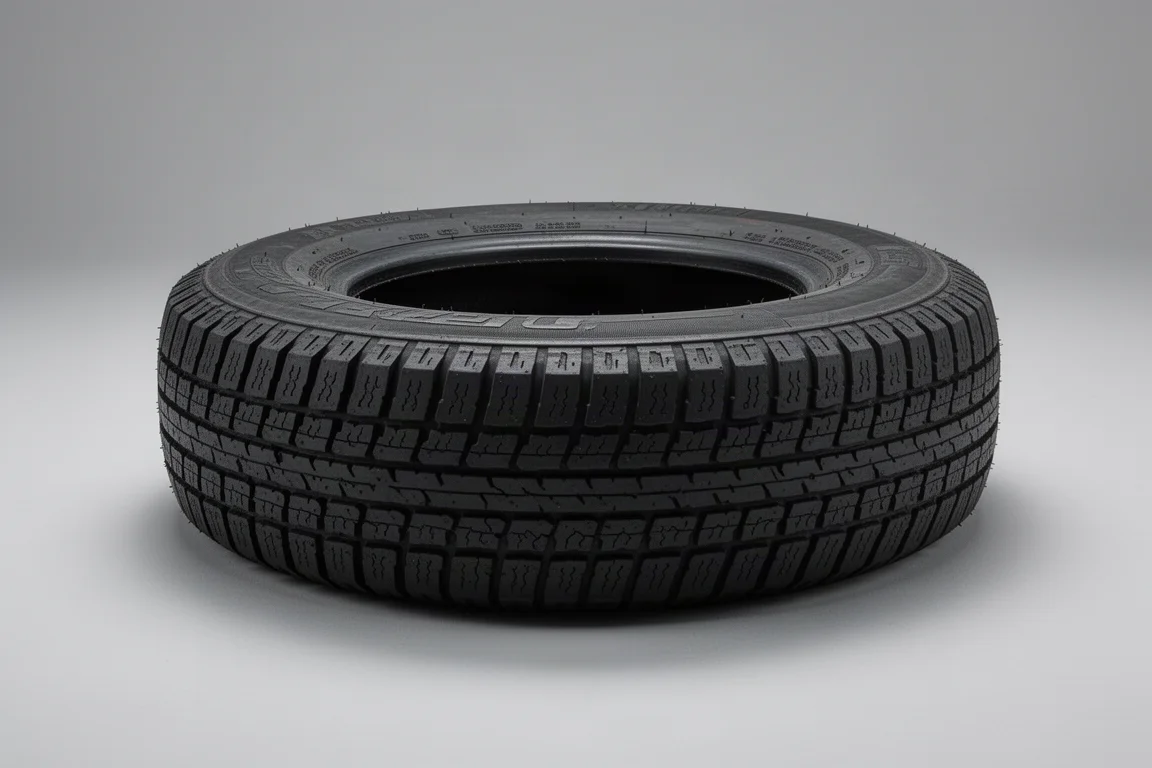
Cinturato tires take a similar approach, prioritising puncture protection and durability. The ride sits on the firm side, and riders moving across from a supple performance tire will feel the difference in how the bike absorbs road texture.
That stiffness is the price of the reinforced construction. If your priority is finishing a commute or a training block without stopping to fix a flat, the trade-off can be worth it. If your priority is a lively, comfortable ride, a lighter tire with less protection will usually feel better underneath you.
Continental Gatorskin
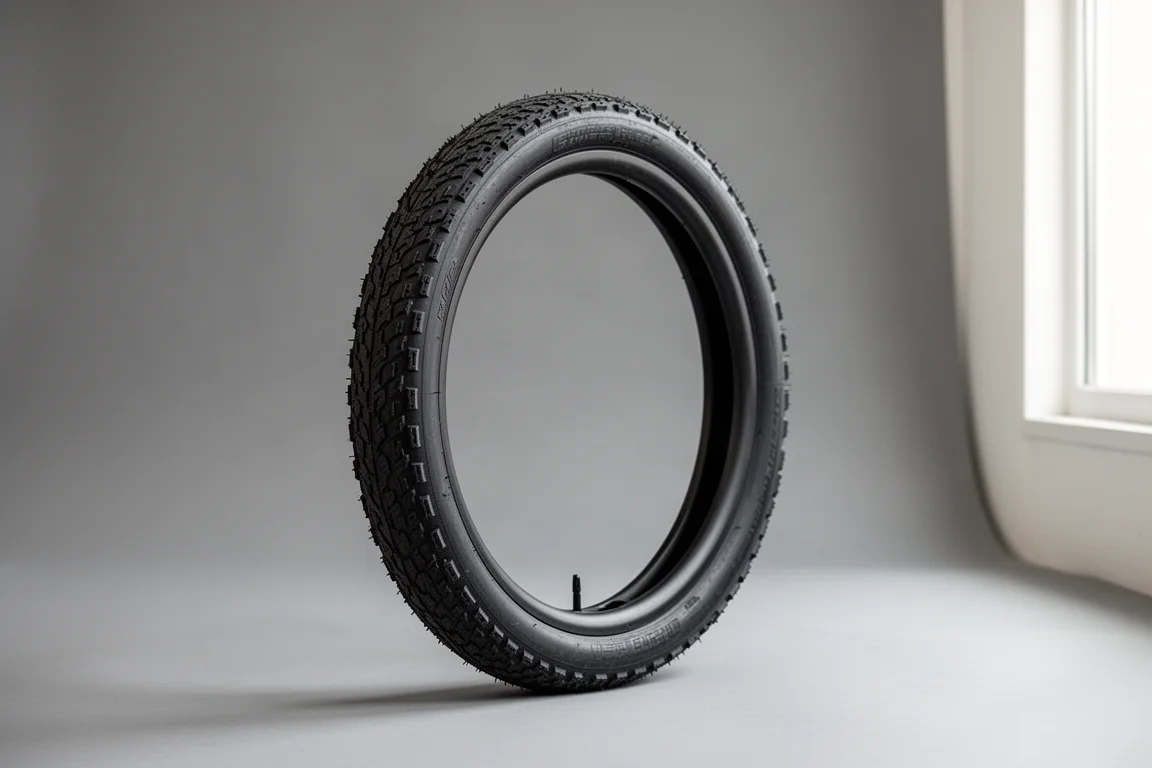
Gatorskin has long been a default choice for riders who want dependable puncture protection without moving to a tubeless setup. It is straightforward, widely available, and the protection is the main reason people keep buying it.
The argument against it is less about the tire and more about the setup around it. Modern tubeless systems seal many punctures as they happen, which removes the interruption rather than simply reducing how often it happens. Riders who are already comfortable with tubeless may find that approach more appealing than a heavy, firm-riding clincher.
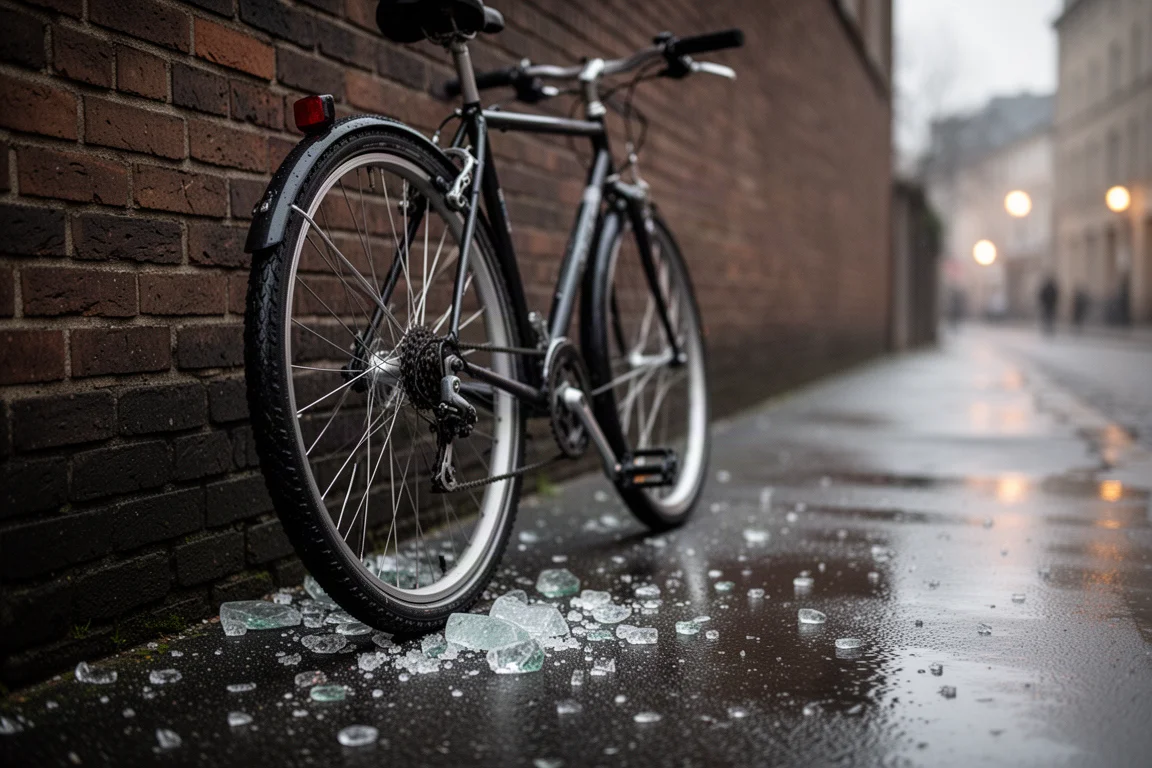
That said, tubeless brings its own routine, including sealant checks and occasional top-ups. For riders who want a simple clincher and are willing to accept a firmer ride, Gatorskin remains a reasonable and predictable choice.
SRAM DoubleTap Mechanical
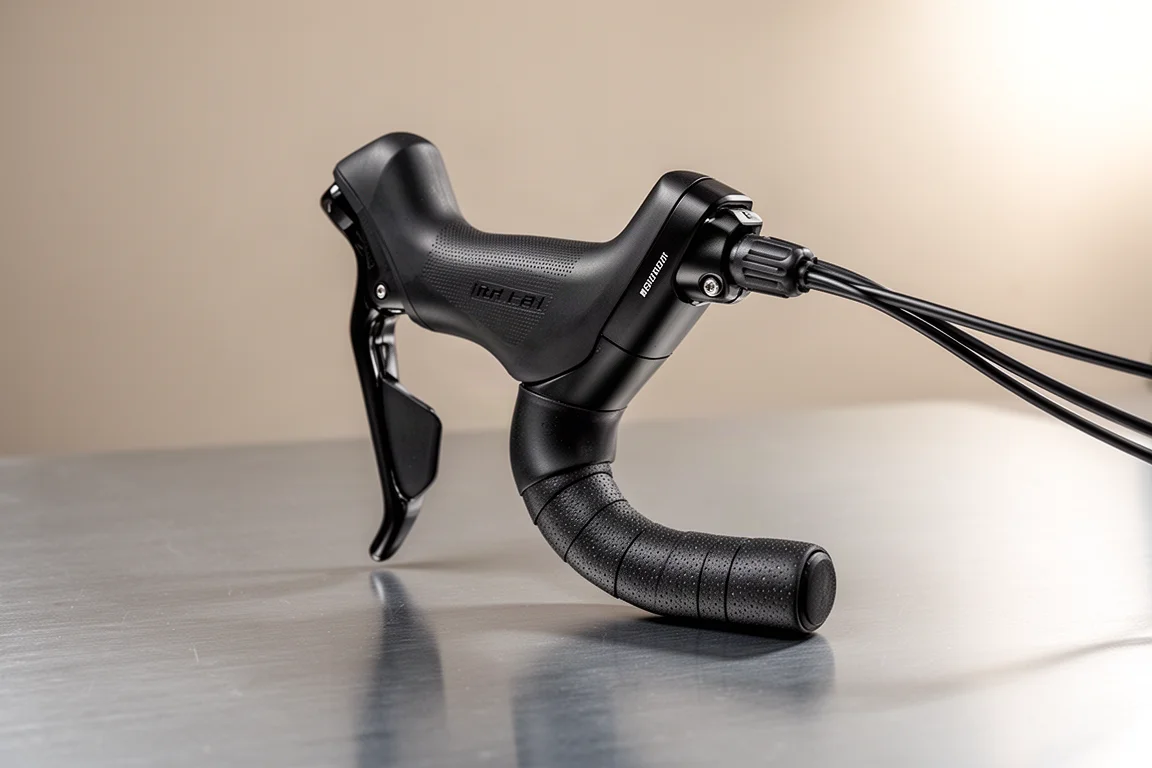
SRAM’s mechanical DoubleTap system uses a single lever for both directions: a longer push shifts one way, a short click shifts the other. The electronic versions built on the same shifting logic are widely praised, and the mechanical version has its own following.
The learning curve is the main issue. At the top of the cassette, when there are no easier gears left, the lever still moves and it is easy to assume another shift is available. A rider expecting an easier gear can end up in a harder one instead. Anyone coming from thumb shifters, or from mechanical systems that shift in a more conventional way, often finds the transition awkward at first.
Riders who stay with DoubleTap adapt quickly, and many never think about it again. The caution is mostly aimed at new riders and anyone switching systems, who should expect a short period of adjustment before shifting becomes automatic.
Canyon Aeroad
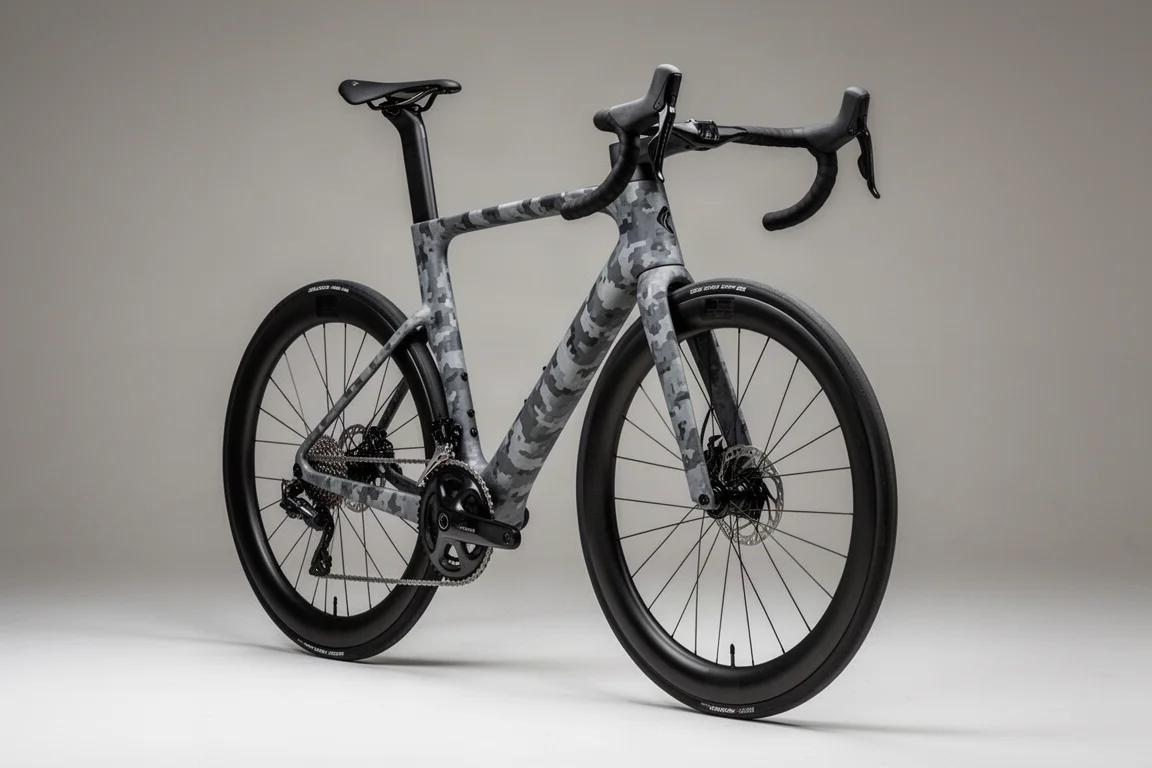
The Aeroad uses an adjustable handlebar design that allows the bar to be pushed into a more compact position. It is a clever solution for transport and shipping, and it introduces additional joints and interfaces into a part that carries a lot of load.
Two practical concerns come with it. First, more joints mean more places where a handlebar can develop a crack. Second, the internal cable routing is complex, and a headset service on this design can require cutting hoses and several hours of labour. Some shops have stopped accepting that work altogether.
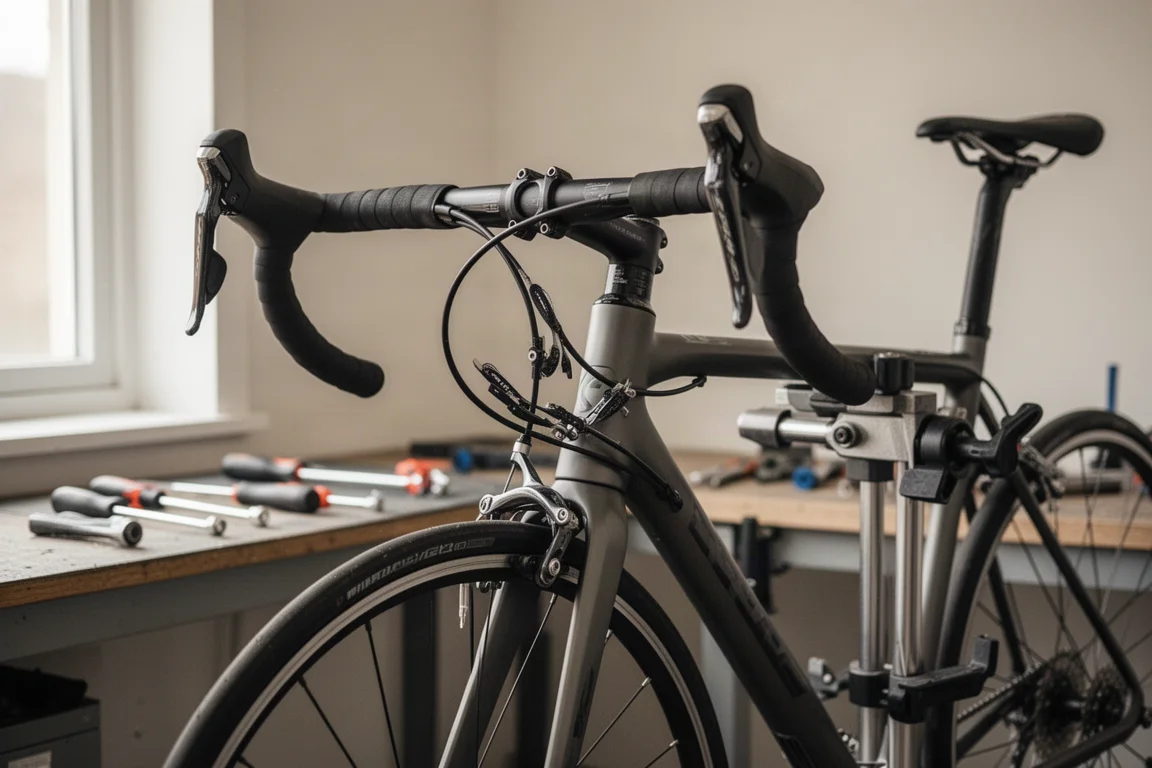
Riders who do their own maintenance, or who depend on a local shop, should factor that into the decision. A bike that looks fast and clean in photographs can still become an ongoing cost if routine service is slow and expensive.
3T Ionic
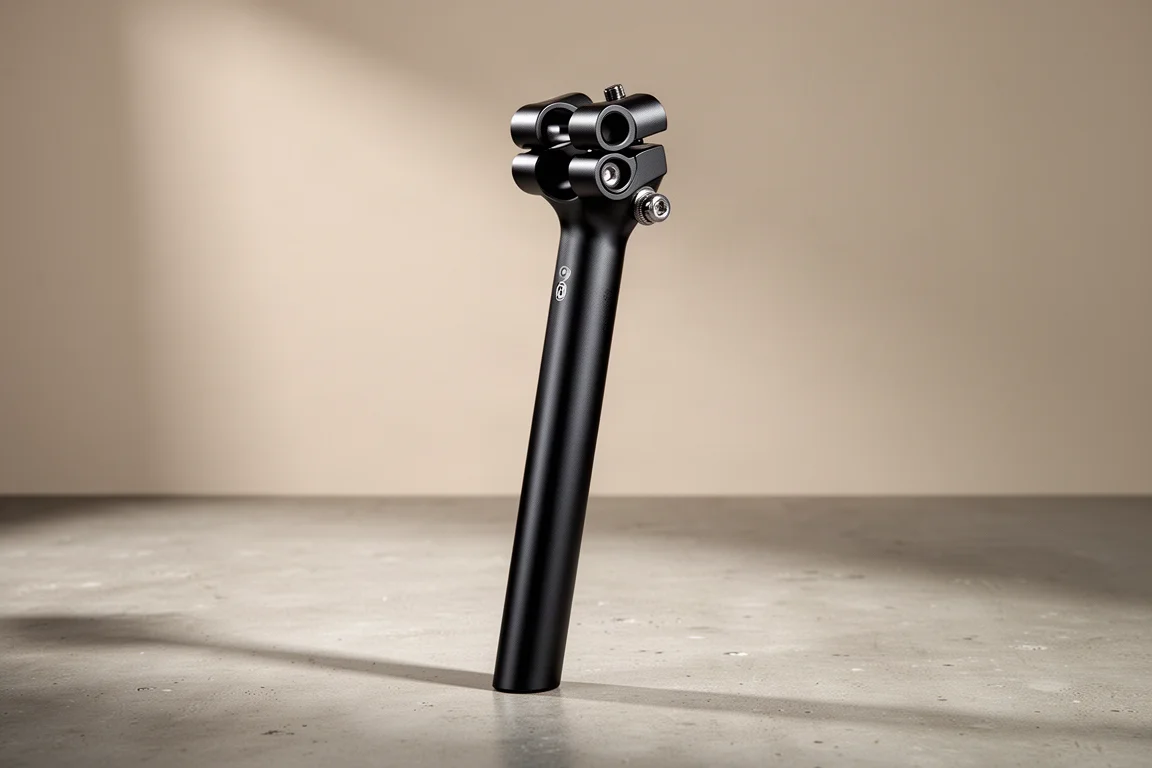
The Ionic seatpost uses a twin-ratchet clamping system to set saddle angle. In principle it offers fine adjustment. In practice it is counterintuitive: changing saddle tilt is not a matter of loosening one bolt and tightening it again, but of moving one ratchet back and the other forward by specific amounts.
That makes levelling a saddle a slow job, and if the ratchets are removed and mixed up, the process starts over. The design also creaks when it is not greased, and greasing it means taking the parts out and re-establishing the correct orientation. A conventional two-bolt seatpost does the same job with far less effort.
Standards and Servicing Friction
Standards are the quiet cost of bike ownership, and the industry has not made them easy. Press-fit bottom brackets arrived with the promise of larger axles and bigger bearings, then multiplied into a long list of incompatible variants. Several of them creak, and diagnosing a creaking bottom bracket has become a routine workshop job. At least one major brand has since returned to a threaded standard, which suggests the simplicity argument was stronger than it first appeared. A threaded standard with a larger axle would have delivered the same benefits without the compatibility maze.
Inner tubes have a similar problem. Tubes sold as covering 20 to 25 mm span a size range that almost nobody rides at the lower end, while riders on 28 mm and wider tires need separate stock. Overlapping size bands force shops to carry huge inventories to cover common widths, and riders often do not know which tube they need. Fewer, clearer ranges would serve everyone better.
Derailleur hangers are another example. They exist to break before a frame or derailleur does, which is genuinely good design, but there are thousands of different shapes and many brands use several variants across their own range. A universal derailleur hanger standard now exists and shows how much simpler this could be.
Wheel bearings deserve a mention as well. Open ball bearings are efficient in engineering terms, but when the cones and cups wear, the repair is not a matter of pressing in a fresh cartridge. Depending on the wheel, the realistic outcome can be a new wheelset or a hub rebuild. Sealed cartridge bearings are easier to live with.
Small hardware choices matter too. Flathead screws on brake pad retainers are easy to round off with the wrong driver, and once the head is damaged the caliper work gets expensive quickly. Several manufacturers have since moved to hex heads, which is a welcome change.
OEM wheelsets round out the list. Wheels that ship on a bike from a component brand are often not the same as that brand’s retail models, which makes replacement freehub bodies and small parts difficult to identify. A few manufacturers publish complete part and specification information for every model they sell, and that approach makes bikes far easier to keep on the road.
Buying Advice
The most useful question is not whether a component is good, but what it is good at. A puncture-resistant tire is an excellent choice for a daily commute where a flat means being late, and a poor choice for a rider whose main complaint is that the bike feels dead over rough tarmac. Neither rider is wrong. They are buying for different outcomes.
Serviceability deserves more weight than it usually gets. A design that adds hours to a headset service, or that uses ratchets which are slow to reset, costs money every year you own the bike. Checking whether your local shop is willing to work on a particular design, before you buy it, is a simple step that avoids surprises later.

Availability matters as well. Brands that publish complete specifications for their frames, including bottom bracket standards, brake bolt lengths and compatible components, make ownership easier. Where that information is missing, replacement parts become guesswork, and guesswork is expensive.
Conclusion
None of these components are failures. Puncture-resistant tires do exactly what they claim, DoubleTap has a loyal following, and aero frames with integrated cockpits are fast where it counts. The point is that each one trades something away, whether that is comfort, simplicity or the cost of routine maintenance.
Buy the trade-off you can live with. If you ride in debris-heavy conditions and value never stopping, a tough tire is money well spent. If you ride long distances and care about comfort, spend the same money on a supple tire and a tubeless setup instead. If you are choosing a frame or a seatpost, ask how it will be serviced in three years, not just how it looks today. That is usually the difference between a bike you enjoy owning and one that quietly becomes a chore.
Further reading
Related Reviews
Cycling Gear
8 Cycling Products Riders Keep Coming Back To
Eight cycling components and accessories with clear strengths, honest trade-offs and long-standing reputations among riders and mechanics.
Cycling Gear
Aero Helmets and Bottle Setups Tested: Six Options Ranked by Measured Watt Savings
Wind tunnel data on six aero helmets and bottle setups, with real watt savings, practical trade-offs, and guidance on what is worth buying first.
Cycling Gear
Aero Road Bikes and Fast Tires Worth Watching in 2026
Four aero road bikes and one fast road tire, with the real strengths, the open questions, and what to check before you buy.