Cycling
Six Custom Bike Builds Worth a Closer Look
Six distinctive rider builds, from a deep-wheel S-Works Venge to a titanium Curve Belgie V3, with the practical details worth knowing before you buy.
Introduction
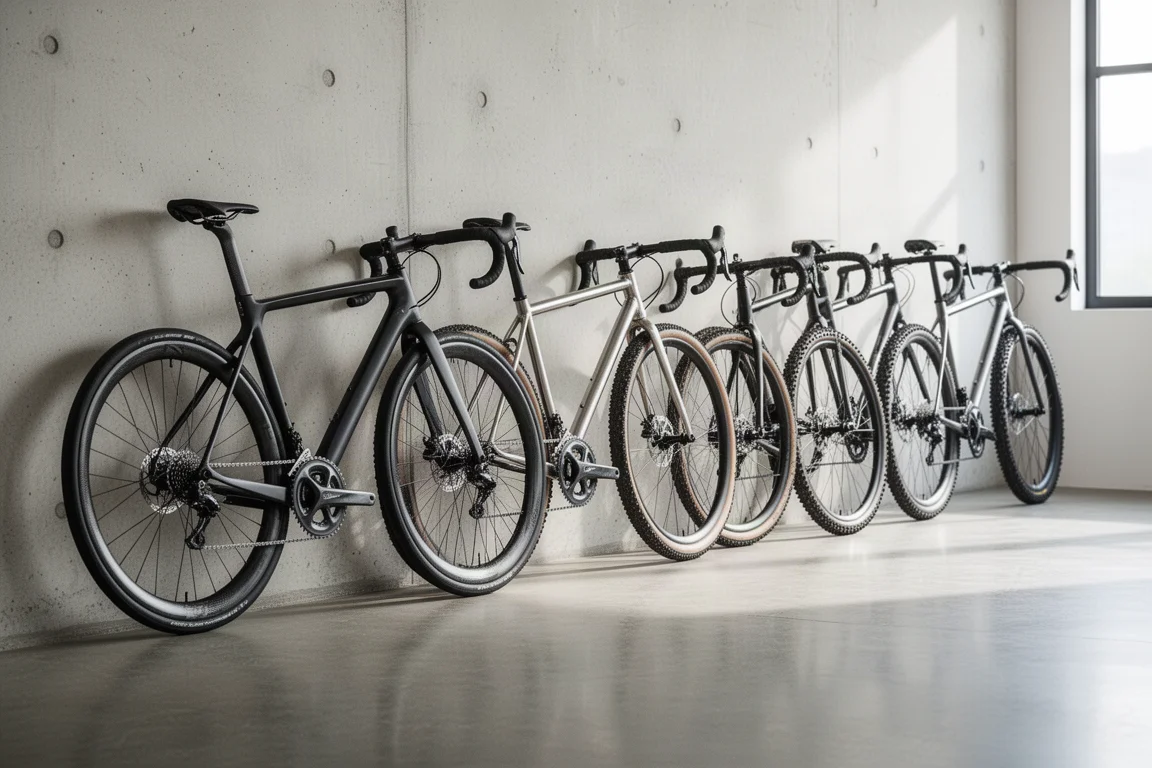
Every bike in this roundup arrived as a finished, personal build rather than a stock model. Some were assembled around a frameset that is no longer sold, some were bought second hand and upgraded over several seasons, and a few were deliberately pushed in directions the original designers may not have intended. The common thread is that each one shows how a rider thinks about their own riding.
This piece looks at six of them: an aero race frame from the UAE, a one-by endurance machine from Innsbruck, a value-focused race frame, a single speed cyclocross build, an aggressive cyclocross race bike, and a titanium all-rounder from Montreal. For each one, the interesting part is not the headline specification but the choices behind it.
How We Evaluated These Builds
The builds were judged on the things that shape ownership: whether the parts work together, whether the geometry and gearing suit the riding described, how the frame is likely to hold up over time, and how much of the cost sits in areas a rider will actually notice.
Finish quality, branding, and small details such as wheel decals and paint work also came into it, because those are the parts a rider looks at on every ride. Where a build leans on a component with a known reputation, good or bad, that was factored in as well.
Specialized S-Works Venge: Deep Wheels and Big Crosswinds
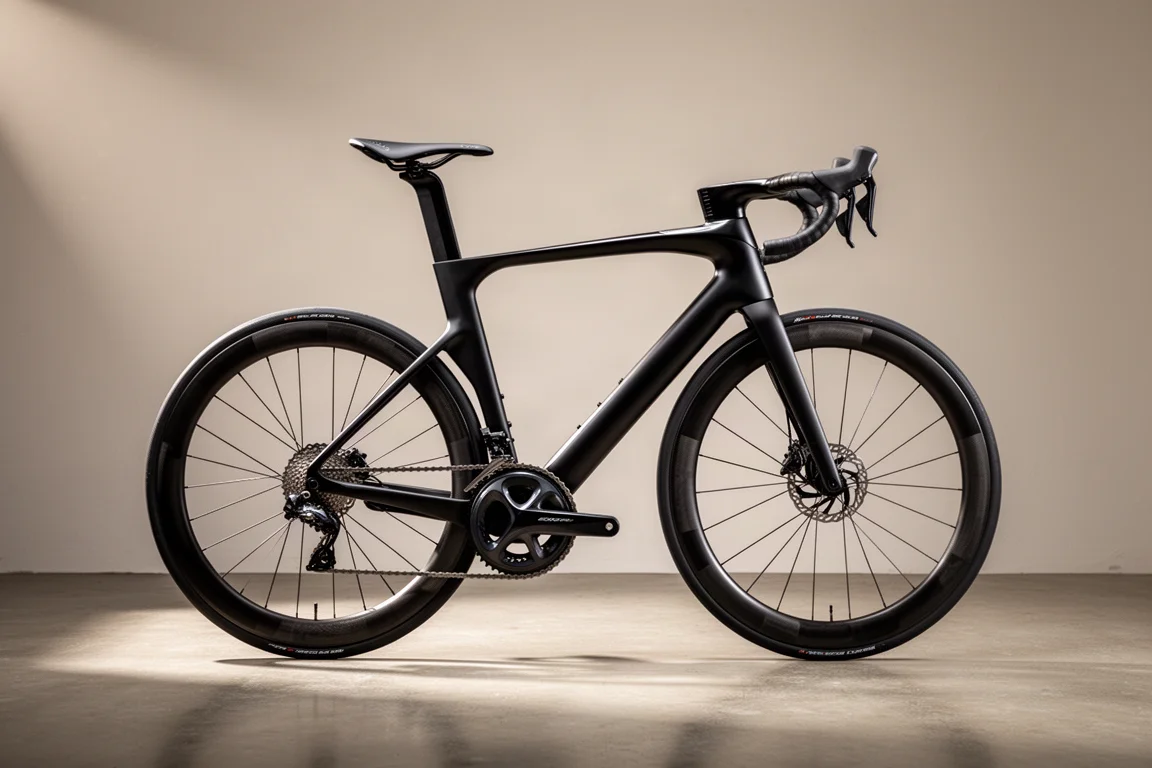
This build comes from a rider in the UAE who describes living on a flat sand pit with constant headwinds. The Venge is set up with disc brakes, deep section Roval wheels, an S-Works crankset, S-Works bar and stem, and what appears to be a Specialized saddle. The drivetrain mixes parts from different bikes, which suggests the frame was built up from what was available rather than bought as a complete bike.
Oversized ceramic jockey wheels are fitted to the rear derailleur. These are a well-known upgrade, but the performance gain is small relative to the cost, and they add visual bulk to the back of the bike. Deep wheels suit the flat, fast terrain described, though they bring practical drawbacks: strong crosswinds push the front end around, and deep rims usually need valve extenders or unusually long inner tubes to inflate. The wheelset here is also set up tubeless at the front and not at the rear, an unusual combination to keep on top of.
For a rider who wants an aero bike and does not mind the maintenance overhead, the Venge remains a fast, striking frame. For everyone else, the practical cost of deep rims on a windy, sandy route is worth weighing up carefully.
3T Strada: A One-By Frame With a Racing History
This Strada is built with a mechanical Force groupset in a deep blue, an added oversized pulley wheel system, new wheels, and a blacked-out drivetrain. The owner uses it for ultra distance riding and bikepacking, which is an interesting match for a frame designed around a single chainring and an aerodynamic, performance-first position.
The Strada’s history is worth knowing. A professional team raced an early version of this frame and it did not go smoothly: riders were adjusting to disc brakes at the same time, seatposts slipped badly enough that some were glued in place, and through axles on more than one bike worked loose while riding. Later versions are widely assumed to have addressed those problems, and this build appears to be a later frame. Even so, it is the kind of frame where a buyer benefits from checking the specific production year.
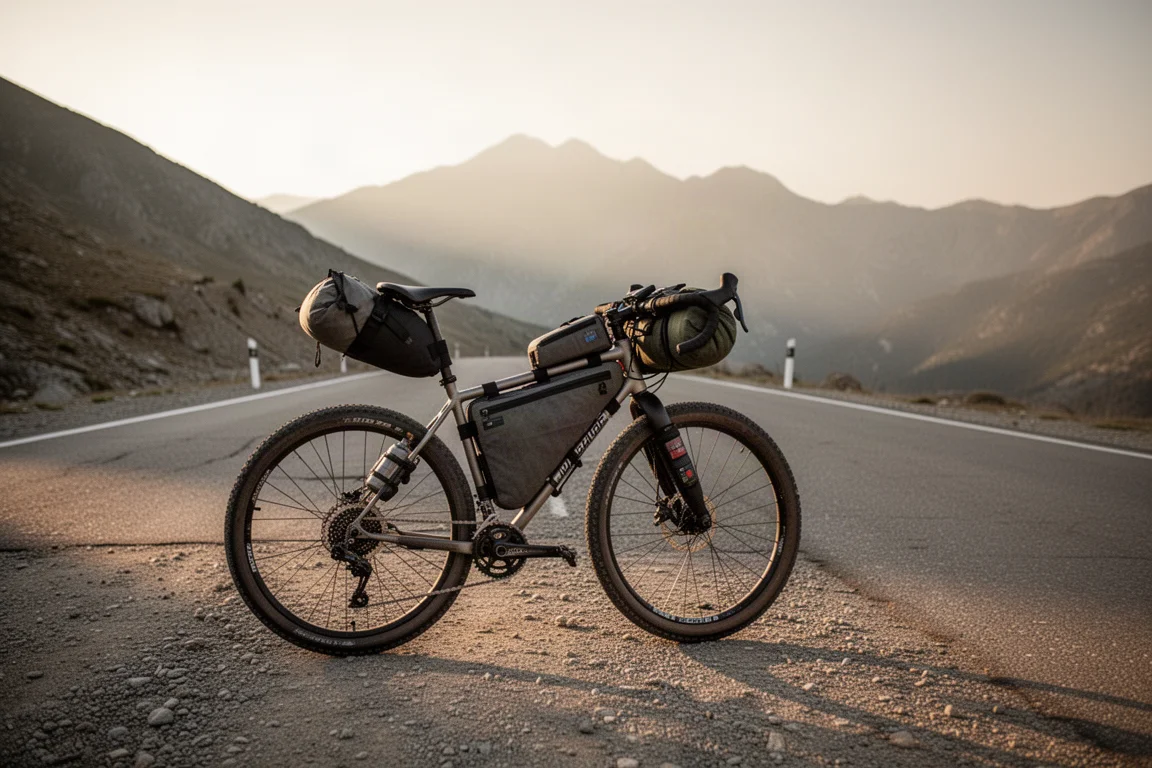
Two details stand out on this build. The first is the riding position, which looks long and low for ultra distance work. The second is a pair of mismatched tires, a common practical choice that still adds a small penalty in a discipline where rolling resistance and consistency matter over hundreds of kilometres. The oversized pulley wheel is a marginal gain that adds up over a two week ride, though not by much.
The frame has a distinct look, and its one-by layout is unusual enough to be memorable. As a performance bike pressed into endurance duty, it rewards a rider who knows exactly what they want from it.
Elves Falath EVO: Race Geometry at a Value Price
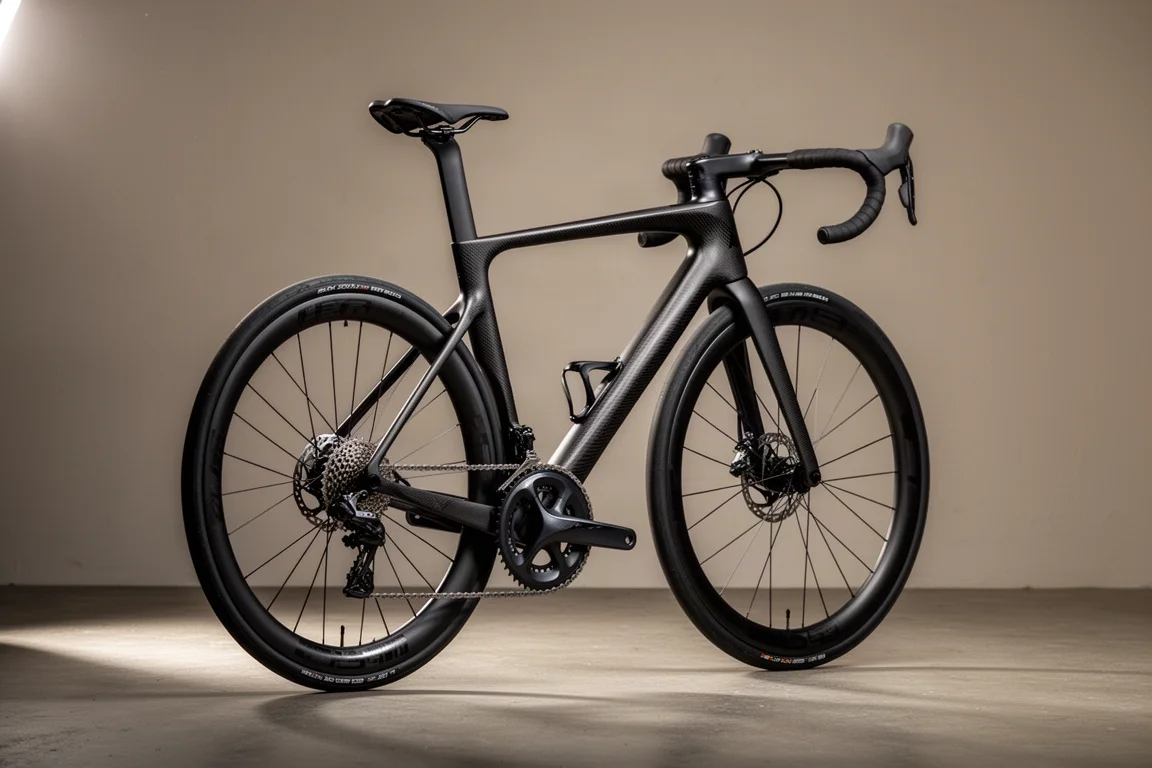
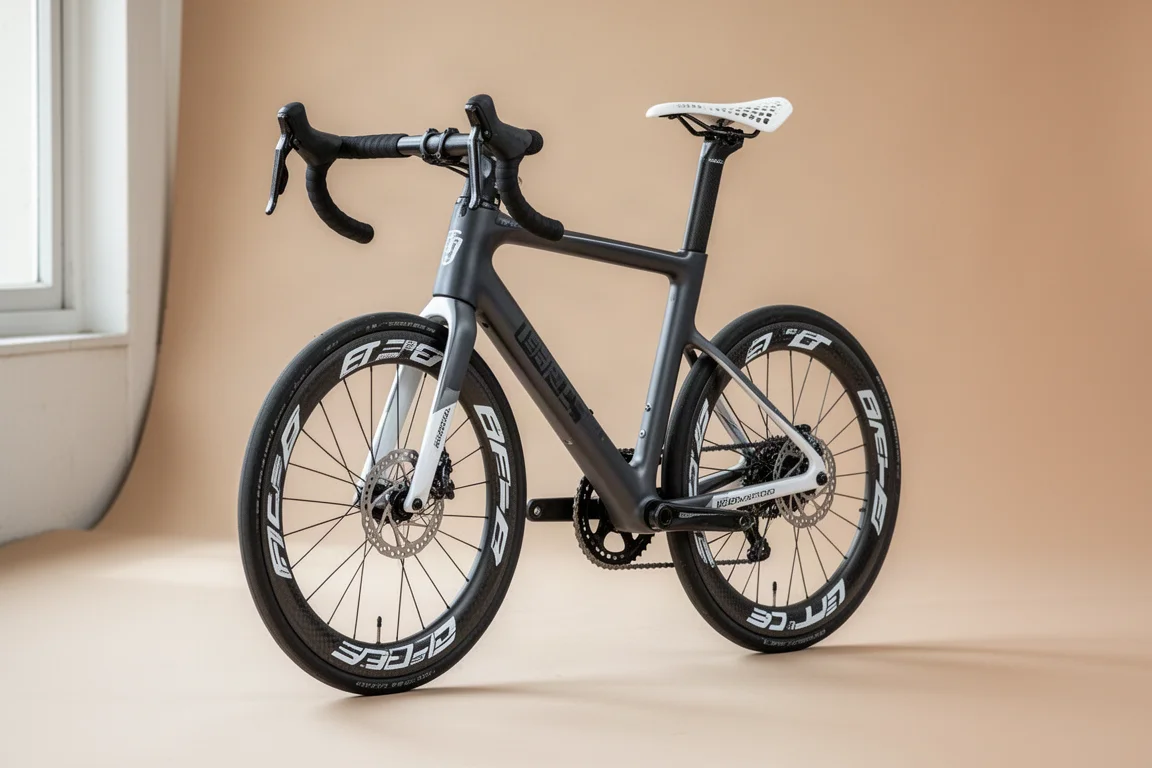
This is a 52 cm Falath EVO, built with 50 mm deep ORO wheels, Continental GP5000 tires in a 28 mm width, TPU inner tubes, a 3D printed Elves saddle, 12-speed Ultegra Di2, and Wahoo Powerlink Zero pedals. The complete bike weighs 7.8 kg, which is competitive for a build at this level. The owner rides for a Royal Air Force team and describes the bike as an absolute missile.
The frame uses an integrated bar and stem with very little seatpost showing above the frame, which points to a compact size suited to a smaller rider. The paint work and the white graphics on the wheels are a highlight: white decals on a rotating wheel create a clean circular effect at speed, and that works well here. The branding is applied generously, and the main logo sits low enough that the chainring partly covers it, which is a small design miss.
Value is the strongest argument for this frame. Similar race frames built in the Far East often cost about the same as a good alloy frameset, which changes the calculation for riders who race and expect to crash. Losing a bike at this price point hurts far less than losing a top-tier race frame.
The detailing on the top tube is a matter of taste. Tribal-style graphics are polarising, and because the top tube sits directly in the rider’s line of sight, that detail is impossible to ignore while riding. The saddle choice is similarly subjective. As a package, though, this is a fast-looking, well-specified race build at a price that makes racing less stressful.
State Bicycle Thunderbird SSCX: Single Speed, Gravel Ready
This Thunderbird SSCX was bought second hand and upgraded over time. It runs a single speed drivetrain with Hunt alloy gravel wheels, 38 mm Rene Herse tyres, a 36 tooth oval chainring, a rotating set of rear cogs for changing gear ratio, 38 cm alloy drop bars, and a Tioga saddle. The frame uses an eccentric bottom bracket, which rotates inside the shell to move the crank and take up chain tension.
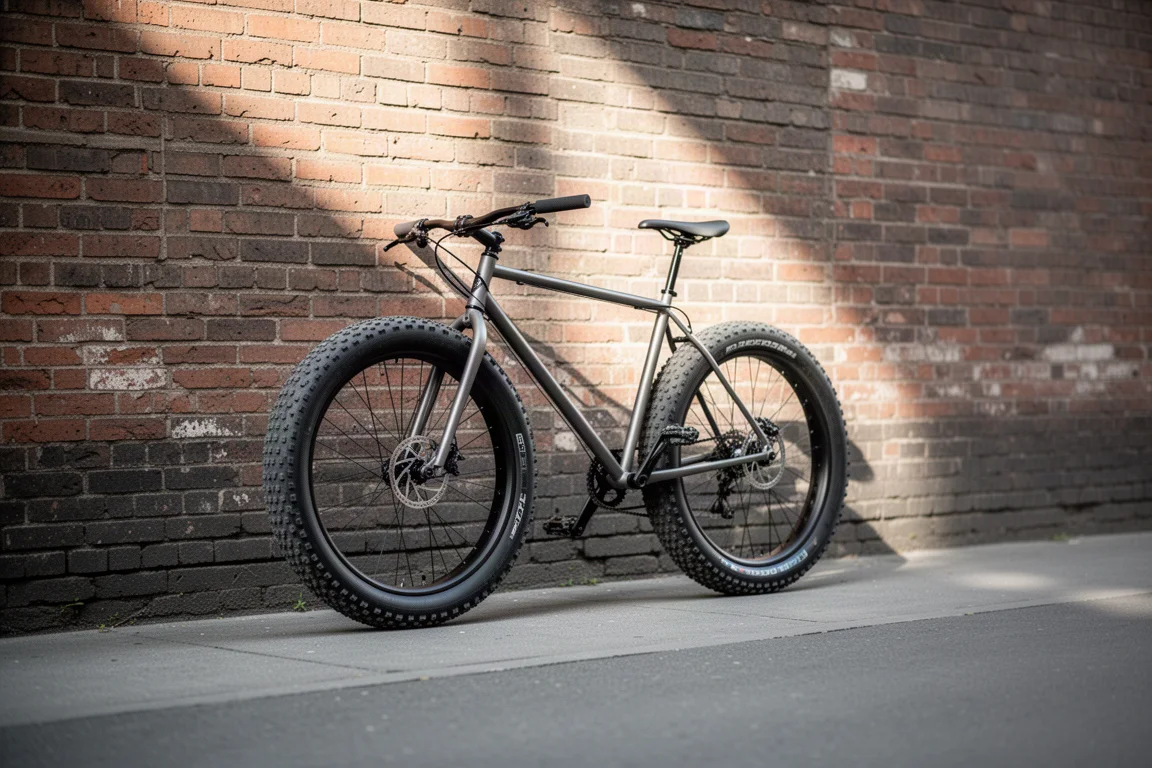
The eccentric bottom bracket is the detail that makes this build work. It allows chain tension to be set without a tensioner, and the owner notes that swapping rear cogs is quicker with a tensioner fitted, even though the frame does not strictly need one. A chain tensioner on a single speed does undermine the clean look that single speeds are valued for, so that trade-off is real.
The frame originally shipped with a rear derailleur dropout option, so gears can be added later. In practice, the build has stayed in single speed form. The owner entered a 32 mile gravel race with more than 4,000 feet of climbing in the first 17 miles as the only single speed entrant, which is a demanding use case for one gear.
For flat commuting, this is close to ideal. A single speed with wide gravel tyres and a light, responsive frame is fun, low maintenance, and quick through city traffic. For a hilly gravel race, most riders will want gears.
Cannondale SuperX: A Fast Frame With a Complicated Paint Job
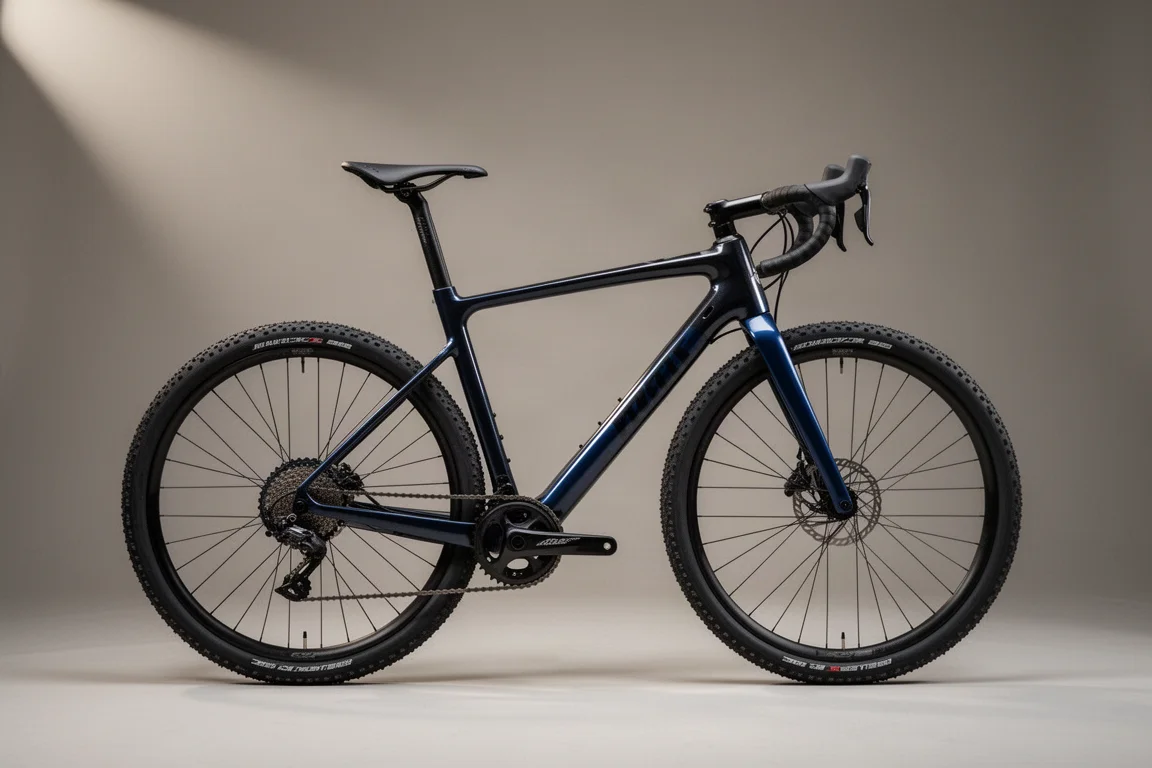
This SuperX runs a Force 1 groupset with wheels built from Hope RS4 hubs, Sapim CX-Ray spokes, and carbon rims from a Chinese brand. It also uses 40 cm bars, a 90 mm stem, XTR pedals, titanium Blackburn bottle cages, and an Exposure Blaze rear light.
The frame itself is a genuine cyclocross race platform, quick and aggressive in a way that suits racing. The paint is the sticking point. The original finish included blocks of green paint scattered across the frame to imitate mud, along with stripes, and that combination is hard to warm to. The owner resprayed it in a solid green, and the frame looks considerably better as a result. A plain high-visibility yellow with minimal branding would also have worked well.
There is one practical limitation worth knowing. The frame uses a tall conical headset top cap, which means the minimum gap between the frame and the stem is around 1.5 to 2 cm, so the front end cannot easily be set very low. A rider who wants a very aggressive position will find that frustrating, and aftermarket flush caps for this frame are hard to find. Removing the cap entirely is possible with a sealed bearing setup, but it exposes the bearing to dirt and water and shortens its life considerably, so it is not a sensible long-term choice.
Curve Belgie V3: Titanium With a Clean Identity
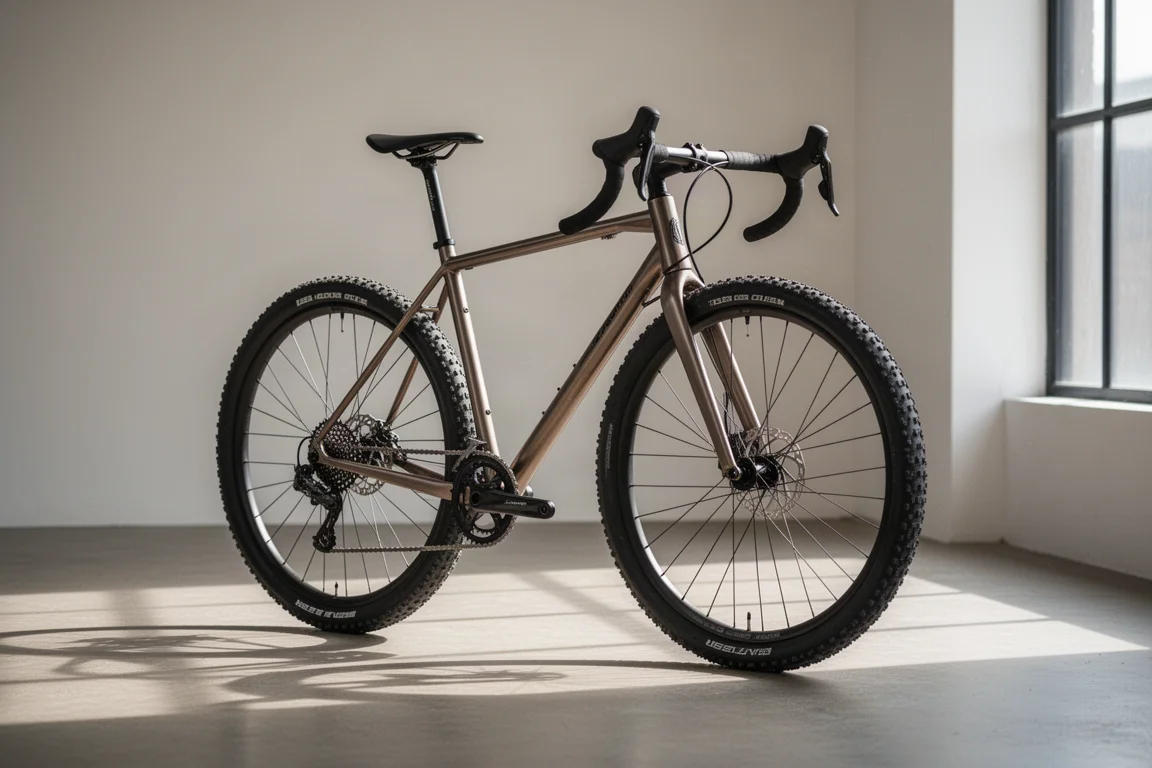
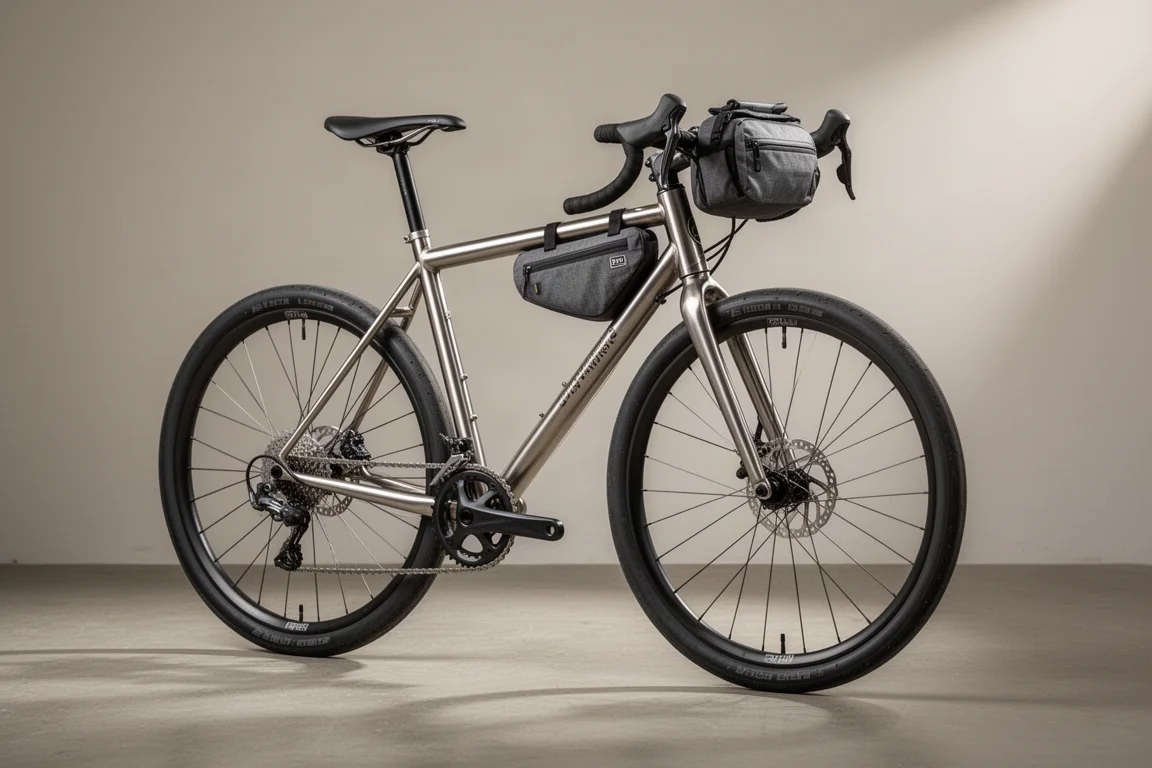
This Belgie V3 is based in Montreal and is built with Hunt Limitless 60 wheels, a one-by groupset, a mini frame bag, and a handlebar bag. The frame is titanium, and titanium frames from several Far East manufacturers share a very similar look, which makes it hard to tell one brand from another at a glance.
Curve’s design work is the differentiator here. The branding and logo are well executed and give the bike a clear identity that a generic titanium frame would lack. Whether that identity justifies the price difference over a comparable unbranded titanium frame is the main question a buyer has to answer.
Titanium has a strong following because it looks good, wears well, and needs little cosmetic care. Anodised finishes are a common point of interest, and it is worth knowing that anodising is a surface treatment rather than a permanent colour. It wears away with enough rubbing, which is why it is rarely applied to areas such as the rear of the top tube, where riders rest against the frame at traffic lights. An anodised finish can be sanded back and redone, but it still needs the same care as paint.
The build itself uses well-known components and a titanium frame from a maker with a long history, so there is little here that raises reliability concerns. The frame bag is very small, which limits how much can be carried without adding a larger bag.
Buying Advice: Matching the Build to the Riding
Across these six builds, the deciding factor is rarely the frame material or the badge on the down tube. It is whether the specification matches the riding.
For flat, fast terrain with steady wind, an aero frame with deep wheels makes sense if you accept the crosswind handling and the maintenance that deep rims require. For ultra distance and bikepacking, a frame designed around performance geometry can work, but a long, low position and marginal drivetrain upgrades matter less than comfort over two weeks. For racing where crashes are likely, a lower-cost race frame with modern geometry is a more sensible choice than a premium one. For commuting and mixed-surface riding, a well-built single speed with wide tyres is hard to beat. For a cyclocross race bike, geometry and handling come first, and paint can always be changed. For riders who want a durable frame with a distinctive look, titanium remains appealing, though the premium is often about design and branding rather than the metal itself.
Before buying any of these, check the details that caused problems in the past: the production year of a frame with a known early-run issue, the tyre and wheel setup, whether the front end can be set low enough for your position, and whether the gearing suits the terrain you actually ride. Each of these questions is easier to answer before money changes hands than after.
Conclusion
Each of these builds reflects a rider’s priorities more clearly than a stock bike would. The aero Venge leans into speed on flat ground, the Strada trades convention for a distinctive one-by setup, the Falath EVO delivers race performance at a price that makes racing less stressful, the Thunderbird shows how versatile a single speed can be, the SuperX is a genuine race frame held back mainly by its original finish, and the Belgie V3 pairs dependable titanium with strong design work.
None of them is a universal recommendation. The right one depends on your terrain, your position, and how much maintenance you are willing to take on.
Further reading
Related Reviews
Cycling
2026 Bike of the Year and the Cycling Gear Worth Watching
A drop bar roundup for 2026 covering the Ridley Kanzo Fast 2.0, Shimano Dura-Ace Di2 R9300, Trek Checkpoint ALR Gen 3, Specialized Tarmac SL9, Garmin Fenix 9 and Insta360 X6.
Cycling
Best All-Road Bikes 2026: Six Versatile Endurance Road Bikes Worth Considering
A practical look at six all-road and endurance road bikes, from lightweight carbon speed machines to steel all-rounders and comfort-focused mile eaters.
Cycling
Best All-Road Bikes 2026: 8 Endurance Bikes for Road and Light Gravel
Eight all-road bikes that blur the line between endurance road and light gravel, compared on tire clearance, ride character, practicality, and value.