Cycling Gear
Six Bike Products to Think Twice About Before You Buy
A practical look at six bike products with real trade-offs, from airless tires and puncture-resistant rubber to road pedals, a cargo trailer, and a tubeless repair tool.
Introduction
Most cycling gear earns its keep. A small number of purchases, though, turn into lessons worth passing on, because each one shows how a product can look excellent on paper and feel frustrating in practice. The six items below cover a wide spread of the market: airless tires, road pedals, heavily protected rubber, a cargo trailer, and a tubeless repair tool.
None of them is a bad product in absolute terms. Each has a clear job and a real trade-off, and understanding where that trade-off sits is the difference between a purchase you enjoy and one you regret.
How These Products Were Assessed
Four things matter most when judging gear that is meant to solve a specific problem: how it behaves in normal use, how much effort it takes to install and maintain, what it costs over its lifetime rather than at the till, and how it performs when something goes wrong out on the road.
A product can score well on one of those and poorly on another, which is exactly what happens with the items below. Ride quality and puncture resistance, for instance, pull in opposite directions. So do low weight and long-term durability.
The other pattern worth noting is that price and satisfaction are not the same thing. Two of the products here are genuinely well made and still ask for a compromise, while others simply cost more than the job they do.
Tannus Solid Tires: Puncture-Free but Harsh
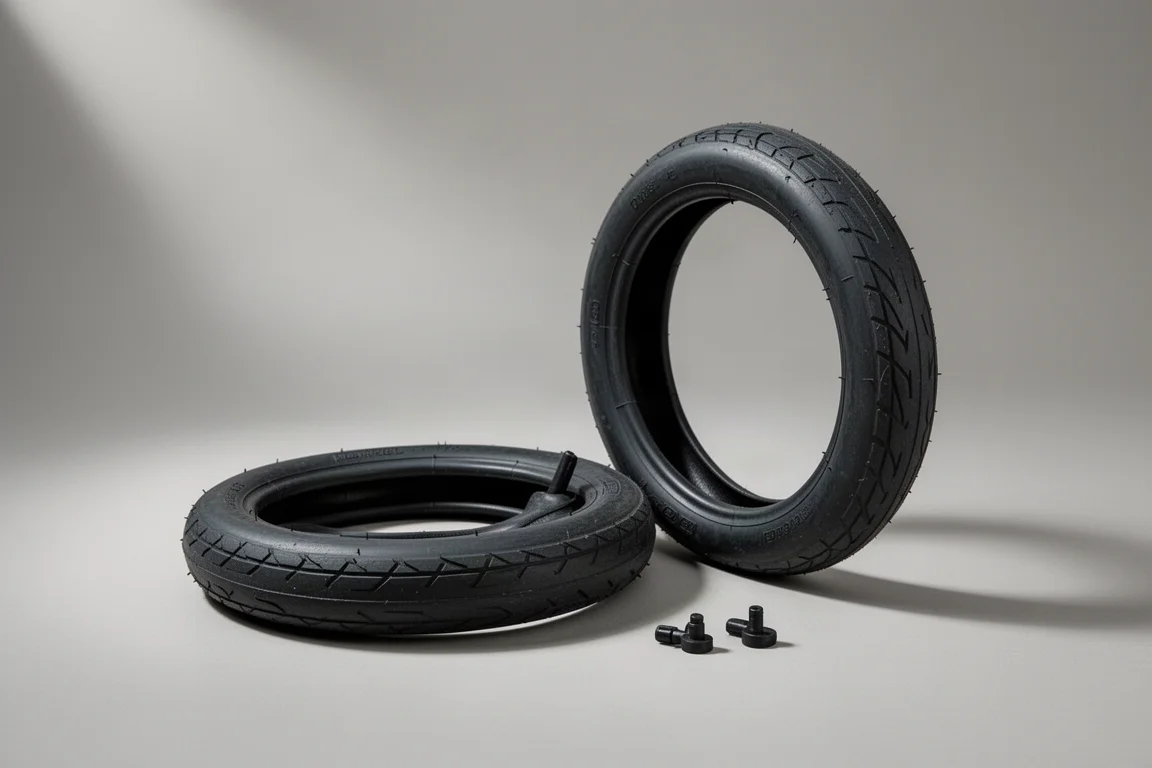
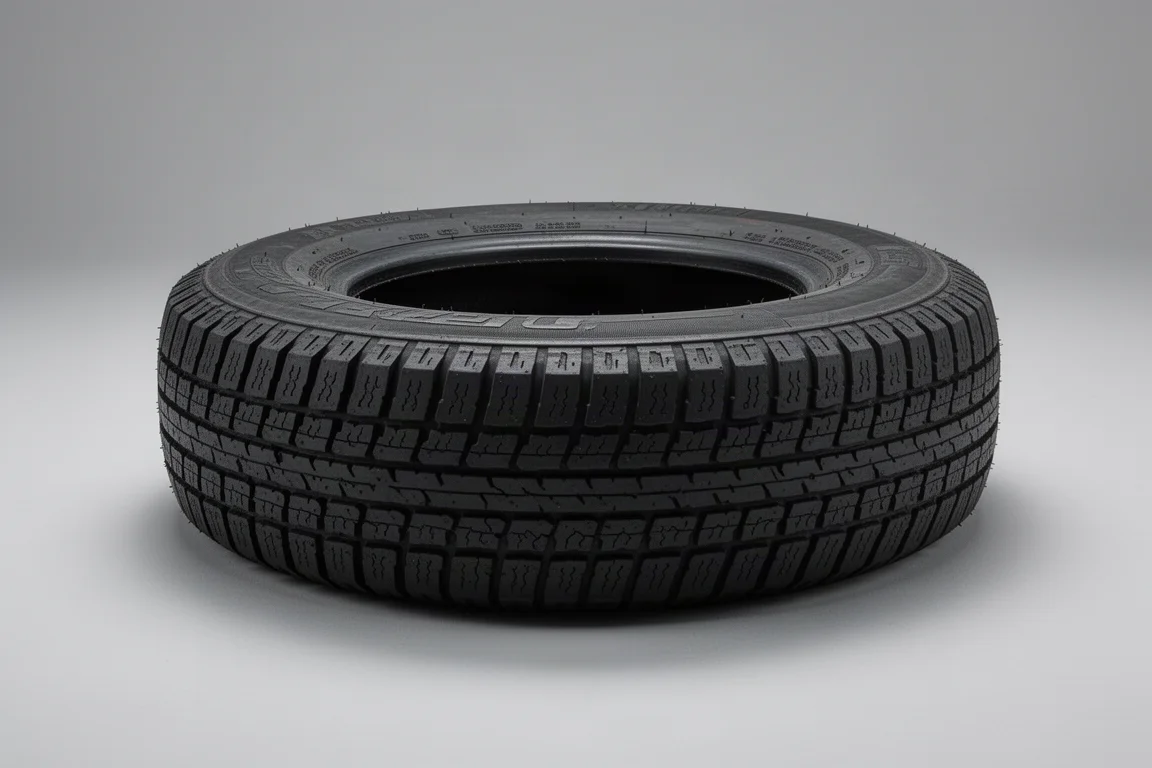
Solid tires exist, and they do exactly what the name promises. With no air inside, there is nothing to puncture, which is a real appeal for riders whose trips are short and who cannot afford a flat.
The cost is ride quality. Air is what gives a tire its cushioning, and removing it turns every bump in the road into a direct hit through the frame. Solid tires are a bone-shaking experience, and some designs add holes in an attempt to soften the ride without much success.
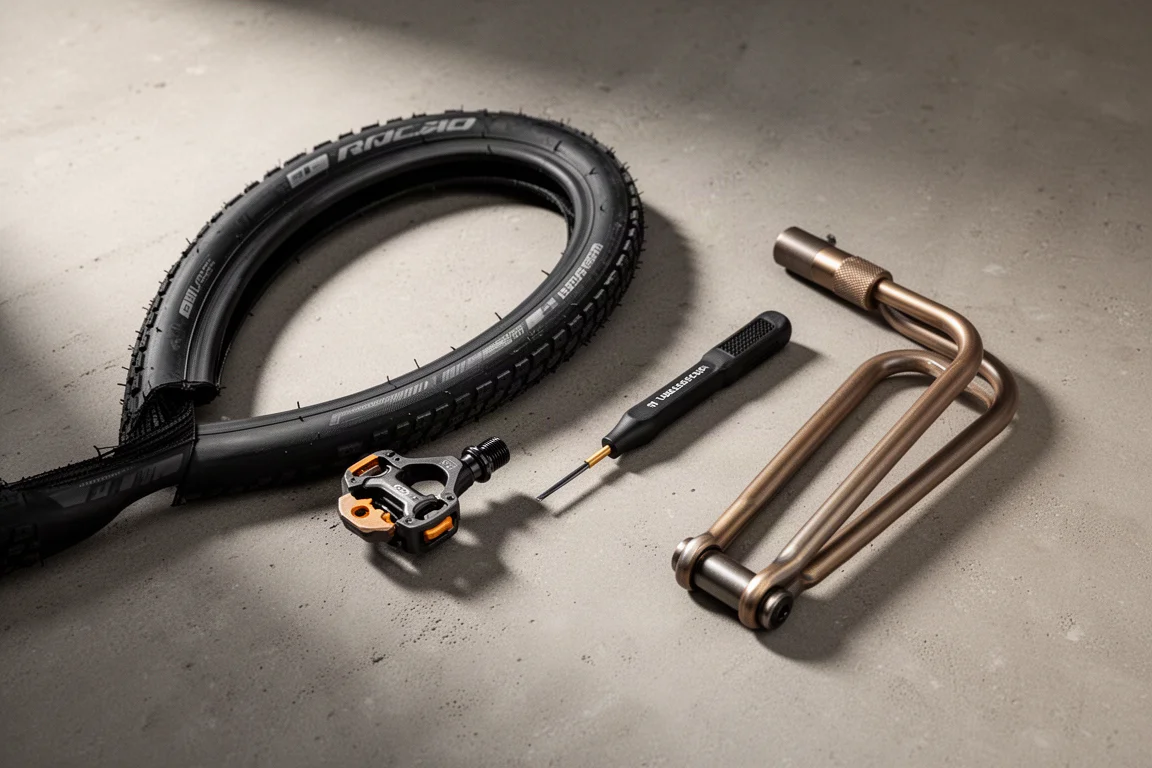
Installation is the other hurdle. The most established solid tire designs use small plastic inserts that sit around the rim and hold the tire in place so it cannot work loose while riding. Fitting the tire over those inserts takes serious leverage and a lot of hand strength, far more than a standard tire change. Some cheaper solid tires skip the inserts altogether, which makes them easier to fit but leaves open the possibility of the tire coming away from the rim.
Speedplay Pedals: Cleat Costs Add Up Over Time
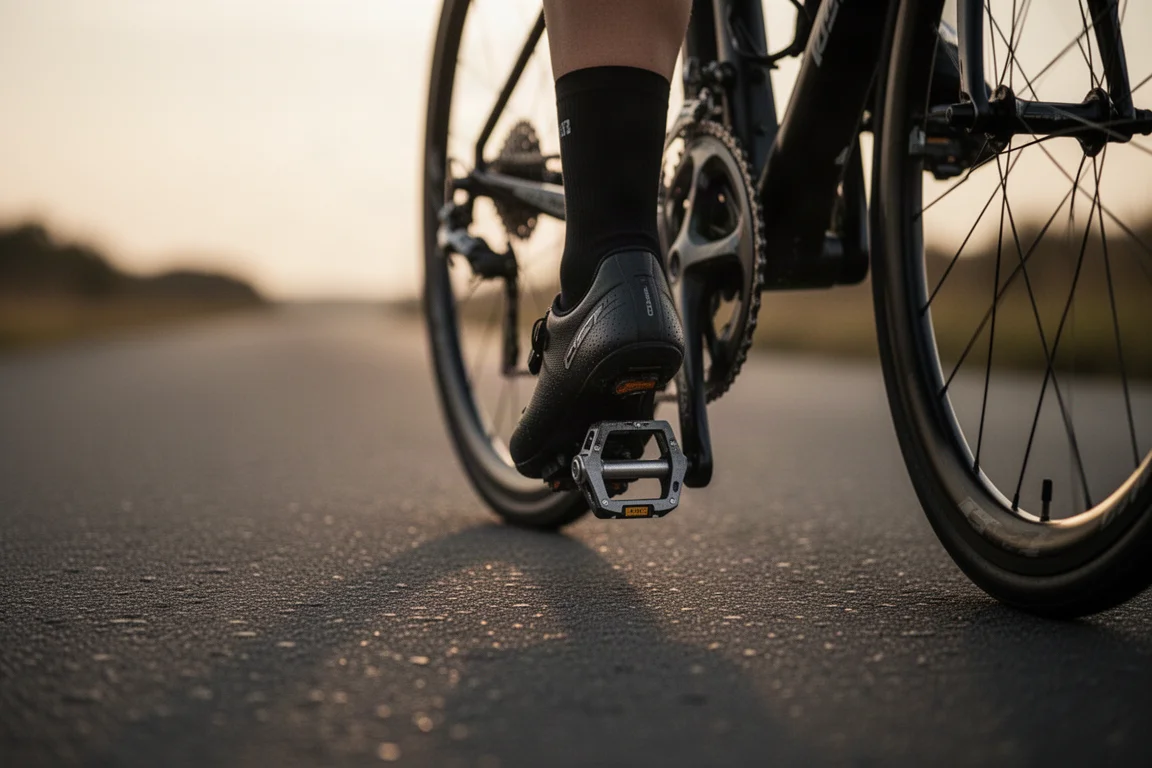
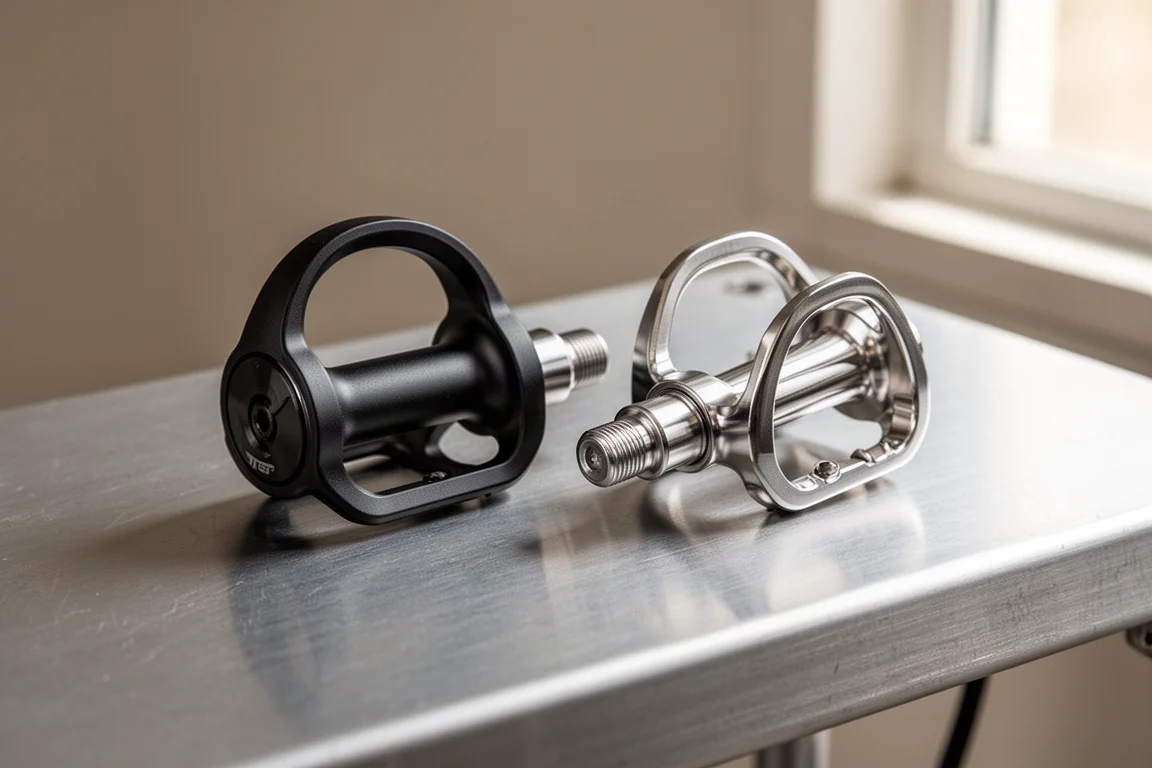
Speedplay pedals invert the usual arrangement. The pedal body is small and light, and the mechanical fastening lives in the cleat that bolts to the shoe. The design brings real advantages: entry is double-sided and generally easier for newer riders, the pedal bodies can be serviced by pushing fresh grease into the axles, the stack height is low enough to pedal through corners, and the range of adjustment is wide, with longer axle versions available for riders working through bike fit issues.
The catch is the cleat. Replacement cleats are expensive, and walking in cycling shoes wears them down quickly. Once a cleat is slightly worn it develops lateral rock, the side to side movement that a fixed position is supposed to eliminate. For some riders that movement is unnoticeable. For others it shows up as knee pain, which is a steep price for a pedal that already costs a lot to run.
The system is now owned by Wahoo, and the current generation may well address some of these points. The underlying lesson stands: with any pedal system, budget for cleats, not just pedals.
Continental Gatorskin Hardshell: Protection With a Stiff Ride
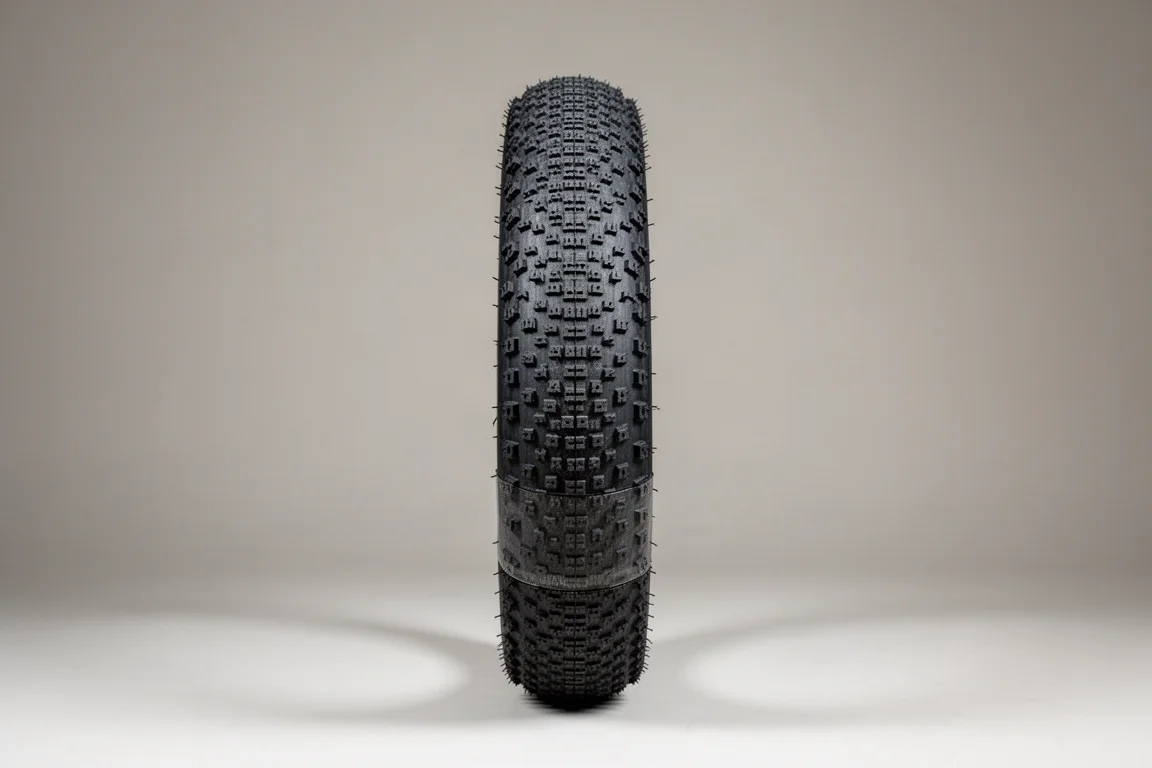
Continental builds a wide range of tires, and the Gatorskin Hardshell sits at the durability end of the range. Puncture protection is its entire reason for existing, and on that measure it delivers. This is one of the most resistant tires you can fit to a road bike.
That protection comes from a stiff, heavily reinforced casing, and you feel it on every ride. The Hardshell is even firmer than the standard Gatorskin, and it is notoriously difficult to fit and remove from a rim. If you do flat at the roadside, expect a long stop and sore thumbs.
Whether the trade is acceptable depends entirely on how you ride. If a puncture means missing a ferry or arriving late to work, the stiffness is a fair price. If you ride for pleasure on good roads, there are more comfortable ways to spend the same money.
Schwalbe Marathon Plus: Tough, Heavy, and Hard to Fit
The Marathon Plus follows the same philosophy as the Gatorskin Hardshell: maximise puncture resistance, accept the consequences. It has earned a reputation as one of the most flat-resistant tires available, and for commuting and touring that reputation is well deserved.
The consequences are weight and feel. A Marathon Plus turns a responsive bike into something noticeably slower, and it is one of the hardest tires to get on and off a rim. Riders who rarely flat will not mind. Riders who do flat will remember it.
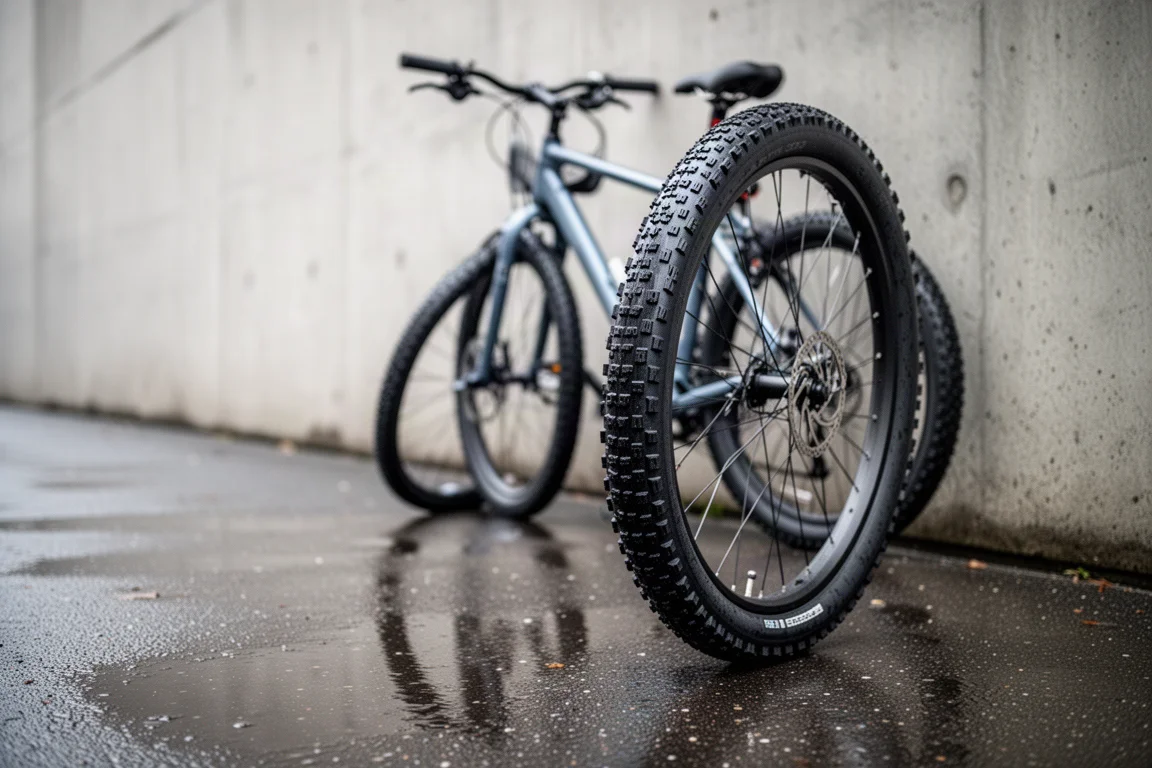
There is a broader point here that applies to any heavily protected tire. The protection works, so the question is not whether the tire is good but whether you are willing to trade ride quality and roadside convenience for it. For high-mileage commuting and loaded touring, many riders happily make that trade. For weekend performance rides, most do not.
Burley Two-Wheel Bike Trailer: Handles Like a Normal Bike
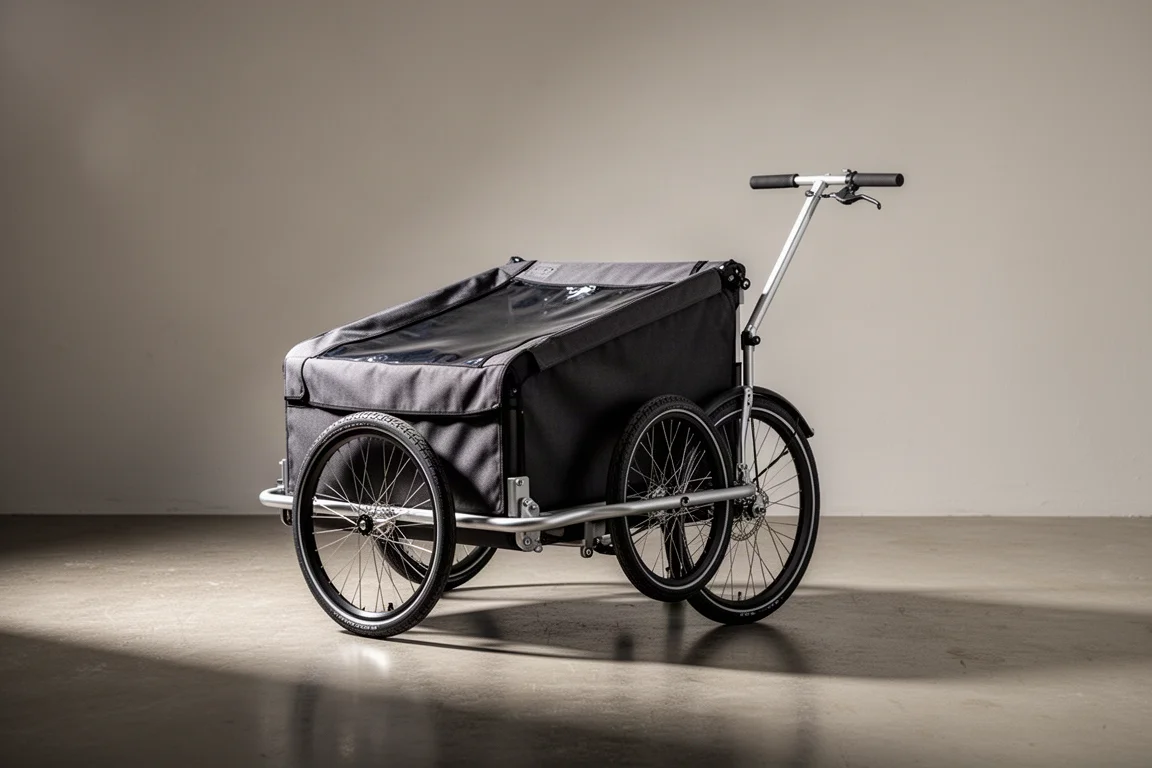
Trailer design matters more than most buyers expect. A single-wheel trailer with any significant weight in it pushes the towing bike around and can feel unstable, which limits it to very small loads.
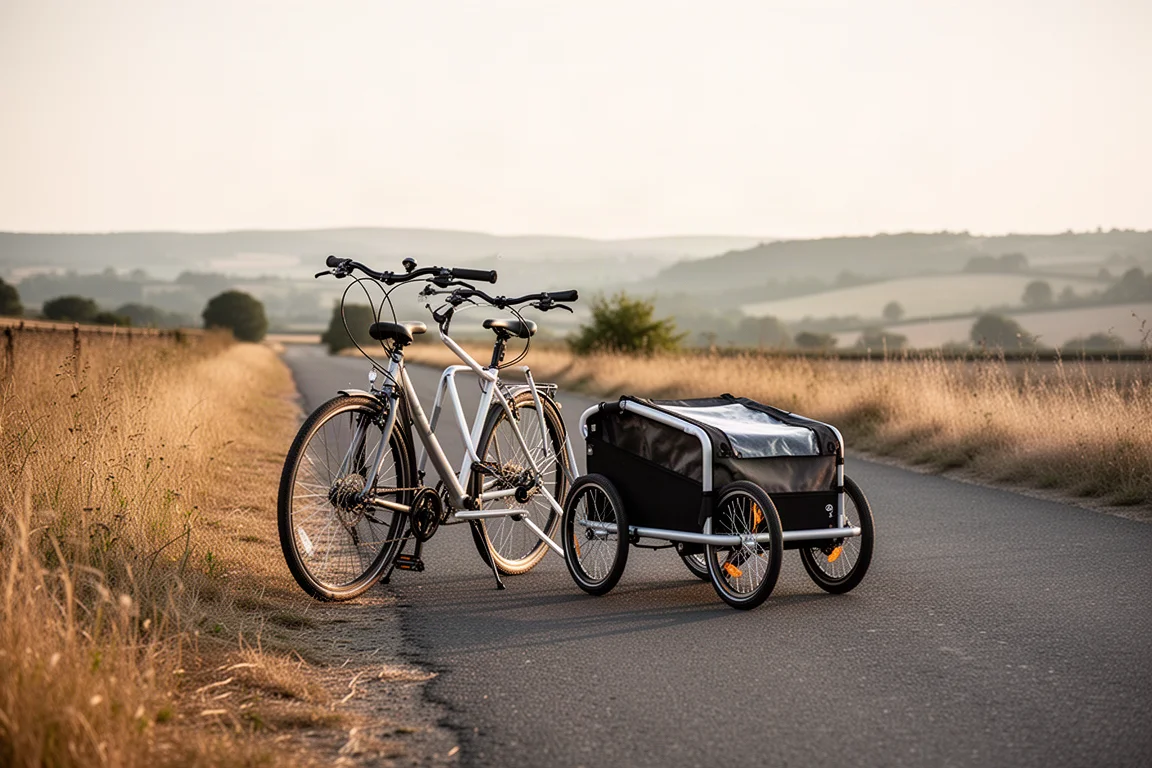
Two-wheel trailers solve that with an articulated arm that attaches to one side of the rear axle. The bike still steers and handles like a normal bike, you are simply travelling a little slower. Burley builds its trailers to a very high standard, and a two-wheel model is the sensible choice for carrying children, dogs, or heavier cargo.
Stan’s Dart: A Tubeless Plug That Needs a Backup
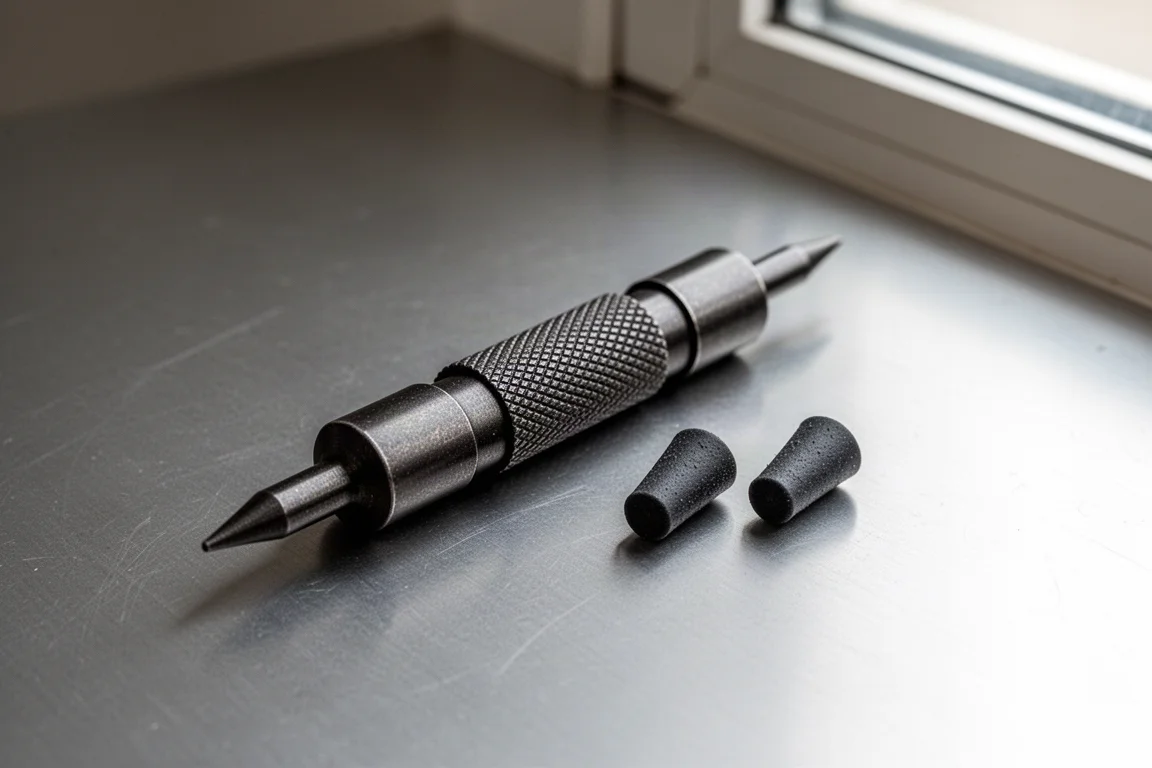
Stan’s has a strong reputation for tubeless sealant, so the Dart plug tool arrives with high expectations. It is a double-ended tubeless plug with a premium price tag, and the concept is sound: two chances to seal a hole without removing the wheel.
In practice the tool fell apart during use, and the second end behaved the same way. The repair was eventually made with a simple rubber worm and a standard tubeless plug tool, which costs far less and has proven dependable. The Dart also ships with only two plugs, and replacements are sold separately, so the running cost adds up.
Tubeless repair is one area where simple and inexpensive tends to win. A basic plug tool and a handful of rubber worms take up almost no space and get the job done.
Buying Advice: Match the Product to the Riding You Do
Every product above is a solution to a specific problem, and the problems are narrower than the marketing suggests. Before buying, name the problem in one sentence. “I keep flatting on my commute” leads to a very different purchase than “I want a faster feel on weekend rides”, even though both are about tires.
It also helps to look past the purchase price. Pedals need cleats, plug tools need refills, and puncture-resistant tires can cost you time at the roadside. A product that is cheap to buy and expensive to own is rarely the bargain it appears to be.
Finally, be wary of the first generation of any new technology. Letting other riders find the flaws is a legitimate strategy, and it is usually cheaper than being an early adopter.
Conclusion
None of these six products is universally bad. Solid tires remove punctures at the cost of comfort, Gatorskin Hardshell and Marathon Plus tires trade ride quality for protection, Speedplay pedals ask for expensive cleats, two-wheel trailers trade speed for stability, and a tubeless plug tool should never be the only repair you carry.
Buy for the riding you actually do, budget for the parts that wear out, and the gear you choose will keep earning its place in the workshop.
Further reading
Related Reviews
Cycling Gear
8 Cycling Products Riders Keep Coming Back To
Eight cycling components and accessories with clear strengths, honest trade-offs and long-standing reputations among riders and mechanics.
Cycling Gear
Aero Helmets and Bottle Setups Tested: Six Options Ranked by Measured Watt Savings
Wind tunnel data on six aero helmets and bottle setups, with real watt savings, practical trade-offs, and guidance on what is worth buying first.
Cycling Gear
Aero Road Bikes and Fast Tires Worth Watching in 2026
Four aero road bikes and one fast road tire, with the real strengths, the open questions, and what to check before you buy.