Cycling
Six Bike Builds Reviewed: Gravel, Road, Steel and Hybrid Picks
Six real-world bike builds, from a tidy gravel setup with a short-travel dropper post to a steel crit bike and a comfortable budget hybrid.
Introduction
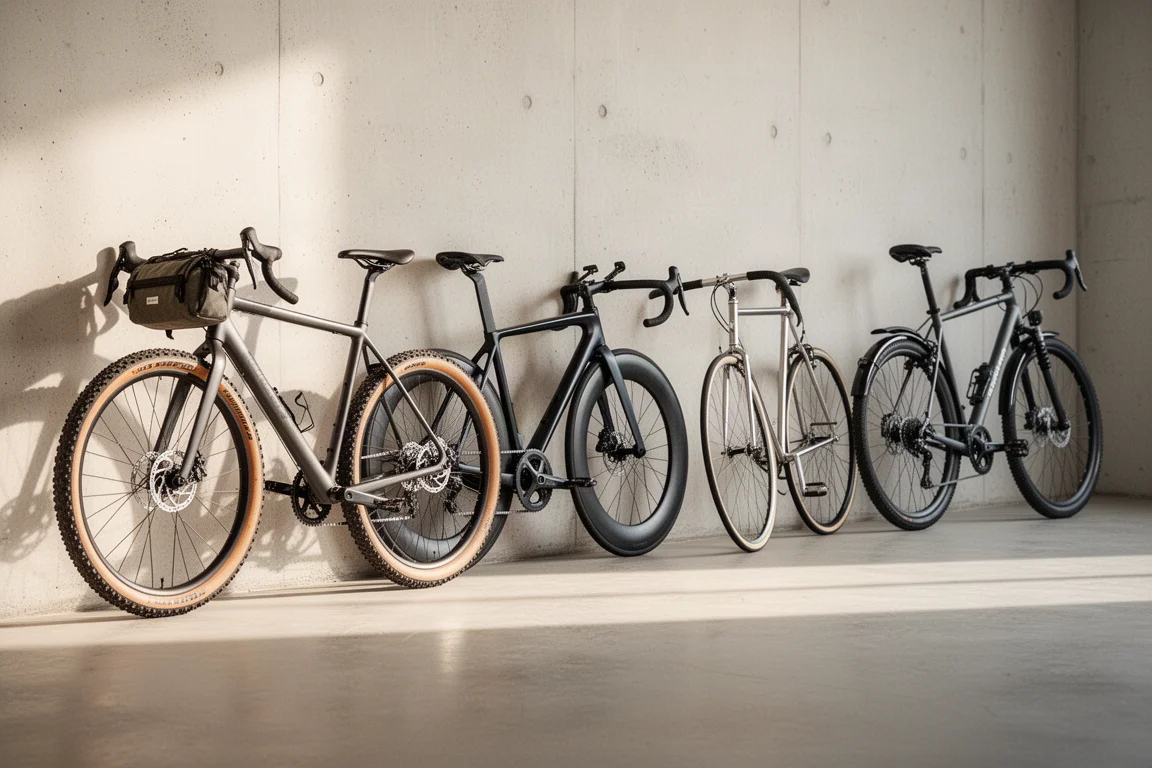
A well-chosen bike rarely looks like the one in the advertisement. It looks like something that has been adjusted, upgraded and ridden until it fits the person on top of it. The six builds below cover gravel, aero road, steel criterium racing and everyday hybrid riding, and each one shows a different way of getting good value out of a bike.
Some are carefully thought-out builds with upgraded wheels and drivetrain parts. Others are simply comfortable, affordable bikes that make their riders want to go out more often. Taken together, they are a useful reminder that price and enjoyment are not the same thing.
How We Judged These Bikes
The starting point for each bike is how well it suits the riding it is meant for. A gravel bike with clip-on aero bars makes sense for a 300 km race and less sense for a technical group ride. A suspension fork on an inexpensive hybrid softens the ride but adds weight. A steel crit bike with a 1x drivetrain can be genuinely quick, as long as the fit works for the rider.
From there, the details matter: drivetrain quality, wheel and tire choices, cockpit setup, and whether each upgrade solves a real problem or just adds cost. None of these bikes are judged against a professional race standard, because that is not what most riders need.
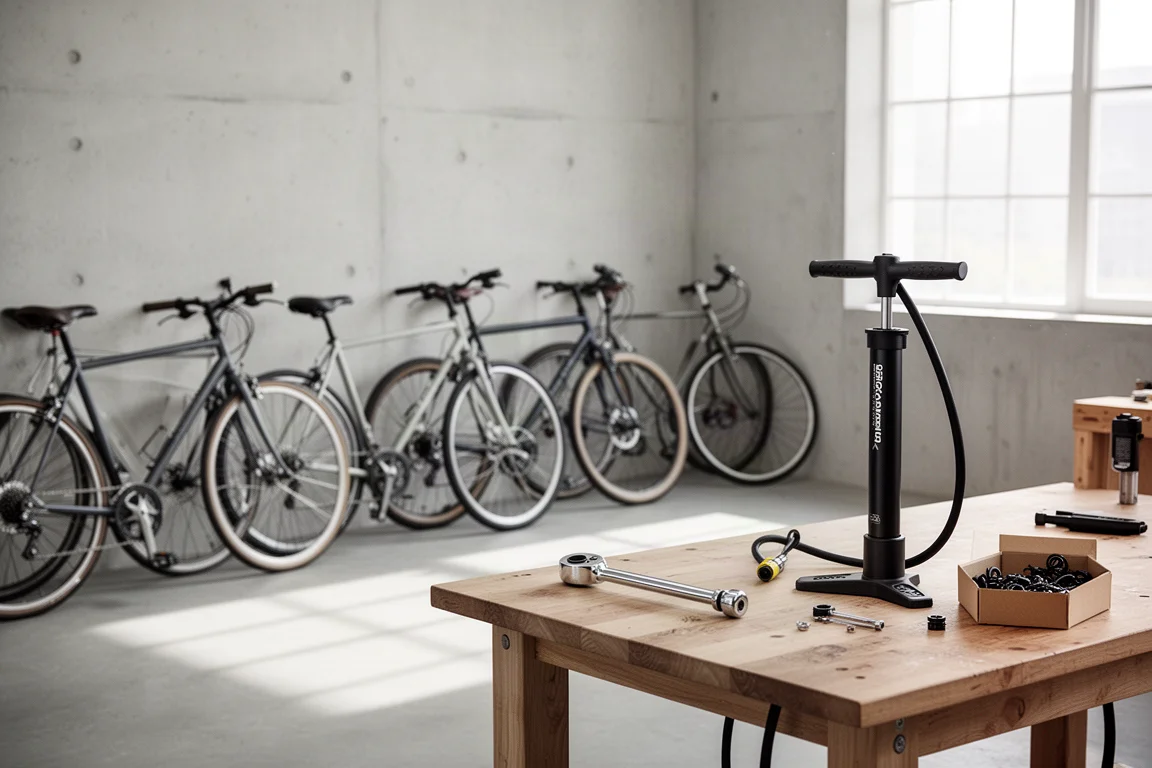
The most useful question is whether the money went where it counts. Upgraded wheels, a better crankset or a dropper post that improves control on loose descents will usually earn their place. A part that only adds weight or complexity is harder to justify.
Genesis Fugio
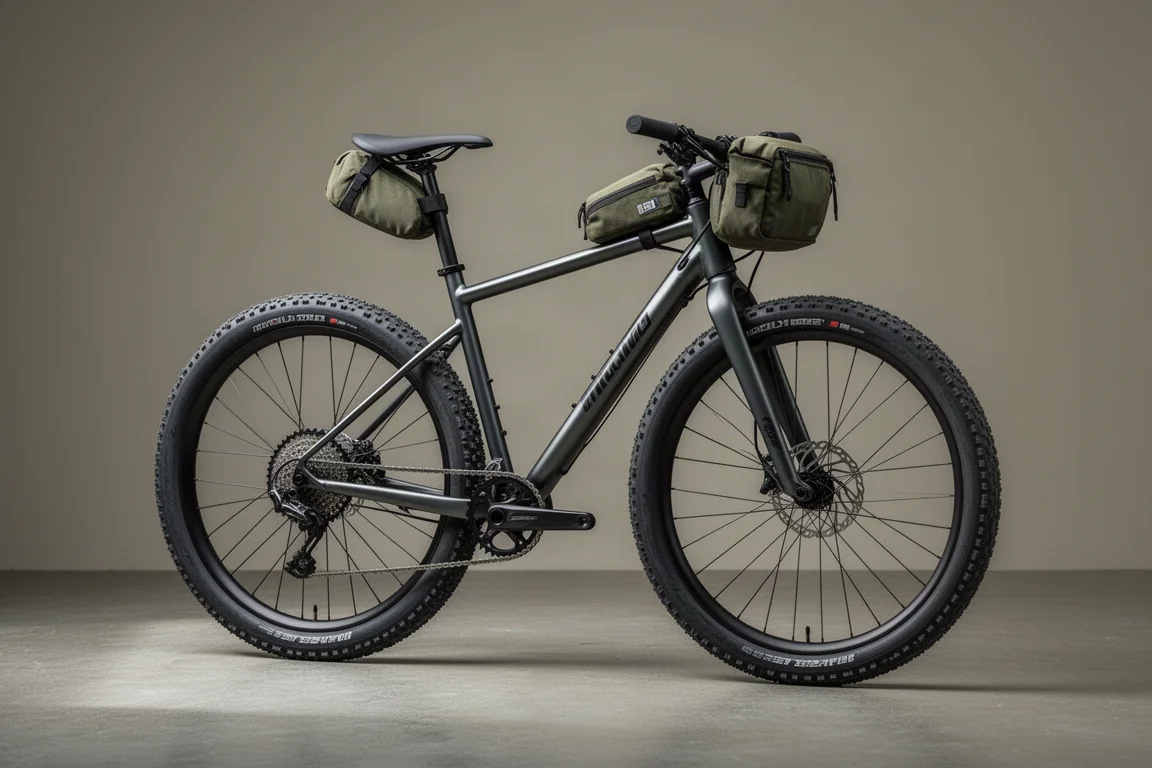
The Fugio is a gravel build with WTB gravel tires, a 1x GRX drivetrain, a bar bag on the front and a saddle bag behind. The cockpit is not slammed, and the whole thing reads as a carefully assembled bike rather than a collection of parts. There is also a hint of 1990s mountain bike about it, which is meant as a compliment.
The interesting detail is the short-travel dropper post. It is easy to dismiss a dropper with very little drop as a gimmick, but on a gravel bike the geometry does not push the rider back into a stable off-road position the way a mountain bike does. Even a small amount of saddle drop can free up movement and lower your centre of gravity on steep, loose descents, and that matters if you spend your time on rough surfaces rather than smooth fire roads.
Wide tires and that dropper post point to a rider who expects to meet loose ground regularly, and the neat, unfussy build should hold up well to that kind of use.
Cannondale Topstone
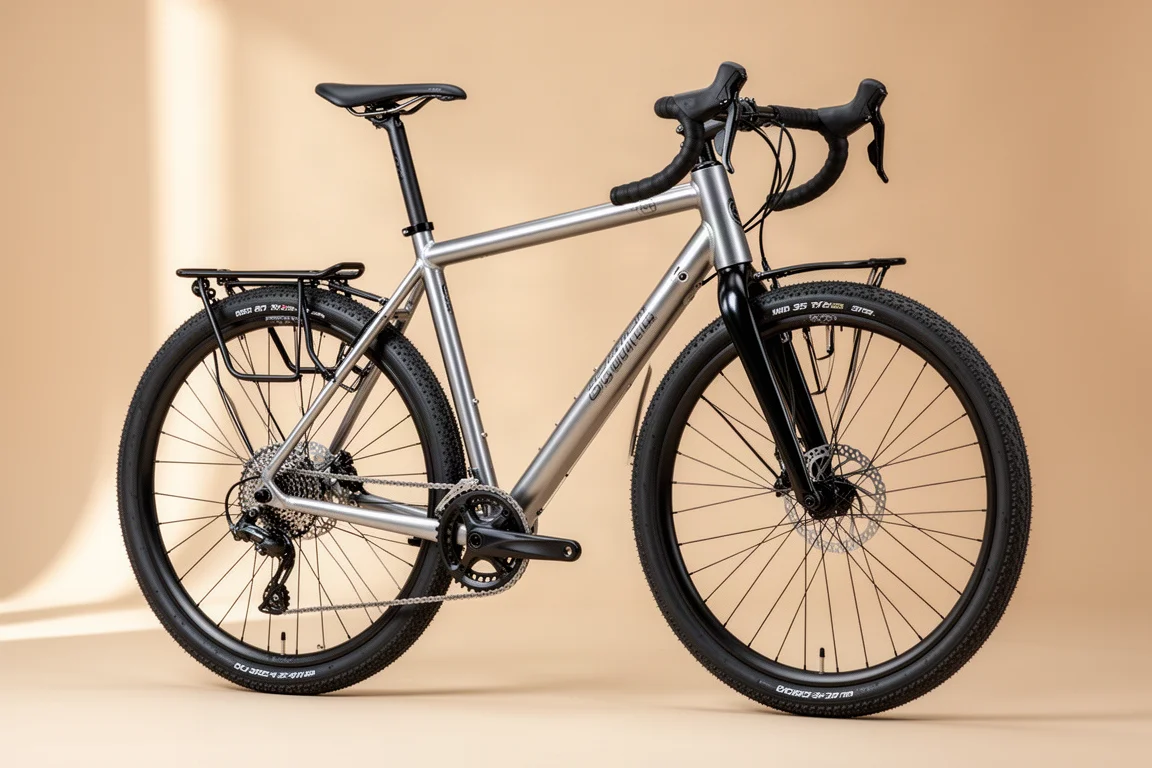
This 2023 Topstone uses an aluminium frame, which keeps the cost sensible while still giving the bike the drop-stay look of a road machine. The GRX cranks replace the stock FSA units, the gravel wheels are carbon, and there is a carbon seat post and a set of inexpensive but comfortable bars.
The clip-on aero bars were added for a 300 km gravel race in the Scottish Borders, which is a sensible choice for an event that long. They are not part of the everyday setup. It is worth remembering that aero bars move your hands away from the brakes, so they are best used when you are clear of other riders rather than in a bunch.
One thing this build does not have is the Kingpin suspension used on some Topstone models. That keeps the bike simpler and lighter, but it means tire pressure does more of the comfort work.
Specialized Venge Pro
The Venge is a discontinued aero road platform, and this Pro build sits below the S-Works version in the range. It runs 11-speed Ultegra Di2, Roval wheels with hooked rims, and a Specialized Power saddle with a few stickers on it. The tan-wall tires split opinion, as tan walls always do.
The wheels are worth a mention. Roval is one of the few brands that has stuck with hooked rims and lists that as a selling point, at a time when hookless rims have attracted plenty of discussion. For some riders that alone is a reason to look closer.
This is a fast bike, and a retail price of around £6,250 makes it a serious purchase. It suits flat, fast roads more than hilly terrain, and the 11-speed crank on this generation is worth checking before buying used.

As a second-hand proposition it makes more sense than it did at full price, particularly if you want Di2 shifting and an aero frame without paying current flagship money.
Cinelli Vigorelli
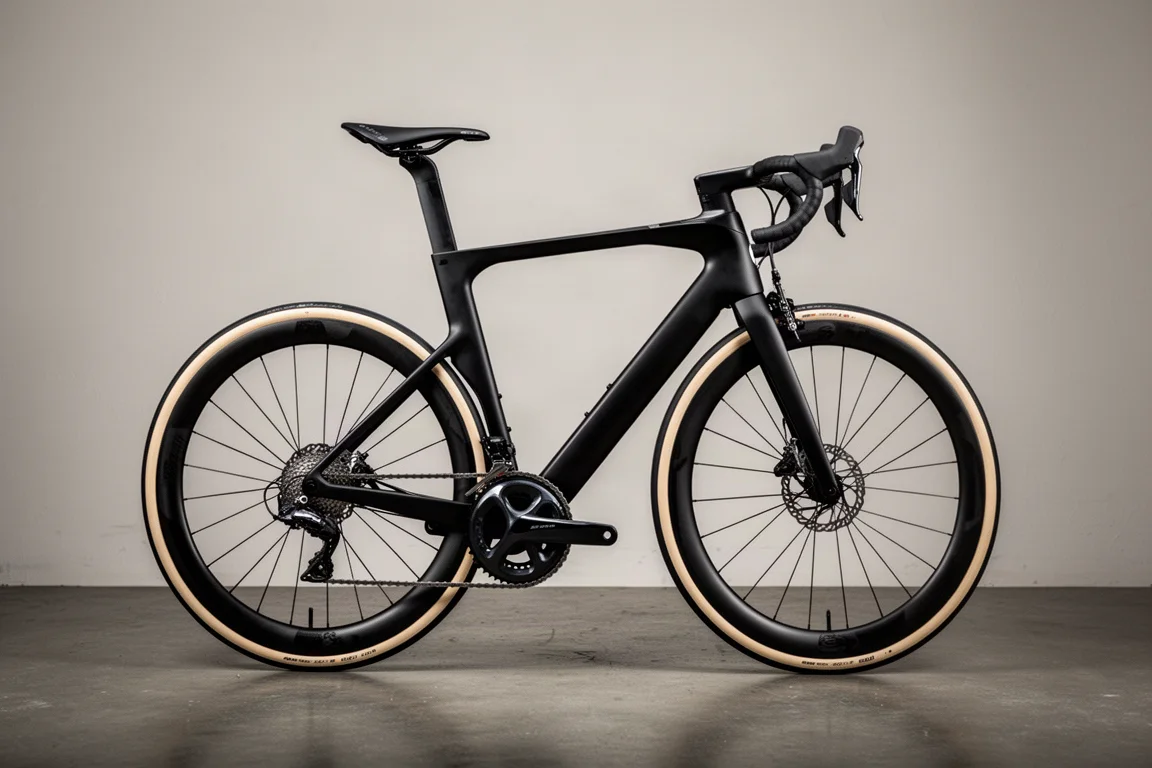
This is a steel Vigorelli in a size 59 frame, built for crit racing and proven over a 350 km road race. The frame is paired with a Columbus carbon fork, an Enve aero bar measuring just 38 cm across, a 130 mm Enve stem, an Enve seat post and a Pro Stealth saddle. The wheels come from a Norwegian brand and the drivetrain is a 1x12 SRAM Rival AXS setup with a SRAM Force crank.
The result is aggressive and purposeful, with a short wheelbase and silver chainring details that lift an otherwise dark frame. A 1x drivetrain makes sense for criterium racing, where simplicity and chain security matter more than a wide gear range.
The main caveat is fit. A 38 cm bar and a long stem suit a very specific rider, so this is a bike built around one person rather than a broad range of buyers.
Carrera Crossfire 2
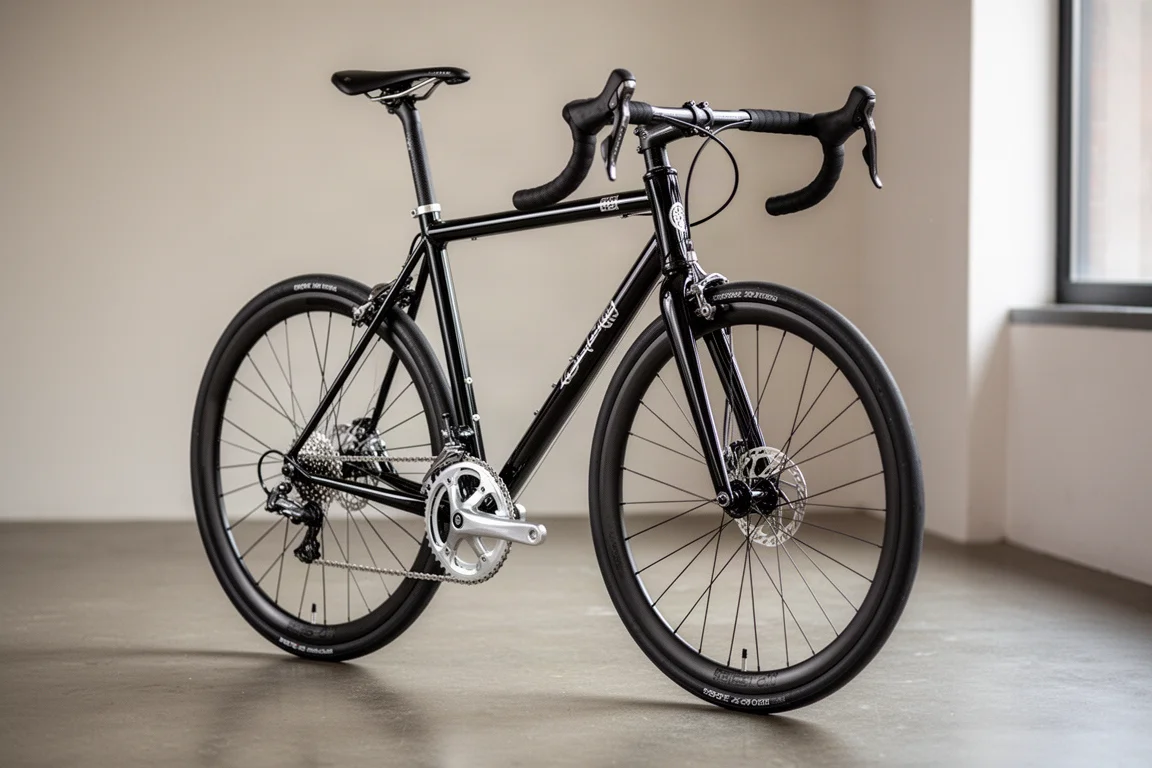
The Crossfire 2 is the least expensive bike here and, for its rider, the most comfortable. It has a suspension fork, mudguards, a single bottle cage and Schwalbe Land Cruiser tires, and it is being used for a first triathlon.
That is a good demonstration that enjoyment does not require a carbon race machine. It is also a fair place to raise one point about bikes at this price. A suspension fork on an inexpensive hybrid adds weight and does not deliver much useful travel. A rigid fork would usually be lighter, cheaper, and no harsher once the tires are doing their job.
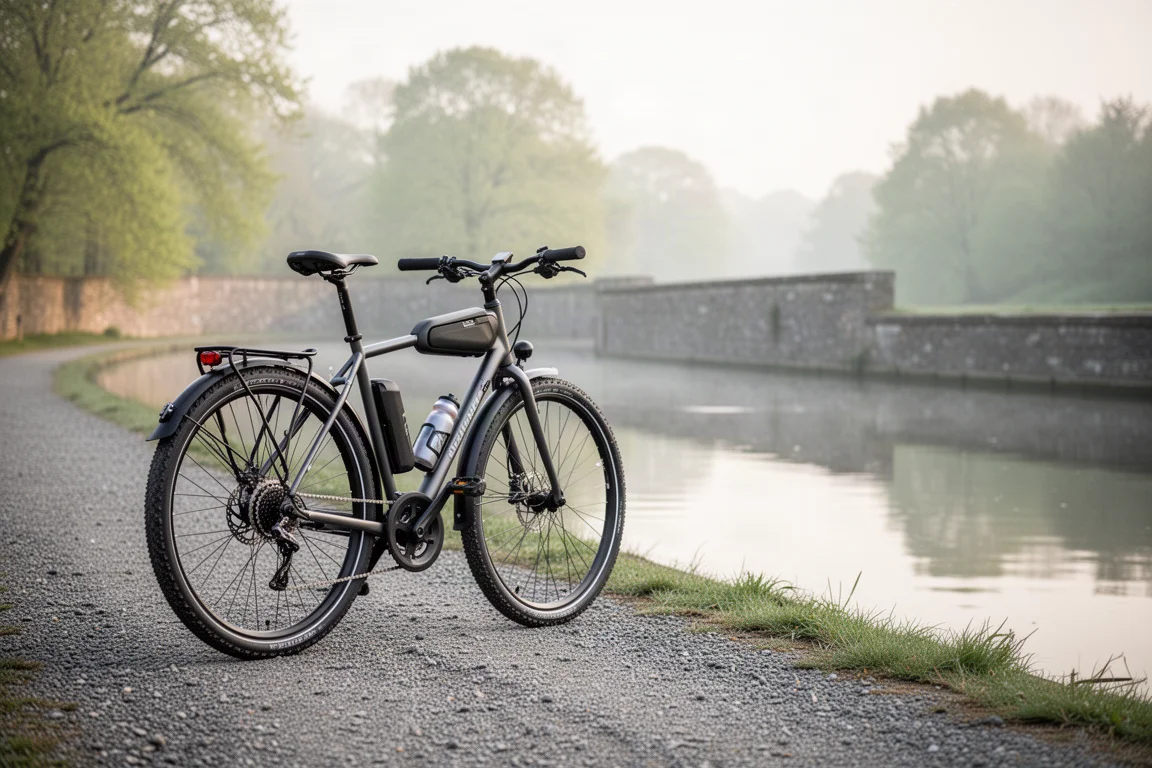
If comfort and low running costs matter more than outright speed, a bike like this is a genuinely sensible starting point, and the mudguards and wide tires make it usable in more conditions than a stripped-back road bike.
Cube Axial WS
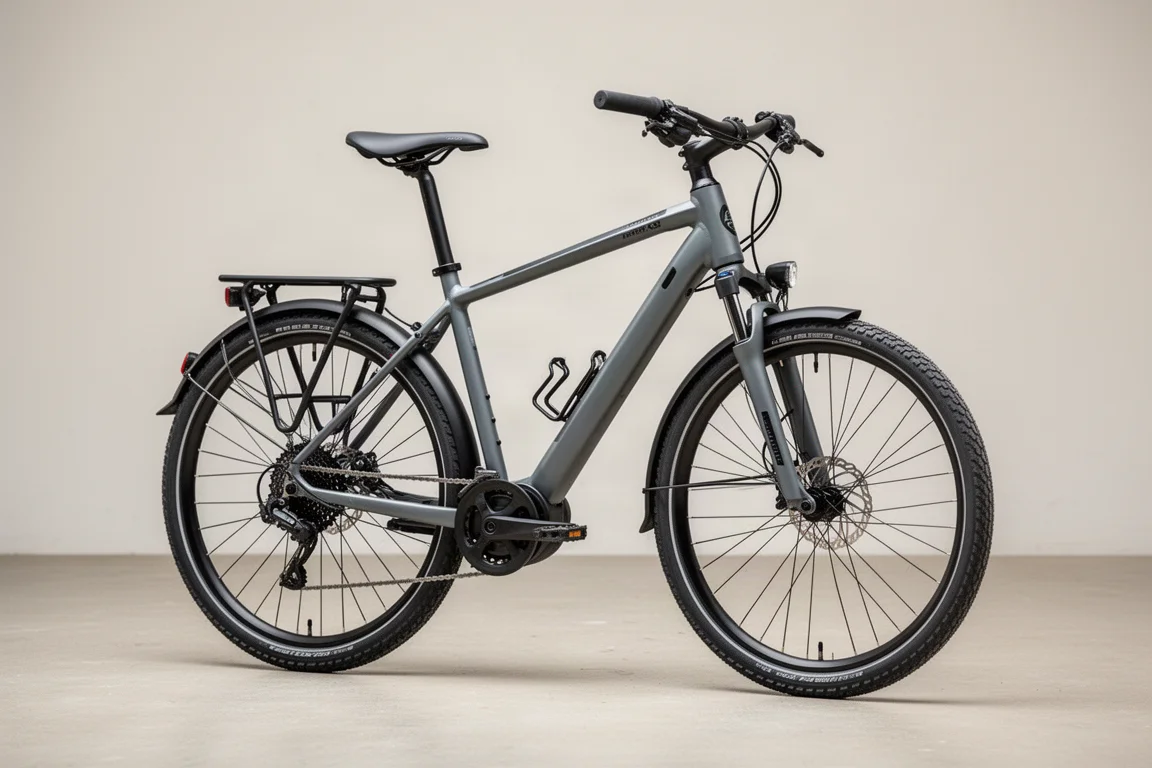
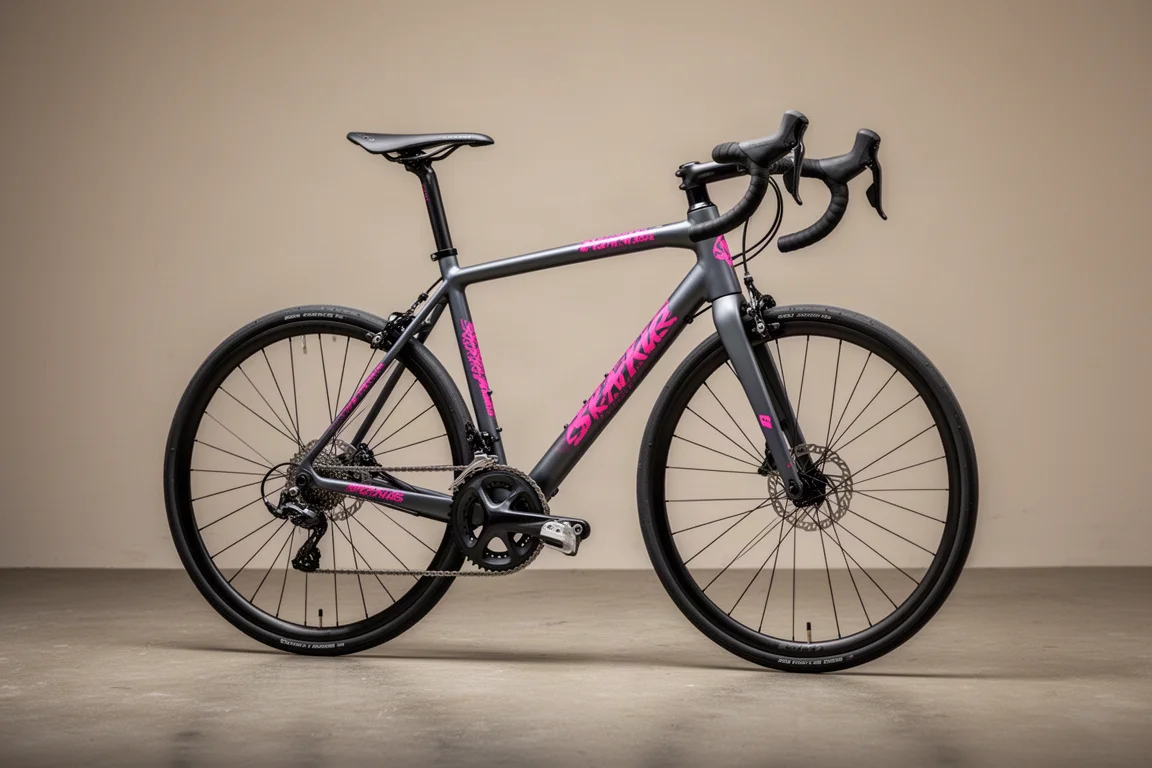
The Axial WS is a road bike built on a smaller frame, with a stealthy grey finish and pink accents that improve visibility on grey days. It runs Shimano M520 pedals and is otherwise a straightforward, unfussy road build.
The bike also raises a wider point about sizing. Plenty of riders end up on a frame from the opposite side of a range because that is what fits them, and it is worth treating paint and fit as separate decisions rather than assuming a particular colour scheme is meant for a particular rider.
Buying Advice
Across these six bikes, the same few questions come up again and again.
Start with fit. A frame that suits your height and reach will do more for your riding than any component upgrade, and the Cube Axial WS and the Cinelli Vigorelli sit at opposite ends of that scale.
Then think about the surfaces you actually ride. A gravel bike with wide tires and a dropper post, like the Genesis Fugio, is built for loose ground. A fast aero road bike like the Specialized Venge Pro is at its best on smooth, flat roads where its shape and gearing can be used properly.
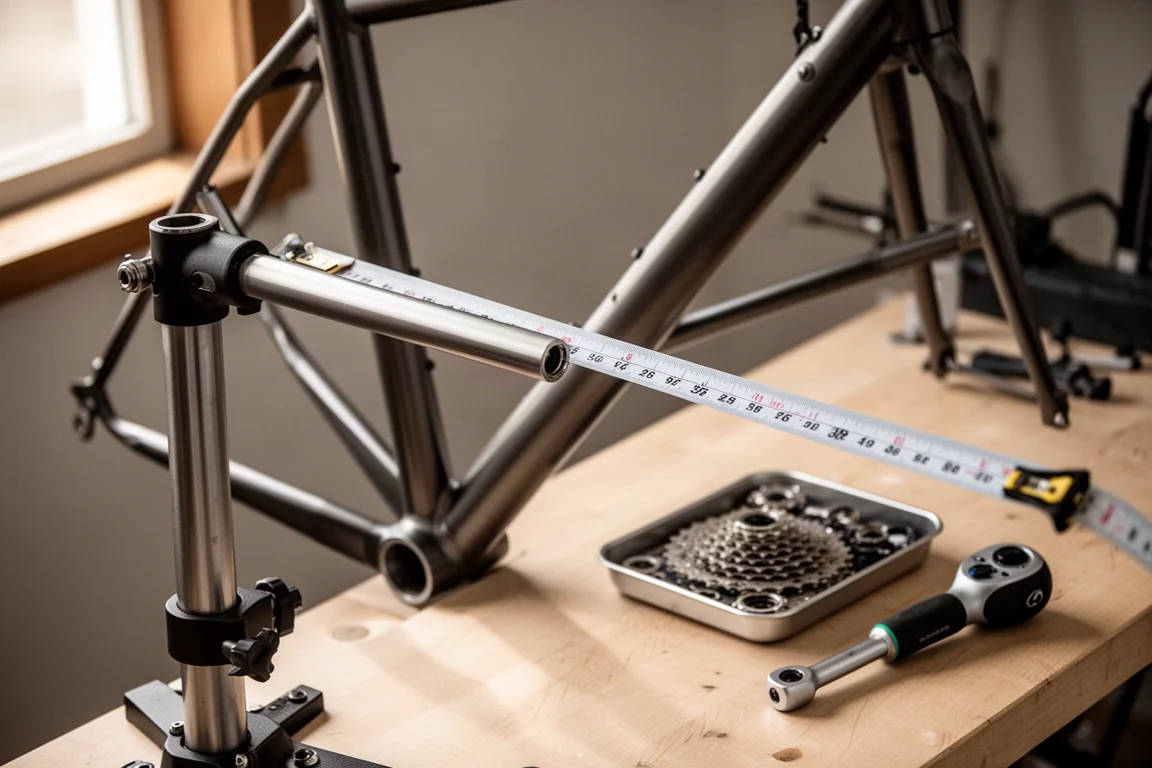
Upgrades are worth doing when they solve a specific problem. Carbon gravel wheels and clip-on aero bars on a long-distance race build are targeted changes with a clear purpose. A suspension fork on a low-cost hybrid is less clearly a benefit, because it adds weight and cost without much return.
Finally, buy the bike that makes you want to ride. The Carrera Crossfire 2 is the cheapest bike in this group and the one its rider calls the most comfortable. That is not a contradiction.
Conclusion
These six builds cover a lot of ground: aluminium and steel frames, 1x and 2x drivetrains, budget hybrids and high-end aero road bikes. What they share is a clear purpose. The best value in cycling usually comes from matching the bike to the riding you do, then upgrading the parts that matter rather than the parts that simply look impressive.
Further reading
Related Reviews
Cycling
2026 Bike of the Year and the Cycling Gear Worth Watching
A drop bar roundup for 2026 covering the Ridley Kanzo Fast 2.0, Shimano Dura-Ace Di2 R9300, Trek Checkpoint ALR Gen 3, Specialized Tarmac SL9, Garmin Fenix 9 and Insta360 X6.
Cycling
Best All-Road Bikes 2026: Six Versatile Endurance Road Bikes Worth Considering
A practical look at six all-road and endurance road bikes, from lightweight carbon speed machines to steel all-rounders and comfort-focused mile eaters.
Cycling
Best All-Road Bikes 2026: 8 Endurance Bikes for Road and Light Gravel
Eight all-road bikes that blur the line between endurance road and light gravel, compared on tire clearance, ride character, practicality, and value.