Headphones
Sivga Phoenix Review: A Wide Open-Back Headphone That Needs the Right Pads
The Sivga Phoenix offers a wide, engaging soundstage for acoustic and singer-songwriter material, but shallow stock pads and a fussy midrange shape the buying decision.
Introduction
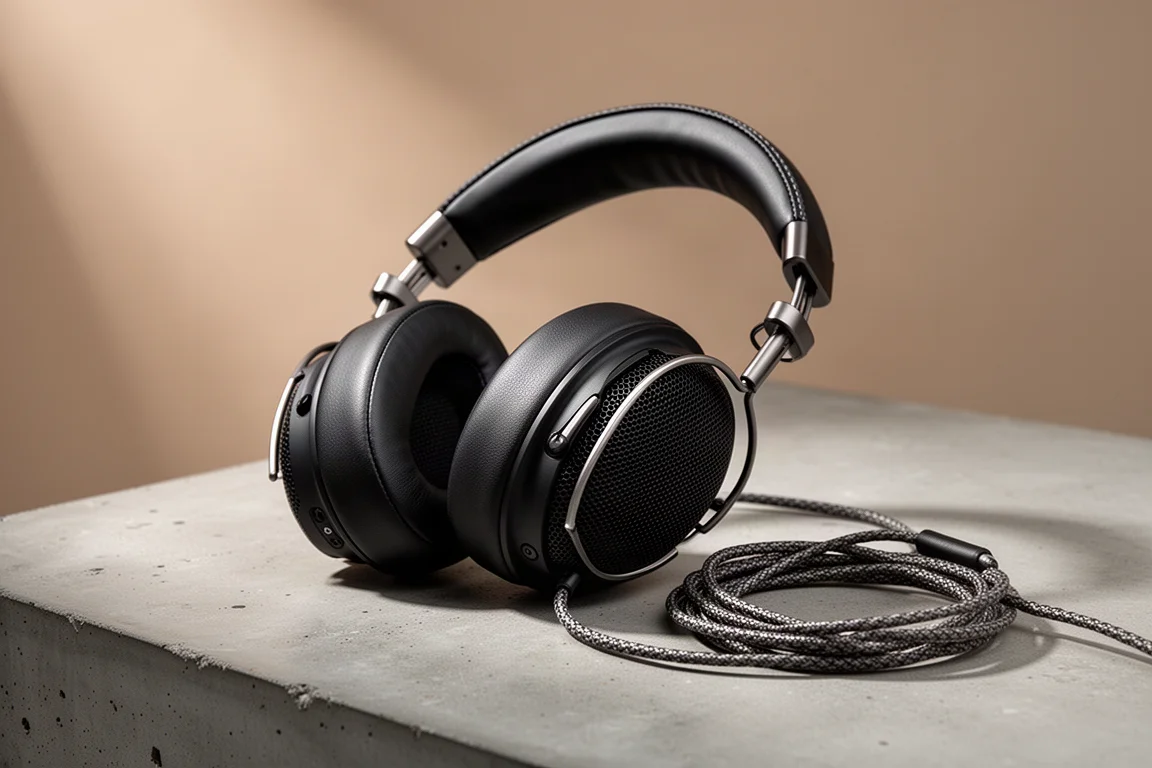
The Sivga Phoenix is an open-back over-ear headphone priced around $250, and it arrives with a split personality. The frame is light and well made, the soundstage is wide enough to be genuinely enjoyable with the right recordings, and the bass has real punch. At the same time, the stock ear pads are shallow, the midrange can turn harsh, and dense productions lose their composure.
Almost every decision about this headphone comes back to those trade-offs. The sections below cover what the Phoenix does well, where it asks for compromises, and which configuration makes sense if you decide to buy one.
Who the Sivga Phoenix Is For
Acoustic material is where this headphone feels most at home. Singer-songwriter records, unplugged sets, jazz, and anything with space between instruments come across as wide and engaging. The presentation is open enough that instruments sit in clearly defined positions, and quieter arrangements benefit from the extra air.
If your library leans toward dense metal, hard rock, or heavily layered productions, the picture changes. Those genres are where the Phoenix gets crowded and loses separation between instruments.
It is also worth being upfront about the fit. This is not a headphone for listeners who want to unbox something and be finished with it. The shallow stock pads and the proprietary pad ring mean the buying decision includes a second, inexpensive purchase and a little patience. Listeners willing to pair the Phoenix with a warmer amplifier will get more out of it than those who plug it into whatever is on the desk.
Design, Build, and Comfort
The Phoenix is built around a metal headband and metal yokes, with a black wire mesh grille covering the open back of each cup. The frame feels solid without feeling heavy. Headband padding is soft and covered in a material that reads as real leather, and the cups rotate slightly so they settle naturally against the head.
Weight is low enough that the headphone does not need much clamp force to stay in place, which keeps longer sessions comfortable. The overall fit should work for most head sizes.
Sound Quality: What Works
Bass is present and slightly on the thick side. It is not the deepest or most extended low end you will hear at this price, but it is punchy, pleasant, and well behaved: it stays clear of vocals and acoustic guitars, and on tracks with a busy low end, bass lines separate cleanly from the rest of the mix. Bass guitars in particular sound good here, and punchy material lands with a satisfying weight.
The soundstage is the standout. The presentation is wide enough to make you turn your head during a track, and it holds up well on spacious recordings. Highly Suspect’s My Name Is Human is a good example of how much width this headphone can produce, and the effect is consistent across open, uncluttered mixes.
Where the Sound Gets Complicated
The midrange is the Phoenix’s weakest area. Some passages turn harsh, and sibilance shows up on certain recordings. Where the source material is smooth, the headphone is enjoyable; where it is forward and sharp, the headphone follows it there.
Dense productions are the bigger issue. With busy metal and hard rock, the mix gets jumbled and instrument separation suffers. The Phoenix is not an especially dynamic headphone either, so material with dramatic swings between quiet and loud passages loses some of its impact. Material that is not incredibly dynamic, but is cleanly recorded, fares far better.
Amp and DAC pairing matters more here than it does with most headphones at this price. A warmer amplifier takes the sharp edges off and makes the Phoenix much easier to live with while keeping detail intact. A lean or bright chain does the opposite and pushes the harshness forward.
The Ear Pad Question
The stock ear pads are the single biggest obstacle. They are shallow, so instead of sitting around the ear they press against it, and they end up feeling closer to an on-ear design than an over-ear one. Listeners whose ears touch the inside of a headphone will find the stock configuration difficult to use for any length of time.
The pads attach to a plastic ring with small nubs and click into place, so they rotate off and back on, but the connection is proprietary. That rules out the wide world of aftermarket pads, which is a real limitation on a headphone whose character shifts noticeably with different pads. The same pad shape and pad connection also appear on the Emotiva GR1, a closely related headphone built around the same driver and cup design with a different headband, heavier materials, and a higher price.
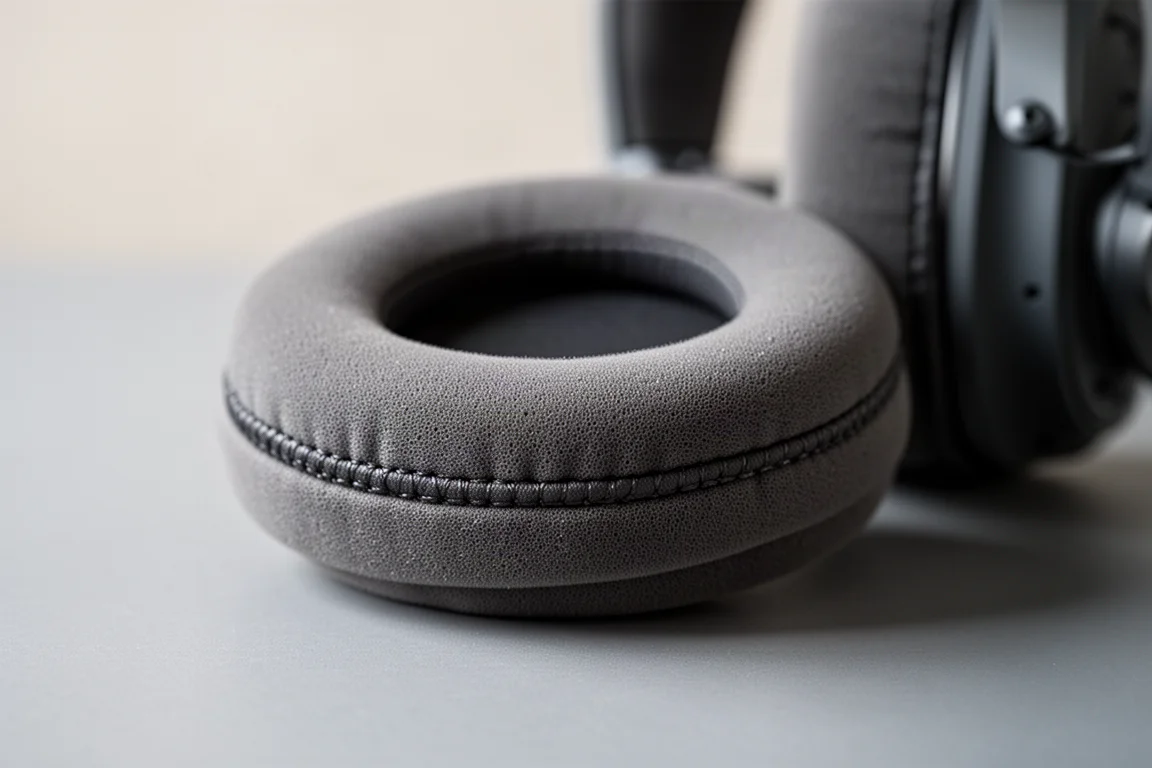
Sivga offers a thicker pad for the Phoenix, and it is the configuration that makes the headphone work. It gives the ear room, improves comfort, and delivers the more usable balance this headphone is capable of. The thicker pads cost a small fraction of the headphone itself, but they should be counted as part of the purchase rather than treated as an optional extra.
Things to Consider Before Buying
Three points deserve attention before you commit.
First, budget for the pads. The headphone and the thicker pads together come to more than the sticker price, and the stock pads are not a realistic long-term option for most listeners.
Second, plan your chain. The Phoenix responds strongly to amplification, and a warm source delivers much better results than a bright one. Buying the headphone without considering what will drive it is likely to leave a poor impression.
Third, be realistic about your library. Acoustic, jazz, and singer-songwriter material plays directly to the headphone’s strengths. Dense, loud, heavily layered music does not.
Buying Advice
At around $250 before pads, the Phoenix is a considered purchase rather than an impulse one. A headphone at this price should sound convincing out of the box, and the Phoenix only gets there once the larger pads are in place. Adding them brings the total to roughly $266, which is still reasonable for what the headphone does well.
If your listening leans acoustic and you are willing to match the headphone with a warm amplifier, the Phoenix offers a wide, enjoyable presentation and a light, comfortable frame. It is a rewarding pairing for the right library.
If your library is built on dense metal and hard rock, or you simply want a headphone that needs no tinkering, this is a harder recommendation. The HD 560S is the kind of alternative worth comparing at a similar price: less premium in construction, but likely to last just as long and far less fussy about pads. With the Phoenix, the pad purchase is the affordable part of the equation. Whether the rest makes sense depends entirely on whether the sound signature matches what you actually listen to.
Conclusion
The Sivga Phoenix is an interesting open-back headphone wrapped around a frustrating set of compromises. Its soundstage is wide, its bass is enjoyable, and its frame is light and well built. Its midrange can turn harsh, dense music overwhelms it, and its stock pads make the headphone difficult to use without an additional purchase.
Buy it for acoustic and singer-songwriter listening, budget for the thicker pads, and pair it with a warm amplifier. Skip it if you want a headphone that performs at its best straight out of the box.
Product link
View more details for Sivga Phoenix
This product is mentioned in the review. Check the specifications, options, and compatibility before buying.
View more details for Sivga PhoenixFurther reading
Related Reviews
Headphones
Apos Audio Caspian Review: Warm Bass, Solid Build, and a Detail Trade-Off
The Apos Audio Caspian is an easy-to-drive open-back headphone with standout bass and a warm, relaxed tuning, though mid-range and treble detail trail the competition.
Headphones
Audeze LCD-X vs LCD-XC vs LCD-3: Which High-End Headphone Fits Your Setup
A practical comparison of three Audeze planar magnetic headphones under $2,000, covering the open-back LCD-X, the closed-back LCD-XC, and the wood-ringed LCD-3.
Headphones
Audeze LCD-X vs HiFiMan Edition XS: Two Open-Back Headphones Compared
A practical comparison of the Audeze LCD-X and the HiFiMan Edition XS, covering build quality, comfort, sound signature, and which listener each one suits.