Sim Racing
Simagic Alpha EVO Ultra Review: 28 Nm of Headroom, But Is It Worth It?
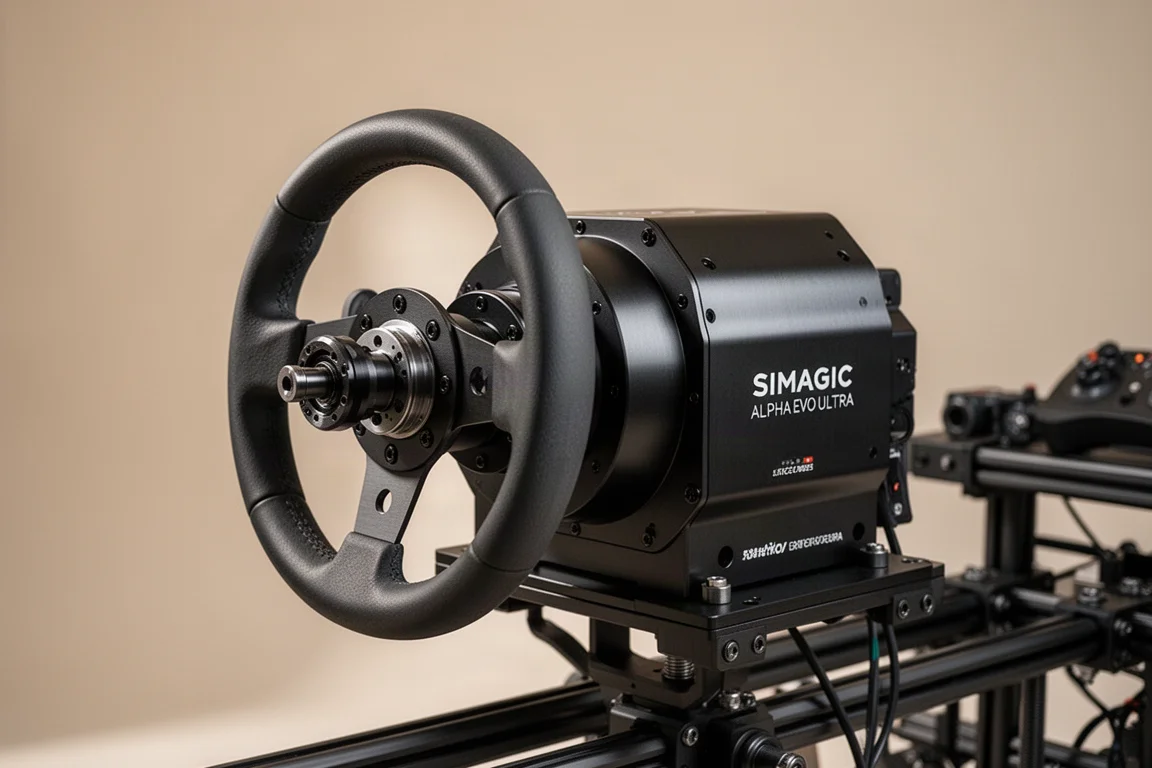
The Simagic Alpha EVO Ultra delivers 28 Nm of peak strength with a lighter motor shaft for sharper response. We examine whether it justifies the jump over the EVO Pro.
Introduction
The Simagic Alpha EVO lineup has been a strong presence in the direct drive market since its debut. The range includes the Sport at 9 Nm, the standard at 12 Nm, and the Pro at 18 Nm. Now Simagic has introduced the EVO Ultra, a 28 Nm model that sits at the top of the range. The question is whether this additional headroom makes sense for most sim racers, or whether the EVO Pro remains the smarter buy.
This review focuses on the hardware, the driving experience, and who might actually benefit from stepping up to the Ultra.
Who This Wheelbase Is For
The EVO Ultra is aimed at sim racers who want maximum dynamic range and the ability to run force feedback at high strength levels without clipping. With 28 Nm of peak strength, it offers a significant jump over the EVO Pro’s 18 Nm. That kind of headroom matters if you prefer a very strong wheel or if you want to avoid clipping during extreme crash scenarios.
That said, the sweet spot for most drivers sits somewhere between 10 and 14 Nm, with 16 Nm offering a little extra margin. The EVO Pro already sits above that range. So the Ultra is really for those who know they need more than what the Pro can deliver, not for someone looking for their first direct drive wheelbase.
Hardware and Design
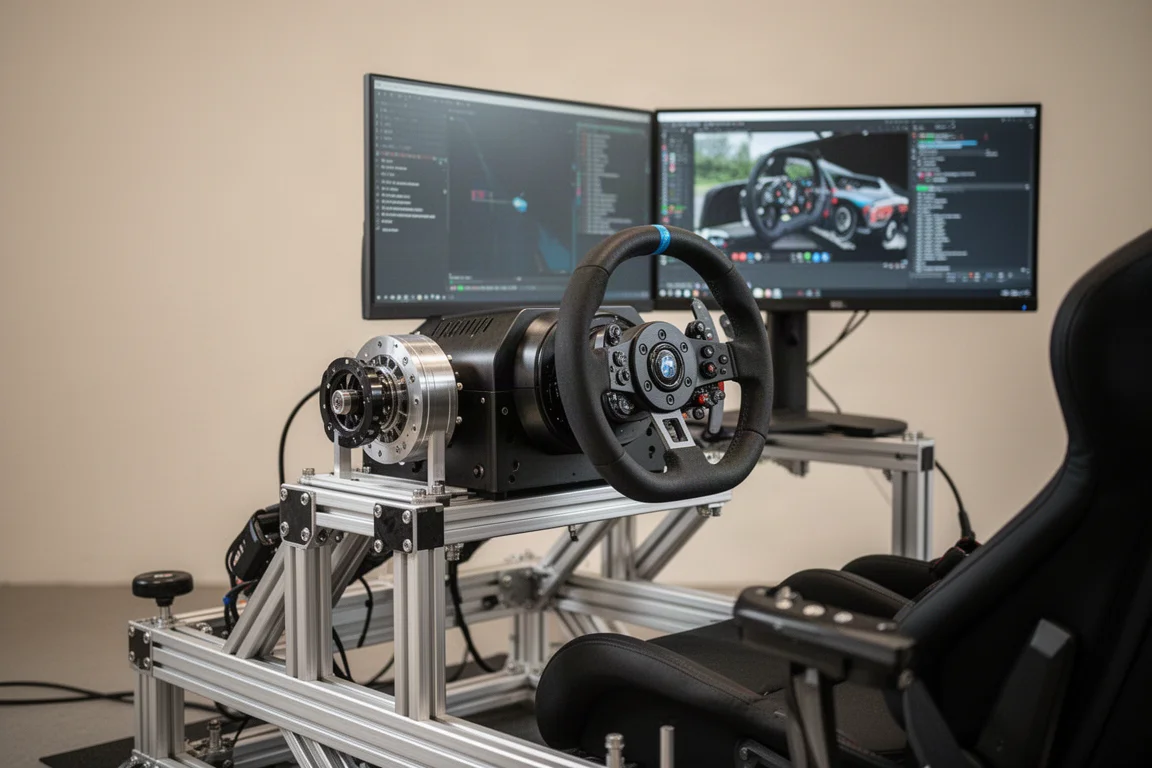
The EVO Ultra shares much of its design with the other EVO models. It uses the same 21-bit encoder, the same inputs and outputs on the rear, and supports USB pass through. The side and bottom mounting points are identical, and a front mount option is available, though it still requires an additional adapter. That is one of the few gripes with this lineup, since the previous Alpha series had front mounting holes built in.
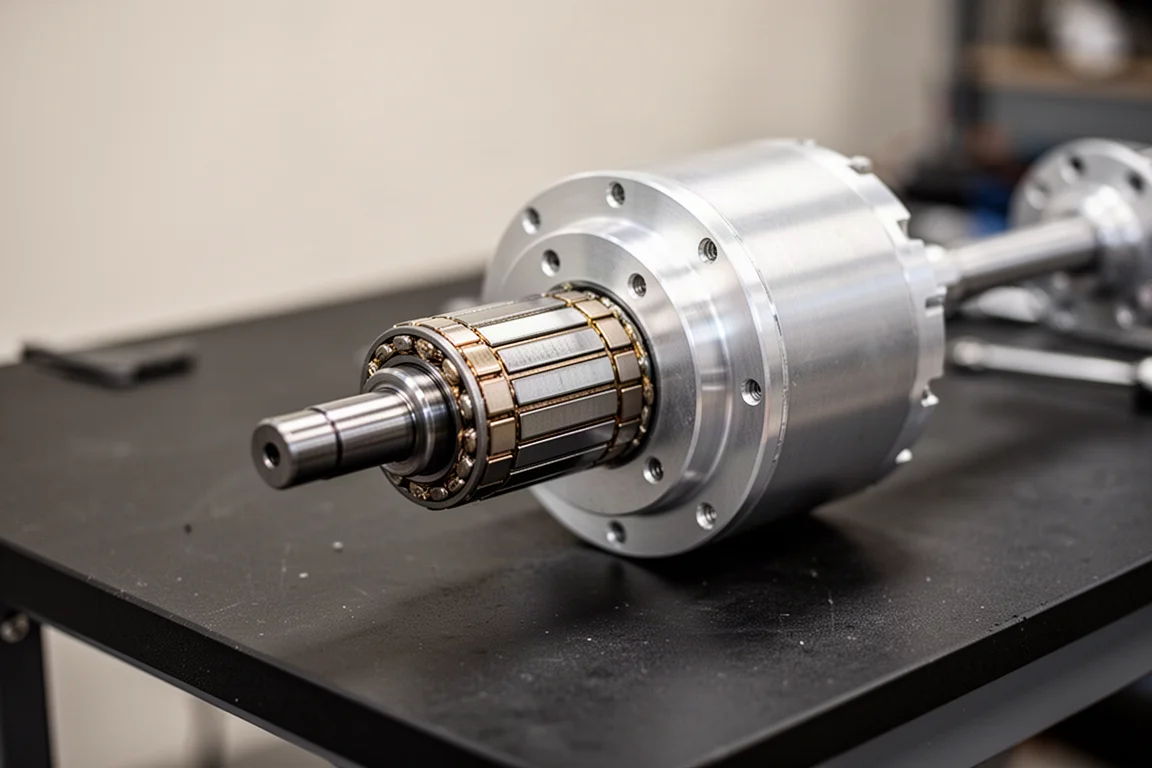
The standout feature here is the motor shaft. Simagic has focused on keeping the rotating mass low. The shaft in the EVO Ultra weighs 2.225 kg, which is lighter than the shaft from an original Moza R16 that weighs just over 2.5 kg. That difference matters because a lighter shaft reduces inertia, making the motor more responsive when changing direction or stopping rotation.
The quick release system is the same D1/NRG style used across Simagic products. It supports USB pass through, and Simagic sells a separate QR adapter for $89 that allows you to mount third party wheels directly. The adapter is well built with an aluminum construction and includes a USB-A to C pigtail for internal wiring.
One limitation remains: the internal quick release system can only supply up to 1.5 amps. Wheels with power-hungry screens, such as the Asher Racing McLaren Artura or the GSI Formula Pro Elite V2, may experience stability issues. Wheels without screens generally work fine. This is a hardware limitation that has not been resolved since the original EVO lineup launched.
Driving Experience
The EVO Ultra is one of the most lively wheelbases we have tested. It is extremely responsive and agile, and the lighter shaft makes a noticeable difference when compared back to back with the EVO Pro. It feels slightly more reactive and sharper, though not necessarily more realistic.
In a real car, the steering system includes a long shaft, a rack, tire contact patches, and other components that add natural damping. No real car feels as sharp as this wheelbase is capable of feeling. So while the Ultra can deliver extremely crisp force feedback, that does not automatically translate to a more realistic experience.

What stands out most is that the EVO Ultra performs well across its entire dynamic range. Whether you run it at 28 Nm or dial it down closer to 5 Nm, it does not go dead in your hands. Many other wheelbases have a defined sweet spot, and stepping outside of it makes them feel sloppy or overly aggressive. The EVO Ultra avoids that problem, which is a significant achievement.
Compared to the Simucube 3, the Ultra is equally responsive but feels a little less refined. Compared to the Asetek Invicta or the VNM Extreme, it sits at a similar level in terms of overall characteristics. But in terms of value, the EVO Pro remains the better buy for most people, simply because the Ultra is far beyond the point of diminishing returns.
Ecosystem and Compatibility
Out of the box, Simagic products are PC only. Third party adapters like the Sigma Cortex can unlock some console compatibility, but it is an unlicensed solution. That means a future PlayStation or Xbox software update could break compatibility, so console users should be cautious.
Simagic has built a strong ecosystem over the years. They offer shifters, handbrakes, pedals, and wheels that all work through a single cohesive software package. That simplicity is valuable to many sim racers. The P700 pedals, for example, are an entry-level set that we are currently evaluating.
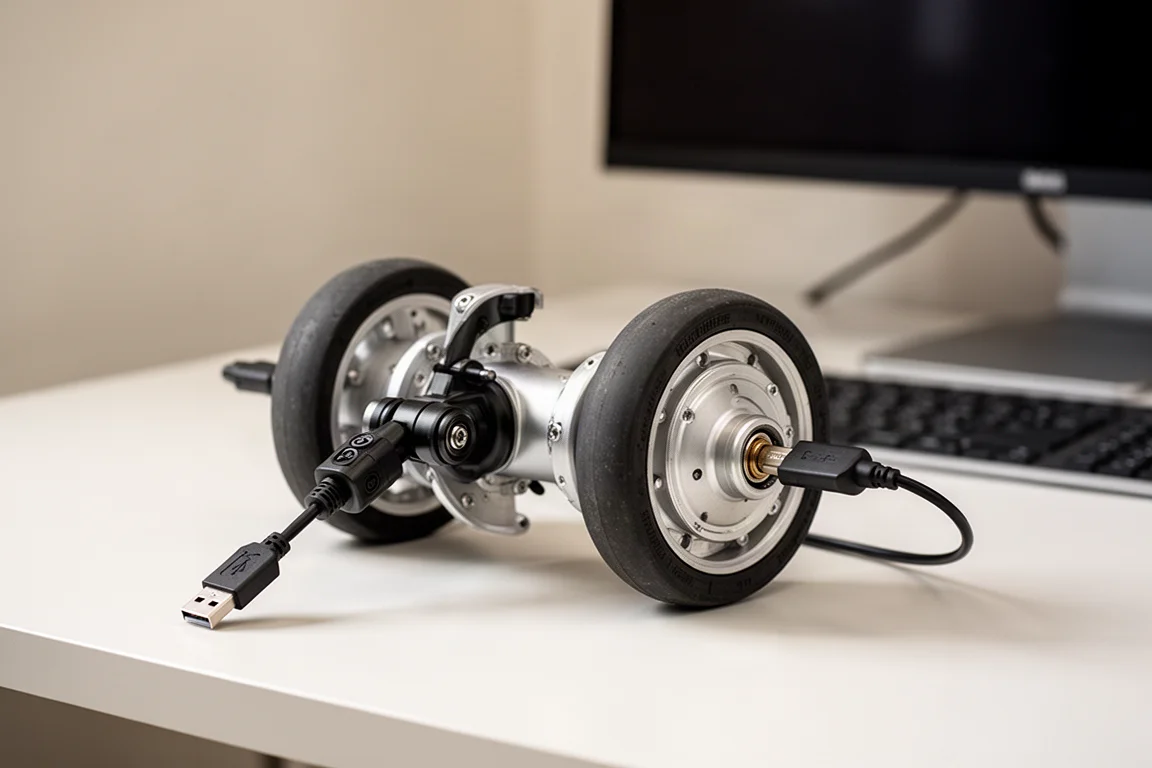
The QR adapter at $89 is a solid value for anyone who wants USB pass through without paying more elsewhere. It allows you to bolt almost any steering wheel directly to the hub, and the included pigtail keeps the installation clean. Just be aware of the 1.5 amp current limit if you plan to use a wheel with a high-power screen.
Buying Advice
If you are considering the EVO Ultra, the first question to ask is whether you actually need 28 Nm of peak strength. For the majority of sim racers, the EVO Pro at 18 Nm is more than enough. The Pro already sits above the sweet spot for most drivers, and it offers excellent value for money.
The Ultra makes sense if you know you want maximum headroom, or if you prefer to run force feedback at very high levels without worrying about clipping. It also performs well across its entire dynamic range, which is rare at this price point. But if you are happy with the Pro, the extra cost is hard to justify.
There is also the physical footprint to consider. The Ultra is a long wheelbase, which can make it harder to position your monitor close behind the wheel. That can affect your seating position, especially in open wheel cars where you want the screen as low as possible.
Conclusion
The Simagic Alpha EVO Ultra is an impressive piece of hardware. It delivers 28 Nm of peak strength with a lighter motor shaft that keeps the wheel responsive across its entire dynamic range. At under $1,000, it represents strong value compared to where the market was a few years ago.
But the EVO Pro already covers the needs of most sim racers at a lower price. Unless you specifically need the additional headroom, the Ultra is hard to recommend over the Pro. It is not a bad product, but it is one that most people will not need.
Product link
View more details for Simagic Alpha EVO Ultra
This product is mentioned in the review. Check the specifications, options, and compatibility before buying.
View more details for Simagic Alpha EVO UltraFurther reading
Related Reviews
Sim Racing
Asetek Initium Direct Drive Bundle Review: A Strong Entry Point With a Standout Pedal Set
The Asetek Initium bundle brings a 5.5 Nm upgradeable wheelbase, a functional round wheel, and a surprisingly capable pedal set to a crowded entry-level direct drive market.
Sim Racing
ConSimPit Ecosystem Overview 2026: Wheelbases, Pedals, and Wheels
A detailed look at ConSimPit's sim racing ecosystem, covering wheelbases, pedals, and steering wheels with honest observations on quality and value.
Sim Racing
Cube Controls Astra Review: A Lightweight Sim Racing Wheel That Nails the Fundamentals
The Cube Controls Astra is a lightweight aluminum sim racing wheel that focuses on build quality and driving feel over extra features.