Camera Lenses
Sigma 17-40mm F1.8 DC Art Review: A New Standard for Crop-Sensor Night Sky Photography
How Sigma's new fast wide zoom handles stars, vignetting, and corner performance compared with the classic 18-35mm F1.8.
Introduction
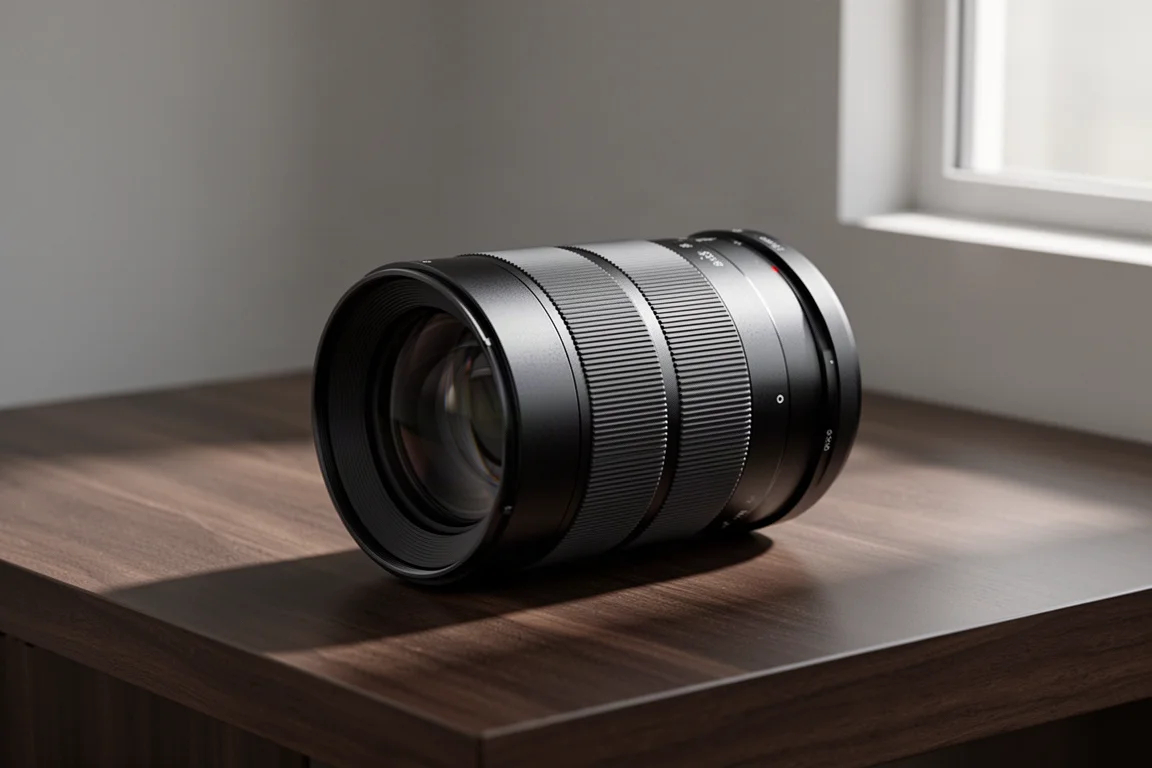
The Sigma 17-40mm F1.8 DC | Art is a fast zoom built for crop-sensor mirrorless cameras, and its most demanding test is also the one we care about here: shooting the night sky. Stars expose every optical weakness a lens has. Any chromatic aberration, distortion, or softness in the corners shows up immediately against a star field, which makes astrophotography an honest benchmark for overall optical quality.
To establish a baseline, this review compares the new lens against the Sigma 18-35mm F1.8, a classic in the Sigma lineup known for its excellent sharpness. The older lens was designed for crop-sensor DSLRs, while the new 17-40mm is designed for crop-sensor mirrorless bodies, so the comparison shows whether the successor can outperform its well-regarded predecessor under the night sky.
Physical Characteristics and Handling
The 17-40mm F1.8 weighs 535 g (1.2 lb), a significant reduction from the 810 g (1.8 lb) of the 18-35mm. It is only slightly shorter in length, but Sigma also shrank the diameter, bringing filter threads down from 72 mm to 67 mm. Both lenses use fully internal zoom, so the barrel never extends, which offers better protection against dust and moisture than an extending design.
As the name suggests, the zoom runs from 17 mm on the wide end to 40 mm on the long end with a constant F1.8 aperture, while the older lens covered 18-35mm. Adjusted for equivalent field of view on a crop sensor, the 18-35mm behaves like a 29-56mm and the 17-40mm like a 27-65mm, bringing crop-sensor shooters close to the classic full-frame 24-70mm range.
Both lenses offer autofocus with a physical switch for manual focus and a dedicated manual focus ring. There is one important difference for astrophotographers: the 18-35mm focuses mechanically, so it can be focused by hand even when attached to an astronomy camera. The new 17-40mm uses a focus-by-wire design, where the ring sends electronic commands rather than driving the glass directly. As far as current options go, there are no adapters that allow focus control on focus-by-wire lenses when they are attached to astronomy cameras, which is a genuine limitation for that workflow.
The tested version is the Canon RF mount, used on a Canon R100, Canon’s cheapest RF body and still a capable astro camera. Note that RF-mount lenses like this can currently only be used on Canon R-series bodies. The lens is available for Sony E mount, L mount, and Fuji X mount first, with the Canon RF version following later. Nothing in the launch materials mentions a Nikon Z version, though third-party Sony E to Nikon Z adapters exist.
Vignetting: The Cost of a Slimmer Barrel
The smaller lens diameter shows up in the vignetting tests. Wide open at F1.8 on the wide end, the 17-40mm has slightly more corner falloff than the 18-35mm, which is expected when a lens is made slimmer. Stopped down to F2.8, the two lenses nearly equalize, and at F4 vignetting is practically non-existent on both.
Zoomed to the long end, vignetting on the 17-40mm at 40mm wide open is the most pronounced falloff seen in testing, noticeably stronger than the 18-35mm at 35mm. Again, stopping down to F2.8 mostly clears it up, and at F4 it is completely gone.
For deep-sky work with stacked images, this amount of wide-open vignetting is extreme enough that flat frames are recommended, ideally with the lens hood off and a lens warmer in place. For typical Milky Way shots of seven to eight stacked frames, it is less of a concern: the result can look fine or be corrected in editing.
Center Sharpness and Chromatic Aberration
In the center of the frame at 300% magnification, both lenses look great wide open with only a little chromatic aberration. The larger stars appear slightly rounder and better shaped on the newer lens. At F2.8, a bit more purple chromatic aberration shows on a couple of bright stars in the older lens, and at F4 both look essentially perfect.
Zoomed to the long end, both lenses remain pleasantly sharp. There is slightly more purple chromatic aberration visible in the 18-35mm than in the 17-40mm, with both lenses performing well as they are stopped down.
Corner Performance: Where Zooms Are Tested
The extreme corners at F1.8 are where the differences become clearest. Both lenses show barrel distortion and astigmatism wide open, producing small seagull-shaped stars, but the 17-40mm is a bit sharper in the corners. The older 18-35mm shows softer stars with more lateral chromatic aberration, while the new lens keeps color separation low, making its corner stars noticeably sharper.
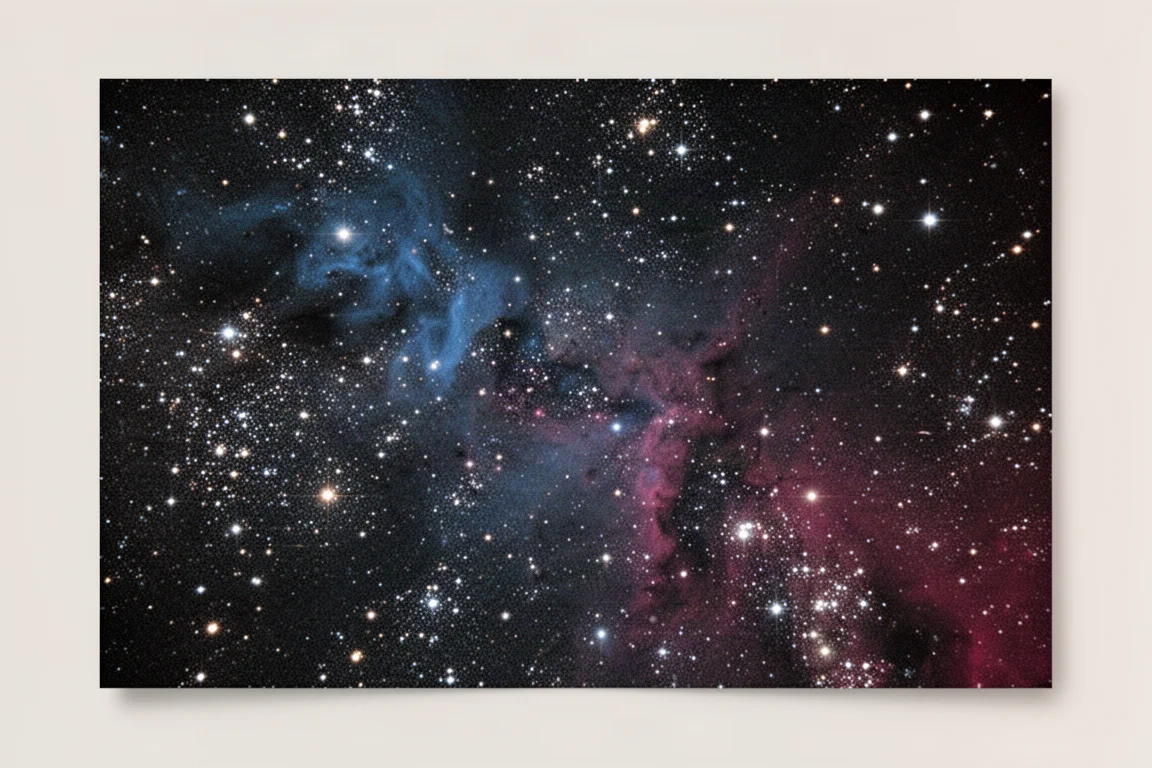
At F2.8 the two samples nearly equalize, though the newer lens keeps a slight edge, particularly on brighter stars. At F4 the results are very similar, just a little tighter on both.
At maximum zoom, the picture flips slightly. Both lenses look really good in the corners at the long end, and the reviewer was quite impressed, but the older 18-35mm is a touch better controlled, with a little more astigmatism and star elongation in the 17-40mm. Both sharpen up as they are stopped down, and at F4 only a slight elongation remains in the new lens. Extending the zoom range to 40mm stretches the limits a bit compared to 35mm, but it is a reasonable trade for the extra reach, especially since the long end still looks really good wide open for a zoom.
Untracked Single-Shot Milky Way Results
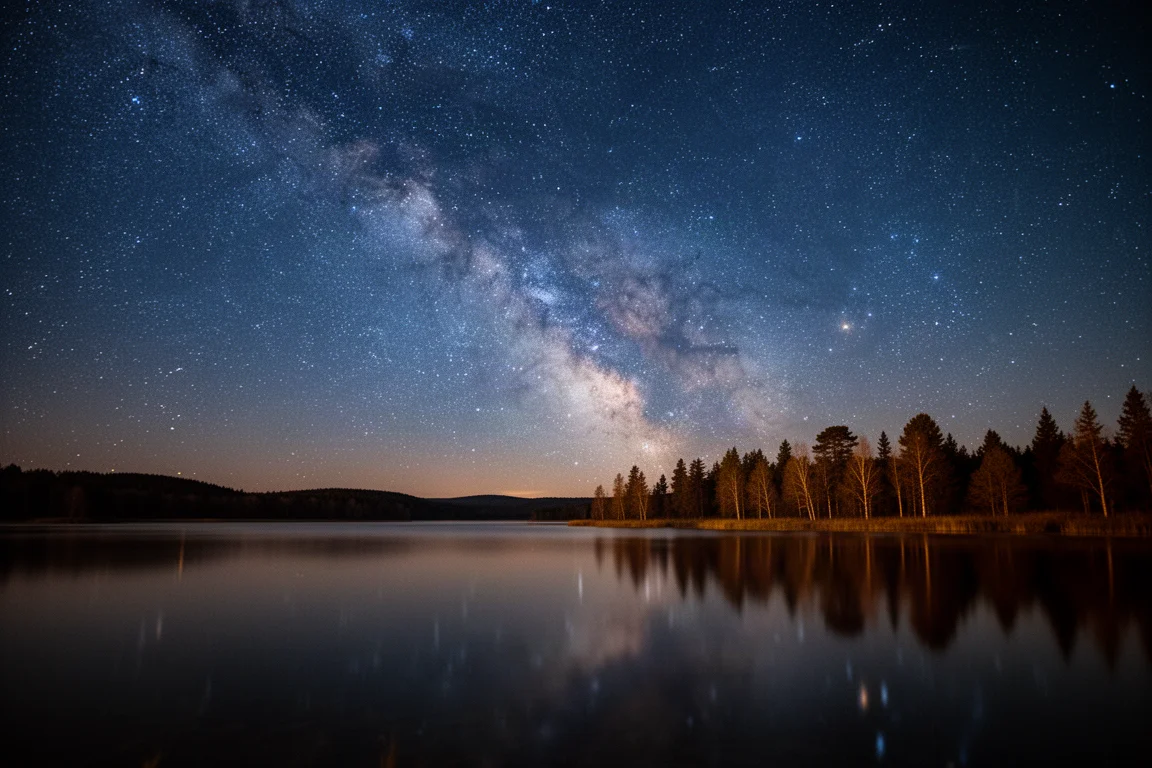
For shooters who work without a tracker, testing included single 15-second exposures at ISO 3200, wide open, straight from the camera. This popular one-and-done Milky Way style exposes for the foreground and sky in one frame, with some star trailing as an accepted trade-off. A vertical orientation works well here to capture the foreground and a large slice of the Milky Way together. Because trailing makes it hard to separate lens aberrations from motion blur, these frames are not a fair measure of optical performance, but they give a realistic idea of what to expect from an untracked setup with either lens.
Who This Lens Is For
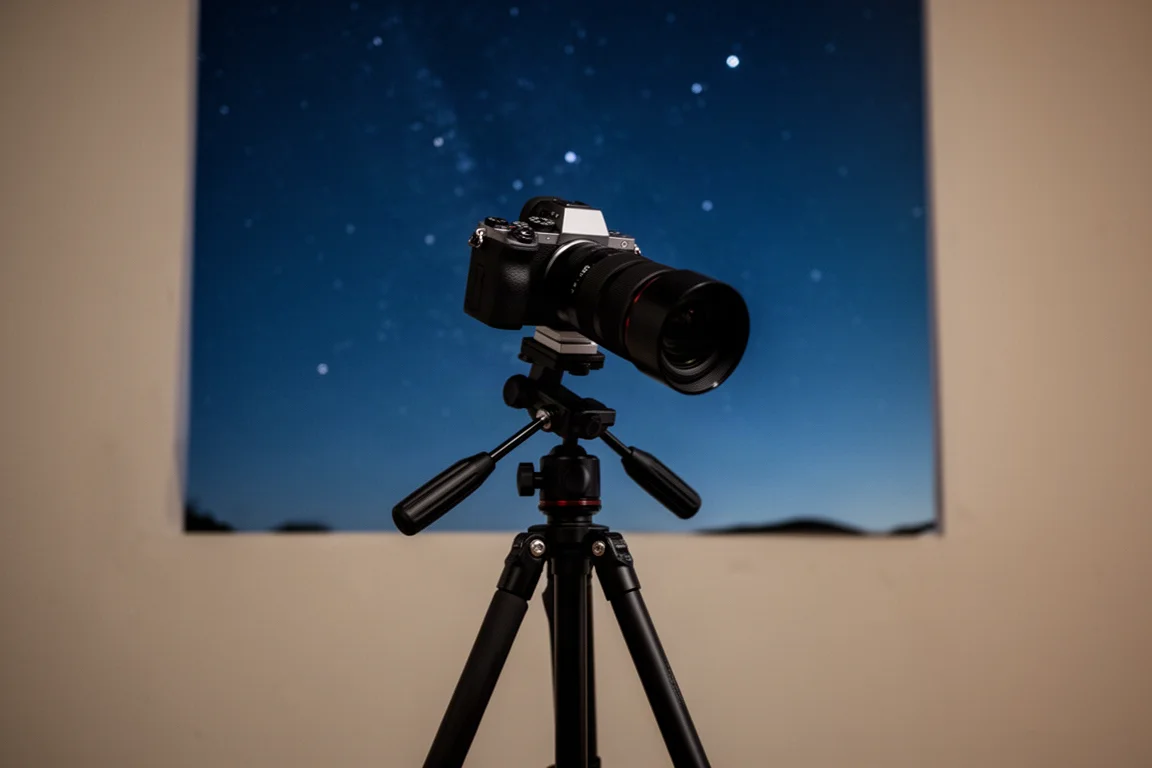
On the wide end at 17mm, this is a perfectly good Milky Way lens, and the 40mm end opens up neat deep-sky constellation shots. That range makes it a strong first astrophotography lens for a beginner who wants versatility from wide to medium focal lengths. For general purchase ordering, it makes sense to get this lens first, shoot Milky Way and untracked deep-sky targets like the Orion constellation in winter or close-ups of the Milky Way in summer using hundreds of 5-second exposures on a fixed tripod, then add a star tracker later to unlock more of the night sky.
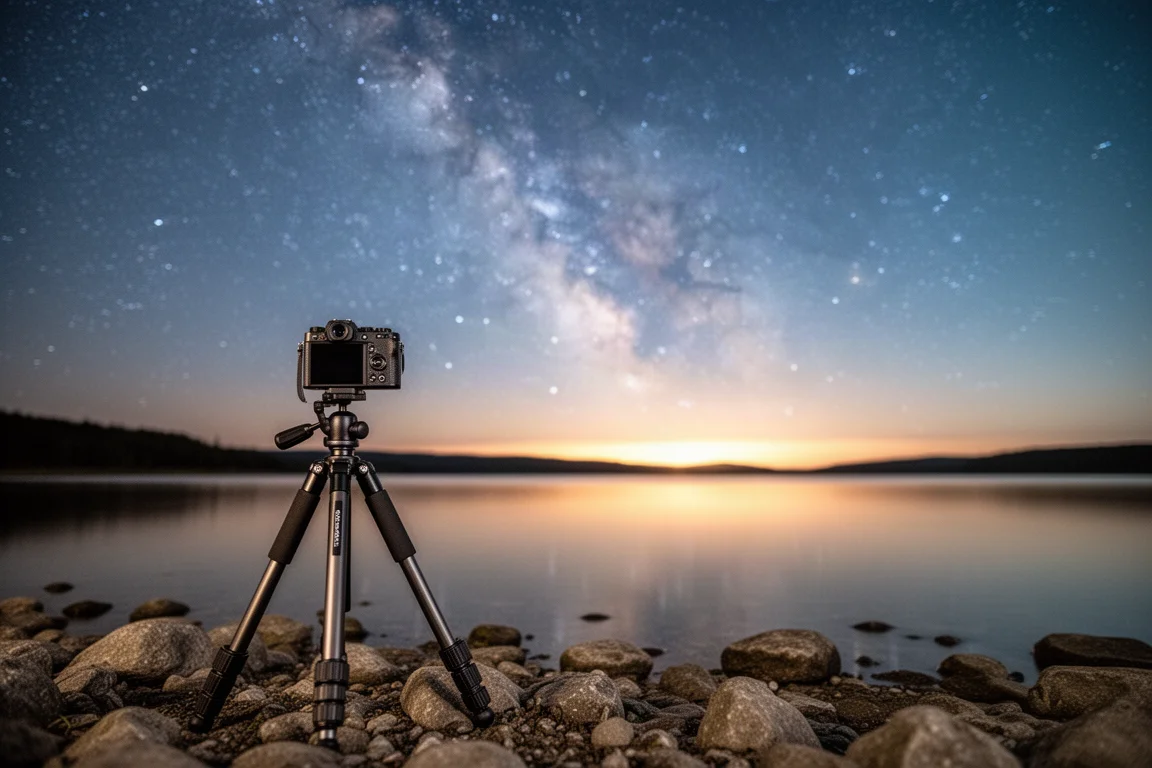
It also suits photographers who do not want a lens dedicated only to astrophotography. With a quiet, quick autofocus motor, it works well for video and as an everyday crop-sensor zoom for nature, portraits, landscape, and general photography, covering roughly the equivalent of a full-frame 24-70mm. As an all-rounder with genuine astro credentials, it is a compelling pick for crop-sensor mirrorless shooters.
Buying Advice
If you shoot astrophotography on a crop-sensor mirrorless body, this lens earns its place through a rare combination: F1.8 across the zoom range, a genuinely useful 17-40mm span, low corner chromatic aberration wide open, and a weight light enough to carry into the field. The main caveats are the stronger wide-open vignetting, especially zoomed in, which calls for flat frames in deep-sky work, and the focus-by-wire design, which rules out mechanical focus control with astronomy cameras. If either of those matters to your workflow, weigh them carefully; for everyone else, the trade-offs are easy to accept for what the lens delivers.
Conclusion
Against its own predecessor, the Sigma 17-40mm F1.8 DC | Art holds its own remarkably well: sharper corners with less lateral chromatic aberration on the wide end, matched center performance, and more reach, all at 275 g lighter. It gives up a little corner control at maximum zoom and a little wide-open vignetting, but the result is a versatile fast zoom that works as a Milky Way lens, a beginner deep-sky lens, and a capable everyday walkaround in one package.
Product link
View more details for Sigma 17-40mm F1.8 DC | Art
This product is mentioned in the review. Check the specifications, options, and compatibility before buying.
View more details for Sigma 17-40mm F1.8 DC | ArtFurther reading
Related Reviews
Camera Lenses
Sony 1635mm F2.8 GM2 Lens Review: Compact Wide-Angle Performance
The Sony 1635mm F2.8 GM2 delivers impressive optical sharpness and a notably lighter design compared to previous F2.8 ultra-wide lenses, making it a practical choice for landscape and video work.
Camera Lenses
Sigma 150-600mm Lens Review: An Honest Look After 18 Months of Use
A long-term review of the Sigma 150-600mm telephoto lens, covering glass quality, focus behavior, stabilization, and whether it is the right pick for beginner bird photographers.
Camera Lenses
OM System 100-400mm f/5-6.3 Review: A Lightweight 800mm Wildlife Lens
A compact super-telephoto zoom for Micro Four Thirds that reaches 800mm equivalent on OM-1 bodies while weighing just 1,125g.