Camera Lenses
Sigma 150-600mm Lens Review: An Honest Look After 18 Months of Use
A long-term review of the Sigma 150-600mm telephoto lens, covering glass quality, focus behavior, stabilization, and whether it is the right pick for beginner bird photographers.
Introduction
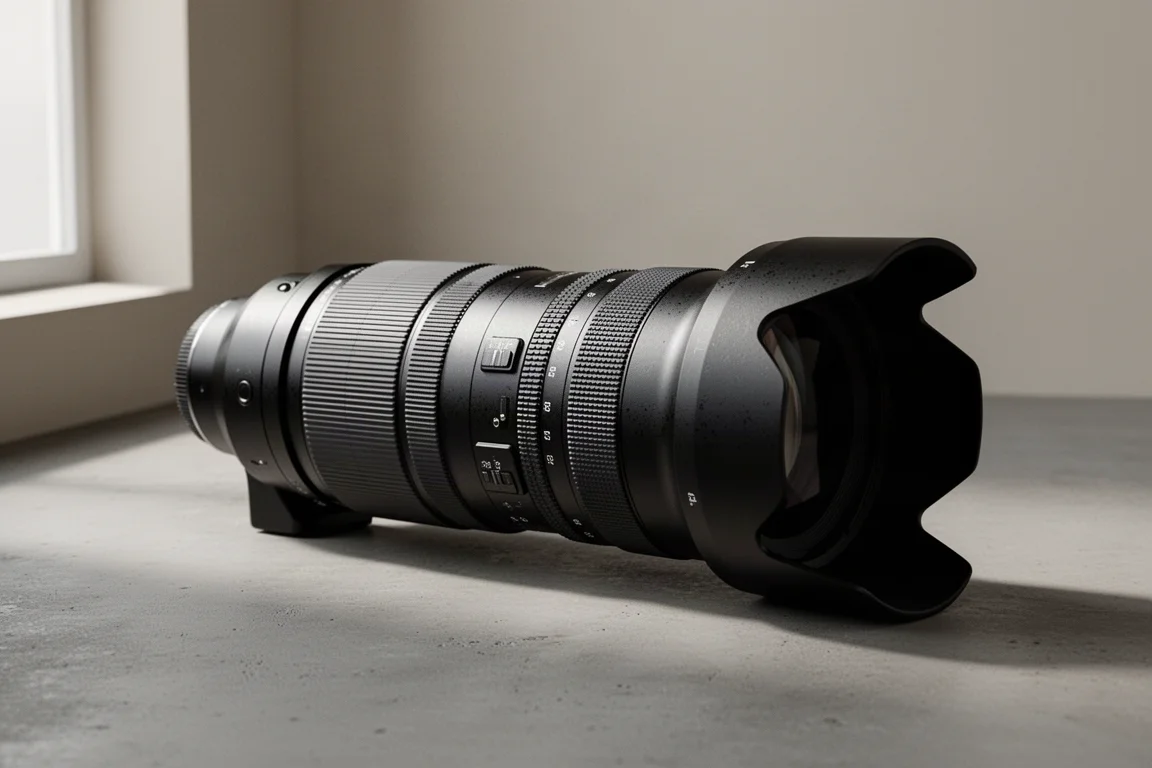
The Sigma 150-600mm has been in regular use for about a year and a half, which is long enough to move past first impressions and give a genuine long-term verdict. It is a super-telephoto zoom aimed squarely at beginners who want serious reach without a serious budget, and it remains one of the most affordable ways to get into bird photography with real zoom capability.
This review covers the focal length, glass quality, focus system, optical stabilization, and the accessories that pair well with it, followed by answers to the questions that come up most often about this lens.
Focal Length and What 600mm Actually Gets You
Focal length is the distance from the end of the lens to the camera’s sensor, and it is how lens magnification is measured. A 600mm focal length magnifies a subject twice as much as a 300mm one. Because this lens reaches 600mm, it qualifies as a telephoto or even super-telephoto lens, and that reach is exactly what makes it a strong recommendation for anyone getting into bird photography. The extra zoom is what lets you fill the frame with a subject that would otherwise stay distant.

Glass Quality for the Price
For a lens that costs less than $1,000, the glass quality is genuinely good. Images stay crystal clear as long as you keep the zoom under about 550mm; push it all the way to 600mm and things get a little fuzzy. An $8,000 lens will obviously outperform it, but for a beginner looking to get started in telephoto shooting, this is the lens to get. The value proposition here is simple: you get very usable image quality at a fraction of the cost of premium glass.
Focus Performance and Manual Override
Focus is not this lens’s strongest area, but it offers three focus settings that make it flexible in practice. There is straight autofocus, and there is manual override, which is the most used mode: the lens autofocuses first, then you manually tweak the focus ring to nail the final distance. If one bird sits 20 feet away and another sits 25 feet behind it, autofocus will likely lock onto the nearer bird, and manual override lets you pull focus that last bit to the bird you actually want.
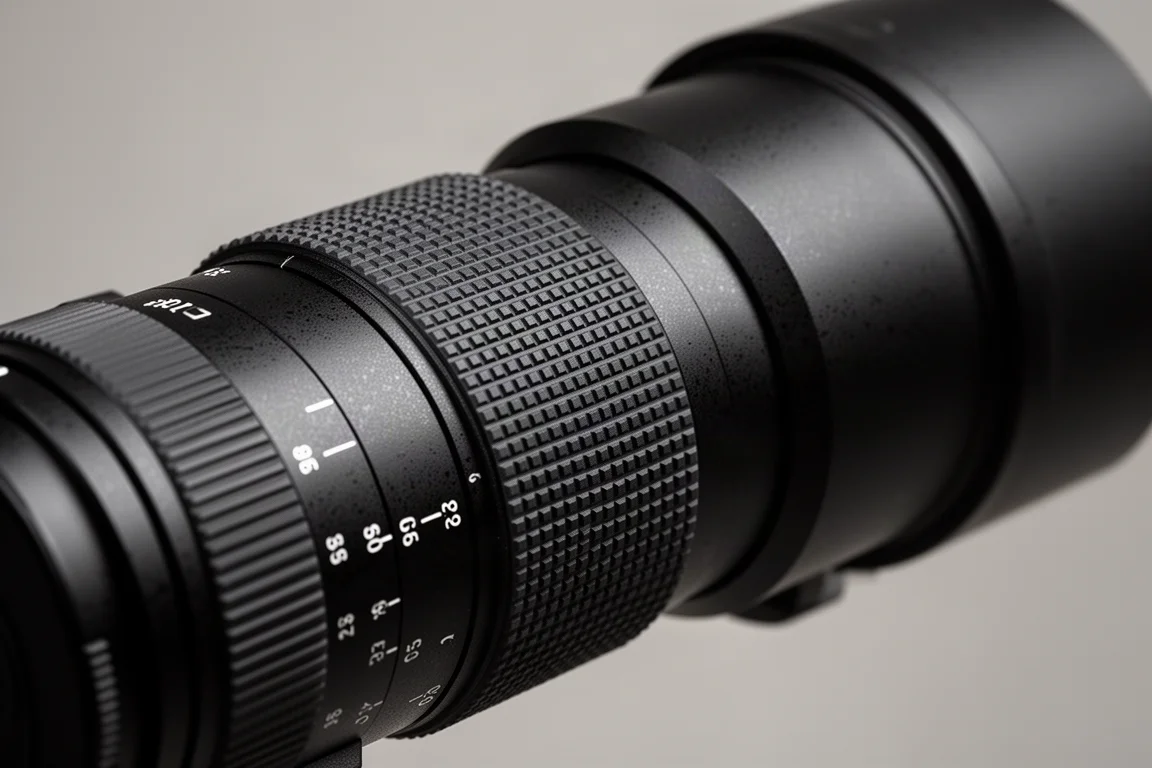
The third option is a focus range limiter, which restricts focusing to either 2.8 to 10 meters or 10 meters to infinity. It does not get heavy use, but in certain situations it can save hunting time and help the lens lock on faster.
Optical Stabilization: When to Use It and When Not To
The lens includes optical stabilization, and knowing when to switch it on matters. If your shutter speed is above 1/250 of a second, leave stabilization off, because it can actually make photos blurrier at higher speeds. Under around 1/200 of a second, turn it on and the results can be surprisingly sharp, especially when shooting handheld.
On a tripod, stabilization should generally stay off, since it can introduce blur there as well. Handheld with a slower shutter speed is where it earns its keep.
Accessories: Tripod Foot and Lens Hood
The lens has a rotating tripod foot, so you can switch between landscape and vertical compositions without re-rigging everything. For a tripod plate, an inexpensive aluminium plate from Colorado Tripod Co. fits the lens, does the job well, and should last a long time.
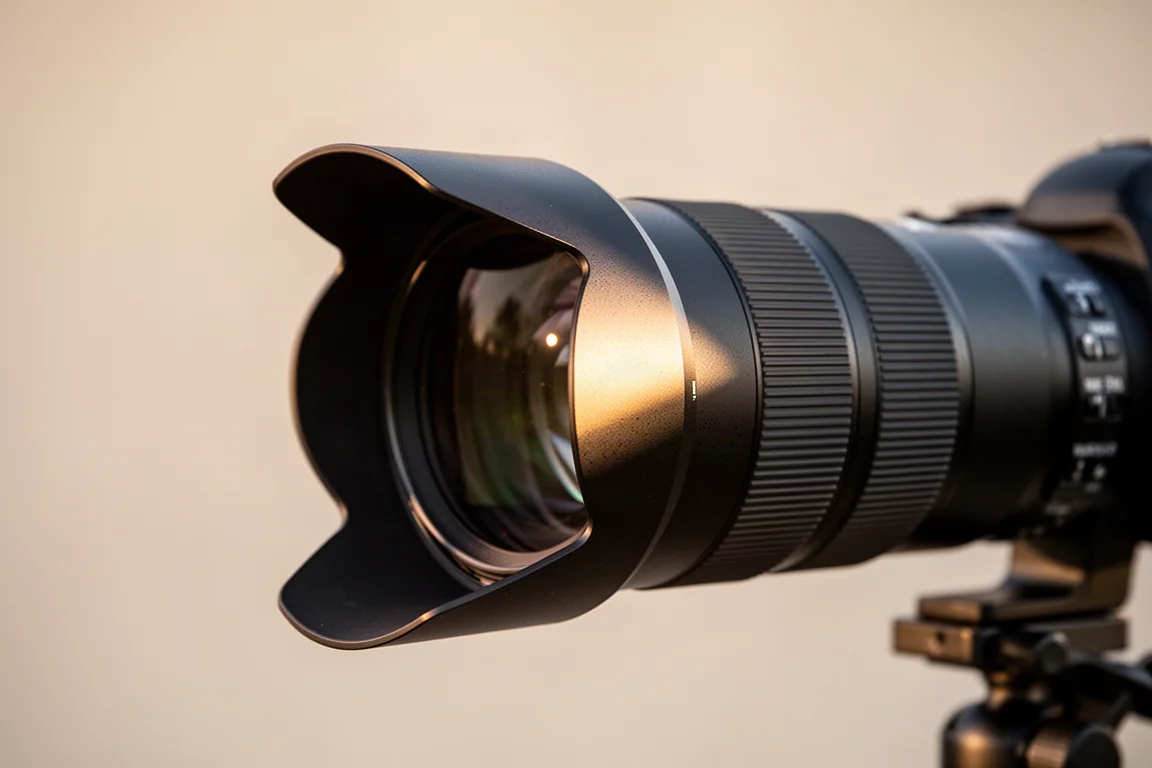
The lens also ships with a lens hood. It attaches to the front of the lens and blocks sideways sunlight that would otherwise create odd flares and star-like artifacts in your images. On a cloudy day you probably will not need it, but in sunny conditions it can be genuinely helpful.
Is This the Right Lens for You?
It depends on your situation, but if you are a beginner looking for extra reach, the Sigma 150-600mm is an easy recommendation. It is one of the cheapest options available that still delivers great glass quality, and it is entirely capable of producing really nice-looking shots. If bird photography or distant wildlife is your goal and your budget is limited, this lens should be near the top of your list.
Is It Too Heavy?
For a lens with this focal length, yes, it is heavy, and there is really no getting around that. Telephoto lenses are heavy as a category. Lighter options do exist, but they come with a much higher price tag. At this price point, the weight is simply part of the deal.
Do You Need a Tripod?
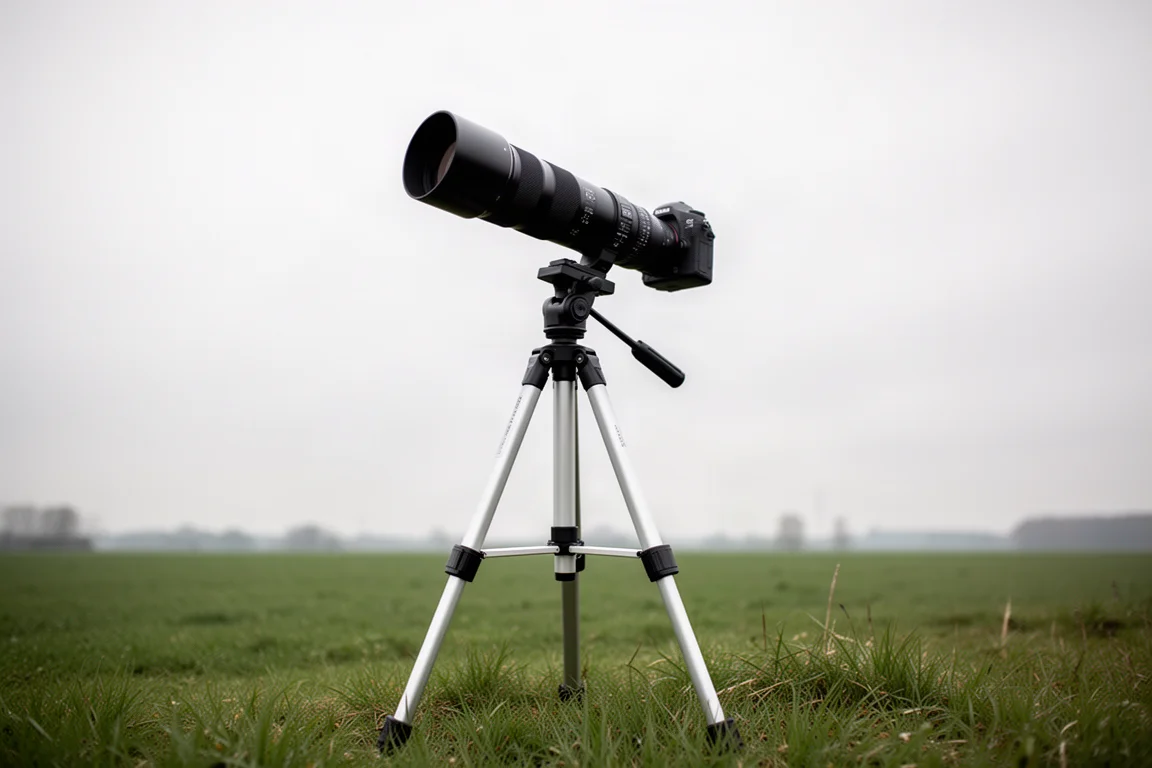
A tripod is rarely used with this lens in day-to-day shooting, largely because bird photography is not the primary focus of use. But when the goal is really good pictures and video of birds, mounting it on a tripod clearly improves image quality, because hands simply are not steady enough for the very best results. If you do go that route, a solid option like one from Leofoto is worth considering for this kind of setup.
Conclusion
After a year and a half of use, the Sigma 150-600mm holds up as the sensible entry point into super-telephoto shooting. The glass is sharp below 550mm, the manual override focus mode is genuinely useful in the field, and stabilization helps in the right shutter-speed window. It is heavy, focus is not class-leading, and the last stretch of zoom is softer, but for under $1,000 nothing else really matches what it offers a beginner. If you want reach without the premium price, this lens makes that possible.
Product link
View more details for Sigma 150-600mm
This product is mentioned in the review. Check the specifications, options, and compatibility before buying.
View more details for Sigma 150-600mmFurther reading