Camera Lenses
OM System 100-400mm f/5-6.3 Review: A Lightweight 800mm Wildlife Lens
A compact super-telephoto zoom for Micro Four Thirds that reaches 800mm equivalent on OM-1 bodies while weighing just 1,125g.
Introduction
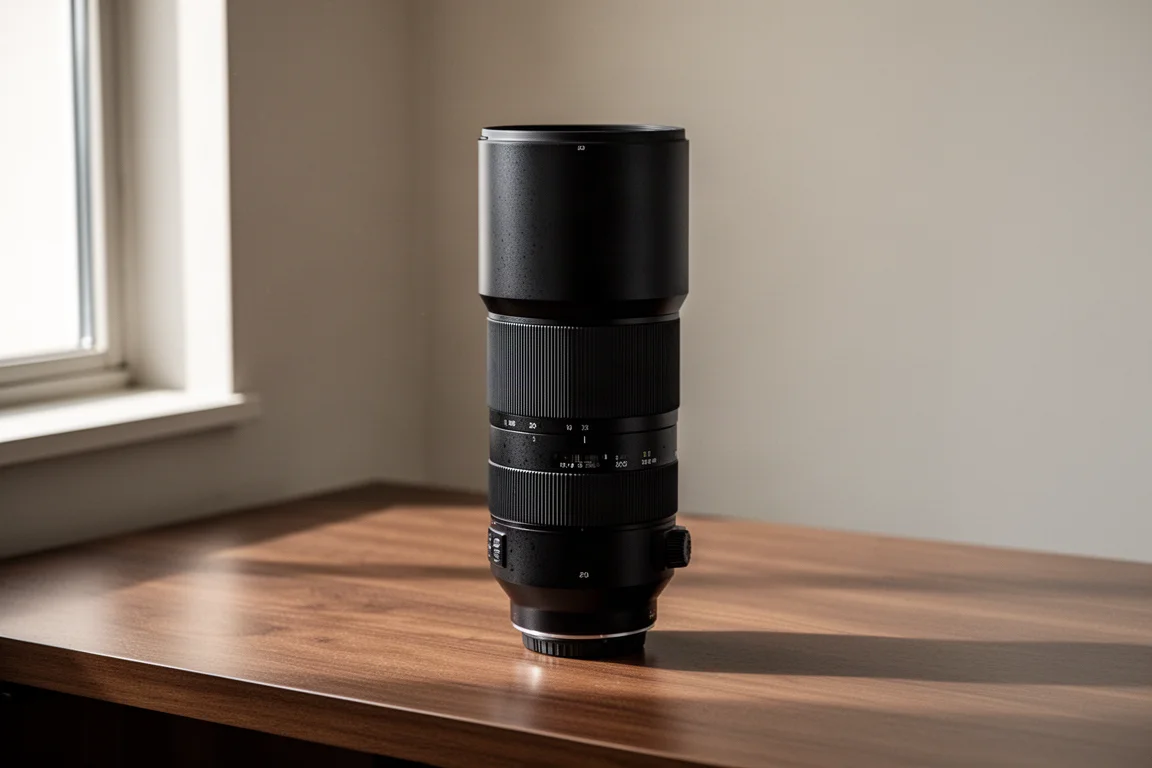
The OM System 100-400mm f/5-6.3 is a compact super-telephoto zoom built for wildlife and bird photography, and it has not even been officially released yet, which made getting hands-on time with it especially interesting. On the OM System OM-1 and OM-1 Mark II bodies, the 2x crop factor turns it into a 200-800mm equivalent lens, giving you serious reach in a package light enough to carry all day.
That combination of reach and portability is the core of the appeal here. This review covers how the lens handles in real shooting conditions, what it is like to use handheld for birds, and who it makes the most sense for.
Key Specs and What They Mean
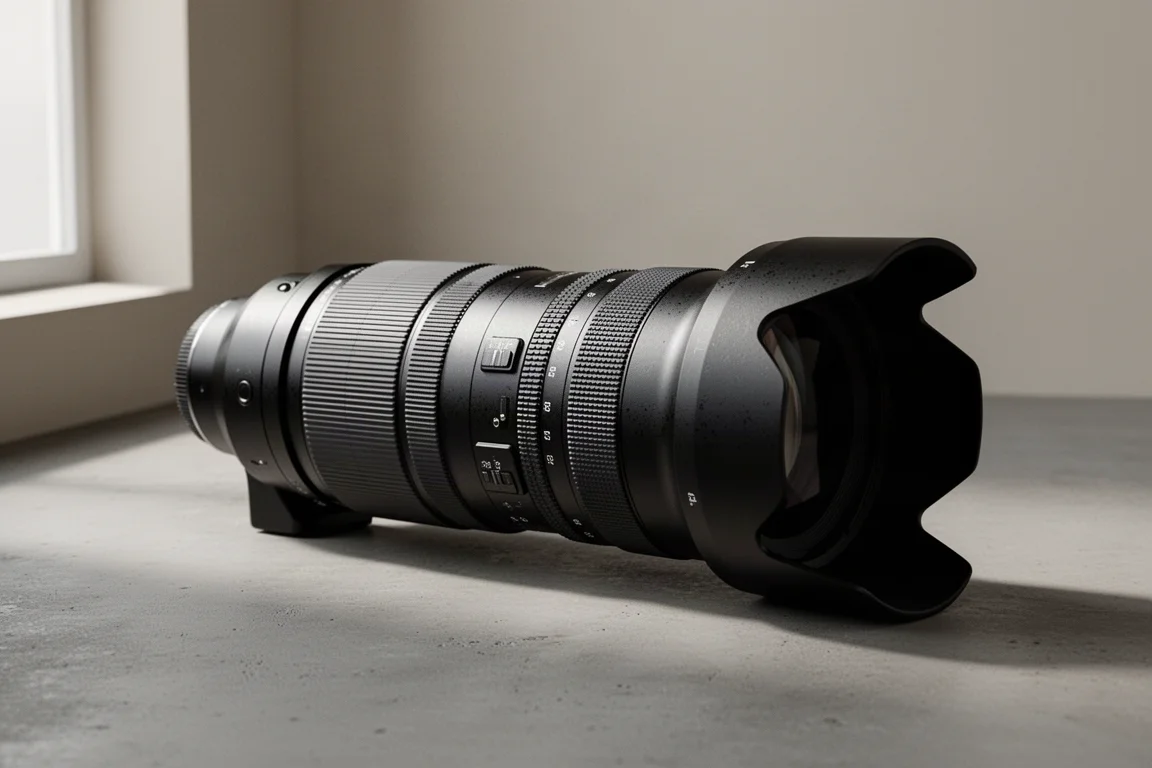
The headline numbers are straightforward. You get a 100-400mm focal range, a variable f/5-6.3 aperture, and roughly seven stops of image stabilization, which helps a lot when shooting handheld at long focal lengths. The lens weighs 1,125g, about 2.48 lb, and that figure is without the caps or lens hood.
For comparison, the OM System 150-600mm weighs around 4.5 lb, so the 100-400mm drops roughly two pounds from your bag and your arms. That difference is what positions it as a travel-friendly wildlife lens you can actually fit in a backpack.
Design and Handling
Out of the box, the lens feels genuinely compact for its class. The control layout is practical: an autofocus/manual focus switch, an IS on/off switch, and a focus limiter with 1.3m to 6m, full, and 6m to infinity positions, plus a lock so the barrel does not creep when carried. The zoom extends in and out, and a lens hood is included in the box.
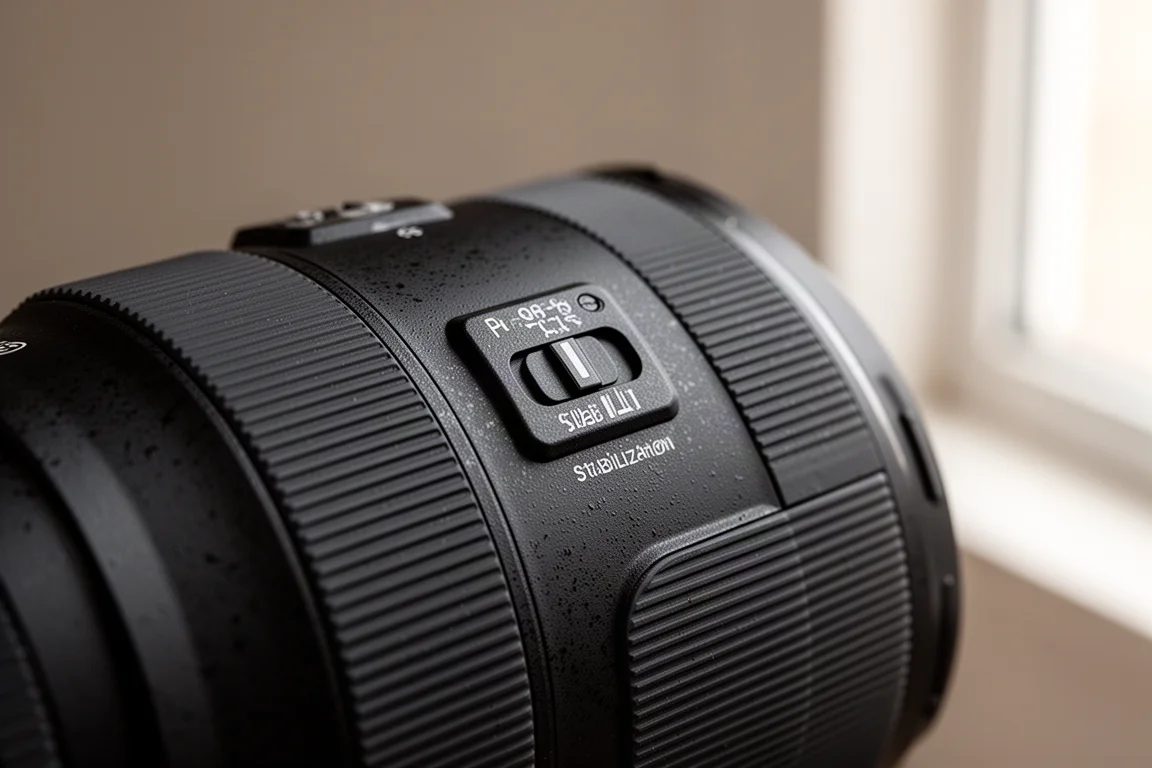
Two design details stand out. First, the lens is splash-proof and dust resistant, which matters for outdoor wildlife work in unpredictable weather. Second, it uses a fluorine coating on the front element so moisture tends to wick off and cleaning is easier. The glass is ED type, so optical quality should be strong.
One initial gripe is the tripod collar, which can feel like it gets in the way when rotating the lens. The good news is that it is removable: you can unscrew and reposition it or take it off entirely, and shooting without it felt noticeably easier in use.
Field Experience: Shooting Birds in the Snow
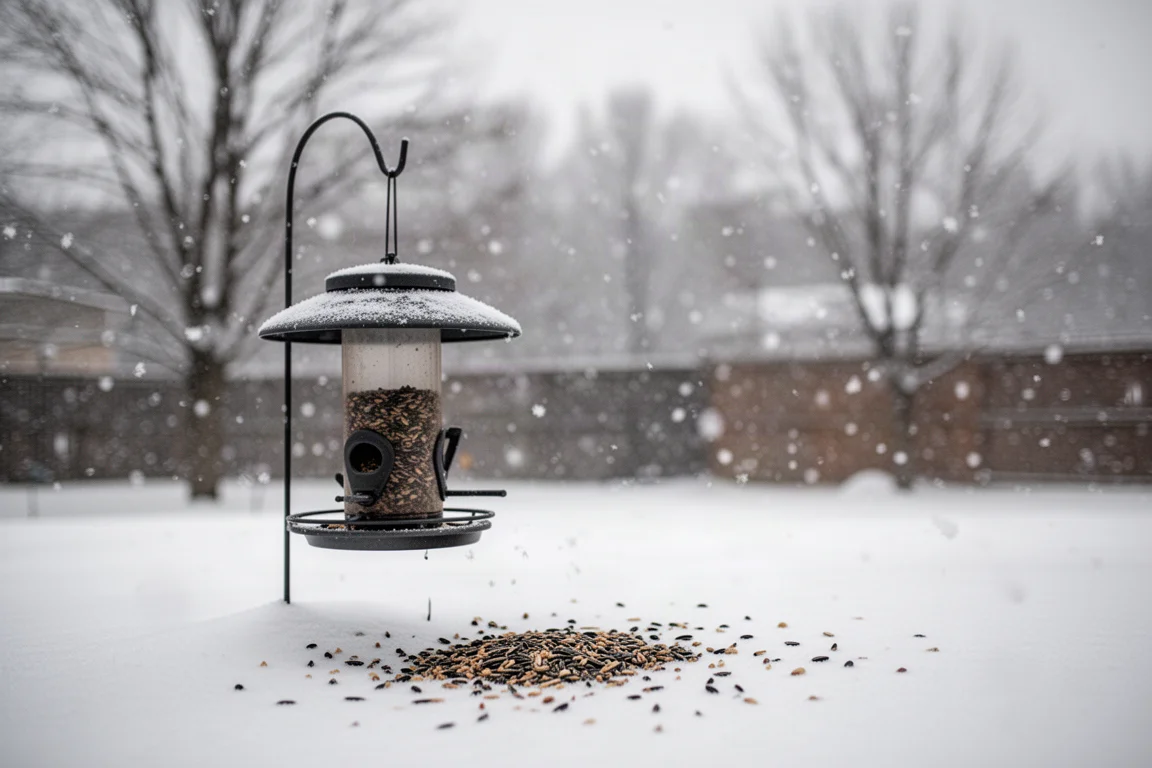
Testing happened in a backyard during heavy snowfall, with the lens mounted on the OM-1 Mark II and shooting in shutter priority at JPEG quality. The light was not great, but the snow added atmosphere, and the setup proved capable. A mourning dove in the snow, chickadees working the trees, a red-bellied woodpecker, juncos, squirrels, a nuthatch, downy woodpeckers, and even geese flying overhead all became workable subjects.

Handheld use is where the low weight pays off. With less mass to hold steady, the built-in stabilization has an easier job, and long sessions are far less fatiguing than with the heavier 150-600mm. For fast-moving chickadees, shutter speed had to climb from 1/1000 to 1/1600 to freeze their quick movements properly.
A realistic caveat: with that much snow, any camera will sometimes focus on the snowflakes instead of the bird. The OM-1 Mark II’s bird eye-detection autofocus does a good job of locking onto the bird itself, but occasional focus-on-snow misses are just part of shooting in these conditions. Getting down to the bird’s level remains the best simple tip for better-looking shots.
Final Thoughts
The OM System 100-400mm f/5-6.3 earns its place as a lightweight alternative to the 150-600mm. With the 800mm equivalent max reach on OM-1 bodies, you can get close to small birds, and the extra 200mm matters since 600mm equivalent is normally the practical minimum for small birds. The fluorine coating, splash-proofing, and ED glass round out a package that makes real sense for travel and all-day handheld shooting.

If you need absolute maximum reach, the 150-600mm is still the better pick, though teleconverters can be added to this lens. That said, getting the reach from the lens and body combination itself is generally preferable to adding converters. Removing the tripod collar made handheld shooting more comfortable, and it is worth trying both ways. As a lightweight travel wildlife lens, this one is easy to recommend.
Conclusion
For bird and wildlife shooters on the OM-1 system who value portability, the 100-400mm f/5-6.3 hits a sweet spot: 800mm equivalent reach, seven stops of stabilization, weather sealing, and a weight that will not wear you out. Anyone prioritizing sheer reach over weight should still look at the 150-600mm, but as a travel-friendly wildlife zoom, this lens makes a strong case.
Product link
View more details for OM System 100-400mm f/5-6.3
This product is mentioned in the review. Check the specifications, options, and compatibility before buying.
View more details for OM System 100-400mm f/5-6.3Further reading
Related Reviews
Camera Lenses
Sony 1635mm F2.8 GM2 Lens Review: Compact Wide-Angle Performance
The Sony 1635mm F2.8 GM2 delivers impressive optical sharpness and a notably lighter design compared to previous F2.8 ultra-wide lenses, making it a practical choice for landscape and video work.
Camera Lenses
Sigma 150-600mm Lens Review: An Honest Look After 18 Months of Use
A long-term review of the Sigma 150-600mm telephoto lens, covering glass quality, focus behavior, stabilization, and whether it is the right pick for beginner bird photographers.
Camera Lenses
OM System 50-200mm Lens Review: A Lightweight Telephoto for Birds and Beyond
A hands-on look at the OM System 50-200mm lens on the OM-1 Mark II, including the MC-14 teleconverter, internal zoom, and bird photography focus settings.