Camera Lenses
Sigma 15mm f/1.4 DG DN Diagonal Fisheye Review: A First of Its Kind for Astrophotography
The first f/1.4 full-frame diagonal fisheye ever made delivers astonishingly clean star fields, though it remains a pricey specialty lens.
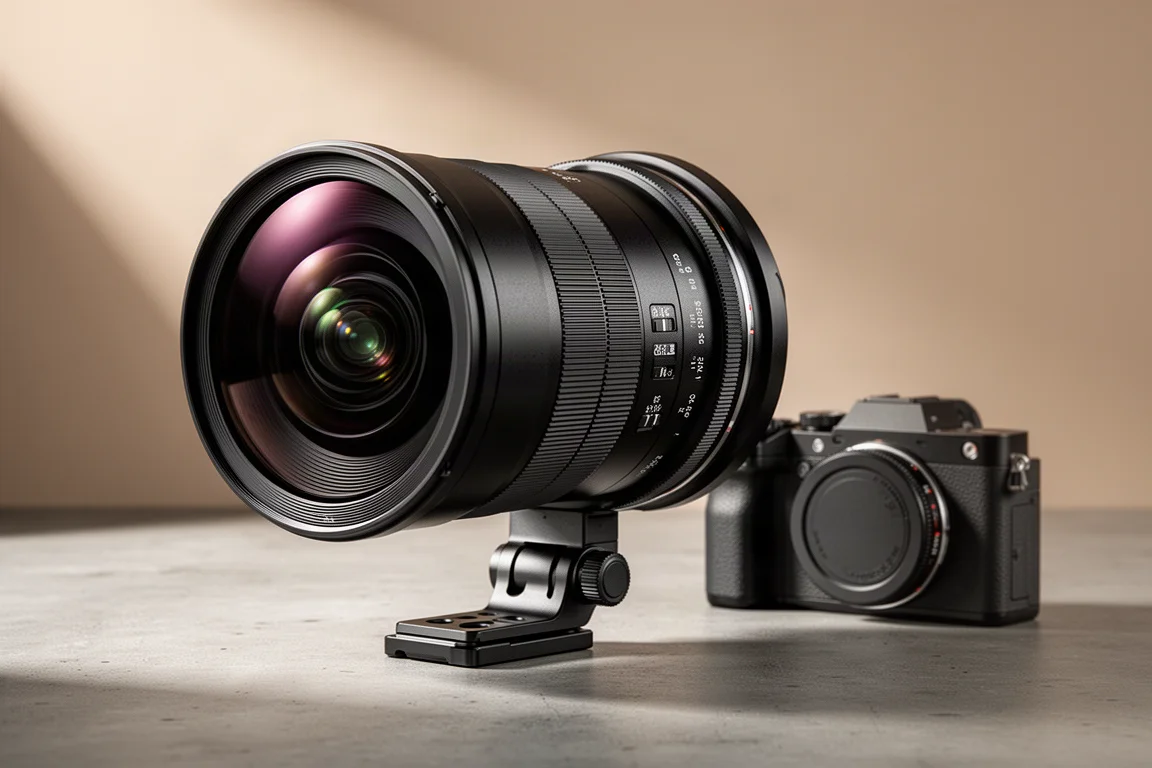
Introduction
Fisheye lenses have always occupied a strange corner of photography: fun, wild perspectives, but rarely held to a high technical standard. They are traditionally slow, not especially sharp, and not the kind of optic you would trust with high-resolution detail or clean star profiles. The Sigma 15mm f/1.4 DG DN Diagonal Fisheye changes that expectation in a single stroke. It is literally the first f/1.4 full-frame diagonal fisheye lens ever made, and it sits in Sigma’s Art series, the line reserved for its best optical work. For comparison, the fastest full-frame fisheye lenses commonly available are f/2.8, a full two stops slower.
The price reflects the ambition: $2,000 USD. That is a lot for a specialty lens, but this is not an ordinary fisheye. After extended testing on a 61-megapixel full-frame sensor, it is genuinely impressive what Sigma has achieved here: a fisheye that is well corrected and sharp across the field even wide open.
Design and Build
Like the Sigma 14mm f/1.4 DG DN released before it, this is an incredibly heavy lens. The 14mm weighs 1,170g, and the fisheye adds another 200g for a total of 1,360g, about three pounds. To support all that weight, the lens includes a rotatable tripod ring with an Arca Swiss compatible foot, letting the camera rotate smoothly to any orientation between horizontal and vertical.
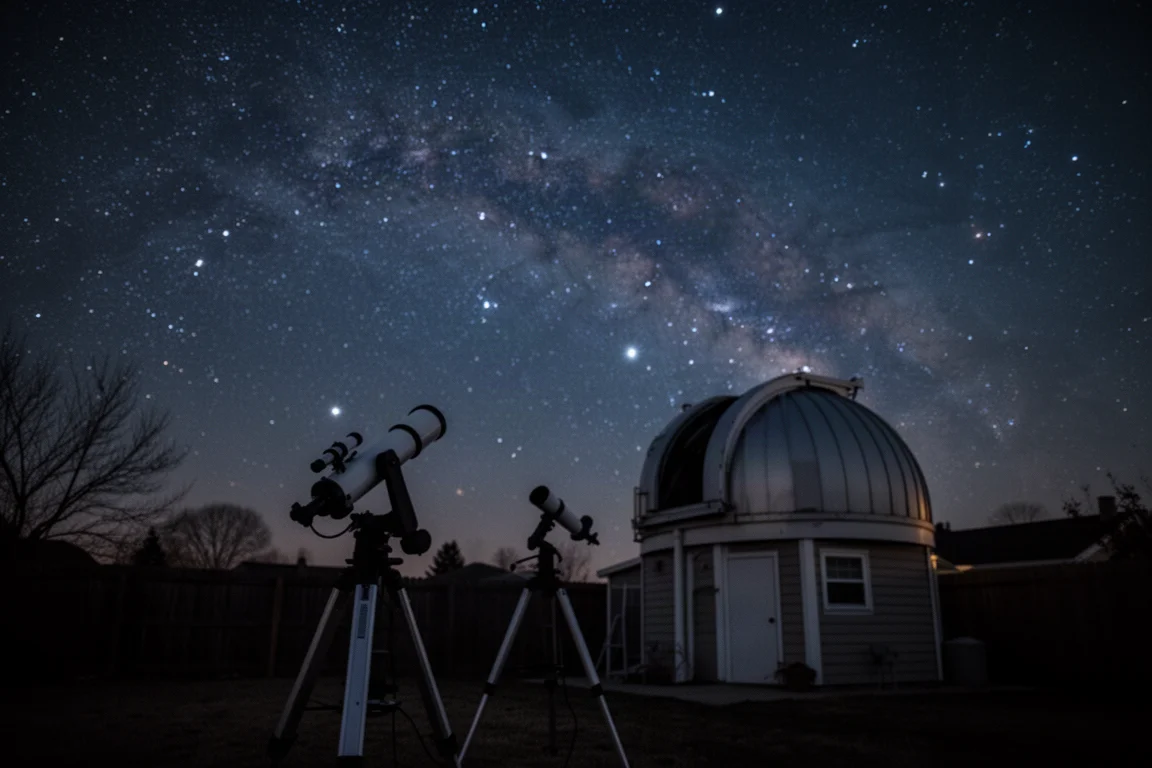
The lens belongs to Sigma’s DG DN Art line for full-frame mirrorless cameras, with Sony E-mount and L-mount versions available. Testing was done on the L-mount version paired with Sigma’s flagship fp L camera and its 61-megapixel Sony IMX455 sensor, the same sensor used in recent Sony A7R bodies and several dedicated full-frame astro cameras. With a pixel pitch under four microns, this sensor hides nothing, so any optical fault would be apparent.
Handling and Features
The lens is very consistent with the 14mm f/1.4 in its feature set. Focus is focus-by-wire, which means it cannot be used with an astronomy camera and requires electronic focus. A switch can lock the electronic focus in place, a genuinely useful touch. There is also a small lip at the front designed to keep a dew heater band from slipping into the field of view. On a fisheye with a 180-degree corner-to-corner field of view, that matters; dew heater bands creeping into shots is a familiar frustration with ultra-wide glass.
It is clear Sigma designed and marketed this lens with astrophotography in mind, which is refreshing to see given how small that market is compared to sports, wildlife, and landscape.
Image Quality: Corners Where the Magic Happens
All test images were shot at ISO 1600 with roughly 60-second exposures from a backyard observatory under a Bortle 3 sky, straight from camera with minimal processing. Compared against the Sigma 14mm f/1.4, the sharpest rectilinear ultra-wide tested to date, the fisheye behaves remarkably.
In the center of the frame, the two lenses are nearly identical. Star spacing looks the same, and at f/2.8 and f/4 it would be difficult to tell which lens took which shot. The 14mm is perhaps very slightly tighter and slightly more saturated on colored stars wide open, but the differences are marginal.
The corners tell the real story. The rectilinear 14mm must correct its corners to keep lines straight, which stretches and fattens the stars there. Open clusters that look tight near the center visibly expand toward the frame edges. The fisheye, by contrast, renders the sky as the dome it actually is, and the result is startling: corners nearly as clean as the center. Stars are round even at extreme magnification, with only minimal distortion visible when you zoom way in.
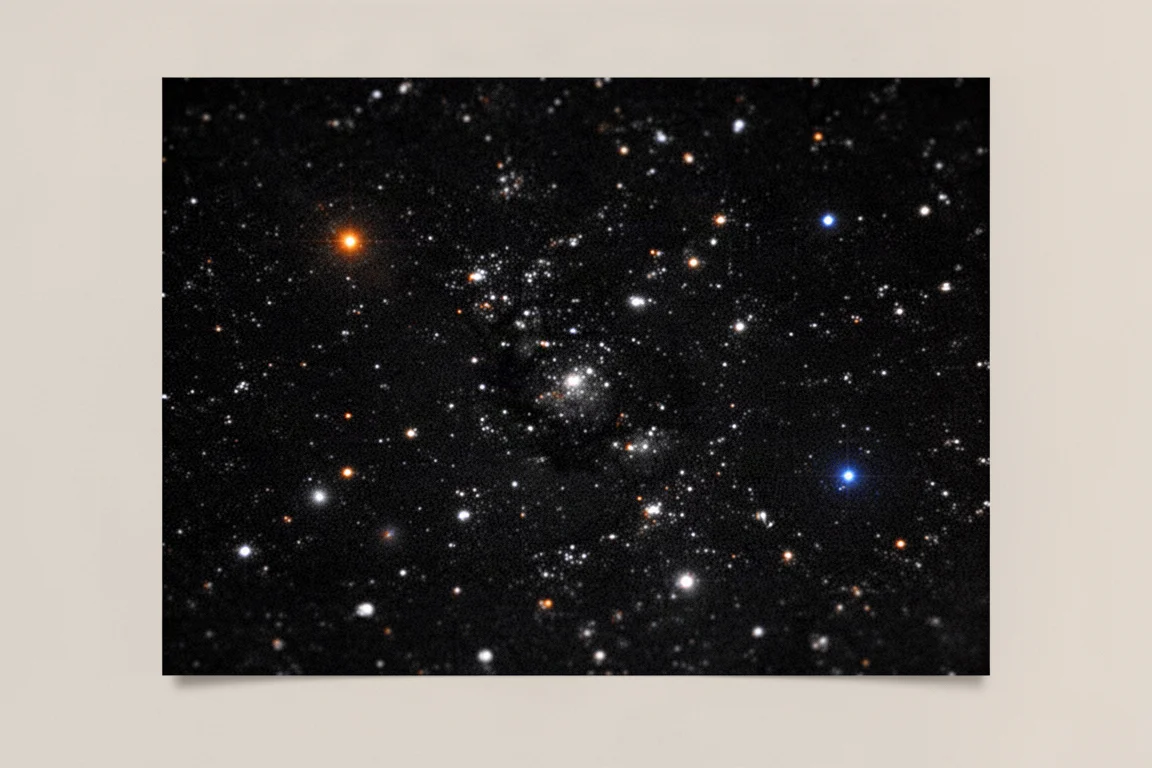
Vignetting is acceptable on both lenses at f/1.4, with the fisheye arguably flatter. By f/2.8 the fisheye looks perfectly flat across the field, while the 14mm retains a trace of corner shading until f/4. Wide-angle shooters should also note the trade in geometry: the fisheye bends foreground straight lines dramatically in the lower half of the frame, while offering a wider 180-degree field versus 114 degrees, with more headroom above subjects like star asterisms.
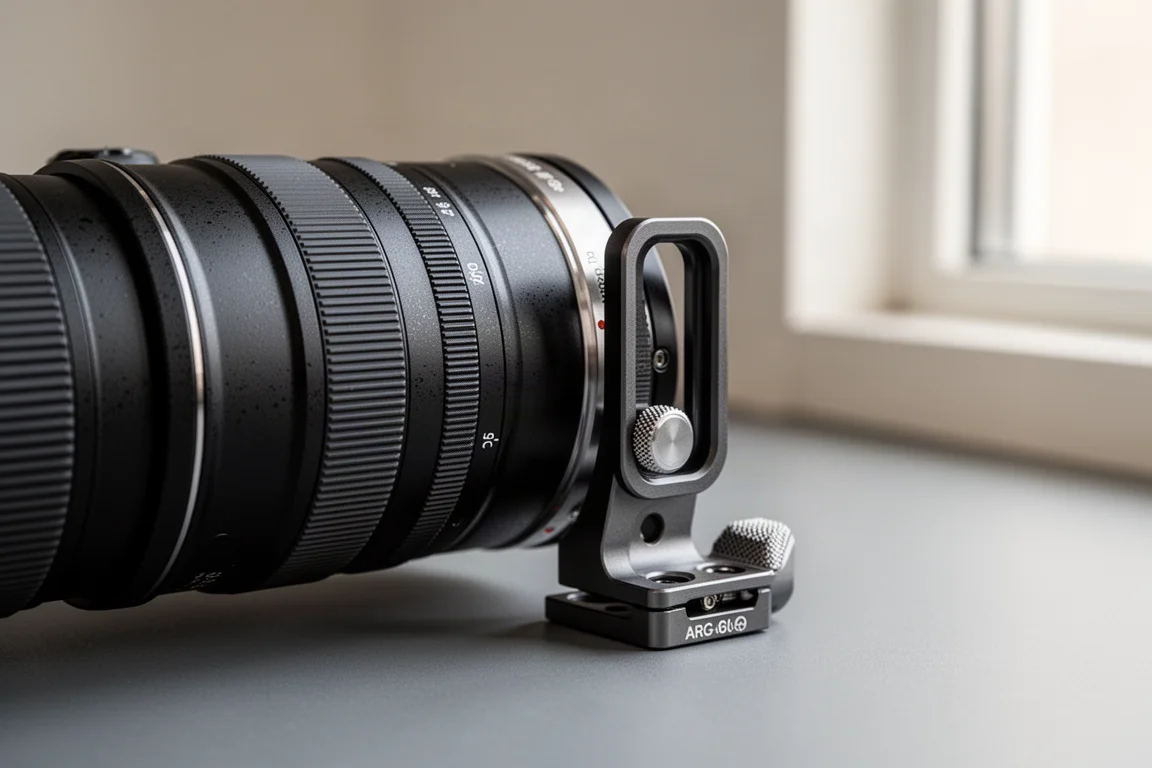
The overall effect is a strange, rewarding image: perfectly rendered stars across a curved sky, almost like a survey mosaic. It is technically a fascinating lens even if the artistic possibilities are still being explored.
Sample Image Potential
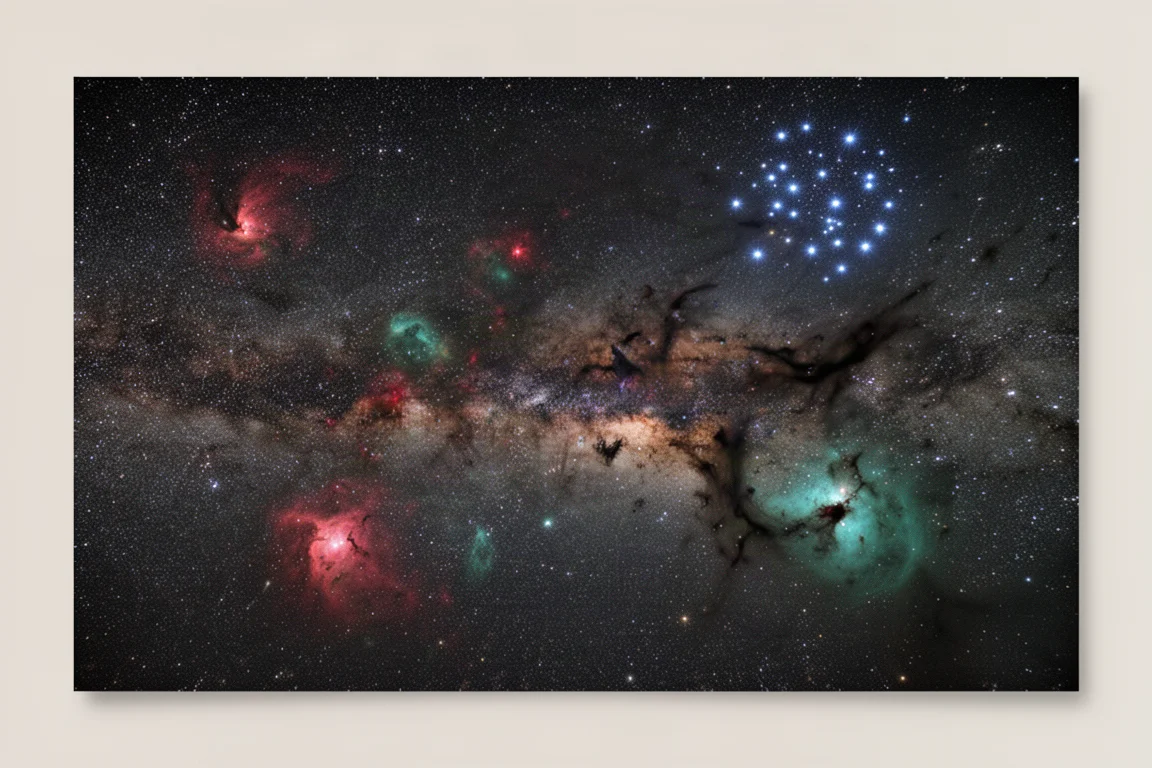
A straight-from-camera shot at f/2.8 and ISO 1600 for 60 seconds looks flat, but light processing brings out the winter hexagon asterism and the dark nebula features in the winter Milky Way. The test camera was stock, not modified for H-alpha, so fainter red structures like Barnard’s Loop do not appear in a single one-minute exposure, yet the Rosette Nebula and the California Nebula are both visible, along with the Pleiades and the Hyades.
Buying Advice
This is still a specialty lens with a high price point. Fisheye perspectives are not for everyone, and the distortion many photographers dislike is inherent to the design. But if the fisheye look appeals to you, and especially if you shoot nightscapes or astrophotography, this lens has no real competition. Nothing else combines a 180-degree diagonal fisheye view with f/1.4 speed and this level of corner-to-corner star rendering on a high-resolution sensor. For lens enthusiasts and night-sky shooters, it is one of a kind.
Conclusion
Sigma has done something genuinely new: a fisheye that behaves like a serious, fast, well-corrected prime. At $2,000 USD it demands commitment, and the weight and focus-by-wire design make it a dedicated tool rather than an everyday walkaround lens. But for astrophotographers who love the immersive fisheye perspective, the Sigma 15mm f/1.4 DG DN Diagonal Fisheye is not just the best option in its class; it is currently the only one of its kind.
Product link
View more details for Sigma 15mm f/1.4 DG DN Diagonal Fisheye
This product is mentioned in the review. Check the specifications, options, and compatibility before buying.
View more details for Sigma 15mm f/1.4 DG DN Diagonal FisheyeFurther reading
Related Reviews
Camera Lenses
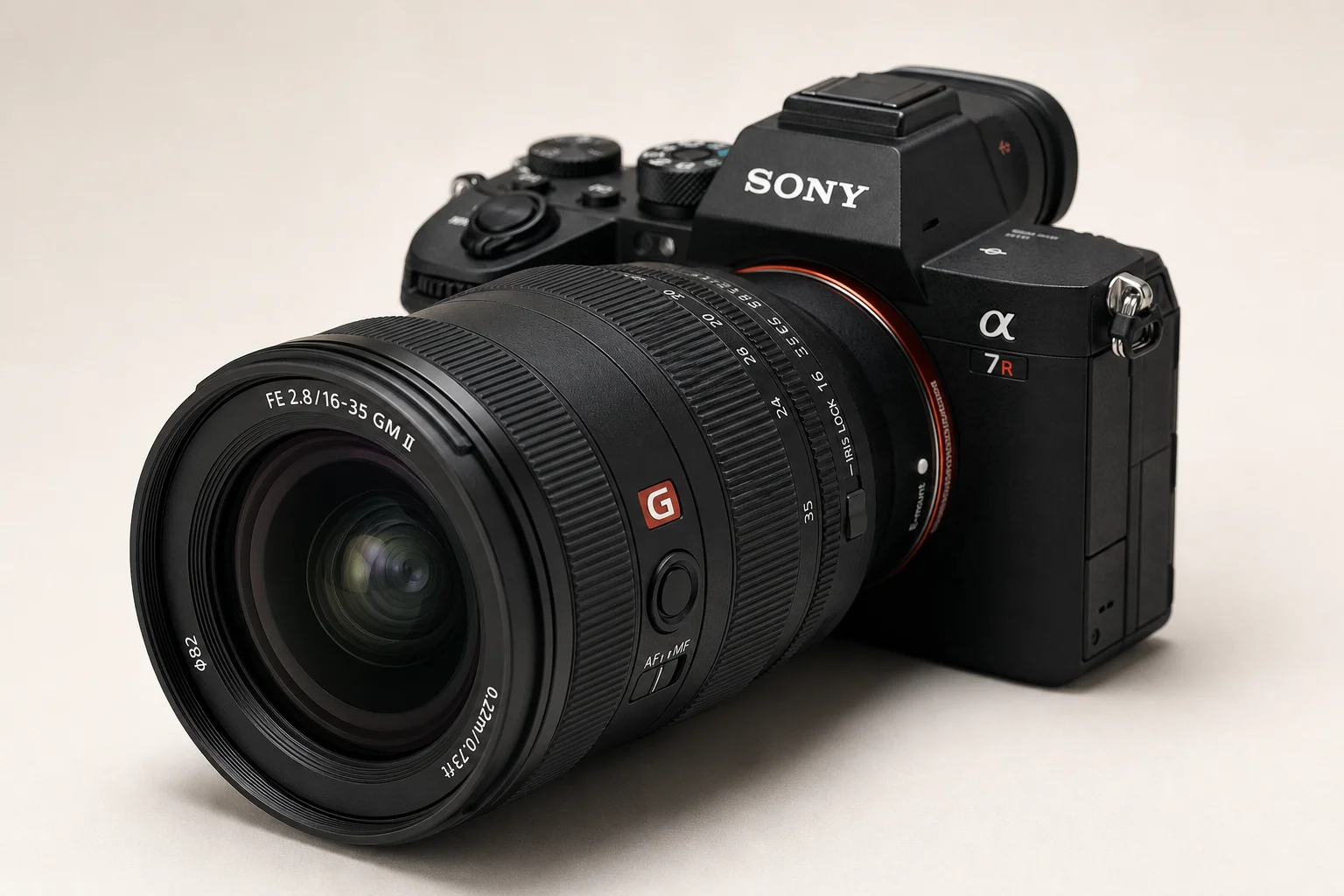
Sony 1635mm F2.8 GM2 Lens Review: Compact Wide-Angle Performance
The Sony 1635mm F2.8 GM2 delivers impressive optical sharpness and a notably lighter design compared to previous F2.8 ultra-wide lenses, making it a practical choice for landscape and video work.
Camera Lenses
Sigma 150-600mm Lens Review: An Honest Look After 18 Months of Use
A long-term review of the Sigma 150-600mm telephoto lens, covering glass quality, focus behavior, stabilization, and whether it is the right pick for beginner bird photographers.
Camera Lenses
OM System 100-400mm f/5-6.3 Review: A Lightweight 800mm Wildlife Lens
A compact super-telephoto zoom for Micro Four Thirds that reaches 800mm equivalent on OM-1 bodies while weighing just 1,125g.