Camera Lenses
OM System 50-200mm Lens Review: A Lightweight Telephoto for Birds and Beyond
A hands-on look at the OM System 50-200mm lens on the OM-1 Mark II, including the MC-14 teleconverter, internal zoom, and bird photography focus settings.
Introduction
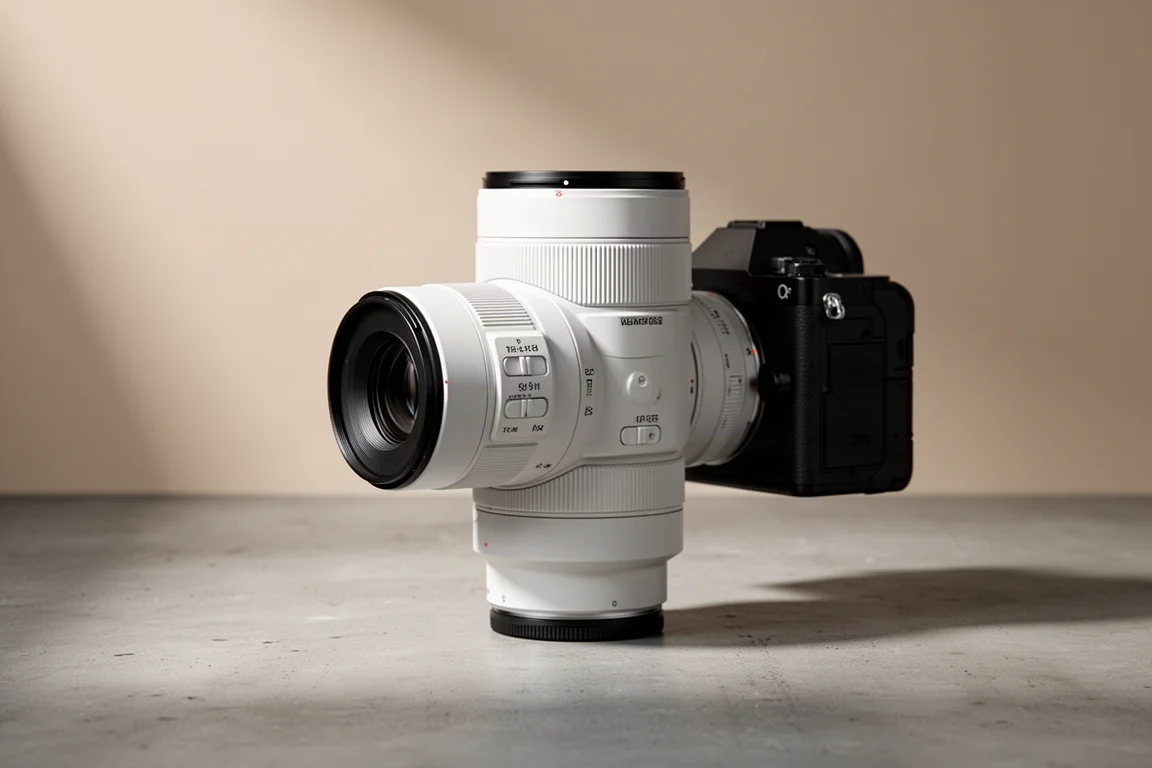
The OM System 50-200mm lens takes a different approach to telephoto shooting than the big super zooms most bird photographers gravitate toward. Paired with the OM-1 Mark II, which is a micro four thirds crop-sensor body, the lens behaves like a 100-400mm equivalent. On its own, that is a little shorter than what is typically recommended for bird photography, where roughly 300mm or more is the usual baseline, but it gets you close enough for most larger birds. Add the optional MC-14 1.4x teleconverter and you reach an effective 140-560mm range, with a small trade-off in clarity that we looked at closely in the field.

Who This Product Is for
This lens makes the most sense for shooters who want a lighter, more travel-friendly telephoto rather than a dedicated birding monster. Anyone coming from a super zoom camera and moving into mirrorless will also feel at home here, since OM System’s ecosystem is quite beginner friendly. If your shooting is a mix of landscape, portrait-style work, and the occasional bird you can physically get close to, this is a sensible compromise lens rather than a specialist one.
Main Strengths
The standout feature is the internal zoom. Focusing stays smooth while the zoom mechanism works entirely inside the barrel, with no physical extension as you move from 50mm to 200mm. That is the kind of touch usually seen on high-end glass, and in use it makes the zoom feel consistently easy and precise. The lens is also noticeably lighter than OM System’s 150-600mm, which makes it the better pick when weight and travel matter.
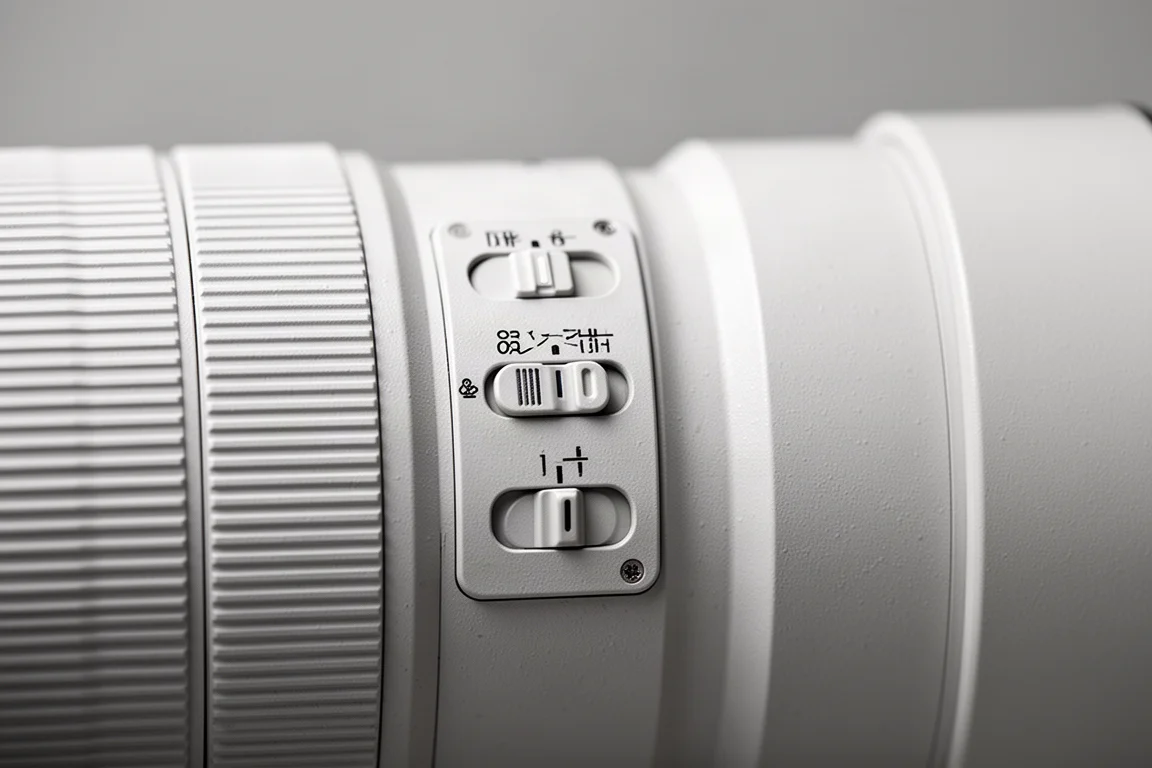
The external controls are well laid out too, with switches for autofocus and manual focus, stabilization, and focus range limits. It comes with a nice carrying case, and the white finish looks good on the camera body, even if you were expecting black.
Things to Consider Before Buying
The main limitation is reach. On its own, 50-200mm is not what most people would call a bird lens unless you can get genuinely close to your subjects. Even with the crop factor making it an effective 100-400mm, smaller birds will push the lens to its limits. The MC-14 teleconverter helps by sitting between the camera body and the lens, extending the range to an effective 140-560mm, but a converter normally costs you a bit of image clarity. In practice, the reduction felt mild: flight shots of gulls with the converter and the cross focus pattern came out well, though not every frame was perfect.
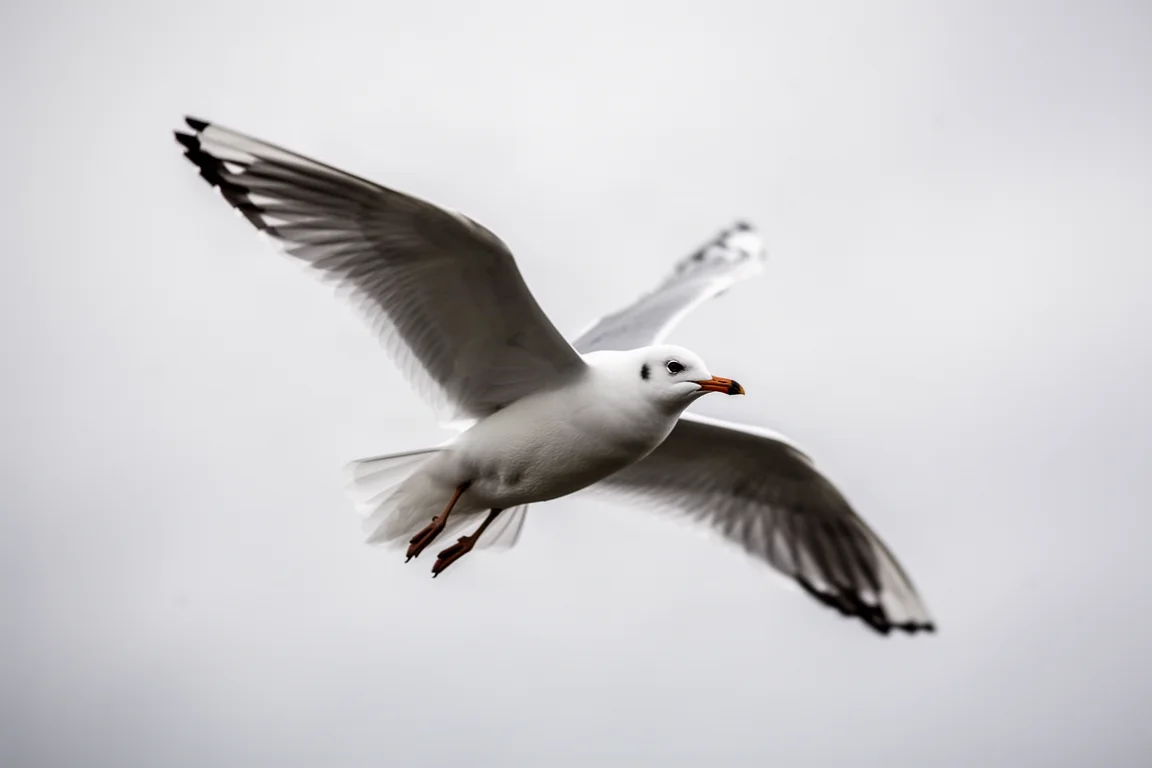
For birds in flight, raising the shutter speed to around 1/1600 helps keep wings sharp, above the usual rule of at least matching 1 over the focal length. With the base lens at an effective 400mm, a shutter speed of 1/1250 or higher is a comfortable starting point.
Buying Advice
A few field-tested settings make this setup much easier to live with. Back button autofocus is worth enabling, since it lets you refocus on a subject with a single rear-button press. For perched birds, the single point target moved onto the bird’s eye with the joystick is the most reliable mode, especially when the camera keeps locking onto surrounding leaves instead. For birds in flight, the five target group mode works better, keeping focus on the eye and body rather than drifting to a wing tip.
One useful habit from OM System’s own birding guidance: keep face and eye priority turned off when shooting wildlife, because it constantly hunts for human faces and can cause real problems. If you are newer to bird photography, OM System also maintains a dedicated birding resource on its website, with tips on autofocus, super telephoto shooting, and Pro Capture, plus an ambassador gallery and birding events. It is a genuinely helpful starting point.
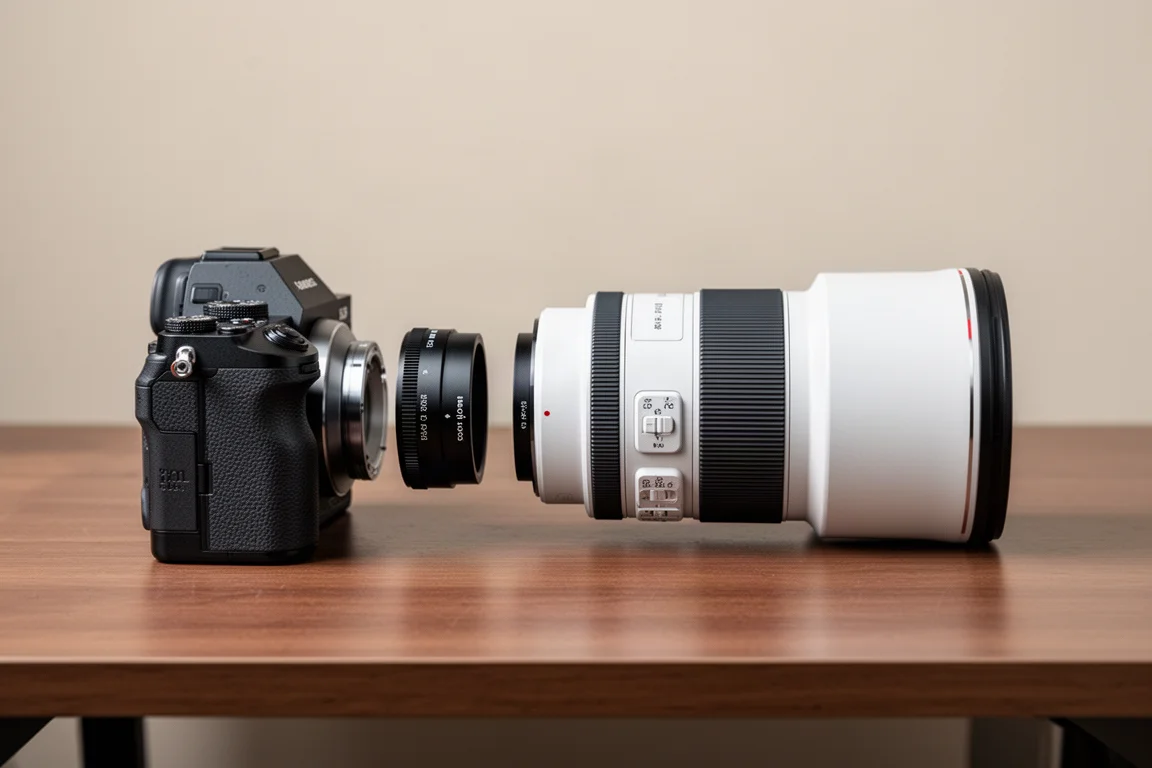
If your shooting sits between genres, some landscape and portrait work mixed with birds you can approach, the 50-200mm with the MC-14 is a strong, lighter-weight alternative to a 150-600mm. If small, distant birds are your main subject, a longer dedicated lens remains the better tool.
Conclusion
The OM System 50-200mm is a smooth, well-built telephoto whose internal zoom, light weight, and flexible controls make it a pleasure to use day to day. It is not a dedicated bird lens on its own, but with the micro four thirds crop factor and the MC-14 teleconverter, it becomes a genuinely workable birding setup when you can get reasonably close. For mixed shooting where travel weight matters, it is an easy lens to recommend.
Product link
View more details for OM System 50-200mm Lens
This product is mentioned in the review. Check the specifications, options, and compatibility before buying.
View more details for OM System 50-200mm LensFurther reading
Related Reviews
Camera Lenses
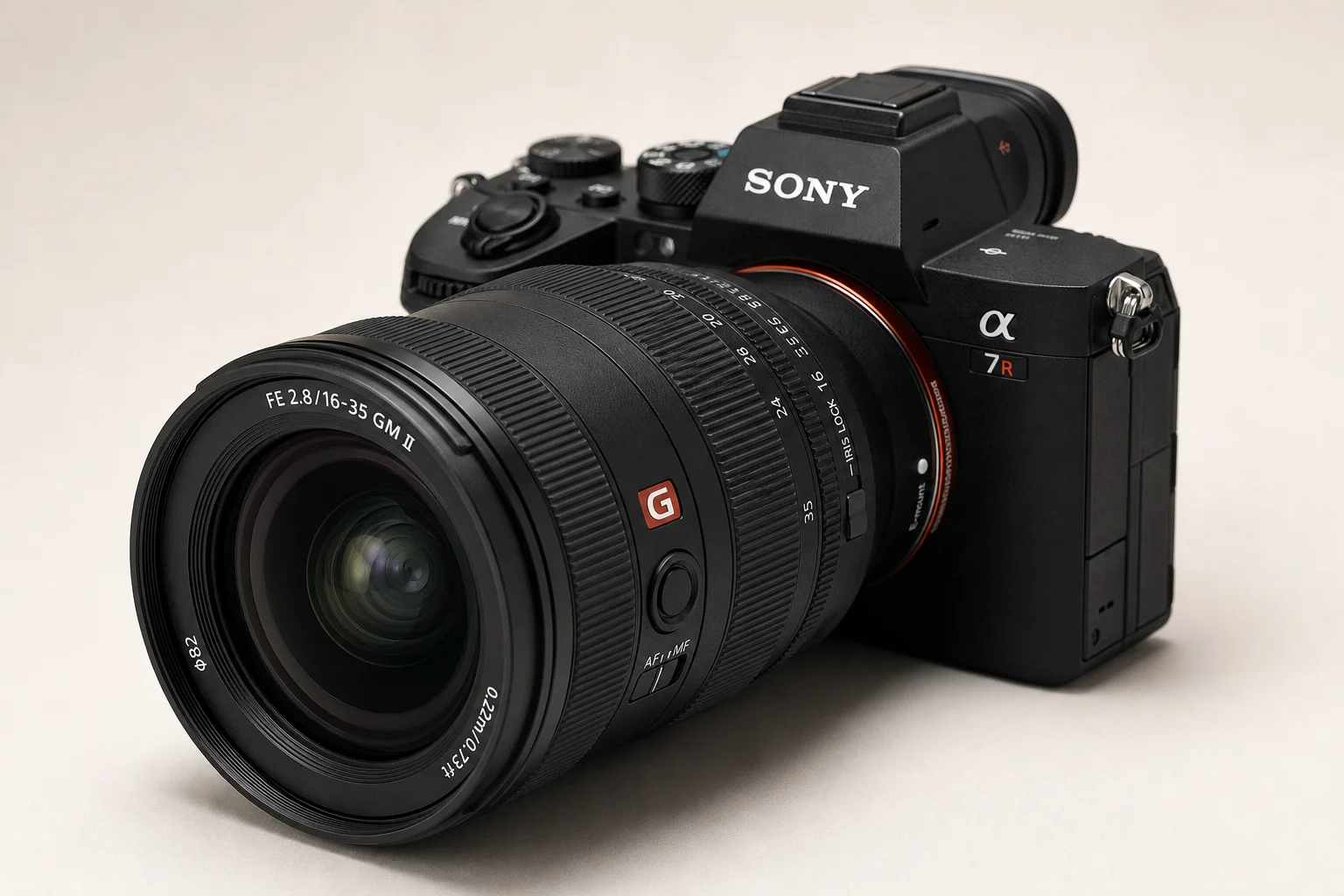
Sony 1635mm F2.8 GM2 Lens Review: Compact Wide-Angle Performance
The Sony 1635mm F2.8 GM2 delivers impressive optical sharpness and a notably lighter design compared to previous F2.8 ultra-wide lenses, making it a practical choice for landscape and video work.
Camera Lenses
Sigma 150-600mm Lens Review: An Honest Look After 18 Months of Use
A long-term review of the Sigma 150-600mm telephoto lens, covering glass quality, focus behavior, stabilization, and whether it is the right pick for beginner bird photographers.
Camera Lenses
OM System 100-400mm f/5-6.3 Review: A Lightweight 800mm Wildlife Lens
A compact super-telephoto zoom for Micro Four Thirds that reaches 800mm equivalent on OM-1 bodies while weighing just 1,125g.