Cookbooks
Sift by Nicola Lamb Review: A Pastry Cookbook That Teaches You to Think Like a Baker
After cooking through 16 recipes from Sift, we found a technique-driven pastry book that rewards patience, tolerates failure, and genuinely makes you a better baker.
Introduction
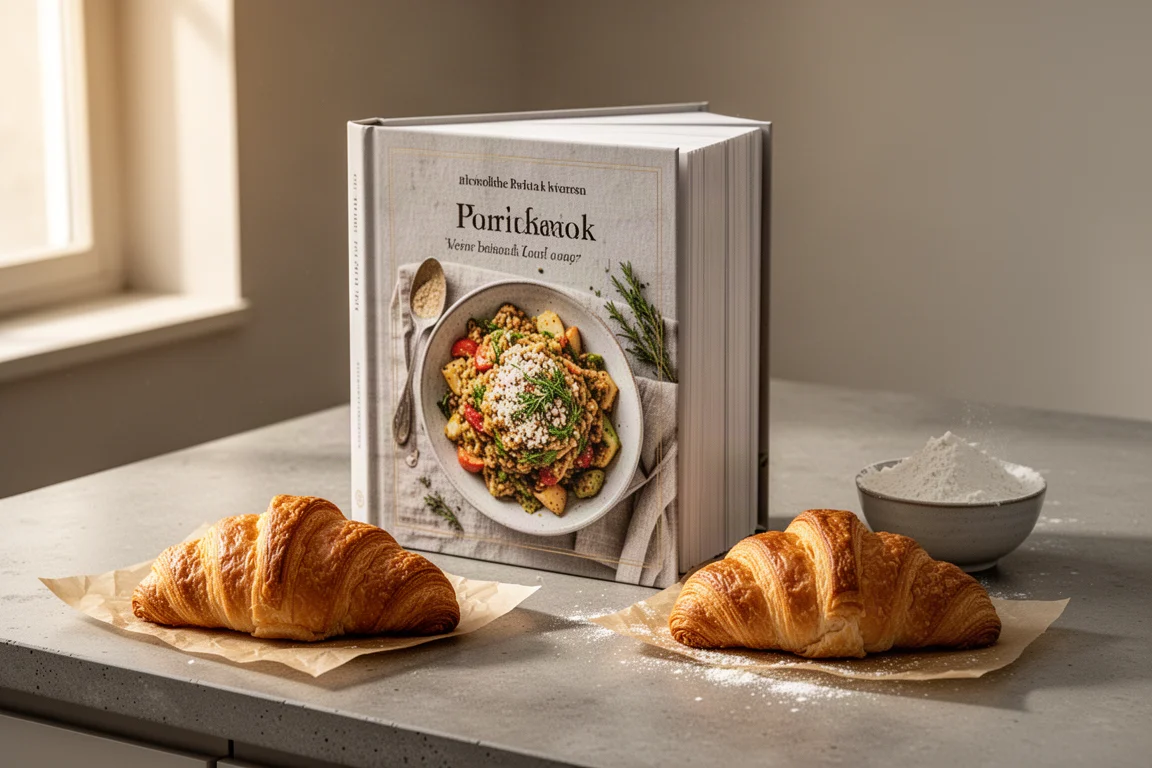
Sift by Nicola Lamb is the debut cookbook from a pastry chef, recipe developer, and writer who has cooked in world-class kitchens in both the US and the UK. Over the past month we cooked 16 of its 121 recipes, and this turned out to be the biggest, slowest review we have ever done. It was worth every egg. This is a pastry book that does not just hand you recipes; it sets out to teach you how to read any recipe and think: I can make this.
Why We Spent a Month with Sift
Nicola states her mission clearly in the introduction: to teach the fundamental principles and techniques that underpin successful baking, with technique-driven recipes that sharpen your instincts. That framing shaped how we tested the book. We started with the hardest, most notorious project in pastry, croissants, a three-day process neither of us had ever attempted, and worked from there through scones, pie, choux, milk bread, cakes, tarts, and frozen desserts.
The book itself is structured unlike any cookbook we have used before. The first third of its roughly 350 pages is a nine-chapter treatise on pastry fundamentals, covering everything from the domestication of wheat to how to build a bake. The recipes that follow are organized by time commitment: an afternoon, a day, and a weekend. That structure matches exactly how pastry planning actually works, and it makes choosing what to bake refreshingly practical.
Fast Wins: Flaky Cheese and Pickle Scones
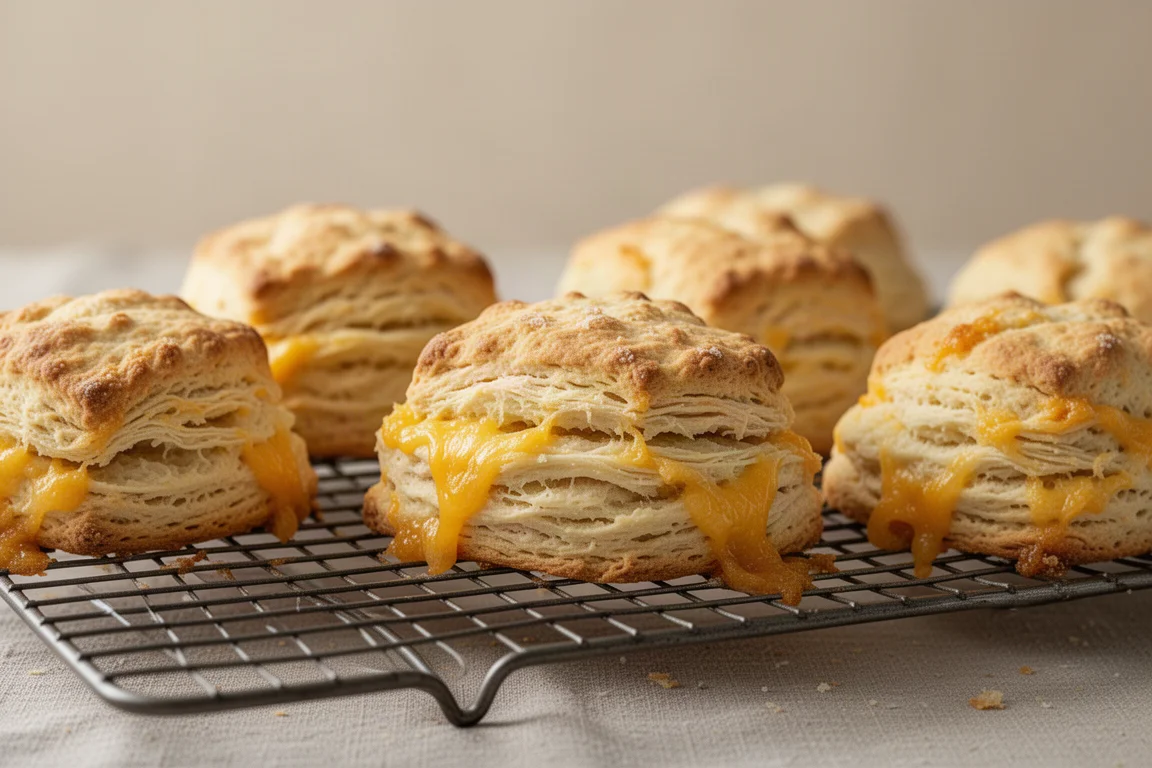
One of the shortest recipes in the book, these British-style scones (flaky layered biscuits, not dense American cookies) took about an hour and delivered one of our earliest successes. The recipe pushes you to get everything genuinely cold, even chilling the dry ingredients, and rewards a light touch. Watching the color of the edges rather than the clock was the right call, and the layers came out flaky, cheesy, and pleasantly pickled, with the rye adding a subtle extra note.
Easy Pie, Great Crust
The chicken pie with rich pastry was our first-ever pie crust, and it went far more smoothly than expected. The dough came together easily, rolled with minimal fuss, and baked into a tender but structured base with crisp, buttery layers on top. The filling leaned very British and mild for our tastes, needing a little extra salt, but the pastry itself was the star and could easily be made ahead and baked later, straight from the freezer.
Choux, Doughnuts, and a Lesson in Textures
The stewed plum and mascarpone karpatka was the first recipe that tripped us up. We swapped in jam since plums were out of season, and while the flavors worked, our mascarpone cream set looser and denser than the photo suggested. It is a dessert best built the day you serve it, not made in advance.
The crullers, by contrast, became an instant repeat bake. From scratch to fried in under 90 minutes, with three glazes to experiment with, they are light, airy, and endlessly customizable. The vanilla cinnamon glaze was our favorite; the hibiscus version smelled wonderful but tasted faint, and grating chili into the sugar comes with an airborne hazard we do not recommend repeating.
The Secret Chocolate Cake
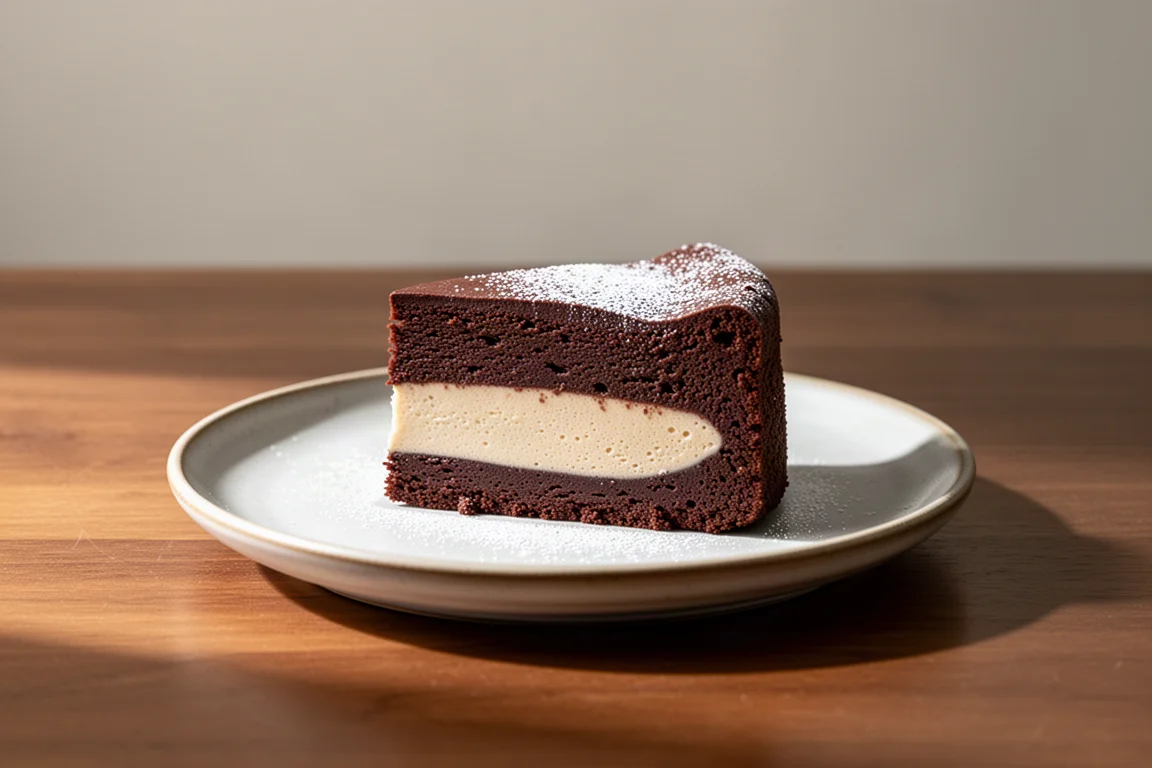
This flourless cake hides several secrets: the batter is split, half baked as a cake and half set as a mousse, with wine-soaked raisins nestled between the layers. The result is dense, fudge-like, and genuinely shareable, keeping up to three days in the fridge or 30 days in the freezer. We found it slightly cloying and would swap the raisins for something crunchy like nuts or puffed rice, but the flavor is good enough that presentation barely matters.
Savory Highlights and a Fresh Twist
The Parmesan and tomato Linzer tort was a surprise favorite. Its short crust owes its extraordinary, dissolving crumbliness to grated hard-boiled egg yolks, and the tomato jam reads more like a rich, buttery pasta sauce than something sweet. Topped with marinated goat cheese, it became a hard smash.
The roasted strawberry Victoria sponge, the first recipe in the book, paired jammy roasted strawberries with a delicate creme fraiche whipped cream. We slightly overbaked our layers by following the five-minute extension instead of reading the signals earlier, but the composition, light, fluffy, with acid cutting the sweetness, still earned high marks.
A Gourmet Frozen Classic
The final recipe, chocolate peanut ice cream bars built on a malt semifreddo, delivered dead-on dark chocolate Snickers flavor in a much more grown-up form. The semi-freddo itself stayed softer than we expected and melts fast on the fingers, and the chocolate dipping step is genuinely messy work. The malt base, though, is a great canvas, and we suspect folding the caramel and peanuts into the ice cream itself would be the smarter next iteration.
Learning by Failing: The Croissant Redemption Arc
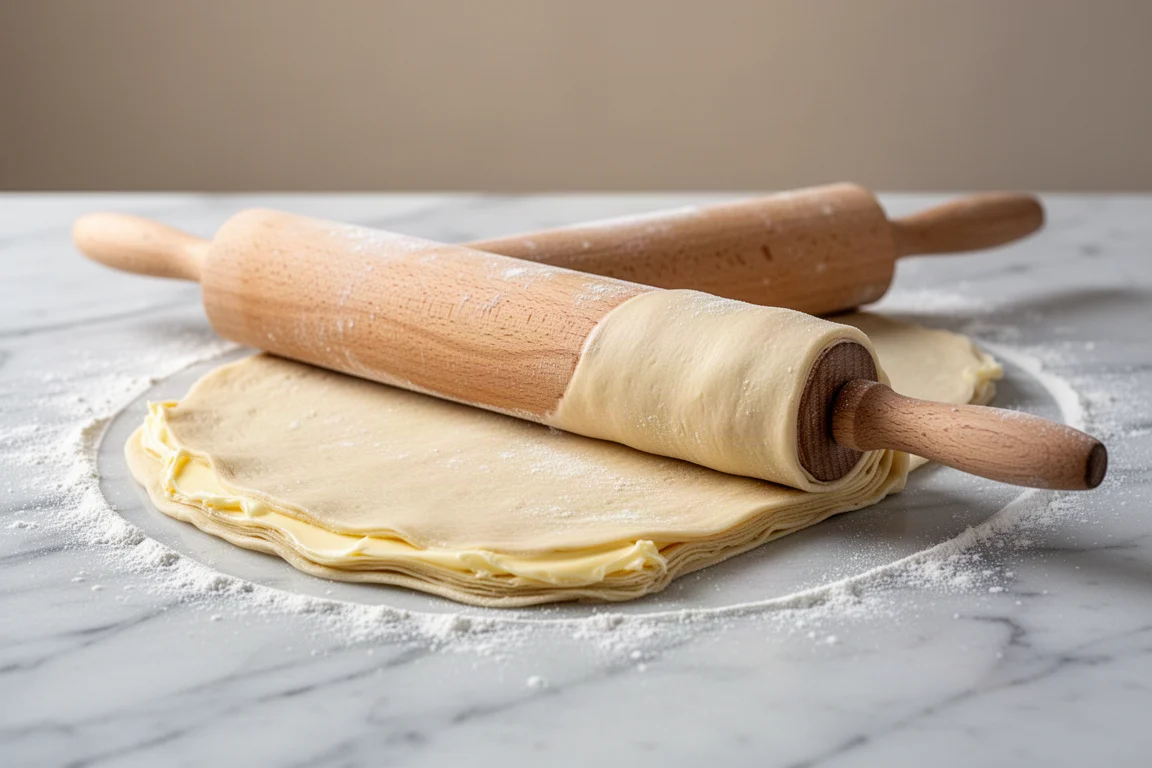
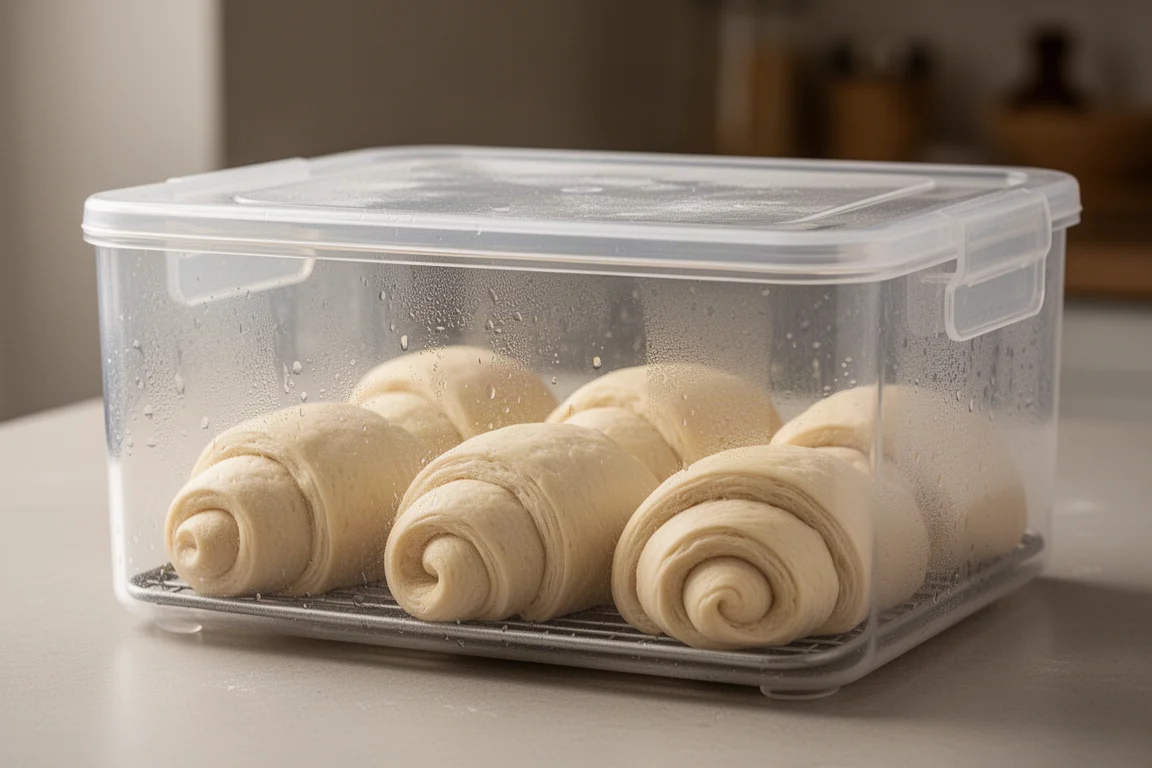
The croissants were our first real failure: underproofed, dense, and too tight despite clearly visible lamination. Rather than blame the book, we diagnosed it. Swapping yeast types, adding salt, and, crucially, fixing the humidity in our proofing setup from around 30 percent to 70 percent transformed the second attempt into something close to what we wanted. That is exactly what this book is built to teach: the failures are the point, and the guidance gives you the tools to read your own mistakes.
Design, Writing, and Value
The design is the best we have encountered in a cookbook. Detailed timelines for every recipe, charts that balance technical and fun, and mostly realistic photography make planning effortless. The writing nails the balance between technical and approachable, with the information you need reliably located where you need it.
We did find a handful of errors, mostly around physical dimensions, likely tied to the US and Canada edition of an originally UK book. The author maintains a remarkably detailed errata page on her website with corrections, so none of these proved make-or-break.
What sets Sift apart is that it is not a quick-and-easy desserts book. It is a get-good-at-pastry book. It expects you to fail in order to learn, and if you commit to that, it delivers understanding that outlasts any single recipe.
Conclusion
Sift by Nicola Lamb is a genuine modern classic for anyone who wants to understand baking at a deeper level, not just collect recipes. It is accessible without being easy, thorough without being stiff, and its technique-first approach gave us confidence in pastry we never had before. If you are starting out in baking or want to sharpen your instincts and are not afraid of a little failure along the way, this is possibly the perfect book for you.
Product link
View more details for Sift by Nicola Lamb
This product is mentioned in the review. Check the specifications, options, and compatibility before buying.
View more details for Sift by Nicola LambFurther reading
Related Reviews
Cookbooks
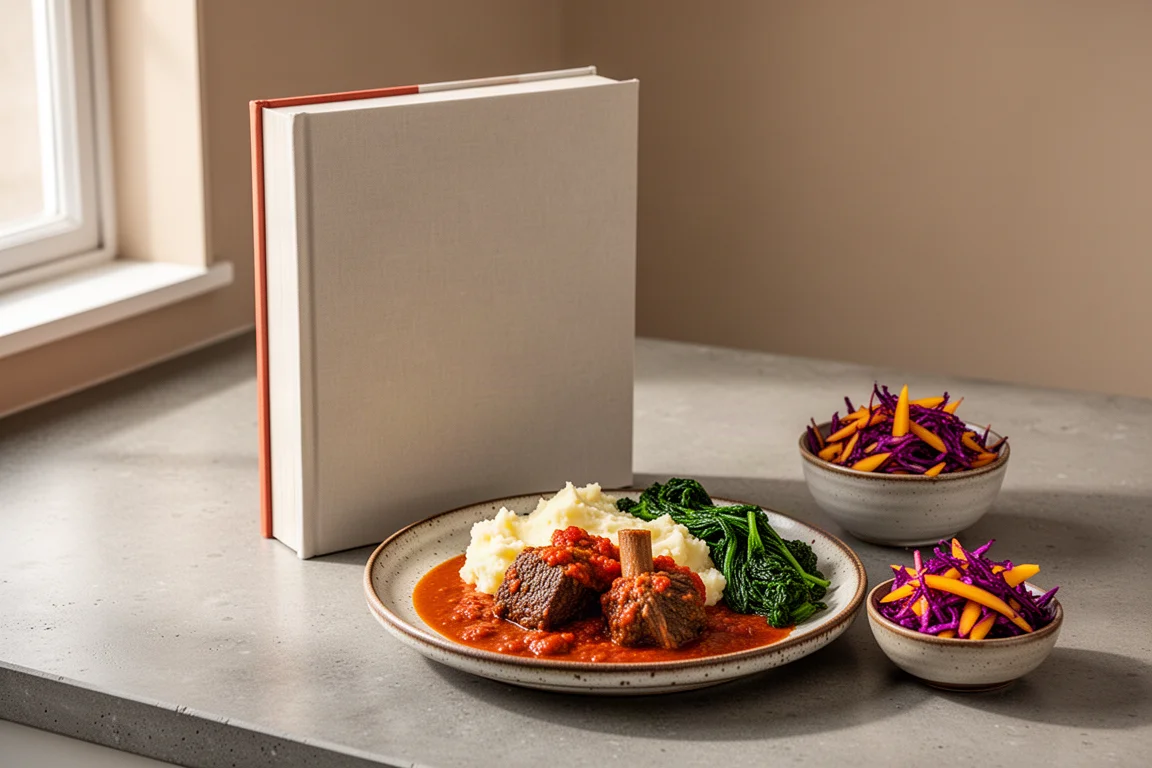
Africana Cookbook Review: A Pan-African Journey Worth Cooking Through
We cooked 13 dishes from Africana by Llorado Umashayor over one week. Here is what worked, what stumbled, and who this beautiful cookbook is really for.
Cookbooks
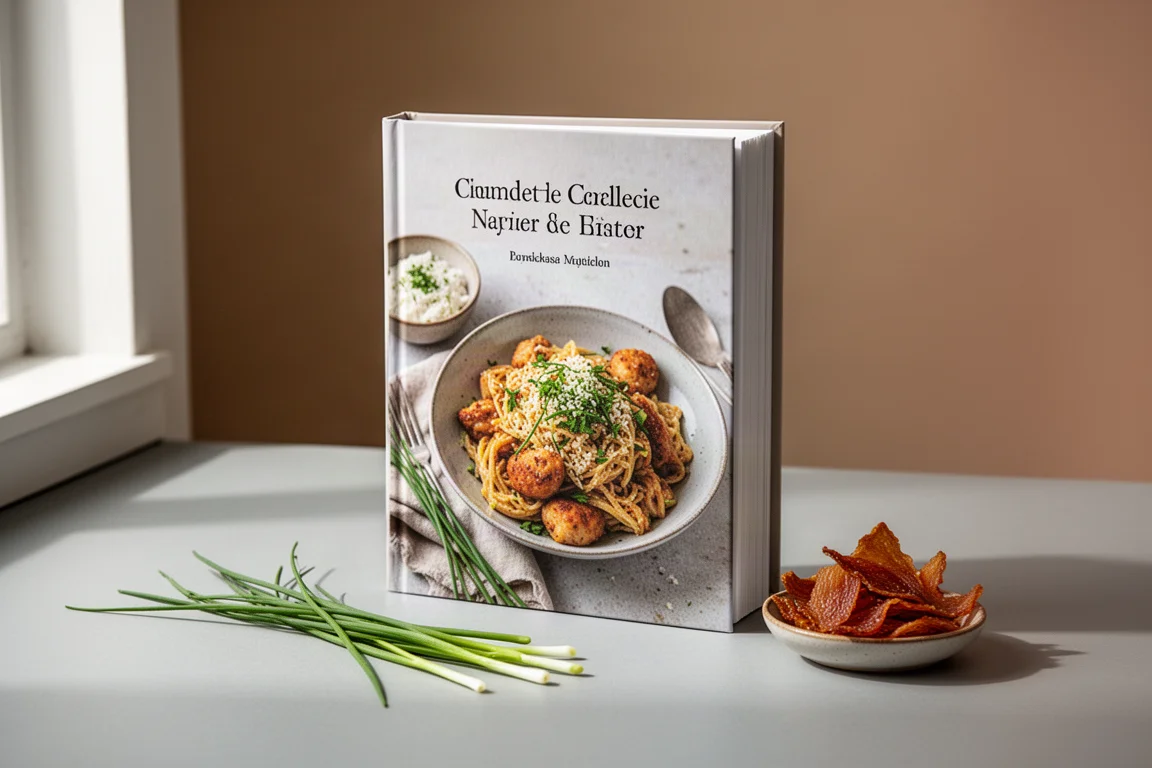
By Heart by Haley Catalano: First Look at a Calm, Practical Cookbook
We cooked two recipes from By Heart by Haley Catalano, including a tomato-based sandwich and chicken fat mashed potatoes, to see if the book's calm, detail-first approach holds up in a real kitchen.
Cookbooks
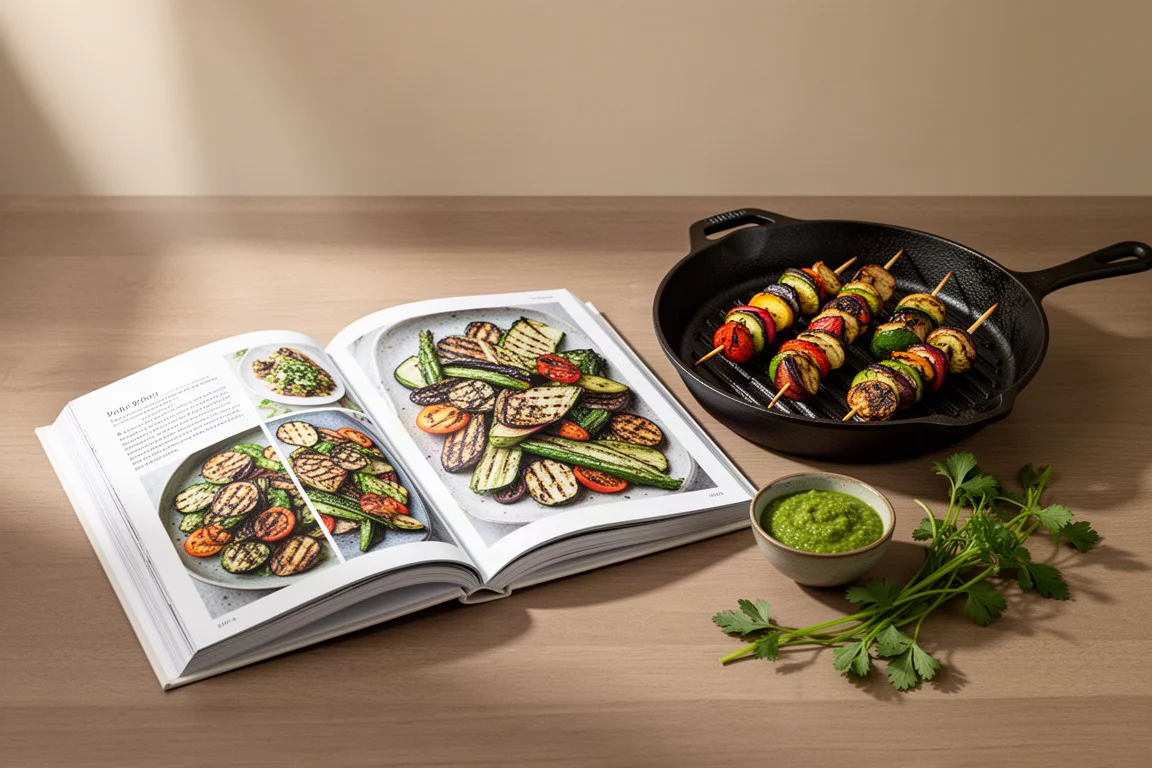
Charred by Genevieve Taylor Review: Vegetable Grilling Beyond Corn and Halloumi
We cooked 11 recipes from Charred over four days. Here is what works, what falls flat, and whether the book earns a spot on your shelf.