Backpacking Packs
Sierra Designs Flex Trail 40-60 Review: One Pack That Adapts to the Season
An expandable backpacking pack that adjusts from roughly 40 to 60 litres, with deep pockets, an adjustable harness, and a light carry at a mid-range price.
Introduction
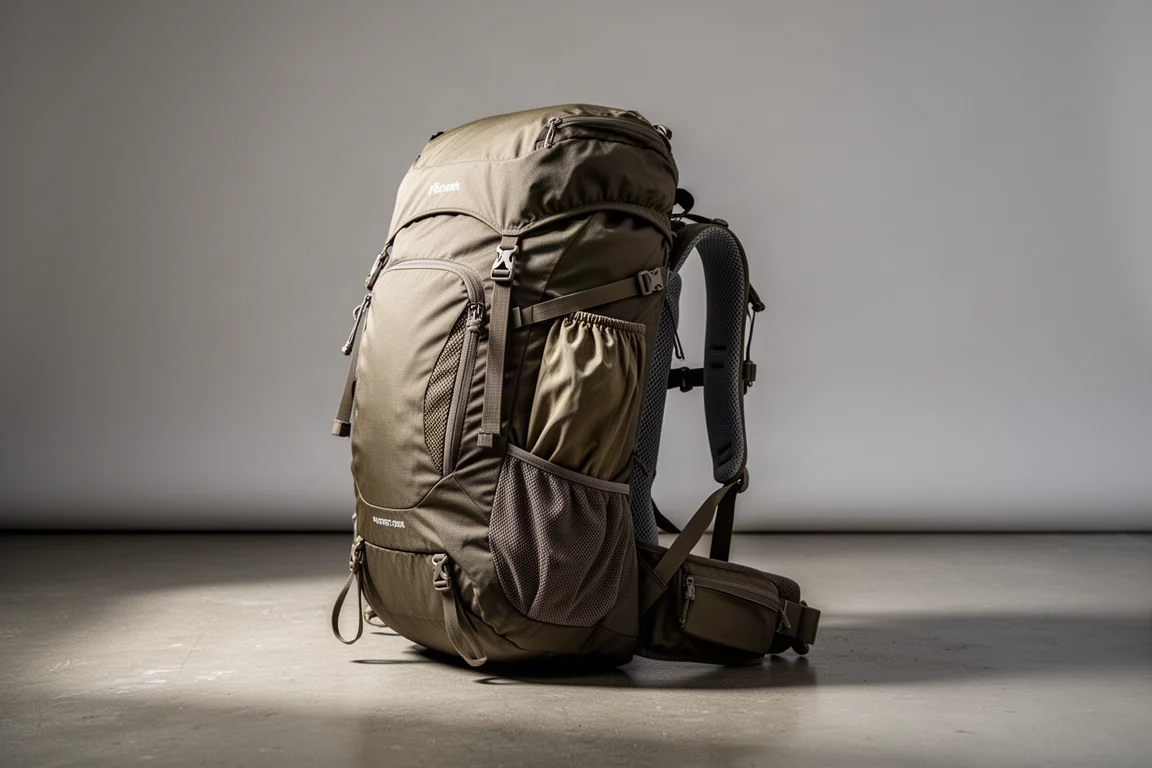
The Sierra Designs Flex Trail 40-60 is a backpacking pack built around one practical idea: a single bag that can cover more than one kind of trip. Its usable capacity adjusts from roughly 40 litres up to about 60, so the same pack can be cinched down for a light summer overnight or opened up when cold-weather gear starts adding bulk. Combined with a low weight and a price that undercuts several comparable packs, that flexibility makes it an appealing option for anyone who would rather not own a separate pack for every season.

The pack sits alongside the Flex Capacitor models in the same range, but it differs in how it expands and in the stretchy rear pocket that the Flex Capacitor does not have.
Who This Backpack Is For
This pack is aimed at hikers and backpackers who want one adaptable pack instead of several. Because the volume changes, it works for warm-weather trips where a smaller load is enough, and for winter trips where extra layers and a bulkier sleeping system take up more room.
The adjustable harness helps in the same direction. The shoulder strap anchors slide to match torso length, so the pack is not tied to fixed small, medium, and large sizes. The hip belt spans roughly a 31 inch to 54 inch waist, which covers most adult hikers. Together, those two adjustments make it easier to get a close fit without ordering multiple sizes.
Main Strengths
Expandable Capacity That Adjusts With Your Gear
The expandable volume is the defining feature. Loosening or tightening the straps on the pack changes how much it holds, and the labelled 40 to 60 litre range translates to roughly 39 to 56 litres in practice. That is still a wide spread, and it means the same pack can be packed light in summer and loaded up in winter without becoming a different bag.
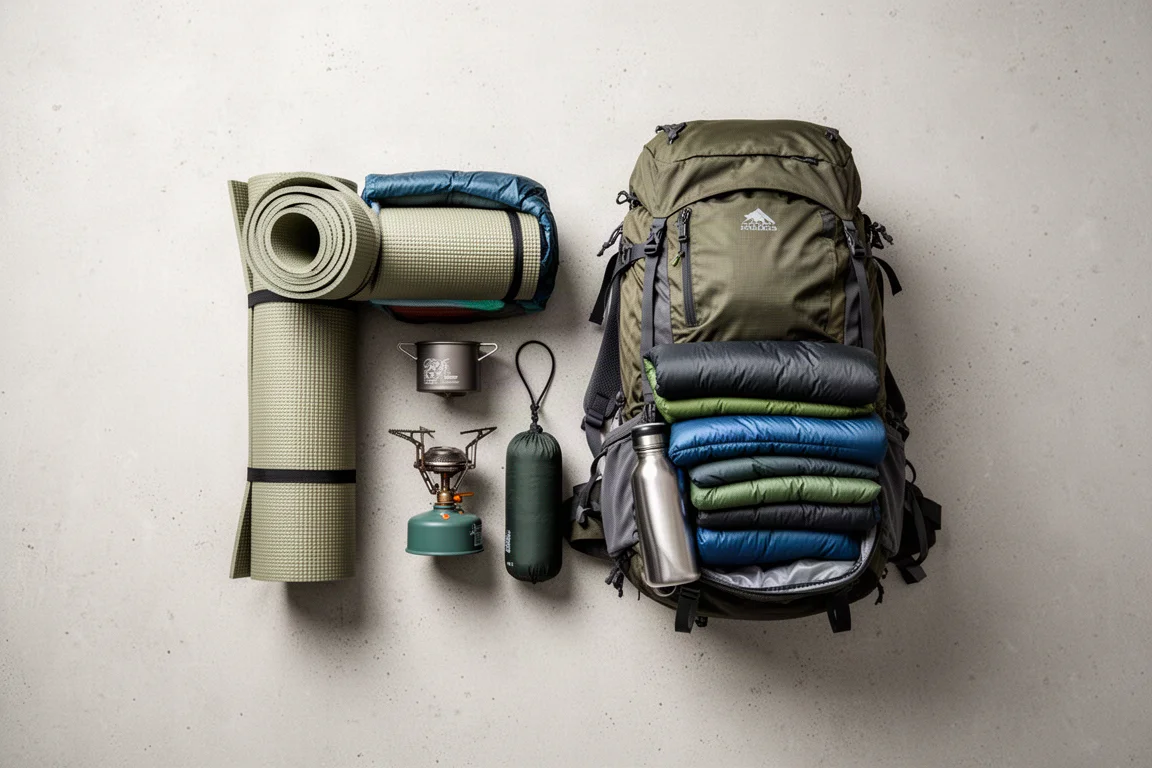
Capacity on its own is only useful if the load still carries well. Here the design keeps the weight close to the body as the pack grows, which matters more than the headline number.
Deep Side Pockets and a Stretchy Rear Pocket
The side pockets are unusually deep. A 1.5 litre water bottle drops in almost completely, and a two-person tent can be pushed into one of them, which gives a clear sense of how much room they offer. The stretchy rear pocket is the other standout, sized for waterproofs and other items you want to reach without opening the main compartment.
Storage continues inside and at the front. A hydration sleeve holds a water bladder, with a port for the hose to pass through. A front pocket keeps smaller essentials such as a stove or tent pegs within easy reach. On the hip belt, two oversized pockets take a phone and snacks. The main zip is chunky and moves freely, opening the top of the pack fully for packing and unpacking.
Fit, Frame, and Carry Comfort
The harness is designed to be dialled in rather than picked from a size chart. Shoulder strap anchors slide along the frame and lock into place with a small carabiner-style clip, and the sternum strap slides up and down to sit where you want it. Padding is generous throughout: a thick lumbar pad, cushioning across the shoulder blades, and a well-padded hip belt.
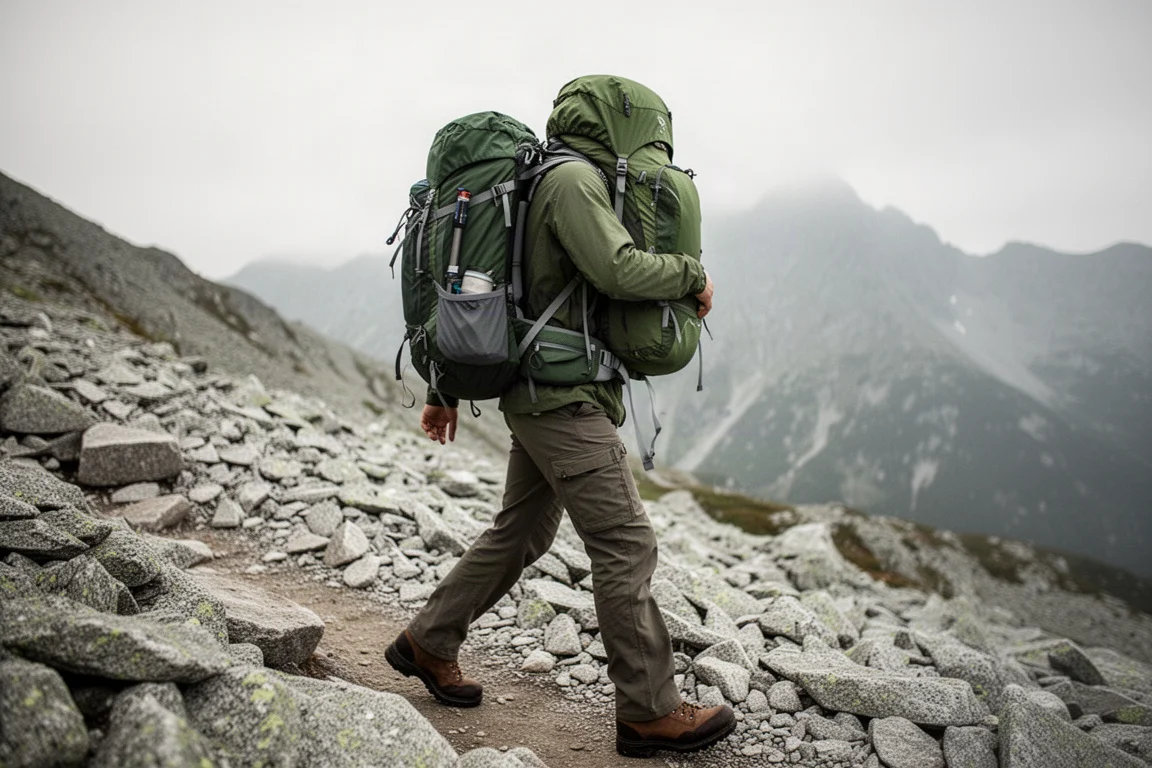
Under load, the pack transfers weight down to the hips and spreads it outward rather than letting it stack upward, which is the difference between a pack that feels stable on a long climb and one that pulls at the shoulders. An internal aluminium alloy frame running around the outside of the pack supports that transfer.
Materials and Build Quality
The body uses a mix of 150 denier polyester ripstop, with 420 denier fabric in the areas that take the most abrasion. That combination points to a pack built for regular trail use rather than occasional weekends. The main zip in particular feels substantial and runs smoothly along its full length.
Things to Consider Before Buying
A few details are worth knowing before you commit. The pack does not include bottle pockets on the shoulder straps, which some hikers prefer for quick access to water. Aftermarket versions are widely available and cost roughly £10, so it is a small addition rather than a dealbreaker.
It is also offered in a single colour, so there is no choice on that front. And the usable capacity tops out nearer 56 litres than the 60 litres on the label, which is worth factoring in if your trips sit right at the top of the stated range.
Buying Advice
At around £150, the Flex Trail 40-60 sits at a reasonable point for a pack with this much adjustment. It costs less than the Osprey Exos and weighs slightly less as well, at 1.23 kg against the Exos at 1.3 kg, while offering comparable or greater capacity depending on how you set it up. If you are replacing two older packs with one, or simply want a pack that grows and shrinks with your gear list, that combination is easy to justify.
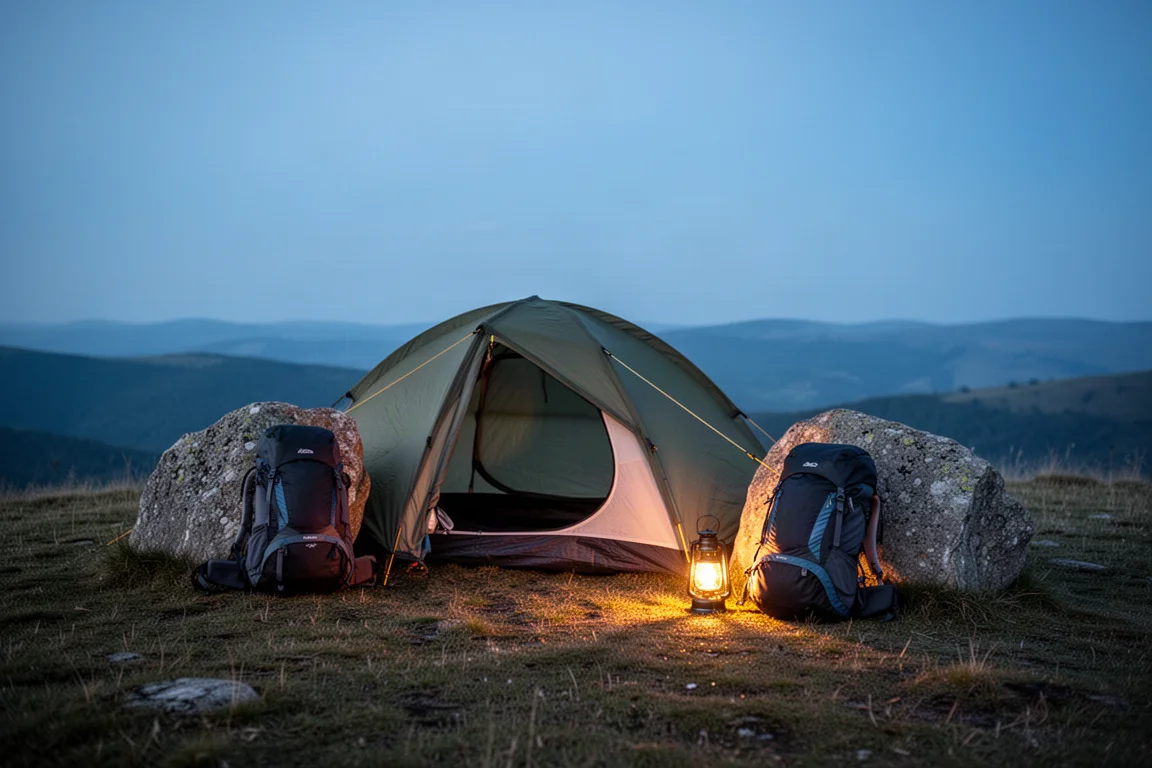
The strongest argument for this pack is versatility. A pack that covers summer overnighters and colder, heavier trips removes the need to choose between two bags, and the pocket layout makes it practical to live with day after day on the trail.
Conclusion
The Sierra Designs Flex Trail 40-60 earns its place through three things: expandable capacity, a genuinely comfortable harness, and a price that keeps it accessible. The deep side pockets and stretchy rear pocket add real day-to-day convenience, and the materials suggest it will hold up to regular use. If you want one pack that adapts rather than several that each do one job, this is a sensible place to start.
Product link
View more details for Sierra Designs Flex Trail 40-60
This product is mentioned in the review. Check the specifications, options, and compatibility before buying.
View more details for Sierra Designs Flex Trail 40-60Further reading
Related Reviews
Backpacking Packs
Backpacking Pack Types Compared: Traditional, Ultralight, Frameless, and Hybrid
Four pack categories, four representative packs, and a practical way to decide which kind of backpacking pack matches the weight of your gear.
Backpacking Packs
Best Backpacking Packs 2026: Six Picks for Every Style of Trip
Six backpacking packs that earned their place by weight class and purpose, with the real strengths and trade-offs to weigh before you buy.
Backpacking Packs
Big Agnes Prospector 50 Review: A Hybrid Pack That Sits Between Two Worlds
A 50-liter backpacking pack that mixes ultralight features with traditional padding and panel access. Here is who it suits and where it falls short.