Aquarium Maintenance
Sicce Pump Clean Review: A Gentler Way to Decalcify Aquarium Pumps
A practical look at Sicce Pump Clean, a reef safe powdered cleaner that dissolves coralline and calcium carbonate buildup while staying gentle on magnets, seals and O-rings.
Introduction
Calcareous buildup is one of the few maintenance jobs every reef keeper eventually has to deal with. It arrives as precipitant, coralline algae, spirorbid and tube worms, and even small bivalves, and it settles on both the outside and the internal parts of the pumps that keep a system circulating. Left alone, that crust works against the impeller, the bearings and the magnet, and a pump that should run smoothly for years starts to lose performance.
Scraping the crust off is slow, awkward and often destructive, particularly on pumps with small crevices and recesses that no scraper can reach. That is why many hobbyists bathe their pumps in an acidic solution instead and simply let the buildup dissolve away.
Sicce Pump Clean is a powdered cleaner made specifically for that job. It comes from an Italian aquarium pump manufacturer, and the thinking behind it is straightforward: a pump maker has no interest in selling you something that damages the pumps it built. Sicce backs its pumps with a five-year warranty, and Pump Clean is designed to be the safer option for keeping that equipment in service.
Who This Product Is For
Pump Clean is aimed at reef keepers who already accept that pumps need periodic decalcification and want the process to be easier, safer and repeatable. If you have ever looked into your tank, seen a return pump buried under coralline and green algae, thought about cleaning it, and then put the job off for another month, this product is built for exactly that hesitation.
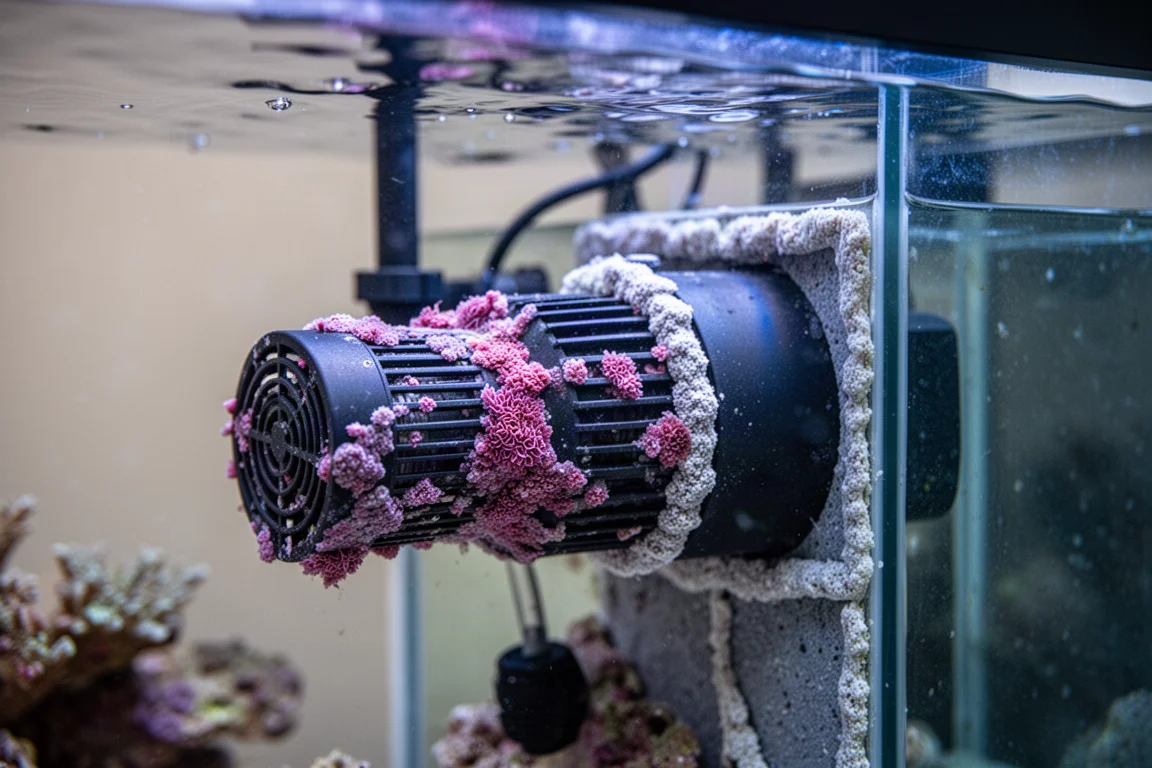
It also suits hobbyists who have been using liquid acids and want something less risky for the soft parts of their equipment. Vinegar and other strong liquid acids are widely used, but they carry a real risk of damaging seals, magnets, rubber and O-rings when the solution is mixed too strong. Citric acid is the gentler common alternative and does a good job, but Pump Clean is positioned as a more effective and more controlled step up from a plain citric acid bath.
The other group this makes sense for is anyone maintaining several pieces of gear at once. Heaters, frag racks and scrapers all collect the same kind of deposit, and they can go into the same bath as the pump, which spreads the cost and effort of a single cleaning session across more equipment.
Main Strengths
The formula is the core of the appeal. Pump Clean contains citric acid along with a blend of other ingredients that work together to gently and effectively remove calcium carbonate and similar deposits. It is formulated to be reef safe, biodegradable and environmentally friendly, which matters when the solution you are bathing expensive equipment in eventually goes down the drain.
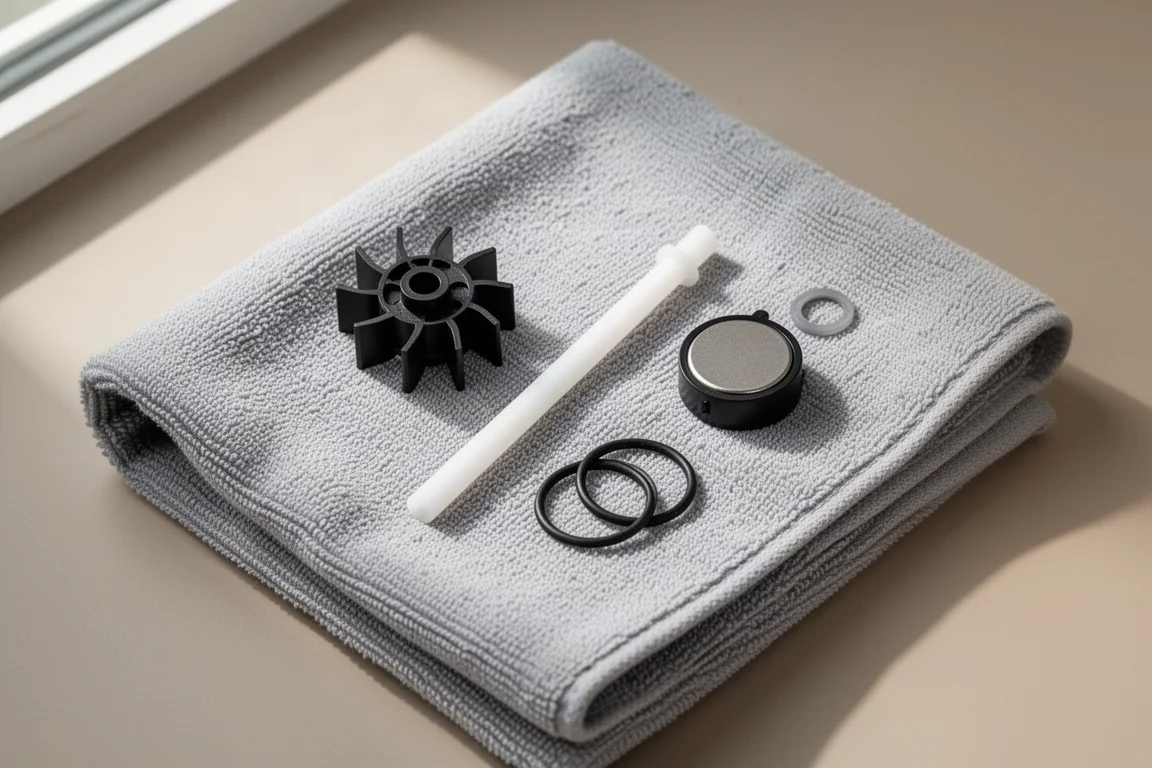
Just as important is what it does not attack. The cleaner is designed to be gentle on the metals, plastics, ceramics, silicone, rubber and magnetic components found inside aquarium pumps and other gear. That is the difference between a product that cleans your equipment and one that quietly degrades it while it cleans.
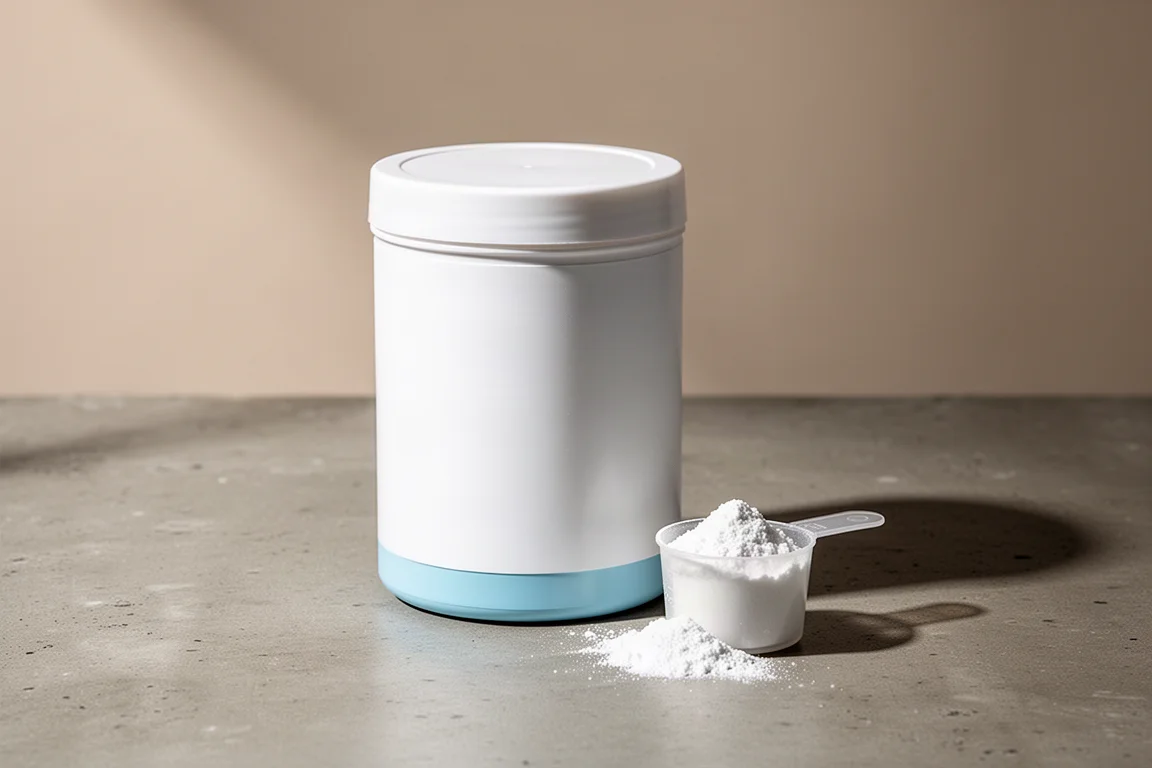
The packaging is practical as well. Pump Clean comes in a 900 gram, 32 ounce container that mixes up to eight gallons of bathing solution, and a graduated scoop is included in the tub for measuring the powder. Having the scoop in the container removes the guesswork from mixing, which is one of the main places where acid baths go wrong.
Things To Consider Before Buying
Pump Clean is a soak, not a spray and wipe. You will need to set aside two to three hours of soaking time for a typical pump, plus the time to rinse and wipe it down afterwards. It is a low effort job, but it is not an instant one, so plan it around a water change or a maintenance session rather than expecting to do it in a spare five minutes.
You also need to supply your own RODI water and a bucket or container for mixing, and a pair of gloves is worth having if your skin is sensitive. The bath is still an acidic solution, so the usual care applies: mix to the recommended strength rather than assuming stronger is faster, and keep it away from anything you would not want exposed to acid.
Finally, the mileage you get from a single container depends on your habits. A 32 ounce tub provides somewhere between eight and 16 bath solutions, and if you clean your pumps regularly, before they are heavily encrusted, you can reuse one bath for more than one pump and stretch that further. Let buildup sit for a long time and each cleaning will consume more of the product.
How To Use Sicce Pump Clean
Mixing a bath is simple. Take an empty bucket or container and some RODI water, then add roughly two ounces, or two scoops, for a smaller pump. For larger pumps, use four to six ounces per gallon of RODI water. Stir until the powder is fully dissolved, then lower the pump into the solution.
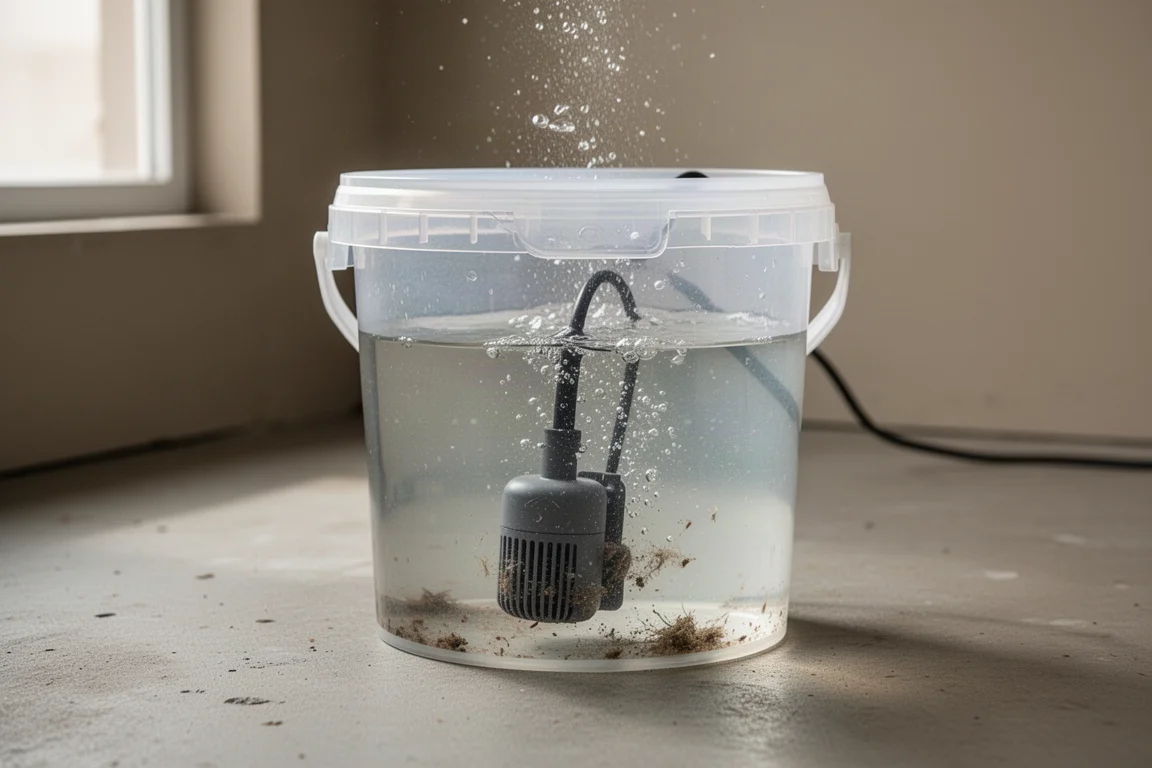
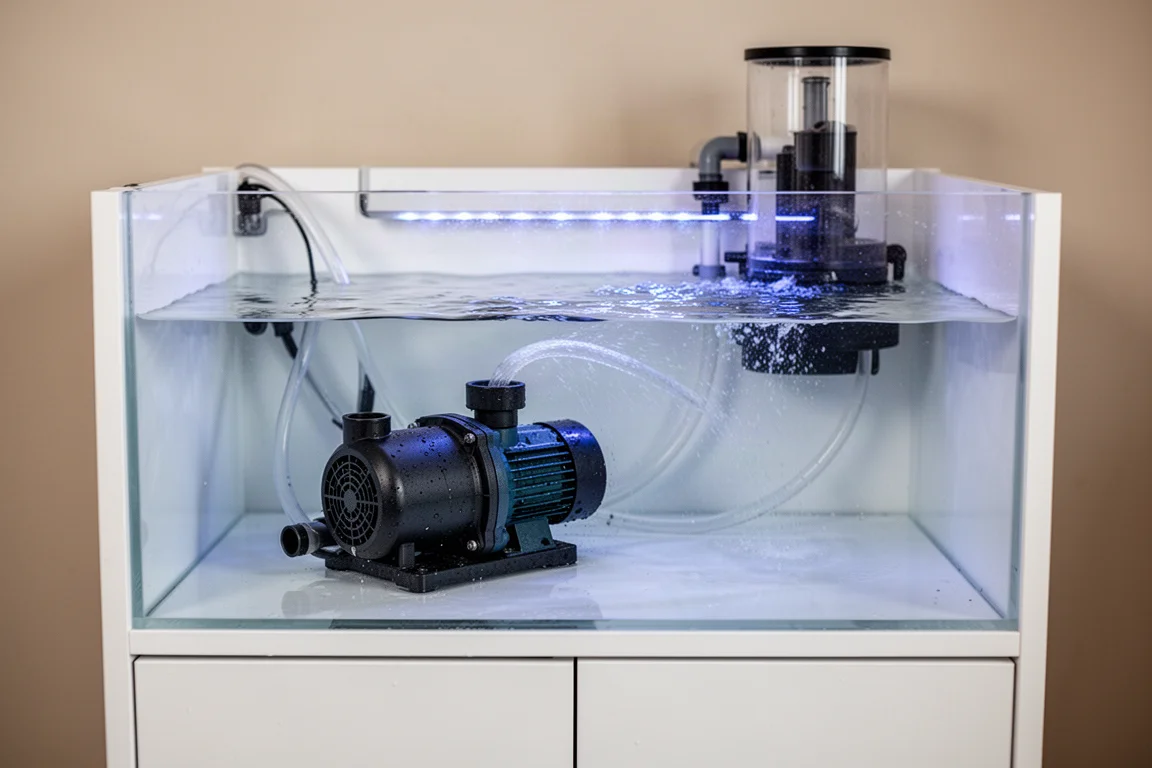
From there, let the pump soak for two to three hours. A useful trick is to leave the pump running in the bath, so it circulates the solution around itself and helps blow loosened debris away from the impeller and housing while it soaks. Once the soak is finished, lift the pump out, rinse it thoroughly and gently wipe away anything still clinging to the surface. It is then ready to go back into service.
While the bath is prepared, it makes sense to drop in any heaters, frag racks, scrapers or other equipment that needs decalcifying. One prepared solution can handle more than a single item, which is where the value of a container this size really shows.
Buying Advice
At $15 for a 32 ounce container, Pump Clean is a modest expense next to the cost of replacing a failed return pump. A single tub covers eight to 16 baths, and if you clean your equipment often enough that it is never entombed in calcium carbonate, you can clean multiple pumps with the same solution and get considerably more mileage out of it.
The case for it rests on consistency rather than on any single dramatic result. Cleaning pumps is one of those tasks everyone knows they should do and almost nobody looks forward to, so the practical value of a cleaner that is easy to mix, gentle on the components and safe for a reef system is that it removes the excuses. If the job is quick and low risk, you will actually do it, and your pumps will run better and last longer as a result.
If you are currently relying on vinegar or a homemade citric acid bath, Pump Clean is worth trying as a more controlled alternative. If you already clean your pumps on a regular schedule and are happy with the results, the main thing to weigh is whether the extra convenience and the gentler formulation justify a small recurring cost.
Conclusion
Sicce Pump Clean targets a real and unavoidable maintenance problem with a sensible approach: dissolve the buildup instead of scraping it, and do it with a formula that is designed not to harm the magnets, seals and O-rings inside the pump. The included scoop, the eight gallon yield and the ability to clean heaters, frag racks and scrapers in the same bath all make the routine easier to keep up with.
It is not a shortcut around maintenance. It is a two to three hour soak that asks you to supply RODI water and mix the solution correctly. What it does offer is a gentler, reef safe way to protect equipment that is often expensive to replace, and for most reef keepers that trade is an easy one to make.
Product link
View more details for Sicce Pump Clean
This product is mentioned in the review. Check the specifications, options, and compatibility before buying.
View more details for Sicce Pump CleanFurther reading
Related Reviews

Aquarium Maintenance
Aquarium Maintenance Must-Haves: 6 Tools for a Cleaner Tank
A practical roundup of aquarium maintenance tools, from magnetic algae scrapers to a glass cleaner and camera lens, with strengths and trade-offs.
Aquarium Maintenance
Best Aquarium Water Change Tools 2026: Six Options That Beat the Bucket
A practical comparison of six aquarium water change tools, from a sink-powered siphon to app-controlled auto water changers, with the trade-offs that actually matter.

Aquarium Maintenance
Continuum AquaBlade Aquarium Scraper Review: A Sturdy Tool for Cleaner Glass
A practical look at the Continuum AquaBlade scraper, its one-piece build, swappable plastic and metal blades, size options, and the everyday jobs it handles beyond algae.