Headphones
Shokz OpenRun vs OpenRun Pro: Which Bone Conduction Headphones Should You Buy?
Two of the best bone conduction running headphones go head to head on fit, sound, battery life and value to help you pick the right one.
Introduction
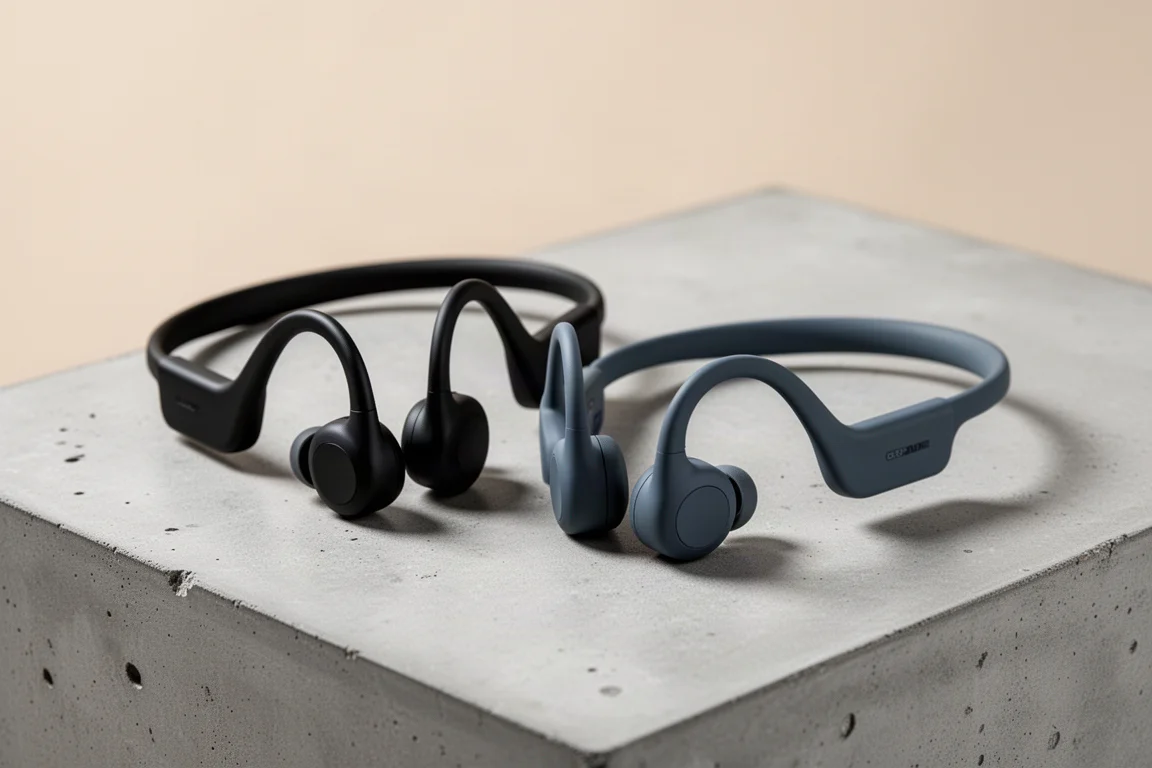
Bone conduction headphones occupy a very specific niche: they leave your ears open so you can hear traffic, other runners and everything else happening around you. Shokz has two flagship options in this space, the OpenRun and the OpenRun Pro, and after running extensively with both, the differences between them turn out to be smaller than the price gap suggests.
The OpenRun is the cheaper option at 129.95 in the US, while the OpenRun Pro comes in at 179.95. On paper the Pro adds newer ninth-generation bone conduction technology, bass enhancers, extra EQ modes and two more hours of battery. In practice, the picture is more nuanced.
Design, Fit and Controls
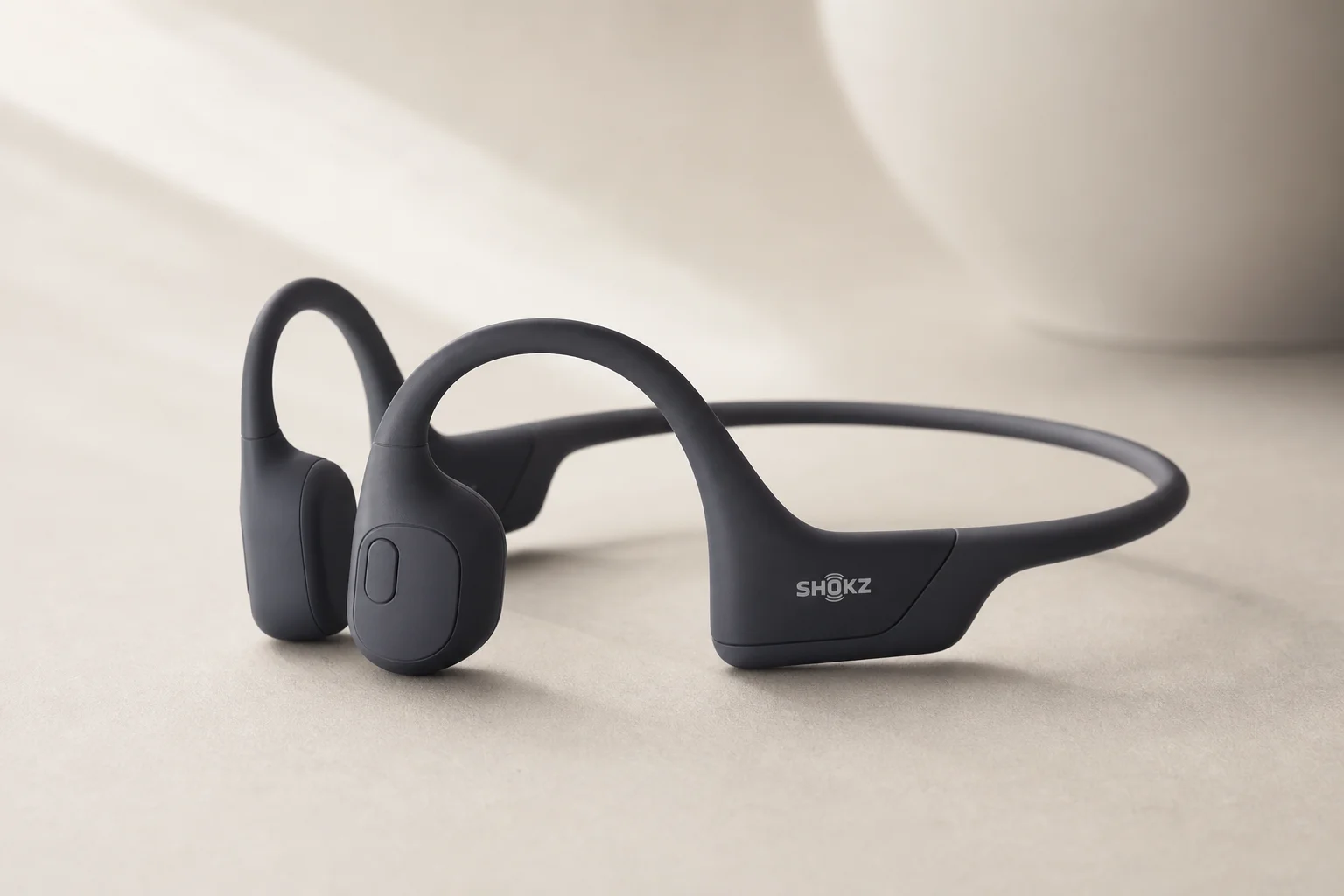
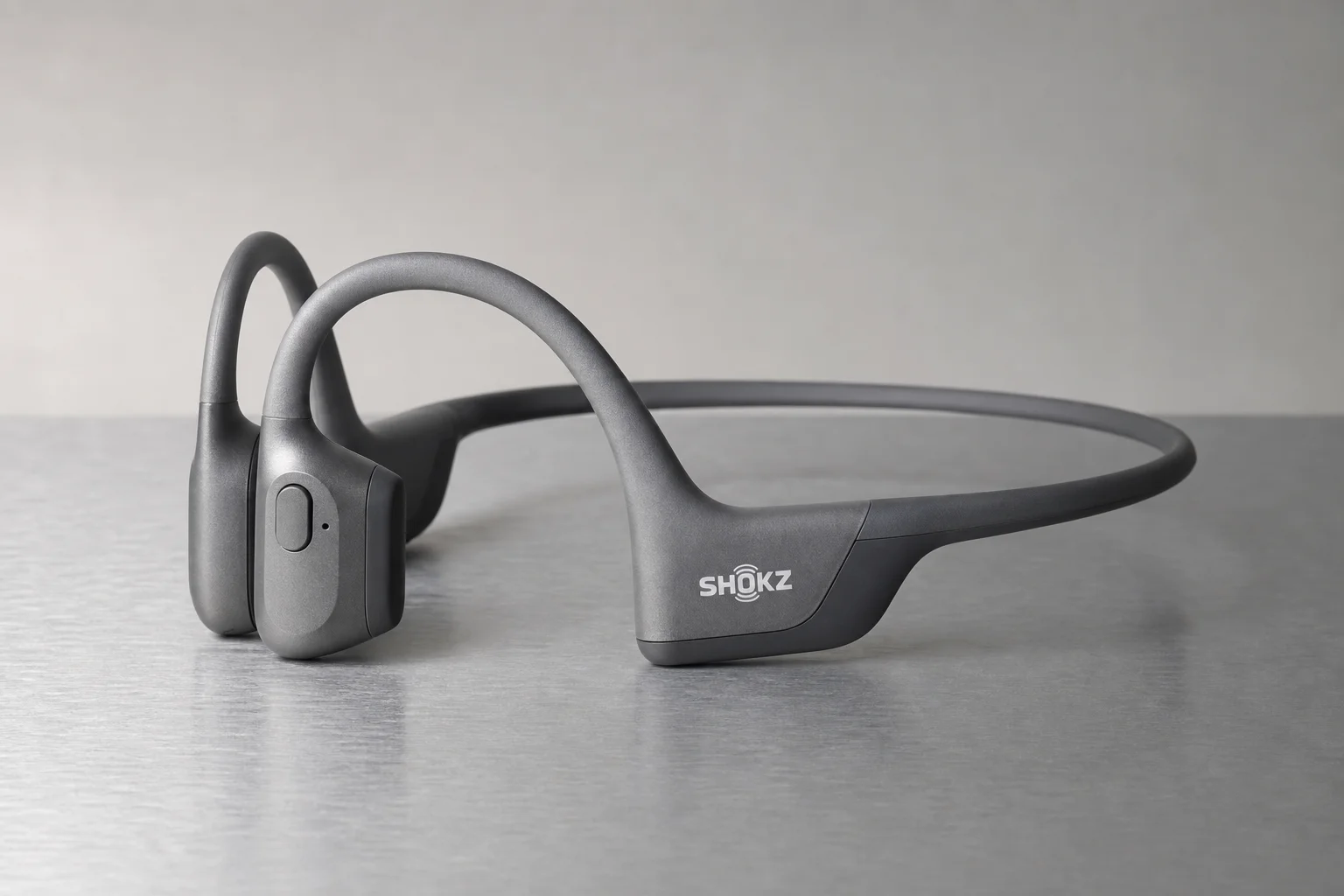
Both headphones use a similar wraparound titanium design, and this is Shokz at its best. These are the slimmest, most flexible and lightest bone conduction headphones available, and they genuinely disappear on your head. The OpenRun weighs 26 grams and the Pro is slightly heavier at 29 grams, though the difference is barely noticeable when running.
The Pro has a slightly meshy section near the ends where the bass enhancers sit, which is why its waterproof rating drops to IP55 sweatproof compared to the OpenRun’s stronger IP67. Both have proven more than adequate for running in the rain, and the practical difference in everyday use is minimal.

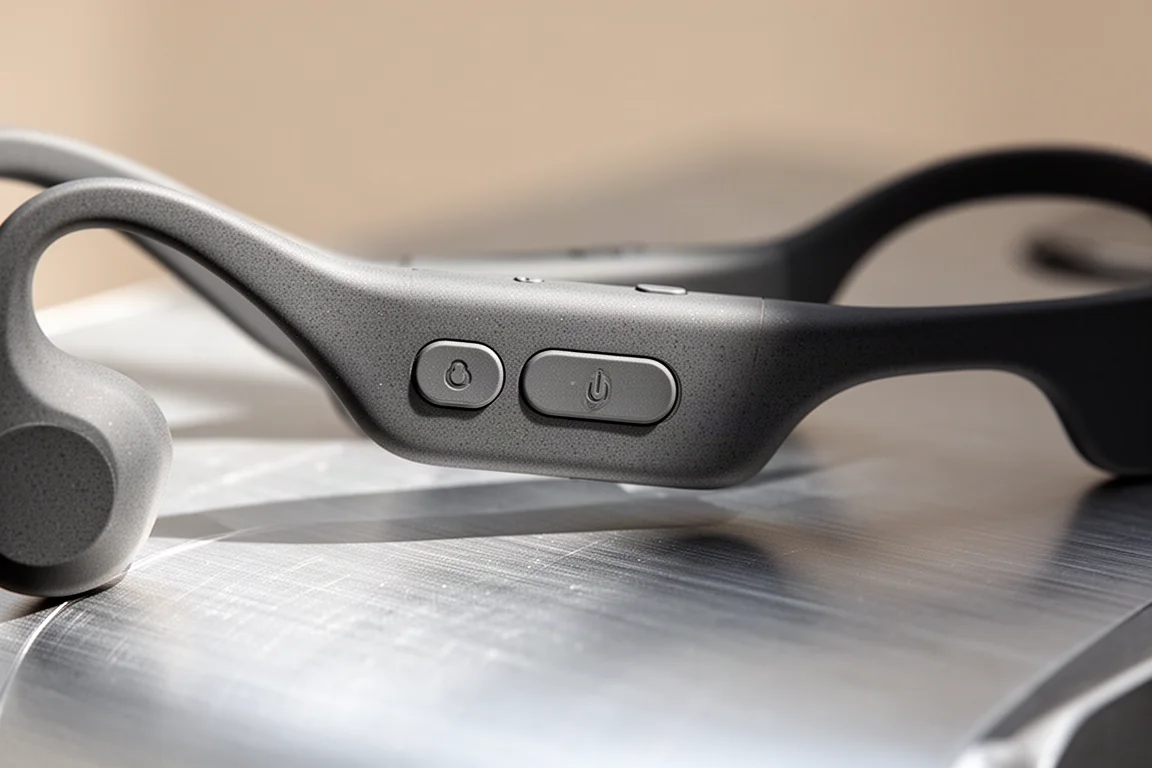
Controls are effectively identical across both models, with a multifunction button and volume buttons on the right side. One minor frustration: the two right-side buttons are close together and difficult to tell apart by feel mid-run. If you press the wrong one during a marathon, finding the right button again is harder than it should be. Both also use a proprietary charging cable, with the charging port positioned slightly differently on each.
Sound Performance
The Pro uses ninth-generation bone conduction technology versus the OpenRun’s eighth generation, and it adds bass enhancers plus two EQ modes: a standard listening mode and a vocal booster mode aimed at podcasts and audiobooks.
Indoors, the extra bass on the Pro is noticeable, delivering a bit more of that signature cheek-tickle vibration. Outdoors, where these headphones actually live, the difference largely disappears. Testers consistently found the two models near-identical while running, even at high volume.
There is also a trade-off to the Pro’s bass focus: the higher ranges can sound slightly more murky and less clear. The vocal EQ mode helps, but not enough to feel like a meaningful upgrade.
It is worth being honest about bone conduction in general. These are situational headphones. They leak sound, they are not loud enough for very noisy environments, and they will not replace your main headphones for everyday listening. What they do well is keep you aware of your surroundings while running, and both models deliver that equally well.
Battery Life and Charging
The OpenRun Pro offers up to 10 hours of playback with a five-minute quick charge giving about an hour and a half of listening. The OpenRun offers up to 8 hours, with a ten-minute quick charge delivering the same hour and a half.
The extra two hours on the Pro is a factual improvement, but not a decisive one. Both will comfortably last a week of training and get you through a marathon. Be aware that claimed figures assume moderate volume, so if you always listen at full volume, expect noticeably less.
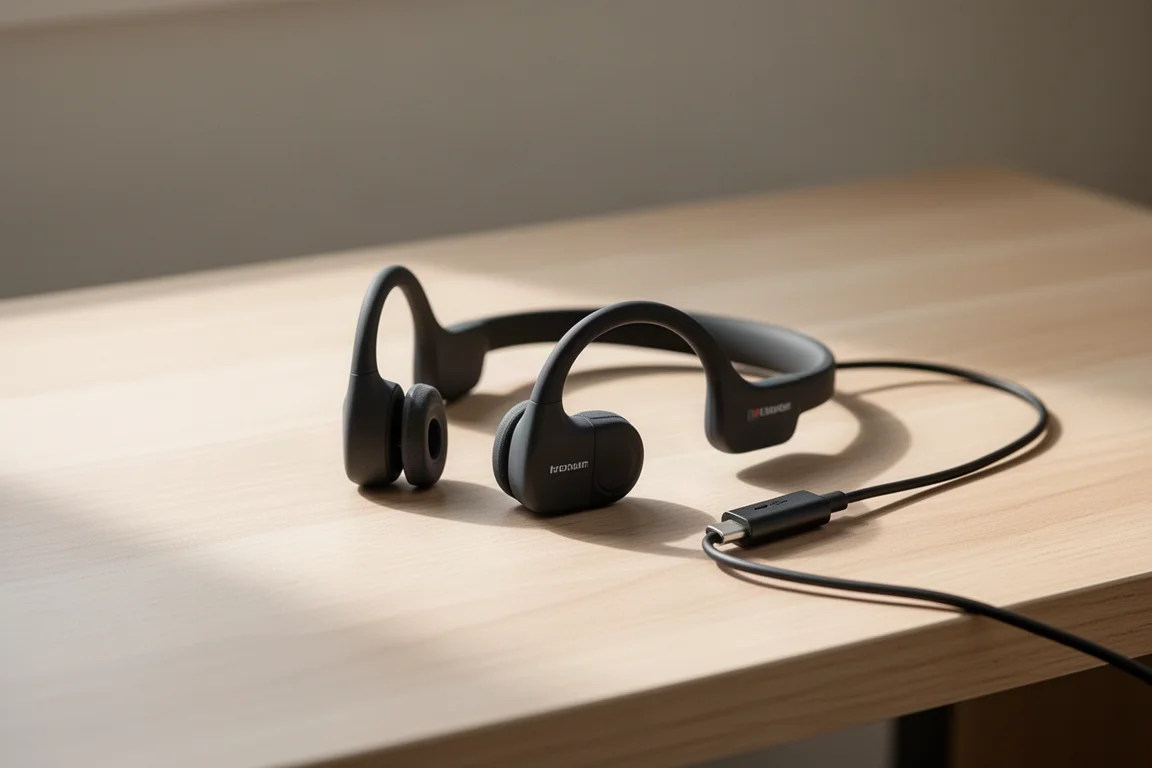
One structural point: unlike true wireless earbuds, there is no charging case to top these up, so they need regular charging. Ten hours sounds generous until you spread it over two weeks of runs without plugging in. The Pro’s slightly faster quick charge is nice, but a few minutes saved is unlikely to change anyone’s buying decision.
Which One Should You Buy?
The price difference between the two is roughly 40 in the UK. For that premium you get marginally better bass indoors, a slightly faster quick charge, two extra hours of battery, and a lower waterproof rating.
If you care about sound above everything else, the honest answer is that the sonic upgrade here is too small to justify the cost, and true wireless headphones would serve you better for pure sound quality. These headphones exist for the moments when you need to hear ambient sound, especially road running in busy cities or racing. For that purpose, the OpenRun delivers essentially the same experience for less money.

If the Pro were priced closer to the OpenRun, the calculus might change. As things stand, every tester who ran with both landed in the same place: the OpenRun is the one to buy. Both are strong, well-designed bone conduction headphones with good battery life, but the OpenRun is functionally just as good for the job they are built for.
View more details for Shokz OpenRun
Conclusion
The Shokz OpenRun and OpenRun Pro are both excellent open-ear running headphones with slim, comfortable designs, reliable controls and battery life that covers a full week of training. The Pro’s newer audio technology and extra features sound good on paper but make little difference where it matters: outdoors, at volume, on the run. Unless the Pro is heavily discounted, the OpenRun is the smarter purchase, and the money saved is better put towards a pair of true wireless earbuds for everything else.
Further reading
Related Reviews
Headphones
Apos Audio Caspian Review: Warm Bass, Solid Build, and a Detail Trade-Off
The Apos Audio Caspian is an easy-to-drive open-back headphone with standout bass and a warm, relaxed tuning, though mid-range and treble detail trail the competition.
Headphones
Audeze LCD-X vs LCD-XC vs LCD-3: Which High-End Headphone Fits Your Setup
A practical comparison of three Audeze planar magnetic headphones under $2,000, covering the open-back LCD-X, the closed-back LCD-XC, and the wood-ringed LCD-3.
Headphones
Audeze LCD-X vs HiFiMan Edition XS: Two Open-Back Headphones Compared
A practical comparison of the Audeze LCD-X and the HiFiMan Edition XS, covering build quality, comfort, sound signature, and which listener each one suits.