Bone Conduction Headphones
Shokz OpenRun Pro Review: Open-Ear Sound for Riders Who Want Music and Awareness
A bone conduction headphone review covering comfort, sound, battery life, fast charging, and the trade-offs worth knowing before you buy.
Introduction
Music is one of the few performance aids that is free, legal, and genuinely enjoyable. It lowers how hard a ride feels, pulls attention away from tired legs, and makes it easier to settle into a rhythm and keep pushing. The obvious objection is safety: on a bike, blocking your ears is a real risk, and the traffic around you matters more than the next track.
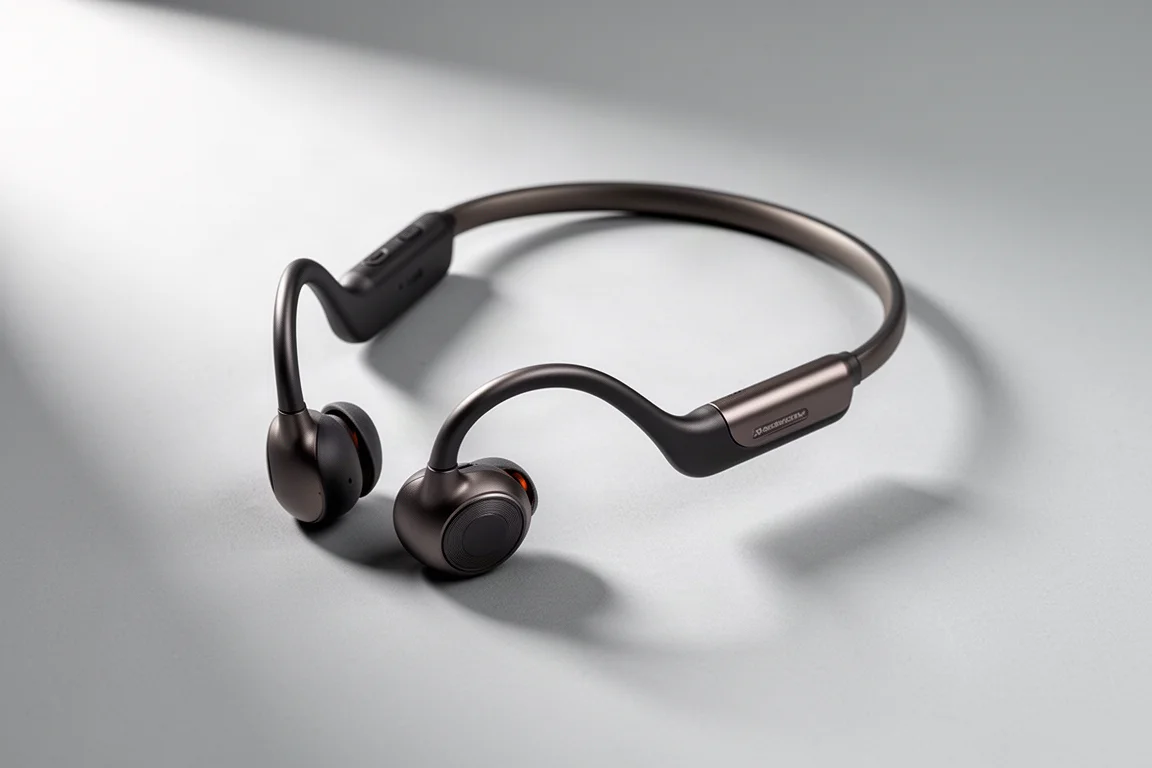
Bone conduction headphones exist to solve exactly that problem. Instead of sealing a speaker inside the ear, they sit outside it and send vibrations through the bone just in front of the ear, so the ear canal stays completely open. The Shokz OpenRun Pro is the flagship model in that lineup, and the pitch is straightforward: music you can hear, plus the traffic, tyres, and voices you still need to hear.

That open-ear approach is the whole reason this product exists, and it shapes everything else about how it sounds, how it fits, and who it suits.
Who This Product Is For
The OpenRun Pro is aimed at riders who want music or audio on the bike without giving up awareness of their surroundings. If you have ever left your headphones at home because riding with sealed in-ear buds felt irresponsible, this is the category that fixes the compromise.
It also suits runners, walkers, and anyone training outdoors in the same situation. The appeal is not audiophile listening; it is having a soundtrack or a podcast while staying connected to the environment.
Riders who want deep isolation, heavy bass, or active noise cancellation will be disappointed by design. That is not a flaw in execution, it is the trade the product is built on.
Main Strengths
Open-Ear Design That Keeps You Aware
The defining feature is the fit. Two small pods rest just in front of the ears rather than inside them, and a slim titanium band runs behind the head to hold everything in place. Nothing enters the ear canal, so ambient sound comes through untouched.
In practice this means you can hear cars, chatter, drivetrain noise, and other riders while music plays. For road riding in traffic, that is a meaningful safety difference rather than a marketing line.
The band also keeps the headphones from shifting or falling out, which is the usual failure point for earbuds during long, sweaty efforts.
Lightweight Comfort You Forget About
Weight is low enough that the headphones largely disappear once they are on. The band hooks over the ears, the pods settle into position, and there is no pressure inside the ear to become uncomfortable after an hour or two.
Because there is no ear tip to irritate, they can stay on between listening sessions. Wearing them around the neck or on the head while audio is paused is comfortable enough to be practical, which suits group rides where you might only want music on certain stretches.
The one-piece design is also quick to put on. There are no tips to seat, no wires to route, and nothing to fiddle with once the band is over your ears.
Sound Quality and Bass on the Bike
Sound is clear and detailed, and the low end has been improved over the previous flagship model, which is noticeable in practice. The result is a deeper, richer presentation that makes familiar tracks more engaging than a thin, tinny alternative would.
Clarity holds up well at lower speeds, which is where music matters most. On climbs, when the goal is holding a power figure or simply getting to the top, having a strong track playing is a genuine motivator, and the OpenRun Pro delivers that cleanly.

It is worth being precise about where this shines. At higher speeds or in strong wind, the open design cannot mask wind noise the way sealed in-ear headphones can. That is the honest limitation of the format. On fast descents, attention belongs on your line and the road anyway, so the trade is easier to accept than it first sounds.
Controls and Battery Life
Setup is simple: no cables, just Bluetooth pairing with a phone, which takes seconds. The controls are physical buttons rather than touch surfaces, and they are laid out sensibly.
On the right side there is a power button that also announces battery level when switched on, reported as high, medium, or low, plus volume controls. On the left, a larger multifunction button handles track skipping, calls, and other functions. The buttons are easy to find by feel and can be operated with thick gloves on.
Battery life is excellent. Around 10 hours of runtime is realistic, which is remarkable given how small the battery must be. Charging is over USB through a dedicated port.
The fast charge is the standout feature. If you forget to charge the night before a ride, a five-minute top-up returns roughly an hour and a half of playback. That turns a flat battery from a cancelled soundtrack into a minor delay.
Durability in Real Conditions
The OpenRun Pro is sweat and water resistant, and it holds up under genuinely harsh use. Heavy rain and heavy sweating on long local climbs are both within its comfort zone, and the headphones keep working normally through it.
Things to Consider Before Buying
The most important thing to understand is the sound isolation trade. Because the pods sit outside the ear, wind noise at speed is not blocked the way in-ear headphones block it. If you ride fast in exposed, windy conditions and want music to stay loud and clean throughout, this format will always fight you.
Size is the second consideration. The design is one piece with no size adjustment, and the fit works very well for an average head size and shape. If you fall outside typical head proportions, there is no way to tune the fit, so it is worth trying before committing.
There is also no automatic shutdown. The headphones do not detect that a ride has ended, so it is possible to finish a ride, forget to switch them off, and discover hours later that they have been sitting on. It is not draining much while idle, but automatic power-off would be a welcome addition.
Finally, the included hard case is genuinely useful because the headphones do not fold up, so they need protection when travelling. What the case does not do is charge them. Adding in-case charging would remove the need to carry a cable, and that would be a meaningful upgrade for a product already at this level.

Buying Advice
At around $180, the OpenRun Pro sits at the top of the range, and that price is undeniably steep. It is broadly comparable with premium true wireless earbuds from the better-known brands, and the company does offer cheaper models in the same family, so it is worth looking at the full lineup if the flagship price is more than you want to spend.
What softens the cost is what comes with it: a two-year warranty and free international shipping. For a product designed to be worn in rain and sweat, that warranty is a real part of the value rather than a footnote.
The case for buying is clearest if awareness matters to you. Riders who want music on the bike but consider sealed earbuds unsafe should treat this as the correct category, not a compromise. The lightweight fit, glove-friendly controls, strong battery life, and fast charging all reinforce the same message: this is a headphone built around being worn outdoors while you move.
If instead your priority is maximum isolation and thumping low end in noisy, windy conditions, spend your money elsewhere or accept that this design will always hold back there.
Conclusion
The Shokz OpenRun Pro does one important thing very well: it makes listening to music on the bike feel sensible rather than reckless. The bone conduction approach keeps your ears open to traffic and surroundings, the bass is meaningfully improved over the previous flagship, clarity is strong at lower speeds, and the battery, fast charging, and button layout all behave the way a rider needs them to.
The trade-offs are honest ones. Wind noise at speed is not suppressed, there is no size adjustment, no auto power-off, and no charging in the case. None of those undermine the core idea.
For riders who want the motivation of music without giving up awareness, it is an easy product to recommend. For everyone else, it is simply the wrong tool by design.
Product link
View more details for Shokz OpenRun Pro
This product is mentioned in the review. Check the specifications, options, and compatibility before buying.
View more details for Shokz OpenRun ProFurther reading
Related Reviews
Hi-Fi Speakers
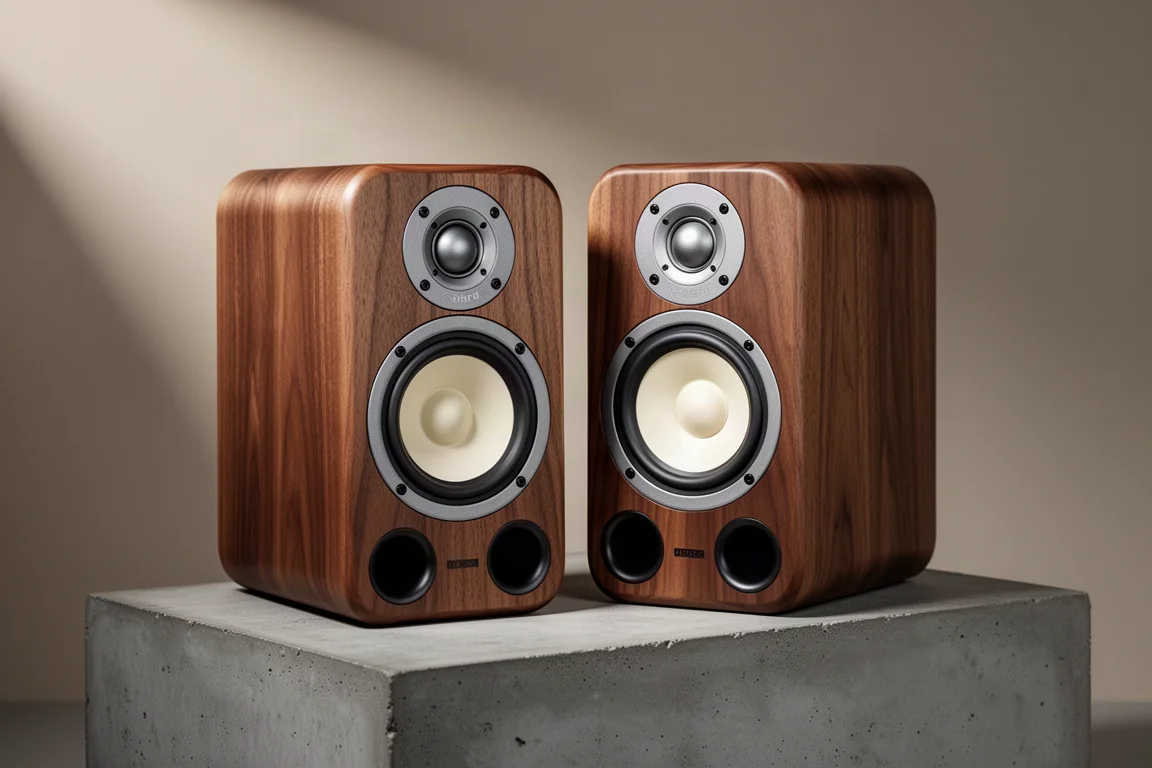
Acoustic Energy AE1 40th Anniversary Review: A Modern Take on a British Classic
A compact standmount that revives a 1980s favorite with all-new parts, a warm mid-centric balance, and a price of £1,499 per pair.
Studio Monitors
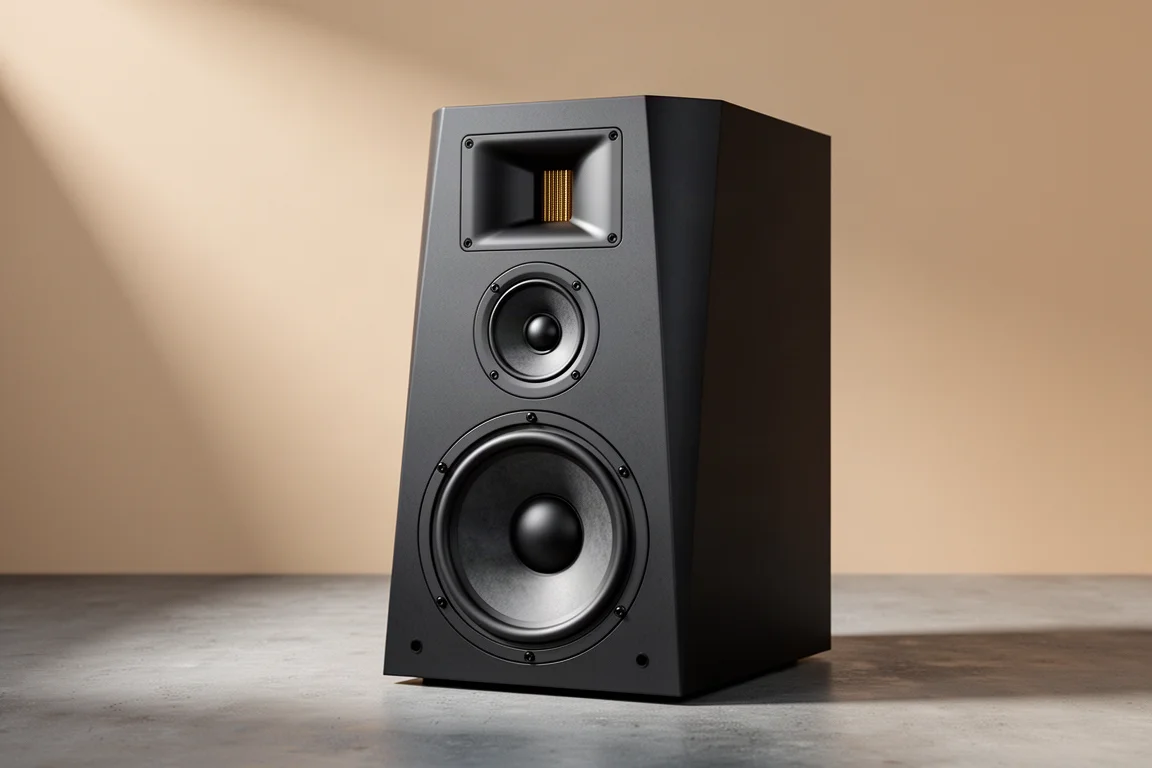
ADAM Audio A8H Review: A Three-Way Studio Monitor That Also Knows How to Have Fun
A three-way active studio monitor with an 8-inch woofer, a handmade AMT tweeter, and two distinct tunings, the ADAM Audio A8H aims to satisfy both critical work and everyday listening.

Coffee Brewing
AeroPress Clear Review: A Transparent Upgrade With Caveats
The new AeroPress Clear uses Tritan material and costs $50, but doesn't brew better coffee than the original. We tested durability, staining, and what the price increase means for the brand's future.