Headphones
Shokz OpenFit Air vs Shokz OpenFit: Which Open-Ear Buds Make More Sense for Runners?
Two open-air true wireless earbuds from Shokz go head to head on fit, sound, battery life and value, with a clear winner for running.
Introduction
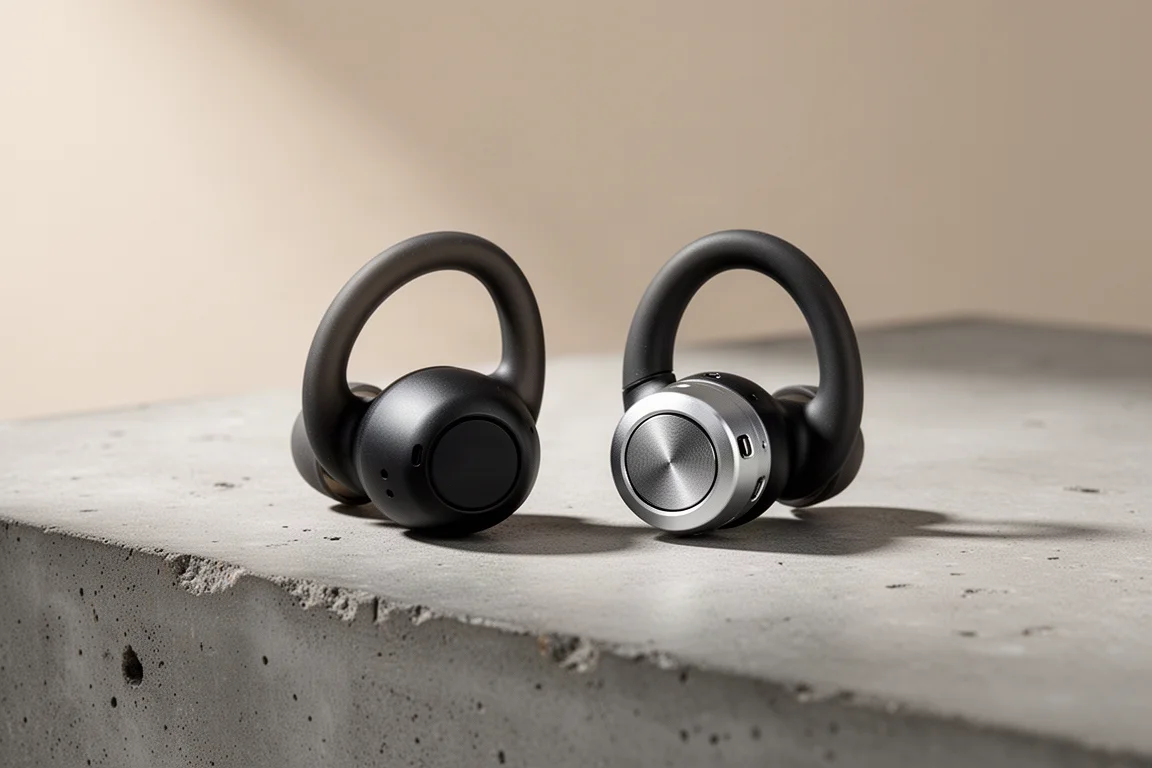
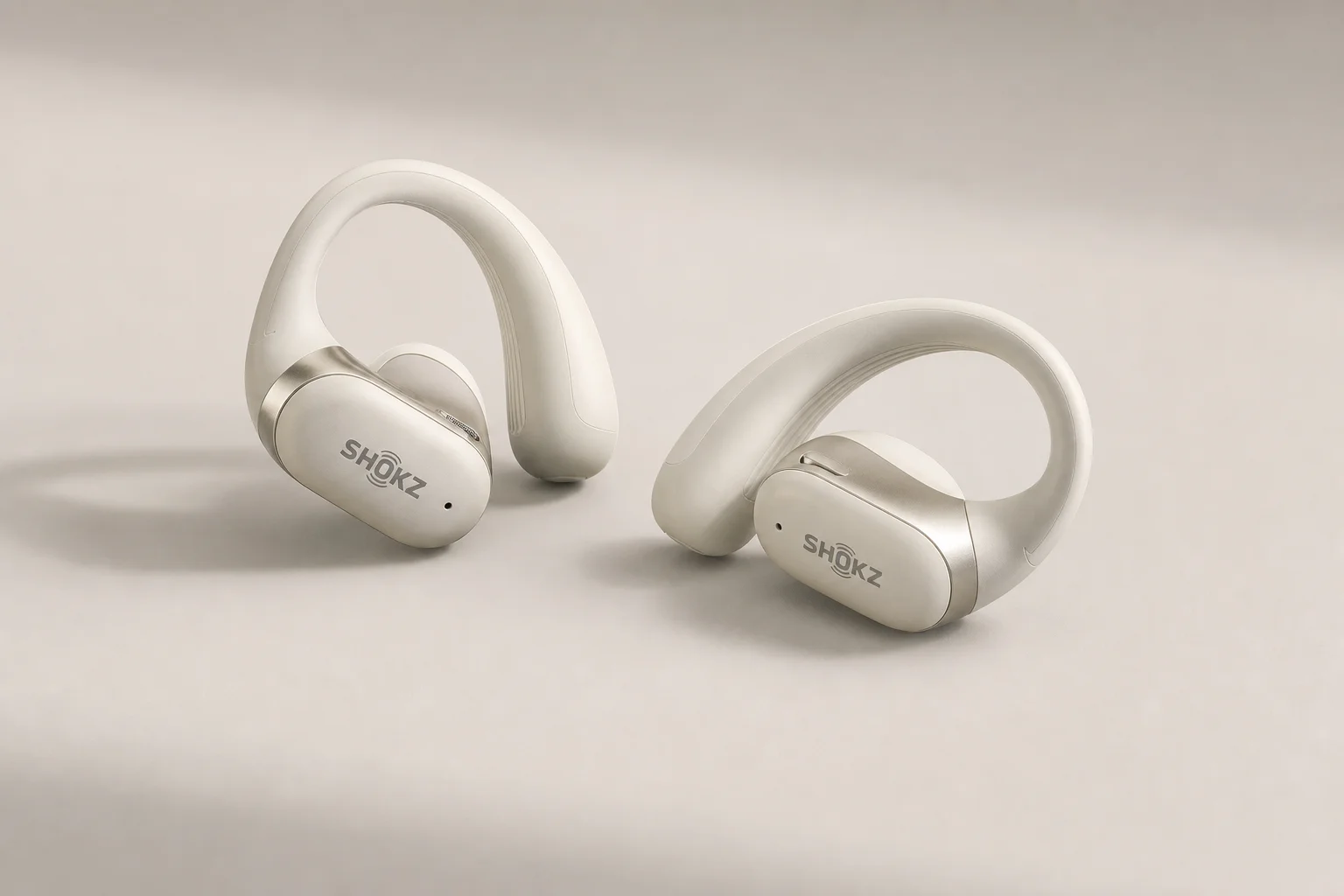
Shokz now has two open-air true wireless earbuds in its lineup: the OpenFit, which has been around a little longer, and the newer, more affordable OpenFit Air. Both use air conduction rather than bone conduction, sitting near the ear with speakers rather than transducers pressed against your cheekbone.
We put both through extended running use to see which one actually deserves your money. The short answer, for most runners, is the OpenFit Air. Here is how the two compare in detail.
Design and Fit
On paper the two look very similar: open-ear true wireless buds with an ear hook style that most runners will find more reassuring than invasive in-ear designs, which are more prone to getting knocked loose or falling out.
The OpenFit Air gets a slightly different, thinner cutout ear hook, and the larger speakers use a new ergonomic shaping designed to fit the ear better. Despite being a shade heavier on paper, the OpenFit Air actually feels marginally lighter to wear, and it sits more comfortably on the ear for long stretches. The OpenFit is slightly smaller and lighter overall with a more subtle all-black finish, while the OpenFit Air adds silver touches.
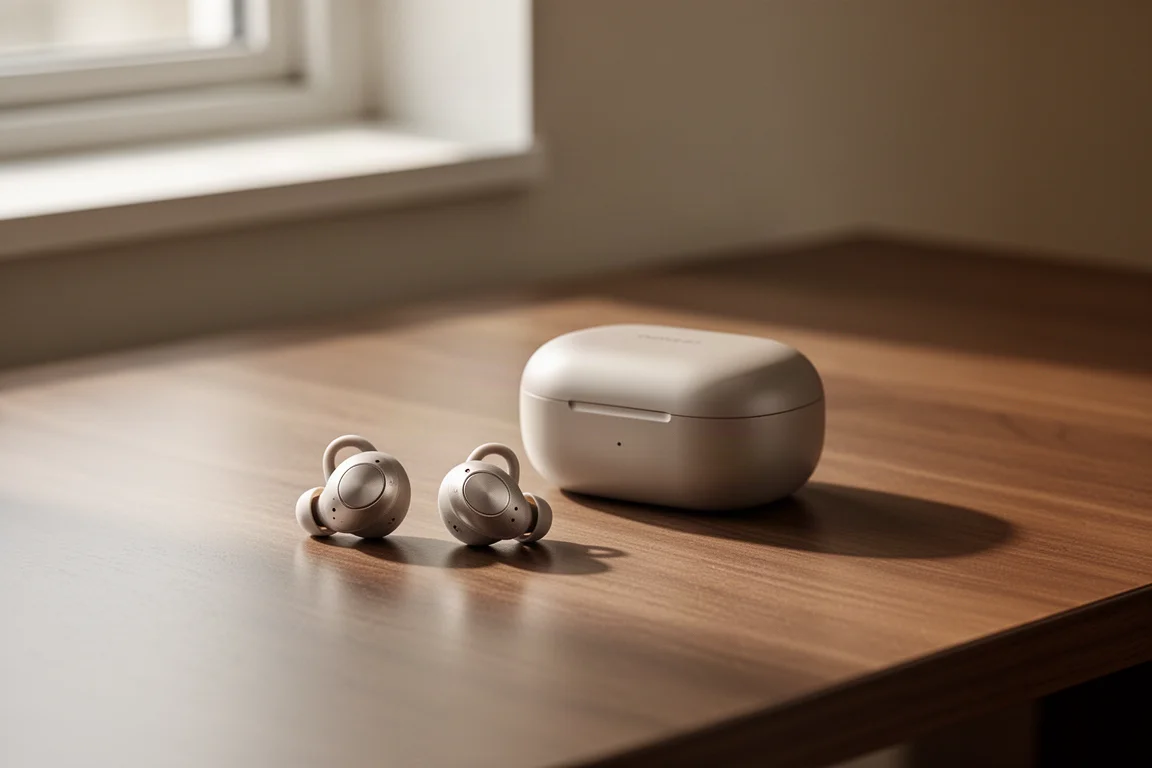
Fit security drew mixed but useful conclusions across testers. For one runner, both sets stayed in place very reliably and were comfortable for long periods. For another, the OpenFit Air hooks wrapped more securely and inspired more confidence at race pace, while the OpenFit felt lighter for all-day wear but did not wrap quite the same way. Neither was fully immune to movement at speed for some ear shapes. The OpenFit Air case is slightly larger but flatter with a more rounded, ergonomic design, and is marginally lighter; both stash easily in a running belt.

Controls
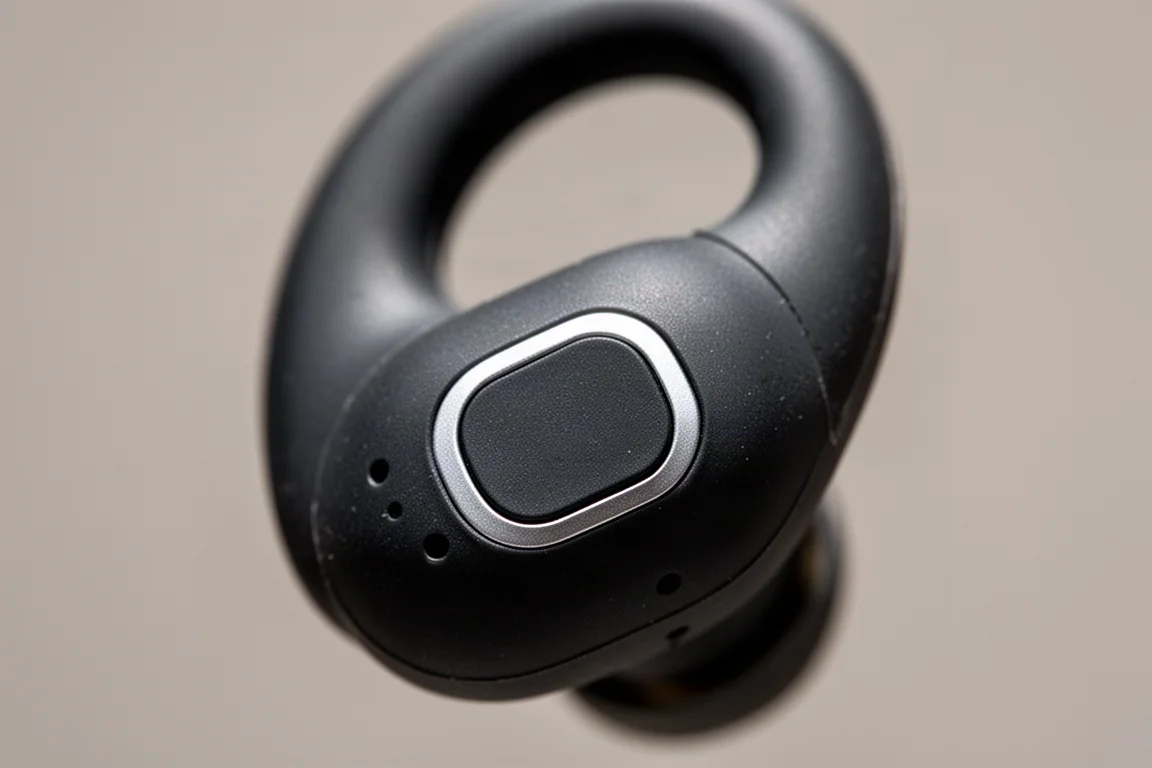
Both use capacitive touch controls, which are not our favourite setup for sports earbuds in general. They are easy to brush against accidentally when adjusting a hat or glasses, yet not always reliable when you need a pause or skip mid-run.
The OpenFit has the upper hand here. Its touch area is more clearly defined and registers taps more dependably, while the OpenFit Air often needed a couple of taps to wake up before it responded. If reliable on-the-move controls matter to you, that edge goes to the OpenFit.
Sound Quality
Sound is where these two are essentially level pegged. Both deliver good audio for open-ear designs, and the differences are subtle at most. The OpenFit can sound a touch fuller and richer with the standard bass boost on, but it is not a dramatic gap.
Both use the same drivers, with slightly different bass algorithms behind the scenes. Music and podcasts remain clear and audible even in busy environments on both, though very loud settings like noisy races or underground transport will drown them out; that is simply the trade-off of the open design. If you chase maximum sound quality, cheaper in-ear buds will outperform both, but the combination of situational awareness and enjoyable sound is what makes this format appealing.
One real miss on the OpenFit Air is the loss of custom EQ profiles. The companion app supports EQ tweaks on both, but the original OpenFit lets you create and save your own sound profiles, which is genuinely handy. The OpenFit Air uses a different bass algorithm from the OpenFit’s standard one, though in practice it makes little difference to what reaches your ears.
Battery Life
The rated runtime drops by an hour on the OpenFit Air, from 7 hours on the OpenFit to 6 hours, with the same 28-hour total including the case. In practical use, the difference rarely matters: run for an hour, pop them back in the case, and both recharge at a similar rate with fast charge available.
Real-world results actually leaned in the OpenFit Air’s favour for some testers. With bass boost and high volumes, both drained faster than the official figures. An average hour-long run burned around 10% on the OpenFit Air versus 20% on the OpenFit, and a 90-minute effort burned roughly 20% versus 40%. Another tester found both gave about an hour less than quoted at typical volumes, landing around 6 hours for the OpenFit and 5 for the OpenFit Air.
Overall, battery life is not a reason to pick one over the other.
Which One Should You Buy?
Both are comfortable, lightweight, good-sounding open-ear true wireless earbuds, and both are well suited to running. But the value equation is heavily tilted toward the OpenFit Air. It came out at roughly £60 less than the OpenFit, which was priced steeply at launch, and in testing there was no major step up with the more expensive model. The fit feels more secure for running, battery performance was on par or better, and sound is very similar apart from subtle differences and the missing custom EQ option.
If you already own the OpenFit, there is very little reason to switch. And if you deeply value outright sound quality, in-ear buds will always win on that front. But for the mix of awareness, comfort and audio quality that open headphones offer, especially for running, the OpenFit Air is the more sensible buy.

A Note on the Shokz OpenFit
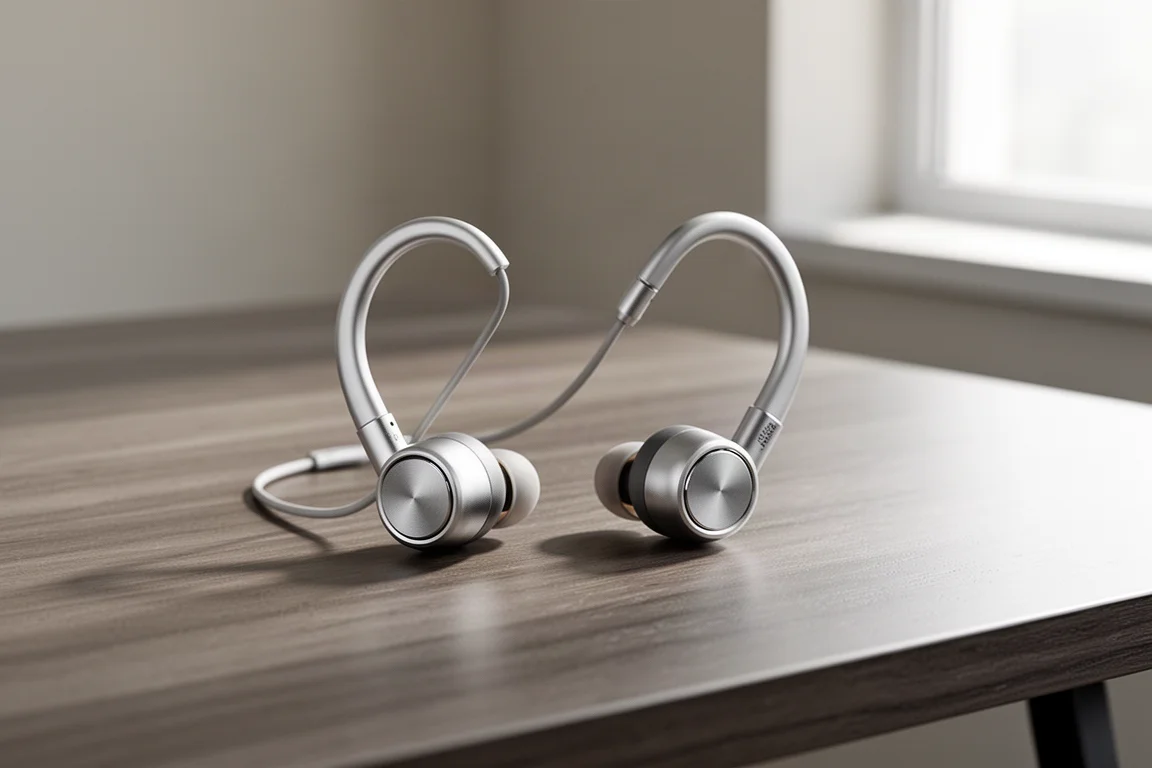
The OpenFit remains a good product all around. It is slightly smaller and lighter, its touch controls are more reliable, and it offers custom EQ profiles the OpenFit Air lacks. If controls and app customization are your top priorities and you find it at a strong discount, it is still worth a look. For most runners, though, the newer model delivers the same experience for less.
Conclusion
Shokz aimed the OpenFit Air at making the open-ear format more accessible on price, and that is exactly what it does. With a comparable fit, similar sound, competitive battery life and a significantly lower price, it is our recommendation for runners choosing between the two. The OpenFit holds onto small wins in controls and EQ customization, but it is not enough to justify the gap for most people.
Further reading
Related Reviews
Headphones
Apos Audio Caspian Review: Warm Bass, Solid Build, and a Detail Trade-Off
The Apos Audio Caspian is an easy-to-drive open-back headphone with standout bass and a warm, relaxed tuning, though mid-range and treble detail trail the competition.
Headphones
Audeze LCD-X vs LCD-XC vs LCD-3: Which High-End Headphone Fits Your Setup
A practical comparison of three Audeze planar magnetic headphones under $2,000, covering the open-back LCD-X, the closed-back LCD-XC, and the wood-ringed LCD-3.
Headphones
Audeze LCD-X vs HiFiMan Edition XS: Two Open-Back Headphones Compared
A practical comparison of the Audeze LCD-X and the HiFiMan Edition XS, covering build quality, comfort, sound signature, and which listener each one suits.