Headphones
Shokz OpenFit 2 vs OpenRun Pro 2: Which Open-Ear Headphones Should You Buy?
Shokz's new OpenFit 2 brings real buttons, better sound and more volume, while the OpenRun Pro 2 remains the secure pick. Here is how to choose between them.
Introduction
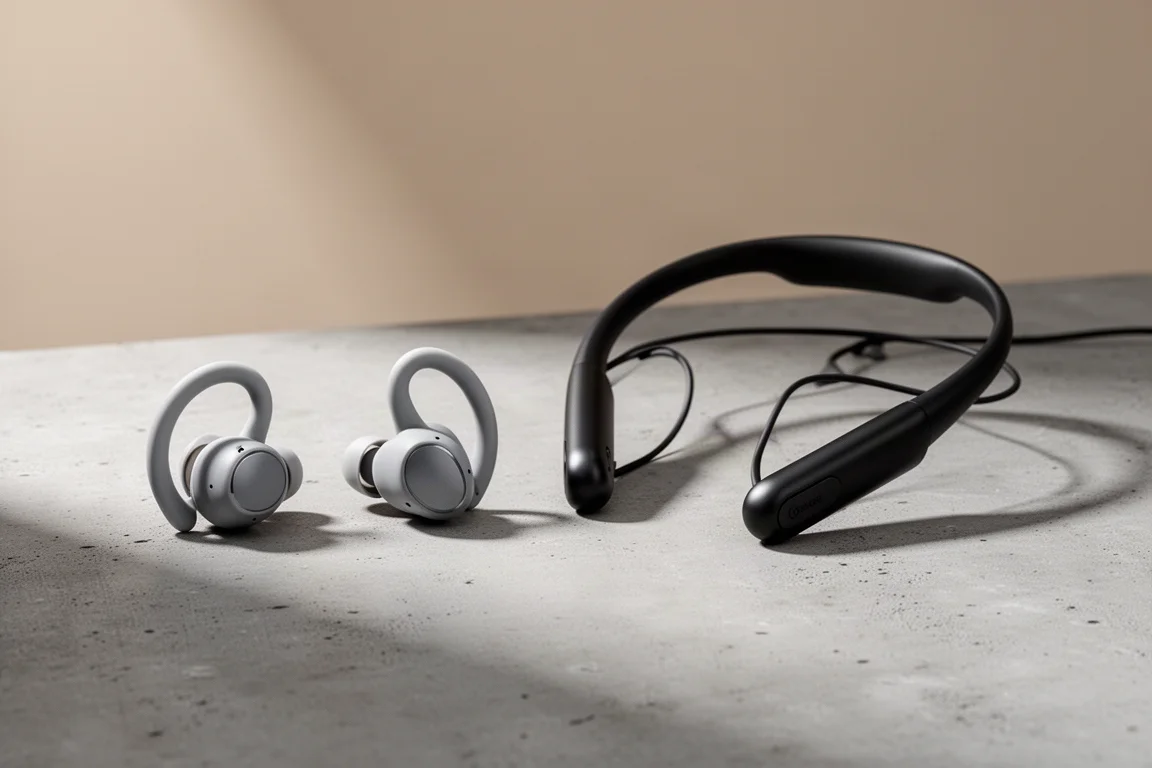
Shokz has built its reputation on open-ear bone conduction headphones for sports and fitness, but its air conduction models use more traditional drivers and deliver better sound quality while keeping nearly all the benefits of an open design. The new OpenFit 2 is the company’s second-generation flagship in this category, bringing meaningful upgrades over the original OpenFit.
Air conduction is not just a marketing term here. It describes the conventional method of transmitting sound through air via speakers, which is exactly how these differ from bone conduction models that vibrate sound through the cheekbones.
This comparison covers the OpenFit 2 alongside the OpenRun Pro 2, Shokz’s wraparound alternative, so you can figure out which one fits your listening and training habits.
Sound Quality and Volume
The OpenFit 2 uses two separate drivers inside each earbud, one dedicated to high frequencies and another for lower frequencies, with the low-frequency driver increased in size by about 16 percent. The result is a noticeable step up from the original OpenFit, which was already a good-sounding pair of earbuds.
In practice, the high end is noticeably crisper thanks to the separate tweeter, the low end is deeper and punchier, and everything sounds more defined overall. Vocals come through cleaner, beats on hip hop and techno tracks hit harder, and guitars and acoustic material carry more detail. For an open-ear design, the amount of low-end on offer is genuinely impressive, though physics still limits bass compared to a sealed earbud.
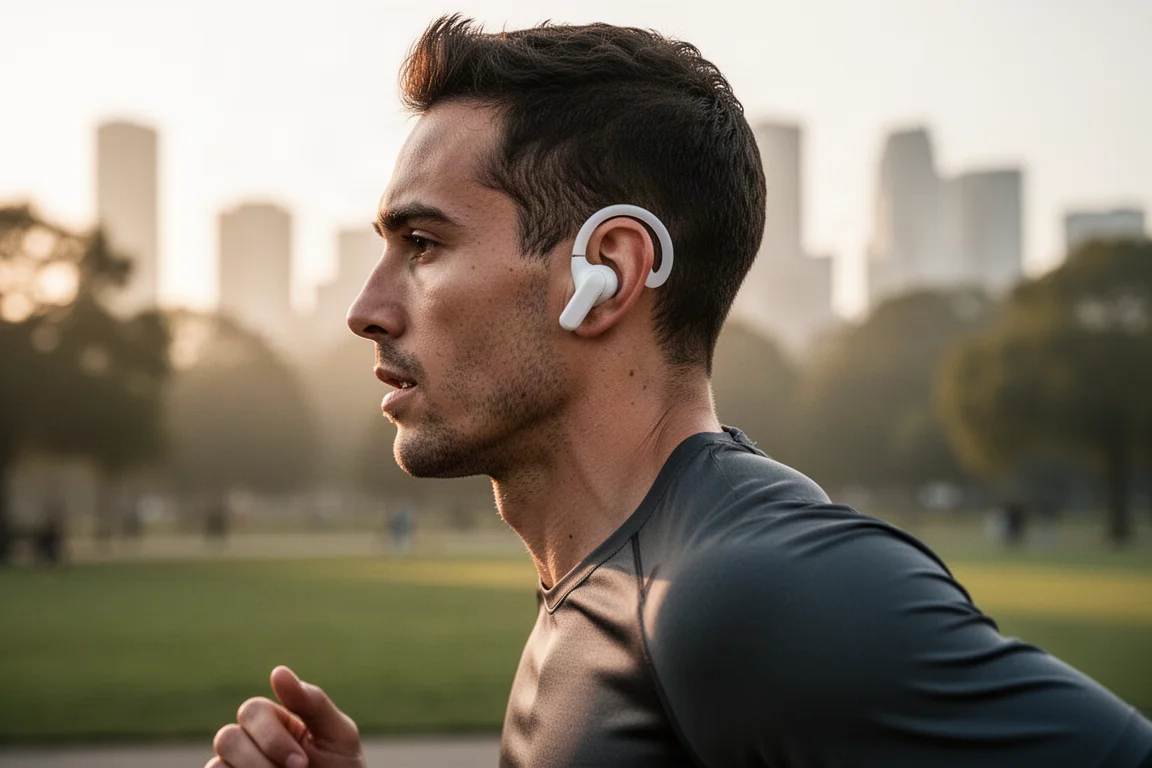
Volume is another clear upgrade. At 50 percent volume, the OpenFit 2 roughly equals 65 percent on the original OpenFit. This matters most outdoors, where the extra headroom helps you push through wind noise. Music stays clearly audible while road cycling up to around 20 mph, and even further if you crank the volume. Past roughly 80 percent on an iPhone some distortion creeps in, but most listeners will never need to go that high.
Out of the box, the standard sound profile holds up well, but you can choose from four preset EQ modes or create two custom profiles in the app.
Physical Buttons and Controls
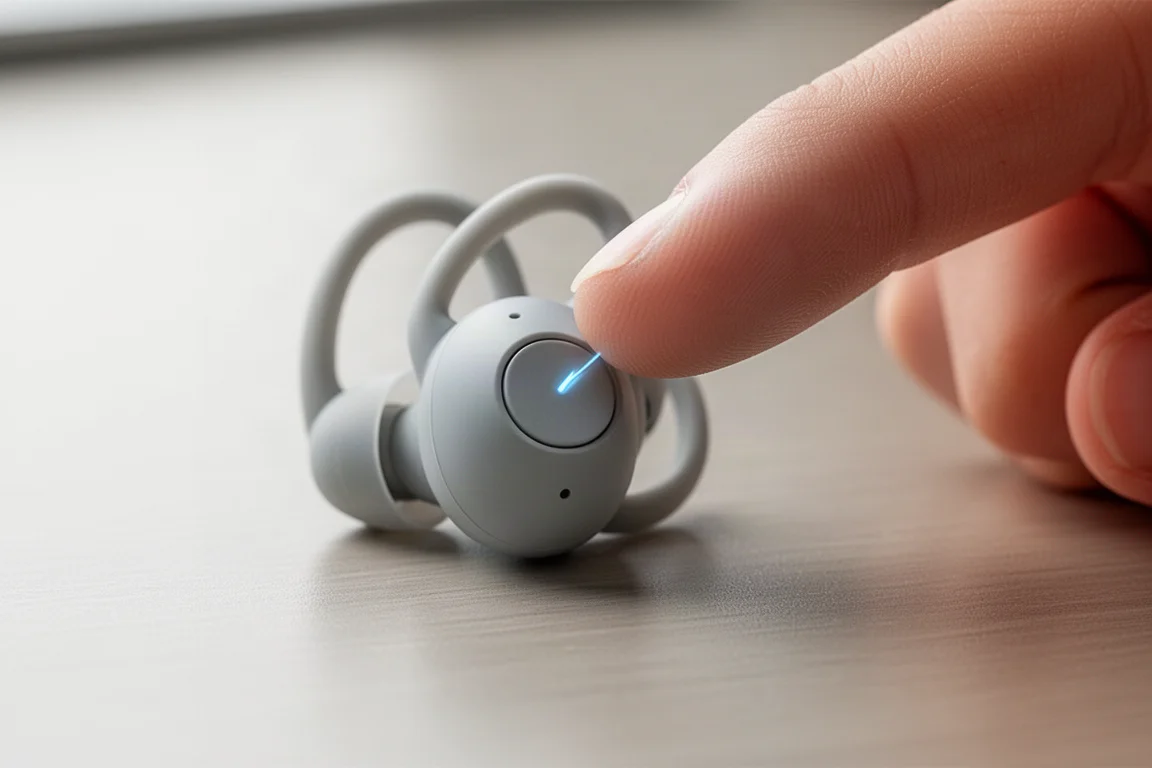
One of the biggest changes over the original is the addition of physical buttons alongside the touch controls. Touch alone was never quite as precise, and mis-taps were occasionally an issue. The new buttons are easy to feel and give a satisfying click, with no guesswork involved.
The placement is well considered too. You pinch to press rather than pushing a button on the side of the earbud, so you are not pressing against the side of your head. The buttons handle play, pause, track skipping, call answering and rejection, and volume control. The touch buttons are reserved for your voice assistant, though this is disabled by default and needs to be enabled in the app.

The main limitation is customization: touch controls cannot be remapped to playback functions, which would be a nice option. It is also possible to press a button accidentally when removing the earbuds from the case, but lifting them out by the ear hook rather than pinching the speaker solves that entirely.
Comfort and Everyday Wearability
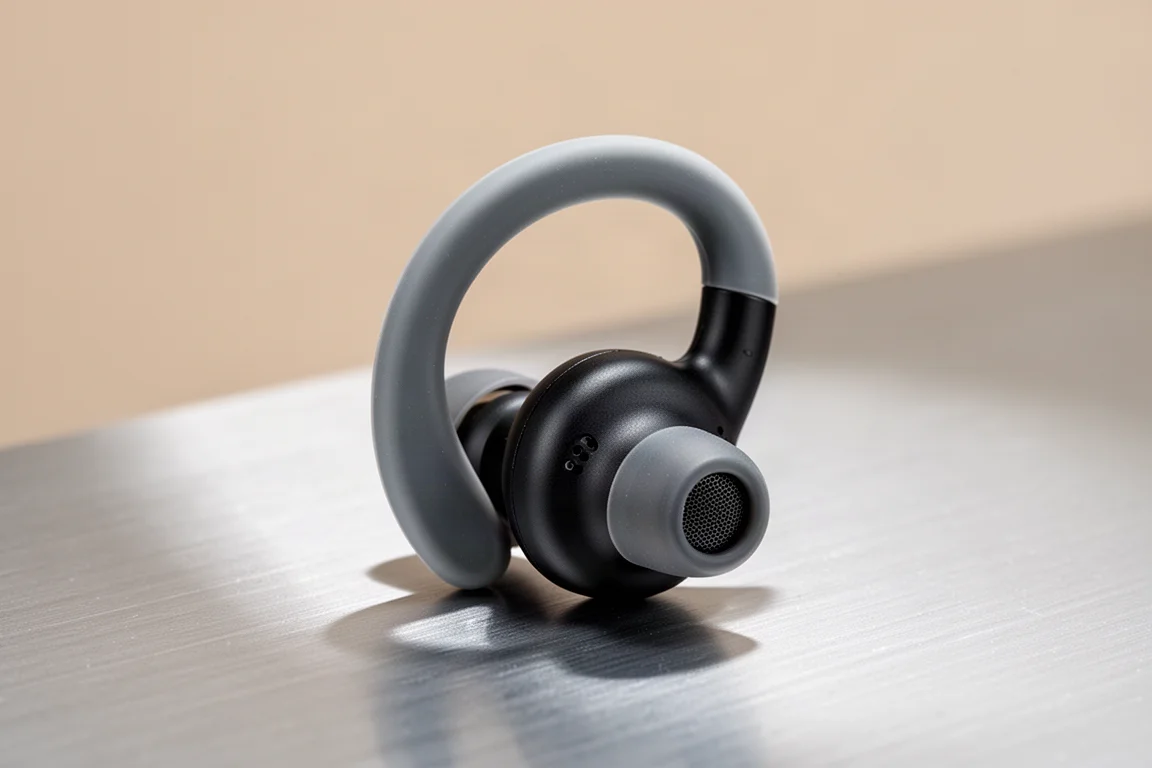
Comfort may be the single biggest reason to pick the OpenFit 2 over the OpenRun Pro 2. Each earbud weighs just under 10 grams, the ear hooks are covered in soft silicone, and the hooks themselves are made of flexible titanium that conforms around the ear. The result is all-day wearability with no ear fatigue, whether you are listening or not.
Because the design is fully open, you always hear your surroundings. There is no fiddling with removing an earbud to hold a conversation or stay aware of traffic, kids, or office chatter. They also coexist happily with sunglasses, hats, bike helmets, and even snow helmets.
Sound leakage is handled surprisingly well. Someone needs to be within roughly three to four feet to hear anything at all, and about two feet to make out what you are playing.
Sports Use and Fit Security
For running, weight training, and most gym work, the OpenFit 2 is a solid fit. It also works well for road biking and gravel riding, though notably Shokz does not officially recommend it for cycling on its site, likely because the earbuds could potentially fall off on rougher terrain.
For jarring activities such as mountain biking or high-intensity training with lots of jumping, the wraparound design of the OpenRun Pro 2 is the safer choice. The trade-off is comfort: the wraparound design tends to cause ear fatigue after around three hours, while the OpenFit 2 can genuinely be worn all day.
Water resistance ticks up slightly to IP55, versus IP54 on the original. That is a little better than some competitors, though the case itself is not water resistant, so check your pockets before the dryer. After sweaty workouts, it is worth wiping the earbuds before storing them; salt deposits on the charging contacts can interrupt charging, and a quick clean with rubbing alcohol on a cotton swab fixes it.
Battery Life, Case and Charging
Shokz claims 11 hours of listening time per charge, a solid bump from the 7 hours of the original. Real-world results land closer to 9 hours at higher listening volumes. The case adds roughly three additional charges, for a potential total of around 48 hours. A 10-minute quick charge in the case delivers about 2 hours of playback, handy before a ride or run.
The case is similar in size to the original with slightly rounded corners, making it easier to pocket, though it is a bit larger than an AirPods Pro case. One minor gripe: there is no way to attach a lanyard, so clipping it to a bag requires Shokz’s separate case, which was being bundled for free at launch.
Connectivity and App
The OpenFit 2 uses Bluetooth 5.4 and supports multipoint pairing, enabled through the app. Connections held steady with an iPhone, a Google Pixel, a Garmin Fenix 8, and an Apple Watch Ultra 2, with no drops. One quirk: volume ran noticeably louder on the Fenix 8 than on the iPhone, requiring the watch volume to be dialed back.
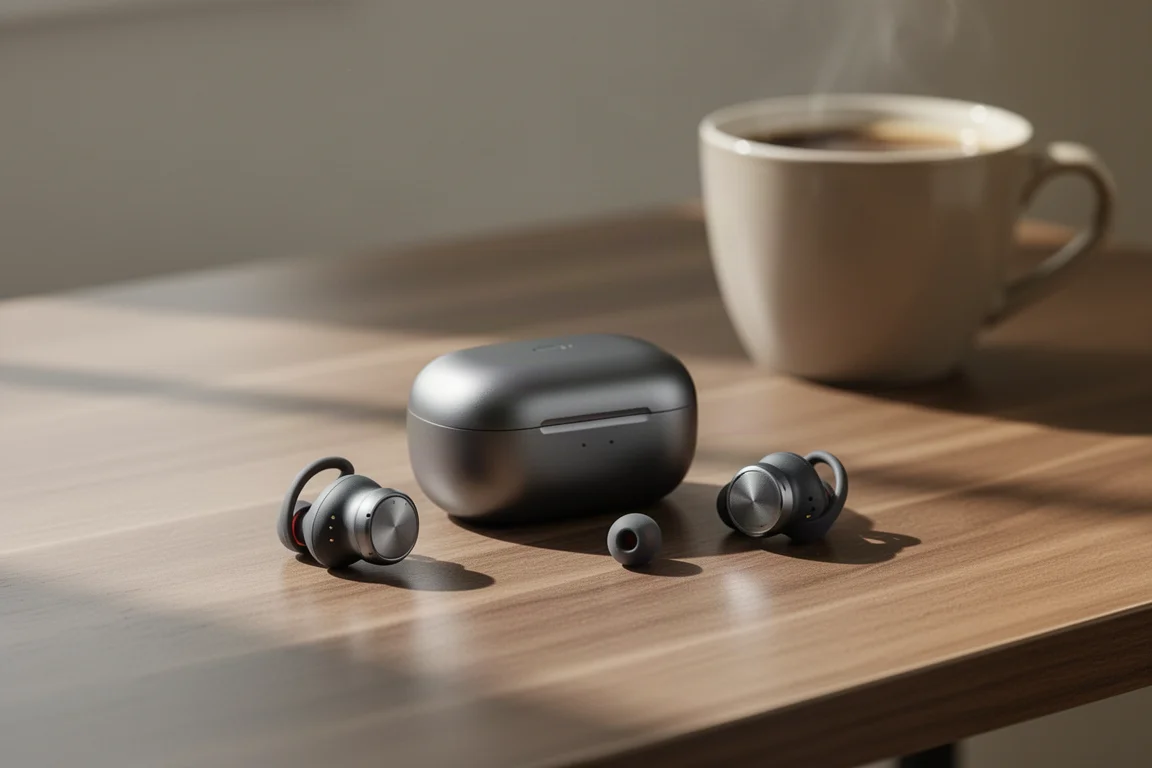
The companion app covers EQ presets, button customization, multipoint pairing, and a find-my-earbuds function that plays a loud tone from a lost earbud.
Which One Should You Buy?
Both models sound great, and you will not go wrong on audio either way, though the OpenFit 2 has the edge. The real decision comes down to fit and security versus all-day comfort. If you want the most comfortable open-ear experience for work, running, the gym, and even road cycling, the OpenFit 2 is the stronger pick. If you need maximum security for rougher, more jarring activities, the wraparound OpenRun Pro 2 is the better match.
View more details for Shokz OpenRun Pro 2
Conclusion
The Shokz OpenFit 2 earns its flagship spot with real buttons, genuinely better sound, much higher volume, and best-in-class comfort for an open design. If you already own the original OpenFit and it still works well, there is no urgent need to upgrade, but anyone buying fresh or wanting more precise controls and fuller sound will appreciate the second generation. Choose the OpenRun Pro 2 only if secure fit during aggressive activity matters more than all-day wearability.
Further reading
Related Reviews
Headphones
Apos Audio Caspian Review: Warm Bass, Solid Build, and a Detail Trade-Off
The Apos Audio Caspian is an easy-to-drive open-back headphone with standout bass and a warm, relaxed tuning, though mid-range and treble detail trail the competition.
Headphones
Audeze LCD-X vs LCD-XC vs LCD-3: Which High-End Headphone Fits Your Setup
A practical comparison of three Audeze planar magnetic headphones under $2,000, covering the open-back LCD-X, the closed-back LCD-XC, and the wood-ringed LCD-3.
Headphones
Audeze LCD-X vs HiFiMan Edition XS: Two Open-Back Headphones Compared
A practical comparison of the Audeze LCD-X and the HiFiMan Edition XS, covering build quality, comfort, sound signature, and which listener each one suits.